
REVIEW · AMSTERDAM
Amsterdam: Anna Frank and World War II History Walking Tour
Amsterdam’s wartime story comes into focus on foot, from the National Holocaust Names Memorial near the Amstel to the doorway of the Anne Frank House. This two-hour Italian-language tour connects the city’s Jewish community, Nazi occupation, and Anne Frank’s family in one compact route.
I like the clear historical arc, beginning with Jewish life in Amsterdam around 1600 and moving toward the Holocaust. I also like the chance to see the Anne Frank House from the outside while learning about the family’s two years in hiding. The main drawback is important: entry to the Anne Frank House is not included, and the walk may feel emotionally heavy.
Key points to know before booking
- A route from the H’ART Museum to Anne Frank’s neighborhood: The walk links the Amstel area with the western part of central Amsterdam.
- A focus on Amsterdam’s Jewish community: You’ll hear about its early origins, wartime persecution, and place in the wider city.
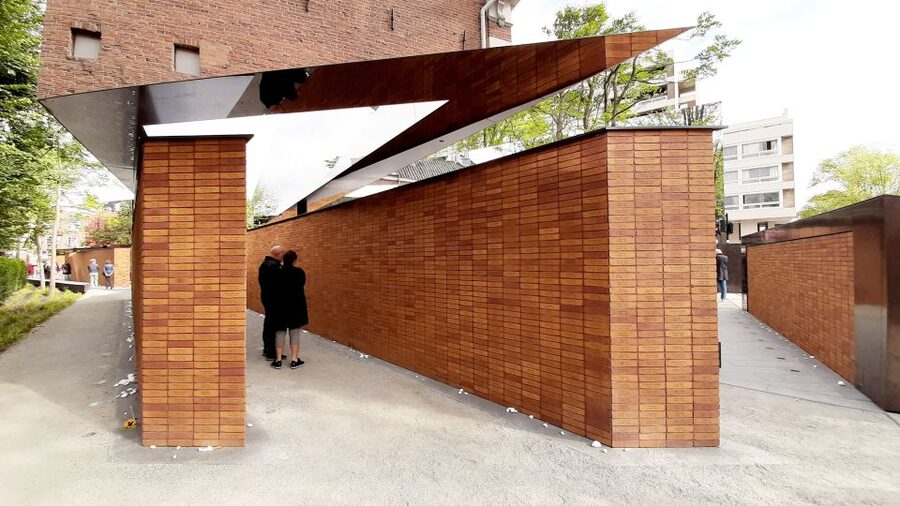
- The National Holocaust Names Memorial is part of the experience: The monument honors Jewish, Sinti, and Roma people murdered during the Second World War.
- Anne Frank’s hiding place is viewed from outside: The tour ends at the Anne Frank House, but admission is separate.
- An Italian-speaking guide leads the walk: Ginevra is specifically praised for making the tour engaging and full of useful details.
- The price is $28 per person: For two hours with a live local guide, that is a reasonable cost if you want context before visiting the museum independently.
Starting at H’ART Museum near the Amstel
The meeting point is at the entrance of the H’ART Museum, formerly the Hermitage Amsterdam, in the Amstel area. This is a practical place to begin because the tour does not open with Anne Frank alone. Instead, it starts by placing the story inside Amsterdam’s larger Jewish and wartime past.
That choice matters. If you go straight to the Anne Frank House, you may leave with a powerful but narrow picture of the period. Here, you first learn how Jewish life developed in Amsterdam and how the city changed under Nazi rule. The walk then gives Anne Frank’s family a setting rather than treating the family story as an isolated event.
You should arrive ready to walk for two hours. The route crosses central Amsterdam, and the available information does not give a detailed breakdown of the exact streets, group size, or number of stops. I would wear comfortable shoes and avoid packing the schedule too tightly afterward.
The guide speaks Italian. That makes this experience most useful if you are comfortable following historical explanations in Italian. The guide named in the available feedback is Ginevra, who is described as prepared, passionate, and good at adding interesting details. Since guide assignments can vary, check the language and guide information when booking.
More History Walking Tours in the Netherlands
- Amsterdam History Walking Tour
★ 5.0 · 281 reviews - Amsterdam: Highlights & History Walking Tour
★ 4.8 · 266 reviews - Anne Frank and Amsterdam Jewish History Walking Tour
★ 5.0 · 259 reviews
The National Holocaust Names Memorial and the weight of the subject
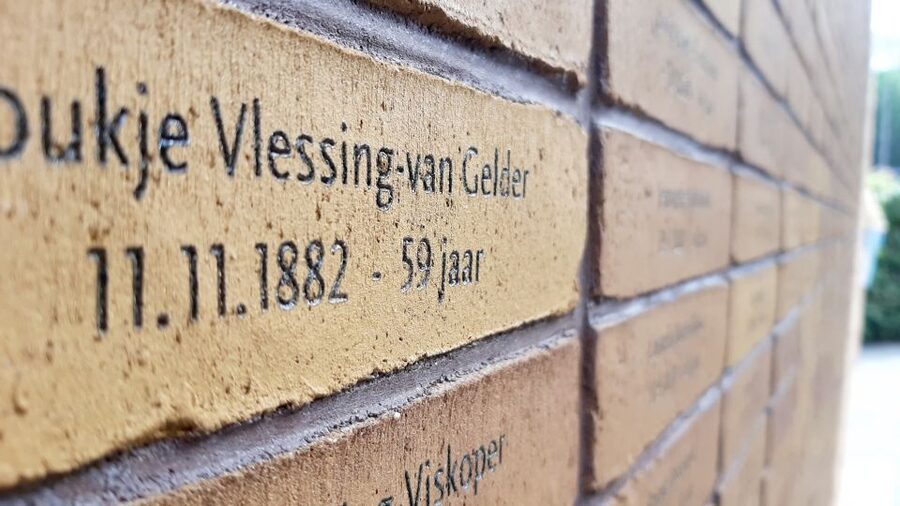
One of the early points is Amsterdam’s National Holocaust Names Memorial. It remembers the 120,000 Jewish, Sinti, and Roma people murdered during the Second World War. The monument gives the tour a serious center of gravity before the route moves toward Anne Frank’s neighborhood.
This is not a light sightseeing walk. The subject includes deportation, Nazi occupation, the destruction of Jewish communities, and the Holocaust. I appreciate that the tour begins with a memorial and a wider city story, because it helps you understand that Anne Frank’s experience was part of a much larger catastrophe.
At the same time, you should think about your own pace. Two hours is long enough to cover difficult material without becoming an all-day program, but the subject cannot be made cheerful or easy. The guide’s role is especially important here. The strongest part of the experience is likely to be the way the story is explained aloud, not simply the buildings you pass.
The memorial also helps you consider names and individual lives rather than only dates and military events. That approach fits Anne Frank’s writing, which gives a personal face to a period that can otherwise become a list of statistics.
Amsterdam’s Jewish community from around 1600
The tour traces the first origins of Amsterdam’s Jewish community to around 1600. This is one of the most useful parts for anyone who knows Anne Frank’s name but has less background on Jewish Amsterdam.
You’ll learn about the former Jewish district and its relationship with the rest of the city. That broader setting can help you understand how communities formed, worked, worshiped, and became part of Amsterdam over time. The supplied details do not name each individual street or building on the route, so you should not expect a stop-by-stop architectural tour.
Instead, this is a walking history lesson tied to the places around you. I like that format because the city itself becomes part of the explanation. Streets and neighborhoods are not treated as scenery alone. They help show where Amsterdam’s Jewish population lived and how Nazi persecution later tore that world apart.
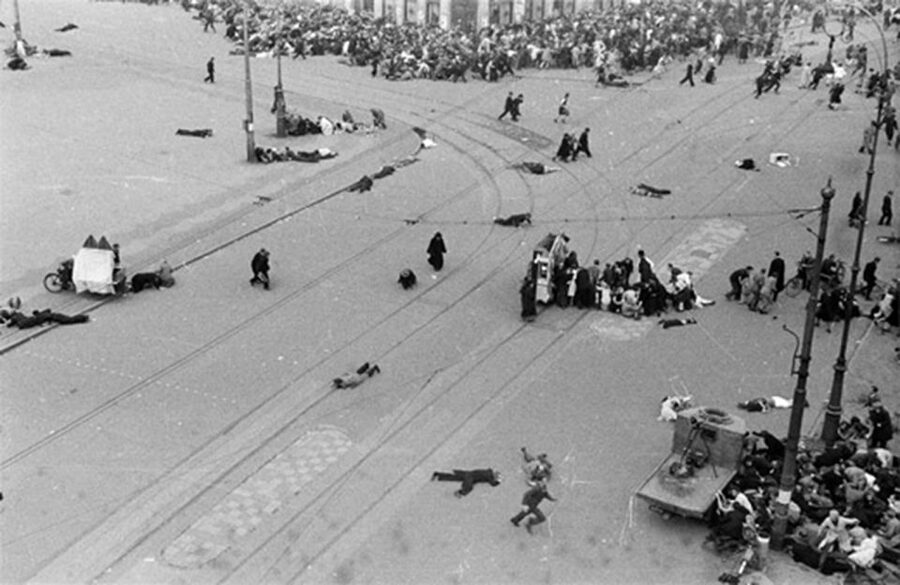
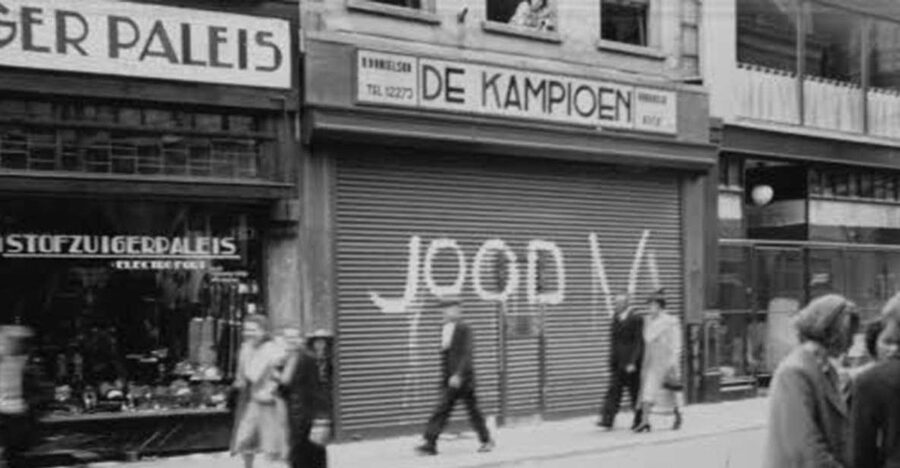
The first section also gives the guide room to explain change over time. The Nazi occupation did not arrive in a city without a past. It targeted people who had families, homes, work, and long-standing connections to Amsterdam. That point is easy to miss if you focus only on the Secret Annex and Anne Frank’s diary.
The Nazi occupation and the Holocaust in Amsterdam
As you cross the city, the discussion turns toward the Nazi occupation and the horrors of the Holocaust. The exact route is not listed in detail, but the tour is designed to connect the former Jewish district with the part of Amsterdam where Anne Frank and her family hid.
This transition is valuable because it links public history with private experience. You hear about what happened to Amsterdam’s Jewish community, then follow the story toward one family’s attempt to survive in hiding. The result is more grounded than a visit built around Anne Frank alone.
The information is presented for people who want to better understand what happened in Amsterdam during the Second World War. It is also aimed at people who already know Anne Frank and want to place her life within the city’s wartime story.
I would not choose this walk if you want a general introduction to Amsterdam. It does not focus on canals, art, food, or everyday city life except where those subjects connect to the wartime story. It is a specialist history walk, and its value depends on your interest in that subject.
More History Walking Tours in Amsterdam:
- Berlin: Third Reich & Cold War Guided Walking Tour
★ 4.9 · 8,378 reviews - Munich: Third Reich & WWII Walking Tour
★ 4.6 · 6,181 reviews - Berlin’s Best: 2 Hour Walking Tour Third Reich and the Cold War
★ 5.0 · 5,486 reviews - Third Reich Berlin: Hitler and WWII Walking Tour
★ 5.0 · 3,301 reviews
Walking toward Anne Frank’s hiding place
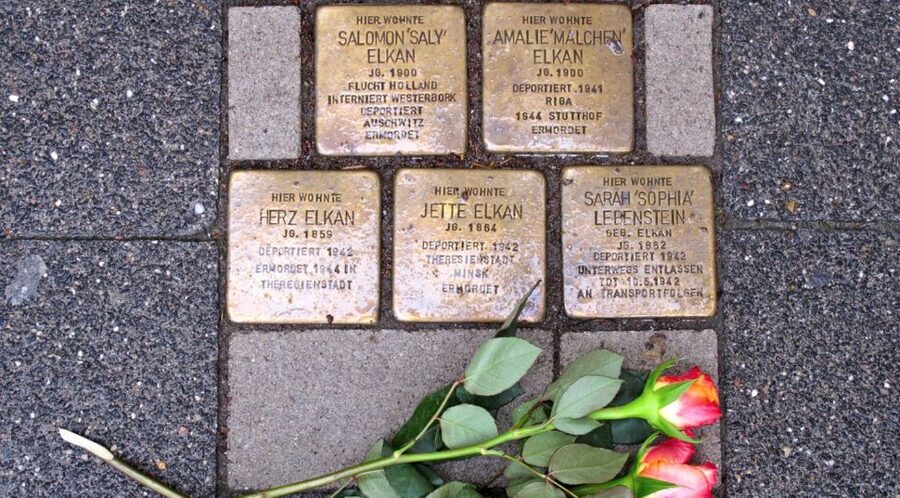
The most anticipated part of the route comes as you reach the neighborhood connected with Anne Frank and her family. They remained in hiding for two years before deportation. The guide explains that period while bringing the story back to the places around you.
The tour does not take you inside the Anne Frank House. It ends at the entrance, where you can continue independently if you already have an admission ticket. An audio guide is supplied for the museum visit, but the house ticket itself is not part of this activity.
That distinction is crucial when planning your day. Paying $28 does not secure entry to the Anne Frank House. You need to arrange that separately, and you should not assume that arriving with the walking tour gives you access.
Still, seeing the exterior after two hours of background can change the way you approach the museum. You will have heard about Anne’s family, Amsterdam’s Jewish community, and the occupation before confronting the place where the family hid. The house becomes the final point in a story that began with the wider city.
The drawback is that the outside view can feel incomplete if you hoped for an interior visit. If your main goal is to see the Secret Annex, treat this as preparation for a separate museum visit rather than a replacement for it.
What the guide adds to Anne Frank’s story
A good guide can prevent this subject from becoming a string of familiar facts. The strongest available feedback names Ginevra and describes her as prepared, passionate, and able to make the walk engaging and full of useful details.
That kind of live explanation is the main reason to book instead of reading about the same places on your own. The guide can connect the dates, community history, occupation, and family story as you move through Amsterdam. You can also hear the material in Italian, which may make difficult subjects easier to follow if Italian is your preferred language.
The tour description also promises that Anne Frank’s writing will come to life. I would read that as a focus on the human detail in her diary and the circumstances behind it, not as a dramatic performance. The best approach is likely to be thoughtful and direct.
I would keep your expectations realistic. No guide can make two hours cover every part of wartime Amsterdam, Anne Frank’s family history, and the Holocaust. This is an introduction with a strong focus, not a full academic course.
Is $28 good value for two hours?
At $28 per person, the cost is fair for a two-hour guided walk, especially if you want a local guide to connect several difficult subjects. You are paying for the route, the live explanation, and the way the stops are organized. You are not paying for museum admission.
The value is highest for someone who would otherwise visit the Anne Frank House without understanding much about the surrounding history. The walking tour gives you a framework first. It can help you notice the difference between Anne Frank’s personal story and the much larger destruction of Jewish life in Amsterdam.
The price is less attractive if you already know the history well, have read extensively about wartime Amsterdam, or only want to enter the Anne Frank House. In that case, a separate museum visit may be enough for your plans.
The free cancellation period also gives you some useful flexibility. You can cancel up to 24 hours in advance for a full refund, and the reserve-now, pay-later option means you do not have to pay at booking. These policies matter if your Amsterdam schedule is still shifting, but they do not change the fact that the Anne Frank House ticket must be handled separately.
Who will get the most from this walk?
I would recommend this experience to:
- Italian-speaking visitors who want a guided history walk in Italian.
- People visiting the Anne Frank House for the first time.
- Anyone interested in Amsterdam’s Jewish community before and during the Nazi occupation.
- Visitors who prefer personal stories and memorial sites to a broad city sightseeing tour.
- Families with older children or teenagers who can engage with the seriousness of the Holocaust.
- Readers of Anne Frank’s diary who want more background on her family and city.
I would be more cautious about booking it for very young children. The subject is severe, and the tour is built around persecution, deportation, and murder. I would also skip it if you want a relaxed stroll with only occasional historical notes.
The activity information does not specify accessibility details, group size, rest stops, or the precise walking distance. If any of those points affect your plans, ask the provider before reserving. The route crosses the city, so comfort and timing deserve attention.
How to plan the Anne Frank House afterward
The walk ends at the entrance of the Anne Frank House according to the route description. Another part of the activity information says the experience ends back at the meeting point, so I would confirm the exact ending arrangement when you book. Either way, do not assume the walking tour includes admission.
If you plan to enter the house after the walk, allow enough time for your separate visit and make sure your ticket time matches your arrival. The activity provides an audio guide for the independent museum visit, but it does not provide the entrance ticket.
You may also prefer to schedule the museum for another time. The walking tour can give you the historical setting first, while a later visit lets you take in the interior at your own pace. The best choice depends on ticket availability and how much time you want to spend with the subject in one day.
I would avoid placing a carefree dinner or party immediately after this walk if you prefer a little quiet time after serious history. Amsterdam offers plenty of lighter activities later, but this particular experience deserves attention.
Final call: should you book it?
Book this tour if you want an Italian-speaking guide, a focused account of Amsterdam during the Second World War, and useful background before visiting the Anne Frank House. The route links the former Jewish district, the National Holocaust Names Memorial, Amsterdam’s Jewish origins, Nazi occupation, and Anne Frank’s family in hiding.
Skip it if you only want entry to the Anne Frank House, since that ticket is not included. Also think twice if you prefer general sightseeing or find Holocaust history too heavy for a two-hour walk.
For the right audience, $28 is a sensible price for a compact, serious introduction. Confirm the meeting and ending details, arrange the Anne Frank House ticket separately, wear comfortable shoes, and make sure Italian is the language you want. With those points settled, this is a thoughtful way to place Anne Frank’s story inside the wider history of Amsterdam.
FAQ
Where does the walking tour start?
It starts at the entrance of the H’ART Museum, formerly the Hermitage, in the Amstel area of Amsterdam.
Where does the tour end?
The route description says the walk ends at the entrance of the Anne Frank House. Another activity detail says it ends back at the meeting point, so confirm the final arrangement when booking.
How long does the tour last?
The walking tour lasts two hours.
What language is the tour in?
The live guide speaks Italian.
Is admission to the Anne Frank House included?
No. The Anne Frank House entrance ticket is not included in the walking tour.
Can I visit the Anne Frank House after the walk?
Yes. You can visit the house independently, and an audio guide will be supplied for that visit. You must arrange and pay for the entrance ticket separately.
What historical subjects does the tour cover?
It covers Amsterdam’s Jewish community from around 1600, the former Jewish district, Nazi occupation, the Holocaust, and Anne Frank’s family during their two years in hiding.
Is a local guide included?
Yes. A local guide and the walking tour are included. Ginevra is one guide associated with the experience.
Can I cancel for a full refund?
Yes. You can cancel up to 24 hours in advance for a full refund. The activity also offers reserve now and pay later.
Just added around Amsterdam
- Amsterdam: Walking Tour, Jewish Museum & Synagogue Tickets★ 4.3 · 110 reviews
- Amsterdam: Sex, Drugs, and Freedom Walking Tour★ 4.6 · 74 reviews
- Amsterdam: Small-group Guided Walking Tour (French/English)★ 5.0 · 289 reviews
- Amsterdam: Jordaan District Local Food Walking Tour★ 4.8 · 311 reviews
- Amsterdam: Private Walking Tour with a Local★ 4.7 · 102 reviews
- Amsterdam Walking Tour and Canal Cruise★ 4.6 · 117 reviews
- Amsterdam: Ghost Walking Tour and Dark History★ 4.8 · 118 reviews
- Amsterdam: Iconic Canals & Historic Sights Walking Tour★ 4.5 · 90 reviews
History Walking Tours, compared.



Berlin’s Best: 2 Hour Walking Tour Third Reich and the Cold War
Read our review →
Third Reich Berlin: Hitler and WWII Walking Tour
Read our review →
New Orleans Garden District History Walking Tour
Read our review →
Cartagena: Historic Center and Getsemaní Shared Walking Tour
Read our review →
Imperial Palace and Shogun Historical Walking Tour
Read our review →Browse the lists this tour appears in