
REVIEW · TOKYO
Tokyo: Dark Side of Tokyo Shinjuku Red Light Walking Tour
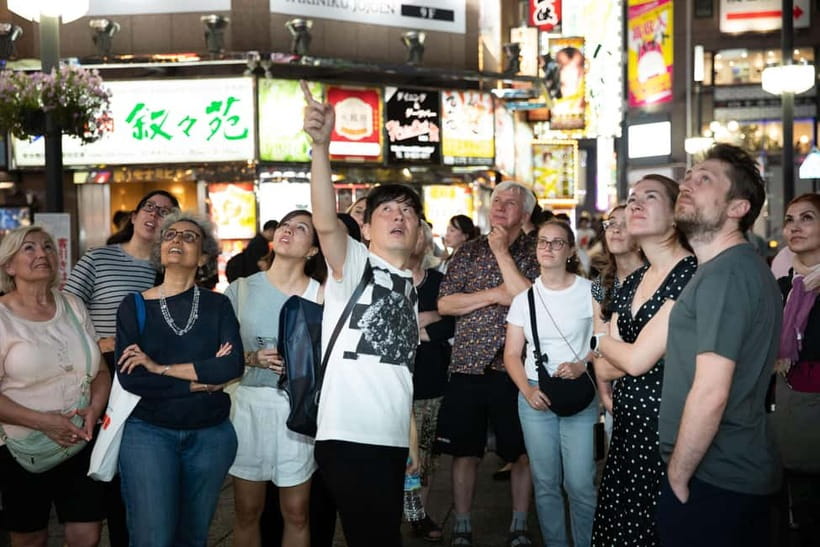
Kabukicho after sunset is Tokyo with the volume turned up: neon signs, narrow lanes, tiny bars, late-night food, and a steady stream of people heading out for the evening. This two-hour walk through Shinjuku gives you a useful map of a district that can feel confusing when you first arrive.
I like the route for two reasons. It connects famous spots such as Omoide Yokocho and Golden Gai with less obvious corners of the entertainment district, and it gives you practical food and bar suggestions for later. Guides including Dani, Loc, Polina, Huy, Gray, Daniel, and Danny have been especially praised for clear explanations, humor, and thoughtful answers.
The main drawback is the meeting point. Shinjuku Station is enormous, and finding the right police box or tourist information center can be stressful on your first night in Tokyo. Arrive early, read your booking details closely, and do not count on the group waiting for late arrivals.
Key points to know before you book
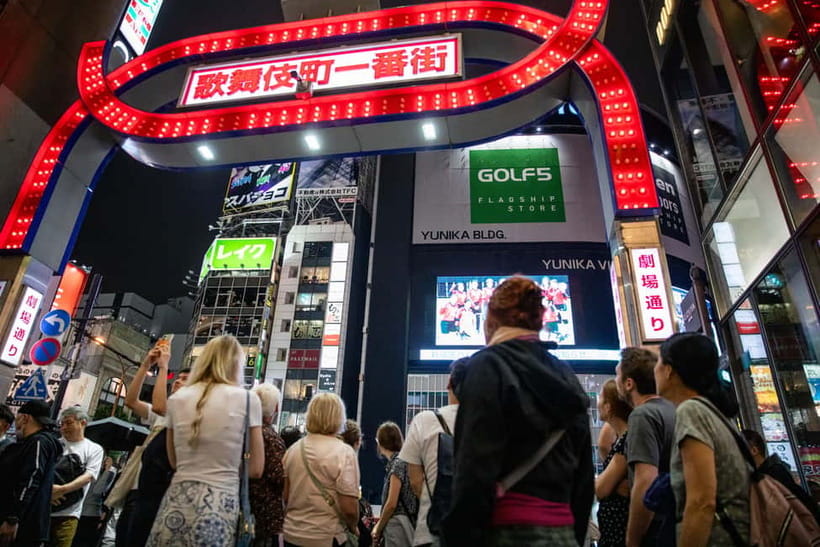
- The route covers five distinct parts of Shinjuku: Omoide Yokocho, Kabukicho, Golden Gai, Hanazono Shrine, and 2 Chome.
- The focus is nightlife culture, not bar-hopping: You walk past entertainment venues and hear how the area works, but alcohol and drugs are not allowed on the tour.
- 2 Chome adds a different side of Tokyo: This LGBTQ district brings a social and cultural angle that is easy to miss on a standard sightseeing walk.
- Food advice is one of the practical strengths: Guides have suggested ramen, okonomiyaki, and other places guests visited after the tour.
- It suits adults only: Children under 18 cannot join.
- The $29 price is reasonable: For two hours, a live guide, local orientation, and restaurant advice, it offers good value if you are new to Shinjuku.
Why Shinjuku is best seen after dark
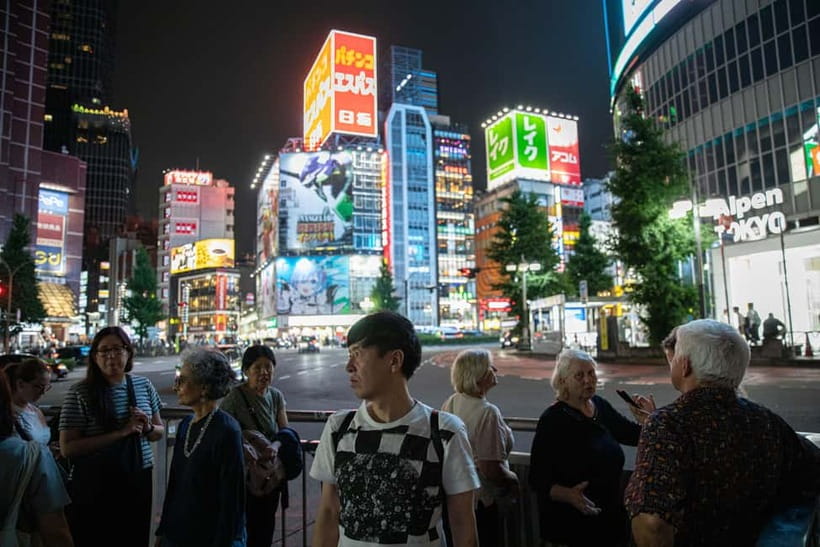
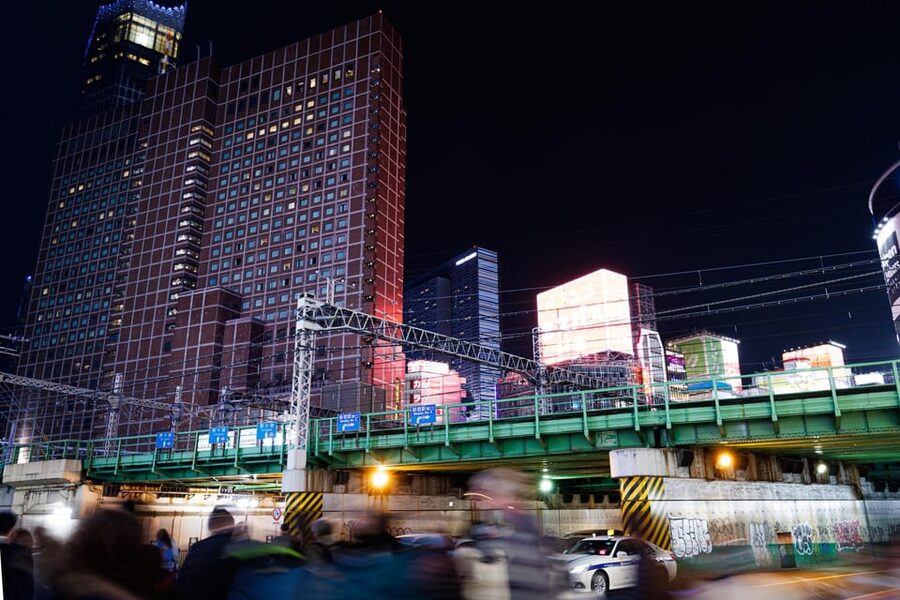
Shinjuku is not one single neighborhood. Around the station, you get department stores, office towers, train lines, shopping arcades, and some of Tokyo’s busiest pedestrian areas. East of the station, the mood changes quickly as signs for bars, clubs, restaurants, and other entertainment venues begin to crowd the streets.
This tour concentrates on that eastern side. The point is not simply to look at bright signs. You learn how Shinjuku developed from a postwar entertainment area into one of Tokyo’s best-known nightlife centers, and how different streets serve different audiences.
That context matters. On your own, you might see a wall of signs and assume every door is open to anyone. A guide can explain the difference between a casual izakaya, a tiny members-style bar, a hostess venue, a restaurant, and other forms of nightlife. The tour also gives you a chance to ask direct questions about Japanese customs and social life.
The tone appears to depend partly on your guide, but the strongest guide feedback centers on humor, storytelling, and clear explanations. Loc is often praised for making the area easy to understand, while Dani and Danny are noted for friendly, engaging presentations. Polina, Gray, Huy, and Daniel have also been praised for answering questions and adding cultural background.
A few more walking tours around Tokyo worth a look
- Tokyo Tsukiji Fish Market Food and Culture Walking Tour
★ 5.0 · 3,184 reviews - Tokyo: Imperial Palace and Shogun Historical Walking Tour
★ 5.0 · 2,251 reviews - Tokyo: Shinjuku Local Bar and Izakaya Guided Walking Tour
★ 4.9 · 1,794 reviews
Meeting at Shinjuku Station without losing your group
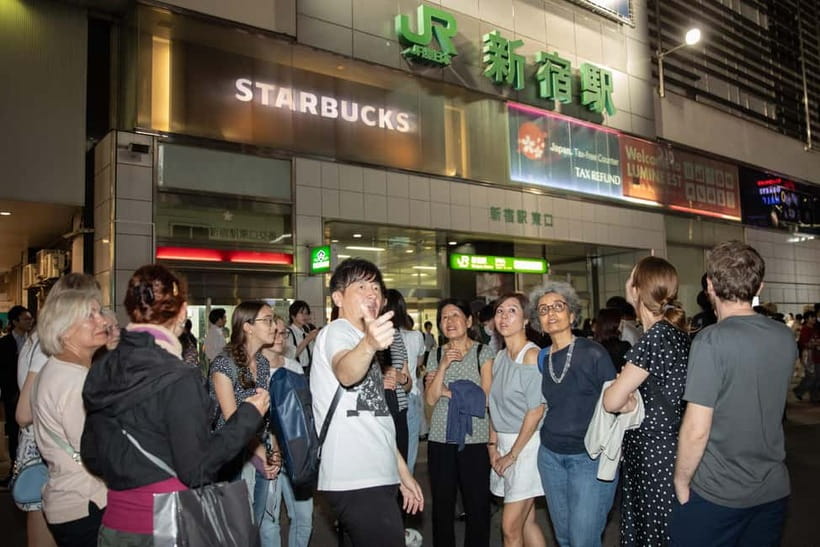
You may begin at the Shinjuku Tourist Information Center or at the police box by the East Exit of Shinjuku Station, depending on the option you book. Check the exact meeting point rather than assuming every departure uses the same place.
This is the least polished part of the experience for a first-time visitor. Shinjuku Station is one of the largest and busiest rail stations in the world, and several tour groups can gather around similar landmarks. One person specifically found the meeting area confusing because many companies use nearby meeting points.
My advice is simple: allow extra time, get to the East Exit before the appointed hour, and use the station signs rather than wandering around the nightlife streets. The tour does not wait for late arrivals, so this is not the moment for a last-minute coffee stop.
Once you find your guide, the rest should be easier. The route finishes around Shinjuku Golden Gai or 3 Chome, useful places for continuing your evening independently.
Omoide Yokocho and the old food lanes
The first major stop is Omoide Yokocho, a compact group of narrow lanes close to Shinjuku Station. Its small restaurants and izakayas offer a sharp contrast to the broad roads and high-rise buildings nearby.
You spend about 20 minutes here with the guide. That is enough time to understand the character of the lanes, look at the tiny dining spaces, and hear how this older pocket fits into modern Shinjuku. The attraction is visual and social rather than grand. You are seeing a tightly packed eating district where the scale feels personal and slightly cramped.
This is also a good point to ask about ordering food and choosing a place to eat later. The tour does not include a meal, so treat the stop as an introduction, not a tasting session.
You may find the lanes crowded, especially at night. That is part of the appeal, but it can make photography and conversation harder. Keep your group in sight and avoid blocking the narrow passages.
Kabukicho, Tokyo’s famous entertainment district
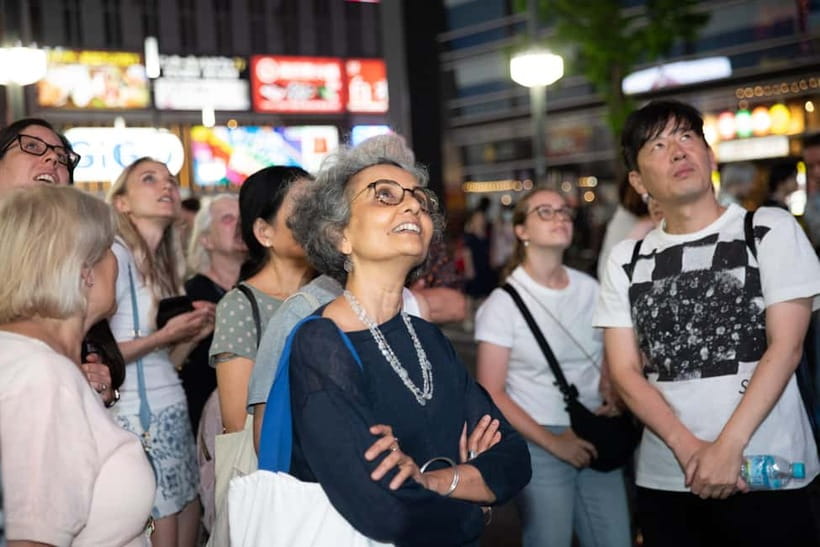
The tour then spends roughly 40 minutes in Kabukicho, the largest section of the walk. This is where the red-light district label needs some care. Kabukicho has a history connected with adult entertainment, but today it is also a broad nightlife zone with restaurants, bars, karaoke, clubs, hotels, cinemas, and other entertainment.
Your guide explains how the district changed over time and points out the mix of old lanes, large entertainment complexes, and tall buildings. The value here is interpretation. You can see the signs and crowds without a guide, but you are less likely to understand the local customs, the business categories, or why certain streets feel different from others.
The tour is designed for observation and discussion. You are not being taken into venues, and you should not expect a pub crawl or adult entertainment experience. Alcohol and drugs are not permitted, and the activity is for adults at least 18 years old.
For many people, this is the emotional center of the evening. The area may feel intense at first, especially if you are not used to Tokyo’s concentrated nightlife districts. One useful feature of a guided walk is that you stay with someone who can explain what you are seeing and help you judge which streets and venues suit your plans.
Same streets, a different route:
- Tokyo: Tsukiji Fish Market Food and Walking tour
★ 5.0 · 1,724 reviews - Tokyo: Asakusa Walking Tour with Sensoji Temple Visit
★ 4.8 · 1,583 reviews - Tokyo: Tsukiji Fish Market Guided Walking Tour
★ 4.9 · 1,397 reviews - Tokyo Castle & Imperial PalaceーShogun Walking Tour
★ 4.7 · 1,068 reviews
Golden Gai and its tiny bars
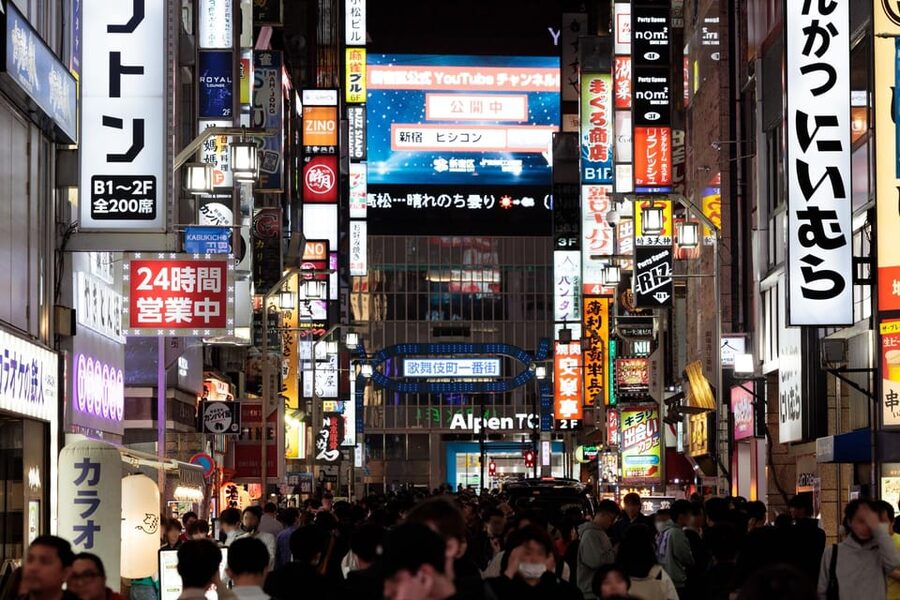
Golden Gai receives about 20 minutes. Its narrow lanes contain a dense cluster of very small bars, many with only a few seats. The area is famous for its unusual scale, with little room between the doorways and almost no sense of a conventional shopping street.
You will learn why Golden Gai appeals to people looking for a more intimate night out. The district rewards curiosity, but it can also be intimidating. Some bars have specific rules, limited seating, or a regular clientele, and you should never assume that every door is meant for casual drop-in visitors.
That is where local advice helps. The guide can explain the general atmosphere and suggest how to approach the area respectfully. You may decide to return later, or you may simply enjoy the walk and choose a larger restaurant for dinner.
The short stop keeps the tour moving, but it also means you will not explore every lane in detail. Think of Golden Gai as a preview. If it catches your interest, you can come back on your own with more time.
Hanazono Shrine, a quieter pause
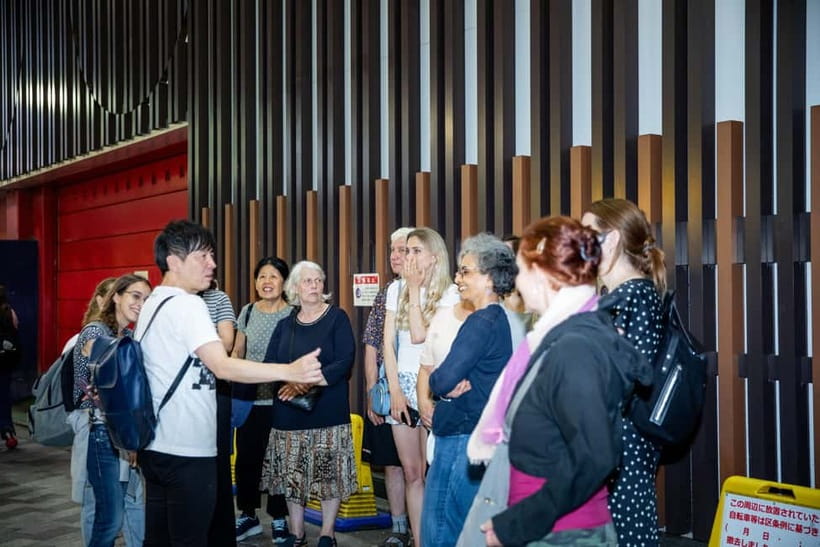
Hanazono Shrine offers a useful change of pace. After the noise and close-packed signs of Kabukicho and Golden Gai, a shrine gives you a quieter place to consider the older traditions that remain alongside Tokyo’s nightlife.
The planned visit lasts about 20 minutes. The attraction is not a long religious tour. Instead, the stop helps show that Shinjuku is not divided neatly into modern Tokyo and traditional Japan. A shrine can sit close to bars, restaurants, and entertainment venues, with each part of the district continuing its daily life.
Your guide can explain the shrine’s place in the neighborhood and answer questions about Japanese customs. As always at a religious site, keep your behavior calm and follow any instructions given during the visit.
This stop also gives the walk some breathing room. If all you want is neon, you might find the pause less exciting than Kabukicho. I think it improves the route by adding contrast and preventing the evening from becoming one long sequence of signs and crowds.
2 Chome and Tokyo’s LGBTQ nightlife
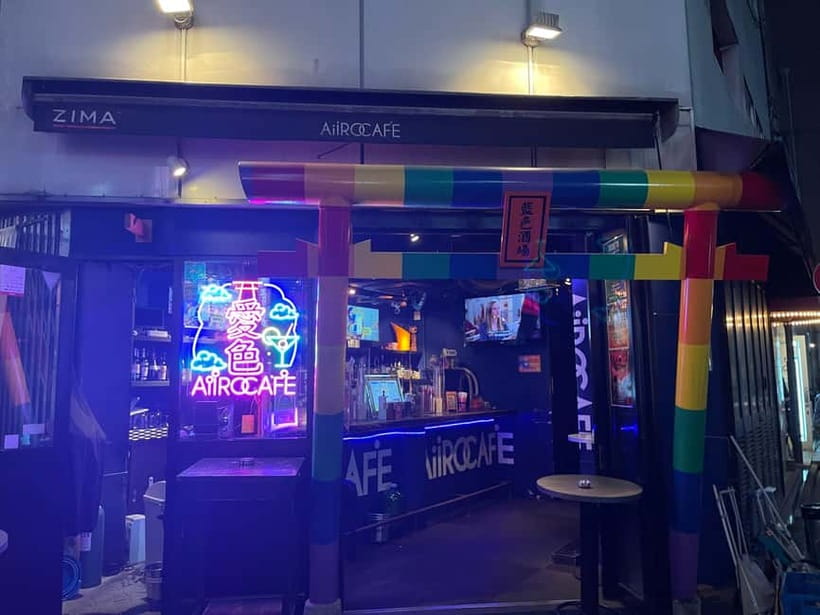
The final listed stop is 2 Chome, a well-known LGBTQ area in Shinjuku. The tour spends about 20 minutes here, adding a social and cultural dimension that many general Shinjuku walks leave out.
You see colorful signs and a different concentration of bars and venues while learning about the district’s place in Tokyo nightlife. The guide can also help you understand that LGBTQ areas are not simply sightseeing backdrops. Walk respectfully, avoid intrusive photography, and remember that people are using these streets as part of their ordinary social lives.
This part of the route is valuable for visitors who want a wider picture of Tokyo. The city’s nightlife is not one uniform scene, and 2 Chome helps show that different communities have shaped their own spaces within the larger district.
The tour gives you an introduction rather than a full night out. You are not promised entry to bars, drinks, or a hosted LGBTQ experience. If this is the part that interests you most, use the walk to learn the layout and then decide how you want to spend the rest of your evening.
What the guide adds to the experience
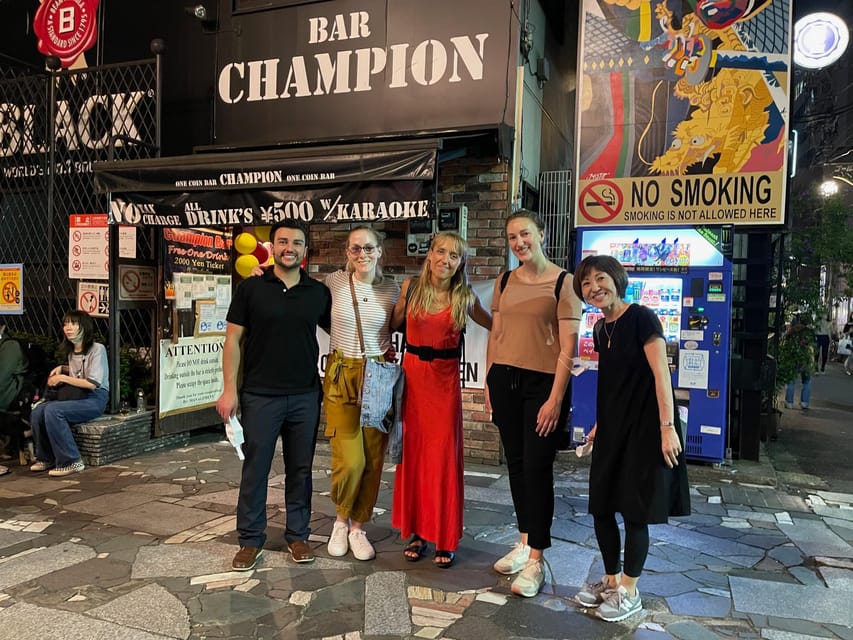
The guide is the main reason to book instead of walking the same streets alone. The buildings and lights are easy to find. The meaning behind them is not.
Strong guides on this route explain modern Japanese culture in plain language and welcome questions. That can include nightlife etiquette, food customs, the changing role of entertainment districts, and the difference between what looks familiar to an overseas visitor and how it functions locally.
Several guides have been praised for adding humor. That matters during a two-hour walk through crowded streets, where a dry lecture would soon lose your attention. Dani, Loc, Danny, Huy, Gray, Polina, Daniel, and Daichi are among the names associated with especially warm and useful guiding in the supplied feedback. Your assigned guide may be someone else, so book for the route and format rather than expecting one particular person.
The language choices are English and Spanish. You should confirm your selected departure and language when booking, since the meeting point may also change by option.
Food advice and what happens after the walk
The tour does not include food or drinks, but food recommendations are one of its best practical extras. Guides have suggested ramen, okonomiyaki, izakayas, and other local places. One person went straight to an okonomiyaki restaurant after the walk, while another followed a ramen recommendation.
That makes the tour especially useful on your first evening in Tokyo. You get a short list of places connected to the area rather than spending the rest of the night searching on your phone.
Still, treat suggestions as suggestions, not guarantees. Restaurants can fill up, menus and hours can change, and a place that suits one group may not suit yours. Ask the guide specific questions about price, waiting time, and the type of meal you want.
The walk finishes near Golden Gai or 3 Chome, so you can continue eating or exploring from there. Since the activity lasts two hours, it works well as an early evening orientation or as a first look before a later dinner.
Is $29 a fair price?
At $29 per person, this is a sensible purchase if you want a guided introduction to Shinjuku nightlife. You are paying for two hours with a live guide, a planned route through several different districts, cultural explanation, and food advice that may save you time later.
It is less useful if you already know Shinjuku well or prefer to wander without a schedule. You can see the main streets for free, and the tour does not include a meal, drink, admission, or private venue visit.
The value improves if you are visiting Tokyo for the first time. Shinjuku can be visually exciting but hard to read, and a guide gives you a framework for returning on your own. The walk also reduces the chance that you will spend your entire evening circling the station and missing the smaller lanes.
Free cancellation up to 24 hours before departure and the reserve-now, pay-later option make the booking fairly flexible. The important condition is punctuality. Flexibility before the tour does not mean flexibility after the start time.
Who should book this Shinjuku walk?
I would recommend it to adults who want to understand Tokyo nightlife without committing to a full bar tour. It suits solo visitors, couples, and small groups who enjoy asking questions and walking through busy neighborhoods.
It is particularly good for:
- First-time Tokyo visitors who want to get their bearings in Shinjuku.
- People interested in Japanese nightlife, food, and modern culture.
- Visitors who want to see Kabukicho and 2 Chome with context.
- Anyone who wants restaurant ideas for later that same evening.
- Solo visitors who would rather explore the nightlife streets with a guide at first.
I would skip it if you are traveling with children under 18, dislike crowded urban streets, or want a quiet historical tour. The subject matter includes red-light district culture and adult nightlife, even though the route is presented as a walking and cultural experience.
FAQ
How long is the Tokyo Shinjuku Red Light Walking Tour?
The scheduled duration is two hours. Some individual walks may run slightly longer, but you should plan around the stated two-hour format.
Where does the tour start?
The starting point may be either the Shinjuku Tourist Information Center or the police box at Shinjuku Station East Exit, depending on the option you book.
Where does the tour finish?
The listed drop-off points are Shinjuku Golden Gai and 3 Chome.
What languages are available?
Live guiding is available in English and Spanish.
Is the tour suitable for children?
No. The experience is not suitable for children under 18.
Does the price include food or drinks?
No. The included service is the guide. Food and drinks are not listed as included, though the guide can provide recommendations.
Can I cancel the booking?
You can cancel up to 24 hours in advance for a full refund. A reserve-now, pay-later option is also available.
Should you book it?
Book this walk if you want a clear first look at Shinjuku after dark, especially if Omoide Yokocho, Kabukicho, Golden Gai, Hanazono Shrine, and 2 Chome all appeal to you. The route gives you more than neon photographs. It explains how food lanes, tiny bars, a shrine, an adult entertainment district, and an LGBTQ neighborhood sit side by side.
Do not book expecting a meal, a pub crawl, or entry into nightlife venues. This is a guided orientation with plenty to look at and discuss. At $29, it is a good-value way to get your bearings, learn the local ground rules, and leave with a few solid ideas for where to eat next.
Just added around Tokyo
- Asakusa: A Big-picture History Walk to Know Japan★ 4.6 · 77 reviews
- Tokyo: Private Walking Tour with a Local★ 4.4 · 419 reviews
- Tokyo: Private Walking Tour with a Local Guide★ 4.9 · 469 reviews
- Tokyo: Private Custom Walking Tour with Local Guide★ 4.8 · 533 reviews
- Tokyo: Shibuya Highlights Walking Tour★ 4.8 · 601 reviews
- Tsukiji Fish Market Small-Group Food Walking Tour★ 5.0 · 621 reviews
- Tokyo Castle & Imperial PalaceーShogun Walking Tour★ 5.0 · 724 reviews
- Tokyo Drift: GT-R Car Club R35 Liberty Walk Daikoku meeting★ 4.8 · 875 reviews
Walking Tours, compared.

Magical London: Harry Potter Guided Walking Tour
Read our review →
Reykjavik Food Walk – Local Foodie Adventure in Iceland
Read our review →
History and Hauntings of Salem Guided Walking Tour
Read our review →
New Orleans Premier Ghost, Voodoo and Vampire Walking Tour
Read our review →
Amsterdam Anne Frank: Small-Group Walking Tour & Local Guide
Read our review →

Edinburgh Castle: Guided Walking Tour with Entry Ticket
Read our review →
Anne Frank’s Story – Guided Walking Tour through Amsterdam
Read our review →Browse the lists this tour appears in