
REVIEW · BARCELONA
Barcelona: Old Town and Gothic Quarter Walking Tour
Barcelona’s oldest streets tell their story in layers: Roman walls beside medieval lanes, political squares beside food stalls, and Gothic churches a short walk from modern cafés. This 2.5-hour walking tour gives you that whole sweep without asking you to cross the city by bus or metro.
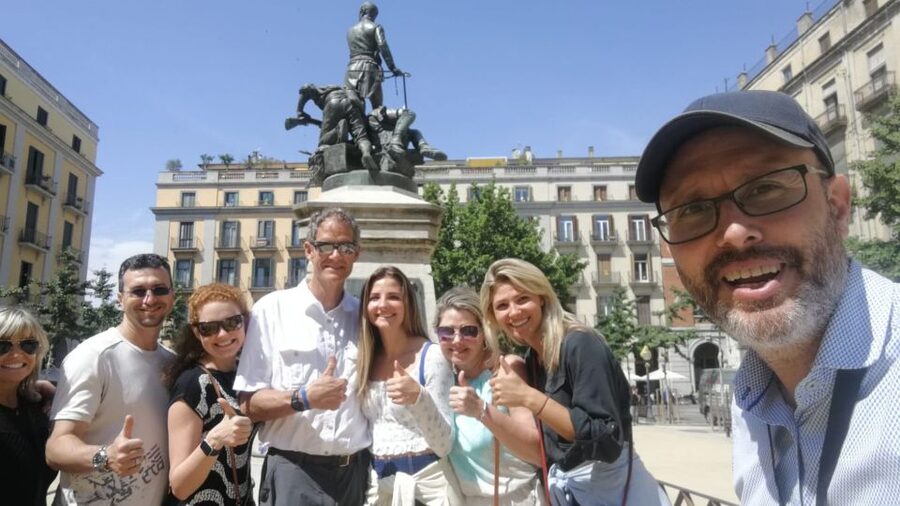
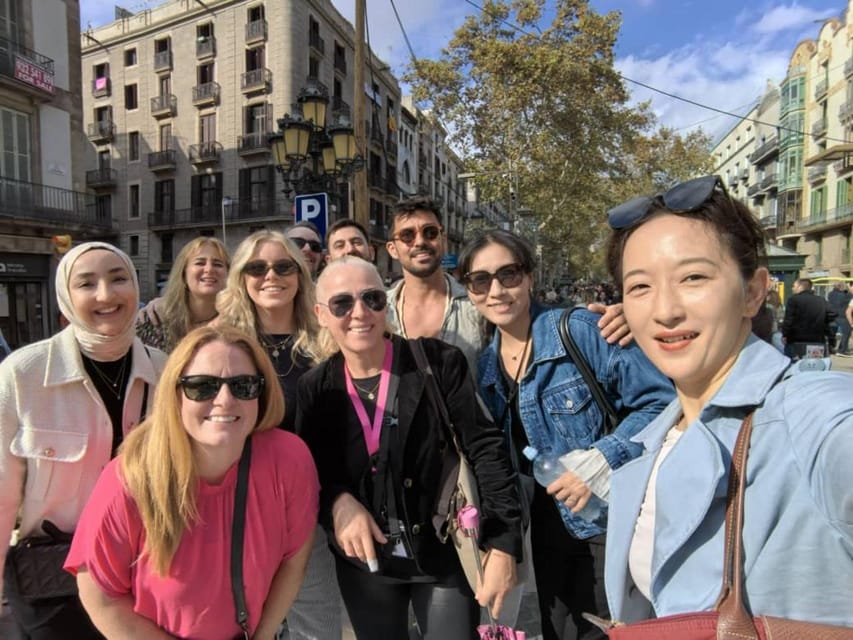
I like the small groups of up to 15 and the guides’ story-led approach. Names such as Alba, Joris, Nilo, Isabel, Ane, and Steven come up often in strong feedback for clear explanations, humor, local food suggestions, and a knack for spotting small details. The main drawback is simple: La Rambla, La Boqueria, and the Gothic Quarter can be crowded, and the tour is almost entirely outdoors, so comfortable shoes and a weather-ready layer matter.
Key things to know before you book
- Roman Barcelona comes first: Begin at Plaça de Sant Jaume, once the site of the Roman Forum and still the political center of Catalonia.
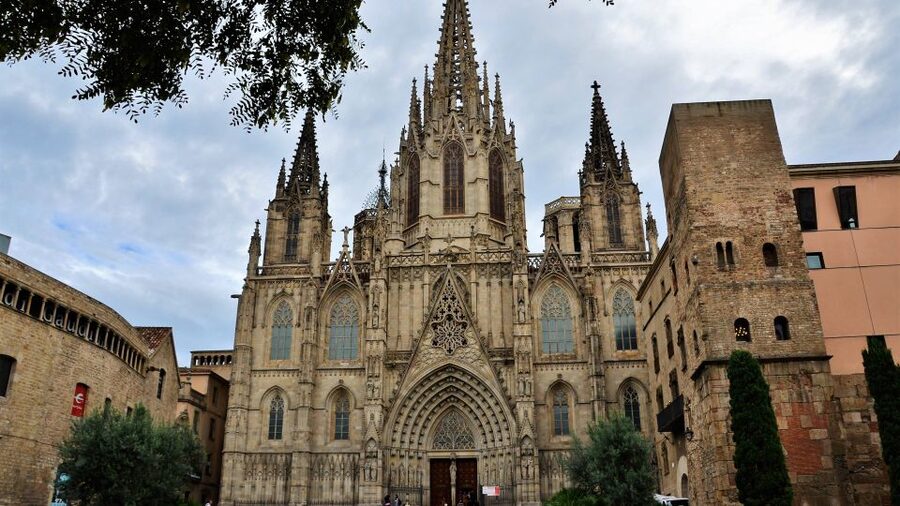
- The route mixes major sights and small details: You’ll see Barcelona Cathedral, Plaça del Rei, La Rambla, Santa Maria del Mar, and lesser-noticed features such as carved dragons and a double-tailed mermaid.
- La Boqueria is a stop, not a food tour: You can see more than 300 stalls and get a feel for Catalan food culture, but personal purchases are not included.
- The guides make the difference: Alba, Joris, Nilo, Isabel, Ane, Laura, Steven, and others are praised for clear English, humor, questions, and practical restaurant advice.
- The finish in El Born is useful: The walk ends on Passeig del Born, putting you near restaurants, shops, and more historic streets for the rest of your day.
- The price is fair for a city introduction: At $21 per person, you are paying mainly for context, orientation, and a local guide rather than admission tickets.
Plaça de Sant Jaume and the Roman beginning
The tour starts at Plaça de Sant Jaume, where Barcelona’s Roman Forum once stood. Today, the square remains the political heart of Catalonia, framed by major government buildings and frequent civic activity.
I like this opening because it immediately explains how Barcelona grew. You are not just looking at an attractive square. You are learning why this spot has mattered for more than 2,000 years and how the Roman settlement shaped the city that followed.
The guide then leads you toward one of Barcelona’s best-preserved sections of Roman wall. This is one of the tour’s most useful moments because the remains are built into the modern city rather than isolated behind museum glass. You can see how old stone survives beside later buildings, streets, and daily city life.
The Roman baths at Pati Llimona add a more personal angle. Instead of focusing only on emperors and battles, the guide explains what bathing meant in everyday Roman Barcelona. That sort of detail helps you picture the people who lived here, not just the walls they left behind.
More Old Town Walking Tours in Barcelona
- Barcelona Helicopter, Sailboat & Old Town Private Walking Tour
★ 5.0 · 1,395 reviews - Barcelona Old Town & Gothic Quarter Small Group Tour
★ 5.0 · 1,308 reviews - Ramblas, Old Town, Gothic and Gaudi Architecture Walking Tour
★ 5.0 · 723 reviews
Medieval lanes in the Gothic Quarter
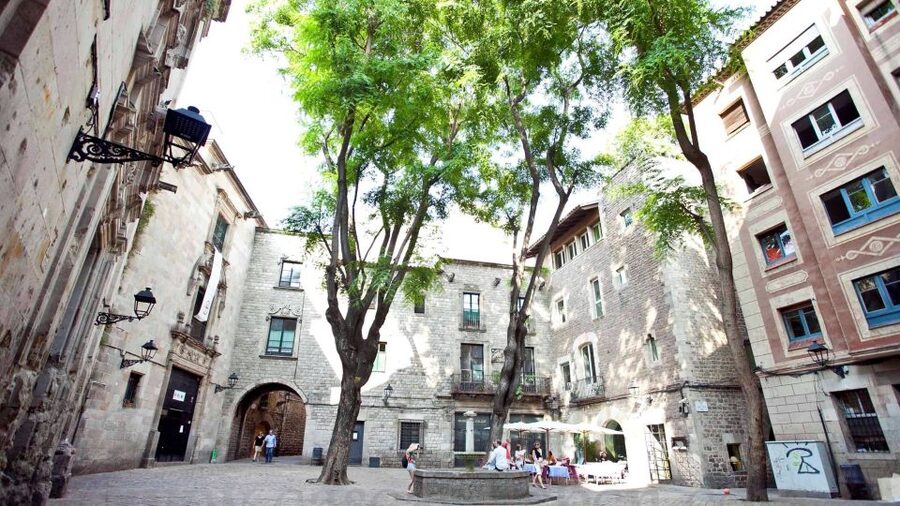
The Gothic Quarter is the core of the walk. Its lanes are narrow, irregular, and full of turns, so a guide helps you read the area instead of simply wandering through it. The route links architecture with political and religious change, giving the streets a clear order.
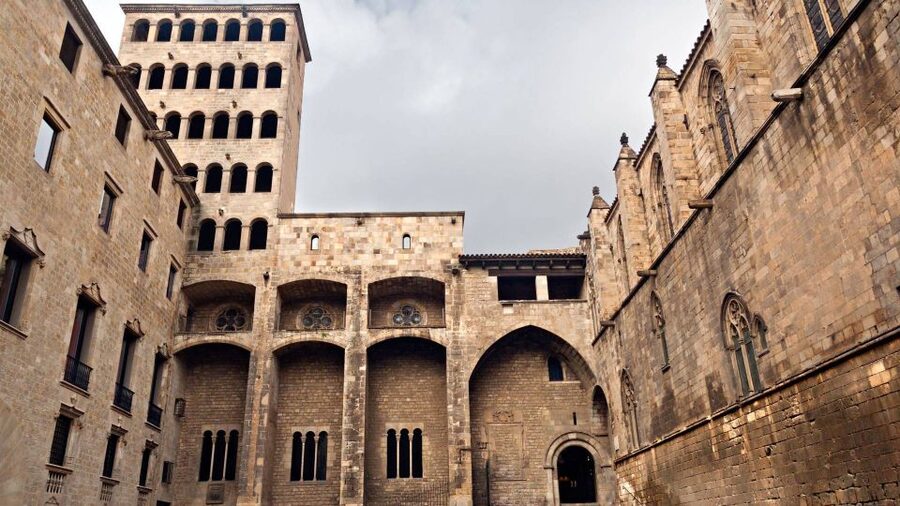
Plaça del Rei is one of the strongest stops. The square is home to the Palace of the Viceroy and the Palau Reial, and it carries the weight of Barcelona’s medieval court. The guide also discusses the famous meeting of Christopher Columbus with the Catholic Monarchs after his journey to the Americas.
That story is familiar, but the setting gives it force. You are standing in the sort of royal space where decisions, ceremonies, and displays of power took place. I find this more useful than hearing isolated dates because the buildings give the story a physical setting.
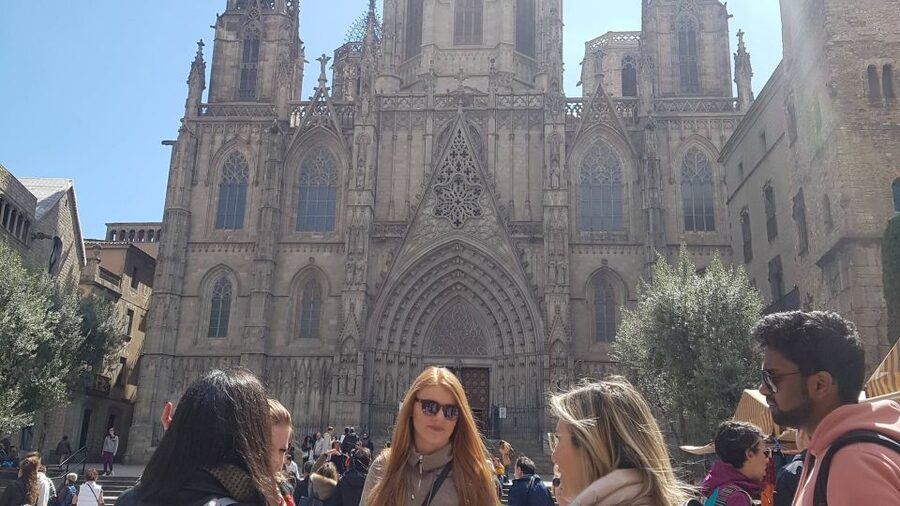
The route also takes you past Barcelona Cathedral. You should expect to admire it from outside rather than assume that a full interior visit is part of the tour. The cathedral is an excellent example of Catalan Gothic design, and the guide can point out the scale, structure, and decorative details that are easy to miss when you are walking alone.
The quarter rewards attention. Guides have been praised for pointing out dragons, a double-tailed mermaid, and other carved details along the way. These small discoveries make the walk feel less like a march between famous buildings and more like a guided search through the city’s visual clues.
La Rambla and the market at La Boqueria
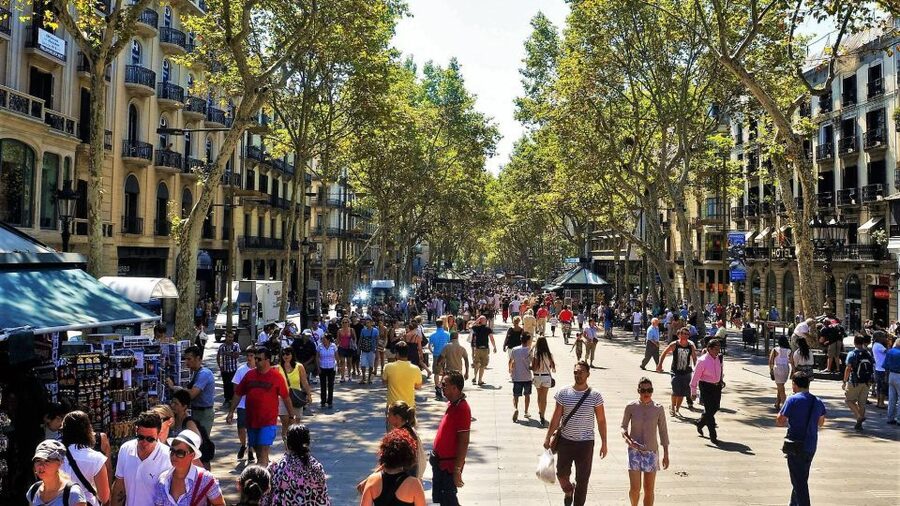
The route continues to La Rambla, Barcelona’s famous boulevard. This is the most openly public part of the walk, with flower stalls, street performers, outdoor cafés, shops, and a steady flow of people.
La Rambla is worth seeing, but it can also feel more crowded and commercial than the quieter lanes nearby. Keep your expectations sensible. The point here is to understand the boulevard’s place in Barcelona’s daily life, enjoy the street activity, and connect the Old Town with the market district.
La Boqueria is a highlight for anyone interested in food. More than 300 stalls offer local products, produce, meat, seafood, sweets, and ready-to-eat items. The guide helps you understand the market’s role in Catalan eating habits rather than treating it as just a colorful photo stop.
I would not book this tour expecting a tasting menu. Personal expenses are not included, and the experience is primarily a walking and history tour. Still, the market is a useful place to pause and notice how food remains part of the city’s social life.
This stop also gives you a practical advantage. Guides often provide suggestions for places to eat after the walk, and several guides, including Alba, Ane, Laura, Steven, and Nilo, are praised for useful food recommendations. Write down any suggestions that fit your plans, since the tour ends in an area where you can continue eating and exploring.
Plaça Reial and Barcelona’s public spaces
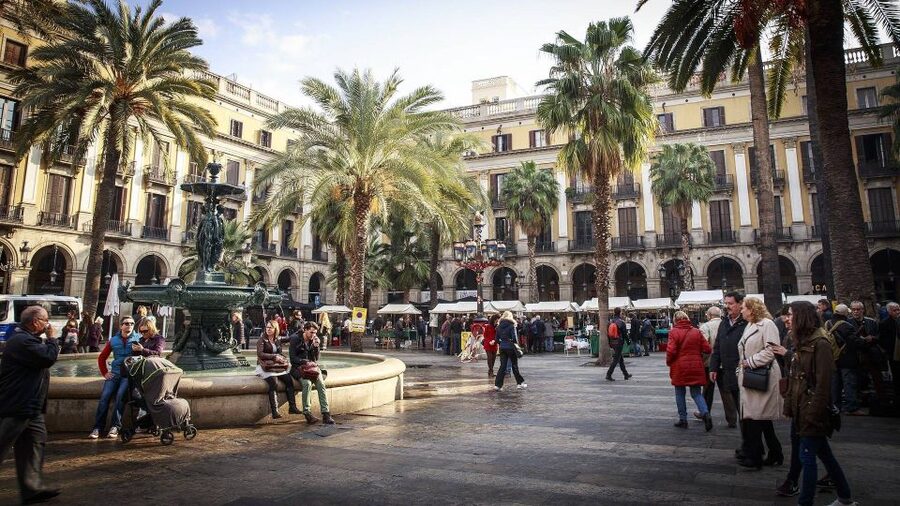
Plaça Reial offers a change of mood from the tight medieval lanes. Its open layout, arcades, and cafés make it a natural place to discuss how Barcelona’s public spaces developed and how people use them today.
The square is close to La Rambla, so it fits neatly into the route. You will not need a separate transfer or a long detour. The guide can help you connect the formal design of the plaza with the more spontaneous street life along the boulevard.
This is also a good point to notice the rhythm of the walk. The experience is not a rapid checklist of monuments. The best guides pause for questions, let you look around, and adjust their explanations to the group. That matters during a long walk, especially when the streets are busy or the weather turns unpleasant.
One small group of five received especially personal attention in cold and rainy conditions. That does not guarantee the same group size on your date, but the stated maximum of 15 keeps the experience more manageable than a large coach-style outing. You should still expect to walk at the guide’s pace and remain with the group through narrow streets.
More Old Town Walking Tours in Spain
- Barcelona: Ramblas, Old Town & Gaudí Houses Walking Tour
★ 4.9 · 239 reviews - Barcelona: Old Town Private Walking Tour of Past and Present
★ 5.0 · 160 reviews - Madrid Old Town & Royal Palace Walking Tour Skip the Line Ticket
★ 4.5 · 1,829 reviews - Bilbao old town walking tour
★ 4.6 · 151 reviews
Santa Maria del Mar and the route into El Born
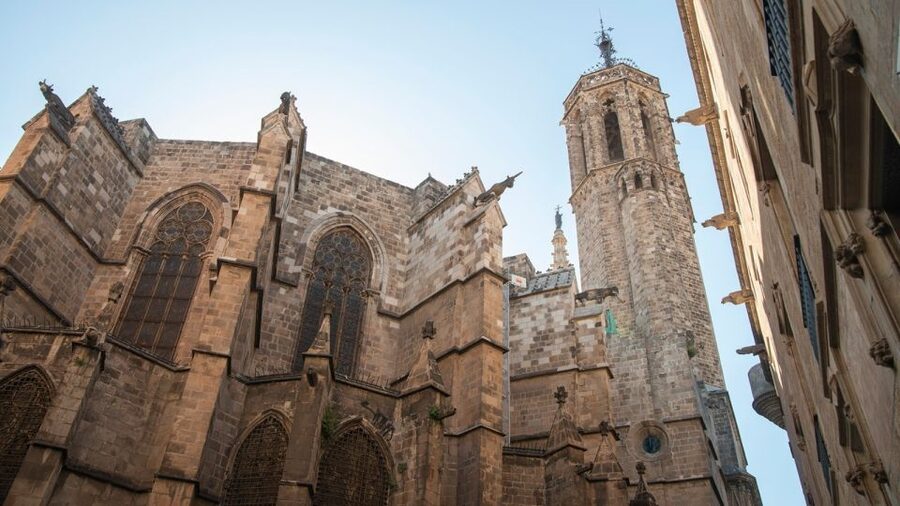
The walk passes Santa Maria del Mar, often called the Cathedral of the Sea. This church is one of the finest examples of Catalan Gothic architecture and is tied to the maritime and working life of medieval Barcelona.
The guide explains how quickly the church was built, highlighting the engineering and organization needed for such a large medieval project. That practical angle is valuable. Instead of simply hearing that the church is beautiful, you get a sense of the labor and planning behind its design.
You should expect to pass by rather than receive a full interior visit unless your chosen version says otherwise. The itinerary lists the church as a sightseeing stop and walk-by, so treat it as part of the wider route rather than a dedicated church tour.
From there, the experience moves through El Born and finishes on Passeig del Born. This is a smart ending because you can continue exploring on foot. El Born offers cafés, shops, cultural sights, and more streets where the older city remains visible beneath the modern activity.
The route also passes the Palau de la Música Catalana. It is a major architectural sight, but the schedule lists it as a pass-by stop. If you want to tour the interior, you will need a separate plan and ticket. The guide can still help you understand why the building matters as part of Barcelona’s artistic and architectural identity.
What the guides add to the walk
The strongest part of this experience is the human guide. The tour is available in English or Spanish, and the guide assigned to you can vary. Names praised for warmth, energy, and clear storytelling include Alba, Joris, Nilo, Isabel, Ane, Laura, Steven, Montse, Mariah, Omid, and Stephanie.
The consistent strength is not one fixed personality. It is the guide’s ability to turn facts into stories. Alba is noted for local tales, historical context, and care with group safety. Joris is praised for answering random questions and explaining details around every corner. Isabel is described as especially good at connecting architecture, art, and the wider story of Spain.
Steven’s style appears more playful, using puzzles and visual details such as dragons and the double-tailed mermaid. Stephanie has a background in architecture, while other guides are praised for humor, patience, and practical suggestions for the rest of your stay.
Do not book expecting a specific guide unless the booking option clearly promises one. The names show the range of the guiding team, not a guarantee. Still, the overall pattern is encouraging: the guides tend to explain clearly, welcome questions, and keep the pace lively without drowning you in dates.
That balance matters. Barcelona has several centuries of history packed into a small area. A guide who gives too many facts can make the Gothic Quarter feel like a lecture. A guide who gives too little leaves you with attractive streets but no sense of how they fit together. This tour appears strongest when the guide mixes dates, stories, architecture, and current city life.
Is $21 a good value?
At $21 per person, this is a solid price for a guided introduction to central Barcelona. You are not paying for major admission tickets, food, or transportation. You are paying for route planning, interpretation, local context, and the chance to ask questions while standing in the places being discussed.
I see the value in the amount covered. In one walk, you reach the Roman wall, Pati Llimona, Plaça del Rei, Barcelona Cathedral, La Rambla, La Boqueria, Plaça Reial, Santa Maria del Mar, El Born, and the Palau de la Música Catalana area.
You could walk past many of these places on your own, but you would miss the connections. The guide explains why Plaça de Sant Jaume still matters, how Roman Barcelona shaped the city, why medieval churches took the form they did, and how markets and public squares fit into present-day life.
The tradeoff is depth. With so many stops, you cannot expect a full tour of each building. The cathedral and Santa Maria del Mar are mainly exterior or pass-by sights, and the market visit is not a structured tasting experience. If you want interiors, extended photography time, or a specialist architecture tour, choose a narrower experience.
For a first visit, though, the price is easy to justify. You get a strong orientation to the oldest parts of Barcelona, plus recommendations that can help shape the rest of your trip.
Who will enjoy this walking tour most?
I would choose this tour early in a Barcelona stay. It gives you a map in your head and helps you decide where to return later. The finish in El Born also leaves you in a useful area for lunch or further exploration.
It suits you best if you:
- Want Roman and medieval context rather than only photo stops
- Prefer a small group to a large sightseeing crowd
- Enjoy asking questions and hearing local recommendations
- Are visiting Barcelona for the first time
- Like walking through old streets and public squares
- Want to combine architecture, food culture, and everyday city life
Families with very young children can join, and children under two are free. The route still requires steady walking, so think about your child’s comfort with narrow streets, crowds, and a 2.5-hour schedule.
You should bring comfortable shoes. Large bags and luggage are not allowed, so this is not a good activity to schedule while carrying suitcases between hotels or transport connections.
The duration is listed as 2.5 to 4 hours, with starting times varying by date and option. Most descriptions present it as a 2.5-hour walk, but allow extra time in your schedule. Private groups are available if you want a more tailored pace or a more personal format.
The main drawbacks to consider
The route covers a lot of ground, which is its strength and its limitation. You see many important areas, but some sights receive only a short explanation or an exterior look.
La Rambla and La Boqueria may feel crowded. That is part of their character, but it can make it harder to hear or move at your preferred pace. Stay close to the guide and keep your belongings secure, especially in dense public areas.
Weather also matters. The tour runs outdoors, and a cold, rainy morning can change the feel of the experience even when the guide is excellent. Wear shoes with good support and bring a layer suited to the forecast.
Finally, the exact meeting point may vary by booking option. Check the confirmed details carefully, since the listed starting point is the Movistar Centre but the meeting arrangement can differ.
Should you book the Barcelona Old Town and Gothic Quarter tour?
Book it if you want a well-priced introduction to Barcelona’s oldest districts, especially early in your visit. The route gives you Roman remains, royal squares, Gothic churches, La Rambla, La Boqueria, and El Born in one organized walk, while the small group keeps the experience reasonably personal.
Skip it if you want long interior visits, a dedicated food tasting, or a quiet architectural study. This is a broad city walk, not a specialist tour.
For most first-time visitors, I think the balance works. You get the major sights, the small carved details, practical food advice, and a clearer sense of how Barcelona’s Roman, medieval, and modern worlds fit together. At $21, that is a useful start to the city.
FAQ
How long does the Barcelona Old Town and Gothic Quarter tour last?
The tour is listed as lasting between 2.5 and 4 hours, depending on the option and starting time. The main walking route is described as 2.5 hours.
What languages are available?
The tour is offered with a live guide in English or Spanish.
What places does the walking tour include?
The route includes the Gothic Quarter, Plaça de Sant Jaume, Roman walls, Pati Llimona, La Rambla, La Boqueria, Plaça Reial, Barcelona Cathedral, El Born, Santa Maria del Mar, and the area around the Palau de la Música Catalana.
Is La Boqueria food included?
No. The tour includes a guided visit and sightseeing at La Boqueria, but personal expenses and purchases are not included.
How large is the group?
The small group has a maximum of 15 participants. A private group option is also available.
What should I bring?
Bring comfortable shoes for walking. Large bags and luggage are not allowed. You can cancel up to 24 hours in advance for a full refund, and the reserve now, pay later option is available.
Just added around Barcelona
- Barcelona Walk Like a Local: El Born & Gothic 15+ Sights★ 4.9 · 88 reviews
- Barcelona: Gothic Quarter Walking Tour w/ Montjuïc Cable Car★ 4.4 · 90 reviews
- Barcelona: Ramblas, Old Town & Gaudí Houses Walking Tour★ 4.9 · 239 reviews
- Barcelona: Old Town Private Walking Tour of Past and Present★ 5.0 · 160 reviews
- Barcelona: Private Walking Tour with a Local★ 4.5 · 202 reviews
- Barcelona: Jewish Quarter 2-Hour Walking Tour★ 4.8 · 333 reviews
- Barcelona: Picasso Walking Tour with Picasso Museum Tickets★ 3.5 · 93 reviews
- Barcelona: Gothic Quarter Walking Tour with 10+ Attractions★ 5.0 · 369 reviews
Old Town Walking Tours, compared.
Underground Vaults Walking Tour in Edinburgh Old Town
Read our review →
3-Hour Walking Tour of Old Town & Prague Castle
Read our review →
Old Town and Jewish Quarter Guided Walking Tour
Read our review →
Marrakech: Ben Youssef, Secret Garden, & Souks Walking Tour
Read our review →Browse the lists this tour appears in