

REVIEW · AUSTRIA
Salzburg: Old Town, Mozart, & Mirabell Gardens Walking Tour
Salzburg’s best introduction may be a walk that connects three familiar ideas: Mozart, The Sound of Music, and a picture-perfect Baroque center. This two-hour route begins at Mirabell Palace Gardens, crosses the Salzach River, and finishes beneath Hohensalzburg Fortress at Kapitelplatz.
I like the strong mix of music, film, and city history, and I like that the walk ends in a useful place for continuing your day. Guides such as Annabelle, Andreas, Florian, and Erhard have been praised for clear storytelling, humor, and practical suggestions.
The main drawback is pace. There is a lot to cover in two hours, and one guide was felt to be rushing. Summer sun, rain, crowded squares, and uneven paving can also make this more demanding than the easygoing title suggests.
Key points to know before you book
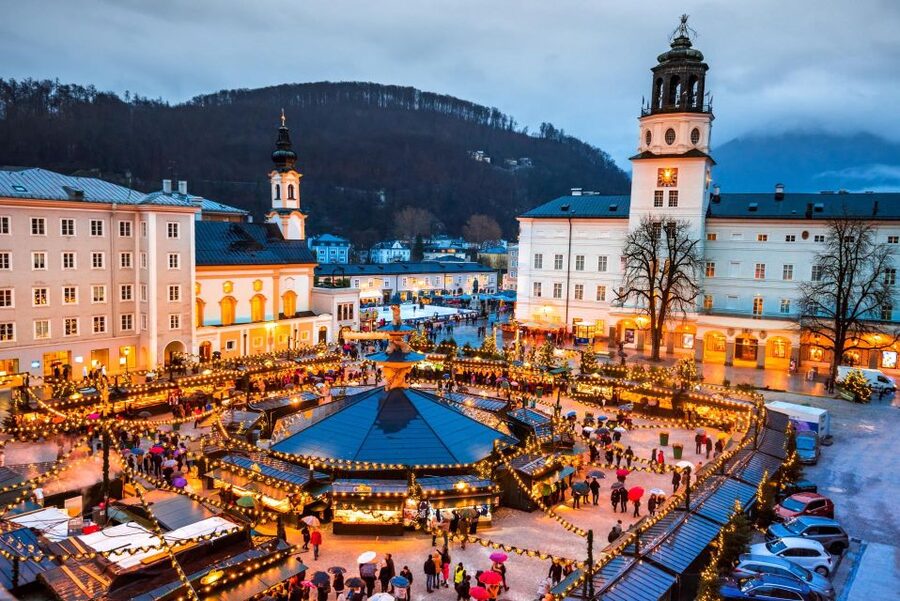
- Mirabell Gardens opens the story: See the formal gardens and the spots linked with The Sound of Music.
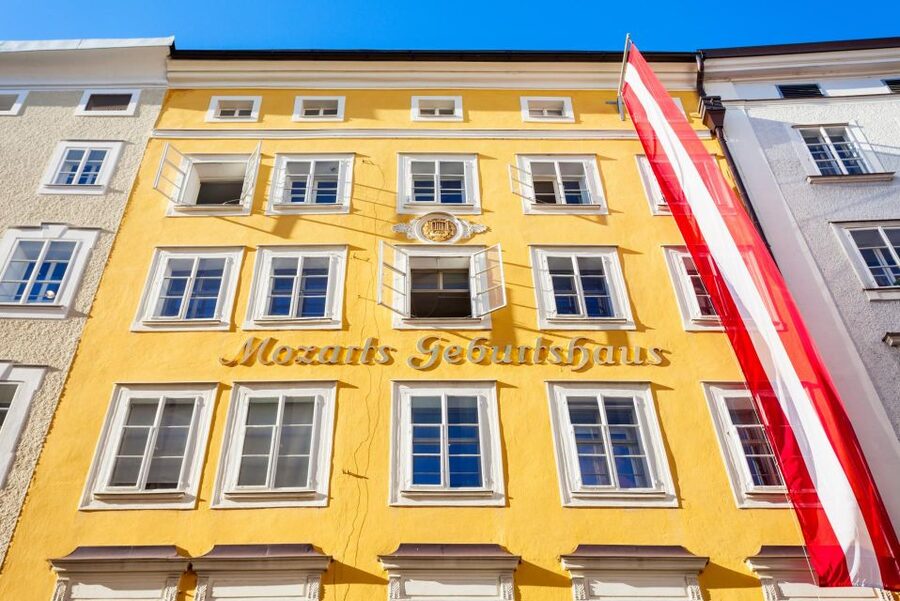
- Mozart gets more than a name check: The walk includes Mozart’s Birthplace, former residence, family connections, and musical career.
- The route covers major Salzburg sights: Expect the Kollegienkirche, Salzburg Cathedral, Residenzplatz, Alter Markt, and Kapitelplatz.
- The ending is well chosen: You finish near the funicular route and Hohensalzburg Fortress, making it easy to continue sightseeing.
- Guides bring personality: Annabelle, Florian, Andreas, and other English-speaking guides have been praised for humor, local tips, and engaging stories.
- Plan for outdoor conditions: Comfortable shoes and weather-ready clothing matter, since the tour runs in sun or rain.
Why this two-hour walk works in Salzburg

Salzburg is compact, but its sights do not all tell the same story. Mirabell belongs to the city’s grand archbishop era and later became famous through film. Mozart gives Salzburg its musical identity. The Old Town brings together churches, palaces, narrow lanes, squares, and the fortress above them.
A guide helps you connect those pieces instead of seeing them as a string of handsome buildings. You get a sense of why the city looks as it does, where Mozart lived, how church power shaped Salzburg, and which corners deserve a closer look after the walk.
The timing is useful. At $45 per person, the tour is not the cheapest way to stroll through Salzburg, but it is reasonable if you want a strong orientation early in your stay. You are paying for a live English-speaking guide who keeps the route moving, explains what you are seeing, and points out what to do next.
This is especially useful if you have only a day or a weekend. Several guides also offer suggestions for later visits, including the fortress, the modern art museum, the Mozart museums, places to eat, and other local stops.
More Old Town Walking Tours in Austria:
- Salzburg 2.5-Hour Walking Tour: Mozart, Old Town & More
★ 4.2 · 987 reviews - Underground Vaults Walking Tour in Edinburgh Old Town
★ 4.5 · 8,506 reviews - Prague: 3-Hour Walking Tour of Old Town & Prague Castle
★ 4.7 · 5,696 reviews
Starting at Mirabell Palace and its famous gardens
The meeting point is outside Salzburg Congress, near Rainerstraße 1 and opposite the HYPERION Hotel. Look for the flagpoles between the Congress building and Kurgarten Park. Arrive at least 10 minutes early, since late arrivals cannot join the group or claim a refund.
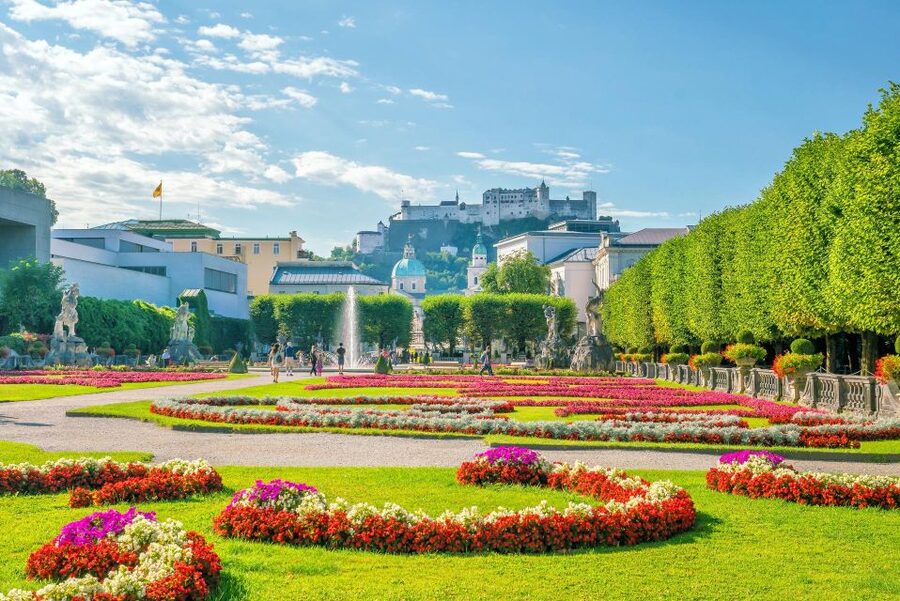
The first stop is Mirabell Palace, followed by about 30 minutes in Mirabell Gardens. The gardens are formal and carefully arranged, with views toward Salzburg’s fortress and the surrounding city. Your guide uses the setting to explain its place in Salzburg’s story and to identify filming locations from The Sound of Music.
This is the part of the walk that will appeal most if you know the film well. The guide can show you where the famous Do-Re-Mi sequence was filmed and help you match real locations with scenes you may remember. Some guides add a little singing or playful visual direction, which gives this section a lighter tone than a standard architectural tour.
The gardens are also a good place for photographs. You can frame the palace, fountains, statues, and fortress views in one stop. The tradeoff is that this area can be busy, and the walk does not include an extended indoor visit to the palace itself. The included admission is for Mirabell Gardens.
Season matters here. Parts of the gardens can be closed in winter, and severe snow may lead to an alternative route. From November 21 through January 5, the experience may include a local Christmas market instead. Spring through autumn is the safest choice if the gardens are your main reason for booking.
Crossing the Salzach to Mozart’s Salzburg

From Mirabell, the route heads toward the Old Town and crosses the Salzach River. This change of setting is one of the walk’s strengths. You move from open gardens and palace grounds into a tighter medieval and Baroque center, with the river providing a clear sense of direction.
Getreidegasse is the key Old Town street. Its ornate shop signs, narrow frontage, and busy pedestrian traffic make it one of Salzburg’s most recognizable streets. The guide helps you look beyond the shops and toward the buildings, signs, courtyards, and layers of city life around them.
Mozart’s Birthplace is the main musical landmark here. You see the building where Wolfgang Amadeus Mozart was born, and the guide places his life and career within Salzburg’s broader story. The stop is primarily sightseeing from outside, so you should not expect the full museum visit during this walk.
You also hear about Mozart’s former residence and other family connections. One particularly useful detail from the tour’s musical focus is the attention given not only to Mozart himself, but also to his sister and family history. If music is your main interest, this gives you a better reason to return to the Mozart museums after the tour.
The Mozart section is strongest when you treat it as an introduction rather than a full biography. In 15 minutes at the Birthplace, the guide must keep the story moving. You will get names, places, career context, and memorable details, but you will need a separate museum visit for a slower look at instruments, documents, and personal objects.
The Kollegienkirche and Salzburg’s church-filled center

The route continues to the Kollegienkirche, or University Church, with about 20 minutes for sightseeing. Its white interior and bold Baroque design show how much visual drama Salzburg’s religious buildings contain.
This stop helps explain why Salzburg can feel grand at nearly every turn. The city’s historic power was tied closely to its archbishops and churches, and the architecture reflects that ambition. Guides also use the churches to discuss less comfortable parts of the past, including the wealth and indulgence of church rulers and the realities of the Second World War.
That wider context is important. A pretty square can hide a complicated story, and the best part of this walk is that it does not treat Salzburg as a collection of postcard views only. Guides have been praised for balancing colorful local stories with serious history.
You will be standing outdoors for much of the explanation, and the church may be busy or hosting another activity. The guide can point out architectural details, but this is not a dedicated interior art tour. If you want long quiet time inside, plan to return on your own.
A few more walking tours around Austria worth a look
- Vienna: Guided Walking Tour of City Center Highlights
★ 4.7 · 4,989 reviews - Vienna: Vienna Central Cemetery Guided Walking Tour
★ 4.8 · 3,307 reviews - Vienna: Guided Walking Tour of City Highlights & Hidden Gems
★ 4.9 · 2,180 reviews - Vienna: Viennese Underworld Guided Walking Tour
★ 4.7 · 1,865 reviews
Salzburg Cathedral and Residenzplatz
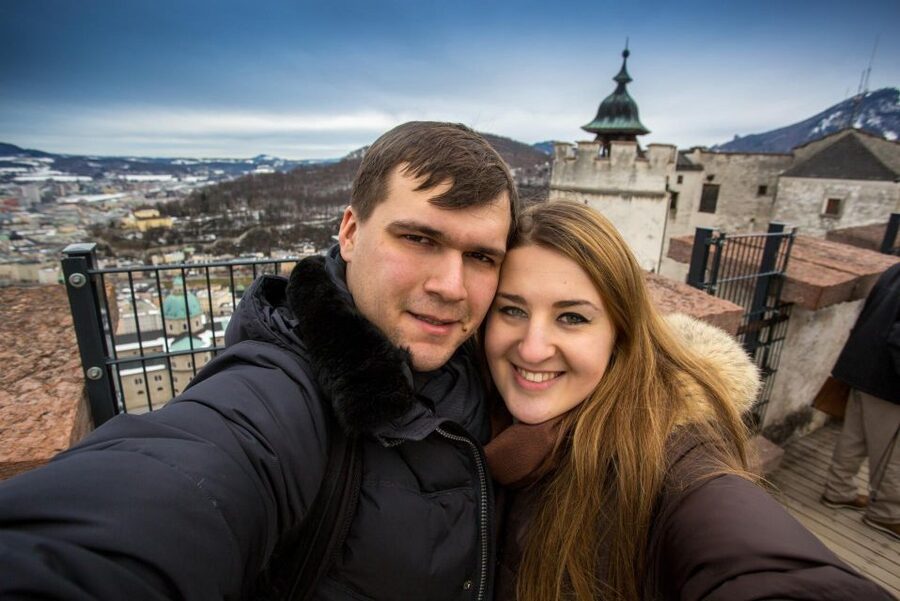
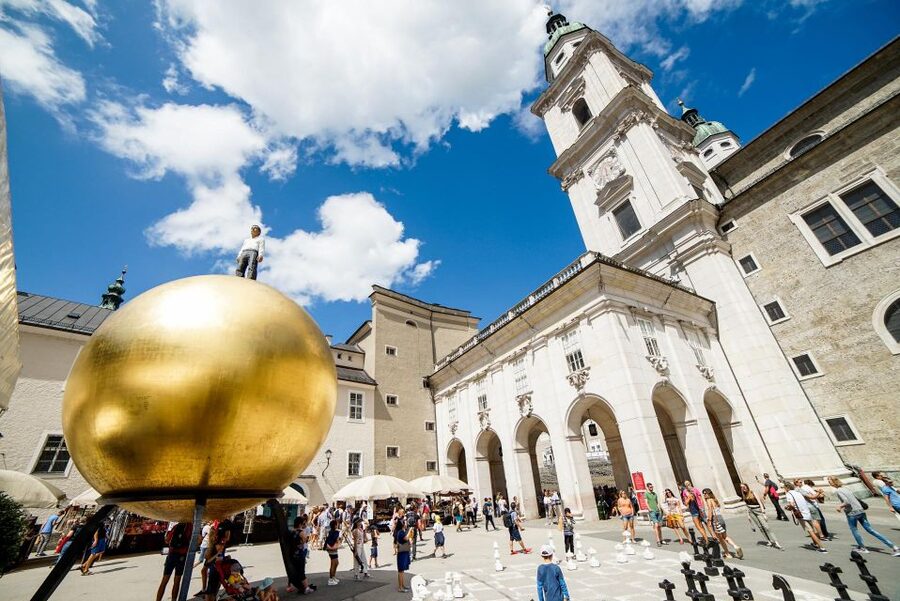
Salzburg Cathedral receives another 20-minute stop. Its scale is striking, especially after the narrower streets of the Old Town. The cathedral anchors the historic center and gives the guide a natural place to discuss Salzburg’s religious and political importance.
The tour then reaches Residenzplatz, one of the city’s grandest squares. Here you see the relationship between the cathedral, the archbishop’s residence, and the surrounding historic buildings. The square works as a lesson in power made visible: large spaces, formal facades, and monumental buildings designed to impress.
The guide’s commentary adds value because you are not left to guess why the buildings are arranged as they are. You get context for the Residence, the cathedral, and the public spaces between them. If you have already walked through the square alone, this is the point where the city can begin to make more sense.
Crowds are the main issue. Concerts, festivals, sports days, and other events can fill the central squares. On a busy day, the guide may need to hold the group together, raise a blue umbrella, speak clearly over the noise, and keep everyone close. Guides have handled those conditions well, but you should not expect every explanation to feel equally quiet or leisurely.
Alter Markt, the Goldene Kugel, and the fortress view
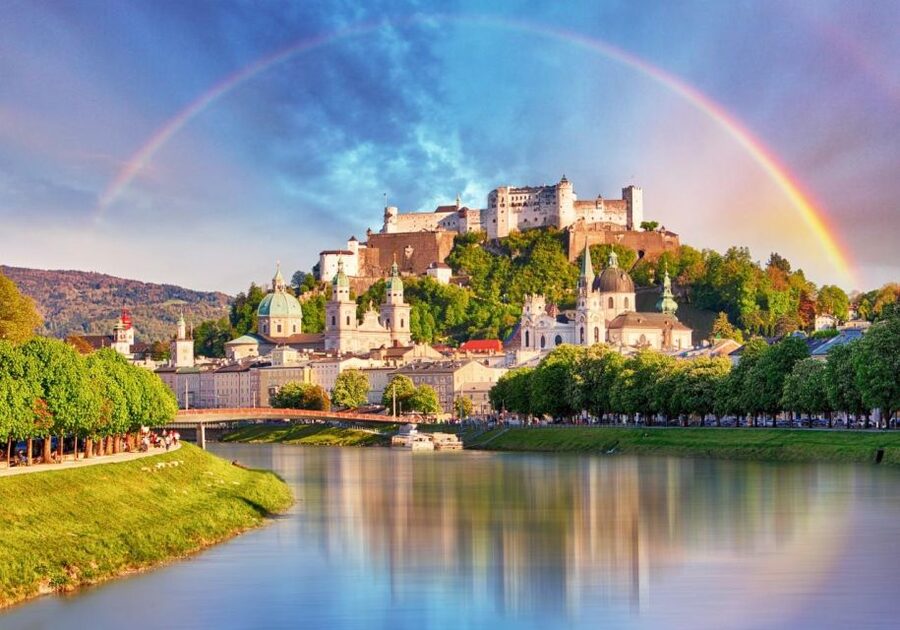
The walk includes smaller corners such as Alter Markt and the Goldene Kugel, also called Sphera. These stops help break up the grand monuments with details that are easy to pass without context.
Alter Markt gives you a feel for the everyday Old Town beneath the formal image of palaces and churches. The Goldene Kugel provides one of those quick visual discoveries that can make a guided walk worthwhile. You may not spend long at either place, but you gain landmarks to look for when you wander later.
The finish at Kapitelplatz is particularly practical. From here, you have a strong view toward Hohensalzburg Fortress and a useful starting point for further exploring the fortress and its funicular. The square also gives the guide a chance to explain the city’s layout and point out a good angle for photographs.
I like this ending because the tour does not leave you stranded at a random street corner. You can continue to the fortress, return to the cathedral area, find lunch, or follow the guide’s suggestions for museums and other sights.
How the guides shape the experience
The guide is the biggest variable in any short walking tour, and the praise here centers on personality as much as facts. Annabelle has been described as funny, warm, and generous with suggestions. Andreas has been praised for patience, clear explanations, and making time for questions. Florian adds humor, while other guides such as Erhard, Gabriela, Elisabeth, Tomas, and Norbert have brought their own local stories and energy.
That variety matters. This is not an audio guide where the same script plays at every corner. The tone can be historical, playful, musical, or practical depending on the person leading your group.
You should expect one selected language only, English for this experience. Group size can reach 25 people. That is small enough to remain manageable, but large enough that you may need to stay near the guide, especially in Getreidegasse or during a crowded city event.
A few practical limitations are worth noting. Some people found the pace brisk, and one person had trouble hearing the guide at times. If you want to linger over every facade or take many photographs, two hours may feel tight. If you want an efficient first look at Salzburg, the pace is more likely to feel helpful.
Price, pace, and who gets the best value
At $45, I would judge this tour by the time it saves rather than by the number of admissions included. Mirabell Gardens are free to enter, and the walk does not include full museum or palace admissions. The value comes from having the city explained while you move between its major sights.
You get the most from the price if you are new to Salzburg, visiting for a short time, or prefer to understand a city before exploring alone. It also suits solo visitors who want company without committing to a full-day excursion, families who need a clear route, and history or music fans who want a starting framework.
You may find less value if you already know the Old Town well or plan to visit every museum independently. The tour gives you outside views and orientation, not long visits inside each attraction.
Wear comfortable shoes. Salzburg’s central streets are walkable, but paving can be uneven, and you will be on your feet for two hours. Bring weather-appropriate clothing, since the tour runs in rain or sun. Do not bring pets, large bags, luggage, scooters, or baby carriages, and there is no storage for extra belongings.
The route is not suitable for people with mobility impairments. It is also a poor choice if you need frequent indoor breaks or a slow, fully accessible route.
Should you book this Salzburg walking tour?
Book it if you want a lively first look at Salzburg that ties together Mirabell Gardens, Mozart, The Sound of Music, major churches, palace squares, and the fortress view. The strongest reason to go is the guide’s storytelling, especially if you get someone with the energy and humor shown by Annabelle, Andreas, or Florian.
Skip it if you prefer to explore at your own pace, need an accessible route, or want extended time inside museums and churches. For most first-time visitors with two hours to spare, though, the route gives you a useful map of Salzburg and plenty of ideas for the rest of your stay.
FAQ
Where does the Salzburg walking tour meet?
Meet at the main entrance to Salzburg Congress, opposite the HYPERION Hotel at Rainerstraße 3. Wait beneath the flagpoles between the Congress building and Kurgarten Park.
How long does the tour last?
The tour lasts two hours.
What language is the tour offered in?
The live commentary is offered in English only.
Does the tour include entry to Mirabell Palace Gardens?
Yes. Entry to Mirabell Gardens is included. Parts of the gardens may be closed in winter, and extreme weather can lead to an alternative route.
Does the tour enter Mozart’s Birthplace or Salzburg Cathedral?
The route includes sightseeing at Mozart’s Birthplace, the Kollegienkirche, Salzburg Cathedral, and other landmarks. The provided details do not include full museum or interior admission for these sights.
What should I bring, and what is not allowed?
Bring comfortable shoes and clothing suited to the weather. Pets, luggage, large bags, scooters, baby carriages, and extra items requiring storage are not allowed.
Just added around Austria
- The unknown Vienna City- a guided walking tour in 3 hours★ 4.7 · 137 reviews
- The best of Vienna on foot★ 4.8 · 126 reviews
- Hungry in Vienna? A Food Lover’s Coffee & Market Walk★ 4.9 · 276 reviews
- Hallstatt: 2-Hour Guided Walking Tour with Photographer★ 5.0 · 152 reviews
- Vienna: City Center Guided Walking Tour★ 4.8 · 99 reviews
- Vienna: Essential History Walking Tour★ 4.9 · 633 reviews
- Historical Hitler Walking Tour of Vienna★ 5.0 · 887 reviews
- Vienna: Private Walking Tour with a Guide★ 4.7 · 962 reviews
Old Town Walking Tours, compared.
Underground Vaults Walking Tour in Edinburgh Old Town
Read our review →
3-Hour Walking Tour of Old Town & Prague Castle
Read our review →
Old Town and Jewish Quarter Guided Walking Tour
Read our review →
Marrakech: Ben Youssef, Secret Garden, & Souks Walking Tour
Read our review →Browse the lists this tour appears in