
REVIEW · WALKING TOURS
Rio de Janeiro: Little Africa Heritage Walking Tour
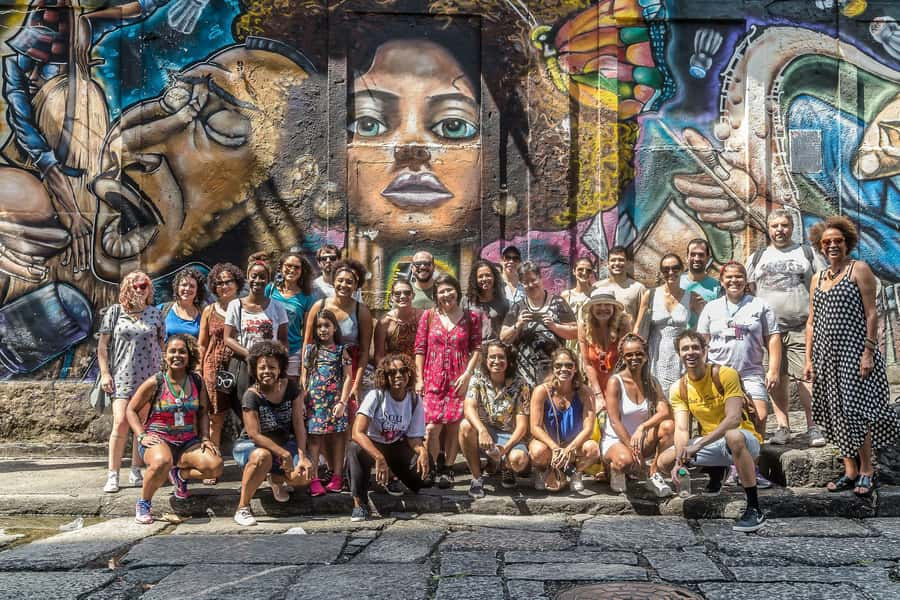
Rio’s Little Africa tour brings the city’s African past into clear view. In two and a half hours, you walk from the Rio Art Museum through Morro da Conceição, Largo da Prainha, Pedra do Sal, and the Valongo waterfront, where Brazil’s story becomes far more complicated than postcard beaches and carnival.
I like the rooftop view of Mauá Square and Guanabara Bay, and I like the way guides connect food, dance, slavery, and present-day racial issues. Guides including Luana, Nathalia, Larissa, Ryane, and Eddie have been singled out for warm, lively teaching. The main drawback is simple: this is an outdoor walk in Rio’s heat, and it runs rain or shine.
Key points
- A direct look at Afro-Brazilian history: The tour explains how formerly enslaved people shaped the port district after the slave trade ended.
- Samba at Pedra do Sal: You visit the place widely regarded as the birthplace of samba in Rio.
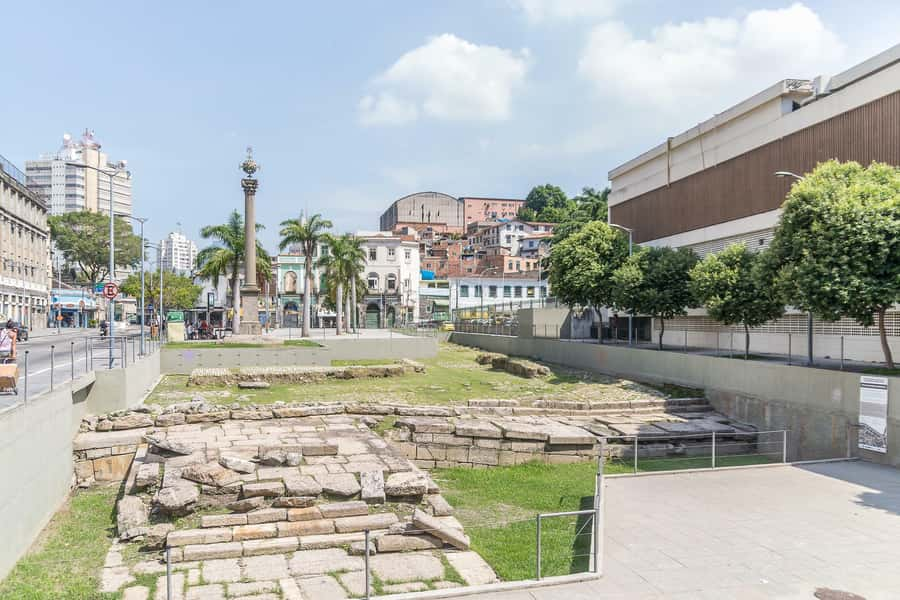
- Important sites, not just pretty streets: Cais do Valongo and the Hanging Garden of Valongo bring the history of slavery into the present.
- A strong guide makes the difference: Luana, Nathalia, Larissa, Ryane, Eddie, Marina, and others have been praised for clear English, warmth, humor, and thoughtful answers.
- A compact walking route: The stops are close enough to cover on foot in 150 minutes, but you still need water, sunscreen, and good shoes.
- A useful first-day activity: The tour can give you a better frame for understanding Rio before visiting other parts of Brazil.
Why Little Africa belongs in your Rio plans
Rio sells itself with Sugarloaf Mountain, Copacabana, and samba. Those places matter, but they do not tell the whole story. The port district adds the missing chapter: how African people, both enslaved and free, shaped Rio’s music, food, religion, dance, neighborhoods, and social life.
The name Little Africa refers to neighborhoods around the port that became a center of Black life around the turn of the 20th century. After Brazil ended the slave trade, formerly enslaved people did not simply leave the city’s story behind. Many remained in the area and worked there, building communities in a place linked to both suffering and creativity.
That tension is central to the walk. You will hear about slavery and racial inequality, but also about samba, food, dance, art, and people who preserved Afro-Brazilian culture. The subject is serious, and a good guide has to handle it without turning the tour into a dry lecture. The guides on this experience are repeatedly praised for doing exactly that, using stories, questions, humor, personal connections, and occasional dramatic acting to keep the group involved.
I would place this tour near the start of a Rio visit. It gives you useful context for Brazil before you head to other cities or regions, especially if you plan to visit Bahia. One participant specifically came away wanting to learn more about Brazil after taking the walk. That is a good sign: the tour opens doors rather than pretending to tell every part of the story.
More History Walking Tours in the world:
- Berlin: Third Reich & Cold War Guided Walking Tour
★ 4.9 · 8,378 reviews - Munich: Third Reich & WWII Walking Tour
★ 4.6 · 6,181 reviews - Berlin’s Best: 2 Hour Walking Tour Third Reich and the Cold War
★ 5.0 · 5,486 reviews
Starting at the Rio Art Museum
Meet your English-speaking guide five minutes before the start in front of the Museu de Arte do Rio, usually called MAR. The guide can wait only 15 minutes, so give yourself extra time to reach the port district.
The first part introduces Brazil during the colonial period. Do not treat this as filler before the walking begins. It gives you the basic frame for understanding why African people were brought to Brazil, how the colonial system worked, and why the port area became so important.
You also get a short break at the museum, listed as about 10 minutes. The highlight here is the view from the rooftop: Mauá Square and Guanabara Bay open out below you. It is a fine way to get your bearings, and it helps you see the port as a real working part of the city rather than a string of disconnected monuments.
The museum itself is the meeting point, not a full museum visit included in the walk. If you want to explore its exhibitions, allow separate time before or after the tour.
Morro da Conceição and the shape of the old port
From the museum, the route heads toward Morro da Conceição for roughly 20 minutes of guided walking. Here you begin to see how the port neighborhoods developed and why geography mattered.
This is a walking tour, not a bus ride with quick photo stops. You move through streets while the guide explains what you are seeing and fills in what is no longer obvious. That is one reason the experience can feel more revealing than a standard city overview. The African presence is not always marked by grand buildings or large signs. You need someone to point out the connections.
Expect the guide to place local stories alongside Brazil’s larger history. The best guides on this route have been described as easy to talk with, patient with questions, and able to discuss difficult subjects such as structural racism, sexism, and slavery with care.
Morro da Conceição also means walking on an urban route rather than staying on flat museum floors. Wear shoes you can comfortably use for two and a half hours. The information is the focus, but your comfort will affect how much of it you absorb.
Largo de São Francisco da Prainha and Afro-Brazilian food
The next major stop is Largo de São Francisco da Prainha, where the guide discusses African influence on Brazilian gastronomy. This is one of the tour’s useful reminders that heritage is not only found in memorials or historical dates. It also appears in what people cook, eat, and pass on.
The square gives the conversation a relaxed setting, with bars and restaurants nearby. Several guides have offered suggestions for food after the walk, and some groups have continued together for lunch. That meal is not included, so think of it as an optional add-on rather than part of the paid experience.
If you want to make the most of this stop, ask your guide for current recommendations. One guide helped visitors find a restaurant serving bobó de camarão, a shrimp stew, while another suggested places to eat and spend time in Little Africa and elsewhere in Rio. These recommendations add practical value because they connect the history lesson with the living culture of the neighborhood.
A small limitation is that the advertised experience does not include lunch or a formal food tasting. You learn about gastronomy, but you should not book this expecting a culinary tour. Bring water, and plan your meal separately.
A few more walking tours around the world worth a look
- Magical London: Harry Potter Guided Walking Tour
★ 4.7 · 22,044 reviews - Reykjavik Food Walk – Local Foodie Adventure in Iceland
★ 5.0 · 18,952 reviews - History and Hauntings of Salem Guided Walking Tour
★ 5.0 · 14,564 reviews - New Orleans Premier Ghost, Voodoo and Vampire Walking Tour
★ 4.5 · 12,856 reviews
Mercedes Baptista and the place of Afro dance
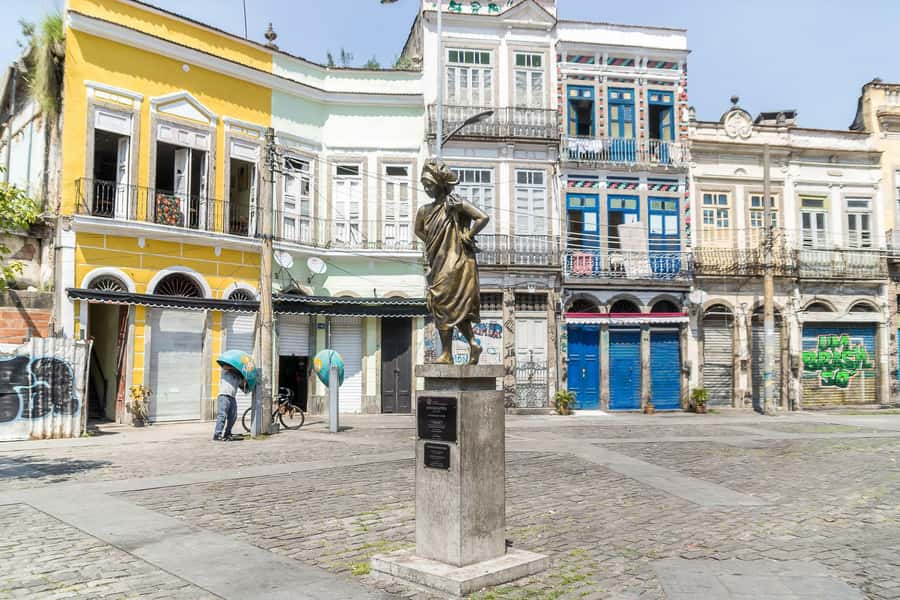
The route includes a statue honoring Mercedes Baptista, a major figure in Brazilian dance. She was the first Black dancer at Rio’s Municipal Theater and a forerunner of Afro dance in Brazil.
This stop gives the tour a human face. Instead of discussing African influence only as a broad social force, the guide can focus on one woman’s achievement and the barriers she faced. It also connects the port district’s past to artistic life in modern Rio.
The guide’s delivery matters here. Several guides have been praised for being lively and expressive, with one participant noting how a guide used acting and facial expressions to make the explanation more vivid. That style will suit you if you prefer stories and conversation to a formal lecture.
The tour deals with painful subjects, so the tone is not light from start to finish. Still, the emphasis is not only on hardship. Mercedes Baptista represents achievement, creativity, and the continued shaping of Brazilian culture by Black artists.
Pedra do Sal, where samba takes center stage
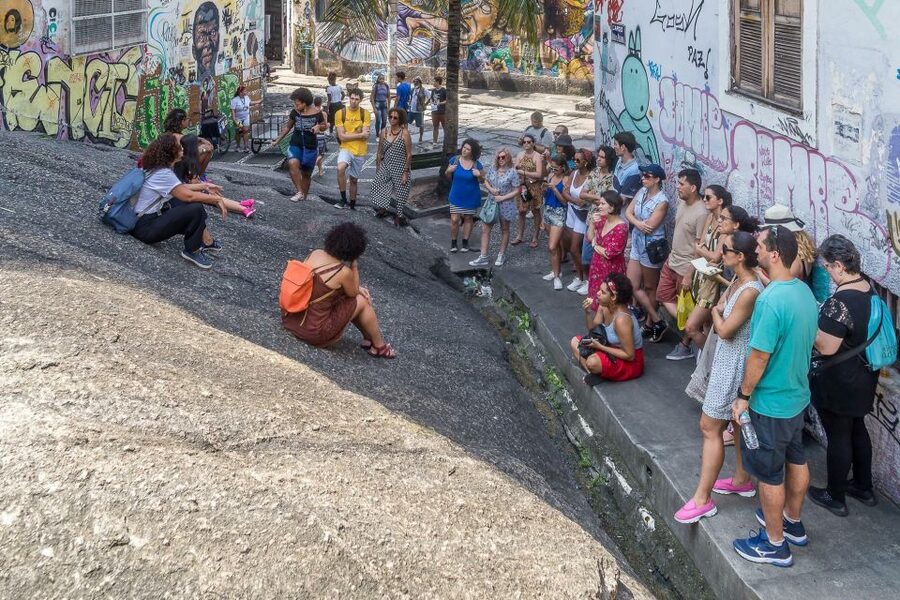
Pedra do Sal is the emotional and musical center of the route. It is considered the place where samba was born, and it sits in what is described as the country’s oldest continuously inhabited Black neighborhood.
The stop is not simply a chance to take a picture of a rock. The guide explains how music, community, and place came together. Samba is often packaged for visitors as a performance, but Pedra do Sal helps you connect it to neighborhood life and Afro-Brazilian identity.
This is also where the small scale of the tour works in its favor. Little Africa is not enormous, and one guide described it as a manageable area with a great deal packed into it. You can cover the key sites without spending an entire day on foot, yet the stops have enough weight to change how you see Rio’s cultural life.
Do not expect a concert or scheduled samba show as part of the 150 minutes. You are visiting the site and learning its meaning. If you want live music afterward, ask your guide what is happening during your visit, since the tour information does not promise a performance.
The Hanging Garden of Valongo
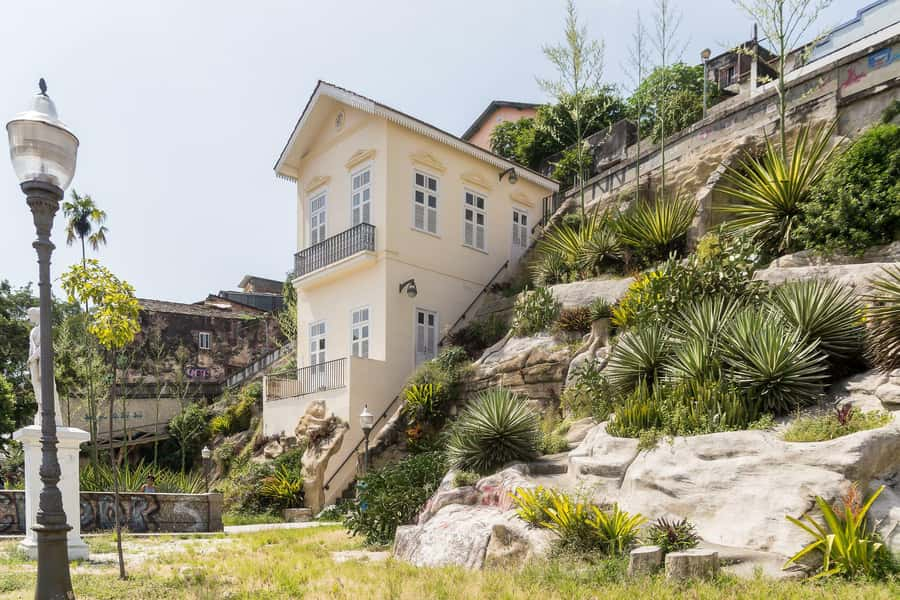
The Jardim Suspenso do Valongo, or Hanging Garden of Valongo, is another short guided stop. Its setting gives the route a different feel from the museum viewpoint and the open square. The garden helps you follow the port district’s changes and the way public spaces can preserve, obscure, or reinterpret the past.
This is a good point to slow down and listen. The tour moves at a steady pace, but the subject is not something to rush through. You may find that the guide’s explanation matters more than the physical size of the garden.
The experience is strongest when it links each place to the wider story. The garden is not presented as an isolated attraction. It forms part of a sequence that leads from colonial Brazil, through the port and its communities, to the final stop at Valongo.
Cais do Valongo and the difficult heart of the tour
The walk ends at Cais do Valongo. This stop carries the heaviest historical weight. The area is tied to the forced arrival of enslaved Africans in Brazil, and the guide explains why the site matters when discussing slavery, memory, and modern Brazil.
You should come prepared for a serious conversation. Several people who took the experience found the subject moving and eye-opening, while others valued the chance to ask direct questions about race and Brazilian society. This is not a polished version of Rio designed to make you comfortable at every moment. That is part of its value.
A guide who can make the history understandable without flattening it is essential. Names praised across different tours include Luana, Nathalia, Larissa, Ryane, Marina, Raquel, Eddie, and Natalia. The exact guide can vary, but the descriptions point to a consistent strength: guides explain the facts while also encouraging reflection.
From Cais do Valongo, you return to the Rio Art Museum. The route lasts 150 minutes in total, with the main stops generally receiving about 20 minutes each. The timing gives you a solid introduction, but it does not allow for long museum visits, extended meals, or detailed exploration of every street.
What the $40 price gets you
At $40 per person, this is not the cheapest way to spend a morning or afternoon in Rio. You are paying for a live guide, a focused route, and interpretation that would be difficult to reproduce alone, especially at Valongo and Pedra do Sal.
The value is strongest if you want more than a list of dates. The guide connects the sites, explains why they matter, and answers questions in real time. Several guides have also helped with food and activity suggestions after the walk, which can make the tour useful beyond its official finish.
The price does not include hotel pickup, drop-off, meals, museum admission for an extended visit, or drinks. You need to reach the museum yourself and budget for lunch separately. Still, for a 150-minute tour in English with a route covering several key places, I consider the cost fair if Afro-Brazilian history is important to your trip.
Free cancellation is available up to 24 hours ahead, and you can reserve now and pay later. Those terms help if your Rio plans are still shifting, but the practical point is to arrive on time once you book.
Heat, rain, and the right preparation
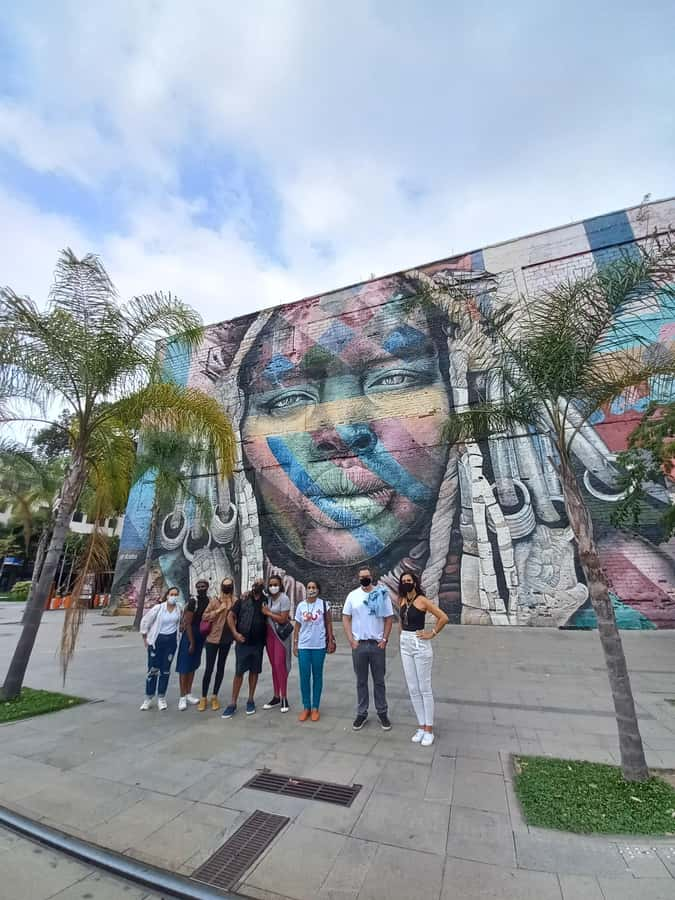
This tour goes ahead in rain or shine. A previous participant joined during heavy rain, and the guide still conducted the walk, so do not assume poor weather will cancel it.
Rio’s heat may be the bigger issue. You are outside for about two and a half hours, and one person specifically advised preparing for the heat. Wear light, comfortable clothes, use sunscreen, and carry water. Comfortable shoes are essential.
The tour is not suitable for children under five. The subject matter also makes it a better fit for older children and adults who can engage with discussions of slavery and racism. The route is presented as a walking tour, so you should be comfortable spending the full duration on foot.
The activity is offered in English only, despite general booking information that may mention English or Portuguese. Confirm the language when booking if that matters to you, but the supplied tour details identify English as the available language.
Who will get the most from this walk
I would recommend it to anyone who wants to understand Rio beyond its famous viewpoints and beaches. It is especially useful for visitors interested in African diaspora history, music, food, dance, public memory, and the social forces that shaped Brazil.
It also suits people who like a guide with personality. The strongest accounts describe guides as warm, funny, expressive, and willing to answer difficult questions. If you prefer a silent stroll with time for photography, this may feel too talkative and structured.
You do not need specialist background. The opening explanation of colonial Brazil gives you the basic context, and the route builds from there. At the same time, the tour can work for people who already know some of the subject, since guides have used current examples and invited discussion rather than repeating a fixed script without room for questions.
I would be cautious about booking it as your only history experience in Rio. It is an introduction, not a full study of Brazil or the African diaspora. But as a focused half-day walk, it covers a lot without becoming an all-day commitment.
Should you book the Little Africa Heritage Walking Tour?
Yes, if you want a thoughtful and place-based look at Rio’s African heritage. The route is compact, the stops are meaningful, and the guides bring energy to difficult material. Pedra do Sal, Mercedes Baptista, and Cais do Valongo give the walk a clear arc from culture and creativity to memory and injustice.
Book it early in your visit if you want its context to shape the rest of your time in Brazil. Skip it only if you dislike outdoor walking, hot weather, serious historical discussion, or tours that depend heavily on listening.
Bring water, sunscreen, and an open mind. Allow time for lunch afterward, and ask your guide for local suggestions. At $40, the tour earns its price through interpretation, not luxury. That is exactly why I would choose it.
FAQ
Where does the Little Africa Heritage Walking Tour begin?
The tour begins in front of the Rio Art Museum, Museu de Arte do Rio.
How long does the tour last?
The experience lasts 150 minutes, or about two and a half hours.
Is the tour offered in English?
Yes. The tour information identifies English as the available language.
What places does the walking route visit?
The route includes the Rio Art Museum, Morro da Conceição, Largo de São Francisco da Prainha, Pedra do Sal, the Hanging Garden of Valongo, and Cais do Valongo. It returns to the Rio Art Museum.
What should I bring?
Bring comfortable shoes, sunscreen, water, and comfortable clothes. The walk takes place outdoors and runs rain or shine.
Can children join the tour?
Children under five are not permitted to join this experience.
Just added around the world
- Vatnajökull Glacier Walk from Hali★ 5.0 · 479 reviews
- Old Hobart Pub Walking Tour★ 4.5 · 91 reviews
- Ice Cave and Glacier Walk into Blue Glacier Canyon★ 5.0 · 224 reviews
- Southwest Tasmania Wilderness Experience: Fly Cruise and Walk Including Lunch★ 5.0 · 233 reviews
- Saigon’s Hidden Flavors – Private Street Food Walk with Local Students★ 5.0 · 301 reviews
- Hobart History, People & Places – 2 hour city walk★ 5.0 · 224 reviews
- Vegan Walk Not Just Vegan Food★ 5.0 · 266 reviews
- Ho Chi Minh City: Highlights & Hidden Gems – Free Walking Tour★ 5.0 · 194 reviews
History Walking Tours, compared.



Berlin’s Best: 2 Hour Walking Tour Third Reich and the Cold War
Read our review →
Third Reich Berlin: Hitler and WWII Walking Tour
Read our review →
New Orleans Garden District History Walking Tour
Read our review →
Cartagena: Historic Center and Getsemaní Shared Walking Tour
Read our review →
Imperial Palace and Shogun Historical Walking Tour
Read our review →Browse the lists this tour appears in