
REVIEW · WALKING TOURS
Nazis in Buenos Aires: a historical walking tour
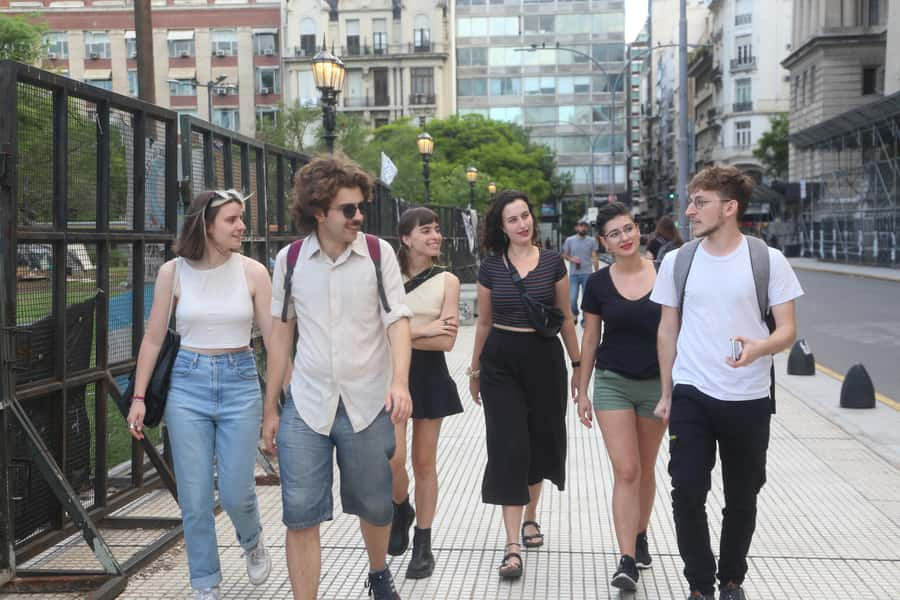
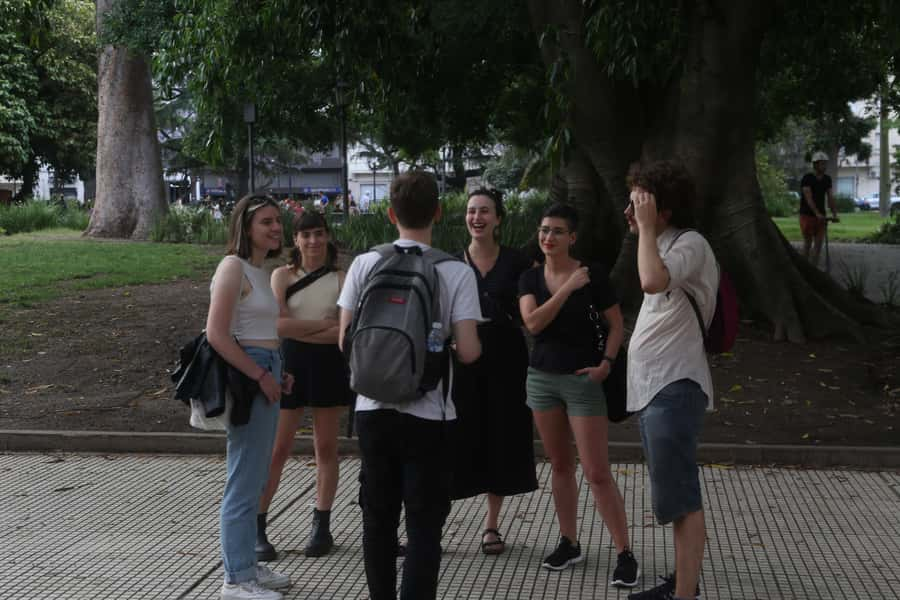
Argentina’s connection to Nazi fugitives is not a simple tale of secret escape routes and guilty governments. This 2.5-hour walk with Max, a history teacher from the University of Buenos Aires, examines what is documented, what remains disputed, and how the subject connects to Perón, the Holocaust, and Argentina’s Jewish community.
I like the tour’s use of real city places as its classroom, from the theater that hosted a 15,000-seat Nazi meeting to the spot linked with Adolf Eichmann’s coffee break. I also like Max’s careful approach: he brings photographs and other visual material, explains the evidence, and is willing to say when a point is not certain.
The main consideration is tone. This is a serious history tour, not a light sightseeing stroll. You need comfortable shoes, a basic grasp of World War II helps, and the subject includes terrorism, antisemitism, Nazi crimes, and the murder of civilians.
Key points to know before booking
- Adolf Eichmann’s Buenos Aires connection: Learn how the Nazi war criminal was identified and captured, including the place where he reportedly sat for coffee.
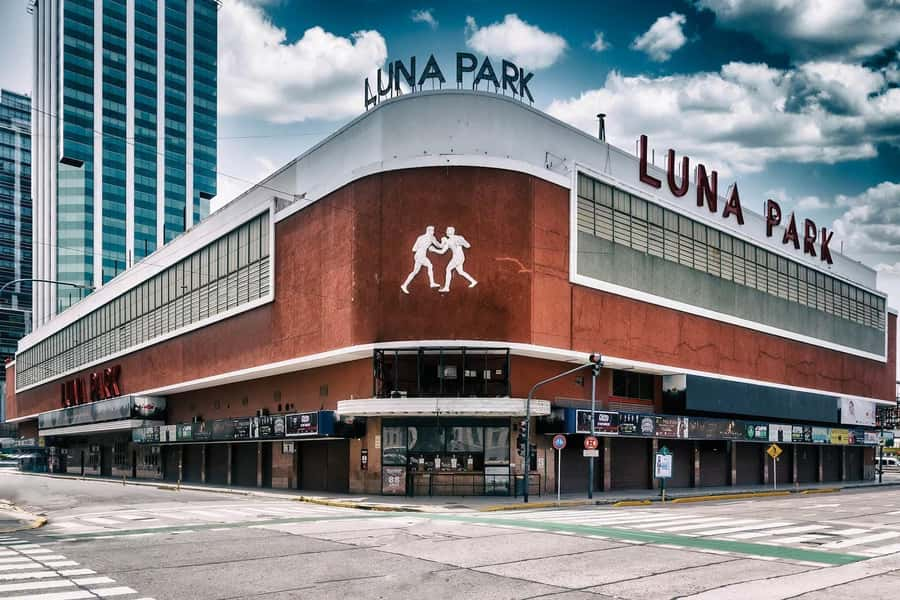
- Luna Park’s political past: See the still-operating stadium linked to a huge Nazi gathering in Buenos Aires.
- The Israeli Embassy memorial: Finish with the site connected to the worst terrorist attack in Latin American history.
- Max’s evidence-first style: Expect a guide who uses photographs, asks questions, and separates firm facts from disputed claims.
- A wider Argentine story: The tour covers Perón, postwar immigration, Argentina’s Jewish community, and political debates beyond the Nazi fugitives themselves.
- A practical city walk: The route connects central Buenos Aires sites in Recoleta, Retiro, and Microcentro over about two and a half hours.
Why this walking tour matters
The title asks a blunt question: was Argentina a refuge for Nazi war criminals? The value of the experience is that it does not treat the answer as a slogan.
After 1945, Nazi war criminals and other European fugitives did make their way to Argentina. The tour looks at who arrived, how they traveled, what officials may have known, and how much responsibility can be placed on the Argentine government. Those questions are tied to the presidency of Juan Domingo Perón, one of the central political figures of twentieth-century Argentina.
You also learn how the subject affected Buenos Aires’ Jewish community, the second largest on the American continent. That wider focus matters. The story is not only about European fugitives living in South America. It is also about memory, state policy, Jewish life, antisemitism, and the way Argentina has argued with its own past.
I would choose this tour after a standard Buenos Aires orientation walk, not instead of one. You will see familiar central neighborhoods, but the guide asks you to read their buildings and public spaces through a difficult historical lens.
More History Walking Tours in the world:
- Berlin: Third Reich & Cold War Guided Walking Tour
★ 4.9 · 8,378 reviews - Munich: Third Reich & WWII Walking Tour
★ 4.6 · 6,181 reviews - Berlin’s Best: 2 Hour Walking Tour Third Reich and the Cold War
★ 5.0 · 5,486 reviews
Starting beside Palacio Libertad
The meeting point is a few meters from the Monument to Juana Azurduy, near the benches facing Palacio Libertad, formerly known as the CCK. Max wears a black cap, which makes the first meeting easier in a busy central area.
The opening matters because Max sets out the historical questions before moving into the individual sites. You are not simply handed a list of Nazi names and dates. The tour places postwar Argentina in its political setting and begins to separate rumor, political argument, and evidence.
The area also gives you a useful first look at how the route works. This is an urban walk through public streets, with short explanations at each stop. Some sites are connected directly to the central subject. Others help explain the institutions, social groups, and political climate around it.
Bring water and shoes you can walk in comfortably. There is a ten-minute pause for a restroom break, but you should not expect long periods indoors or a museum-style presentation.
Luna Park and the politics of mass gatherings
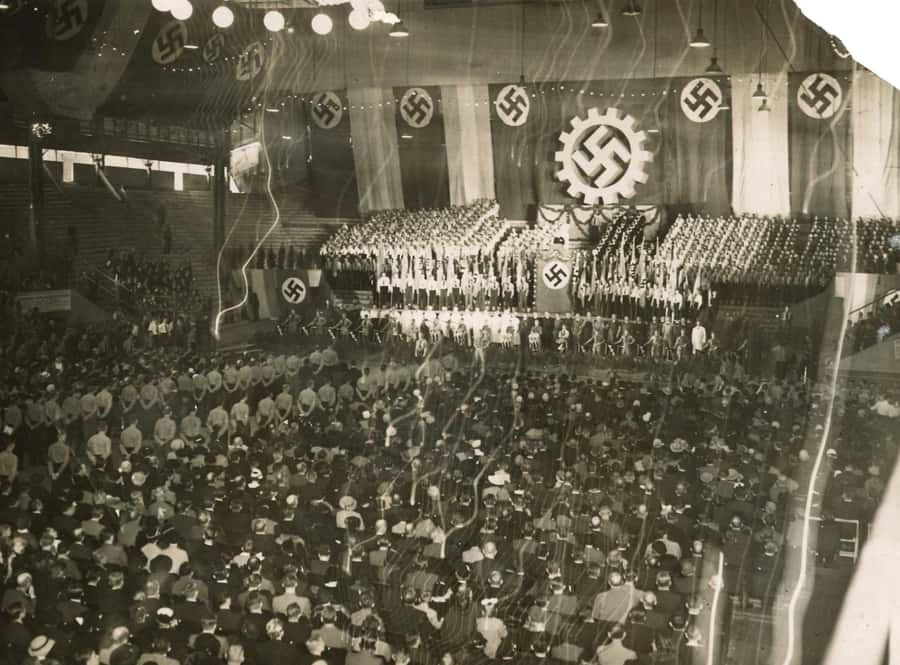
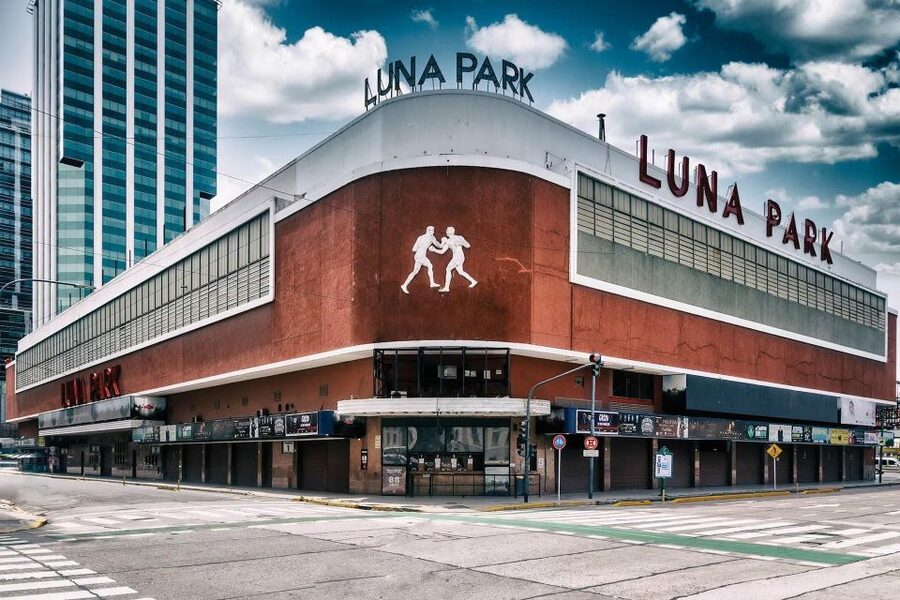
The first major stop is Luna Park, a famous Buenos Aires stadium that still operates. You spend about 20 minutes here, learning about the 15,000-seat Nazi meeting held at the venue.
That number alone helps you grasp the scale of organized Nazi activity in Argentina before and around the Second World War. A stadium gathering is not a private dinner or a fringe meeting in an obscure room. It raises questions about visibility, public support, policing, politics, and how a movement could present itself in a major capital.
The attraction of this stop is the setting. You are looking at a functioning stadium rather than a distant museum display. The drawback is that entry to Luna Park is not included, so the experience may depend on what you can see from outside and what Max can show you through images.
This is also a good point to listen for the difference between a Nazi presence in Argentina and the later arrival of fugitives after 1945. Those are related subjects, but they are not the same event. Max’s approach helps put them in the correct order.
ABC Restaurant and the story of Eichmann
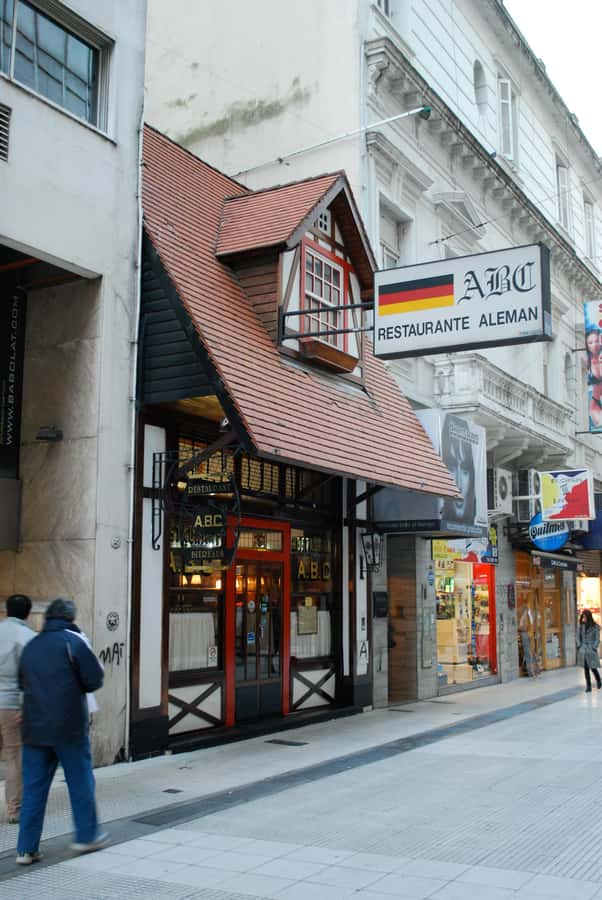
At ABC Restaurant, the tour spends another 20 minutes. The restaurant is connected with the story of Adolf Eichmann, including the place where the war criminal sat for coffee.
Eichmann is one of the most important figures in the tour because his story links Nazi bureaucracy in Europe with postwar life in Buenos Aires. You learn about the spy-like process of identifying him and the operation that led to his capture.
This part should appeal to you if you like history told through small, human details. A coffee stop may sound ordinary, but that ordinariness is part of the power. A man associated with mass murder could sit in a city restaurant while living under an assumed identity. The scene forces you to think about how fugitives disappeared into everyday life.
The stop also shows why the guide’s use of photographs is useful. A picture of a person or place can make the story easier to follow, especially when the location itself has changed or when the important event is no longer visible on the street.
Do not expect a sensational spy thriller. The point is to understand the evidence around Eichmann’s identity, the people who tracked him, and the political questions raised by his presence in Argentina.
A few more walking tours around the world worth a look
- Magical London: Harry Potter Guided Walking Tour
★ 4.7 · 22,044 reviews - Reykjavik Food Walk – Local Foodie Adventure in Iceland
★ 5.0 · 18,952 reviews - History and Hauntings of Salem Guided Walking Tour
★ 5.0 · 14,564 reviews - New Orleans Premier Ghost, Voodoo and Vampire Walking Tour
★ 4.5 · 12,856 reviews
Museo de Armas and the institutions behind the story
The Museo de Armas de La Nación, named for Lieutenant General Pablo Riccheri, is the next stop. You spend about 20 minutes here, though entry to the museum is not listed as included.
This location lets the tour move from individual fugitives to the state and its institutions. Discussions of Nazi immigration often turn into accusations that Argentina actively welcomed criminals, or into claims that officials knew nothing. The museum setting provides a natural place to ask how military, diplomatic, and government structures fit into that story.
You may find this section more political than personal. That is useful if you want to understand how policy works, but it may feel less dramatic than the Eichmann material. The tour’s purpose is not to keep every stop at the same emotional pitch. It builds a case through different kinds of evidence.
Max’s teaching background is important here. He is not presenting the subject as a collection of shocking anecdotes. He explains the broader Argentine context and welcomes questions about Nazism, Judaism, wartime events, and national politics.
Palacio San Martín and postwar diplomacy
Palacio San Martín is another 20-minute stop. The building adds a diplomatic and governmental layer to the walk.
The tour uses this part of Buenos Aires to examine Argentina’s place in the postwar world. You consider what the country’s officials may have known about people arriving from Europe, whether migration was ignored or encouraged, and how those claims have been debated over time.
This is one of the stops where a basic knowledge of World War II and the Holocaust helps. You do not need to arrive as a specialist, since Max explains the background, but knowing the broad sequence of events will help you follow the distinctions between Nazi officials, collaborators, refugees, and people falsely accused after the war.
I appreciate that the route does not reduce the issue to one political party or one president. Perón receives attention because his presidency is central to modern Argentine history, but the discussion reaches beyond a single administration. That makes the tour more useful than a simple story of blame.
Italian Circle and the city’s European ties
The Italian Circle of Buenos Aires is the final listed stop before the memorial. You spend about 20 minutes here.
This location helps explain the European networks and communities that shaped Argentine society. It is another reminder that Buenos Aires was connected to Europe through immigration, politics, business, culture, and personal relationships long before the war.
You may find this section less immediately familiar than the Eichmann story, but it helps fill in the social setting around the postwar arrivals. A city does not receive people in a vacuum. Existing communities, institutions, political links, and identity networks can all affect who finds a foothold.
The tour is strongest when it uses places like this to ask broader questions without pretending that every answer is settled. Max’s method, based on the available evidence and supported by photographs, gives the walk an academic feel without turning it into a lecture hall.
The Israeli Embassy memorial
The tour finishes at Plaza Embajada de Israel, the memorial site of the former Israeli Embassy. This site recalls the 1992 bombing, described in the tour material as the worst terrorist attack in Latin American history.
The final stop changes the time frame. You begin with World War II and the postwar arrival of Nazi fugitives, then end with a later attack on Buenos Aires’ Jewish community. That connection shows how the city’s history of antisemitism and political violence did not stop in 1945.
This is an affecting place to end. It brings the discussion out of the past and into the continuing problem of terrorism, communal safety, memory, and justice. The final section can feel especially current because it connects historical hatred with later violence.
The meeting information gives two different descriptions of the ending: the route lists Plaza Embajada de Israel as the final stop, while another note says the activity ends back at the meeting point. Check the exact end arrangements when you reserve, especially if you have a timed plan afterward.
Max’s guiding style
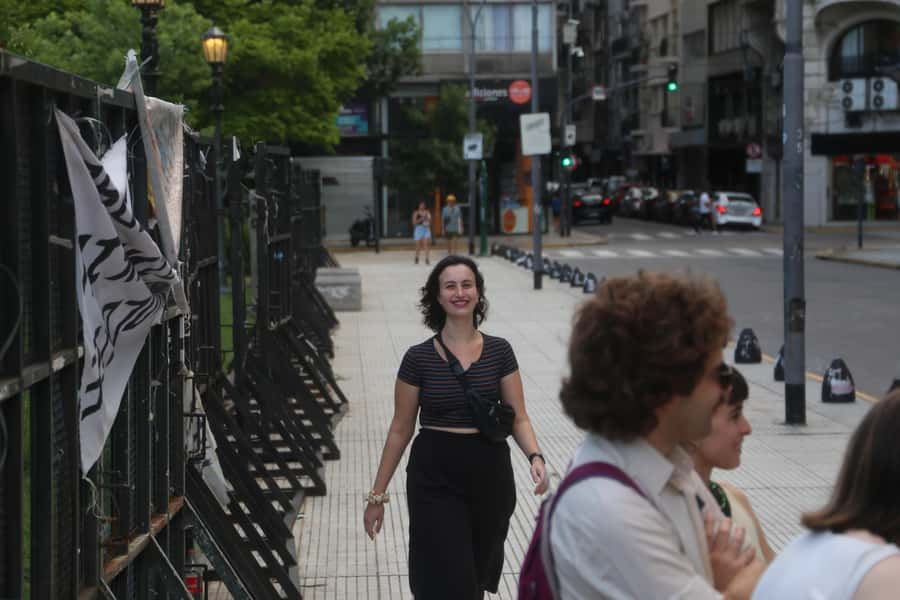
Max is the key reason this tour works. He is described as a history teacher by day, and his teaching skills show in the structure of the walk. He sets the scene, introduces questions, and then adds detail at each stop rather than unloading every fact at the beginning.
You can expect fluent English, visual material, and room for questions. The tour welcomes people with different levels of prior knowledge, including those who want to ask about Judaism, Nazism, the war, or Argentine politics.
The strongest quality is balance. Max presents controversial subjects without forcing them into a neat good-versus-bad script. He is also willing to distinguish between what is firmly documented and what is still uncertain. That habit matters on a subject filled with political claims and popular myths.
The format can feel like a university seminar on foot. If you want a guide who points at a building, gives one date, and moves on, this may feel too detailed. If you want context and discussion, the pace should suit you well.
Price, pace, and practical limits
At $25 per person, the tour offers solid value for a 2.5-hour English-language walk. The price covers the guide, preparation, visual material, and a route through several central sites. It does not include admission to Luna Park, Casa Rosada, or the Libertad Synagogue.
The tour lasts longer than a quick city stroll, and the subject requires concentration. You will be on your feet across Recoleta, Retiro, and Microcentro, with roughly 20 minutes at each named stop. Plan for a serious outing rather than something to squeeze between a late lunch and a museum booking.
It is not suitable for children under 10 or wheelchair users. A 14-year-old with an interest in history may enjoy it, but the themes are mature and the guide’s approach assumes some ability to discuss difficult events.
The activity is offered in English. You can cancel up to 24 hours ahead for a full refund, and reserve now while paying later, which helps if your Buenos Aires schedule is still moving around.
Who should book this experience?
I would recommend it to history buffs, students of World War II, visitors interested in Jewish history, and anyone who wants to understand modern Argentina beyond the usual tango, football, and architecture themes.
It is also a good choice if you have already seen the central sights and want to read them differently. The route takes you through recognizable parts of the city, but the stories change what you notice.
I would not choose it for young children, anyone seeking a relaxed sightseeing walk, or people who only want stories about Nazis hiding in Argentina. The tour gives substantial attention to Argentine politics, Perón, the Jewish community, and later violence. That breadth is a strength, but it may be more than you want if your interest is narrowly focused on fugitives after 1945.
Should you book the Nazi history walking tour?
Yes, if you want a serious, carefully argued look at one of Argentina’s most disputed historical subjects. Max’s teaching style, strong preparation, photographs, and willingness to discuss uncertainty make the $25 price fair.
Book it with the right expectations. You will not get a string of sensational secrets. You will get a thoughtful walk through real places, a clearer understanding of Argentina’s wartime and postwar politics, and a final reminder that historical memory still shapes public life. Wear good shoes, allow the full two and a half hours, and come ready to ask questions.
FAQ
Where does the tour begin?
It begins a few meters from the Monument to Juana Azurduy, by the benches facing Palacio Libertad, formerly known as the CCK.
How will I recognize the guide?
Max wears a black cap and waits by the benches facing Palacio Libertad.
How long does the tour last?
The experience lasts about 2.5 hours.
What language is the tour in?
The tour is conducted in English.
What places does the route visit?
The route includes Luna Park, ABC Restaurant, Museo de Armas de La Nación, Palacio San Martín, the Italian Circle of Buenos Aires, and the memorial at Plaza Embajada de Israel.
Does the tour enter Luna Park?
Entry to Luna Park Stadium is not included.
Is entry to Casa Rosada included?
No. Entry to Casa Rosada is not included.
Is entry to the Libertad Synagogue included?
No. Entry to the Libertad Synagogue is not included.
What should I bring?
Bring comfortable shoes and water. There is also a ten-minute pause for restroom use.
Is the tour suitable for children and wheelchair users?
The activity is not suitable for children under 10 or wheelchair users.
Just added around the world
- Vatnajökull Glacier Walk from Hali★ 5.0 · 479 reviews
- Southwest Tasmania Wilderness Experience: Fly Cruise and Walk Including Lunch★ 5.0 · 233 reviews
- Old Hobart Pub Walking Tour★ 4.5 · 91 reviews
- Ice Cave and Glacier Walk into Blue Glacier Canyon★ 5.0 · 224 reviews
- Saigon’s Hidden Flavors – Private Street Food Walk with Local Students★ 5.0 · 301 reviews
- Hobart History, People & Places – 2 hour city walk★ 5.0 · 224 reviews
- Vegan Walk Not Just Vegan Food★ 5.0 · 266 reviews
- Ho Chi Minh City: Highlights & Hidden Gems – Free Walking Tour★ 5.0 · 194 reviews
History Walking Tours, compared.
Berlin’s Best: 2 Hour Walking Tour Third Reich and the Cold War
Read our review →
Third Reich Berlin: Hitler and WWII Walking Tour
Read our review →
New Orleans Garden District History Walking Tour
Read our review →
Cartagena: Historic Center and Getsemaní Shared Walking Tour
Read our review →
Imperial Palace and Shogun Historical Walking Tour
Read our review →Browse the lists this tour appears in