
REVIEW · LONDON
London: London Sightseeing Walking Tour with 30+ Sights
London packs 2,000 years of power, trade, royalty, war, and odd little street corners into a surprisingly tight center. This five-hour walking tour takes you from St Paul’s Cathedral through the City of London, across to Westminster, and finally along St James’s Park to Buckingham Palace. You see the headline sights quickly, but the real value is the story connecting them.
I like the route for two clear reasons: you cover an enormous amount of ground without wasting time on transport, and the guides turn familiar buildings into places with character. Matt, Carolina, Mike, Adam, Eric, and Laine are among the guides praised for humor, useful local tips, good photo help, and lively storytelling. The catch is simple: five hours on foot is still five hours on foot, and you do not go inside any attraction.
Key points at a glance
- 30+ major sights in one route: St Paul’s Cathedral, Tower Bridge, Tower of London, Big Ben, Westminster Abbey, and Buckingham Palace all fit into one day.
- Two very different Londons: Compare the financial City of London with royal and political Westminster.
- A well-placed lunch break: Stop near Tower Hill, with time to buy food and enjoy views beside the Thames.
- One Tube journey included in the route: Bring an Oyster card, contactless bank card, or Apple Pay or Google Pay.
- Strong guide-led experience: Guides such as Matt, Carolina, Mike, Adam, and Eric are praised for history, humor, questions, and photography.
- Best for first-time visitors: Use it early in your stay to decide which sights deserve a separate paid visit.
Why this route works for a first day in London
At $25 per person, this is not an entrance-ticket experience. It is a moving orientation session, a history lesson, a photo walk, and a practical way to learn how central London fits together.
That distinction matters. You will not tour the Tower of London, enter Westminster Abbey, climb St Paul’s Cathedral, or ride the London Eye. Instead, you get the outside view, the setting, the backstory, and a chance to mark places you may want to return to.
I especially like the east-to-west design. The tour begins in the City of London, the old financial core, then shifts to Westminster, where government, monarchy, and national ceremony take over. By the end, you have seen two sides of the capital rather than a random collection of famous facades.
The route also makes good use of your time. You walk the first section, take a short Tube ride, and walk through the second section. A short lunch stop near Tower Hill breaks up the day, and several people found the pace easier than expected because the guide regularly stops for explanations and photographs.
More City Highlights Walking Tours in the UK
- London Sightseeing Walking Tour with 30+ sights
★ 5.0 · 705 reviews - London: Old City Walking Tour
★ 4.8 · 135 reviews - Oxford: University and City Walking Tour with Alumni Guide
★ 4.7 · 4,429 reviews
Starting beside St Paul’s Cathedral
Meet at the top of the steps at St Paul’s Station, Exit 2, beside Caffe Nero at 30 Newgate Street. Look for the guide holding a yellow umbrella. This is a useful meeting point, but give yourself enough time to find the correct station exit. London Underground stations can have several exits, and a wrong turn can put you on a different side of a busy junction.
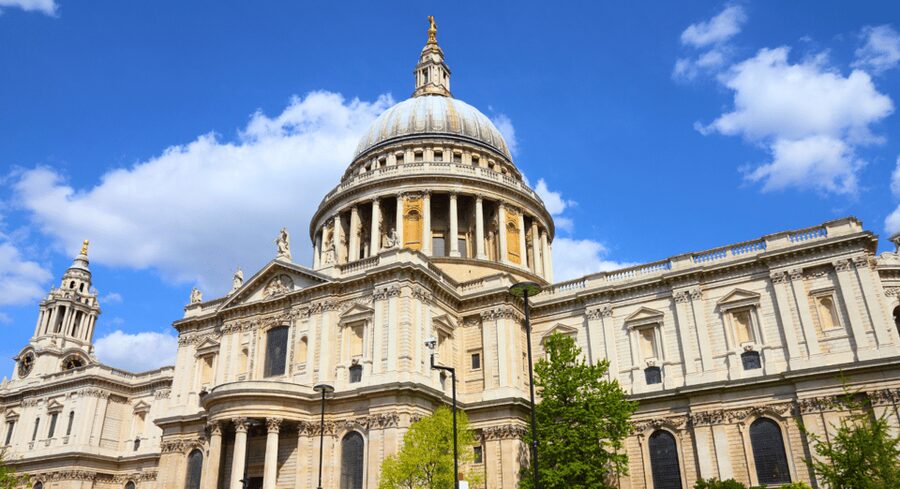
The opening sight is St Paul’s Cathedral, Christopher Wren’s great dome and one of London’s most recognizable profiles. You see the cathedral from outside and hear about its place in the city, rather than spending time inside. That keeps the tour moving, though you should plan another visit if you want the interior, galleries, or dome views.
From here, the route passes Blackfriars and Watling Street. These stops help explain how old the City is beneath its modern office towers. You are not simply ticking off monuments. You are seeing how narrow historic lanes, modern glass buildings, and major churches share the same small area.
The financial City: banks, exchanges, and old streets
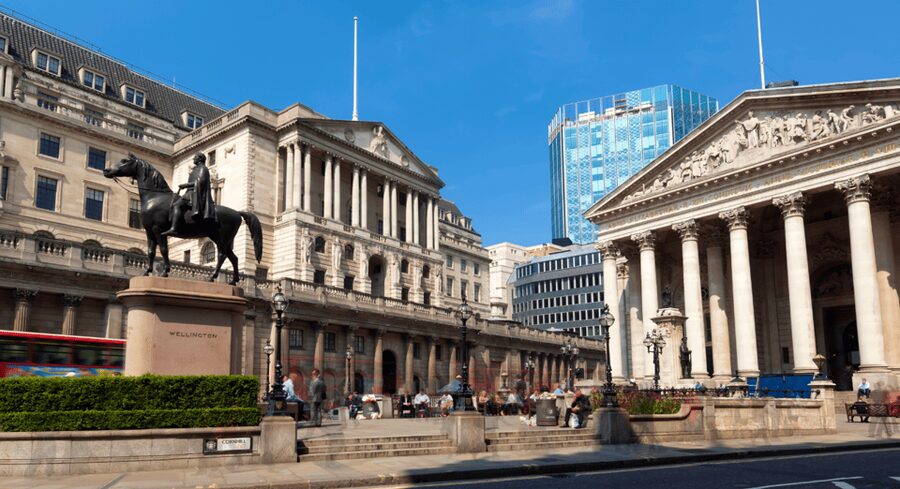
The next stretch brings you through the City’s financial center. The Bank of England, Royal Exchange, Mansion House, Bloomberg, Bracken House, and the streets around them show London as a place of money and administration as well as palaces and churches.
The Royal Exchange and Mansion House are especially useful stops because they give the area a sense of civic ceremony. The Bank of England adds another piece of the puzzle. Your guide can connect these buildings to the City’s working identity, making the financial district feel less like a wall of offices.
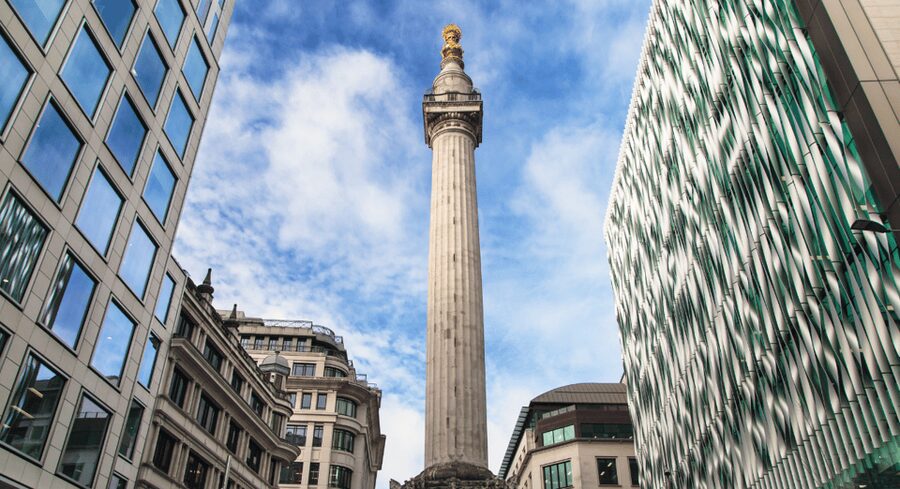
Monument provides a sharper visual marker. Built to commemorate the Great Fire of London, it is one of those structures that can be easy to pass without context. Here, the story of the fire and the rebuilding of the City gives you a better feel for why London looks the way it does.
I like this part because it rewards attention. The famous sights come later, but the early streets give you a useful sense of London’s layers. If you only visit royal palaces, you miss the commercial engine that helped make the city powerful.
Along the Thames to Tower Bridge
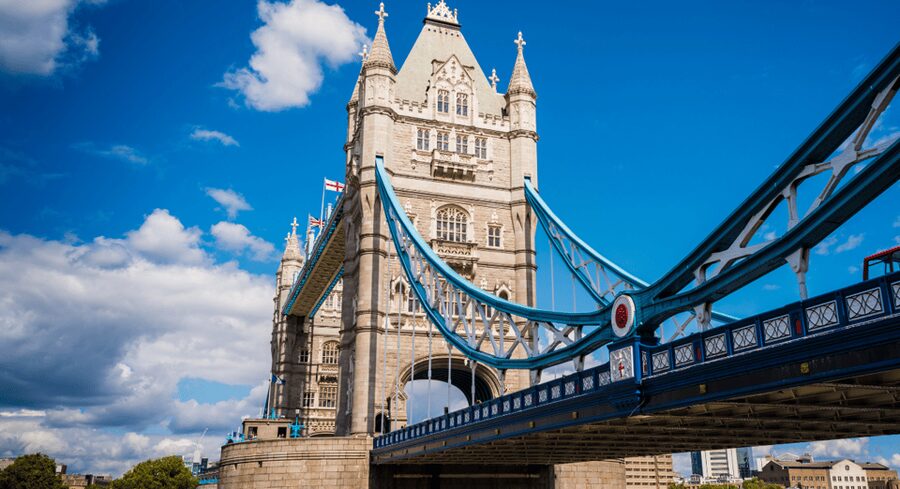
The route then reaches the River Thames, London Bridge, The Shard, HMS Belfast, City Hall, and Tower Bridge. This is one of the strongest sections for photographs, especially when the route opens up near the river.
London Bridge and Tower Bridge are often confused, so seeing both in sequence is helpful. London Bridge is the working crossing with a long history, while Tower Bridge is the elaborate Victorian landmark most people picture when they hear the name. The guide can explain the difference while you get views of both.
The Shard gives the riverfront a modern counterpoint. HMS Belfast adds a reminder of the capital’s military and naval past. Across the water, City Hall and the surrounding buildings show how the South Bank has changed over time.
Tower Bridge is the visual high point of the first walking section. You stop outside for photographs and context. You do not enter the bridge or visit its high-level walkways, so anyone wanting the interior experience will need a separate ticket.
More City Highlights Walks in London:
- Berlin City walk Government District and Places of Democracy
★ 4.7 · 8,467 reviews - Historic Charleston Guided Sightseeing Walking Tour
★ 5.0 · 6,216 reviews - Quebec City Walking Tour
★ 5.0 · 4,716 reviews - Florence: Highlights Walking Tour with Expert Guide
★ 4.6 · 4,662 reviews
The Tower of London and a practical lunch stop
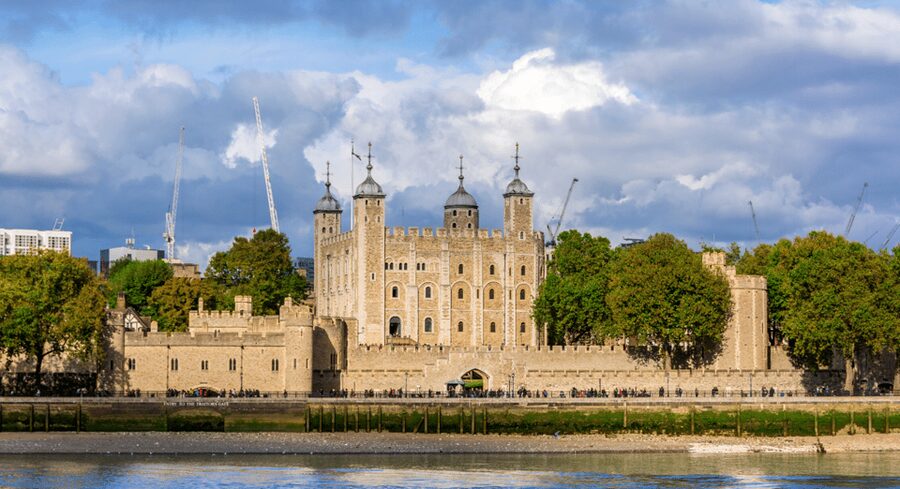
The Tower of London follows naturally. From outside, it is easy to see why the fortress has such a powerful place in British history. The tour gives you the setting and stories, but not entry to the Crown Jewels, medieval rooms, or grounds.
This is an important planning point. If the Tower is high on your list, do not treat this stop as a substitute visit. Treat it as a preview that helps you decide how much time to reserve later.
The lunch break near Tower Hill comes at a sensible moment. You buy your own food, and the break is short, so this is not the time for a long sit-down meal. Several people liked the chance to grab a snack near the Thames with a view toward Tower Bridge.
I suggest carrying water and choosing something quick. The break is designed to restore your legs without losing the afternoon. Food and drinks are not included in the $25 price.
The Tube connection to Westminster
The group takes one London Underground journey, listed as about 10 minutes. Each person needs a valid Oyster card, contactless credit or debit card, or Apple Pay or Google Pay. The Tube fare is not included.
This short ride is more than a practical transfer. It gives you a taste of how Londoners move between the central districts, and it saves the tour from spending valuable walking time on streets that add little to the sightseeing.
Keep your payment method ready before the ride. If you use a contactless card, make sure you use the same card or device for the journey. The tour information specifically requires each guest to have a valid payment method, so do not assume the guide’s booking covers the fare.
Westminster’s ceremonial heart
The Westminster section begins around the London Eye, then moves past Great Scotland Yard, the Ministry of Defence, the Women of World War II memorial, the Cenotaph, the Cabinet Office, and Downing Street.
This is where London’s national story becomes more visible. The Cenotaph and the Women of World War II memorial bring attention to remembrance and public service. The government buildings around Whitehall show how much political power is concentrated within a short walk.
Downing Street is a brief outside stop, not a house tour. You see the famous entrance and hear about its role in British government. Great Scotland Yard adds another familiar name to the route, while the Ministry of Defence and Cabinet Office help explain the surrounding government quarter.
The walking here is steady but not rushed. Guides have been praised for keeping groups together, answering questions, and adding humor to what could otherwise be a procession of official buildings. A good guide makes these stops easier to remember because each one gets a short story rather than a long lecture.
Big Ben, Parliament, and Westminster Abbey
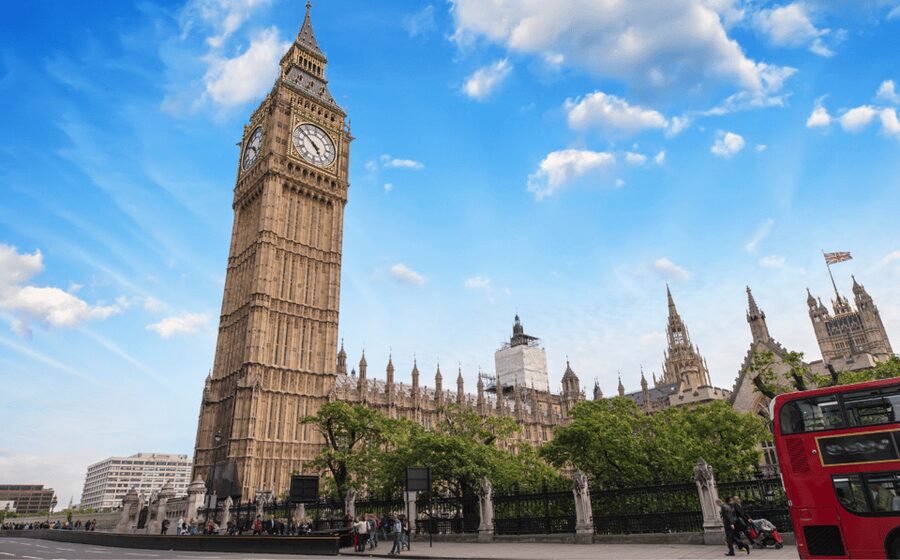
Big Ben is technically the nickname for the great bell inside the Elizabeth Tower, but most people use the name for the tower itself. You see it with the Houses of Parliament, officially the Palace of Westminster, in one of London’s most familiar views.
Timing can make this stop especially memorable. One group reached the area in time to hear Big Ben chime at 2 p.m. That cannot be guaranteed, but it shows how a thoughtful guide may shape the walking pace around a small live moment.
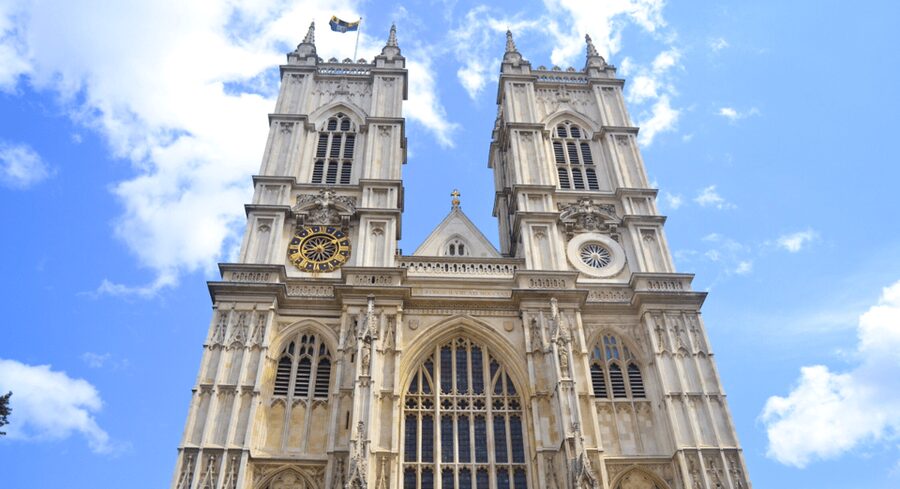
The Houses of Parliament are viewed from outside. You do not enter for a debate, guided visit, or tower climb. The same applies to Westminster Abbey. You get the exterior, setting, and historical explanation, then continue along the route.
St Margaret’s Church sits beside Westminster Abbey and adds another layer to the area. It is easy to overlook beside the larger abbey, but the stop helps you see Westminster as a group of connected religious and political buildings, not just one famous facade.
If you want to visit Westminster Abbey inside, plan that separately. The walking tour is best understood as a way to understand where the abbey sits and why this corner of London matters.
St James’s Park and the royal finish
From Westminster, the route moves into St James’s Park. This is a welcome change after the formal stone of Whitehall and Parliament. The park leads toward The Mall, St James’s Palace, Clarence House, Lancaster House, Green Park, and finally Buckingham Palace.
The walk through St James’s Park gives the tour a calmer rhythm. It also creates a clear transition from government to royalty. The Mall is the ceremonial avenue, while St James’s Palace and Clarence House bring the royal story closer to street level.
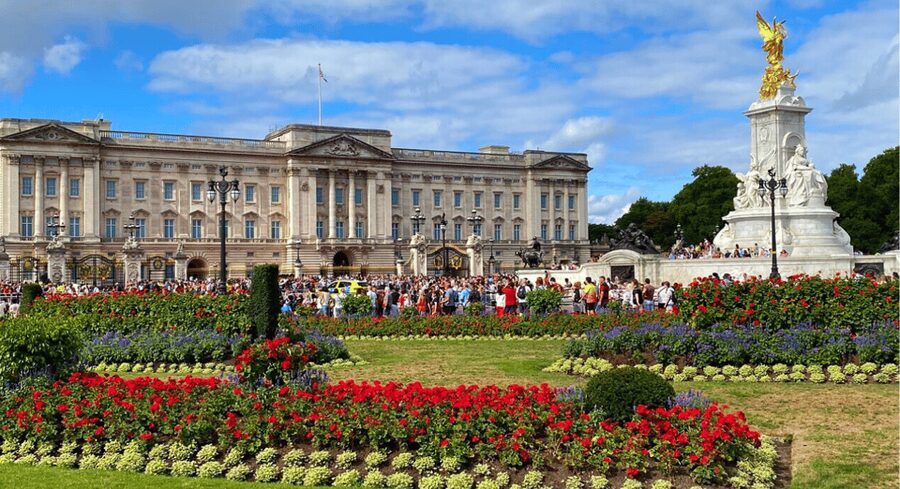
Lancaster House and Green Park round out the royal quarter before the final stop at Buckingham Palace. You finish outside the palace, which is a strong endpoint because it leaves you in one of the city’s most recognizable places rather than ending beside an anonymous station.
Again, there is no palace entry or ceremony included. You get the exterior, the forecourt, the avenue, and the chance for photographs. If you want to see the palace interiors, you will need a separate visit when they are open to the public.
What the guides add to the day
The guide is the difference between a long walk and a useful London introduction. The best accounts of the experience praise guides for more than facts. Matt is described as entertaining and attentive to questions. Carolina is praised for clear explanations, energy, humor, and practical recommendations. Mike receives repeated credit for history and group management, while Adam is noted for anecdotes, hidden corners, and keeping the day moving.
Eric is praised for funny stories and keeping everyone engaged. Laine is remembered for combining historical detail with photography, even in cold weather.
Guides can vary, of course, but the pattern is clear: this tour depends on a live person making the city readable. You should ask questions as you go. The tour is more useful when you treat it as an introduction and ask for ideas about places to revisit, food nearby, or which attractions deserve your limited time.
The guides also take photographs for participants when asked. That is a small but valuable detail, especially if you are traveling alone or with a couple and want more than selfies.
Pace, fitness, and what to bring
The route is described as an easy pace by several people, but it remains a five-hour walking tour. The experience is not suitable for wheelchair users, people with mobility impairments, or people with a low level of fitness.
Wear comfortable shoes. Bring water, weather protection, and a payment method for the Tube. You also need money or a card for lunch. London weather can change quickly, and much of the experience takes place outdoors, so do not dress as if you are spending the day inside museums.
The tour has regular sightseeing stops and a lunch break, but it is not a hop-on, hop-off bus. You need to stay with the group and keep moving between landmarks. That makes it efficient, though less flexible if you prefer to linger at one place.
Is $25 good value?
Yes, if you want a broad first look at central London. For $25, you get five hours with an English-speaking guide, a route covering more than 30 landmarks, and a useful Tube connection between two major districts. Buying separate guided walks for the City and Westminster would usually cost more, though this tour does not include attraction admission.
The value is strongest for first-time visitors, short stays, solo visitors, and anyone who wants help making sense of the city before planning independent sightseeing. It is also a good choice if you enjoy history but do not want a formal lecture.
The value is weaker if you already know central London well, dislike long walks, or want to spend serious time inside the Tower of London, Westminster Abbey, or St Paul’s. In that case, use the route as an orientation only, then spend your money on focused entrance visits.
Free cancellation up to 24 hours ahead and the option to reserve now and pay later make the booking fairly flexible. Starting times vary, so check availability for your date.
Who should book this London walk?
I would book it near the start of a London stay. You can use the day to identify which places deserve a return visit, and the guide’s local suggestions may help shape the rest of your plans.
It suits adults, older children who can manage a long walk, couples, solo visitors, and small groups wanting a shared introduction. The gentle pace reported by several people helps, but do not confuse gentle with short.
I would skip it if you need step-free access, want extensive free time at each sight, or prefer to explore at your own speed. The route is deliberately packed. Its success comes from seeing a lot, not from lingering.
Final verdict: book it for orientation, not admission
This is one of the more useful low-cost ways to get your bearings in London. You see the City’s banks and old streets, the Thames and Tower Bridge, the Tower of London, Whitehall, Parliament, Westminster Abbey, St James’s Park, and Buckingham Palace in one continuous story.
Book it if you want breadth, context, and plenty of photographs. Do not book it expecting interior visits or a relaxed museum day. Bring a Tube payment method, wear good shoes, keep lunch simple, and save energy for the final walk to Buckingham Palace.
FAQ
Where does the London sightseeing walking tour start?
It starts at St Paul’s Station, Exit 2, at the top of the steps beside Caffe Nero. The address is 30 Newgate Street, London, EC2V 6AA.
How do I find the guide?
Look for the guide holding a yellow umbrella near the meeting point.
Where does the tour finish?
The tour finishes at Buckingham Palace.
How long is the tour?
The experience lasts five hours.
How many London sights are included?
The route covers more than 30 sights, landmarks, and attractions.
Does the tour enter the Tower of London or Westminster Abbey?
No. The tour does not enter any sights, landmarks, or attractions, and entrance tickets are not included.
Is lunch included?
No. The tour takes a short lunch break near Tower Hill, and you pay for your own food and drinks.
Is a London Underground ticket included?
No. Each person needs an Oyster card, contactless credit or debit card, or Apple Pay or Google Pay for the Tube journey.
What language is the tour conducted in?
The live tour guide speaks English.
Is the tour suitable for wheelchair users or people with mobility impairments?
No. The experience is not suitable for wheelchair users, people with mobility impairments, or people with a low level of fitness.
Just added around London
- German London : The Ultimate Walking tour★ 4.8 · 400 reviews
- London: Medieval History Walking Tour from The Tower★ 4.9 · 318 reviews
- The Beatles London Walking Tour★ 4.2 · 147 reviews
- Secret Old London Walking Tour★ 4.8 · 154 reviews
- Secrets of London Walking Tour★ 4.7 · 562 reviews
- London: Notting Hill Walking Tour★ 4.5 · 254 reviews
- London: Old City Walking Tour★ 4.8 · 135 reviews
- London: Witches and History Bankside Walking Tour★ 4.8 · 223 reviews
City Highlights Walking Tours, compared.

Berlin City walk Government District and Places of Democracy
Read our review →
Historic Charleston Guided Sightseeing Walking Tour
Read our review →

Oxford: University and City Walking Tour with Alumni Guide
Read our review →
City Highlights Temple and Market Walking Tour
Read our review →
A History of Terror – Belfast City Centre Walking Tour
Read our review →Browse the lists this tour appears in