
REVIEW · KYOTO
Kyoto: Gion Sunset Walking Tour with Local Guide
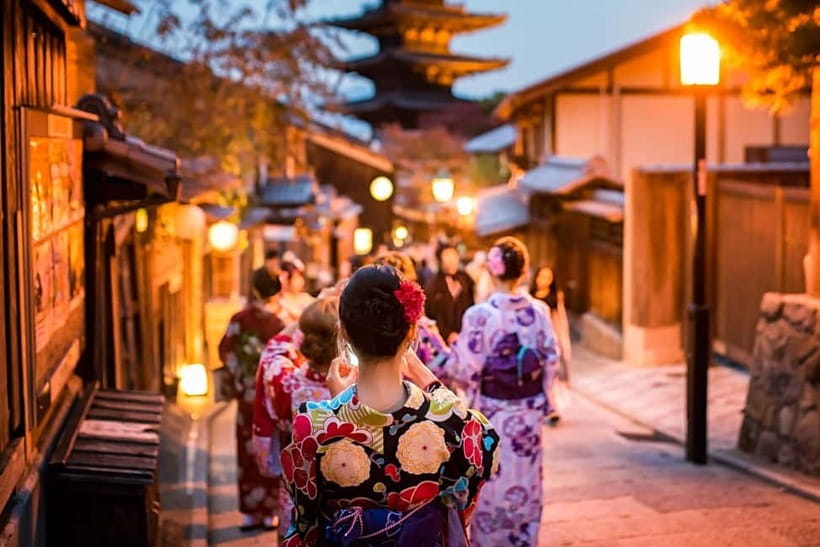
Kyoto’s Gion district changes character as daylight fades. Lanterns glow, restaurants open their doors, and the old lanes take on a quieter, more private feel. This three-hour evening walk gives you a useful introduction to that world, with stops at Hanamikoji Street, Yasaka Shrine, Maruyama Park, and Pontocho.
I especially like the small groups of up to nine and the chance to ask real questions. Guides such as Jasmine, Vincent, Raphael, Katz, and Alex have been praised for explaining local customs clearly and adjusting the pace for the group. The included snack is another nice touch, especially after a long day on your feet.
The main drawback is simple: this is a walking tour, not a relaxed sightseeing ride. You need comfortable shoes, and the route may feel tiring in rain, heat, or cold. A geiko or maiko sighting is possible but never promised, and respectful distance is essential.
Key points to know before booking
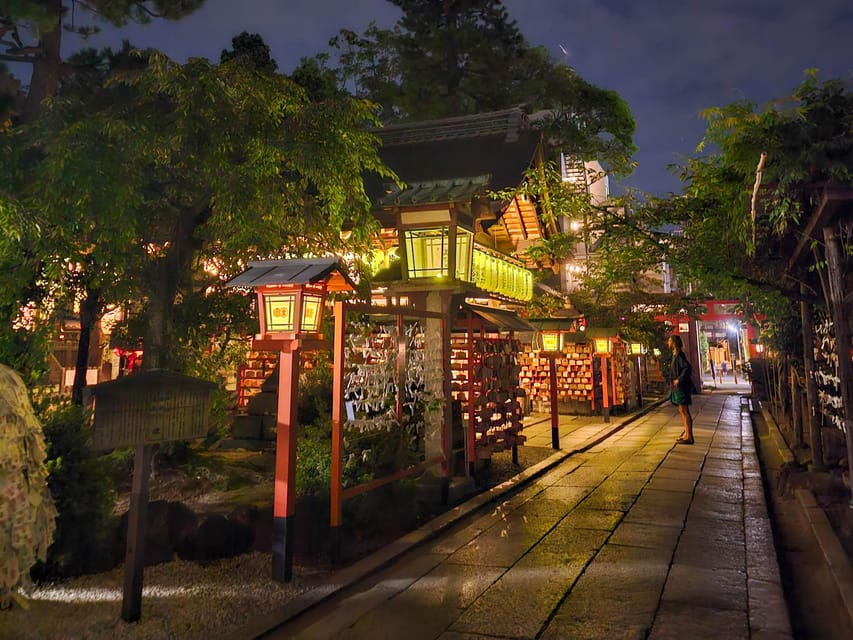
- Gion after dark: See Hanamikoji, Yasaka Shrine, and traditional lanes as lanterns begin to glow.
- Local cultural context: Learn how geiko and maiko fit into Kyoto’s traditional entertainment world, along with Japanese religious customs.
- Small-group format: Groups of no more than nine make it easier to hear the guide and ask questions.
- Useful three-hour route: Start at Kyoto Kawaramachi Garden and finish near Sanjo Bridge, with no hotel transfer needed.
- Snack included: The stop may include a local treat, matcha, or another item, with past arrangements allowing up to about 1,000 yen per person.
- Flexible booking: Same-day and last-minute reservations are accepted when space remains, and cancellation is free up to 24 hours ahead.
Why Gion works best at sunset
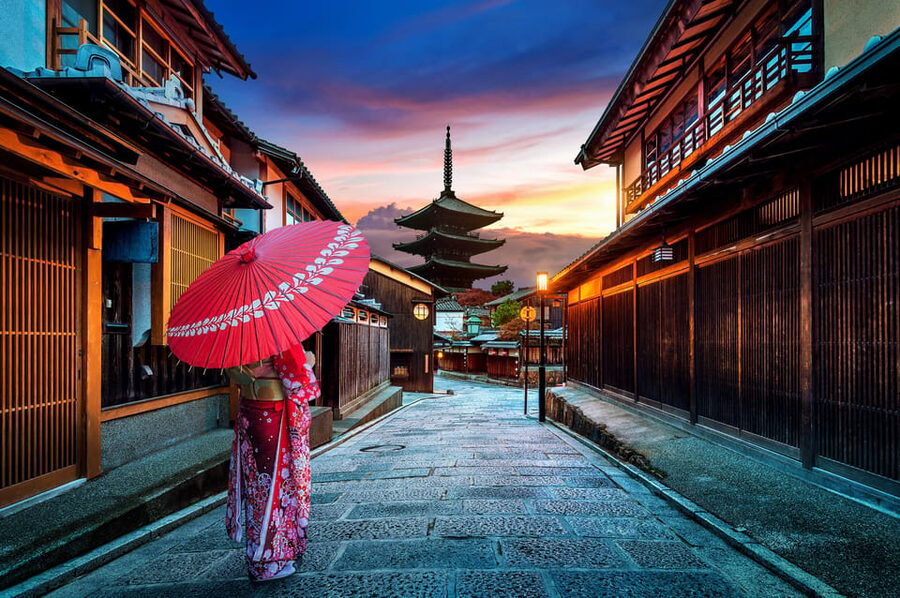
Gion is worth seeing in daylight, but evening brings out details that can be easy to miss earlier in the day. Wooden facades, narrow lanes, paper lanterns, and discreet restaurant entrances look different once the bright shopfronts fade.
This tour begins at Kyoto Kawaramachi Garden, in front of the large black world map. From there, you walk toward the historic Gion area rather than being dropped at a single photo stop. That matters because the route helps you see how modern central Kyoto gives way to older streets and traditional architecture.
Your guide also provides the context that a map cannot. You learn about the customs around geiko and maiko, the role of teahouses, Japanese religion, and the way Kyoto’s historic districts function today. Guides have included Jasmine, Vincent, Raphael, Alex, Katz, Naoki, and Nobumasa Miyake. The strongest feedback centers on guides who explain clearly, answer questions, and make the walk feel personal rather than rehearsed.
More Night Walking Tours in Japan
- Kyoto: Gion Magical Night Walking Tour with Geisha Trivia
★ 4.9 · 2,393 reviews - Night Walk in Gion: Kyoto’s Geisha District
★ 4.5 · 2,003 reviews - Kyoto Gion Night Walk & Geisha District Guided Tour
★ 5.0 · 786 reviews
From Kawaramachi Garden to the Minami-za Theatre
The meeting point is practical if you are already in central Kyoto. Look for the big black world map at the corner of Kyoto Kawaramachi Garden. Your guide should be wearing a TripGuru shirt or holding a TripGuru sign.
The route passes Kyoto Minami-za, Kyoto’s famous kabuki theatre. You do not stop for a performance, but this short look helps explain the area’s connection with traditional stage arts. It is a useful opening because Gion is not only about pretty streets or possible geisha sightings. Theatre, music, dance, dining, and formal hospitality all overlap here.
Arrive at least 10 minutes early. Guides wait only about 10 minutes before moving on, and central Kyoto traffic can be slower than navigation apps suggest. The meeting point is easy to reach, but last-minute arrival is a poor plan.
Hanamikoji Street and the rules of Gion
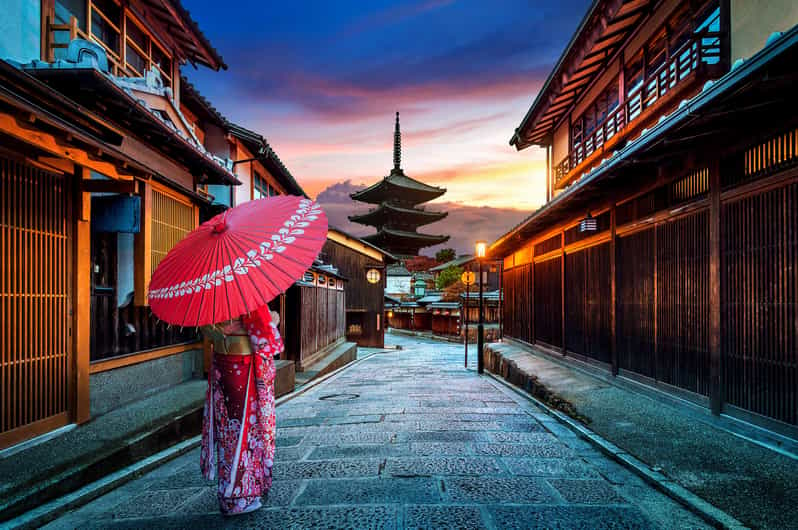
Hanamikoji Street is one of the best-preserved historic streets in Gion and receives about 30 minutes of guided attention. Its traditional buildings and restrained signs make it one of the most attractive parts of the walk.
This is where a good guide adds the most value. You can admire the facades on your own, but you may not understand what you are seeing, why some doors are so discreet, or how the district’s working culture differs from an ordinary shopping street. The guides explain local etiquette and the difference between geiko and maiko, including the fact that these performers are professionals rather than costumed attractions.
You might see a geiko or maiko heading to an appointment. Several tours have had such sightings, but the timing is entirely uncertain. Do not book this walk as a guaranteed geisha encounter. Book it to understand Gion, with a possible sighting as a bonus.
If you do see one, keep your distance. Do not block the lane, touch clothing, follow someone, or interrupt a conversation. A longer camera lens is useful. If a geiko or maiko comes close, step out of the way, offer a small bow and smile, and let her continue.
Quiet lanes, temples, and small shrines
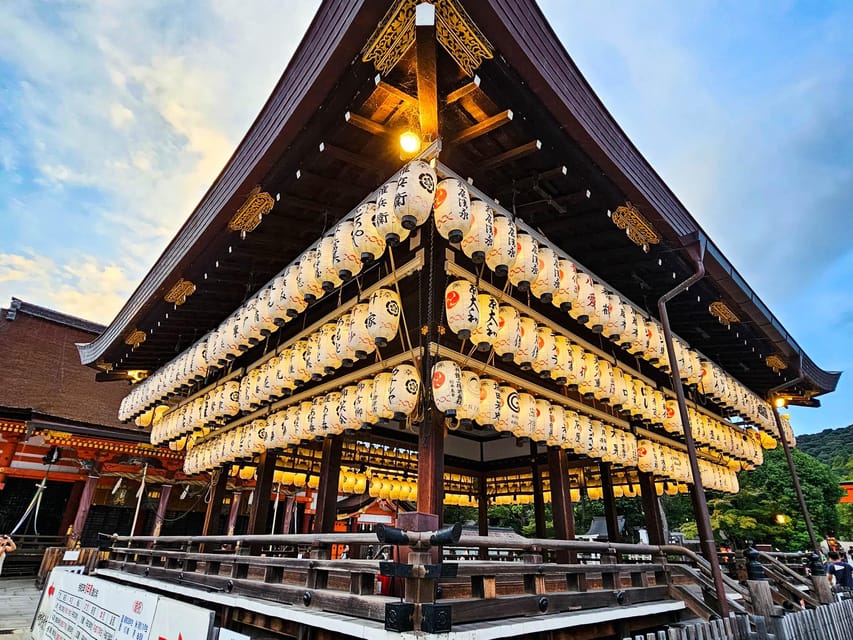
After Hanamikoji, the route moves through traditional backstreets and less obvious religious sites. The exact stops can vary, but the walk includes guided sightseeing and scenic views along the way.
This part is valuable because Gion is easy to reduce to one famous street. The side lanes show a more layered district, with old buildings, small shrines, temples, and places connected to daily religious practice. Guides have also used this section to explain Japanese religion, customs, and local stories.
You should expect an urban walk, not a countryside hike. Still, there are uneven surfaces and several hours of standing and walking. The tour is not suitable for people with mobility impairments, and the operator also lists pregnancy, heart problems, and respiratory issues as reasons not to join.
The route is usually paced for the group. Raphael was specifically praised for slowing down for an older couple, and several guides have been described as patient and attentive. That does not remove the need for sensible footwear. Kyoto’s old streets are best handled in shoes with good support.
More Night Walking Tours in Kyoto
- Gion Walking Tour by Night
★ 4.5 · 429 reviews - Kyoto Fushimi-Inari Night Walking Tour
★ 4.8 · 171 reviews
Maruyama Park at the turning point of the walk
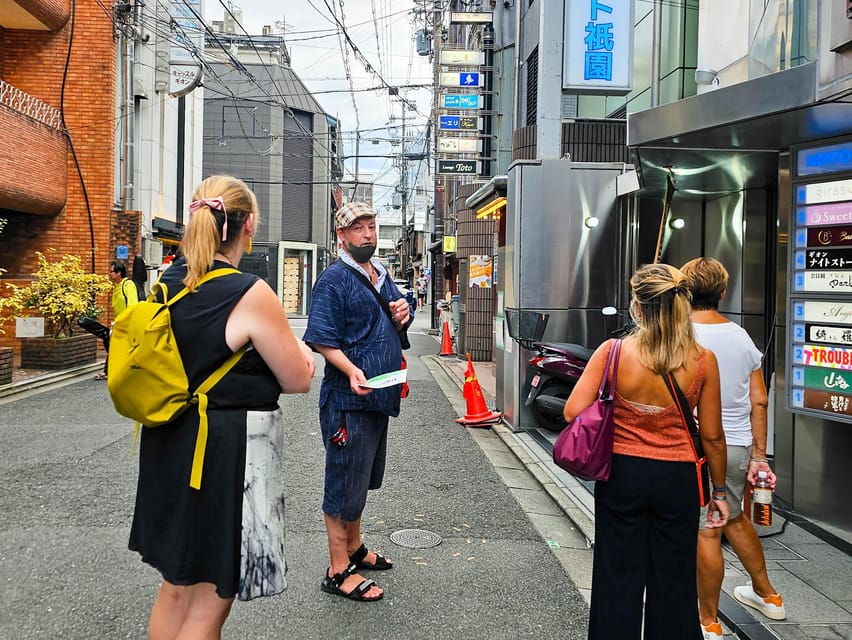
Maruyama Park receives about 15 minutes of sightseeing time. It provides a change from the narrow lanes and gives you a more open view of the area.
At sunset and after dark, the park helps break up the walk. It is also a useful place for the guide to connect Gion’s temples, shrines, and public spaces. The scenery can be especially pleasant when the evening light is fading, though the atmosphere will depend on the season and weather.
Do not expect a long park visit. Fifteen minutes is enough for orientation and photographs, not a full exploration. If you want to see Maruyama Park in detail, return later on your own.
Yasaka Shrine under lantern light
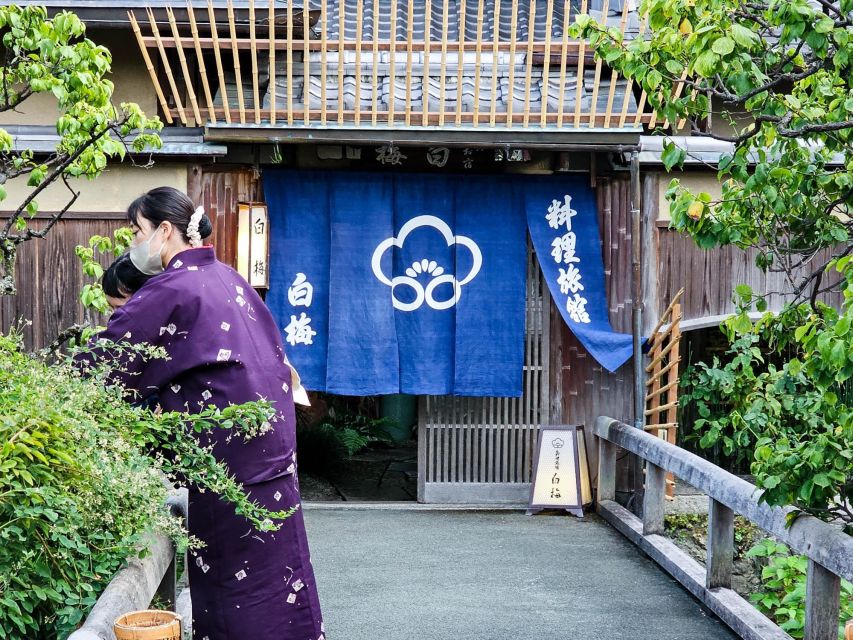
Yasaka Shrine, also called Gion Shrine, is one of the major stops and receives about 20 minutes. Its location helps explain why Gion developed around religious and cultural activity rather than appearing as an isolated entertainment quarter.
The shrine is particularly appealing in the evening, when illuminated buildings and lanterns create a different mood from daytime sightseeing. The guide can point out details you might otherwise pass without noticing and explain basic customs connected with visiting Japanese shrines.
This is one of the tour’s strongest combinations: an attractive place, a manageable visit, and an explanation of what the site means. You get more than a photograph, but you are not asked to spend an hour listening to a lecture.
As with any evening walk, rain can change the experience. One wet-weather tour was adapted by the guide, Vincent, with a cafe stop and views that suited the group. That kind of flexibility is useful, but you should still bring suitable clothing rather than count on perfect conditions.
The local snack break
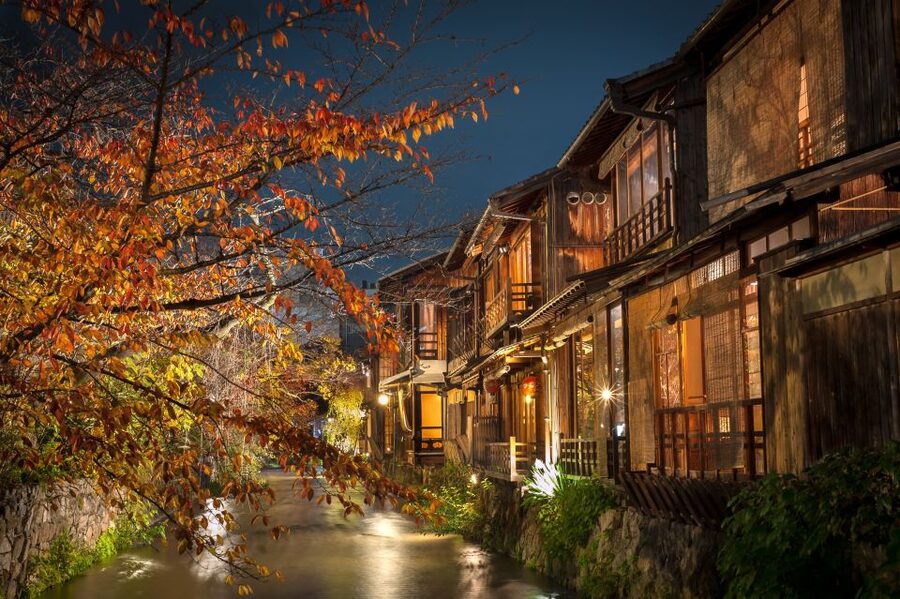
The tour includes a snack stop of about 20 minutes. This is not a full meal, and you should eat beforehand if you are hungry.
The exact treat can vary. Past stops have included matcha and matcha desserts, a local snack, or a choice from a supermarket. The allowance has been described as up to about 1,000 yen per person, with some choices costing less. Other drinks and meals are not included, so bring cash if you want something extra.
I like this pause because it gives the group a chance to sit, warm up, or cool down. It also makes the walk feel less like a nonstop list of landmarks. In colder weather, a tea break can be particularly welcome. In hot weather, you may value the pause for a different reason.
Do not expect a formal tea ceremony. This is a simple local snack built into the route.
Pontocho and the walk toward Sanjo Bridge
The final major area is Pontocho, with about 20 minutes of guided sightseeing. This narrow entertainment lane runs close to the Kamo River and is known for restaurants and small bars.
Pontocho provides a useful contrast with Hanamikoji. Both areas have traditional character, but they are not identical. Seeing both helps you understand how Kyoto’s evening districts fit together and why the city remains appealing after its major temples close.
The tour ends at Sanjo Bridge. That is convenient if you want to continue with dinner, drinks, or an independent walk through central Kyoto. It also means there is no return transfer to your hotel, so check your route home before setting out.
How much value do you get for $22?
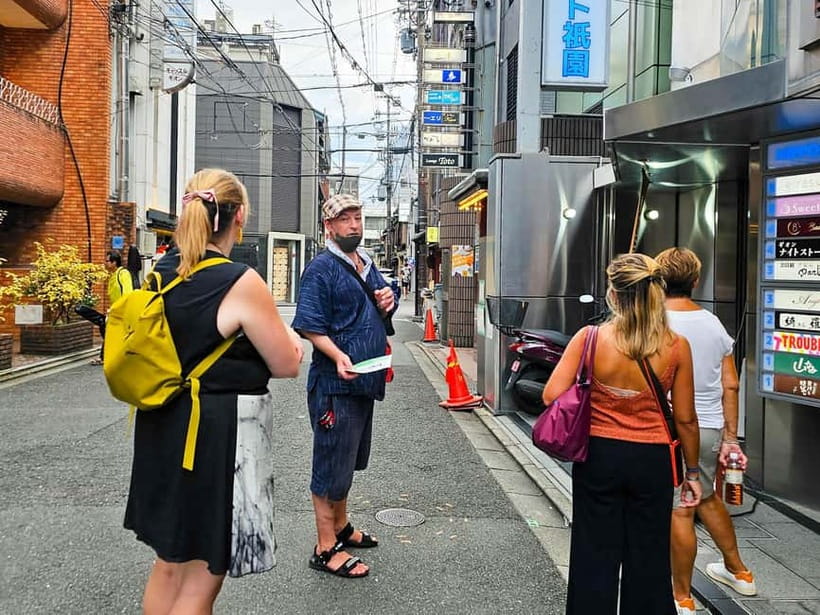
At $22 per person, this is a strong value if you want orientation, cultural explanation, and an evening route without committing to a full-day activity. A local guide, three hours of walking, and a snack are included. You are also paying for the chance to ask questions and avoid missing the less obvious lanes.
The price is less compelling if you already know Gion well or prefer to explore silently at your own pace. You can walk through much of the area without paying, but you will not automatically understand the customs, religious details, or role of geiko and maiko.
The small group improves the value. A maximum of nine is small enough for the guide to hear questions and adjust the pace. It also avoids the feel of a large crowd moving through narrow streets. The guide makes the biggest difference, and the repeated praise for Jasmine, Vincent, Raphael, Alex, Katz, and other guides suggests that the experience depends heavily on who leads your departure.
Who will enjoy this evening walk?
This tour suits you if:
- You have only one evening or a few spare hours in Kyoto.
- You are visiting Gion for the first time.
- You want cultural explanation rather than sightseeing alone.
- You like asking questions in a small group.
- You want to see temples, shrines, traditional lanes, and entertainment districts in one route.
- You appreciate a flexible booking option, including same-day reservations when available.
It is less suitable if you have difficulty walking for three hours, dislike changing weather, or want a guaranteed geiko or maiko sighting. It is also not the right choice if you are looking for a food tour, a private tour, or a full explanation of every major Kyoto temple.
English, Spanish, and French departures are available. Check the starting time when booking, since sunset changes by season and the atmosphere will differ between an early summer evening and a winter departure.
Practical tips for a better experience
Wear comfortable shoes and carry cash. A camera is useful, but do not let photography distract you from the guide or from local etiquette.
Arrive early at the world map meeting point. Leave extra time for central Kyoto traffic, even if your navigation app gives a short journey.
Keep your expectations sensible about geiko and maiko. The most worthwhile part of the tour is the explanation of Gion itself, not the hope of spotting a particular person.
Ask questions. Guides such as Jasmine and Alex have been praised for detailed answers, while local guides such as Katz and Naoki have offered a useful view of Kyoto from a resident’s perspective. The small group gives you a good chance to shape part of the conversation.
Rain does not necessarily ruin the walk, but it can make the streets less comfortable. Bring weather protection and accept that the guide may adjust the route or pause indoors.
Should you book the Gion Sunset Walking Tour?
I would book it if you want an affordable first look at Gion after dark, especially early in your Kyoto stay. The route covers the right mix of historic streets, religious sites, evening districts, and local explanation, and the small group is a real advantage.
I would skip it if you need a fully accessible route, a guaranteed geisha encounter, or a sit-down dinner. For most first-time visitors who can manage three hours on foot, though, this is a practical way to see Gion at the hour when its lanterns, lanes, and traditional culture make the strongest impression.
FAQ
How long is the Gion sunset walking tour?
The tour lasts three hours.
Where does the tour begin?
It begins at the corner of Kyoto Kawaramachi Garden, in front of the large black world map.
Where does the tour finish?
The tour finishes at Sanjo Bridge.
Which places are included on the route?
The route includes a pass by Kyoto Minami-za, Hanamikoji Street, traditional backstreets, Maruyama Park, Yasaka Shrine, a local snack stop, and Pontocho.
Is a geiko or maiko sighting guaranteed?
No. You may see a geiko or maiko on the way to an appointment, but sightings are not guaranteed.
What languages are available?
Live guides are available in English, Spanish, and French.
How large is the group?
The small-group option has no more than nine people.
Is food included?
A snack is included. Meals and other drinks are not included. Past snack arrangements have allowed a choice worth up to about 1,000 yen per person.
What should I bring?
Bring comfortable shoes, a camera, and cash. You should also arrive at least 10 minutes before the stated start time.
Just added around Kyoto
- Kyoto : Private Custom Walking Tour With A Local Guide★ 4.6 · 144 reviews
- Kyoto: Private 2.5 Hour Historical Walking Tour★ 4.9 · 121 reviews
- Kyoto: Private Walking Tour with a Local★ 4.6 · 118 reviews
- Kyoto: Imperial Palace & Nijo Castle Guided Walking Tour★ 4.7 · 453 reviews
- Kyoto Gion Cultural Walk & Geisha Show with Dining Options★ 5.0 · 518 reviews
- Kyoto: Gion Walking Tour★ 5.0 · 195 reviews
- Kyoto: Gion Hidden Gems & Geisha Culture Tour★ 4.9 · 126 reviews
- Kyoto: Geisha Dinner & Gion Cultural Walk★ 5.0 · 73 reviews
Night Walking Tours, compared.

Private Street Food Evening Walking Tour in Ho Chi Minh City
Read our review →
Albaicín and Sacromonte Guided Sunset Walking Tour
Read our review →
Savannah’s Ghost City “Dead of Night” Walking Night Tour
Read our review →
Gion Magical Night Walking Tour with Geisha Trivia
Read our review →

Madrid by Night Small Group Tour: Stories, Sights and Tapas Bites
Read our review →
Paranormal Night Walking Tour & Secret Backstreets
Read our review →
Munich Ghosts and Spirits Evening Walking Tour
Read our review →Browse the lists this tour appears in