
REVIEW · KYOTO
Kyoto Gion Night Walk & Geisha District Guided Tour
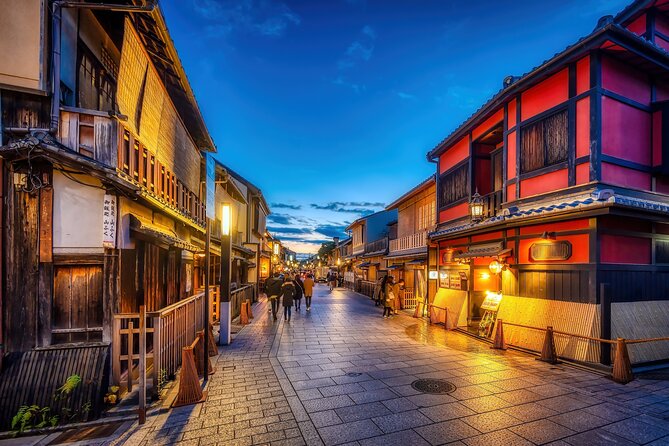
Kyoto’s Gion district takes on a different character after sunset. Lanterns glow outside teahouses, narrow lanes grow quieter, and the old wooden streets are easier to appreciate without the daytime crowds. This tour gives you that evening setting, along with stories about geisha culture, temples, shrines, and local customs.
I like the small-group format and the chance to explore side streets that are easy to miss alone. I also like the range of guides, including Naoki, Jasmine, Shingo, Miyake, Raphael, and Vincent, who are repeatedly praised for clear English, humor, patience, and useful food suggestions. The main drawback is the length: three hours of walking, often with few breaks, can feel tiring, especially in winter or for children.
Key points to know before booking
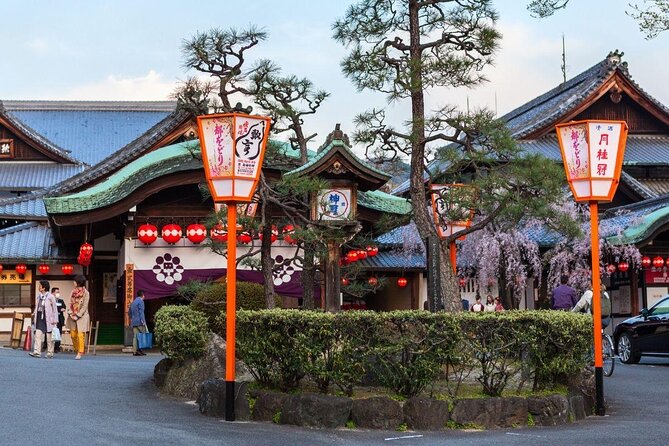
- Gion after dark: Lantern-lit restaurants, teahouses, bars, and traditional streets create the tour’s best atmosphere.
- Three main stops: The route covers Gion, Hanamikoji Street, and Yasaka Shrine.
- Small group appeal: The outing is described as having no more than nine people, although the general activity information lists a maximum of 25.
- Possible geisha sighting: You might see a maiko or geisha, but this is never guaranteed.
- Snack on selected bookings: A snack and water are included with Premium Group and Private Tour options, not every basic booking.
- Good walking shoes matter: Expect roughly three hours on foot, limited pauses, and some cold exposure in winter.
Why Gion works best after sunset
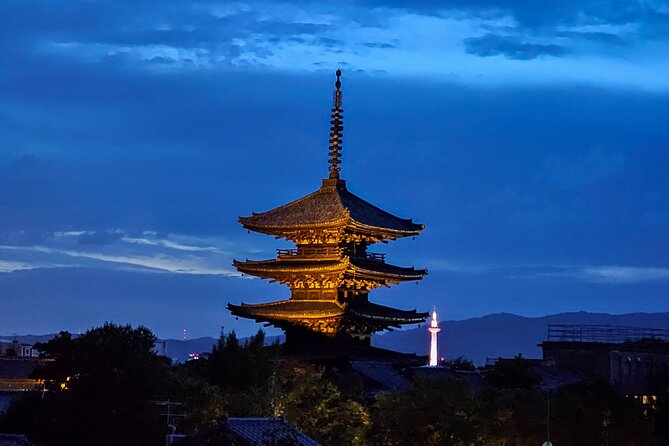
Gion is one of Kyoto’s most atmospheric areas at night. The focus here is not a single grand attraction, but the way the district feels as the light fades. Traditional buildings, glowing lanterns, narrow alleys, elegant restaurants, and small bars give the walk a strong sense of place.
I like this timing because it helps you see Gion as a living neighborhood rather than just a historic photo stop. The evening setting also fits the subject. Geisha and maiko traditionally work at night, so the tour’s timing gives you a chance of seeing one moving between appointments.
That chance needs to be kept in proportion. You may see a geisha or apprentice, but you may also see none at all. One particularly successful outing included one geisha and two maiko near Hanamikoji Street, while another took place on a quiet night when restaurants were closed and no performers appeared.
The tour should be treated as a cultural walk through Gion, not a guaranteed geisha-spotting trip. That distinction matters. You will get more from it if you value the streets, architecture, customs, and local stories even when the most famous figures remain out of sight.
More Night Walking Tours in Japan
- Kyoto: Gion Magical Night Walking Tour with Geisha Trivia
★ 4.9 · 2,393 reviews - Night Walk in Gion: Kyoto’s Geisha District
★ 4.5 · 2,003 reviews - Gion Walking Tour by Night
★ 4.5 · 429 reviews
The opening walk through Gion
The experience begins at Kyoto Kawaramachi Garden, at 68 Shinchō in Shimogyo Ward. This is near public transportation, and buses make the starting area reasonably practical, but the meeting point can be confusing on a busy street with several guides and groups gathering at once.
Arrive with enough time to identify the correct guide. This is especially important if you are unfamiliar with Kyoto’s crowded central streets. The end point is Sanjō Ōhashi Bridge, rather than a return to the starting point, so you should also note the route back to your hotel or next stop.
The first part of the walk lasts about two hours and covers Gion itself. Your guide explains the district’s customs, architecture, teahouses, and connection with geisha culture. The best guides make this feel like a connected story rather than a string of unrelated facts.
Naoki is praised for linking Kyoto’s culture with its past, while Miyake is described as patient and able to give detailed explanations. Shingo is noted for taking visitors to places they would not have found alone. Jasmine receives particularly warm comments for answering questions fully, keeping the pace comfortable, and adding small side discoveries.
Those individual differences matter. This is a guide-led walk, so the quality depends heavily on who leads your group. The strongest outings seem to combine historical background with practical help, such as restaurant suggestions and advice about other places to visit. A less effective guide may leave you with interesting fragments but no clear picture of how the district fits together.
Hanamikoji Street and the rules of the district
Hanamikoji Street receives about 30 minutes of the route. It is one of Gion’s best-preserved historic streets, with traditional facades and an atmosphere closely tied to the district’s teahouse culture.
This is likely to be one of the most photogenic parts of the evening. You will have opportunities for pictures, but remember that Gion is not a stage set. People live and work here, and performers may be heading to appointments. Your guide can help explain the customs and the respectful behavior expected around private businesses.
The street can also be busy, particularly at popular times. That makes a smaller group useful. A group of eight or nine is easier to keep together in narrow lanes than a large coach-style party. Still, the booking information also allows up to 25 participants, so confirm the group size for your chosen departure if that is important to you.
Do not expect to enter a traditional teahouse as part of the standard walk. One unhappy experience involved a guide pointing out a private teahouse, which made the participant uncomfortable. The useful lesson is simple: admire these places from the public street and follow your guide’s instructions about where you may stand and take photographs.
Yasaka Shrine adds a wider cultural view
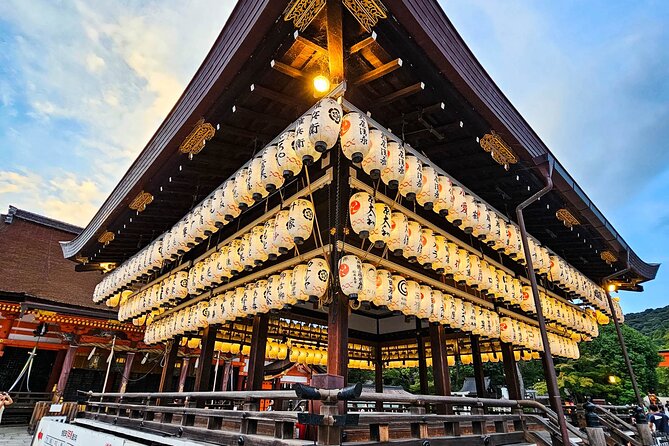
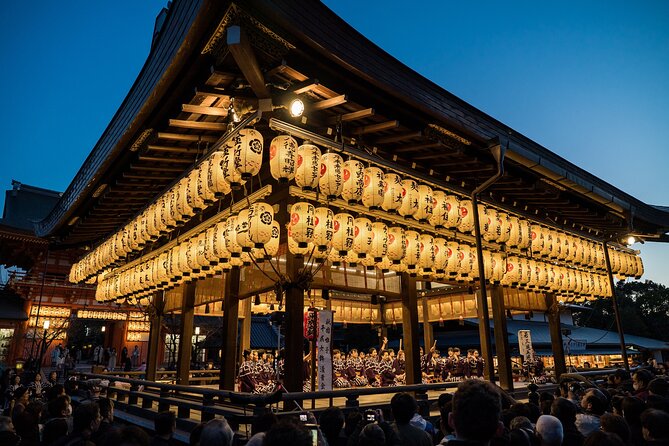
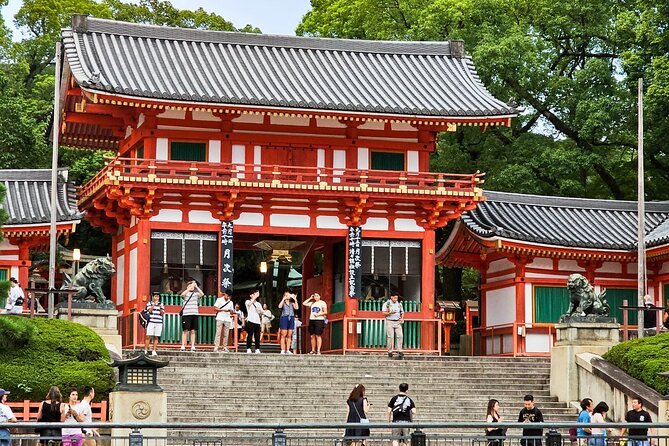
The final listed stop is Yasaka Shrine, also called Gion Shrine. The shrine gives the walk a change of pace after the lanes around Hanamikoji Street. Here, the conversation expands from entertainment districts and geisha customs to religious practice, architecture, and Kyoto traditions.
The stop lasts about 30 minutes. That is enough time for an explanation and a look around, but not an in-depth religious tour. The value is in connecting Gion with a larger part of Kyoto’s cultural life. You are not only seeing restaurants and teahouses. You are also learning how a major shrine fits into the neighborhood.
The tour then finishes at Sanjō Ōhashi Bridge. This is a useful central point, but it is not Kyoto Station. Check your transport plans before you set out, especially if you are traveling with tired children or older family members.
Same streets, a different route:
- Kyoto Geisha Walking Tour: Gion District & Hidden Gems
★ 4.7 · 3,273 reviews - Kyoto: Gion Geisha District Walking Tour – Stories of Geisha
★ 4.7 · 2,187 reviews - Best of Kyoto: Gion, Geisha, Pagodas & Cobblestones
★ 4.9 · 2,058 reviews - Kyoto Gion Geisha District Walking Tour – The Stories of Geisha
★ 5.0 · 1,441 reviews
What the guides add to the experience
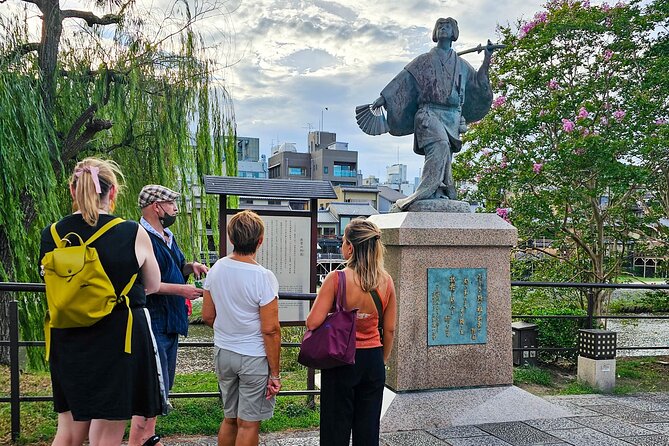
The strongest feature of this outing is the human guide. Names that appear repeatedly in the feedback include Jasmine, Naoki, Miyake, Shingo, Raphael, Vincent, Eloise, Guillaume, Alex, Nobu Miyaki, and Zied.
Jasmine is praised for her gentle manner, patience, and ability to bring every person into the conversation. Naoki receives high marks for cultural insight and for connecting Kyoto with samurai and Shinsengumi history. Miyake is valued for depth, humor, and patience when someone gets lost on the way to the meeting point.
Raphael and Vincent are singled out for their English and explanations of Kyoto and the geisha district. Eloise is described as friendly and engaging, while Guillaume is remembered for making the walk feel like an evening with a local friend and for suggesting restaurants.
You cannot select a particular guide from the information provided, so you should book this for the structure and subject rather than one named person. Still, the range of positive comments suggests that many guides bring real interest to the work. Ask questions. The best parts of the walk seem to come when the guide responds to your curiosity instead of simply reciting prepared facts.
One caution is that the quality can vary. A few participants found the information incomplete or poorly connected. If you want an academic, highly organized lesson in Japanese history, this may feel too light. If you want a friendly introduction to Gion with room for questions, it is a better fit.
Group size, walking pace, and comfort
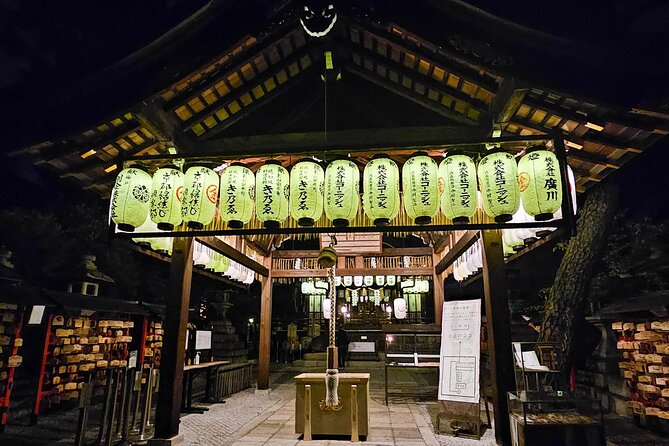
The tour is advertised as a small outing with no more than nine people, and one group was described as having about ten. At the same time, the general conditions list a maximum of 25 participants. That is a significant difference, so I would treat the small-group size as the intended format, not an absolute promise for every departure.
A small group improves communication and makes narrow streets easier. It also gives you more chances to ask about food, customs, or the buildings you are passing. A larger group may feel less personal and make it harder to hear, especially in a busy lane.
Plan for three hours of walking. There are limited breaks, and the route includes several streets and sites. One participant found the walk long but worthwhile, while another specifically warned that younger legs might find it challenging. Wear comfortable shoes and bring a warm layer in winter.
The timing also overlaps with dinner for some departures. A family arrived hungry at the end because the walk ran through the evening meal period. Eat beforehand or plan a meal afterward. The included snack, available with Premium Group and Private Tour options, is not a substitute for dinner.
Is the $18 price good value?
At about $18 per person, the basic tour is priced well for a three-hour guided walk in one of Kyoto’s most famous districts. You are paying mainly for local explanation, route planning, and the chance to notice details you might pass without understanding.
The value is strongest for a first visit to Kyoto. A guide can explain the difference between the public streets and private teahouse areas, give context for geisha traditions, point out architectural details, and help you understand why Gion looks and behaves as it does after dark.
The price does not include hotel pickup, meals, or extra drinks. A snack is included only with Premium Group and Private Tour bookings. You should also account for transport to the starting point and away from Sanjō Ōhashi Bridge.
A private upgrade is available, with multiple language options. I would consider that worthwhile for families, people with specific cultural interests, or anyone who wants to set the pace and ask many questions. The standard group option is the better bargain for couples and solo visitors who simply want a well-organized introduction.
Who should book this evening walk?
I would choose this tour if you are visiting Kyoto for the first time, enjoy walking, and want cultural background rather than a quick photo stop. It is also a good first or second evening activity because the guide can suggest restaurants and help you understand the city for the rest of your stay.
Families can enjoy it, especially with children around 12 to 16 who are curious about Japanese culture. Younger children may tire during the three-hour route, and the dinner-hour timing requires planning.
This is less suitable if you need frequent sitting breaks, dislike walking in cold weather, or expect guaranteed access to geisha venues. It may also disappoint you if your main goal is a formal performance or an inside look at a teahouse. That is not what this experience provides.
The tour operates in most weather, but it requires good conditions. If bad weather forces a cancellation, you will be offered another date or a full refund.
Should you book the Gion night walk?
Yes, if you want an affordable, atmospheric introduction to Gion and are happy to let the guide shape the evening. The lantern-lit streets, Hanamikoji Street, Yasaka Shrine, and the chance of seeing a maiko or geisha make a strong combination for about $18.
Book the Premium Group or Private Tour if the snack, smaller setting, or language choice matters to you. Otherwise, the basic group tour offers good value, provided you arrive ready for three hours on foot and accept that guide quality and group size can vary.
FAQ
How long does the Kyoto Gion night walk last?
The tour lasts approximately three hours.
Where does the tour start?
It starts at Kyoto Kawaramachi Garden, 68 Shinchō, Shimogyo Ward, Kyoto, 600-8001, Japan.
Where does the tour finish?
The walk ends at Sanjō Ōhashi Bridge, Ohashicho, Nakagyo Ward, Kyoto, 604-8004, Japan.
What places are included?
The route includes Gion, Hanamikoji Street, and Yasaka Shrine, also known as Gion Shrine.
Is a geisha or maiko sighting guaranteed?
No. You might see a geisha or maiko, but sightings depend on the evening and are not guaranteed.
Is the tour conducted in English?
The standard tour includes an English-speaking guide. A private upgrade is available in multiple languages.
Is food included?
A snack is included with Premium Group and Private Tour bookings. Meals and other drinks are not included.
Is hotel pickup available?
No. Hotel pickup and drop-off are not included.
What is the cancellation policy?
You can cancel up to 24 hours before the start time for a full refund. Cancellations or changes made less than 24 hours before the start time are not refunded or accepted.
More Night Walking Tours in Kyoto
- Private Street Food Evening Walking Tour in Ho Chi Minh City
★ 5.0 · 3,175 reviews - Granada: Albaicín and Sacromonte Guided Sunset Walking Tour
★ 4.9 · 2,962 reviews - Savannah’s Ghost City “Dead of Night” Walking Night Tour
★ 4.5 · 2,482 reviews - Madrid by Night Small Group Tour: Stories, Sights and Tapas Bites
★ 5.0 · 1,956 reviews
Just added around Kyoto
- Kyoto: Meet the Geisha Maiko with Gion Walking Tour★ 4.8 · 371 reviews
- Cool Kyoto: 5-Hour Walking Tour with the Last Samurai★ 4.8 · 73 reviews
- Gion Walking Tour by Night★ 4.5 · 429 reviews
- Kyoto Sake Brewery & Tasting Walking Tour★ 5.0 · 623 reviews
- Kyoto: Izakaya Bars Guided Walking Tour★ 4.9 · 815 reviews
- Kyoto Gion: 2-Hour Geisha Culture & History Walking Tour★ 5.0 · 1,186 reviews
- Kyoto Arashiyama Walking Tour: Bamboo, Monkeys, Gardens & Secrets★ 5.0 · 1,216 reviews
- Nishiki Market Brunch Walking Tour (7 Tastings + Brunch)★ 5.0 · 1,355 reviews
Night Walking Tours, compared.

Private Street Food Evening Walking Tour in Ho Chi Minh City
Read our review →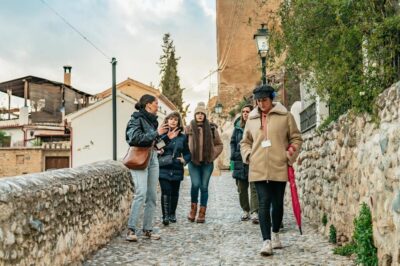
Albaicín and Sacromonte Guided Sunset Walking Tour
Read our review →
Savannah’s Ghost City “Dead of Night” Walking Night Tour
Read our review →
Gion Magical Night Walking Tour with Geisha Trivia
Read our review →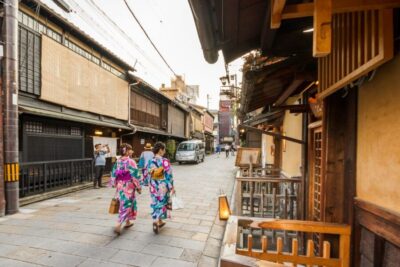

Madrid by Night Small Group Tour: Stories, Sights and Tapas Bites
Read our review →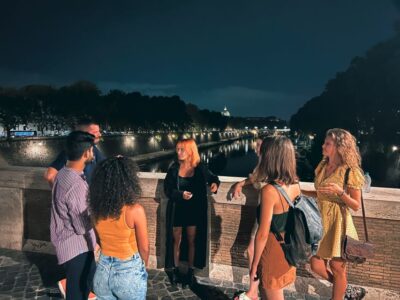
Paranormal Night Walking Tour & Secret Backstreets
Read our review →
Munich Ghosts and Spirits Evening Walking Tour
Read our review →Browse the lists this tour appears in