

REVIEW · KYOTO
Kyoto: Gion Magical Night Walking Tour with Geisha Trivia
Gion changes character after sunset. Lanterns glow, narrow lanes quiet down, and the old wooden streets feel far removed from Kyoto’s daytime crowds. This 100-minute walk begins at Minamiza Theatre and takes you through Hanamikoji, shrines, side paths, and an illuminated Buddhist pagoda while your guide explains geiko and maiko traditions.
I like the small group of up to 10, which makes it easy to ask questions and stay close to the guide. I also like the route’s range: this is not only a geisha talk, but a useful introduction to Shinto customs, Buddhist sites, local legends, and the shape of old Gion. The main consideration is that stairs make the tour unsuitable for wheelchairs, baby carriages, and people with limited mobility, and seeing a geisha is never promised.
Key points to know before you book
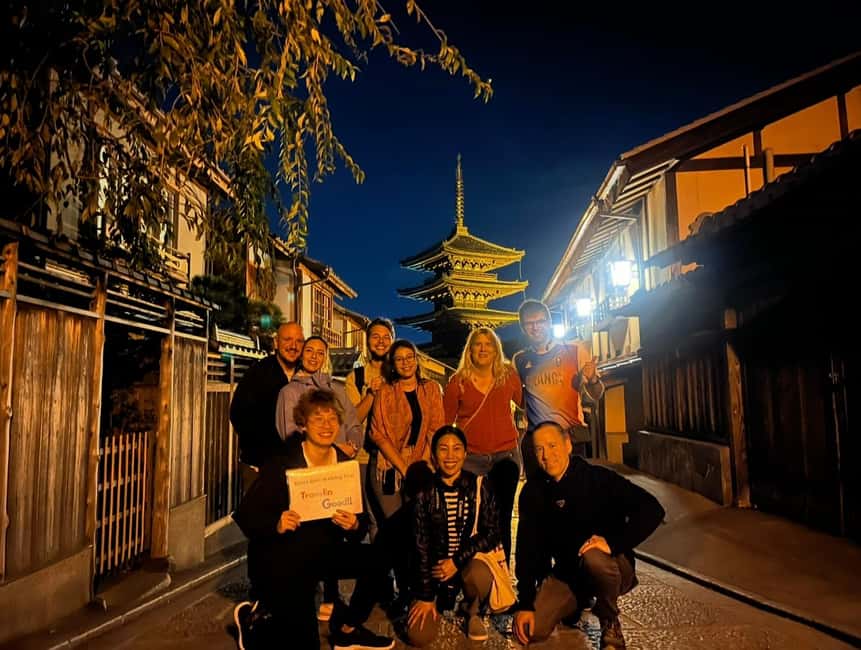
- Start at Minamiza Theatre: Meet on the front side of the theater, where a guide holds a TravelinGood sign.
- Walk Hanamikoji after dark: You see Gion’s famous geisha district when the streets are generally calmer and the lanterns are lit.
- Learn the difference between geiko and maiko: Guides use pictures, stories, and local context to explain clothing, training, work, and customs.
- See more than the geisha quarter: The route includes a matchmaking shrine, an illuminated Buddhist pagoda, quiet lanes, and a shrine more than 1,000 years old.
- Keep the group personal: The usual maximum is 10 people, with some departures much smaller.
- Allow for stairs: This is a walking tour with steps and is not suitable for wheelchair users, baby carriages, or people with limited mobility.
Why Gion works best after sunset
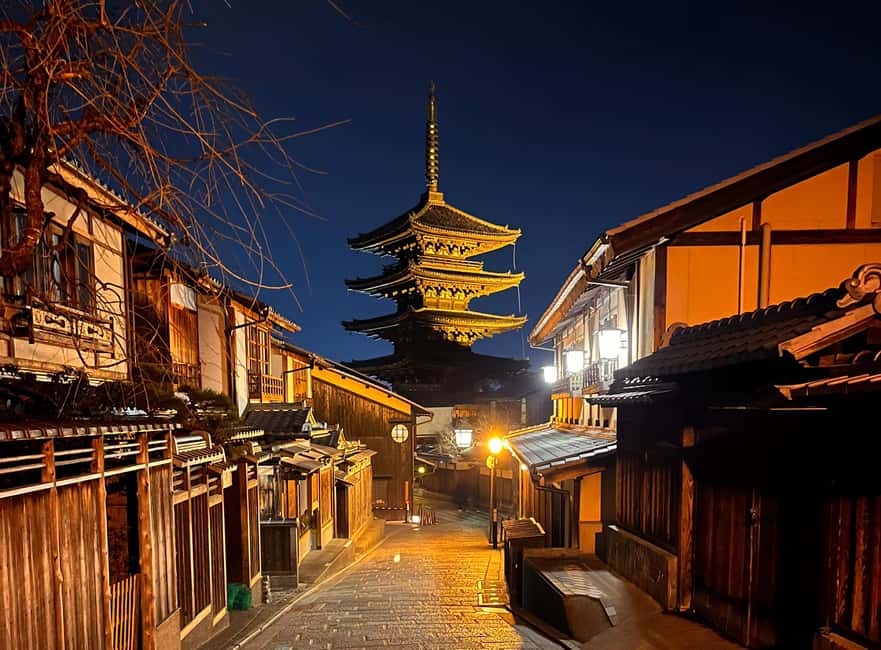
Daytime Gion can be handsome but crowded. At night, the district settles into a slower rhythm. Wooden facades, paper lanterns, and narrow streets take on a softer look, and you can hear more of the neighborhood instead of only the movement of a large crowd.
That timing is the heart of this experience. You are not simply checking off Hanamikoji. You are seeing how the streets feel when restaurants and traditional entertainment houses begin their evening business. The route is especially appealing if you have already visited Gion during the day and want a different view.
The tour is not designed as a geisha sighting expedition. Your guide may point out the rules of the district and explain how to behave respectfully, but no one can promise that you will see a geiko or maiko. Several recent departures happened to catch sight of one entering or leaving a car, while others focused entirely on architecture, customs, and local stories.
That distinction matters. If your only goal is a photograph of a geisha, this is the wrong reason to book. If you want to understand why Gion looks and operates as it does, the evening timing adds real value.
More Night Walking Tours in Japan
- Night Walk in Gion: Kyoto’s Geisha District
★ 4.5 · 2,003 reviews - Kyoto Gion Night Walk & Geisha District Guided Tour
★ 5.0 · 786 reviews - Gion Walking Tour by Night
★ 4.5 · 429 reviews
Meeting at Minamiza Theatre
The meeting point is in front of Minamiza Theatre, on the front side facing the street. Look for a guide holding a TravelinGood sign.
The advertised time is the time the group leaves, not the time you should arrive. I would plan to be there at least five minutes early. Bus and taxi traffic can slow down around central Kyoto, so give yourself extra time if you are crossing the city to reach Gion.
This is a useful meeting point because Minamiza is a prominent landmark in the district. Still, do not wait until the last second. The group is kept small, and the guide cannot easily hold the route for late arrivals.
Winter brings an extra option: in February, some departures begin at 3 p.m. That start gives you a late-afternoon walk rather than a fully nocturnal one. It suits you if you have dinner plans, prefer to walk in some daylight, or do not want to finish late.
Hanamikoji and the world of geiko and maiko
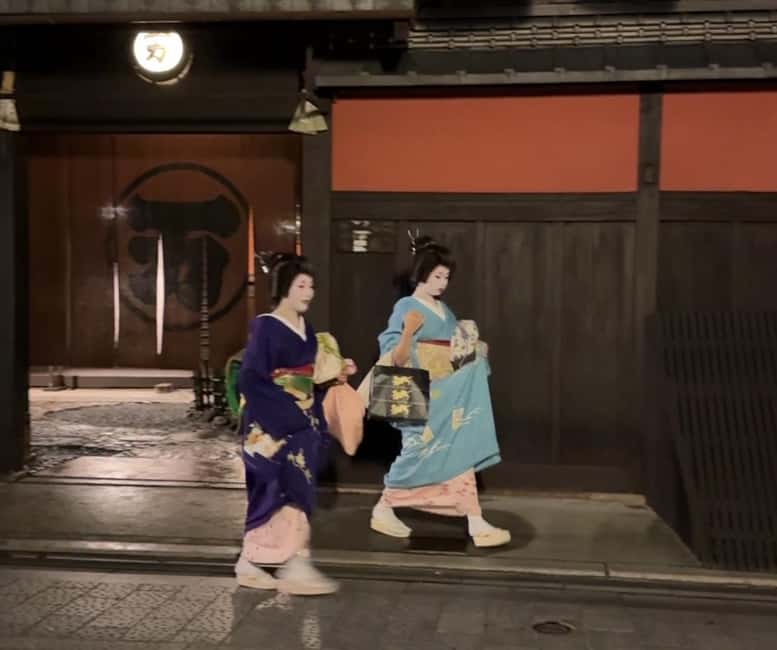
From Minamiza, the walk heads toward Hanamikoji, one of Gion’s best-known streets. The traditional facades are part of the attraction, but the guide’s explanation gives the setting much more meaning.
You learn about geiko and maiko, including the difference between an established geiko and a maiko in training. Guides such as Hina, Shino, Sho, Masami, and Pam have used photographs, personal explanations, and simple comparisons to make the subject clear. The strongest part of this section is the attention to everyday details: clothing, hairstyles, lanterns, private clubs, and the rules that shape the district.
This is also where respectful behavior matters most. Gion is a working neighborhood, not a stage set. The purpose of the walk is to help you understand the area without treating the people who work there as photographic props. Since the tour is not intended for meeting geisha, you should see any sighting as luck, not as the product being sold.
The small group helps here. With 10 people or fewer, you can ask why a particular building matters or how a custom works without trying to speak over a crowd. Some departures have had only three or four participants, creating an especially relaxed pace.
Shrines, rituals, and Kyoto’s spiritual side
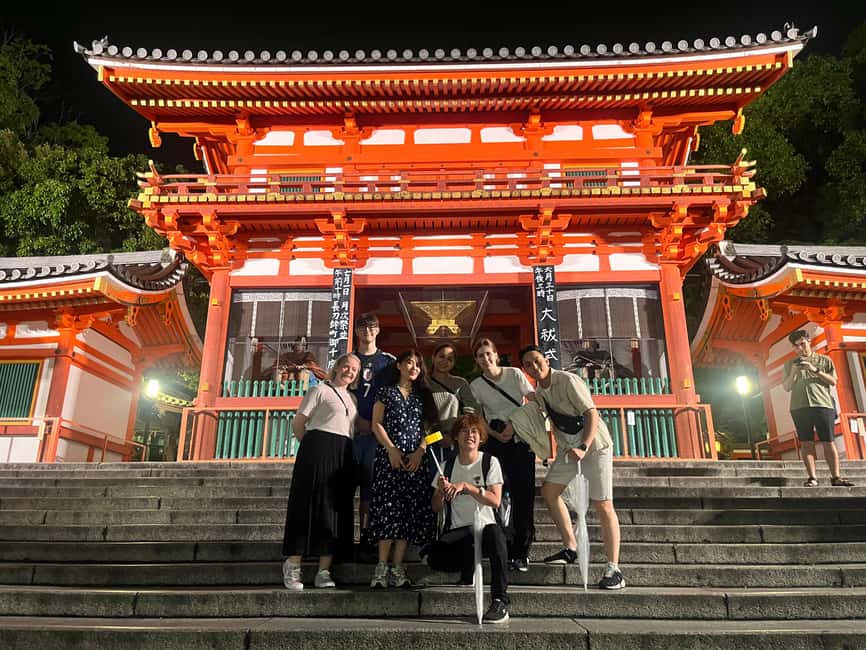
The tour then moves beyond geisha culture. One stop is a shrine associated with matchmaking. The guide explains its purpose and helps you understand how to approach a Shinto shrine, including the basic prayer ritual.
This is a useful addition because many first-time visitors see a shrine as a beautiful gate, a few lanterns, and a place to take pictures. A guide can show you what the different gestures mean and explain the difference between Shinto and Buddhism. Shino, in particular, has been praised for helping people practise the shrine ritual rather than simply describing it from a distance.
The tour also connects local legends and stories with the places you pass. That gives the route a human scale. You are not receiving a lecture on Japanese religion in general. You are learning why a specific shrine matters and how people use it.
The spiritual stops also give the walk some breathing room. The geisha district can attract intense attention, while a quiet shrine offers a calmer look at Kyoto’s traditions. If you are interested in local culture beyond costume and architecture, this balance is one of the best reasons to choose the tour.
Same streets, a different route:
- Kyoto Geisha Walking Tour: Gion District & Hidden Gems
★ 4.7 · 3,273 reviews - Kyoto: Gion Geisha District Walking Tour – Stories of Geisha
★ 4.7 · 2,187 reviews - Best of Kyoto: Gion, Geisha, Pagodas & Cobblestones
★ 4.9 · 2,058 reviews - Kyoto Gion Geisha District Walking Tour – The Stories of Geisha
★ 5.0 · 1,441 reviews
The illuminated Buddhist pagoda and quieter lanes
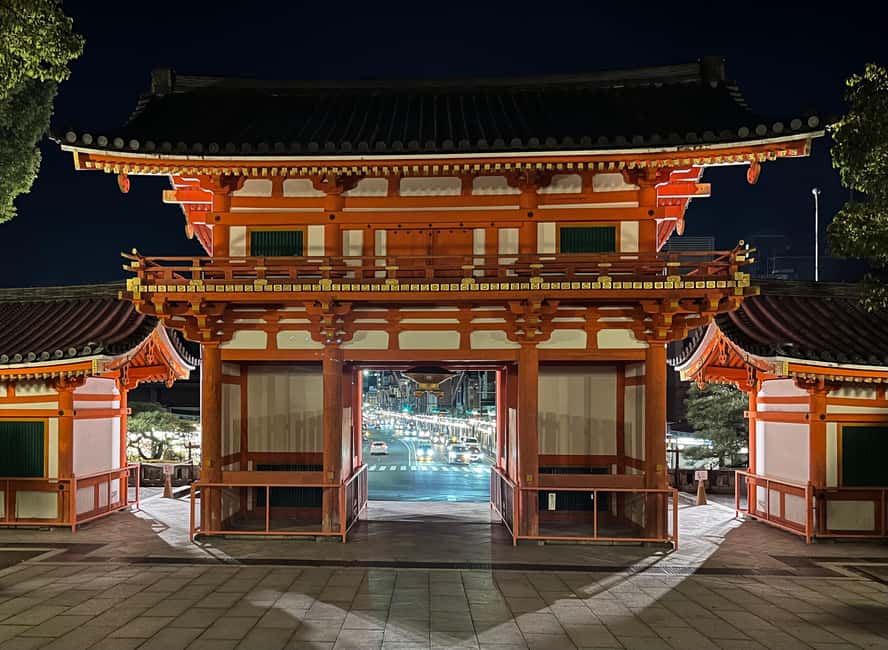
One of the route’s visual highlights is a Buddhist pagoda seen at night. Its illumination gives it a different presence from the daytime view, and it provides one of the walk’s strongest photo opportunities.
The route does not stay only on Gion’s main streets. Your guide leads you through side paths and less obvious corners, where the atmosphere is quieter. The exact feel will depend on the departure time and season, but evening generally means fewer people than you find in the busiest daytime hours.
Do not expect a long temple visit or a formal pagoda tour. This is a walking route, not an architectural study. The value comes from seeing several parts of eastern Kyoto in one connected stroll and hearing how they relate to one another.
The photography service is included. That is handy for couples, families, or solo visitors who want a group photograph without asking a stranger. You should still think of the photo service as a useful extra rather than the main reason to book.
Finishing at a shrine more than 1,000 years old
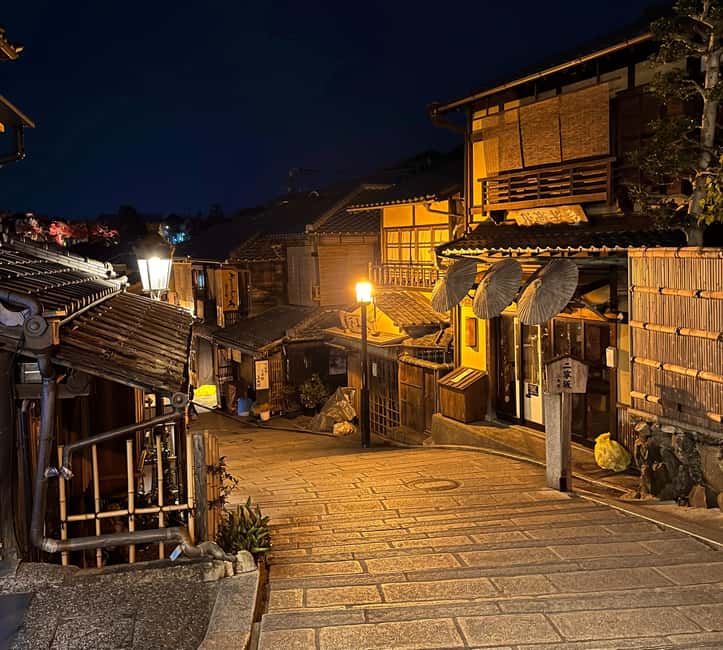
The final stop is a shrine more than 1,000 years old. Ending there gives the route a strong sense of place, moving from the commercial and entertainment history of Gion toward one of Kyoto’s long-standing religious sites.
The walk is short enough to fit before dinner, but it is not rushed in the way a large coach-style excursion can be. Guides regularly pause for questions and adjust their explanations to the group. Some also offer restaurant suggestions, festival information, and ideas for daytime sightseeing.
Those small pieces of advice can be practical. Shino has shared food recommendations and current festival information, while other guides have suggested places to visit during daylight. You should not expect a full restaurant-planning service, but it is worth asking about dinner before the tour ends.
The guide makes or breaks the evening
The experience depends heavily on who leads your group. The guide roster varies, but the strongest feedback has centered on clear English, friendliness, patience, and the ability to explain sensitive cultural subjects without making them seem like a novelty show.
Hina has been praised for making the walk both informative and warm. Shino is often noted for her clear communication, shrine guidance, food suggestions, and easy conversation. Sho has used photos and videos to explain differences between geiko and maiko, while Masami has taken time with questions and shared small stories about the places along the way.
Other guides, including Pam, Yuri, Kevin, Sora, Wasabi, and Liki, have also been singled out for strong explanations and personal attention. The names are useful to know, but you cannot select the guide from the information provided. What you can count on is an English-language guide and a small group format that leaves room for questions.
The overall score is 4.9 from 2,393 reviews, which is unusually strong for a frequently offered walking tour. I would still keep expectations sensible. A guide can explain Gion well, but the tour cannot guarantee perfect English for every personal preference, a geisha sighting, or an empty street at every stop.
Is $24 a fair price?
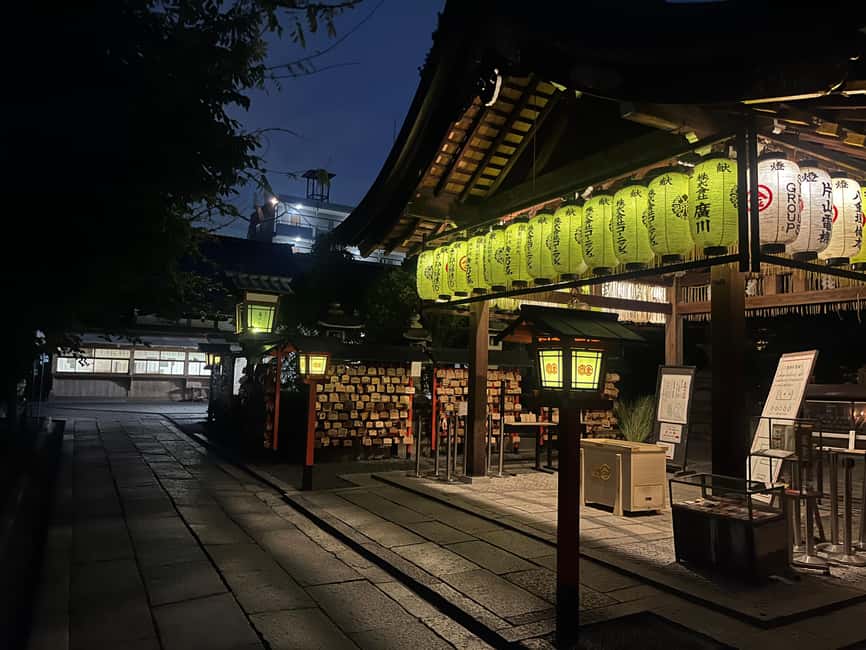
At $24 per person, this is a good-value introduction to Gion, especially if you are new to Kyoto. You receive 100 minutes with a live English-speaking guide, a planned route through several cultural sites, a small group, and photography service.
The value is less about admission tickets. This is primarily an interpretation service. You are paying someone to connect Hanamikoji, the geisha tradition, shrine customs, Buddhist architecture, and local stories into one understandable walk.
I would rate the price as especially fair for a first or second day in Kyoto. The route can help you get your bearings in Gion, and the restaurant and sightseeing suggestions may shape the rest of your visit. If you have already spent several days studying Gion on your own, you may find some explanations familiar. One person with extensive prior knowledge felt the tour added less new information, though even that experience was considered better suited to first-time visitors.
The reserve-now, pay-later option also gives you some planning flexibility. Cancellation is free up to 24 hours before the booked time, but your ticket is valid only for that date and time. Do not simply join a different departure without confirmation.
Who should book this Gion walk?
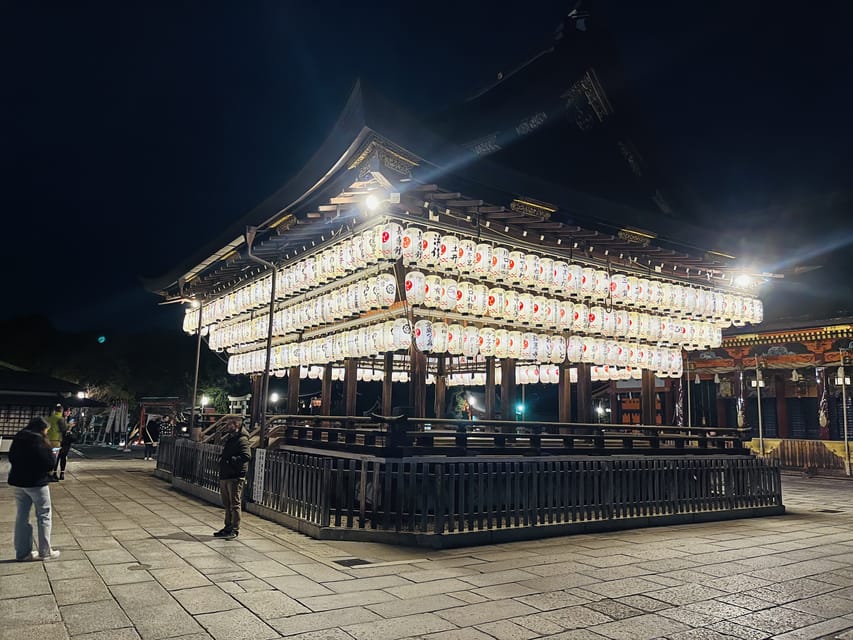
I would recommend it to:
- First-time Kyoto visitors who want context before exploring alone
- Couples looking for a calm evening walk
- Families with older children who can manage a 100-minute stroll
- Solo visitors who want help with photos and shrine etiquette
- Anyone curious about geiko, maiko, and the working culture of Gion
- People who prefer small groups over tours of 20 or more
Children under six do not need to buy tickets. The route has been enjoyable for children around nine and eleven, but parents should consider the stairs, evening timing, and the need to walk with the group.
This is not the right choice for wheelchair users, baby carriages, people with limited mobility, or babies under one year. The route includes stairs, and the operator also lists people with a cold as unsuitable for the activity.
Practical tips for a better evening
Arrive early and stand on the front side of Minamiza Theatre. Have the guide’s name and the TravelinGood sign in mind so you do not join another group by mistake.
Wear comfortable shoes. The walk is not described as strenuous, and one older participant found the pace manageable, but stairs and uneven urban surfaces are still part of the route.
Bring an extra layer in winter. A guide has even provided a hand warmer on a cold evening, but you should not rely on that. If you choose the February 3 p.m. departure, remember that the atmosphere may begin in daylight and change as the evening lights come on.
Ask questions. The small group is one of the tour’s best features, and guides are used to explaining differences between geiko and maiko, shrine rituals, Buddhism, Shinto, local festivals, and nearby food choices.
Most of all, keep your expectations respectful. You are visiting a living district. Watch quietly, follow the guide’s instructions, and treat any sighting of a geiko or maiko as an unexpected bonus.
Should you book it?
Book this tour if you want a compact, affordable introduction to Gion with a strong nighttime mood and a guide who can explain what you are seeing. The combination of Hanamikoji, geisha culture, shrine customs, a glowing pagoda, side streets, and a historic shrine gives you more range than a walk focused only on geiko and maiko.
Skip it if you need step-free access, want a long temple visit, or already know Gion in detail. Also skip it if your main goal is a guaranteed geisha encounter. For most first-time visitors, though, the small group, gentle pace, clear English, and $24 price make this a sensible way to meet Kyoto after dark.
FAQ
Where does the Gion night walking tour meet?
Meet in front of Minamiza Theatre, on the front side of the theater. Your guide will hold a sign marked TravelinGood.
How early should I arrive?
Arrive at least five minutes before the listed start time. The listed time is when the group leaves the meeting point, not the time to arrive.
How long does the tour last?
The walk lasts 100 minutes.
What language is the tour conducted in?
The live tour guide speaks English.
How large is the group?
The tour is limited to 10 participants. Some departures may be smaller.
Will I definitely see a geisha or maiko?
No. You may be lucky enough to see a geiko or maiko, but the tour is not intended as a guaranteed meeting or sighting experience.
Does the tour include photography?
Yes. Photography service is included.
Is the tour suitable for wheelchair users or baby carriages?
No. Stairs along the route make it unsuitable for wheelchair users, baby carriages, and people with limited mobility.
Can I cancel or pay later?
You can cancel up to 24 hours in advance for a full refund. A reserve-now, pay-later option is available, and children under six do not need tickets.
More Night Walking Tours in Kyoto
- Private Street Food Evening Walking Tour in Ho Chi Minh City
★ 5.0 · 3,175 reviews - Granada: Albaicín and Sacromonte Guided Sunset Walking Tour
★ 4.9 · 2,962 reviews - Savannah’s Ghost City “Dead of Night” Walking Night Tour
★ 4.5 · 2,482 reviews - Madrid by Night Small Group Tour: Stories, Sights and Tapas Bites
★ 5.0 · 1,956 reviews
Just added around Kyoto
- Kyoto: Meet the Geisha Maiko with Gion Walking Tour★ 4.8 · 371 reviews
- Cool Kyoto: 5-Hour Walking Tour with the Last Samurai★ 4.8 · 73 reviews
- Gion Walking Tour by Night★ 4.5 · 429 reviews
- Kyoto Sake Brewery & Tasting Walking Tour★ 5.0 · 623 reviews
- Kyoto Gion Night Walk & Geisha District Guided Tour★ 5.0 · 786 reviews
- Kyoto: Izakaya Bars Guided Walking Tour★ 4.9 · 815 reviews
- Kyoto Gion: 2-Hour Geisha Culture & History Walking Tour★ 5.0 · 1,186 reviews
- Kyoto Arashiyama Walking Tour: Bamboo, Monkeys, Gardens & Secrets★ 5.0 · 1,216 reviews
Night Walking Tours, compared.

Private Street Food Evening Walking Tour in Ho Chi Minh City
Read our review →
Albaicín and Sacromonte Guided Sunset Walking Tour
Read our review →
Savannah’s Ghost City “Dead of Night” Walking Night Tour
Read our review →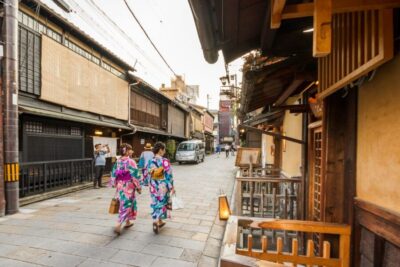

Madrid by Night Small Group Tour: Stories, Sights and Tapas Bites
Read our review →
Paranormal Night Walking Tour & Secret Backstreets
Read our review →
Munich Ghosts and Spirits Evening Walking Tour
Read our review →
City Walls Early Morning or Sunset Walking Tour
Read our review →Browse the lists this tour appears in