
REVIEW · TOKYO
Tokyo: Asakusa Walking Tour with Sensoji Temple Visit
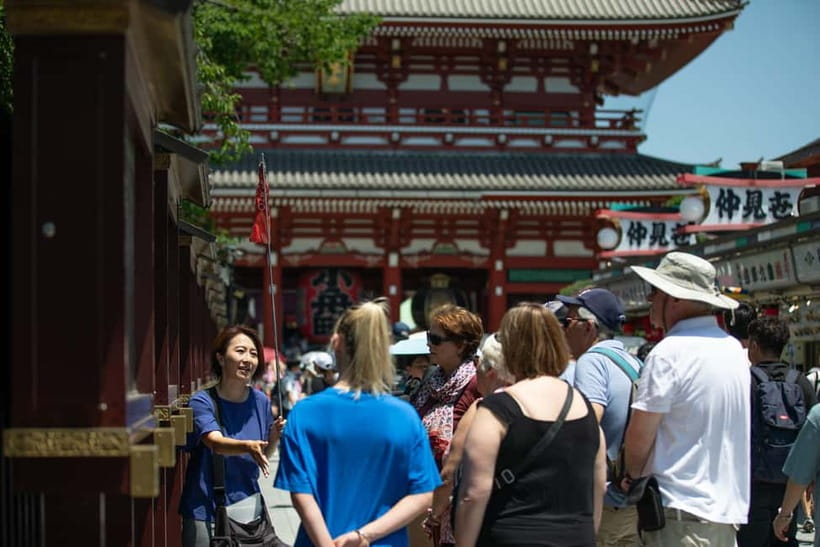
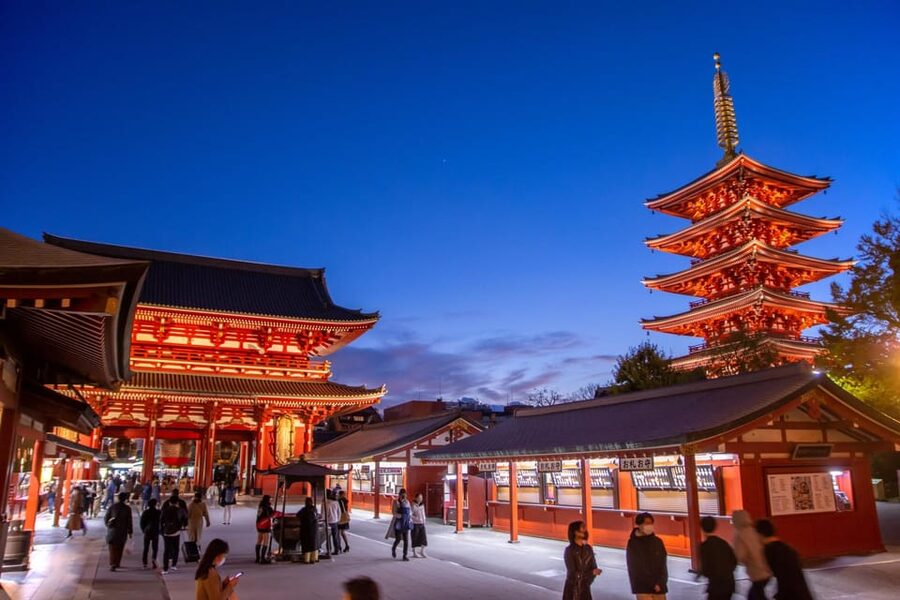
Tokyo’s old soul is easiest to find in Asakusa, where the huge red Kaminarimon Gate leads to Sensoji Temple, incense curls through the air, and traditional shops line Nakamise Street. This two-hour walk gives you the cultural backstory that is easy to miss when you explore alone.
I like the route for two clear reasons: it covers both Buddhist and Shinto sites, and guides regularly add useful advice about restaurants, snacks, and places to visit elsewhere in Tokyo. The main drawback is the tight schedule. Two hours is enough for an excellent introduction, but not enough for a slow look at every shop or temple detail.
Key points to know before booking
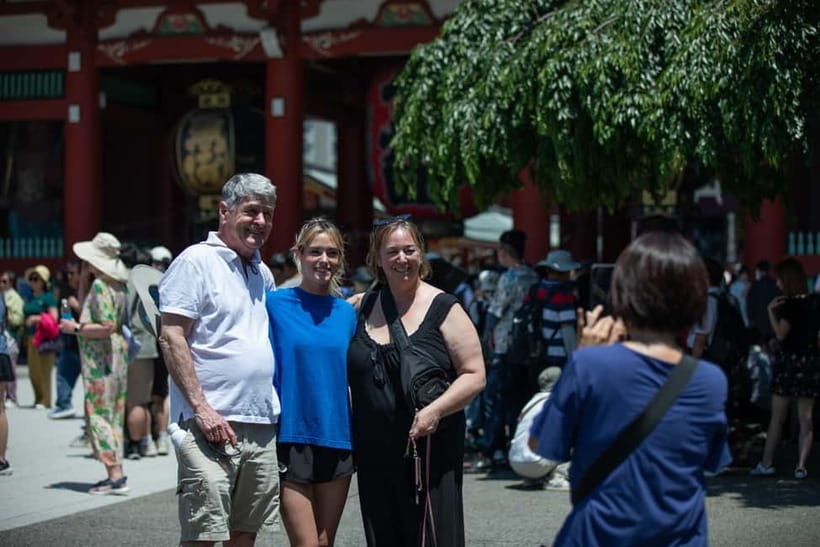
- Kaminarimon is the easy-to-find meeting point: Meet on the left side of the Thunder Gate, near Tokiwado Kaminari-okoshi Honpo, where the guide holds a tour sign.
- Sensoji gets the most attention: You have about 30 minutes for photos, explanation, free time, and a look at Buddhist customs such as incense burning.
- You see more than one famous temple approach: The route includes Nakamise Street, Shin-Nakamise, Hoppy Street, and Asakusa Shrine.
- Guides make the difference: Aya, Keiko, Hiroko, Glenda, Polina, Loc, and others are praised for clear English, humor, patience, and practical local tips.
- The price is modest: At $22 per person, this is a useful orientation walk if you want context rather than only photographs.
- The tour ends near food and river views: The finish at Azuma Bridge leaves you well placed to continue around Asakusa.
Why Asakusa is a smart place to begin in Tokyo
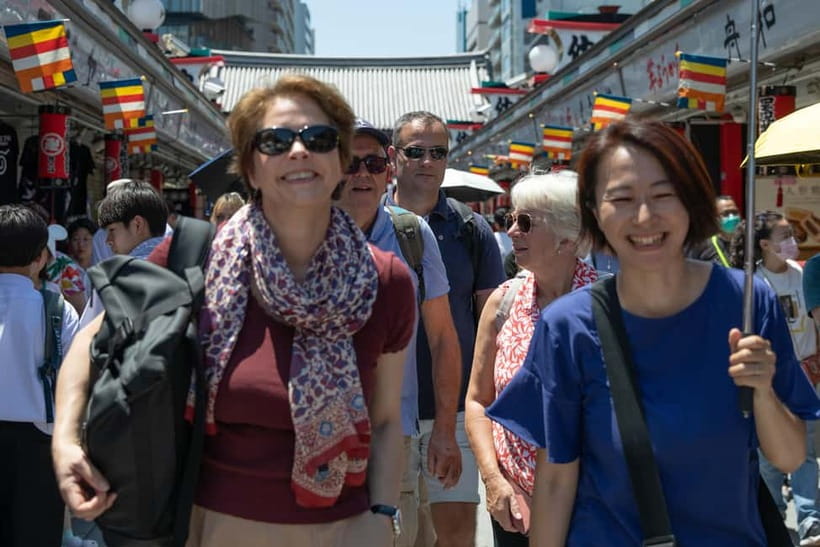
Tokyo can feel like several cities stitched together. One minute you are among towers, neon, and packed rail stations. Then you reach Asakusa, where temple gates, old-style shopping streets, shrines, and small food shops give the city a more traditional face.
That contrast is the chief appeal of this tour. You are not simply led from one photo stop to the next. The guide explains how the religious sites, shopping streets, and local customs fit together. That context matters at Sensoji, where a quick visit can otherwise become little more than a walk under the big red lantern.
The tour begins at Kaminarimon, also called the Thunder Gate. It is one of Tokyo’s most familiar sights, with its large lantern and imposing entrance to the Sensoji complex. The meeting point is specific, but the gate area can be crowded, so arrive early and look for the guide holding a sign on the left side, close to Tokiwado Kaminari-okoshi Honpo.
Late arrivals are a real problem on a short walking tour. The guide cannot hold the group for long, so allow extra time to reach the gate, especially if Asakusa is new to you.
A few more walking tours around Tokyo worth a look
- Tokyo Tsukiji Fish Market Food and Culture Walking Tour
★ 5.0 · 3,184 reviews - Tokyo: Imperial Palace and Shogun Historical Walking Tour
★ 5.0 · 2,251 reviews - Tokyo: Shinjuku Local Bar and Izakaya Guided Walking Tour
★ 4.9 · 1,794 reviews
Kaminarimon and the first ten minutes
The opening explanation at Kaminarimon lasts about ten minutes. That may sound brief, but it gives you the basic frame for the rest of the walk: what the gate represents, why it matters, and how it leads into the temple approach.
This is also a good moment to get close enough for photographs without wandering off from the group. The gate is a working entrance in a busy public area, not a quiet museum display. People pass through in both directions, and the giant lantern draws plenty of attention.
A strong guide makes this first stop useful by pointing out details you might otherwise overlook. Guides including Aya, Keiko, and Hiroko are often praised for explaining cultural customs in clear English and answering questions without rushing people. Several guides also use humor, which helps keep a short history lesson from feeling heavy.
Nakamise Street, Tokyo’s historic shopping approach
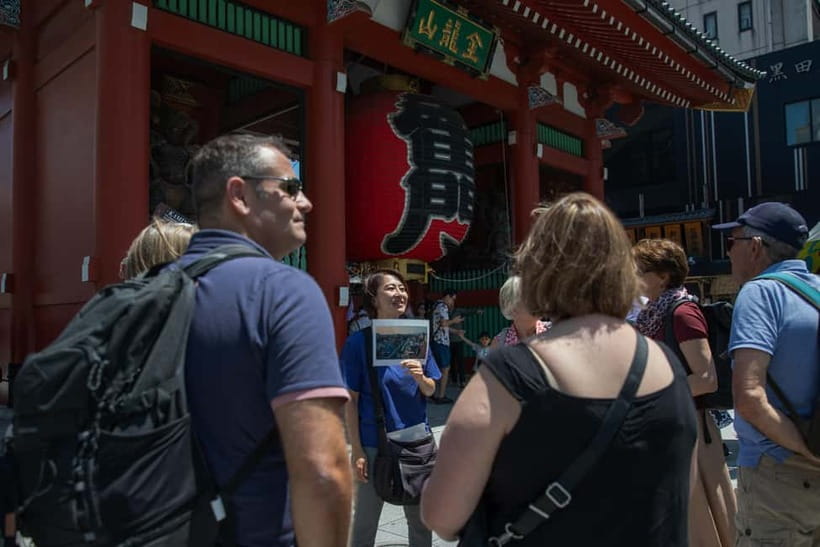
From Kaminarimon, the walk continues along Nakamise Shopping Street for about 15 minutes. This is one of Japan’s oldest shopping centers, and its role is more important than simply selling souvenirs. The street forms the approach to Sensoji, so shopping, food, religious visits, and local tradition meet in one narrow corridor.
You can expect small shops selling traditional crafts, gifts, and snacks. The tour is not designed as a long shopping stop, so you will have time to look and listen, but not necessarily to make a careful purchase at every stall. If you see something you want, note the shop and return after the tour.
This is one reason the route works well early in a Tokyo visit. Guides often point out foods to try and places to eat later, giving you a short list instead of leaving you to choose from every sign on your own. Keiko, Aya, Rio, and Polina have been especially praised for restaurant and food suggestions around Asakusa.
I would treat Nakamise as an introduction rather than a shopping expedition. The street can be crowded, and a group must keep moving. Come back afterward if you want to browse at your own pace.
Sensoji Temple, the heart of the walk
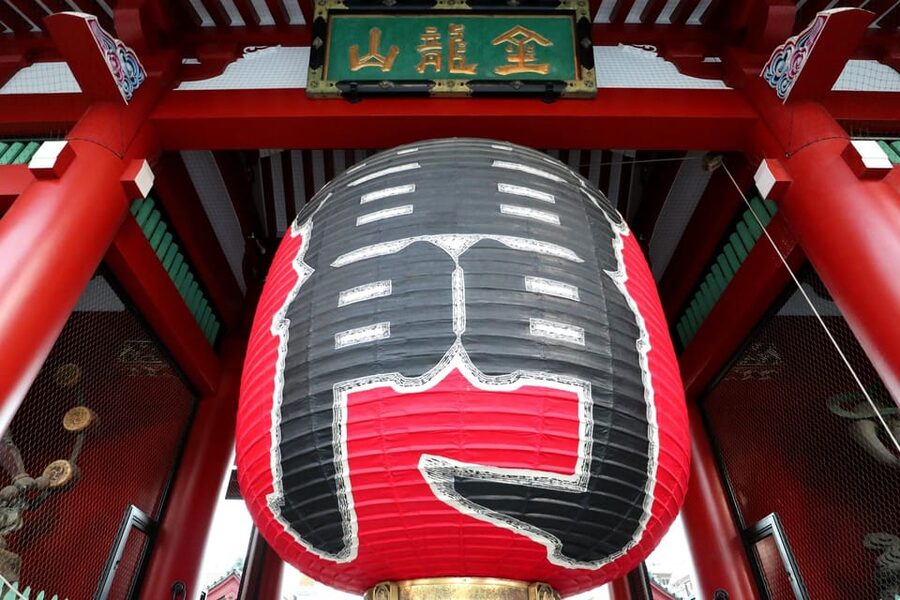
Sensoji, also called Asakusa Kannon, is Tokyo’s oldest-established temple and the main reason to book this experience. The visit includes a guided explanation, a photo stop, and some free time, with roughly 30 minutes at the temple.
That timing is sensible. You get enough space to look around, take photographs, and ask questions, while the guide gives you the cultural background needed to read the site properly. The temple’s details, gates, rituals, and stories can seem confusing if you are seeing them for the first time. A guide turns the visit into a sequence you can follow.
One useful part of the visit is the incense-burning ritual. The guide explains how to take part and what the practice means. You do not need to be familiar with Buddhist customs before arriving. The point is not to perform a ritual for a photograph, but to understand what you are seeing and behave respectfully.
Aya has been praised for explaining the temple’s architecture, traditions, history, and stories of miracles in an engaging way. Other guides, including Glenda, Hiroko, Miyu, and Keiko, are noted for answering questions about Japanese culture and religion in accessible English.
The free time is valuable, but limited. If you want a quiet, detailed study of the temple, visit again later. This tour gives you the framework, not an extended temple seminar.
Same streets, a different route:
- Tokyo: Tsukiji Fish Market Food and Walking tour
★ 5.0 · 1,724 reviews - Tokyo: Tsukiji Fish Market Guided Walking Tour
★ 4.9 · 1,397 reviews - Tokyo Castle & Imperial PalaceーShogun Walking Tour
★ 4.7 · 1,068 reviews - Shibuya Meltdown Nightlife Tour: All-You-Can-Drink Bar Hopping
★ 5.0 · 1,058 reviews
Asakusa Shrine and the Buddhist-Shinto contrast
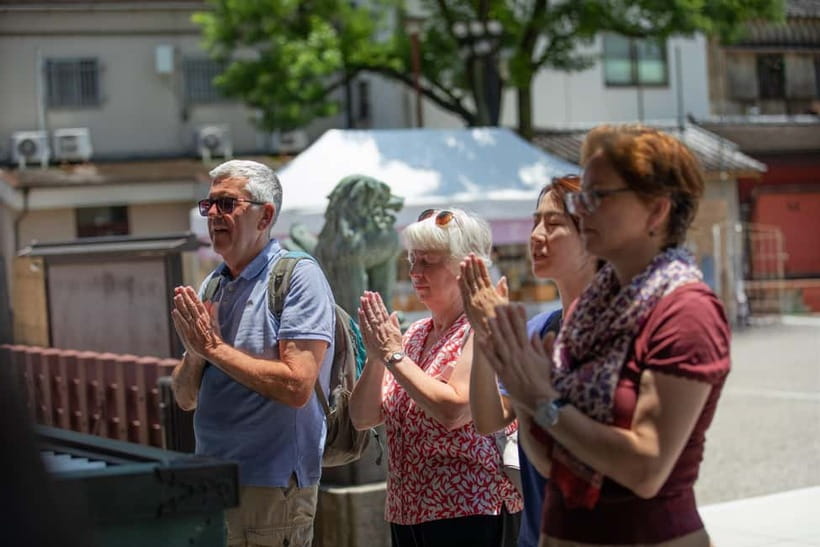
The next major stop is Asakusa Shrine, with about 20 minutes for a visit, photographs, and explanation. This is one of the most useful parts of the route because it lets you compare a Buddhist temple with a Shinto shrine within the same historic district.
The distinction can be hard to grasp during a first visit to Japan. The guide can explain the different religious settings, visual details, and customs in plain terms. Lara specifically valued seeing both types of site, and that pairing gives the tour more depth than a temple-only walk.
You will want to listen here rather than race through for photographs. The shrine stop helps connect the buildings to everyday Japanese traditions. It also gives the guide another chance to explain respectful behavior and answer questions.
Because the two sites are close together, the comparison is practical. You do not need another train ride or a separate tour to see how these religious traditions appear side by side in Asakusa.
Hoppy Street and Shin-Nakamise
The itinerary then moves through Hoppy Street for about ten minutes. This brings you into a more casual side of Asakusa, with local eating and drinking culture replacing the formal approach to the temple.
The stop is short, so do not expect a full food tour or a sit-down meal. Instead, use it as a guide to the area’s character and as a chance to note places you may want to return to. Several guides give suggestions for what to eat after the walk, which is handy because the tour ends around lunchtime for many starting times.
The final shopping section is Shin-Nakamise Shopping Street, also called Asakusa Shin-Nakamise. Another ten minutes here gives you a second look at Asakusa’s commercial side, beyond the famous temple approach.
This pairing is useful. Nakamise shows the ceremonial route toward Sensoji, while Shin-Nakamise and Hoppy Street point you toward everyday food and shopping. The walk therefore feels less like a single monument visit and more like a compact introduction to the district.
Finishing at Azuma Bridge
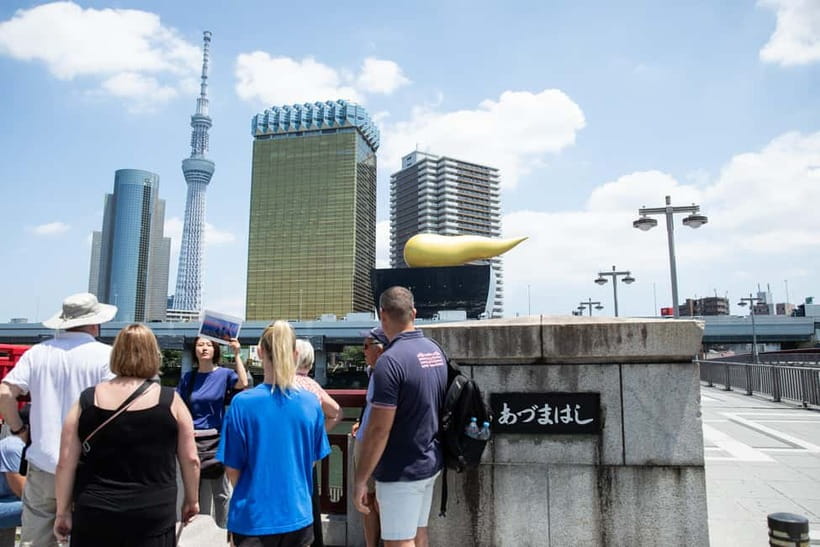
The tour ends at Azuma Bridge. That is a practical finish because you are no longer being returned to the starting gate, and you can continue exploring Asakusa on your own.
The bridge area gives you a change of scene after the temple streets. Depending on your plans, you can return to Nakamise, find lunch, continue around the river area, or use the guide’s recommendations for nearby food and sights.
A guide such as Keiko or Aya may also suggest places beyond Asakusa. Several people appreciate receiving ideas for the rest of a Tokyo visit, not just this one neighborhood. That makes the tour more useful as a first-day orientation.
Do keep the ending in mind when planning your day. If you have a timed reservation somewhere else, leave room for the possibility that the group takes a little longer at a stop or that crowded streets slow the pace.
The guides and the feel of the walk
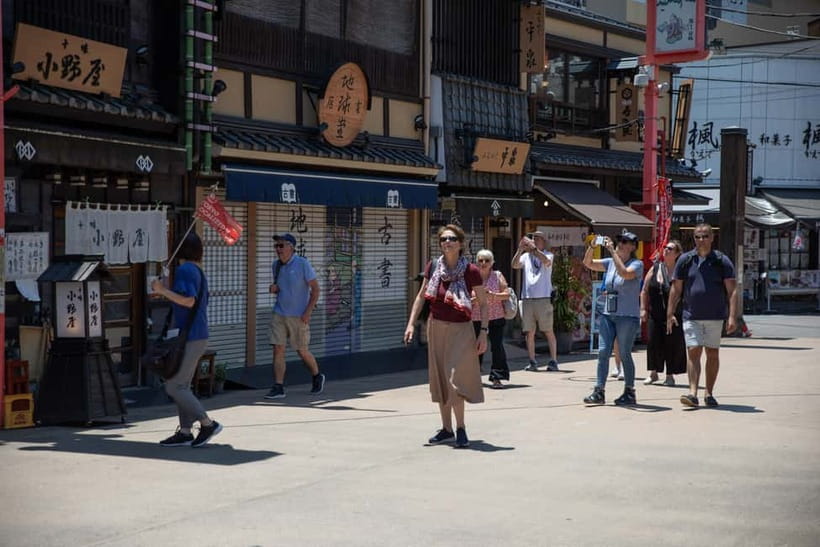
The strongest recurring feature is the quality of the English-speaking guides. Names associated with particularly positive experiences include Aya, Keiko, Hiroko, Glenda, Polina, Miyu, Loc, Rio, Mei, Paulina, and Augustina.
That does not mean you can select a particular guide when booking. It does tell you what sort of guiding this experience aims for: clear explanations, patience with questions, humor, and attention to the group’s pace.
Keiko is praised for making sure everyone could hear and for engaging children and a teenager. Aya is often described as warm, attentive, and full of practical advice. Glenda is noted for making history enjoyable, while Rio brought extra charts and information to help explain the area.
One particularly useful point is that the guides do not limit themselves to dates and building names. They connect the sights to food, customs, modern life, and the rest of your Japan trip. That is exactly what I want from a short neighborhood walk.
The tour can also suit families. The pace is described as comfortable, and the guide can adjust explanations and respond to questions. Still, you should expect two hours of walking and standing, even though the activity is listed as wheelchair accessible.
Is $22 a fair price?
At $22 per person, the value is strong if you want orientation and cultural explanation. You could walk past Kaminarimon, Nakamise, Sensoji, and Asakusa Shrine without paying for a guide, but you would miss much of the meaning behind the rituals, buildings, and street layout.
The price also compares well with the route. In two hours, you see the district’s main religious sites, two shopping streets, Hoppy Street, and the area around Azuma Bridge. The guide adds food advice and suggestions for the rest of your stay.
The limits are clear. This is not a private tour, a food tasting, or a long architectural study. You pay for a shared walking introduction, and the group has to keep to a schedule.
For a first visit to Tokyo, I think the modest cost is justified. If you already know Asakusa well and prefer exploring at your own pace, you may get more from a self-guided walk.
Who should book this Asakusa tour?
I would recommend it most strongly to first-time visitors, families, and anyone who wants a gentle cultural introduction without committing to a full-day activity. It also works well near the start of a Japan trip because the guides can explain customs and suggest places to eat and visit next.
It is a good fit if you want to see a Buddhist temple and a Shinto shrine in one outing. It is also useful if religious etiquette, food choices, or the layout of Asakusa feels unfamiliar.
You may want something else if you dislike group schedules, want extensive shopping time, or hope for a tasting-focused experience. The route is active and fairly efficient. You see a lot, but you do not linger everywhere.
Practical details that matter
The tour lasts two hours and is conducted in English. The guide waits in front of Kaminarimon Gate on the left side, near Tokiwado Kaminari-okoshi Honpo, holding a sign.
Wear comfortable shoes and keep your belongings easy to manage in crowded streets. The activity is listed as wheelchair accessible, but the route includes busy shopping areas and temple grounds, so it is sensible to confirm the current meeting and route details when booking.
You can cancel up to 24 hours before the start for a full refund, and the reserve-now, pay-later option helps if your Tokyo schedule is still changing.
Should you book it?
Book this walking tour if you want Asakusa to mean more than a famous gate and a large temple photograph. For $22, you get a focused route, an English-speaking guide, a look at both Buddhist and Shinto traditions, and practical ideas for food and further exploring.
I would book it early in your Tokyo stay, then return to Sensoji and Nakamise later if you want more time. The tour gives you the map and the meaning. Your second visit can be slower, hungrier, and entirely at your own pace.
FAQ
How long does the Asakusa walking tour last?
The tour lasts two hours.
What language is the tour conducted in?
The live tour guide speaks English.
Where does the tour meet?
The guide waits in front of Kaminarimon Gate on the left side, near Tokiwado Kaminari-okoshi Honpo. The guide holds a sign for the tour.
Where does the tour finish?
The walk finishes at Azuma Bridge.
What places are included in the route?
The route includes Kaminarimon, Nakamise Shopping Street, Sensoji Temple, Asakusa Shrine, Hoppy Street, and Shin-Nakamise Shopping Street.
Can I cancel for a full refund?
Yes. You can cancel up to 24 hours in advance for a full refund.
Just added around Tokyo
- Asakusa: A Big-picture History Walk to Know Japan★ 4.6 · 77 reviews
- Tokyo: Private Walking Tour with a Local Guide★ 4.9 · 469 reviews
- Tokyo: Private Walking Tour with a Local★ 4.4 · 419 reviews
- Tokyo: Private Custom Walking Tour with Local Guide★ 4.8 · 533 reviews
- Tokyo: Shibuya Highlights Walking Tour★ 4.8 · 601 reviews
- Tsukiji Fish Market Small-Group Food Walking Tour★ 5.0 · 621 reviews
- Tokyo Castle & Imperial PalaceーShogun Walking Tour★ 5.0 · 724 reviews
- Tokyo: Dark Side of Tokyo Shinjuku Red Light Walking Tour★ 4.7 · 862 reviews
Walking Tours, compared.

Magical London: Harry Potter Guided Walking Tour
Read our review →
Reykjavik Food Walk – Local Foodie Adventure in Iceland
Read our review →
History and Hauntings of Salem Guided Walking Tour
Read our review →
New Orleans Premier Ghost, Voodoo and Vampire Walking Tour
Read our review →
Amsterdam Anne Frank: Small-Group Walking Tour & Local Guide
Read our review →

Edinburgh Castle: Guided Walking Tour with Entry Ticket
Read our review →
Anne Frank’s Story – Guided Walking Tour through Amsterdam
Read our review →Browse the lists this tour appears in