
REVIEW · GRANADA
Granada: Walking Food Tour
Granada’s food story is much bigger than free tapas. This 3.5-hour walking tour links ham from the Alpujarras, wines from Granada province, olive oil, traditional tapas, and dishes served at the historic Chikito restaurant, where artists and writers gathered in the early 1900s.
I like the mix of serious food knowledge and city history, and I like that the route includes family-run businesses and places you might not find on your own. Guides such as Katia, Laura, Bruce, and Marcel bring different personalities and backgrounds, with several having restaurant experience or deep local ties.
The main consideration is the pace and format. You spend much of the evening eating and drinking at several stops, with only a modest amount of walking. It is not suited to wheelchair users, and you should report dietary needs when booking.
Key points to know before you go
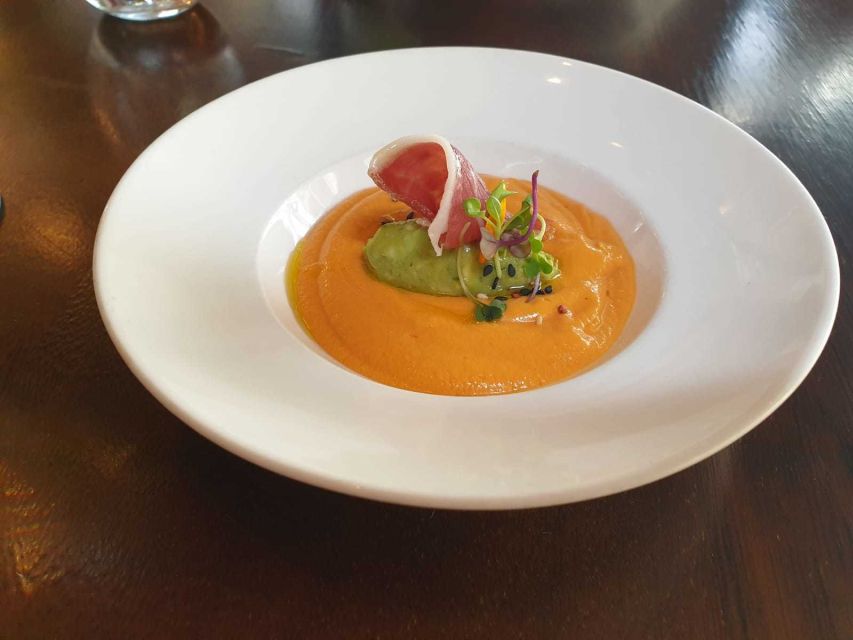
- Ham with a mountain story: Taste Serrano ham from Granada and Andalusian Iberian ham while learning how Alpujarran ham is cured in the cool Sierra Nevada air.
- More than a tapas crawl: Expect local wine, Tinto de Verano, vermouth, olive oil, cheese, sweets, and full dishes rather than only small bar snacks.
- Historic Chikito stop: Sample regional recipes at one of Granada’s best-known traditional restaurants, linked to the city’s literary and artistic past.
- Small-group setting: The maximum is 10 people, which makes questions and conversation easier than on a large city tour.
- A useful first-day activity: The food stops and practical recommendations can help you choose restaurants and dishes for the rest of your stay.
- A full meal in walking-tour form: Food and drinks are included in portions intended to replace lunch or dinner, though extra drinks cost more.
Granada’s food story begins with more than tapas
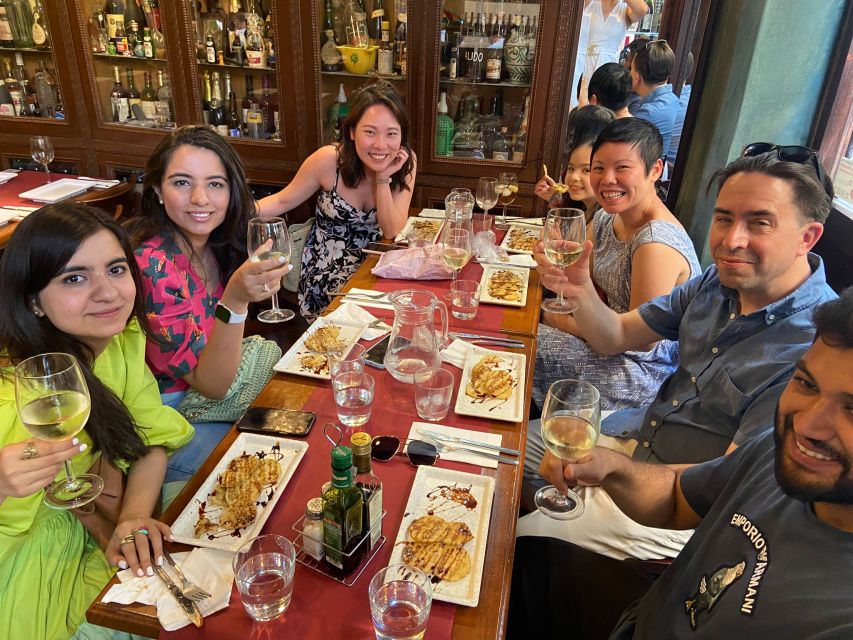
The usual picture of eating in Granada is simple: order a drink, receive a small plate, and move on to the next bar. That is part of the city’s appeal, but it only covers one corner of the local food culture.
This tour looks at the ingredients and traditions behind the plate. You hear about Roman, Sephardic, Berber, and Nasrid influences, then connect that history to foods you can taste immediately. The result is useful because Granada’s cuisine is not one tidy style. It is a meeting point of southern Spanish cooking, mountain preservation methods, Islamic influences, and modern Andalusian dining.
I especially like the attention given to products from Granada province. The ham is not treated as a generic Spanish food. You learn how villages in the Alpujarras cure it and how the dry air from the Sierra Nevada helps the process. Tasting Serrano from Granada beside Iberian ham gives you a practical way to notice differences in texture, flavor, and status.
The tour also covers drinks beyond standard table wine. You may taste regional wines, Tinto de Verano, or vermouth, with explanations of how they fit into local eating habits. If you do not drink wine, the food, olive oil, and history still provide enough substance to make the tour worthwhile.
More Food Walking Tours in Spain
- Barcelona: Food Walking Tour with Tapas and Wine
★ 4.9 · 2,180 reviews - Barcelona Food Tour: Tapas, Paella, Sangria & 8+ Local Tastings
★ 5.0 · 1,275 reviews - Barcelona: Guided Food Walking Tour with Tapas and Wine
★ 5.0 · 848 reviews
A 3.5-hour route through central Granada
The meeting point is the kiosk beside Teatro Isabel La Catholica, on the Casino sidewalk near Puerta Real. Arrive five minutes early. The operator may wait up to 15 minutes after the start, but Granada’s central streets can be confusing, so arriving with time to spare is sensible.
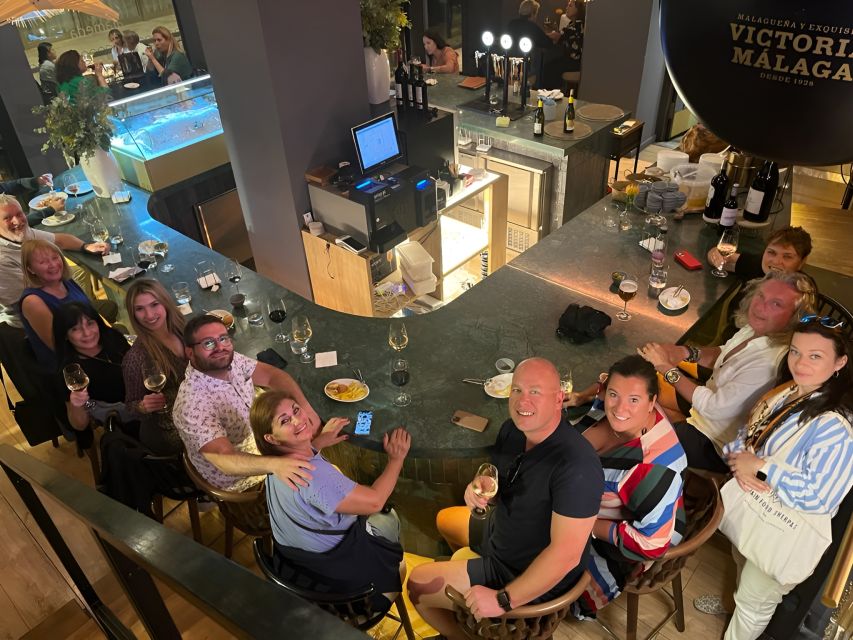
The group can have no more than 10 participants. That size matters here. You are not just following a guide from one landmark to another. You are stopping to taste, ask questions, compare foods, and share tables or bar space. A smaller group also makes it easier for the guide to watch for allergies and explain unfamiliar ingredients.
The route focuses on central Granada rather than using a bus or taxi. You walk between bars, restaurants, shops, and food businesses. The walking itself is not the main attraction, and some people may find the route less physically demanding than a sightseeing walk. One participant even wished for a little more walking between four smaller stops instead of concentrating on three main restaurant visits.
That is worth knowing before you book. If you want a long city walk with food added along the way, this may feel food-heavy. If you want a relaxed meal with movement, conversation, and local context, the balance works well.
Ham, olive oil, and the products behind the meal
The ham tasting is one of the clearest reasons to choose this experience. You compare Serrano ham from Granada with the more prestigious Iberian ham produced in Andalusia. The guide explains curing methods and the role of mountain air, giving you useful information for future menus and market visits.
This is not just a quick slice placed on a plate. The point is to understand why Spanish ham varies so much in price and flavor. Once you know the difference between regional Serrano and Iberian ham, the labels in a market or restaurant menu become easier to read.
Olive oil is another strong part of the experience. A local shop visit can include several types of oil and an explanation of how olive oil is made. This is valuable because Spain’s olive oil culture is easy to overlook when you are focused on tapas. You may leave with a better sense of how to taste oil and how to choose a bottle for home.
Some visitors enjoyed the olive oil lesson so much that they returned to the shop the following day to buy bottles. That makes this stop more useful than a standard sample. You get a product you can find again, understand better, and use as a souvenir.
The food route may also include herbs, spices, sweets, turrón, and the souk area. These stops widen the focus beyond restaurant plates and show how Granada’s shopping streets connect with its food traditions. They are particularly useful if you want to buy edible gifts or learn what local products deserve space in your suitcase.
Tapas bars and dishes with real regional character
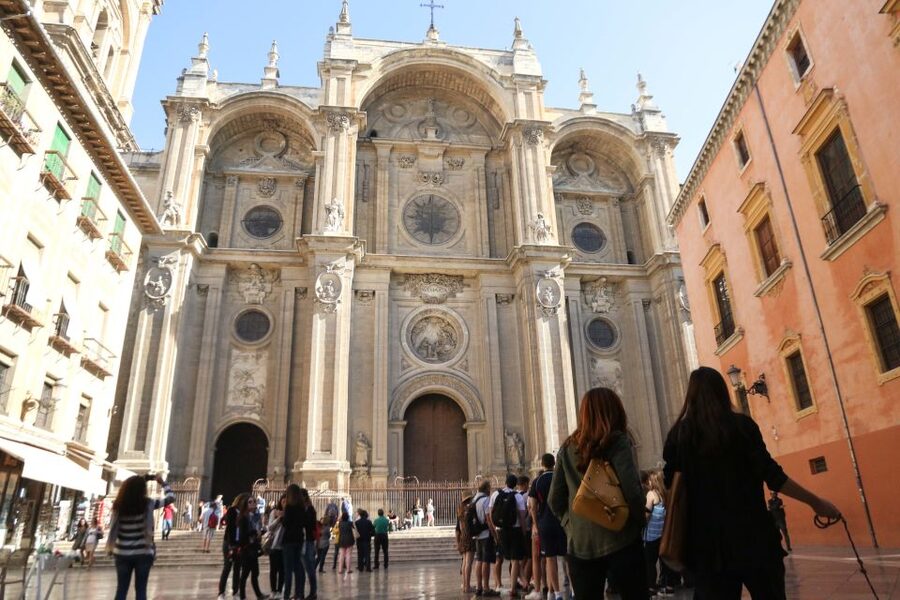
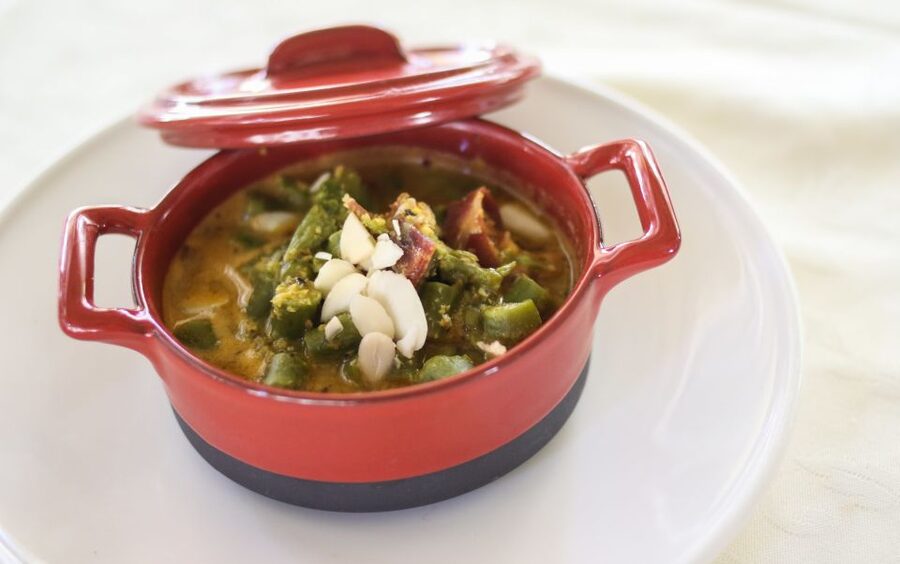
The restaurant and bar visits are designed to provide enough food for a full lunch or dinner. You should not arrive expecting a few token bites. The food can include local recipes, cheese, ham, croquettes, pork, and other regional dishes, with generous servings reported across the different tour departures.
The exact menu can vary, but several dishes have made a strong impression. Oxtail croquettes are one memorable example, praised for their crisp outside and rich filling. Presa ibérica at Chikito offers a chance to try a prized cut of Iberian pork. Pork with saffron has also been singled out as an especially good pairing of local flavor and careful cooking.
At La Cueva 1900, one route included queso de cerdo, a traditional pork preparation. This kind of dish is exactly what makes the tour more interesting than a predictable selection of tortilla and patatas bravas. You are introduced to foods that may not be obvious to order without help.
The food is paired with wines chosen for the dishes. Guides explain the wines as you go, rather than leaving you to guess why one glass works better with ham or pork. For people who enjoy food and wine together, this is a major benefit. For non-drinkers, ask about your needs when booking, since the tour is built around both food and local drinks.
You can also expect a vermouth aperitif or Tinto de Verano on some departures. These drinks help show the everyday side of Spanish dining. They are less formal than a wine tasting and tied more closely to the way people socialize before or during a meal.
More Food Walking Tours in Granada:
- Reykjavik Food Walk – Local Foodie Adventure in Iceland
★ 5.0 · 18,952 reviews - Ho Chi Minh City Street Food Tour & Sightseeing By Motorbike
★ 5.0 · 9,413 reviews - New Orleans Food Walking Tour of the French Quarter with Small-Group Option
★ 5.0 · 6,118 reviews - Naples: Street Food Walking Tour with Local Guide
★ 4.9 · 4,976 reviews
Chikito restaurant and Granada’s literary past
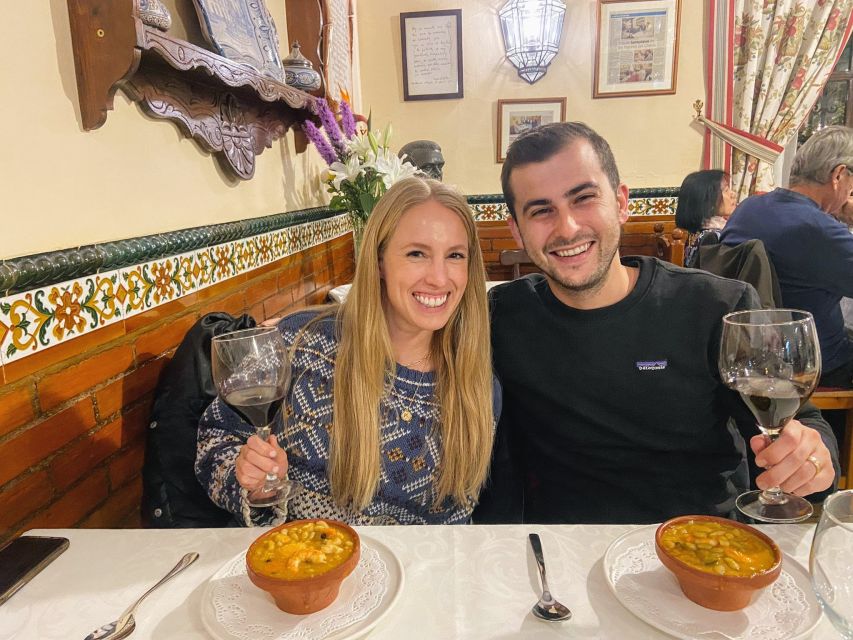
Chikito is the most clearly historic food stop on the route. The restaurant is linked to Granada’s artists, writers, and poets from the early twentieth century, so your meal comes with a cultural setting rather than just another dining room.
The value here is the connection between food and place. You are not only told that Granada has a long cultural past. You sit in a restaurant associated with people who helped shape the city’s artistic life, while tasting local recipes.
The stop can include dishes such as presa ibérica and regional preparations. It is also one of the places where the food feels like a proper meal rather than a quick nibble. If you are planning the tour as dinner, Chikito helps make the included food feel substantial.
There is one practical limit. This is a public food tour, not a private restaurant experience, so seating and service depend on the restaurants’ normal operation. The small group helps, but you should still expect a social meal rather than a quiet table for two.
Guides make the same route feel different
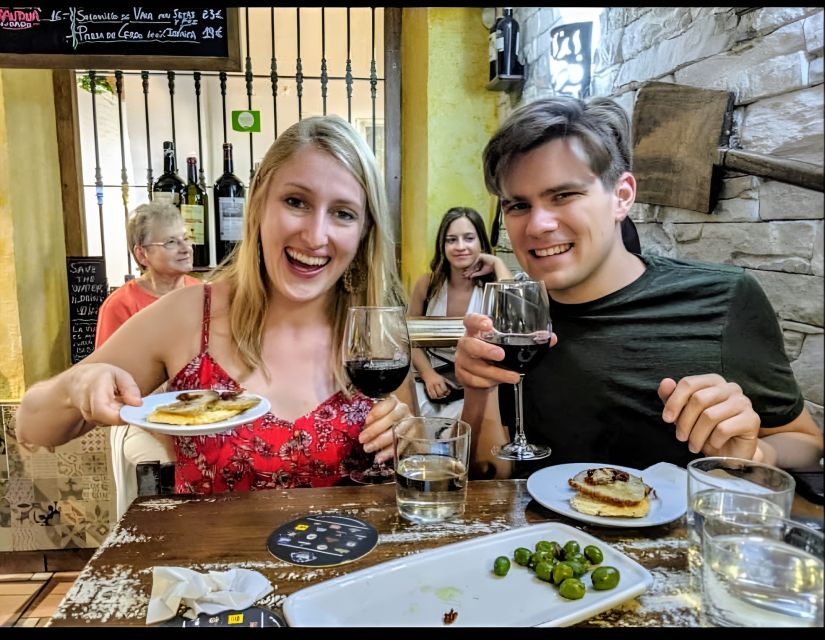
The guides are a major part of the experience. Katia has restaurant experience in Granada and has worked as a chef, giving her a useful grasp of preparation, wine, olive oil, and the local food trade. She is also praised for explaining food in a clear, relaxed way.
Laura is a local guide who grew up in Granada. Her route has included tapas, wine, vermouth, spice shops, sweet shops, and the souk area. She has also helped Spanish learners practice the language during the walk, which could be a nice bonus if you want to use more Spanish on your trip.
Bruce is known for combining food with Granada’s history and for speaking clearly and at a comfortable pace. That matters on a food tour, since you are listening while moving between stops and often standing in busy places. His calm style also suits people who want practical restaurant suggestions rather than a theatrical performance.
Marcel brings a larger-than-life personality and talks about food, Spanish history, and politics in an approachable way. He has shown particular care with allergies and dietary concerns, though you should still give the operator full details in advance.
Other guides named for this experience include Kate, Emma, Molly, and Lara. The tone may vary from one departure to another, but the common thread is strong food knowledge, local history, and a willingness to answer questions.
How much food and drink do you really get?
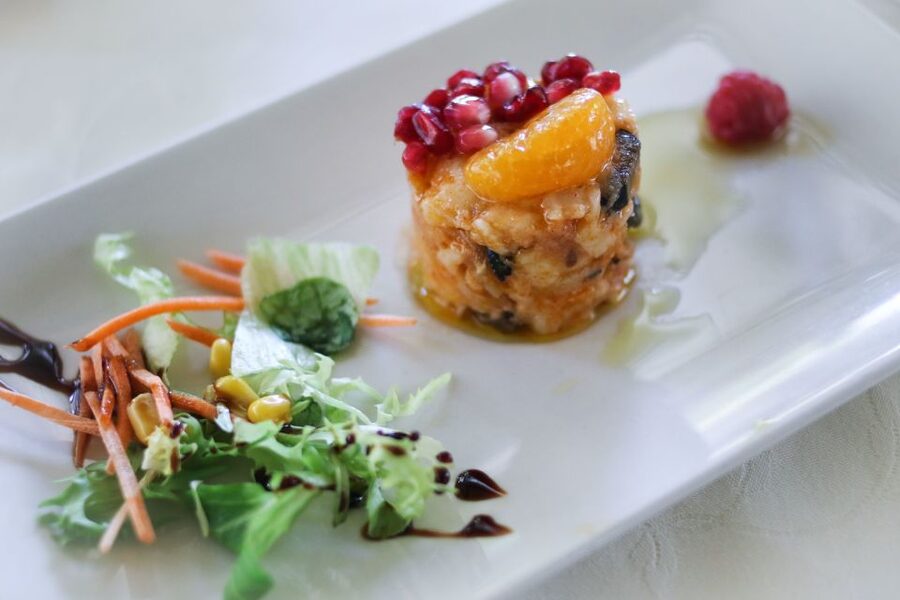
The $82 price looks high if you compare it with a single tapas meal. The comparison changes once you count what is included: food and drinks intended to cover lunch or dinner, several stops, a guide, product tastings, wine explanations, and a structured introduction to Granada’s central food scene.
You are also paying for judgment. A good food guide saves you from spending an evening ordering random dishes in tourist-oriented places. The tour takes you to family-run businesses, bars, restaurants, and shops selected to show different sides of the city.
The value is strongest for a first visit. You can learn what local ham to buy, which dishes interest you, how olive oil is produced, and which restaurants are worth returning to. Several guides also give suggestions for the rest of your stay, making the tour useful beyond its three and a half hours.
The value is weaker if you do not eat much, avoid alcohol, or already know Granada’s food scene well. Extra drinks are not included, and the Saturday evening tour does not include the Iberian ham tasting. Check the departure details if that tasting matters to you.
Who should book this Granada food walk?
I would choose this tour for someone who wants a substantial introduction to Granada without spending the entire day on formal sightseeing. It works particularly well after arriving in the city, when you want to learn the layout of the center and get practical dining advice.
Food lovers will appreciate the attention to ham, olive oil, wine, and regional dishes. History fans will like the links between Roman, Sephardic, Berber, and Nasrid influences and the food on the table. Families can also enjoy it, though children who are not interested in food or who tire during a long meal may not get as much from it.
It is a good match for couples and solo visitors who enjoy talking with a small group. The maximum of 10 people makes it easier to meet others without the forced feeling of a large coach excursion.
You should think twice if you need step-free access, since the tour is not suitable for wheelchair users. You should also share allergies and dietary requirements before booking. The operator can work with information supplied in advance, but you should not rely on making complicated requests only after the tour begins.
Practical details that affect your choice
The tour lasts 3.5 hours, with starting times depending on availability. No hotel pickup or drop-off is included, so you make your own way to the Teatro Isabel La Catholica meeting point.
Food and drinks sufficient for a full meal are included. Additional drinks cost extra. The tour is conducted in English with a live guide.
Cancellation is free up to 24 hours before the start, and you can reserve now and pay later. Those terms help if your Granada plans are still shifting, but you still need to arrive on time. The 15-minute waiting limit is strict enough that a late arrival could mean missing the group.
Should you book it?
Book this walking food tour if you want a full meal with context, not simply a list of tapas bars. The strongest parts are the ham comparison, olive oil tasting, regional wines, Chikito restaurant, and the guides’ ability to connect food with Granada’s complicated past.
I would book it early in your stay so you can return to the shops and restaurants that appeal to you. Choose another activity if you need wheelchair access, want a long sightseeing walk, or prefer to avoid wine-centered dining.
At $82, it is fair value when you count the quantity of food, the included drinks, and the guidance you receive. For a first visit to Granada, it gives you both dinner and a practical food map for the days ahead.
FAQ
How long does the Granada Walking Food Tour last?
The tour lasts 3.5 hours.
How much does the tour cost?
The listed price is $82 per person.
Where does the tour meet?
Meet at the kiosk at Teatro Isabel La Catholica, on the Casino sidewalk near Puerta Real.
How early should I arrive?
Arrive five minutes before the scheduled start. The operator cannot wait longer than 15 minutes after the start time.
What food and drinks are included?
Food and drinks sufficient for a full lunch or dinner are included. Tastings may include local ham, cheese, tapas, regional dishes, olive oil, wine, Tinto de Verano, vermouth, and sweets.
Is Iberian ham included on every departure?
Iberian ham tasting is not included on Saturday evenings.
Is the tour conducted in English?
Yes. The tour has a live English-speaking guide.
How many people can join the group?
The group has a maximum of 10 participants.
Is the tour suitable for wheelchair users?
No. The activity is not suitable for wheelchair users. You should also provide any dietary requirements when booking.
Just added around Granada
- Walking tour in Alhambra, Nasrid Palaces and Generalife★ 3.0 · 135 reviews
- Sunset Walking Tour in Albaicín & Sacromonte★ 5.0 · 95 reviews
- Granada’s Hidden Treasures: Albayzin and Sacromonte Walking Tour★ 4.5 · 575 reviews
- Albayzin and Sacromonte Guided Walking Tour in Granada★ 4.5 · 98 reviews
- Albaicín & Sacromonte Walking Tour★ 4.5 · 87 reviews
- Granada: Historic Center and Lower Albaicin Walking Tour★ 4.7 · 136 reviews
- Granada: Albaicín, Sacromonte & Museum of Caves Walking Tour★ 4.9 · 244 reviews
- Granada: Albayzin and Sacromonte Walking Tour★ 4.6 · 231 reviews
Food Walking Tours, compared.

Reykjavik Food Walk – Local Foodie Adventure in Iceland
Read our review →
Ho Chi Minh City Street Food Tour & Sightseeing By Motorbike
Read our review →
New Orleans Food Walking Tour of the French Quarter with Small-Group Option
Read our review →
Authentic Parisian Gourmet Food Tour with 10 Local Dishes & Wines
Read our review →
Savannah First Squares Culinary & Cultural Walking Food Tour
Read our review →Browse the lists this tour appears in