
REVIEW · STRASBOURG
Strasbourg: Guided Historical Neighborhoods Walking Tour
Strasbourg’s story is unusually easy to read in its streets. In 150 minutes, this walk links imperial Neustadt, elegant squares, medieval Petite France, and the Rayonnant Gothic Notre Dame Cathedral. Guide Davide, also called David by some groups, brings the city’s changes from its founding through modern wars into a clear, entertaining story.
I like two things in particular: the small group, limited to 10, makes it easy to hear and ask questions, and the guide’s practical recommendations can improve the rest of your stay. You also get a useful first look at places you might otherwise pass without understanding, from the Palais du Rhin to half-timbered homes.
The main drawback is simple: this is a walking tour with little indoor shelter, so cold, heat, or rain can affect your enjoyment. Cathedral entry is not included, and pregnant visitors may find the 2.5-hour route tiring.
Key points at a glance
- A compact history lesson: Follow Strasbourg from its earliest settlement to contemporary European conflicts.
- A useful route: Cover Place de la République, Neustadt, Place Broglie, Place Kléber, Grand’Rue, Petite France, and Notre Dame.
- A small group: The maximum of 10 keeps the walk personal and helps you move through busy streets.
- A lively guide: Davide is known for humor, clear explanations, and suggestions for coffee, restaurants, bars, and later sightseeing.
- A strong first-day choice: The route helps you get your bearings before exploring Strasbourg on your own.
- No cathedral admission: The tour ends outside Notre Dame, so you will need a separate ticket or free-entry arrangement if you want to go inside.
Why this Strasbourg walk works so well
This tour is built around contrasts. You begin among the formal avenues and public buildings of Neustadt, then move through central squares and older lanes before finishing beside the cathedral. That order gives you a better sense of how Strasbourg grew instead of presenting the old town as one beautiful but disconnected backdrop.
I especially like the way the route uses public spaces as history lessons. Place de la République is not just a meeting point. Place Kléber is not merely a broad square for photographs. The guide explains why these spaces matter, how their roles changed, and how Strasbourg’s position in Alsace shaped its political story.
The tour costs $35 per person. That is a fair price if you want a strong introduction rather than a specialist architectural tour. You are paying for a local guide, a small group, and two and a half hours of connected explanation. You are not paying for museum or cathedral admission, transport, food, or a coffee stop.
Several groups have appreciated a short café or bathroom break during the walk, and Davide sometimes uses that pause to chat and offer suggestions. It is best to think of this as a guided city walk, not a food tour or a ticketed monument tour.
More Guided Tours in France:
- Paris Top Sights Half Day Walking Tour with a Fun Guide
★ 5.0 · 2,893 reviews - Paris: Montmartre Highlights Walking Tour with a Local Guide
★ 4.9 · 2,318 reviews - Paris: Montmartre Cheese, Wine & Pastry Guided Walking Tour
★ 4.8 · 2,255 reviews
Starting at Place de la République and entering Neustadt
Meet your guide in the center of Place de la République, in front of the war memorial. This is a practical starting point because it gives the group room to gather before moving into the city.
The first section covers Neustadt and lasts about 30 minutes. Here, the guide sets up the big story: Strasbourg’s long development, its changing political identity, and the effects of successive wars. The value of this opening is context. Without it, later sights can blur into attractive façades. With it, you begin to notice how different parts of the city reflect different periods.
You will hear about Place de la République and the Palais du Rhin, one of the area’s major buildings. The focus is not only on dates. The guide connects architecture and public space with the city’s changing relationship to France, Germany, and the wider region.
This part is best for visitors who want more than postcard views. The explanations are designed to be understandable, with humor used to lighten difficult subjects. Past groups have especially appreciated the clear, impartial presentation of Strasbourg’s political and military past.
Place Broglie and the city’s formal side
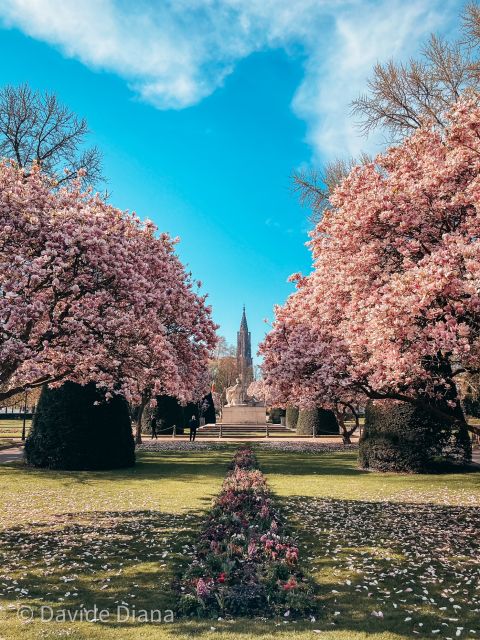
The next stop is Place Broglie, with about 10 minutes set aside for a visit. It is a shorter stop, but it helps bridge Neustadt and the central old town.
Do not expect a long pause here. The guide uses the square as part of the larger route, pointing out its place in Strasbourg’s public life and relating it to the nearby streets and buildings. This is one reason the small group matters. You can keep up without being swallowed by a crowd, and it is easier to hear while the group shifts from one point to the next.
The walk is paced rather than rushed. You spend enough time at the main stops for explanation and photographs, while shorter stops keep the route moving.
Place Kléber and the famous Christmas tree
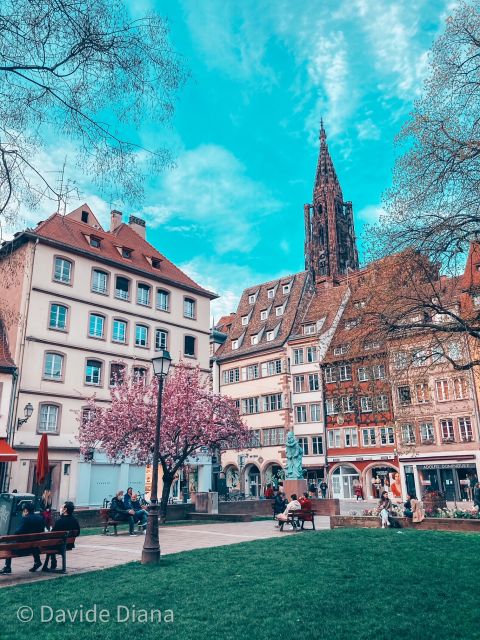
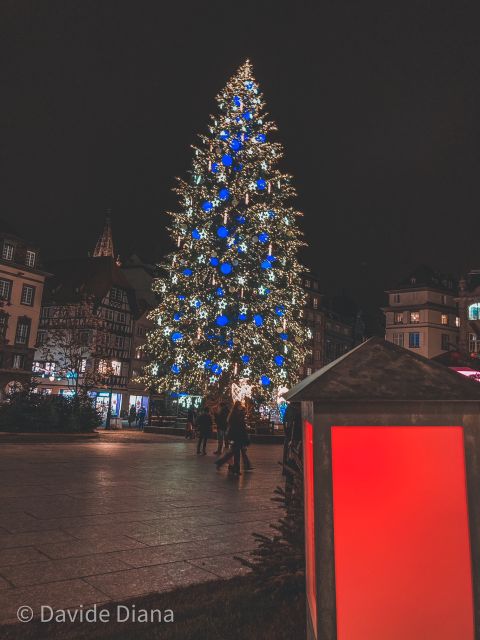
Place Kléber is the city’s key central square and receives about 20 minutes of guided attention. This is one of the tour’s strongest stops because it connects everyday Strasbourg with the city’s celebrated winter season.
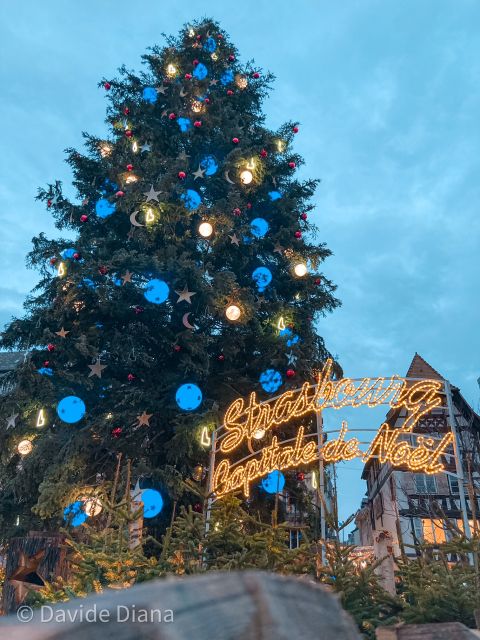
Your guide explains the tradition of the Christmas tree and the importance of Strasbourg’s Christmas market, often described as one of France’s most beautiful. If you visit outside the holiday period, you will not get the full market atmosphere, but the background still helps you understand why the square becomes such a major focus in winter.
The stop also gives you time to ask for advice about nearby places to visit. Guides such as Davide are particularly useful here for practical planning. He has offered tips on coffee, restaurants, bars, and sights to see after the walk, including suggestions away from the most obvious tourist choices.
This is a good moment to write down recommendations. You may hear several names and ideas during the afternoon, and the route leaves you close to many central streets once the tour ends.
A few more walking tours around France worth a look
- Montmartre Hidden Gems and Scenic Highlights Walking Tour
★ 5.0 · 2,684 reviews - Montmartre Hill French Gourmet Food and Wine Tasting Walking Tour
★ 5.0 · 2,588 reviews - Paris Île de la Cité and Notre-Dame Walking Tour With Crypt
★ 5.0 · 2,272 reviews - Paris in a Day: Louvre or Orsay, Eiffel Tower, City Walk & Cruise
★ 5.0 · 1,956 reviews
Grand’Rue and the transition into older Strasbourg
The route continues along Grand’Rue for roughly 10 minutes. This is a shorter guided section, but it gives you a useful transition from the large civic squares to the older quarter.
A good guide earns his fee in passages like this. Grand streets can seem straightforward when you walk them alone, yet a local explanation can point out changes in building style, details you might miss, and how the street connects the central area with Petite France.
The route is not designed for lingering at every façade. Instead, the guide keeps the historical thread intact and moves the group toward the more intimate streets ahead. If you want detailed architectural study or time for extensive photography, plan to return later.
Petite France, Strasbourg’s most atmospheric quarter
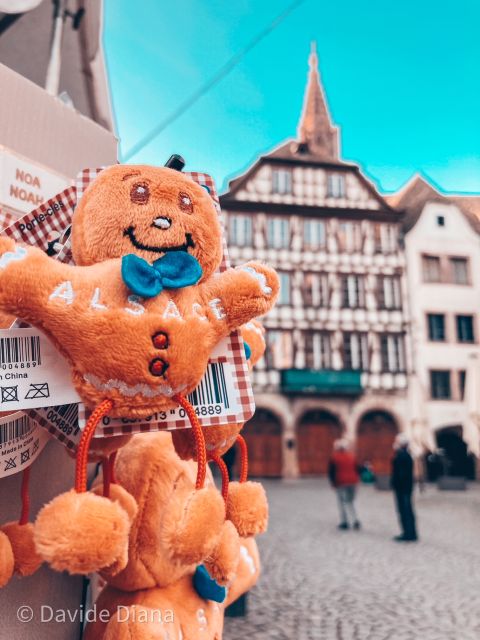
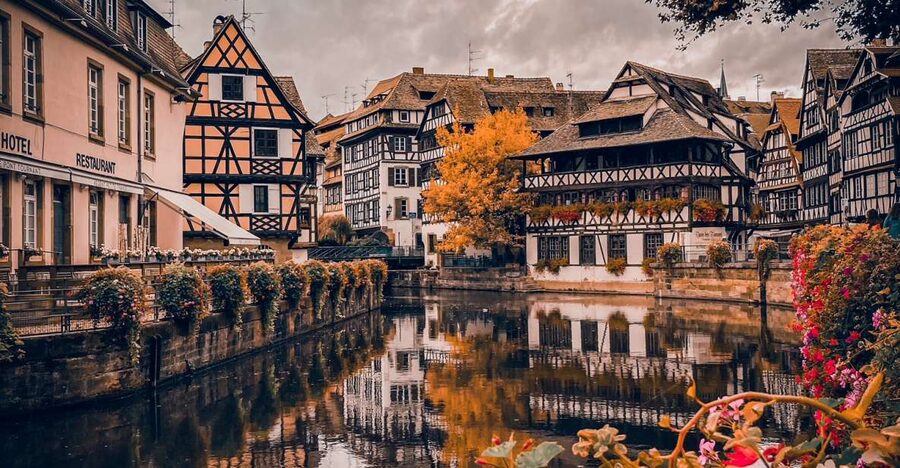
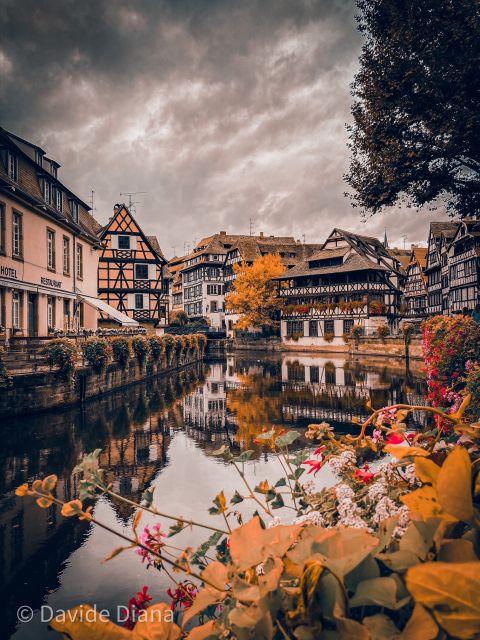
Petite France receives about 30 minutes, including a photo stop and guided sightseeing. This is likely the most visually rewarding part of the walk.
Here you see original half-timbered homes and waterwayside streets that give the quarter its familiar look. The guide explains where the name Petite France came from and how the area changed over the centuries. That explanation adds needed depth to what can otherwise feel like a purely scenic stop.
I like that the tour does not treat Petite France as a frozen postcard. The point is not simply to admire attractive façades. You hear how the neighborhood developed and why its appearance matters to Strasbourg’s wider story.
This is also the place where a small group is most useful. Narrow streets and popular photo points are easier to manage with 10 people than with a large crowd. You can stop for pictures without losing sight of the guide, though you should still expect other people around you.
The 30-minute allocation is enough for an introduction, not a full exploration. If Petite France is a priority, return later for a slower walk. Use the tour to learn the layout and identify the streets you want to revisit.
Notre Dame Cathedral and the Rayonnant Gothic finish
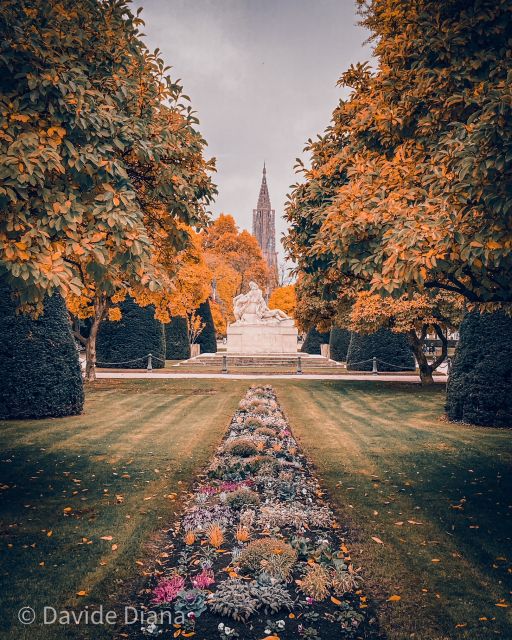
The final major stop is Notre Dame Cathedral, with about 20 minutes of guided attention and a photo stop. The tour ends at Place de la Cathédrale, so you finish in one of Strasbourg’s most recognizable settings.
The guide shares stories about the cathedral and explains its Rayonnant Gothic architecture. This is a strong ending because the building gathers many of the themes introduced earlier: Strasbourg’s long timeline, its artistic importance, and the way public monuments shape the identity of the city.
Cathedral admission is not included. The guide takes you to the landmark and explains it from the outside, but you should make a separate plan if you want to enter. That distinction matters, especially if you have a limited schedule or want to see the interior on the same day.
Ending here is convenient. Place de la Cathédrale puts you near central streets, restaurants, and other sights, and your guide can suggest what to do next.
The guide’s style and the value of the small group
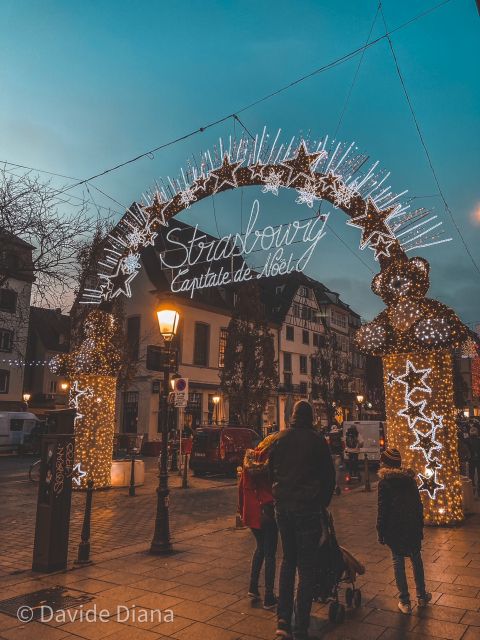
The strongest part of this experience is the presentation. Davide is repeatedly described as energetic, funny, and easy to follow. He explains a large amount of history without turning the walk into a lecture, and he uses anecdotes to keep the group engaged.
The tone also seems well judged. Strasbourg’s past includes wars, political shifts, and difficult periods, but the guide presents those subjects in a balanced way. Humor adds warmth without replacing the facts.
Language options are English and Italian. If you need a slow, highly formal presentation, this may not be your ideal match. The style is animated and conversational, with a steady pace and plenty of stories.
The group limit of 10 is a real advantage. You can hear better, ask questions more easily, and move through the streets with less fuss. It also allows the guide to make practical suggestions for individual plans. Several visitors have valued the advice on restaurants and coffee as much as the historical commentary.
Walking conditions, timing, and practical comfort
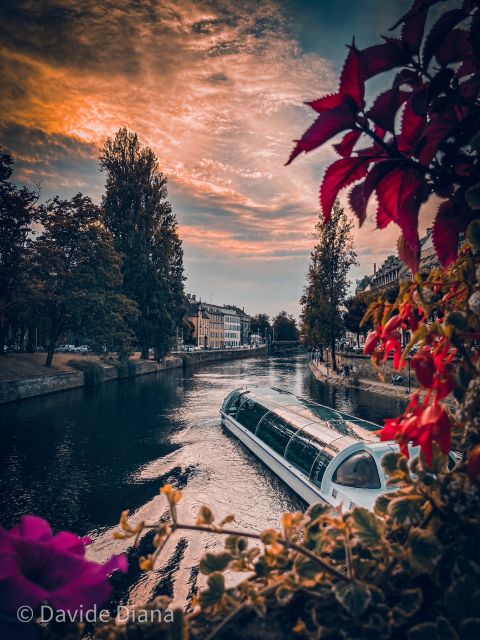
The tour lasts 150 minutes, so wear comfortable shoes. The route includes city streets, squares, and older quarters, with frequent standing and walking. Weather-appropriate clothing is essential because much of the experience takes place outdoors.
Cold weather can be a genuine concern. One winter morning felt too cold for extended standing, and shorter explanations while walking would have helped. On hot days, breaks and shade become more important, and the guide has adjusted the rhythm for warm conditions.
The tour is listed as wheelchair accessible. Still, Strasbourg’s historic streets can be busy, and the group moves through several different quarters, so anyone with specific mobility needs should consider the overall walking distance and ask the provider for current route details before booking.
Pregnant visitors are listed as unsuitable for this activity. The reason is not specified, so you should follow that restriction rather than assume the route will be comfortable.
Late arrival is risky, though one group was still able to join after arriving late. Do not rely on that. Start at the war memorial in the center of Place de la République and allow enough time to find the meeting point.
Who will get the most from this tour
I would choose this walk early in a Strasbourg stay. It gives you a map in your head, introduces the major quarters, and leaves you with ideas for the rest of your visit.
It is a particularly good fit for:
- First-time visitors who want the city explained in one connected walk
- History and architecture fans who prefer stories to a list of dates
- Couples, families, and solo visitors who like a small group
- People who want restaurant, coffee, and bar suggestions from a local guide
- Visitors deciding how to spend a short stay in Strasbourg
- English or Italian speakers who enjoy an animated guide
You may want something else if your priority is entering monuments, spending long periods inside museums, or stopping for extended photography. The cathedral is viewed and explained from outside, and the schedule keeps moving.
Booking flexibility and overall value
The tour allows cancellation up to 24 hours before the start for a full refund, and you can reserve now and pay later. Those terms are useful if your Strasbourg plans may change.
At $35, the experience offers good value for a guided overview, especially with a maximum of 10 people. The price makes less sense if you only want photographs of Petite France and the cathedral, since you can see those areas without a guide. It makes more sense if you want the city’s political story, architectural context, and practical advice woven together.
The guide is the main variable in any walking tour. Here, the repeated pattern is clear: Davide or David is energetic, funny, and strong at explaining the city. Other guide names appear in individual accounts, including Danny, so the exact person may vary. The advertised languages remain English and Italian.
Should you book the Strasbourg historical neighborhoods walk?
Book it if you want a lively introduction to Strasbourg that combines the main squares with the old quarters. The route covers a lot without becoming a checklist, and the small group plus local recommendations add real value.
I would book it near the start of your visit, then return to Petite France and the cathedral at your own pace. Pack good shoes, prepare for the weather, and remember that cathedral admission is separate. Skip it only if you want a slow, indoor-focused day or a tour devoted mainly to entering monuments.
FAQ
Where does the Strasbourg walking tour begin?
It begins at Place de la République. Your guide waits in the center of the square, in front of the war memorial.
Where does the tour finish?
The tour finishes at Place de la Cathédrale, beside Notre Dame Cathedral.
How long does the tour last?
The walking tour lasts 150 minutes, or two and a half hours.
Which places are included in the route?
The route includes Neustadt, Place de la République, Place Broglie, Place Kléber, Grand’Rue, Petite France, and Notre Dame Cathedral.
Is entry to Strasbourg Cathedral included?
No. The tour includes an outside visit and guided explanation, but cathedral entrance fees are not included.
What languages are available?
The live tour is available in English and Italian.
How large is the group?
The group is limited to 10 participants.
Is the tour wheelchair accessible?
Yes, the activity is listed as wheelchair accessible. Comfortable shoes and weather-appropriate clothing are recommended, and pregnant women are listed as unsuitable for the activity.
Just added around France
- Exclusive! Bordeaux: Nighttime Highlights Walking Tour★ 4.9 · 85 reviews
- Discovery Walking Tour of La Rochelle★ 4.9 · 72 reviews
- Colmar: Unusual Walking Tour with a local guide★ 4.9 · 194 reviews
- Colmar: Highlights Walking Tour and Wine Tasting★ 4.9 · 209 reviews
- Bordeaux: Private Walking Tour with a Local★ 4.3 · 117 reviews
- Bordeaux: Mystery and Myths Walking Tour★ 4.8 · 187 reviews
- Paris: Early Access Notre Dame Cathedral Walking Tour★ 4.2 · 80 reviews
- Boat walk in Sete on the singular island 1 hour★ 4.8 · 212 reviews
Walking Tours, compared.

Magical London: Harry Potter Guided Walking Tour
Read our review →
Reykjavik Food Walk – Local Foodie Adventure in Iceland
Read our review →
History and Hauntings of Salem Guided Walking Tour
Read our review →
New Orleans Premier Ghost, Voodoo and Vampire Walking Tour
Read our review →
Amsterdam Anne Frank: Small-Group Walking Tour & Local Guide
Read our review →

Edinburgh Castle: Guided Walking Tour with Entry Ticket
Read our review →
Anne Frank’s Story – Guided Walking Tour through Amsterdam
Read our review →Browse the lists this tour appears in