
REVIEW · NEW ZEALAND
Rotorua: Mount Tarawera Volcanic Crater Half-Day Guided Walk
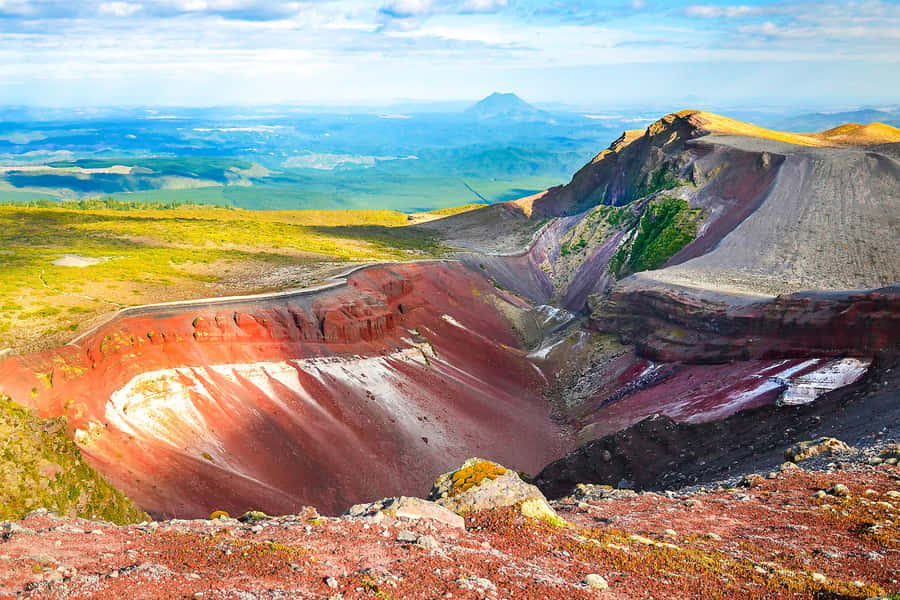
Mount Tarawera gives you something Rotorua’s geothermal parks cannot: a chance to walk across the rim of a volcano and look into its broad crater. The experience mixes a bumpy 4×4 ascent, Māori karakia, local stories, and a steep walk with views in every direction.
I like two things especially. First, the guides bring the mountain to life with stories of its eruption, Māori heritage, and local legends. Second, the scree run into the crater adds real fun to what could otherwise be a straightforward scenic walk.
The main caution is the wording around the hike. This is not always an easy walk. You may need to use your hands on steep sections, and getting into the crater is part of the route, although the fast run down the loose rock is optional. Poor weather can also hide the views.
Mount Tarawera at a glance
- A 4×4 ride takes you high up the mountain, saving energy for the summit walk and giving you an enjoyable off-road start.
- A Māori karakia at base camp sets a respectful tone before you enter an important cultural and natural place.
- The summit offers 360-degree views across volcanic country, forests, and lakes around Rotorua.
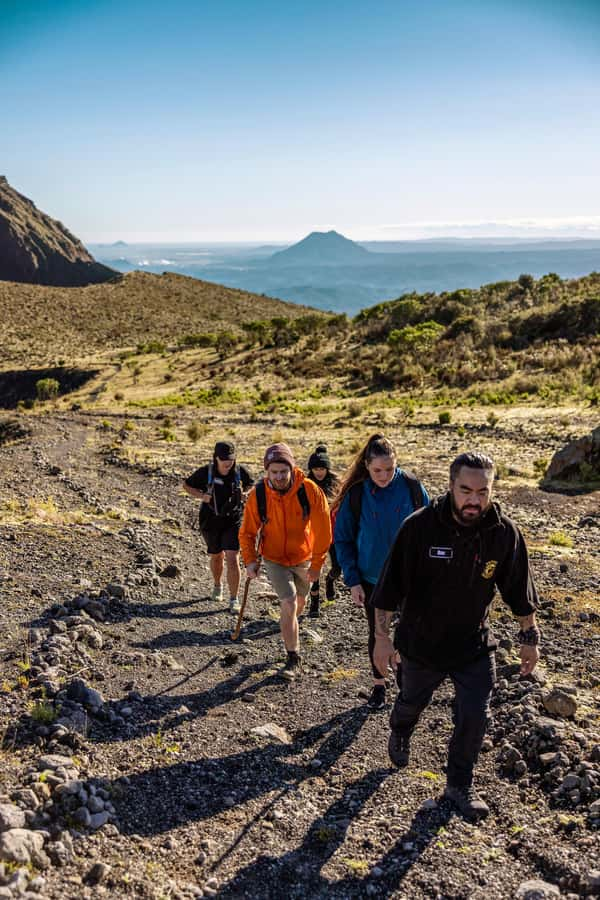
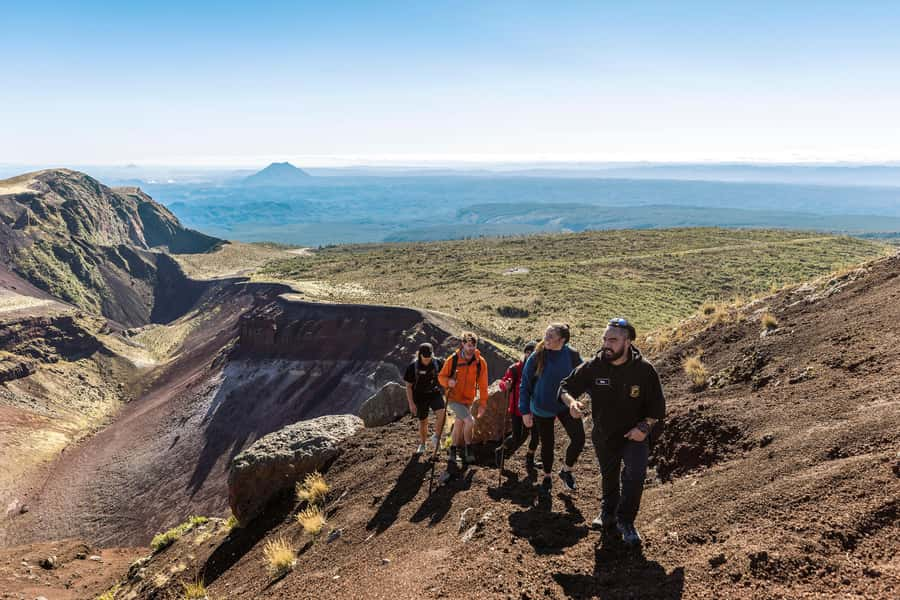
- The 90-minute crater walk is the heart of the trip, with steep ground, loose scree, and hands-on sections.
- Guides such as Kai, Tahi, Jason, Steve, and Bob have led this experience, bringing humor, encouragement, and local knowledge.
- Hotel pickup and drop-off are included, with 26 Rotorua pickup or return points listed.
Why Mount Tarawera feels different from Rotorua’s other sights
Rotorua is famous for steam vents, bubbling mud, and hot pools. Mount Tarawera gives you a wider view of the forces behind them. From the mountain, you see the volcanic country as a whole rather than from a boardwalk or viewing platform.
The mountain also carries strong Māori meaning. Your guide explains the local stories and the eruption that changed the area, then leads a karakia, or traditional Māori prayer, at the solar-powered base camp. That moment matters. It makes the visit feel less like a quick photo stop and more like an introduction to a place with living cultural importance.
I like that the cultural element is woven into the outing rather than added as a short performance. You hear stories on the drive, pause for the karakia, and continue learning as you climb. Guides including Kai, Tahi, and Jason have been praised for being welcoming, respectful, and encouraging, while Steve and Bob have also been singled out for making the day enjoyable.
The experience has earned a 4.8 rating from 121 ratings, which fits its strongest qualities: cheerful guides, clear organization, dramatic scenery, and a memorable physical challenge. Still, the high score should not make you expect a gentle sightseeing ride. The mountain sets the terms.
More Half-Day Tours in New Zealand:
- Discover Berlin Half-Day Walking Tour
★ 5.0 · 9,624 reviews - Rio De Janeiro: Half-Day Rocinha Favela Walking Tour
★ 4.7 · 2,272 reviews - Istanbul: Fener Balat Half-day Guided Walking Tour
★ 4.9 · 1,711 reviews
Hotel pickup and the road to the mountain
The outing lasts about 270 minutes, or four and a half hours from pickup to drop-off. The central walking section is described as about 4.5 hours in one part of the schedule, while the activity overview calls it a four-hour experience and includes a 90-minute crater walk. In practical terms, allow half a day and expect the exact timing to depend on pickup, driving, and the pace of the group.
Pickup is available from a long list of Rotorua hotels, motels, hostels, holiday parks, and the Rotorua i-SITE Visitor Information Centre. You need to add your accommodation details when booking and wait roadside or outside the selected pickup point. This is useful if you do not have a car, and it removes the need to arrange a separate transfer to the mountain.
The drive from Rotorua to Mount Tarawera is part of the introduction. Your guide talks about the mountain’s eruption, local history, and Māori legends before you arrive. I value this early explanation because the crater means more when you understand that it is not simply an unusual hole in the ground.
One practical point: there is no food or drink supplied. Bring water and snacks. The drive and hike together can make you hungrier than expected, especially if you are visiting on a cool but sunny day.
The 4×4 climb through native bush
At the mountain, you transfer to a rugged 4×4 vehicle for the climb toward the upper base area. The drive through native bush adds a little adventure before the walking begins. It is also a sensible use of your time and energy. You get higher without spending the first part of the outing on a long approach walk.
The ride is off-road, so it is not meant to feel like a polished coach transfer. That is part of the appeal. The changing views and rougher track help you feel that you are heading somewhere less ordinary than a standard lookout.
You pause at a solar-powered base camp before beginning the hike. Here, the guide leads the karakia, asking for protection and good fortune for the journey. The prayer gives the group a moment to settle down and recognize the meaning of the place before the more active section begins.
The off-road ride also makes this outing suitable for people who want access to a major mountain view without committing to a full-day backcountry hike. Do not confuse that convenience with a completely easy trip, though. The steep part comes after the vehicle ride.
The summit walk and 360-degree views
The walking section takes you toward the summit, where the views spread across Rotorua’s volcanic country. You can look over forests, lakes, and geothermal areas from a much higher and more open position than many city-based viewpoints provide.
The best part of the summit is the sense of scale. You are not just looking at one crater wall. You are seeing how the mountain fits into the wider region, with shimmering lakes and native forest stretching out around it. On a clear day, this is the visual payoff for the climb.
Weather can change the experience sharply. One person had low cloud and saw little, while another described a sunny day with outstanding views. You cannot control that part of the trip, so I would book it with flexible expectations. Even in good weather, the summit can be windy and chilly. Long trousers and a windbreaker are smart choices, including on a bright day.
The pace appears to be supportive rather than rushed. Guides have been praised for waiting, encouraging tired walkers, and helping people through difficult spots. Sticks are available if needed, and sunscreen has been available on the mountain. Those details help, but they do not remove the need for steady footing and reasonable fitness.
More Guided Tours in New Zealand:
- Waitomo Caves: Ruakuri Glowworm Cave Guided Walking Tour
★ 4.7 · 1,249 reviews - Rotorua: Hell’s Gate Outdoor Mud Spa & Guided Walk
★ 4.7 · 1,140 reviews - Abel Tasman National Park: Sailing and Self-Guided Walk
★ 4.8 · 238 reviews - Fox Glacier: Half Day Walking & Nature Tour with Local Guide
★ 4.7 · 170 reviews
What the crater walk is really like
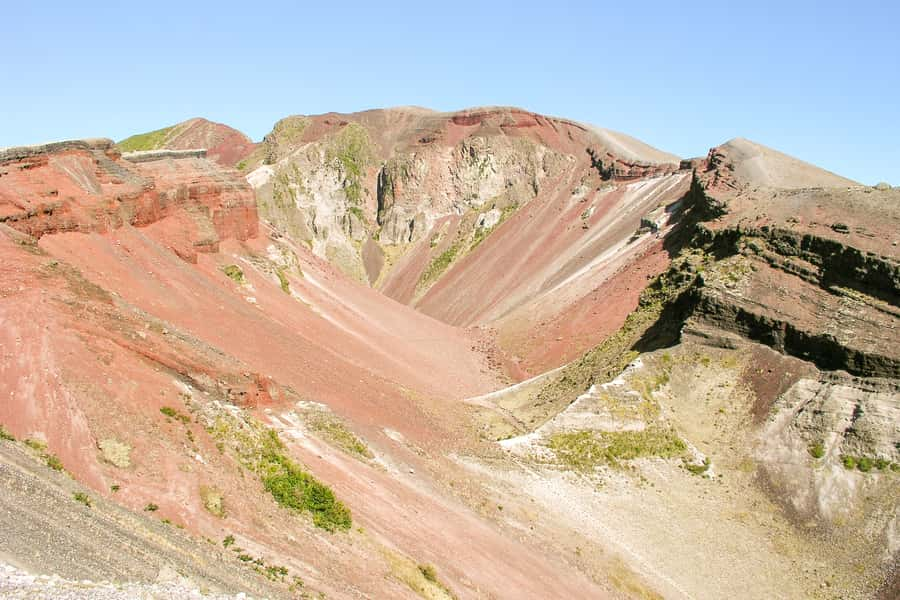
The walk around and into the crater is the centerpiece. The route is described as a guided crater walk of about 90 minutes, but you should think of it as an active trek rather than a flat stroll.
One important clarification is that the descent into the crater is not entirely optional. The running motion down the scree is optional, but there is no alternative route that avoids getting down into the crater. The ground can be steep, and some sections may involve using your hands for balance or climbing.
Loose scree is volcanic gravel that shifts beneath your shoes. Instead of carefully stepping down one rock at a time, you can make a controlled sliding run through it. People often compare the sensation to surfing a moving wave of gravel. It sounds dramatic, but the guides explain how to approach it, and you can choose a slower descent instead of running.
The activity is suitable for children aged seven and older, but age alone is not the deciding factor. Your child needs to be comfortable with steep slopes, loose ground, and a physical outing. An eight-year-old has managed the walk happily, and a 12-year-old found it a good challenge without it becoming too hard. Still, parents should be ready to offer help and follow the guide’s advice closely.
Strong knees are useful on the inclines and descents. If you have concerns about balance, heights, or steep ground, tell the guide at the start. One participant found the descent intimidating before discovering that the scree section was enjoyable. Another described facing a fear of heights. The guides appear accustomed to helping people build confidence without hurrying them.
The guides and the Māori connection
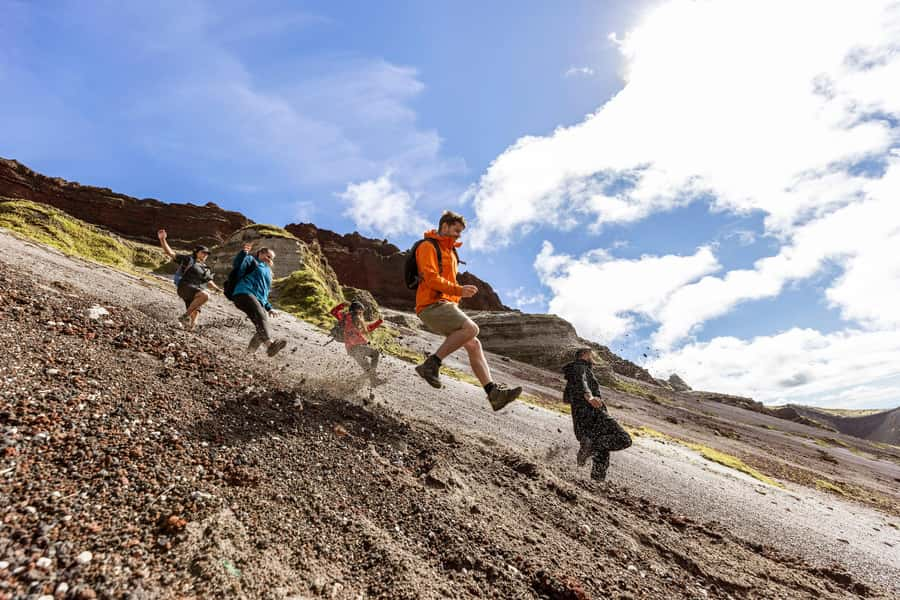
The guides are a major part of the value. The names Kai, Tahi, and Jason have been associated with welcoming, informative, and respectful outings, while Steve and Bob have also received warm praise for humor and patience. Guide staffing can change, so do not assume a particular person will lead your departure.
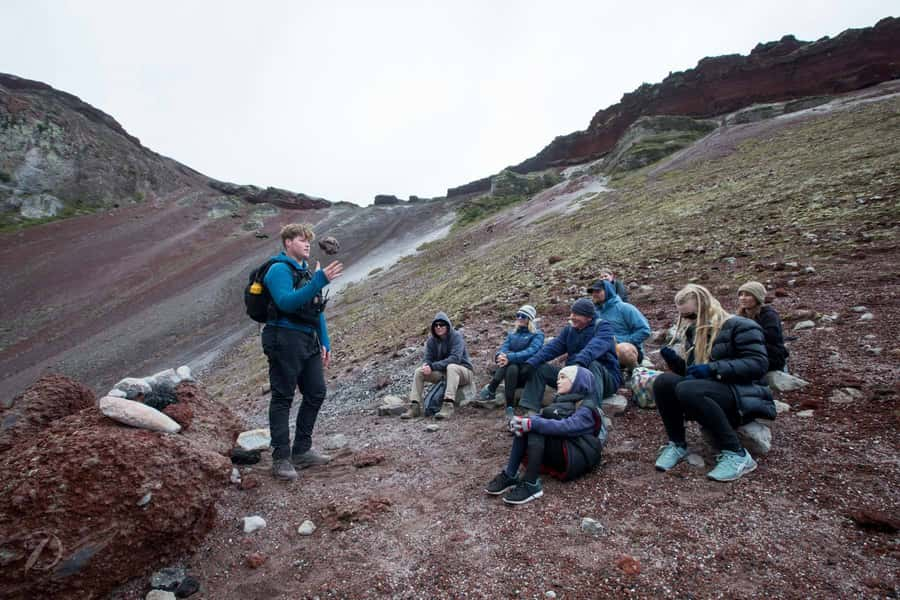
What you should expect from the guiding style is a mix of explanation and encouragement. You hear about the mountain’s history and Māori heritage, then receive practical support during the walk. The strongest guides make the cultural material feel connected to the ground beneath your feet, not like a separate lecture.
The karakia at base camp is especially important. It marks the transition from transport to walking and asks the group to approach the mountain with care. You do not need special cultural knowledge to take part respectfully. Listen, follow the guide’s lead, and treat the place as more than a backdrop for photographs.
This is also where the outing differs from a self-guided drive. You could reach other Rotorua viewpoints on your own, but you would miss the stories, the prayer, and the context that explain why Mount Tarawera matters.
Is the $118 price good value?
At $118 per person, the price is reasonable if you want a guided half-day outing with transport and a distinctive walk. The fee covers hotel pickup and drop-off, the transfer from Rotorua, the 4×4 ride up the mountain, the guided crater walk, and a local guide.
You are paying for access as much as for scenery. The 4×4 ride avoids arranging your own transport and takes you into terrain that would be difficult to visit as a casual stop. The guide also adds cultural and geological context that you would not get by simply looking at the crater.
The value is strongest for a first visit to Rotorua, especially if you want one active experience among the region’s many thermal attractions. It is less compelling if you only want a relaxed viewpoint, dislike loose volcanic ground, or expect a gentle nature walk.
Food and drink are not included, so carry your own water and snacks. That is a minor extra cost, but it is worth planning for because the trip occupies most of a morning or afternoon.
What to wear and pack
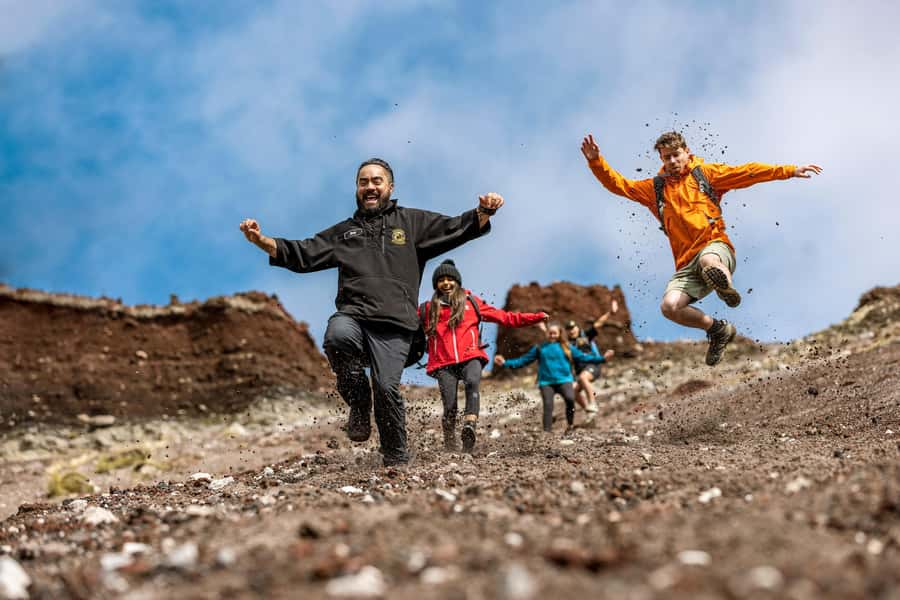
Dress for exposure, not just for the temperature in Rotorua. The summit can be windy and cold even when the weather looks pleasant in town.
Bring:
- Comfortable shoes with a secure fit
- Long trousers or other comfortable clothing
- A windbreaker
- Water
- Snacks
- Sun protection
Shoes matter most. Loose scree is easier to handle when your feet feel secure, and comfortable footwear will help on the steep sections. Avoid treating this as a casual sneaker walk if your shoes have poor grip or loose laces.
The guide can provide walking sticks if needed, and sunscreen has been available. Still, take responsibility for your basic kit. Weather can change the views and the feel of the mountain quickly.
Who should book this half-day adventure?
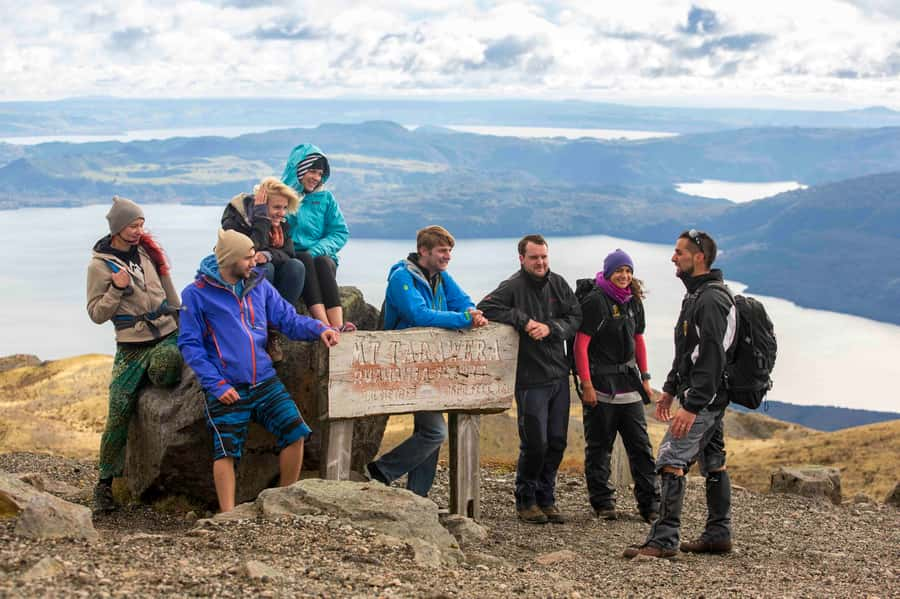
I would choose this tour if you want a strong mix of culture, scenery, and activity in one outing. It suits adults and children aged seven or older who have a moderate level of fitness and are comfortable with a genuine walk over uneven ground.
It is a good match for you if:
- You want a volcanic experience beyond Rotorua’s hot pools
- You enjoy local stories and Māori cultural context
- You like scenic drives with an active finish
- You want a challenge without committing to a full-day hike
- You appreciate guides who encourage rather than rush
I would think twice if you have low fitness, unstable knees, trouble with steep descents, or a strong dislike of heights and loose gravel. The route is manageable for many people, but it is not flat and it is not entirely a sightseeing stroll.
Weather should also influence your expectations. In low cloud, Mount Tarawera may offer a much quieter experience with limited views. On a clear day, the 360-degree panorama can become the defining memory of your Rotorua visit.
Should you book Mount Tarawera?
Book it if you want to walk into a volcanic crater, hear Māori stories from a local guide, and enjoy wide views after a short but real physical effort. The combination of a 4×4 climb, karakia, summit walk, and scree descent gives the outing a strong sense of place.
Skip it if you are looking for a smooth, easy walk or if steep ground is a serious concern. Also remember that the crater descent is part of the route, even though the quick run down the scree is optional.
For most reasonably fit visitors, this is a memorable and fairly priced half-day from Rotorua. Bring a windbreaker, water, snacks, and shoes you trust. Then let the mountain provide the drama.
FAQ
How long does the Mount Tarawera experience last?
The activity lasts about 270 minutes, or four and a half hours. The overview describes it as a four-hour experience, and the guided crater walk itself takes about 90 minutes.
Is hotel pickup included?
Yes. Pickup and drop-off are included from selected Rotorua accommodations and other listed points, including Rotorua i-SITE Visitor Information Centre. Wait roadside or outside your chosen pickup point.
What languages are available?
The live guide service is available in English and Japanese.
How difficult is the Mount Tarawera walk?
A moderate level of fitness is required. The route includes steep inclines and descents, loose scree, and some sections where you may use your hands. It is not a flat or fully gentle walk.
Is the scree run optional?
The fast running motion down the scree is optional. However, the descent into the crater is part of the route, and there is no other way back down.
Can children join the tour?
Yes. The experience is suitable for children aged seven and older. Children should still be comfortable with steep ground and an active walk.
What should I bring?
Bring comfortable shoes, a windbreaker, comfortable clothing, water, and snacks. Food and drinks are not included, but you may bring your own.
Is transport up Mount Tarawera included?
Yes. A 4×4 vehicle takes you from the base area up Mount Tarawera, and courtesy transfers connect Rotorua with the mountain.
Can I cancel the booking?
You can cancel up to 24 hours in advance for a full refund. Reserve now and pay later is also available.
Just added around New Zealand
- West Coast Treetop Walk★ 4.5 · 131 reviews
- Cruise & Rainforest Walk – Franz Josef Glacier★ 5.0 · 89 reviews
- Full Day Guided Walking Tour and Picnic around Godley Head★ 5.0 · 147 reviews
- Ōtautahi: Christchurch Small-Group Inner City Food Walking Tour★ 5.0 · 85 reviews
- Kawiti Glow Worm Cave Tour & Opua Forest Walk★ 4.5 · 124 reviews
- Auckland: Flavours of our City Food Walk★ 5.0 · 371 reviews
- Auckland Small-Group Walking Tour with Treats★ 5.0 · 182 reviews
- Auckland Food Walking Tour★ 5.0 · 73 reviews
Walking Tours, compared.

Magical London: Harry Potter Guided Walking Tour
Read our review →
Reykjavik Food Walk – Local Foodie Adventure in Iceland
Read our review →
History and Hauntings of Salem Guided Walking Tour
Read our review →
New Orleans Premier Ghost, Voodoo and Vampire Walking Tour
Read our review →
Amsterdam Anne Frank: Small-Group Walking Tour & Local Guide
Read our review →
Edinburgh Castle: Guided Walking Tour with Entry Ticket
Read our review →
Anne Frank’s Story – Guided Walking Tour through Amsterdam
Read our review →Browse the lists this tour appears in