
REVIEW · NEW ZEALAND
Ōtautahi: Christchurch Small-Group Inner City Food Walking Tour
Christchurch’s story comes together over lunch, craft beer, chocolate, honey, and gelato on this small-group city walk. Your guide links Māori culture with the city’s European past, then explains how Christchurch has changed since the 2011 earthquake. I like the personal approach, especially when guides such as Ash, Emily, and Riwai share family connections and local knowledge. I also like that the walk gives you useful ideas for what to see and eat afterward.
The main consideration is the food format. This is not only a graze-from-stall-to-stall tasting tour. A substantial part may be a sit-down meal, often at a brewery or Riverside Market venue. That suits you if you want lunch included, but less so if you prefer many small samples or expect a high-end food tour.
Key points to know before you book
- Māori culture is part of the main story: Your guide explains local culture, family, and the city’s shared Māori and European past.
- The earthquake recovery is a major theme: Expect context about the damage, rebuilding, and choices that shaped central Christchurch.
- Food comes in several forms: Tastings have included a three-course lunch, craft beer, chocolate, mānuka honey, coffee, and gelato.
- The group is capped at 12 people: That leaves room for questions and a more personal conversation.
- Ash, Emily, and Riwai have led highly personal tours: Guide style matters here, since much of the value comes through storytelling.
- The walk starts at 11:30 a.m.: It begins and ends at the Bridge of Remembrance and lasts about two and a half hours.
Why this Christchurch walk feels different
Many city tours point at buildings and recite dates. This one tries to explain how Christchurch sees itself today. The route uses streets, riverfront places, public art, food stops, and old landmarks to connect several strands of the city’s identity.
You will hear about Māori culture alongside European settlement, rather than treating Māori stories as a brief extra. Guides have also spoken about family across generations, local values, and the way different voices shaped the rebuilding of the city. That gives the walk more feeling than a simple list of attractions.
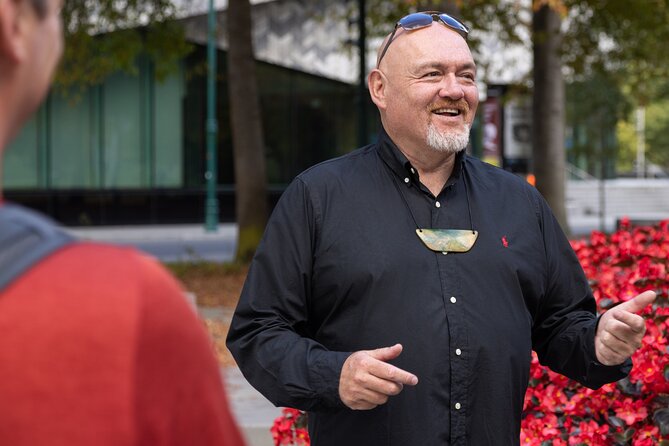
The human touch is important. Ash, also referred to as Ashley in some tour descriptions, is repeatedly praised for her warmth and clear storytelling. Emily has led tours focused on Christchurch’s past and present, while Riwai Grace has been praised for explaining the rebuild and sharing local culture. The provider also uses names such as Spud and Gracy in its guiding team.
Guide assignments can change, so you should not book on the assumption that one particular person will lead your outing. Still, the range of individual guide names tells you what kind of experience this is: a guided conversation with a local voice, not an audio tour with a fixed script.
More Food Walking Tours in New Zealand:
- Auckland: Flavours of the City Walking Food Tour
★ 4.8 · 202 reviews - Auckland Food Walking Tour
★ 5.0 · 73 reviews - Reykjavik Food Walk – Local Foodie Adventure in Iceland
★ 5.0 · 18,952 reviews
Starting at the Bridge of Remembrance
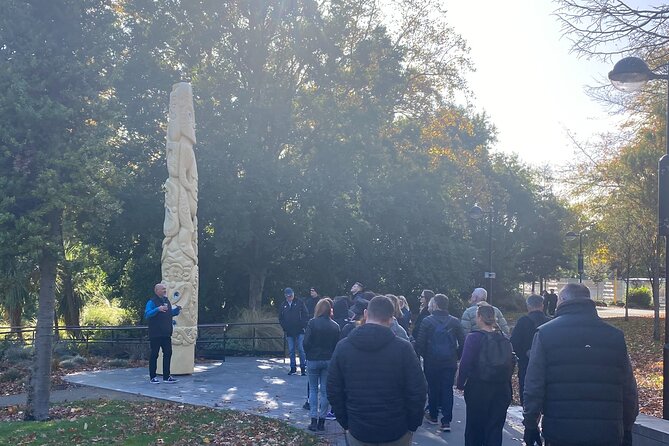
Meet at the Bridge of Remembrance on Cashel Street at 11:30 a.m. This is a sensible starting point because the bridge links Cambridge Terrace and Oxford Terrace over the Avon River and is one of central Christchurch’s best-known memorials.
Opened in 1924, the bridge gives the tour an early chance to discuss Christchurch as a place shaped by memory. It is not just a convenient meeting point. The memorial setting helps frame the city’s older civic identity before you move into its post-earthquake present.
From here, the route takes you through the inner city on foot. You can expect a relaxed pace rather than a hard march, with stops for explanation and food. The activity ends back at the same meeting point, which makes it easier to plan the rest of your day.
Because the tour is in the central city, it is near public transportation. Wear shoes you can walk in comfortably, and leave some room after breakfast. The food is not merely a token bite at the end.
Christchurch’s Māori and European story
The cultural part of the walk is one of its strongest reasons to book. Christchurch is often presented through its English-influenced architecture, gardens, river, and colonial planning. This experience adds the Māori side of the city’s story and explains how both traditions are part of present-day Christchurch.
You are not expected to arrive with background knowledge. The guide builds the subject into the walk, using places around the city to explain culture and identity in a direct way. Some guides also share personal family links, which can make the subject more immediate than a standard historical lecture.
I would pay attention to how your guide talks about family and community. Those themes appear to be central to the experience, and they help explain why public art, rebuilding decisions, and civic spaces matter here.
This is also a good option if you want more than scenic photographs. The tour gives you language and context for things you may notice later on your own. You will be better placed to understand why some parts of the city feel old, why others look newly made, and how Māori references appear in the central city.
The earthquake story and the rebuilt center
The 2011 earthquake is a central part of Christchurch’s modern story, and the walk does not treat it as a footnote. Guides point out the effects of the disaster and explain the rebuilding process, including the city’s effort to listen to different voices.
That approach makes the walking route useful even if you have already seen the obvious earthquake memorials. You get a broader sense of how the event affected buildings, businesses, public spaces, and the daily life of the city.
Riwai has been praised for giving clear perspective on the rebuild, while Ash has been singled out for explaining the post-earthquake reality. The strength of this section depends on your guide, but it is clearly one of the tour’s main subjects.
Do not expect a complete architectural survey. Two and a half hours is enough for an orientation, not a full account of every damaged building or redevelopment project. The benefit is that you get a compact introduction while moving through places you can revisit later.
I especially like this format for a first day in Christchurch. You receive practical orientation, then you can return to areas that caught your attention. Several guides also offer ideas for further places to visit, shops, and eateries.
A few more walking tours around New Zealand worth a look
- Hobbiton™ Movie Set Walking Tour from Shires Rest
★ 5.0 · 3,577 reviews - Rotorua’s Ultimate Zipline: 6 ziplines, 400 m Tandem, Cliff Walk
★ 5.0 · 2,557 reviews - Waitomo Caves: Ruakuri Glowworm Cave Guided Walking Tour
★ 4.7 · 1,249 reviews - Rotorua: Hell’s Gate Outdoor Mud Spa & Guided Walk
★ 4.7 · 1,140 reviews
Lunch at a local brewery or market venue
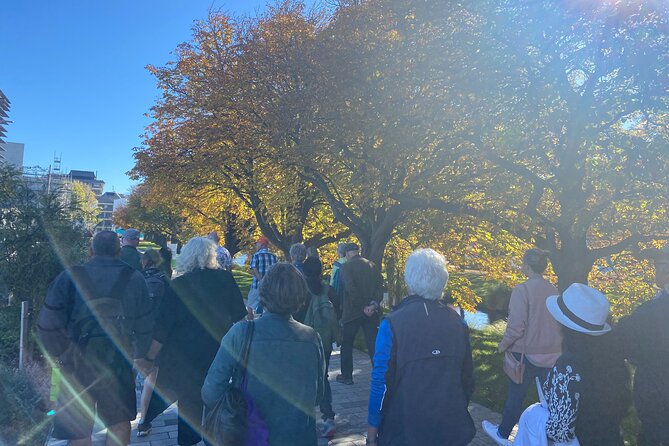
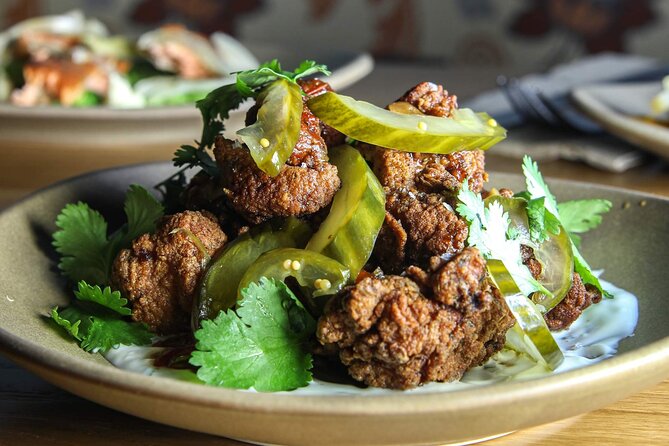
The food portion appears to be more filling than the word tasting might suggest. Outings have included a three-course lunch at a brewery in Riverside Market or at Kaiser’s Brew Garden, along with craft beer or Kaiser Pilsner.
This is good news if you want the tour to cover lunch. You are not paying for a quick sample and then buying another meal immediately afterward. The sit-down meal also gives you time to ask questions and continue the conversation without walking.
The tradeoff is variety. One meal occupies more time than several small food stops. If you picture a progressive tasting tour with a bite at every corner, adjust your expectations. One participant preferred more small tastings and less time at a restaurant, while others considered the lunch a key part of the value.
Food quality can vary by personal taste and by the venue used on the day. Most of the supplied feedback about the meal is positive, including praise for lunch at Riverside Market and Kaiser’s. But one assessment found the restaurant disappointing, especially compared with the strength of the guiding.
That is the clearest caution about booking. You are paying for the complete package of guide, culture, city orientation, lunch, drinks, and tastings. You are not choosing a restaurant independently, and the meal may be designed to suit a range of diets and preferences rather than to showcase adventurous cooking.
Chocolate, mānuka honey, coffee, and gelato
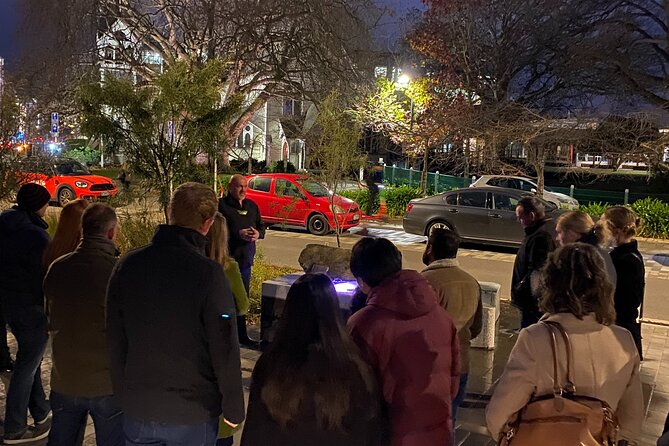
The sweet and specialty-food stops give the walking route a lighter finish. Depending on the day’s arrangements, you may sample chocolate, mānuka honey, coffee, and gelato or ice cream.
These stops help balance the heavier lunch. They also give you a few local products to think about as possible gifts or take-home purchases. The honey stop is particularly useful if you want to understand one of New Zealand’s best-known food products beyond the label on a shop shelf.
Gelato or ice cream often comes near the end, making it a pleasant finish before you return to the Bridge of Remembrance. The order of stops can vary, so consider the published food list as a guide to the experience rather than a strict promise that every item will appear in the same sequence.
Come hungry, but not famished. The combination of lunch and sweets can add up quickly, especially if a drink is included. If you have dietary restrictions, tell the operator when booking and remind your guide at the start. The experience has been adapted to personal needs and food preferences, but the exact options are not specified.
A small group with room for questions
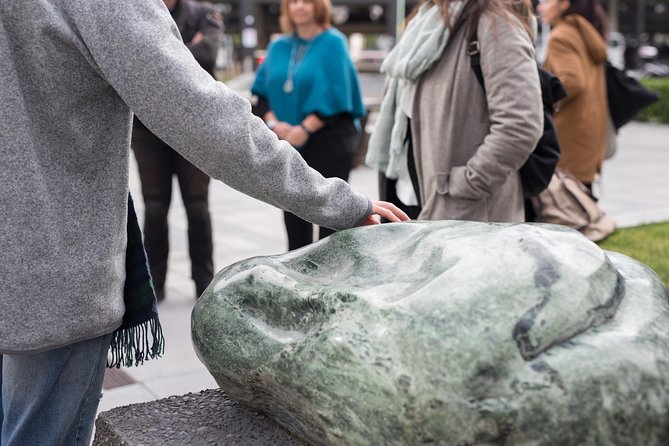
The maximum group size is 12. That is large enough to give the walk some energy, but small enough for you to hear the guide and ask questions without fighting for attention.
This matters because the tour is built around conversation. You may want to ask about Māori culture, the earthquake, local food, or what to do next in Christchurch. A smaller group gives the guide more opportunity to respond rather than simply moving through a prepared speech.
The guide’s personality can shape your day. Ash is described as friendly, funny, and especially good at making the city feel personal. Emily has been praised for her engaging explanations of the past and present. Riwai has been noted for his enthusiasm and local advice, even helping one visitor find All Blacks clothing for grandchildren.
That kind of help is not a guaranteed part of the itinerary, of course. It does show the value of a local guide who pays attention to what interests you. If you enjoy asking questions and chatting as you walk, you will get more from this than if you prefer to remain quiet and observe.
How much value do you get for $133.42?
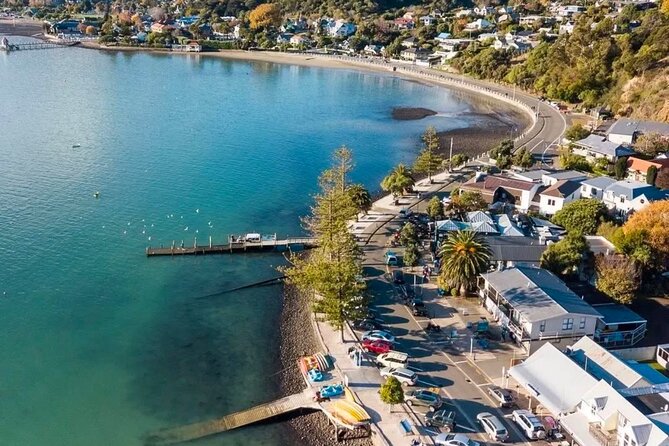
At $133.42 per person, this is not a cheap way to spend two and a half hours in Christchurch. The price makes more sense if you use the included food as a real lunch and value the cultural explanation, local orientation, and small-group format.
A rough value check includes:
- A guided central-city walk
- Māori cultural context
- Christchurch history and earthquake recovery
- A substantial lunch
- A beer or other drink
- Several sweet or specialty-food tastings
- A guide available for questions and local suggestions
The strongest value is not the retail cost of the food. You are also paying for interpretation and access to a local perspective that would be difficult to assemble on your own in a short visit.
Still, the price may feel high if your main goal is eating. One less positive assessment calculated the food against the total cost and found the package expensive for a walking tour. That is a fair concern. The experience works best when you see it as a cultural city orientation with lunch, rather than as a food crawl alone.
The excellent overall rating and 99 percent recommendation rate suggest strong satisfaction, but they do not remove the basic price question. If you are watching your budget, compare this with the cost of a separate self-guided city walk and a meal. If you would happily pay for a thoughtful local guide and would eat lunch anyway, the package is easier to justify.
Who should book this experience?
I would choose this tour early in a Christchurch stay. It gives you a map in your head, introduces the city’s major themes, and may point you toward places to return to later.
It suits:
- First-time visitors who want a clear city introduction
- Food-focused visitors who prefer lunch included
- People interested in Māori culture and modern New Zealand identity
- Anyone curious about Christchurch’s earthquake recovery
- Families who enjoy a relaxed walk with food breaks
- Visitors who prefer a small group over a large bus tour
It can also work well for older visitors or people who need a gentler pace. One outing was tailored for a participant using a walker and managing shortness of breath. Most people can participate, and service animals are allowed, but the route is still a walking activity. Ask about your needs before booking rather than assuming every stop will suit you.
I would hesitate if you want a fast architectural tour, a dedicated restaurant experience, or a long list of tiny food samples. The tour covers several subjects, so each receives an introduction rather than exhaustive detail.
The activity requires good weather and a minimum number of participants. If poor weather or low enrollment cancels it, you are offered another date or experience, or a full refund. You can cancel for a full refund up to 24 hours before the 11:30 a.m. start time. Changes or cancellations inside that window are not accepted.
Should you book the Christchurch food walk?
Book it if you want your first look at Christchurch to include people, culture, food, and earthquake recovery, not just buildings. The guides appear to be the heart of the experience, and names such as Ash, Emily, and Riwai suggest a warm, personal style rather than a dry city lecture.
The decision comes down to your food expectations. Choose it if a three-course lunch, craft beer, chocolate, honey, and gelato sound like a good use of an afternoon. Skip it if you want constant small tastings or if $133.42 feels too high for a guided walk with a sit-down meal.
For most visitors, I would put it near the beginning of a Christchurch visit. Arrive ready to eat, ask questions, and treat the food as part of a wider introduction to the city.
FAQ
Where does the Christchurch food walking tour start?
The tour starts at the Bridge of Remembrance on Cashel Street, Christchurch Central City, at 11:30 a.m.
Where does the tour finish?
The activity ends back at the Bridge of Remembrance, the same place where it begins.
How long does the tour last?
The tour lasts approximately two hours and 30 minutes.
How many people can join the tour?
The group has a maximum of 12 participants.
What food and drinks are included?
Food and drink examples include a three-course lunch, craft beer or Pilsner, chocolate, mānuka honey, coffee, and gelato or ice cream. The exact selection may vary.
Can I cancel for a refund?
Yes. You can cancel at least 24 hours before the start time for a full refund. Cancellations or changes made less than 24 hours before the tour are not refunded or accepted.
Just added around New Zealand
- West Coast Treetop Walk★ 4.5 · 131 reviews
- Cruise & Rainforest Walk – Franz Josef Glacier★ 5.0 · 89 reviews
- Full Day Guided Walking Tour and Picnic around Godley Head★ 5.0 · 147 reviews
- Kawiti Glow Worm Cave Tour & Opua Forest Walk★ 4.5 · 124 reviews
- Auckland: Flavours of our City Food Walk★ 5.0 · 371 reviews
- Auckland Small-Group Walking Tour with Treats★ 5.0 · 182 reviews
- Auckland Food Walking Tour★ 5.0 · 73 reviews
- Stevensons Island 2-Hour Cruise and Nature Walk★ 4.6 · 160 reviews
Food Walking Tours, compared.

Reykjavik Food Walk – Local Foodie Adventure in Iceland
Read our review →
Ho Chi Minh City Street Food Tour & Sightseeing By Motorbike
Read our review →
New Orleans Food Walking Tour of the French Quarter with Small-Group Option
Read our review →
Authentic Parisian Gourmet Food Tour with 10 Local Dishes & Wines
Read our review →
Savannah First Squares Culinary & Cultural Walking Food Tour
Read our review →Browse the lists this tour appears in