
REVIEW · ROME
Rome Walking Tour: Pantheon, Trevi, Navona & Hidden Gems
Rome reveals itself best on foot, and this tour links major sights with quieter streets and small surprises between them. In about two hours, you move from Piazza Venezia and Trajan’s Column to the Trevi Fountain, Galleria Sciarra, Sant’Ignazio, and the Pantheon, finishing near Piazza Navona.
I like the small-group feel and the practical advice at the end. Guides including Dan, Domenica, Sharon, and Yousef are praised for turning dates and architecture into easy stories, then offering useful suggestions for food and later sightseeing. I also like that guides sometimes use side streets and less crowded viewpoints.
The main consideration is pace. This is a compact route with several major stops, and the Pantheon is passed rather than entered. Meeting points can also vary by booking option, so check your confirmation carefully.
Key points at a glance
- A strong first look at central Rome: See several famous monuments without spending a full day on one site.
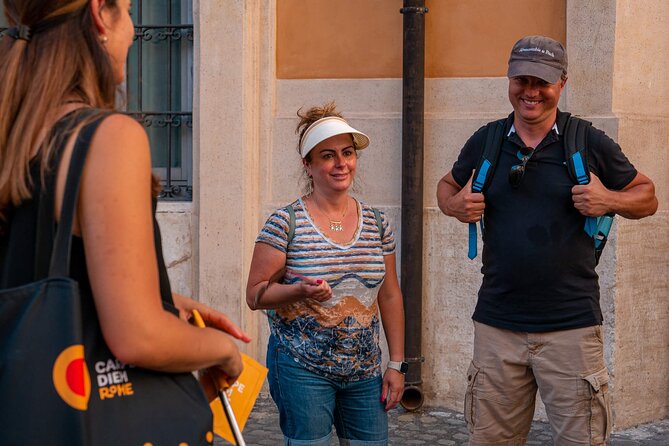
- Several guides earn warm praise: Dan, Domenica, Sharon, Yousef, Polina, Kasia, and others are noted for clear explanations, humor, and friendly service.
- The route includes more than the headline sights: Galleria Sciarra and Sant’Ignazio add art, architecture, and quieter moments.
- Good local advice comes at the finish: You can ask about restaurants, markets, neighborhoods, bars, and rooftop terraces.
- The Pantheon is a pass-by stop: You see it from outside, but an interior visit is not part of this walk.
- Useful planning details: The tour costs $23 per person, lasts two hours, runs in English or Spanish, and offers private or small-group options.
Why this walk works as a Rome introduction
Rome can feel like a grand museum without walls. A fountain appears around one corner, an ancient column rises beside a modern traffic lane, and a church interior suddenly opens into a burst of painted illusion. This walk gives you a guided first pass through that mix.
The route is not built around one single monument. Instead, it shows how Rome’s layers sit together. You hear about the Roman Empire, later church history, architecture, and the modern city while moving through streets that connect the sights.
That makes the tour especially useful early in a visit. I would use it to get my bearings, note places I want to return to, and ask the guide where to eat afterward. You will not explore each monument in museum-level detail, but you will build a clear map of central Rome.
The price is $23 per person, which is a reasonable rate for a live, two-hour orientation if you want context instead of simply walking between photo stops. Since food, drinks, transportation, and admission to interior attractions are not included, think of it as a guided city walk rather than an all-inclusive sightseeing package.
More Hidden Gems Walks in Rome:
- Rome Highlights & Hidden Gems Guided Walking Tour
★ 4.8 · 280 reviews - Alternative Walking Tour of Rome’s City Center & Hidden Gems
★ 4.8 · 244 reviews - Dublin Highlights and Hidden Gems Guided Walking Tour
★ 5.0 · 6,020 reviews
Starting near Piazza Venezia
The exact meeting point depends on the option you book. The listed starting choices include Piazza d’Aracoeli and Piazza di Pasquino, with Piazza di Pasquino appearing more than once in the supplied choices. Check the final meeting instructions before setting out.
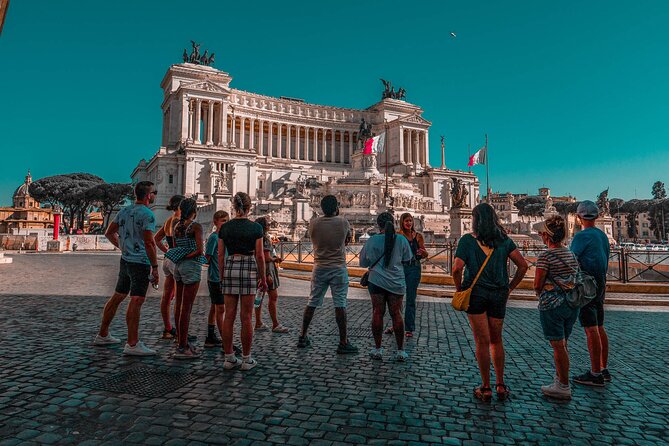
Piazza Venezia is one of the most useful opening points because it brings together several layers of Rome at once. The square is dominated by the Monument to Victor Emmanuel II, while broad roads and heavy traffic show the modern capital pressing around older landmarks.
Your guide uses this setting to explain Rome’s long political story, from imperial power to the formation of modern Italy. It is a lively start, though not a quiet one. Traffic can make it harder to hear, so stay close to the guide and keep an eye out for the group.
The tour is designed as a walking experience through central streets. There is no hotel pickup or drop-off, so you need to reach the meeting point on your own. Comfortable shoes are essential. Comfortable clothing also matters, especially in warm weather, when shade and short pauses can make a real difference.
Trajan’s Column and Rome’s imperial story
Trajan’s Column is one of the route’s most useful history stops. Its carved spiral tells a military story in stone, and a guide can help you understand what you are looking at rather than leaving you to admire the column as a tall object in a busy square.
This is where a good guide earns the fee. Dan is repeatedly praised for turning complex history into clear, friendly explanations. Other guides, including Sharon, Polina, and Yousef, are noted for using stories, facts, and humor to make Rome easier to follow.
You should expect an outdoor explanation rather than a formal museum lecture. That keeps the walk moving, but it also means the amount of detail depends on the guide, the group, and the street conditions. The best approach is to ask questions as you go. Guides are described as approachable and willing to answer individual questions while walking.
Trevi Fountain without wasting the whole morning
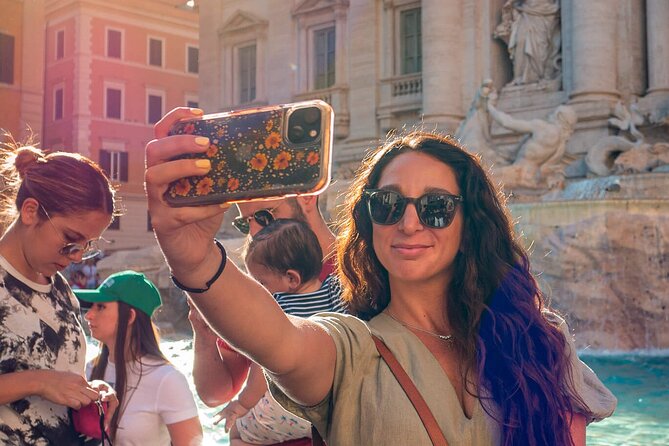
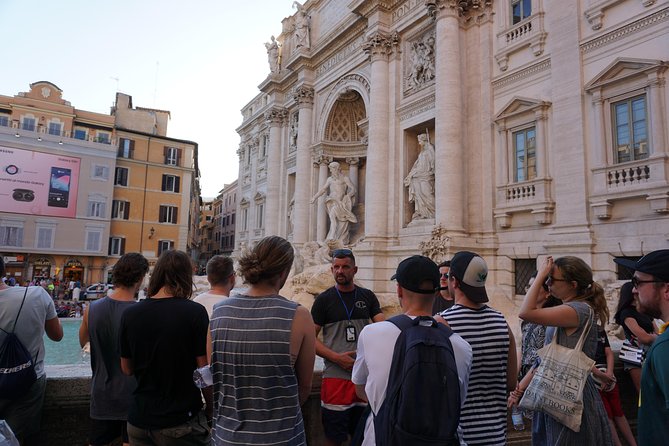
Trevi Fountain receives the longest listed stop, about 30 minutes, and rightly so. It is one of Rome’s most famous scenes, with a monumental composition that is difficult to take in from a single angle.
The fountain can be crowded and noisy. A guide who knows the area can help you focus on the sculpture and the stories around it instead of spending the entire stop searching for a clear photo. Several guides are praised for using less crowded routes and viewpoints when possible, a useful habit in this part of the city.
Do not expect a leisurely private photo session in front of the fountain. This is a group walking tour, and the stop has to fit into a larger route. Still, 30 minutes gives you time to listen, look around, and take pictures before moving on.
Trevi is also a good example of what this tour does well. You see a major landmark, but you are not left with a single postcard fact. The guide places it within Rome’s art, public spaces, and daily life.
A few more walking tours around Rome worth a look
- Rome: Guided Food Walking Tour with Wine in Trastevere
★ 4.9 · 3,105 reviews - Rome: Trastevere & Campo de Fiori Street Food Walking Tour
★ 4.9 · 2,768 reviews - Rome: Paranormal Night Walking Tour & Secret Backstreets
★ 4.9 · 1,921 reviews - Rome: Trastevere Street Food Walking Tour with Local Expert
★ 4.8 · 1,784 reviews
Galleria Sciarra, a colorful surprise
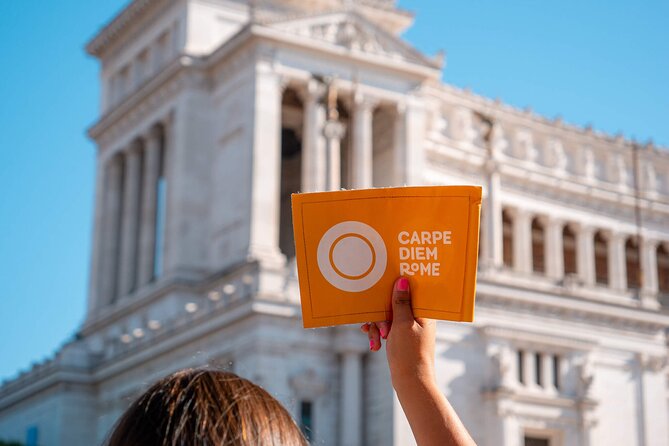
Galleria Sciarra is one of the route’s more unusual stops. It is easy to walk past if you are focused only on Rome’s headline monuments, yet its decorative interior gives you a different view of the city.
The gallery is known for its ornate painted decoration and enclosed arcade. Here, the tour shifts from ancient stone and monumental fountains to a more intimate architectural detail. This is exactly the sort of stop that helps a central Rome walk feel less like a checklist.
I like this part because it rewards looking up and slowing down. The guide can explain the building’s design and show you details that might otherwise blur into the busy city center. It also offers a visual change after the open space around Trevi Fountain.
Access and conditions at smaller sites can vary, so follow the guide’s instructions. The important point is that this is a brief guided look, not a long independent visit.
Sant’Ignazio and Rome’s theatrical churches
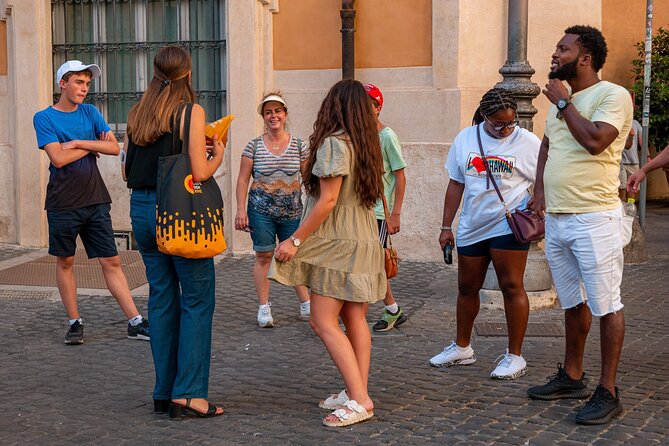
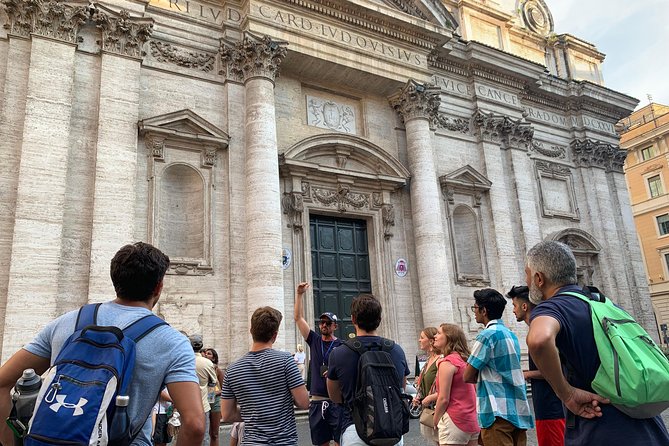
The Church of Sant’Ignazio di Loyola adds another strong contrast. From the outside, it may not announce what waits inside. Within the church, painted architectural effects create the impression of domes and depth where the structure is flatter than the eye first believes.
This is a fine stop for anyone interested in art, illusion, or church design. It also gives your guide a chance to explain how Rome’s religious buildings shaped the city’s visual culture.
The route lists about 20 minutes here, enough for an explanation and a careful look without turning the walk into a specialist art tour. If you are traveling with family members or friends who do not want a day of museums, this kind of short, focused stop can work well.
Remember to dress appropriately for a church visit. The supplied guidance asks for comfortable clothing, but normal church etiquette still applies. The experience also depends on the church being open and suitable for the scheduled visit, so the guide may need to manage the timing.
The Pantheon from outside
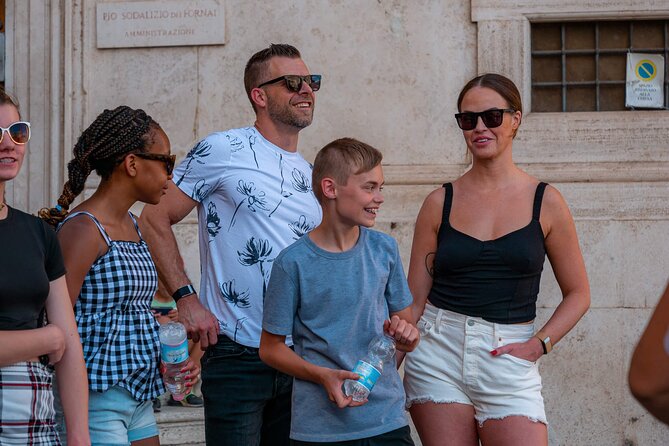
The Pantheon is included as a pass-by stop rather than an interior visit. That distinction matters. You can admire the ancient facade and hear about the building, but admission is not part of this tour.
For a first look at Rome, an exterior explanation still has value. The Pantheon is one of the city’s clearest examples of how ancient construction remains part of everyday streets. You can return later if you want more time inside.
I would treat this stop as a planning advantage rather than a disappointment. The walk lets you identify the building and understand why it matters, while leaving your schedule open for a separate visit. If entering the Pantheon is a top priority, make room for it elsewhere in your itinerary.
Finishing around Piazza Navona
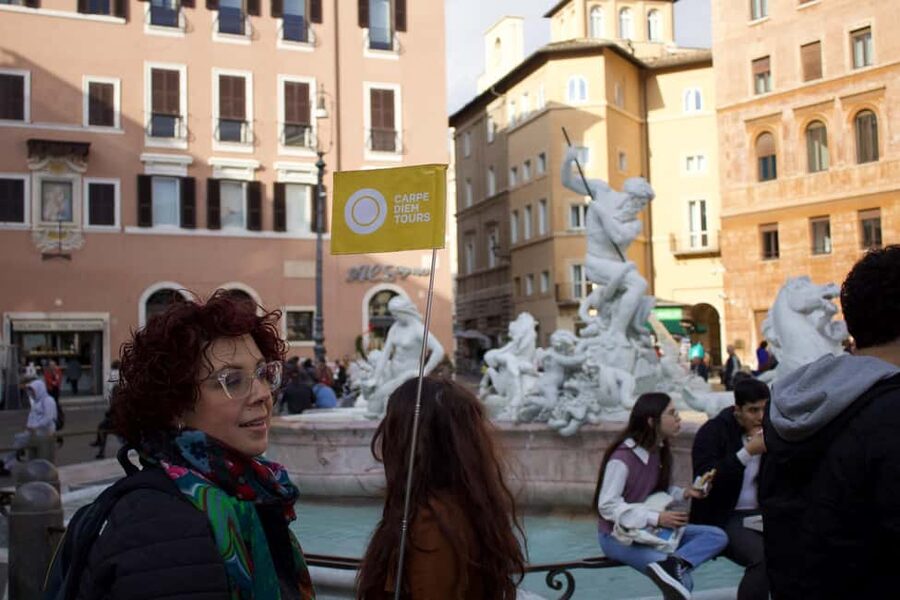
The tour ends at or near Piazza Navona, with Piazza Navona among the listed drop-off choices. Other listed end points include the Colosseum area and Piazza del Colosseo, so the final location can depend on the option booked.
Piazza Navona is a useful place to finish because it has plenty of choices for the rest of the day. You can ask the guide about nearby restaurants, bars, rooftop terraces, markets, and neighborhoods. Several guides, including Dan, Domenica, Sharon, and Yousef, are praised for giving specific suggestions rather than generic advice.
This final conversation is one of the tour’s practical strengths. A guide can help you decide where to eat, what to see next, or which areas deserve a return visit. You may also get advice suited to your pace, interests, or remaining time in Rome.
Food and drinks are not included, so plan to pay separately after the walk. That is not a problem for most people, since ending near eateries gives you control over what comes next.
The guides make the difference
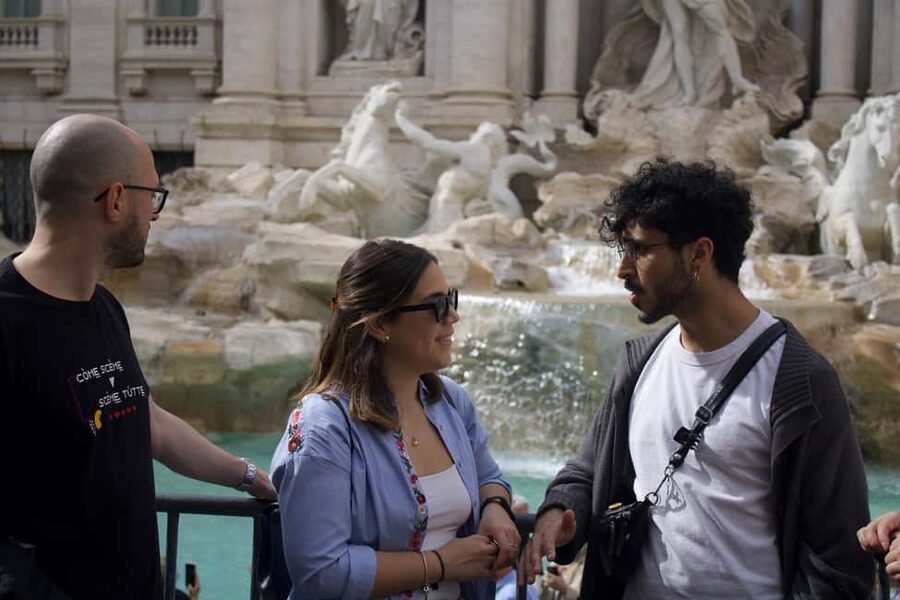
The strongest part of this experience is the guide. Dan receives especially warm praise for his academic background, clear delivery, and ability to make history accessible. Domenica is noted for adapting to a private group’s pace and taking time to explain places carefully.
Sharon is praised for combining extensive knowledge with personal experience of living in Rome. Yousef is described as friendly, inclusive, and good at bringing a group together. Polina and Kasia are also noted for clear explanations, useful answers, and an easy manner.
The guide names suggest a rotating team rather than one guaranteed person. You cannot assume you will receive Dan, Domenica, Sharon, or Yousef unless the booking option specifically says so. Still, the pattern is encouraging: the experience appears to depend on a team that values storytelling, questions, and practical local help.
English and Spanish are available. If language is important to you, confirm that your chosen departure offers the language you need.
Group size, pace, and comfort
Private and small-group options are available. A small group can make a real difference in Rome, where narrow streets, traffic, and crowds can make a large walking party awkward. It is also easier to ask a question or hear the guide when the group is intimate.
The pace is intended to cover a lot in two hours. You will walk between several sites, listen outdoors, and make short stops along the way. This suits people who want a broad introduction, but it may feel quick if you prefer long periods at each monument.
Summer heat is another practical factor. One guide is specifically praised for finding shade and adjusting the walk during temperatures above 35 degrees Celsius. That kind of awareness matters, but you should still bring water and wear shoes you can walk in comfortably.
There is no stated hotel transfer, so allow time to reach the starting point. Because meeting and ending points vary by option, do not plan a tight connection immediately afterward.
Who should book this walk?
I would recommend it to first-time visitors who want a useful orientation before choosing longer museum or monument visits. It also suits people with only a short stay, families who prefer stories to long indoor visits, and anyone who wants restaurant suggestions from a local guide.
It is a good fit if you enjoy learning while walking and like seeing both famous places and smaller architectural details. The stop at Galleria Sciarra, the church visit, and the side streets give the route more character than a simple fountain-to-fountain march.
You may want something else if your priority is entering every major monument. The Pantheon is only passed, and there is no indication that the walk includes interior admission to the other landmarks. You also need to be comfortable walking for two hours in city streets.
Practical booking advice
The tour costs $23 per person and lasts two hours. Private or small-group choices are available, so compare the options carefully rather than assuming every departure has the same group setup.
You can cancel up to 24 hours before the activity for a full refund, and the reserve-now, pay-later option keeps payment flexible. Those terms are useful if your Rome schedule is still changing.
Bring comfortable shoes and clothing. Food and drinks are not included, and there is no hotel pickup or drop-off. Check the meeting point, language, group type, and final drop-off before booking.
Should you book the Rome city-center walk?
Book it if you want a friendly, story-led introduction to central Rome for $23. The route covers major sights, lesser-known architectural details, and practical neighborhood advice without taking up a full day.
I especially like it as a first-day activity. You can learn the basic shape of the city, note where you want to return, and finish with a guide’s suggestions for food and further exploring.
Skip it if you want long interior visits or a slow study of each monument. For everyone else, this is a well-priced way to get oriented, hear Rome explained in plain language, and see how the city’s ancient, religious, artistic, and modern sides fit together.
FAQ
How long does the Rome walking tour last?
The stated duration is two hours.
How much does the tour cost?
The listed price is $23 per person.
Which sights are included?
The route includes Piazza Venezia, Trajan’s Column, Trevi Fountain, Galleria Sciarra, the Church of Sant’Ignazio di Loyola, and a pass-by visit at the Pantheon. The walk finishes at a listed drop-off point that can include Piazza Navona or the Colosseum area.
Can I enter the Pantheon during the tour?
The Pantheon is listed as a pass-by stop. Interior admission is not included in the activity details.
What languages are available?
The live tour guide is available in English or Spanish.
Is this a private tour?
Private and small-group options are available, depending on the option you book.
What should I bring?
Bring comfortable shoes and comfortable clothing. Food and drinks are not included, and hotel pickup and drop-off are not provided.
Just added around Rome
- Rome: Colosseum and Ancient Rome Guided Walking Tour★ 4.5 · 95 reviews
- Rome: Underground Trastevere Guided Walking Tour★ 4.8 · 87 reviews
- Rome: Trastevere and Roman Ghetto Guided Walking Tour★ 4.7 · 79 reviews
- Rome: Guided Walking Tour and Pantheon Priority Entry Ticket★ 4.3 · 317 reviews
- Rome: Trevi Fountain, Spanish Steps & Pantheon Walking Tour★ 4.6 · 336 reviews
- Rome Night Mysteries Guided Walking Tour★ 4.9 · 119 reviews
- Rome: Relics from the Passion of the Christ Walking Tour★ 4.9 · 84 reviews
- Rome Trastevere Walking Food Tour★ 4.8 · 97 reviews
Hidden Gems Walking Tours, compared.
Dublin Highlights and Hidden Gems Guided Walking Tour
Read our review →
Explore Berlin: See All The Iconic Sights & Some Hidden Gems
Read our review →
San Marco to Rialto Walk & Spritz Like a Local
Read our review →
Kyoto Geisha Walking Tour: Gion District & Hidden Gems
Read our review →
Eat Like a Local: Venice 3-Hour Small-Group Food Tasting Tour
Read our review →
Montmartre Hidden Gems and Scenic Highlights Walking Tour
Read our review →
Guided Walking Tour of City Highlights & Hidden Gems
Read our review →
Browse the lists this tour appears in