REVIEW · NUREMBERG
Nuremberg 2-Hour Old Town Highlights Walking Tour in English
Nuremberg’s story comes in sharp contrasts: medieval walls and Renaissance art on one side, the Nazi Party Rally Grounds on the other. This two-hour walk gives you a quick, useful introduction, starting at the main train station and ending at the Hauptmarkt.
I like the easy central meeting point and the chance to see major Old Town sights without wasting time on transport. I also like the practical touch: your guide can point you toward Nuremberg sausages, amber lager, seasonal markets, and better food choices for different budgets and tastes.
The main drawback is pace. Two hours is enough for orientation and outdoor commentary, not a full visit inside every landmark. The tour takes place rain or shine, and it is not suited to people with mobility impairments.
Key points at a glance
- Start beside Nuremberg Hauptbahnhof: Meet by the large central arched entrance, where your guide carries a red and white Nuremberg Tours in English sign.
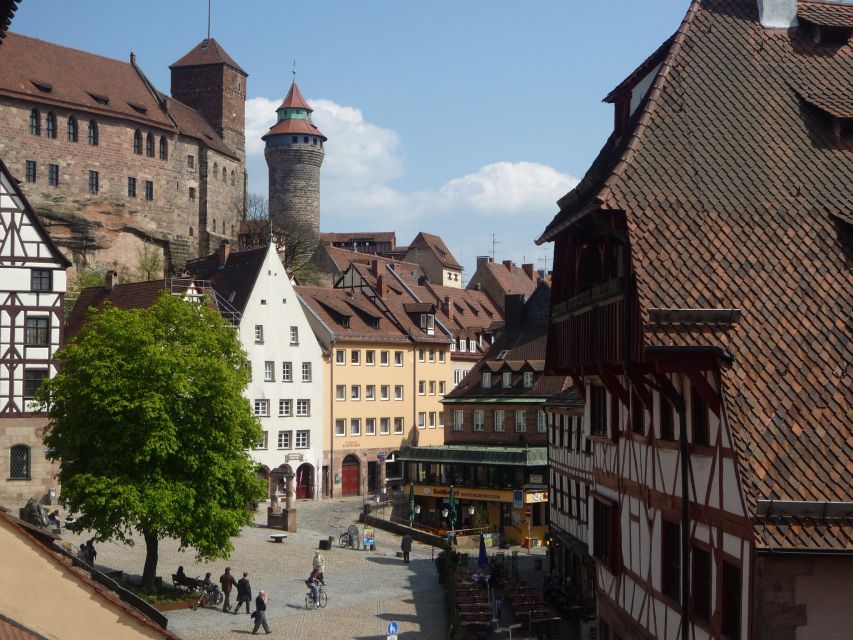
- See the medieval core on foot: Walk through the Craftsmen’s Court, Hauptmarkt, Old City Hall area, and the courtyards of Imperial Castle.
- Connect art and city life: Pass St. Lorenz Church, St. Sebaldus Church, and Albrecht Dürer’s House while learning about Nuremberg’s Renaissance past.
- Get practical food advice: Your guide can help you find famous Nuremberg grilled sausages, amber lager, and more modern food choices.
- Expect a brisk two hours: The tour offers exterior visits and guided stops, but not time for a full museum-style inspection of every site.
- Know the history is wide-ranging: The experience includes medieval Nuremberg and also points connected with the Nazi Party Rally Grounds.
Why this short walk works well in Nuremberg
Nuremberg is a good city for a walking tour because much of the Old Town is pedestrian-only. You can move from stone walls to narrow streets, market stalls, churches, and castle courtyards without repeatedly stopping for traffic.
The route also gives you a useful first look at the city’s different eras. Nuremberg grew in importance during the Holy Roman Empire, became a major center of German Renaissance culture, and later carried a dark association with Nazi rallies and the postwar trials.
That range matters. A tour that only shows pretty half-timbered buildings would leave out too much. A tour that focuses only on political history would miss the daily life, art, churches, and food that make the center enjoyable now.
At $21 per person, this is priced as an affordable orientation rather than a premium specialist tour. I see the value in booking it early in your stay, then using the guide’s suggestions to shape the rest of your time in Nuremberg.
More City Highlights Walking Tours in Germany
- Berlin City walk Government District and Places of Democracy
★ 4.7 · 8,467 reviews - Munich: Old Town & Viktualienmarkt City Walk in German
★ 4.7 · 2,304 reviews - Dresden: Guided City Walk
★ 4.6 · 2,075 reviews
Meeting at Hauptbahnhof and entering Handwerkerhof
You meet in front of the large central arched entrance of Nuremberg Central Station, also called Hauptbahnhof. Look for the guide holding a red and white Nuremberg Tours in English sign, and arrive a few minutes early so check-in does not delay the group.
The first major stop is Handwerkerhof Nuremberg, known in English as the Craftsmen’s Court. This area offers a compact introduction to traditional Nuremberg, with colorful buildings and a setting beneath the old city walls.
It is a smart opening stop because you get an immediate sense of the city’s medieval character without a long walk from the station. You can also take early photographs here before the tour reaches the busier center.
The old walls are not just decoration. They help explain why Nuremberg developed as a fortified imperial city, and they give the route a strong visual frame. Your guide can connect the physical remains to the city’s role in the Holy Roman Empire.
St. Lorenz Church and the River Pegnitz
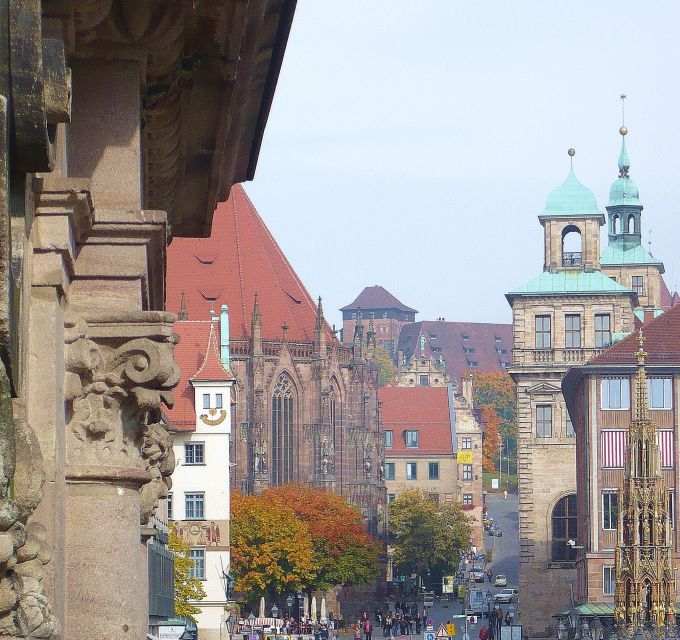
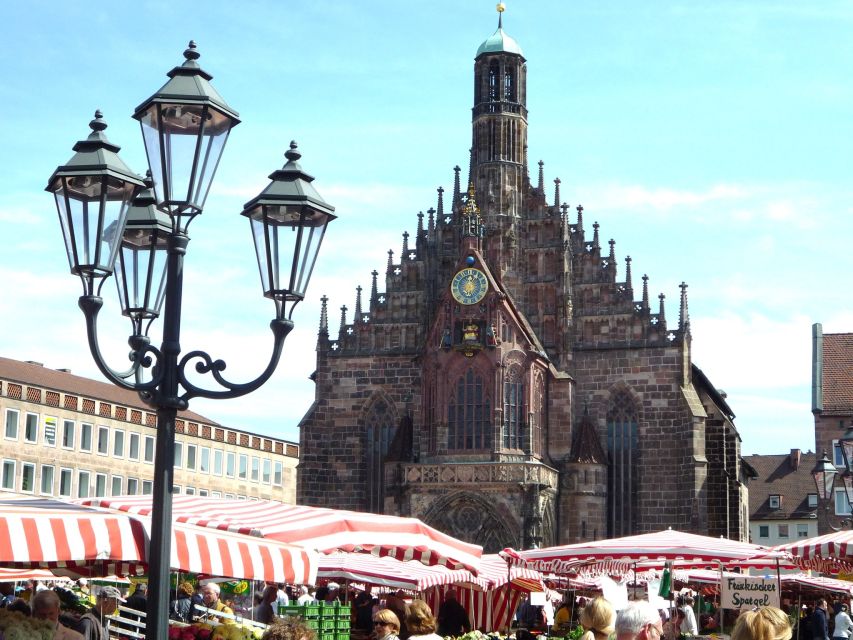
The route passes St. Lorenz Church, one of the major Gothic landmarks in the Old Town. Since the church is listed as a pass-by rather than a full interior visit, expect exterior commentary and a short look at its place in the city.
This is one reason to keep your expectations realistic. You are getting a guided survey, not a church tour with extended time for art, architecture, or quiet reflection inside.
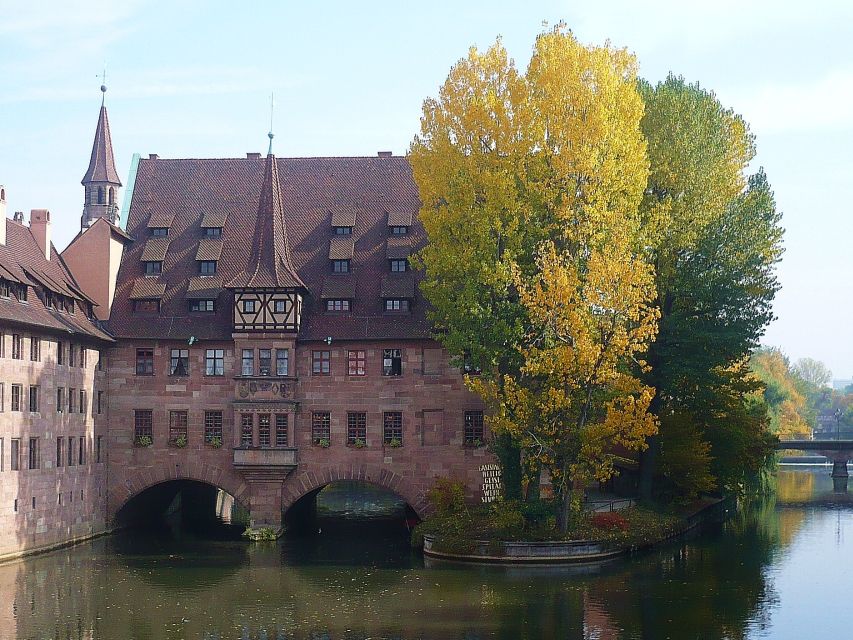
The walk also follows the River Pegnitz. The river helps break up the stone streets and gives you a different view of Nuremberg’s center. Along the way, your guide can tie together the old buildings, bridges, and commercial life that grew around the water.
I like this part of the route because it keeps the tour from becoming a list of isolated monuments. You see how the city works as a place, not only how it looks in photographs.
Hauptmarkt, the Beautiful Fountain, and Old City Hall
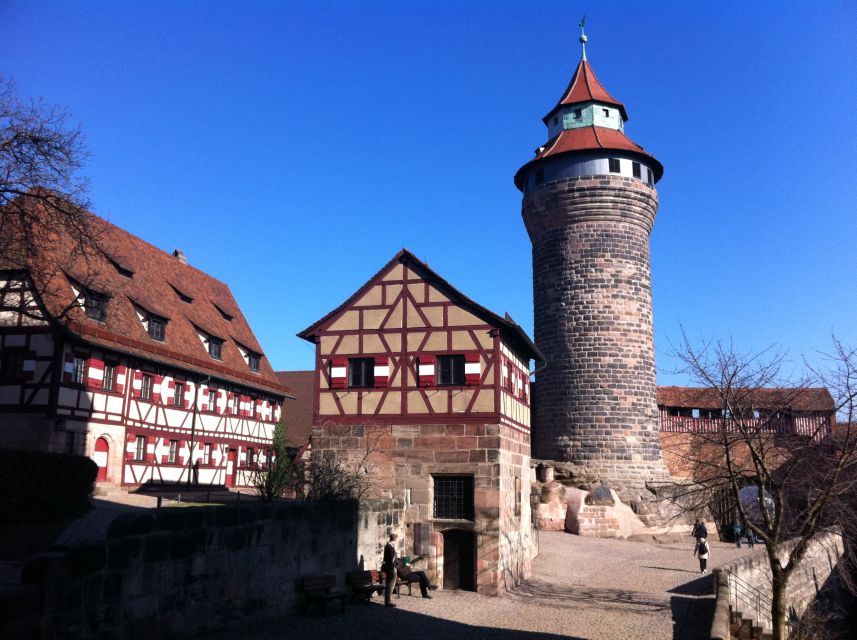
Hauptmarkt is one of the tour’s central stops. This large marketplace hosts Nuremberg’s famous Christkindlesmarkt in December, but the square is useful at other times too, with seasonal markets and festivals held throughout the year.
The Beautiful Fountain is another key sight here. Its ornate form gives the square a memorable focal point, and your guide can explain why this open space has mattered to Nuremberg’s public life.
You also visit the Old City Hall area. Together, the marketplace and city hall show how trade, civic government, and ceremony once met in the center of town.
This is a good place to listen for practical advice. If you are visiting in December, the Christmas market changes the feel of the square. At other times, the market calendar may offer a quieter or more local experience, so ask your guide what is happening during your visit.
More Old Town Walking Tours in Germany
- Nuremberg: Old Town Guided Walking Tour
★ 4.6 · 2,416 reviews - Heidelberg: Walking Tour of the Old Town
★ 4.6 · 1,742 reviews - Cologne: Night Watchman Old Town Walking Tour
★ 4.6 · 1,638 reviews - Erfurt: Old Town Guided Walking Tour
★ 4.7 · 1,617 reviews
St. Sebaldus Church and the city’s Renaissance side
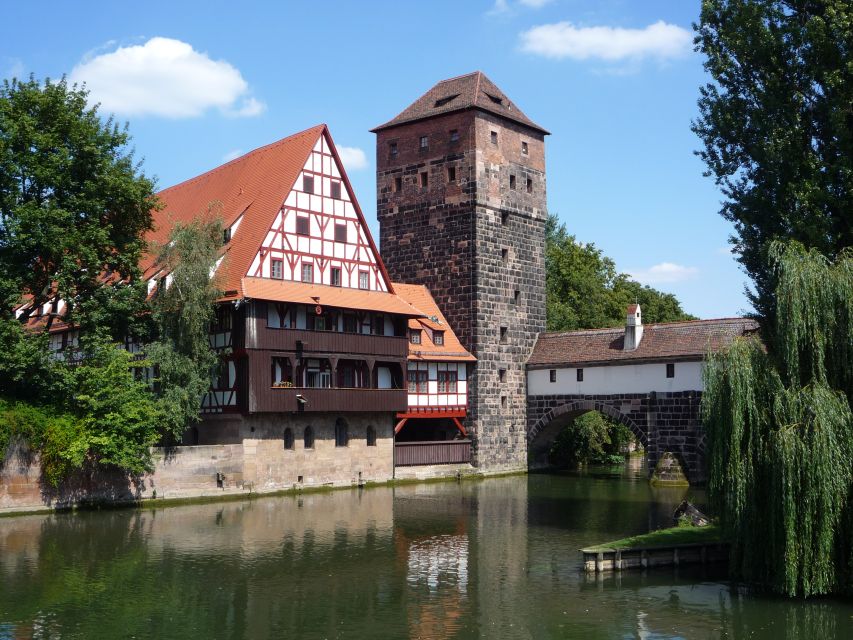
St. Sebaldus Church is another pass-by on the route. Like St. Lorenz, it contributes to the Old Town’s architectural story, even though the tour does not promise a full interior visit.
The church also helps shift the focus toward Nuremberg’s religious and artistic importance. The city’s connection with the German Renaissance is especially useful context before you reach Albrecht Dürer’s neighborhood.
A good guide makes these links clear. The tour is not only about memorizing dates. It is about seeing why churches, markets, workshops, and wealthy homes appeared close together in the medieval center.
The pace may feel brisk if you want to stop for detailed photographs at every corner. You can always return later, using the walk as a map for a slower independent visit.
Albrecht Dürer’s House and Albrecht-Dürer-Platz
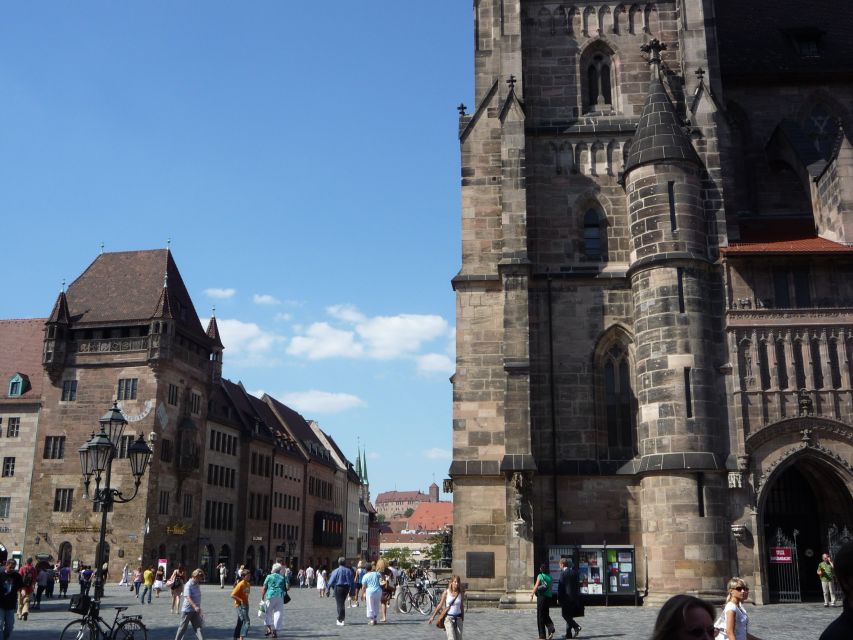
Albrecht Dürer’s House is one of the most appealing stops for art lovers and anyone curious about daily life in Renaissance Nuremberg. The tour includes a guided visit to the house area, along with Albrecht-Dürer-Platz.
The name matters because Dürer was not an abstract figure in the city’s story. His home places the Renaissance in a real neighborhood of steep streets, old façades, and castle-side lanes.
Do not expect enough time for a long museum visit unless the guide specifically confirms it. The value here is the setting and the explanation. You get a clearer picture of how Nuremberg’s artistic reputation connects with its medieval streets.
This is also a pleasant point for photographs. The square and surrounding buildings provide a more intimate feel than Hauptmarkt, while the nearby castle gives the area a strong sense of place.
Imperial Castle courtyards and the city above the Old Town
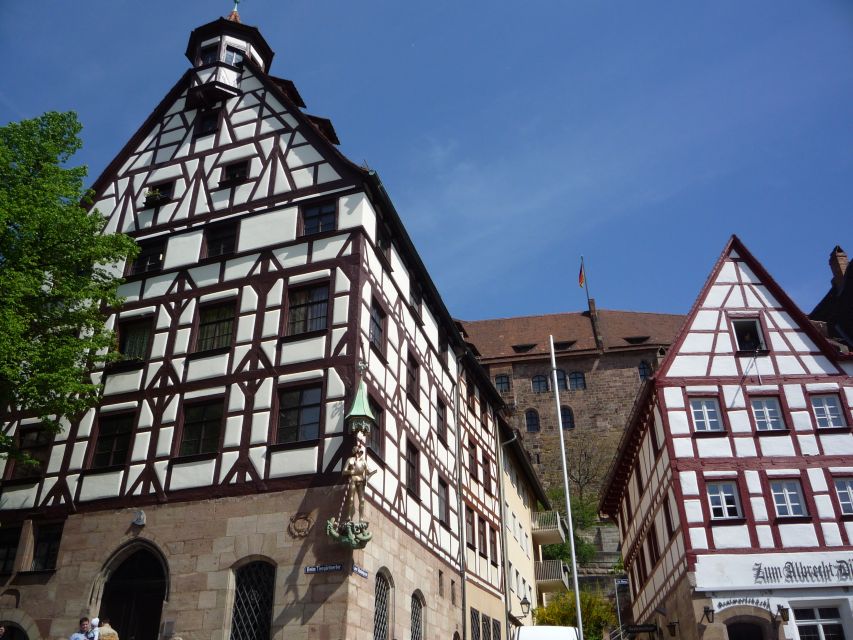
The Imperial Castle is the tour’s highest-profile medieval stop. You visit its courtyards, where the guide explains Nuremberg’s position within the Holy Roman Empire.
The courtyards are especially useful for visitors who want historical context without committing to a longer castle visit. You can see the setting, hear the main story, and decide if you want to return for more time on your own.
Because this is a two-hour walk, the experience is focused on the courtyards rather than every room, exhibit, or tower. That keeps the route moving, but it also means you should not book this tour as a substitute for a full castle admission.
The castle section is likely to be one of the most satisfying parts of the walk. It brings together the walls, churches, market, and Dürer quarter you have just seen, showing how tightly Nuremberg’s historic center fits together.
How the Nazi-era sights fit into the experience
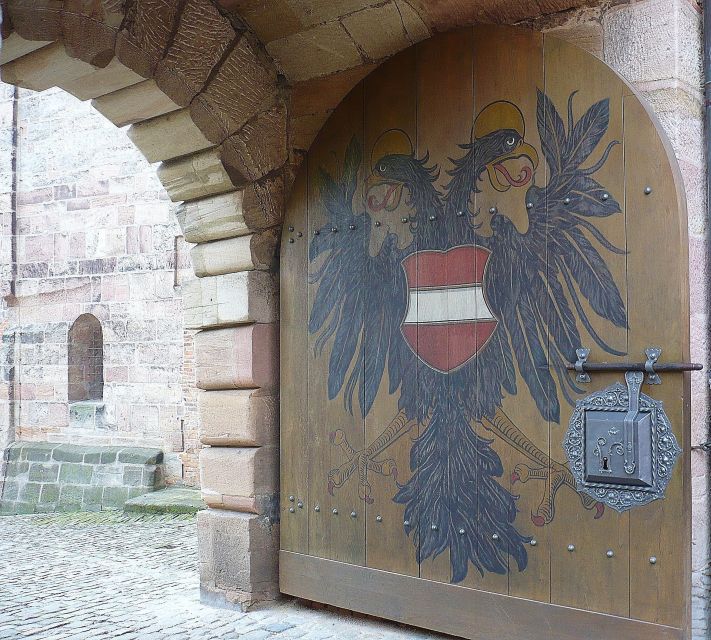
The experience also includes the Congress Hall of the Nazi Party, Zeppelin Field, and Luitpold Arena among its highlighted sights. These locations are outside the immediate medieval sequence described by the Old Town stops, so you should clarify with the guide how they fit into the two-hour route.
That point is important. Congress Hall and Zeppelin Field are not simply extensions of the castle quarter. They represent the Nazi Party Rally Grounds and a very different chapter of Nuremberg’s past.
If these sites are part of your planned experience, expect the subject matter to be serious. The contrast with the medieval center can help you understand the city’s full twentieth-century story, but it may also make the tour feel less like a simple sightseeing walk.
For a visitor especially interested in World War II history, confirm the exact coverage before booking. The available route details place the main walking stops in the Old Town and end at Hauptmarkt, while the Nazi-era locations are listed among the main highlights.
The guide’s style and what you can learn
The guide is there to entertain as well as explain. The strongest feedback points to clear answers, historical detail, quirky facts, and an easy sense of humor. One guide named Hannes is praised for combining factual explanations with humor and for looking for shelter when heavy rain arrived.
That is useful information for you because a two-hour history walk depends heavily on delivery. The buildings are already there. A good guide supplies the connections, keeps the group moving, and answers questions without turning the route into a lecture.
There is one style concern to keep in mind. One detailed rating praised the historical content and use of old photographs but found the guide’s profanity and crude sexual references distracting. Most people will not mind a little informal humor, but if you prefer a strictly polished presentation, this is worth considering.
The practical advice is a real strength. Ask where to try Nuremberg’s grilled sausages and amber lager, or request suggestions for more modern food. You can also ask about seasonal events at Hauptmarkt and which sights deserve a return visit.
Pace, weather, and physical demands
The walk lasts two hours and takes place rain or shine. Wear shoes that can handle old streets, and bring weather protection rather than assuming the forecast will hold.
The activity is not suitable for people with mobility impairments. The route includes pedestrian streets and historic areas, but the available information does not promise step-free access or special mobility arrangements.
A short walking tour can sound gentle, but two hours of standing and moving through the Old Town still requires a reasonable level of comfort. If you need frequent seated breaks, ask before booking.
The tour’s length is ideal for a first morning or afternoon in Nuremberg. You get enough time to learn the city’s basic layout without giving up half a day. The tradeoff is that major stops receive an introduction rather than a long, detailed visit.
Who gets the most value for $21
At $21, I would consider this good value for a first visit, especially if you want both history and practical help. The guide’s local food suggestions alone can make the walk more useful than a self-guided stroll, while the historical links give the sights more meaning.
You will get the most from it if you enjoy walking, ask questions, and plan to explore further after the tour. It is less suitable if you want extensive indoor visits, a slow photography walk, or a dedicated deep look at the Nazi Party Rally Grounds.
The free cancellation option up to 24 hours before the activity and the reserve-now, pay-later choice make it easier to fit into a changing schedule. Those booking features are helpful, but the core value still depends on your interest in a fast overview.
Should you book this Nuremberg walk?
Book it if you want a short, affordable introduction to Nuremberg that covers the medieval center, Renaissance connections, Imperial Castle courtyards, and useful food advice. It is especially handy when you arrive by train, since the meeting point is right outside Hauptbahnhof.
Skip it if you need full interior access, step-free arrangements, or a slow and highly specialized treatment of one subject. Also clarify the Nazi-era portion before booking, since those landmarks are highlighted but the detailed stop sequence centers on the Old Town.
For most first-time visitors who can walk comfortably in any weather, this tour is a sensible way to get oriented. Use the two hours as a guided map, then return to the places that deserve more time.
FAQ
Where does the tour meet?
Meet in front of the large central arched entrance to Nuremberg Central Station, or Hauptbahnhof.
How do I identify the guide?
The guide will be holding a red and white Nuremberg Tours in English sign.
How long does the tour last?
The walking tour lasts two hours.
What language is the tour in?
The tour is conducted in English by a live English-speaking guide.
Where does the tour finish?
The tour finishes at Hauptmarkt, 90403 Nürnberg, Germany.
Is the Christmas market included?
Hauptmarkt is the site of Nuremberg’s Christkindlesmarkt in December. The Christmas market itself is seasonal and takes place in December only.
What other events can take place at Hauptmarkt?
Seasonal markets and festivals are held at Hauptmarkt throughout the year.
Does the tour visit the Imperial Castle?
Yes. The route includes a guided visit to the courtyards of Nuremberg’s Imperial Castle.
Is the tour suitable for people with mobility impairments?
No. The activity is listed as unsuitable for people with mobility impairments.
Can I cancel for a refund?
Yes. You can cancel up to 24 hours in advance for a full refund.
More Two-Hour Tours in Germany
- Berlin’s Best: 2 Hour Walking Tour Third Reich and the Cold War
★ 5.0 · 5,486 reviews - Leipzig: 2-Hour Guided Walking Tour in German
★ 4.8 · 1,612 reviews - Discover Munich 2-Hour Small Group Walking Tour
★ 4.6 · 491 reviews - East Berlin and the Berlin Wall 2-Hour Walking Tour
★ 5.0 · 228 reviews
More City Highlights Walks in Germany
- Regensburg: Guided City Walking Tour of the Old Town
★ 4.7 · 1,395 reviews - Cologne: Old Town Highlights Walking Tour
★ 4.6 · 1,093 reviews - Trier: Guided City Walk with Wine Tasting
★ 4.8 · 979 reviews - Ulm: City Center Walking Tour with Minster Visit
★ 4.7 · 831 reviews
Just added around Germany
- Private 2-Hour Hamburg Highlights Walking Tour★ 5.0 · 105 reviews
- Sightseeing Tour – Free Tour – Historic Center-Hamburg On Foot★ 5.0 · 112 reviews
- Discover Hamburg Walking Tour★ 5.0 · 77 reviews
- Historic Dresden Small-Group Walking Tour in English★ 5.0 · 160 reviews
- Walking Through Dresden’s Past with Dr. Fraser Macdonald★ 5.0 · 72 reviews
- Guided Brewhouse Walking Tour in Cologne★ 5.0 · 482 reviews
- Walking tour of Cologne: The essential and unmissable★ 5.0 · 121 reviews
- Berlin Walking Tour★ 4.5 · 378 reviews
Old Town Walking Tours, compared.
Underground Vaults Walking Tour in Edinburgh Old Town
Read our review →
3-Hour Walking Tour of Old Town & Prague Castle
Read our review →

Old Town and Jewish Quarter Guided Walking Tour
Read our review →