
REVIEW · NEW ORLEANS
New Orleans Food and History Walking Tour
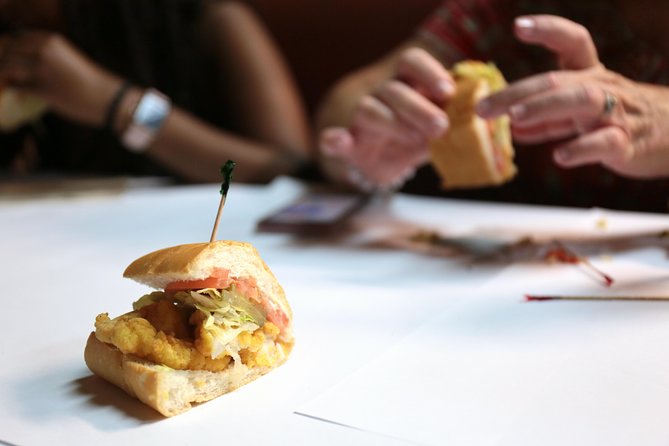
New Orleans cooking tells the city’s story one bite at a time. This three-hour walk starts with chicken and andouille gumbo, moves through hot sauces and pralines, then builds toward po-boys, muffulettas, boudin, and other local staples.
I like the small group size, capped at 16, and the way the food comes with context about Louisiana’s people, geography, and language. I also like that the tour uses places you might skip on your own, with guides such as Beth, Meg, Dylan, John, and Ben bringing humor and food know-how to the walk.
The main consideration is diet. A vegetarian choice is available, but there is no gluten-free, dairy-free, or vegan menu, and food dislikes cannot be handled. You should also expect a full lunch, not tiny samples, and enough walking to make good shoes worthwhile.
Key points to know before you book
- Five food stops in the French Quarter: Expect a progressive lunch rather than one sit-down meal.
- Classic New Orleans dishes: Gumbo, fried catfish po-boy, muffuletta, praline, boudin, and red beans and rice may appear, though stops can change.
- Food with city context: You’ll hear how African, French, Spanish, Caribbean, Cajun, and Italian influences shaped local cooking.
- A generous amount of food: Come hungry, since the included lunch can fill you well before the tour ends.
- Morning or afternoon departure: Pick the time that best fits your New Orleans plans.
- Diet and mobility limits matter: Vegetarian meals can be requested, but vegan, dairy-free, and gluten-free options are not offered.
Starting with gumbo at 3rd Block Depot
Meet at 3rd Block Depot on Chartres Street, in the French Quarter. The tour begins with a dark roux gumbo made with chicken, andouille sausage, and chicken stock, served with a spoonful of warm potato salad in the country style.
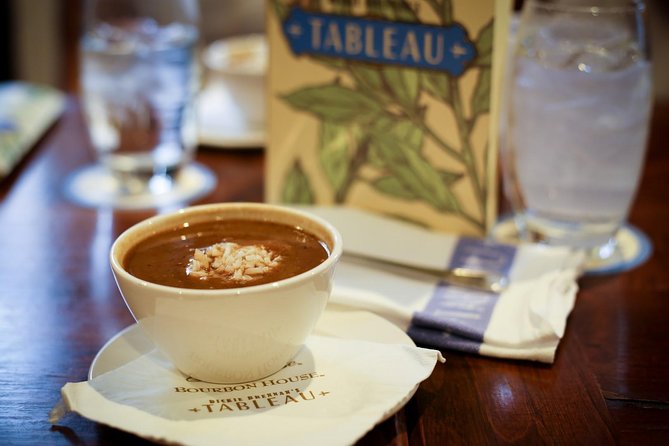
That first bowl gives you a useful introduction to New Orleans cooking. Gumbo is not just a soup with a fixed recipe. The dark roux, sausage, stock, spices, and regional habits all matter, and your guide explains how dishes such as gumbo, étouffée, and jambalaya got their names and forms.
You can buy a drink at the bar here, but beverages beyond water are not included. Since this is the first food stop, the pace may feel a little slow if you are eager to reach the rest of the menu. Still, it is a good place to settle into the group and start asking questions.
The portion is substantial enough to feel like real food, not a token spoonful. If you plan to eat a large breakfast first, I would rethink that plan. The tour is designed as lunch, and the stops add up quickly.
More History Walking Tours in New Orleans
- New Orleans Garden District History Walking Tour
★ 5.0 · 2,879 reviews - New Orleans: French Quarter Food History Walking Tour
★ 4.9 · 713 reviews - New Orleans Cocktail History Walking Tour in the French Quarter
★ 5.0 · 604 reviews
A stop for hot sauce, rubs, and Louisiana heat
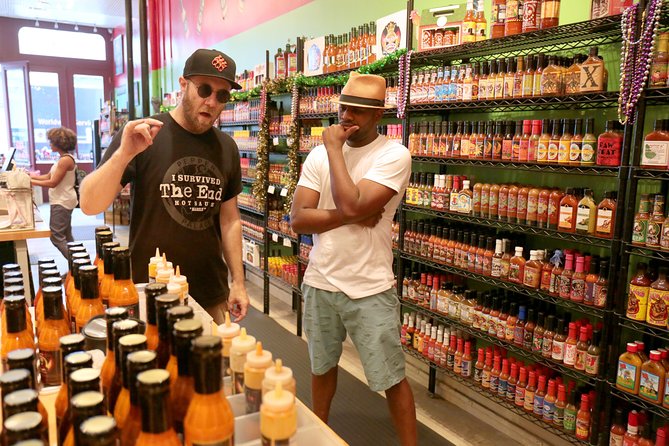
Next comes a hot sauce shop where you can try many varieties, along with dry rubs, barbecue sauces, marinades, and Buffalo-style sauces. This is a different kind of food stop. You are not served a full dish, but you get a chance to compare how heat, vinegar, sweetness, and spice change a meal.
I like this part because it gives you something practical to take home. A hot sauce or seasoning can bring back the flavor of the trip without requiring a suitcase full of fragile food.
It is also a useful pause between heavier dishes. The selection may appeal most to adventurous eaters, and you should approach the samples with some caution if you are not used to strong heat. The tour is not built around a mild-food menu.
One potential weakness is that some people would rather use this time for another restaurant. The stop adds variety and shopping, but it does not give you another full taste of New Orleans cooking. If your top goal is to sample as many dishes as possible, this may feel less rewarding than an extra small plate.
Pralines at Leah’s and the sweet side of Creole cooking
At Leah’s Pralines, you sample a traditional Creole praline made with local brown sugar, dairy, and Louisiana pecans. Depending on what is available, you might also try a newer variation such as bacon pecan brittle.
This stop shows why New Orleans food is not only about spice and seafood. The praline is dense, sweet, and nutty, with a texture that makes it different from a plain candy-shop treat. It also gives your guide a chance to explain local ingredients and the way old recipes keep changing.
The shop can be useful for edible souvenirs, especially if you want to buy something small for friends or family. The guide may also point out other things to consider purchasing during the walk.
Remember that the menu can change. The exact confection, brand, or sample is not guaranteed, so come for the general experience rather than one fixed candy. The same rule applies across the tour.
Catfish po-boy and the story of Louisiana seafood
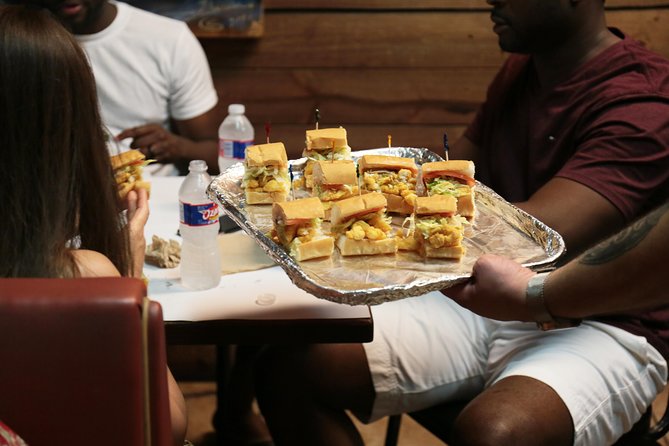
At NOLA Poboys, the main event may be a fried catfish po-boy on local French bread. It is served dressed with lettuce, tomato, mayonnaise, and pickles, with hot sauce available if you want more bite.
The sandwich is a clear example of how a simple format can carry local character. Your guide discusses seafood harvesting in Louisiana and the ingredients that turn fried fish and bread into a proper po-boy. This is also where you learn more about how different ethnic traditions helped shape Creole food.
The bread matters. A po-boy is not simply fried seafood placed in any sandwich roll. The French bread, the dressing, and the balance between crisp coating and moist fish all affect the result.
This is another generous serving, so plan on eating it as part of lunch rather than as a quick nibble. If you are sharing with someone, ask your guide how the food is portioned before you start dividing everything. The tour is intended to leave you full.
More History Walking Tours in the USA
- Philadelphia Old City Historic Walking Tour with 10+ Top Sites
★ 5.0 · 2,020 reviews - Southern Flavors Food, Pub Crawl, and History Walking Tour
★ 4.5 · 1,623 reviews - Charleston historical walking tour with a Professor of History at The Citadel
★ 5.0 · 1,284 reviews - 2 Hour LoDo Historic Walking Tour in Denver
★ 5.0 · 1,106 reviews
Muffuletta, boudin, and the Italian-Cajun connection
The menu may also include a muffuletta, a round Sicilian-style sandwich layered with smoked ham, mortadella, Genoa salami, provolone, mozzarella, and local olive salad. It is one of the clearest examples of New Orleans’ Italian influence.
The olive salad is the key. It cuts through the meats and cheese and gives the sandwich its own character. This is a heavy item, so a full muffuletta sample can be more filling than you expect, especially after gumbo and a po-boy.
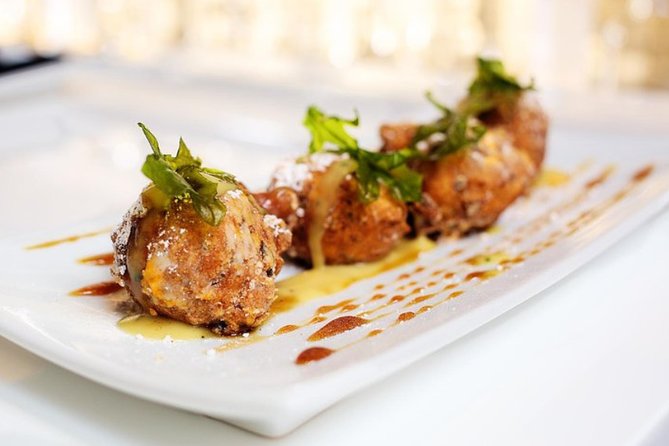
Another possible taste is a boudin ball, a fried Cajun sausage ball made with smoked pork, rice, and spices. It comes with Creole remoulade, which adds a creamy, seasoned finish.
I like having both dishes in the same tour because they show how different communities shaped the city’s food. The muffuletta points toward Sicilian kitchens and markets. Boudin brings you into Cajun cooking, where pork, rice, and seasoning form a compact, practical dish.
The exact order and availability can change. The experience may not include every item on the full sample menu during every departure, so do not book it expecting a rigid checklist of every famous dish.
Red beans, rice, and a filling finish
Red beans and rice with andouille sausage may also appear, made with slow-cooked red beans, smoked ham, sausage, and rice, then finished with green onions. This is the kind of dish that explains why New Orleans food often feels generous and comforting rather than delicate.
It also shows how humble ingredients can become a defining local meal. Beans, rice, pork, and seasoning are inexpensive on their own, but time and technique give the dish its depth.
Dessert may continue with bread pudding, sometimes baked or fried, or a seasonal version such as bananas Foster bread pudding. The fried bananas Foster variation has been a favorite for some people on the tour, while the praline provides a second, nuttier style of sweetness.
By the final stop at New Orleans Creole Cookery on Toulouse Street, you should expect a full stomach. The end point is useful if you want to continue exploring the French Quarter on foot, but the tour does not promise a broad architectural tour or a long series of historic landmarks.
The history is strong, but food remains the focus
The best guides make the walk more than a meal with facts added on top. Beth is often praised for mixing humor, recipes, and city history. Meg is described as warm and engaging, while Dylan, also called Dr. Gumbo, brings a lively approach and explains how food fits into New Orleans culture.
Guide assignments can change, so you cannot choose one specific guide when booking. Still, the format gives the guide room to answer questions, explain unfamiliar terms, and connect each dish to the city’s past.
You’ll hear about the people who settled New Orleans, the foods they brought, and the way languages influenced names such as étouffée and jambalaya. Louisiana’s geography also enters the discussion, especially when the group talks about seafood and local ingredients.
This is not a full history walk with food on the side. If you want detailed architecture, cemetery history, or a broad survey of the French Quarter, choose a separate walking tour. Here, the history matters because it helps you understand what is on your plate.
How much walking should you expect?
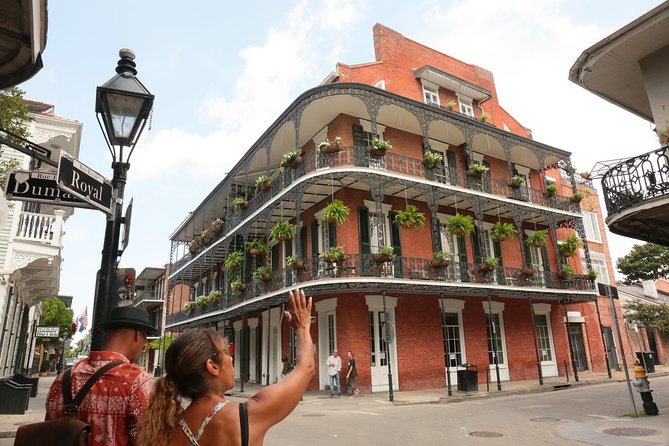
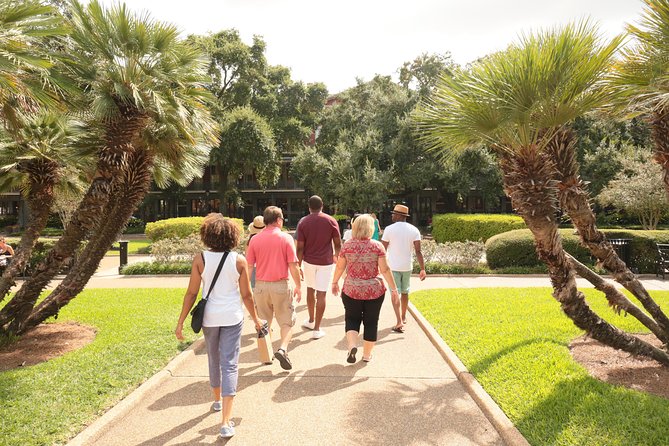
The route covers the French Quarter between Chartres Street and Toulouse Street. Several people find the walking distances easy, but the tour still lasts about three hours and includes multiple stops.
Some guides keep a brisk pace, so wear comfortable walking shoes. You may spend more time standing than sitting, and the tour is not recommended if you have walking or mobility problems.
The group is limited to 16 people. That is small enough for questions and conversation, without requiring the guide to manage a huge crowd. A small group also helps at food counters and makes it easier to hear explanations in busy streets.
The tour runs in morning and afternoon formats. I would choose it early in your New Orleans stay. That gives you a list of places to revisit, and it can help you decide which dishes deserve a second meal.
Is $85 a fair price?
At $85 per person, this is not a cheap way to grab lunch. It is a guided food experience with tastings at several establishments, servers’ gratuities included, and about three hours of instruction and walking.
The value is strongest if you would otherwise order several signature dishes on your own and would like help understanding them. Gumbo, po-boy, muffuletta, boudin, pralines, and red beans and rice can add up quickly, especially if you are trying to sample broadly rather than buy one meal.
You still pay for drinks other than water, and the guide’s tip is optional. The food portions are large enough that you may not need another full meal afterward, which improves the practical value.
The price is less appealing if you want tiny bites from a long list of restaurants. This tour favors a filling, progressive lunch over a rapid series of small tastes. One portion of the price also pays for the guide’s explanations, so it makes the most sense for curious eaters who want context.
Food restrictions, weather, and other practical details
A vegetarian menu is available if you request it at checkout. The tour cannot provide gluten-free, dairy-free, or vegan meals, and food allergies should be disclosed during checkout. Food aversions cannot be accommodated, so you should not count on substitutions for ingredients you simply dislike.
The tour operates in all weather conditions, so dress for heat, rain, or cooler conditions. Poor weather can lead to a different date or a full refund, but you should still arrive prepared with suitable clothing and rain protection.
Your mobile ticket is accepted, and confirmation is provided when you book. Service animals are allowed, and the starting and ending points are near public transportation.
Free cancellation is available up to 24 hours before the start time. After that point, refunds are not provided, except when the operator cancels because of weather or too few bookings.
Who will enjoy this New Orleans food walk?
I would recommend it to first-time visitors who want a fast, tasty introduction to local food. It also suits solo visitors, since the small group format makes it easy to ask questions and spend three hours with a clear activity.
It works well for couples and families with adventurous eaters. You should be ready to try rich, fried, spicy, meaty, and sweet foods. The tour is less suitable for strict dietary needs, people who dislike walking, or anyone expecting a formal history tour.
If you already know New Orleans cooking well, the value depends on your interest in the guide’s stories and the chance to visit several food spots without planning the route yourself. You may recognize some dishes, but the explanations about origins and local traditions can still add something.
Should you book it?
Book this tour if you want a filling introduction to New Orleans food, prefer a guide to organize the stops, and enjoy learning why dishes taste and sound the way they do. I especially like it as an early-trip activity because it gives you both a meal and a useful plan for later eating.
Skip it if you need vegan, dairy-free, or gluten-free food, or if you want a long architectural tour with only occasional snacks. Also skip it if you prefer to choose every restaurant and order small portions.
For most curious eaters who can handle a brisk French Quarter walk, the combination of classic dishes, approachable guides, and a small group makes the $85 reasonable. Go hungry, wear good shoes, and keep room for bread pudding.
FAQ
How long is the New Orleans Food and History Walking Tour?
The tour lasts about three hours.
Where does the tour begin?
It begins at 3rd Block Depot, 310 Chartres Street, New Orleans, Louisiana 70130.
Where does the tour end?
It ends at New Orleans Creole Cookery, 508 Toulouse Street, New Orleans, Louisiana 70130.
What foods might be included?
Possible foods include chicken and andouille gumbo, fried catfish po-boy, muffuletta, boudin ball, red beans and rice with andouille sausage, pralines, hot sauces, and bread pudding. Stops and dishes can change based on availability.
Is a vegetarian option available?
Yes. A vegetarian option is available, but you must request it at checkout.
Does the tour offer vegan, dairy-free, or gluten-free food?
No. The tour does not offer vegan, dairy-free, or gluten-free options.
Are drinks included?
Water is included, but other beverages are not. You can purchase a drink at the first stop at your own expense.
How many people can join the tour?
The group has a maximum of 16 people.
Can I cancel for a full refund?
Yes, if you cancel at least 24 hours before the scheduled start time. Changes or cancellations made less than 24 hours before the start are not accepted for a refund.
Just added around New Orleans
- New Orleans Cocktail History Walking Tour in the French Quarter★ 5.0 · 604 reviews
- One Hour Saint Louis Cemetery Number One Walking Tour★ 4.5 · 642 reviews
- New Orleans Vampire Walking Tour★ 4.5 · 664 reviews
- New Orleans Original Craft Cocktail Walking Tour★ 4.5 · 675 reviews
- New Orleans: French Quarter Food History Walking Tour★ 4.9 · 713 reviews
- New Orleans City and Cemetery Tour with Garden District Stroll★ 4.5 · 766 reviews
- French Quarter Walking Tour With Comp 1850 House Museum Admission★ 5.0 · 781 reviews
- New Orleans Cemetery Walking Tour★ 5.0 · 901 reviews
History Walking Tours, compared.



Berlin’s Best: 2 Hour Walking Tour Third Reich and the Cold War
Read our review →
Third Reich Berlin: Hitler and WWII Walking Tour
Read our review →
New Orleans Garden District History Walking Tour
Read our review →
Cartagena: Historic Center and Getsemaní Shared Walking Tour
Read our review →

Imperial Palace and Shogun Historical Walking Tour
Read our review →Browse the lists this tour appears in