
REVIEW · MUMBAI
Mumbai: Dharavi Slum Walking Tour by First Female Tour Guide
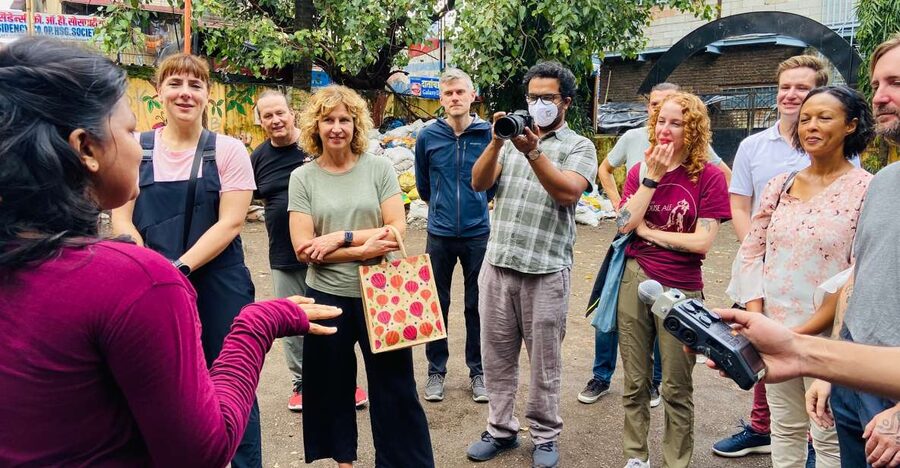
Dharavi is not a museum of poverty. It is a working community in the middle of Mumbai, where recycling, manufacturing, trade, education, and family life all share narrow lanes. This 2.5-hour walking tour takes you past places most visitors would not find on their own, from plastic and paper recycling to leather work, pottery, schools, markets, and homes.
I like two things right away. First, the tour is led by local women such as Anu, Sneha, Pooja, Varsha, and Sarah, several of whom grew up in Dharavi or still live there. Second, the route shows both sides of the area: the businesses that generate income and the residential streets where ordinary daily life continues. The main consideration is that this is an active neighborhood, not a polished attraction, so you need to visit with respect and accept that some scenes may feel confronting.
What makes this Dharavi tour worth your time
- Local female guides: Guides including Pooja, Varsha, Sneha, Anu, and Sarah bring personal knowledge of Dharavi’s streets, work, schools, and community life.
- A working economy: You may see plastic, paper, and aluminium recycling, along with soap, clothing, leather, pottery, and other small industries.
- More than factory visits: The walk also includes markets, commercial lanes, schools, colleges, and residential areas.
- A useful first-day activity: The tour helps you understand Mumbai’s social and economic contrasts early in your stay.
- Small-group feel: A private group is available, which can make it easier to ask questions and keep the pace personal.
- Strong value: At $5 per person, the price is unusually low for a 2.5-hour guided walk with water included.
Meeting your guide beside Third Wave Coffee
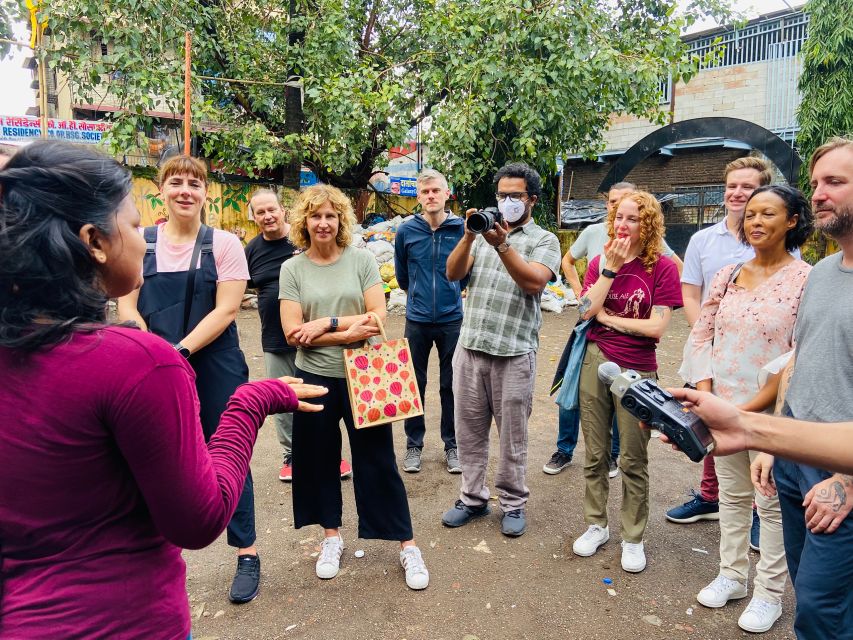
The tour begins outside Third Wave Coffee, where your guide meets you before walking into Dharavi. This is a practical meeting point because it is easy to identify, and one visitor noted that the location is close to the station. If you are driving, allow plenty of time for Mumbai traffic.
Starting at a café also gives you a simple place to gather before entering the neighborhood. You can use the time to arrive early, check that you have water and comfortable shoes, and meet your guide without the confusion of trying to locate a person inside Dharavi’s lanes.
The guide may be Anu, Sneha, Pooja, Varsha, Sarah, or another member of the female guiding team. The names that appear most often in the feedback are useful because they show the depth of the guiding team rather than one single host. Pooja is praised for her humor and easy manner. Varsha is noted for clear English and first-hand knowledge. Sneha is described as especially good at explaining both the industrial and residential sides. Anu is repeatedly described as patient and attentive.
The exact guide depends on the date and availability, so you should not book expecting one particular person unless the provider confirms it.
More Guided Tours in India:
- Group Guided Walking Tour in Fort and Colaba
★ 5.0 · 1,073 reviews - Private Guided Walking Tour in Fort & Colaba
★ 5.0 · 895 reviews - Private Guided Walking Tour in Bandra Queen of Suburbs
★ 5.0 · 383 reviews
Walking into Dharavi’s working lanes
The first big shift is visual and practical. You leave the café setting and enter a tightly organized neighborhood where work and home life sit close together. The tour is not simply a lookout point or a short stop at the edge of Dharavi. You walk inside for roughly two to two and a half hours.
I like this format because it shows how the area functions. You are not just hearing a broad description of Dharavi. You are moving through the places where people work, shop, study, and live. The guide helps you understand what you are seeing and keeps the route moving through streets that would be difficult to follow alone.
The lanes can be busy and confusing, and the area is not designed for sightseeing groups. One useful benefit of having a guide is that you do not need to spend your attention on navigation. You can listen, look around, and ask questions instead of worrying about taking a wrong turn.
The experience requires some humility. You are entering someone else’s neighborhood, not a set built for tourists. Avoid treating homes or people as photo subjects, and follow your guide’s advice about where to pause and what is appropriate to photograph. The information provided does not promise photography stops, so bring curiosity first and your camera second.
Recycling: seeing value in discarded material
Recycling is one of the clearest parts of the tour. The route can include plastic, paper, and aluminium recycling, giving you a direct look at the work that turns discarded materials into something useful again.
This matters because Dharavi is often described only through its housing conditions. A visit to recycling areas adds a different frame. You see labor, skill, sorting, processing, and trade. The work may not be glamorous, but it helps explain how a large community supports itself and how urban waste can become income.
The recycling sections may also challenge simple ideas about what a slum is. The area is not only a place where people need help. It is also a place where people run businesses and take part in supply chains. Your guide can connect the activity you see with the wider economy of Mumbai.
There is a practical drawback: industrial workspaces are working environments, not visitor centers. The experience may be noisy, crowded, or visually stark. That is part of its value, but it also means this tour will suit you better if you want an honest look at working life rather than an easy, polished attraction.
Small factories and skilled local production
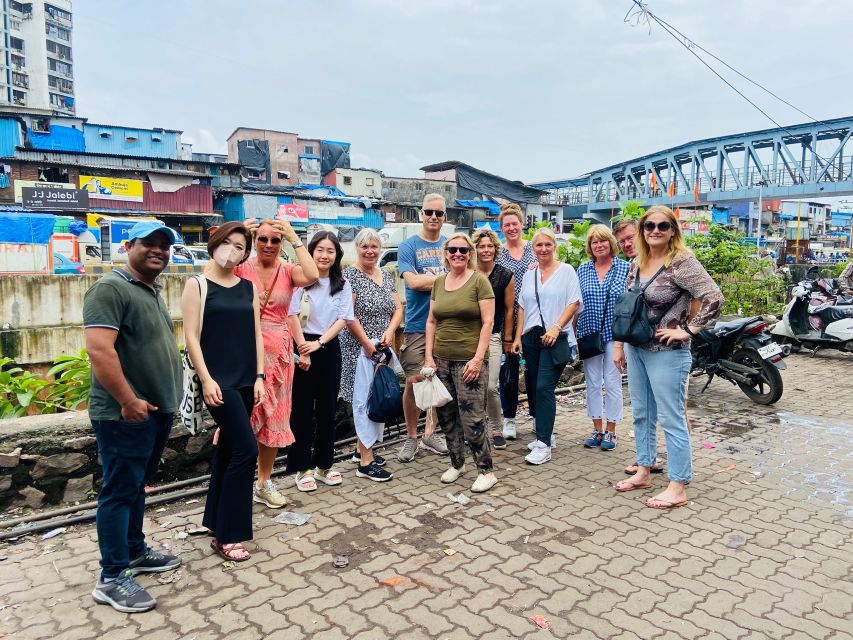
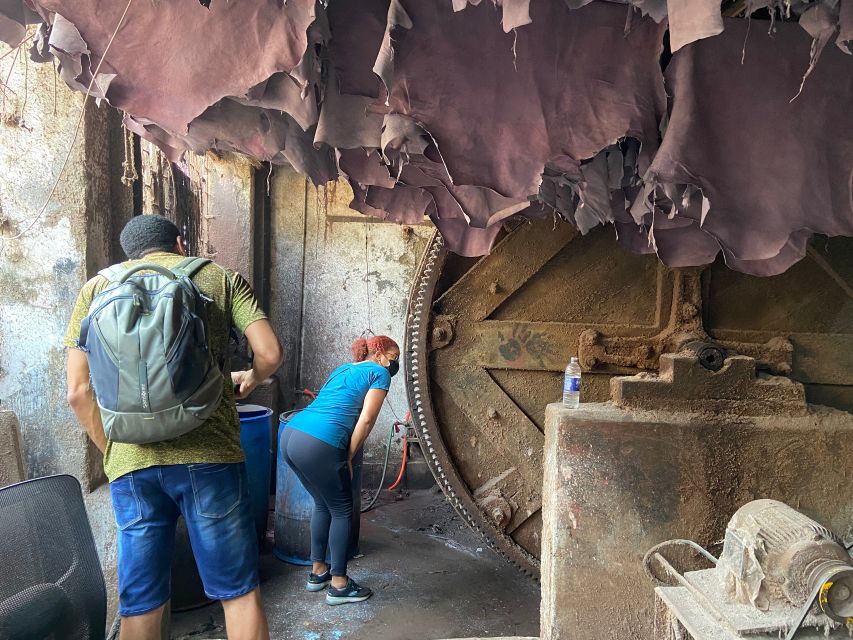
The tour can take you through soap factories, cloth manufacturing, leather industries, pottery, and other commercial spaces. These stops give the walk a strong human scale. Instead of hearing that Dharavi is economically active, you see the range of work that takes place within the community.
Cloth and leather production show how specialized skills can survive in compact urban spaces. Pottery adds another dimension, with production tied to both craft and trade. Soap making gives you yet another example of a small industry operating close to homes and other businesses.
You should not expect a formal factory tour with displays, safety equipment for visitors, or a fixed presentation at every stop. The guide interprets what is happening around you. This makes the experience flexible and local, but it also means the pace and exact sequence may vary.
I find that useful. A rigid route can make a neighborhood feel like a performance. A guided walk through active businesses leaves room for explanation and observation. The guide can point out details you would otherwise miss and explain how a particular type of work fits into Dharavi life.
A few more walking tours around India worth a look
- Fontainhas Heritage Walk by Make It Happen
★ 5.0 · 2,834 reviews - The Great Indian Food Tour: Old Delhi Food and Heritage Walk
★ 5.0 · 1,698 reviews - Spiritual City Walking Tour-THE Pushkar Route
★ 5.0 · 907 reviews - Old Goa Heritage Walk by Make It Happen
★ 5.0 · 797 reviews
Schools, colleges, markets, and residential areas
The tour does not stop with industry. It also includes schools, colleges, markets, commercial places, and residential areas. This wider route is important because it prevents the visit from reducing Dharavi to recycling and factories.
Schools and colleges show that education is part of the neighborhood’s daily structure. Markets show the practical side of local life, where people buy and sell goods close to home. Residential lanes bring you into the most personal part of the walk, where families live beside the businesses that support them.
This section is likely to stay with you because it changes the tone of the visit. You are no longer looking only at how things are made. You are seeing where people spend ordinary time, and you begin to understand Dharavi as a complete community.
The residential areas also require the most care from you. Keep your voice down, stay with the guide, and do not assume that every doorway or person is part of the tour. The provider presents the walk as an ethical experience, and that depends partly on visitor behavior. Respect is not an optional extra here.
The value of a guide who grew up in Dharavi
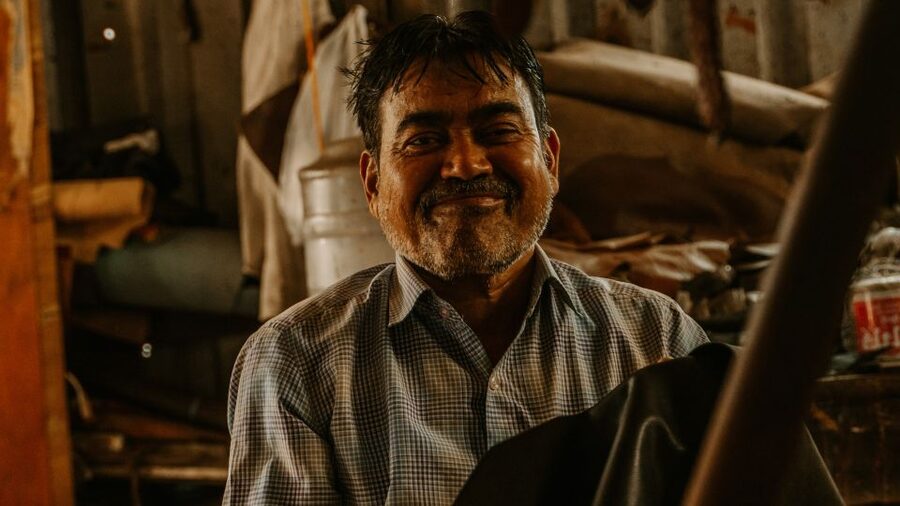
The strongest feature of this experience is the guide’s connection to the area. Several guides described in the feedback were born and raised in Dharavi or continue to live there. That personal link gives the walk something a guide from outside the neighborhood could not easily provide.
Pooja is praised for mixing humor with clear explanations. Varsha is repeatedly singled out for her English, warmth, and ability to answer detailed questions. Sneha is described as someone who can explain the industrial and residential areas from personal experience. Anu receives praise for patience, organization, and looking after the group. Sarah is described as able to explain the area thoroughly.
Those details matter because the subject can be awkward. You may arrive with assumptions about poverty, safety, work, or family life. A local guide can explain the area without turning it into a simple story of hardship. The better message is more balanced: Dharavi faces real difficulties, but it is also full of work, ambition, education, humor, and resilience.
The guides also help with social comfort. One solo participant said the guide encouraged conversation with people and places even when the visitor was quiet. That is useful if you are shy or unsure how to engage. You can learn without feeling pressured to perform as a tourist.
English is the stated tour language, and the feedback consistently praises the guides’ English and explanations. If you have a particular interest, such as recycling, schooling, or local business, ask about it early. A walking tour is more rewarding when you take part in the conversation.
Why the $5 price offers unusual value
At $5 per person, this is one of the least expensive substantial activities you can book in Mumbai. You receive a guided walk lasting about 2.5 hours, bottled mineral water, and access to local knowledge that would be difficult to gain independently.
The value is not based on expensive entry tickets or grand monuments. It comes from the route and the guide. You are paying for interpretation, navigation, context, and a chance to see parts of Dharavi that are not obvious from a map or a casual walk.
The low price should not lead you to expect a luxury experience. This is a walking tour through an active neighborhood. The surroundings may be crowded, the route may involve uneven or narrow streets, and the experience is more about observation than comfort.
For a first day in Mumbai, the price is especially appealing. You get a strong introduction to the city’s contrasts before spending money on larger attractions. It can also help you understand later visits to markets, historic districts, or transport hubs with more context.
The activity has a 4.9 out of 5 rating based on 192 ratings, with repeated praise for the guides’ explanations, friendliness, humor, safety awareness, and local knowledge. The consistent pattern is more important than any one comment: the guide is the part that makes or breaks the experience, and that is where this tour earns its value.
Who should book this walking tour?
I would recommend it to you if you want to understand Mumbai beyond landmark sightseeing. It suits curious visitors who are willing to walk, listen, and reconsider easy assumptions about urban poverty.
It is also a good fit for solo visitors. The guide helps with navigation and conversation, and a private group is available if you want a more personal pace. Families can take part too, although parents should prepare children for a serious look at working and residential conditions rather than a light entertainment activity.
You should think twice if you dislike narrow streets, active workplaces, or social situations that require tact. This is not the right choice if you want a quiet café outing, a conventional museum, or a photo-focused tour.
I would also avoid treating the tour as a chance to collect dramatic images. The best reason to go is to learn how people work and live in Dharavi. The most respectful visitor stays alert to the fact that this is home for many people.
Timing, comfort, and practical planning
The walk lasts between two and two and a half hours, so wear shoes suitable for extended walking. The provider includes bottled mineral water, but you should still arrive prepared for a city walk and dress in a way that feels comfortable and respectful for residential areas.
The meeting point is outside Third Wave Coffee. Arrive with enough time to find the guide, especially if you are coming by car. Mumbai traffic can be slow, and the station near the meeting point may be a simpler option according to the practical information provided for the tour.
English is the available language. You can book a private group if that suits your party better, and the tour offers free cancellation up to 24 hours before departure. Reserve now and pay later is also available, which helps if you are still arranging your Mumbai schedule.
Starting the tour early in your stay makes sense. You will learn about local work, housing, education, and commerce in one concentrated walk. That background can make the rest of Mumbai feel less like a collection of separate sights and more like parts of one connected city.
Should you book the Dharavi walking tour?
Yes, if you want a grounded introduction to Mumbai and can approach Dharavi with respect. The combination of a very low price, a 2.5-hour route, and local female guides makes this a strong choice for an experience with real substance.
Book it for the stories, the working industries, and the chance to see Dharavi as a community rather than a label. Do not book it expecting comfort, polished displays, or a simple poverty narrative. If you are open-minded, patient, and ready to listen, this is one of the most useful first-day activities in Mumbai.
FAQ
How long does the Dharavi walking tour last?
The tour lasts approximately two to two and a half hours, with the walking portion taking place inside Dharavi.
Where does the tour begin?
Your guide meets you outside the Third Wave Coffee shop. The tour returns to the same area after the walk.
Who leads the tour?
The tour is led by female guides from Dharavi. Named guides associated with the experience include Anu, Sneha, Pooja, Varsha, Sarah, and Anushka. The assigned guide depends on availability.
What language is the tour offered in?
The tour is offered in English.
What can I see during the walk?
The route can include plastic, paper, and aluminium recycling, soap factories, cloth manufacturing, leather industries, pottery, schools, colleges, markets, commercial areas, and residential streets.
Is bottled water included?
Yes. Bottled mineral water, a guide, and the walking tour are included.
Just added around India
- Wine Tasting Experience At 150 Years Old Indo-Portuguese House★ 5.0 · 269 reviews
- Fontainhas Heritage Walk At Latin Quarters of Goa★ 5.0 · 531 reviews
- The Goan Hinterland Experience in South Goa★ 5.0 · 112 reviews
- Food And Drink Walking Tour In Panjim★ 5.0 · 286 reviews
- Private Aguada Jail Heritage Walk Tour★ 5.0 · 102 reviews
- Georgetown heritage walking tour in Chennai about the founding of Chennai★ 5.0 · 144 reviews
- Gods of Mylapore walking tour- tourism ministry approved company★ 5.0 · 267 reviews
- Mahabalipuram walking tour by tourism ministry approved company★ 5.0 · 102 reviews
Walking Tours, compared.

Magical London: Harry Potter Guided Walking Tour
Read our review →
Reykjavik Food Walk – Local Foodie Adventure in Iceland
Read our review →
History and Hauntings of Salem Guided Walking Tour
Read our review →
New Orleans Premier Ghost, Voodoo and Vampire Walking Tour
Read our review →
Amsterdam Anne Frank: Small-Group Walking Tour & Local Guide
Read our review →

Edinburgh Castle: Guided Walking Tour with Entry Ticket
Read our review →
Anne Frank’s Story – Guided Walking Tour through Amsterdam
Read our review →Browse the lists this tour appears in