

REVIEW · LONDON
London: Street Art and Graffiti Guided Walking Tour
East London’s street art is not displayed behind glass. It appears on walls, shutters, signs, rooftops, shop fronts, and even the pavement, and it can change from one week to the next. This two-hour walk takes you from Old Spitalfields Market to Brick Lane and Shoreditch, with a guide who explains what you are seeing and why it matters.
I like the way the tour links art with the East End’s past, rather than treating graffiti as a string of colorful backdrops. I also like the range: you may see work by Banksy, ROA, Invader, Shepard Fairey, and Stik, along with small stickers and pieces you would likely miss on your own. The main consideration is that street art is temporary, so no route can promise every famous work on every date.
Key points
- See roughly 40 artists: The walk includes local and international names, from Banksy and ROA to Invader, Shepard Fairey, and Stik.
- Start beside Old Spitalfields Market: Meet under the White Goat Statue on Brushfield Street, a short walk from Liverpool Street Station.
- Learn to read the streets: Guides explain spray paint, stencils, stickers, tagging, murals, materials, and the ideas behind individual works.
- Hear the East End story: Local history gives context to why this part of London became such a strong setting for street art.
- Expect a changing route: New work appears, old work fades, and the walk is adjusted to keep it fresh.
- Guides bring different strengths: Josh, Eva, Laura, Gabi, Natalie, Ava, and others have been praised for enthusiasm, clear explanations, and personal links to the art world.
From the White Goat Statue into East London
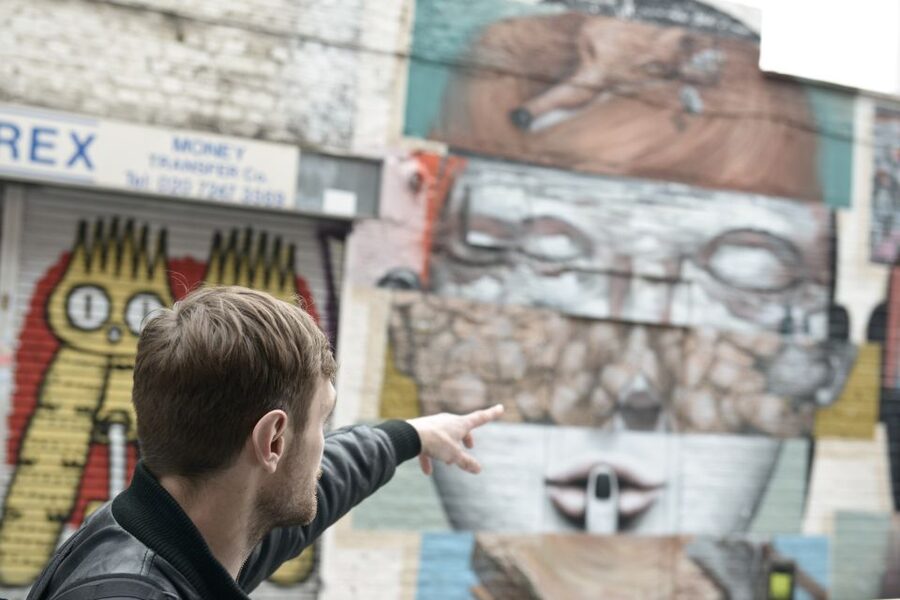
Your meeting point is under the White Goat Statue on Brushfield Street, directly outside Old Spitalfields Market. Liverpool Street Station is the nearest transport link. From the station, leave onto Bishopsgate, turn left, then take Brushfield Street between Pizza Express and the RBS building. The statue is about 100 meters along the street.
Arrive about 10 minutes early. This is useful in a busy part of London, where a few minutes spent finding the right exit can quickly turn into a rushed start. The guide will be waiting beneath the statue, making the meeting point easier to spot than a generic street corner.
The walk begins close to the City of London, London’s historic financial district, but it soon shifts in mood. That change is part of the appeal. You start near offices, markets, and old commercial streets, then move toward the lanes and side streets around Brick Lane and Shoreditch, where art appears in a much less formal setting.
The guide introduces the history of the East End as you walk. This matters because the art is not separate from the area around it. The route uses the neighborhood as part of the lesson, showing how local culture, changing streets, and creative communities helped shape the area’s identity.
More Street Art Walks in London:
- Berlin: City Street Art Guided Walking Tour
★ 4.8 · 1,051 reviews - Naples Spanish Quarters Walking Tour Street Art, Folklore & Sweet
★ 5.0 · 797 reviews - Lisbon: Kickstart Street Art Walking Tour
★ 4.9 · 717 reviews
Brick Lane, where the art keeps moving
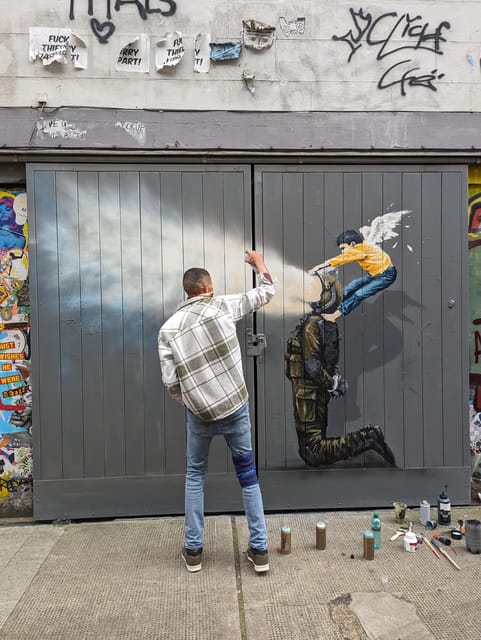
Brick Lane is the heart of the walk. It is also the section where you see why a guide adds real value. A visitor strolling down the main road may notice a large mural, but miss a small sticker beneath a sign, a stencil partly covered by newer paint, or a piece tucked into a narrow passage.
The tour covers work by around 40 artists, both local and international. The names listed include Banksy, ROA, Invader, Shepard Fairey, and Stik. You may also see art in very different formats, from large wall paintings to tiny interventions. One work may use spray paint, another stickers, another a carefully planned stencil or paste-up.
The guide explains the difference between these forms and gives you a way to look at them. You learn about technique, scale, placement, and the relationship between an artist and the wall. That turns the walk from a simple photo hunt into a lesson in how street art works.
The guides also discuss tagging and graffiti culture. This is important for first-time visitors, since the terms are not interchangeable. The tour looks at the culture and rules behind graffiti, as well as the wider group of practices often called street art. You come away better able to notice the difference between a quick signature, a sticker, a commissioned mural, and a more planned image.
Several guides have a personal connection to the scene. Natalie is a street artist herself, and Ava has also been described as an artist. The tour is presented as being led by guides who have worked with artists over the years or featured them through a podcast. That kind of contact can add useful detail, particularly when a guide explains how artists work, why a certain material was used, or how a piece fits into local culture.
Shoreditch’s larger walls and smaller surprises
As the route moves into Shoreditch, the scale can change. Large murals give the walk its visual punch, but the smaller pieces often reward closer attention. Look up, look down, and check the edges of buildings. The guides point out art on walls, signs, roofs, and floors, rather than keeping your eyes fixed at street level.
That wide range is one of the tour’s strongest features. Large murals are easy to photograph, but a small sticker or hidden stencil can tell you just as much about the artist’s approach. The walk gives equal attention to both.
The art also carries different moods and meanings. Some pieces are playful or graphic. Others deal with public space, identity, politics, or the act of marking a wall. You are encouraged to think about the possible meaning without being told there is only one correct answer. Good guides, including Josh, Eva, Laura, and Natalie, have been praised for making the discussion open and easy to follow.
The route is not a museum circuit, and that brings a tradeoff. You cannot expect every stop to remain exactly as shown in photographs or online descriptions. Street art is exposed to weather, removal, repainting, and new work. The upside is that the walk can feel current. A repeat visit may show a different collection of work.
The East End story behind the paint
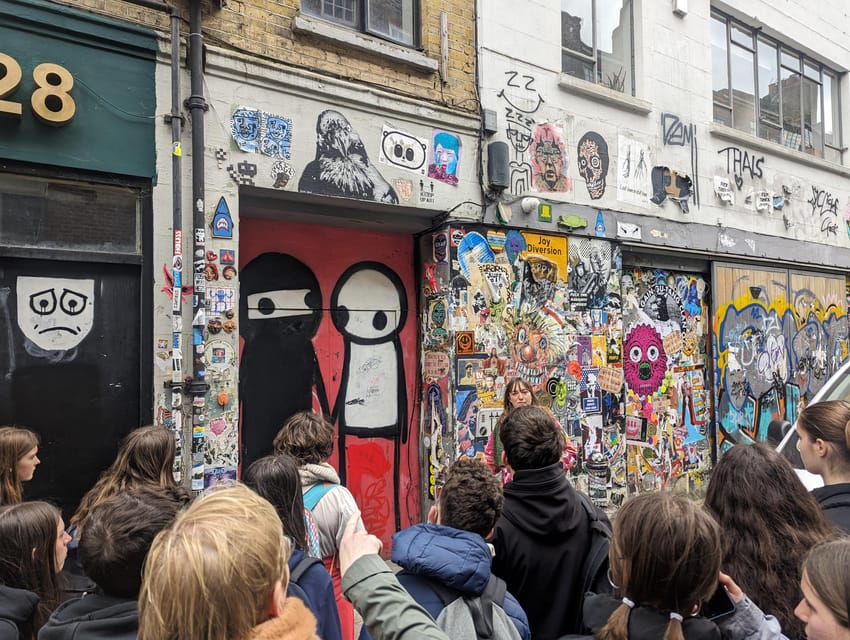
A useful street art tour needs more than artist names. This one also gives the area a historical frame. The East End’s past helps explain why Brick Lane and Shoreditch became linked with immigrant communities, alternative culture, music, fashion, and independent creative work. The guide connects those changes with the art on the walls.
I especially like this approach because it keeps the walk from becoming a catalog of famous signatures. The setting matters. A mural is not just an image on a wall; it is part of a street used by residents, businesses, artists, and visitors. The guide helps you consider how those interests meet in public space.
The historical material also makes the route more accessible if you know little about graffiti. You do not need a background in art or urban culture. Guides explain the subject in plain terms and invite questions. Josh, for example, has been praised for speaking comfortably to people who already know hip-hop and graffiti culture while keeping the discussion welcoming for beginners.
That balance is useful for mixed groups. Teenagers may focus on technique and style, while adults may be more interested in local history or the social questions around public art. The walk can accommodate both without turning into a lecture.
More Guided Tours in London:
- Magical London: Harry Potter Guided Walking Tour
★ 4.7 · 22,044 reviews - London Jack The Ripper Guided Walking Tour
★ 5.0 · 3,131 reviews - Changing of the Guard Guided Walking Tour in London
★ 5.0 · 1,793 reviews - Westminster Guided Walking Tour with Abbey Entry
★ 5.0 · 1,282 reviews
Why the guide matters more than a map
You can walk around Brick Lane alone, but you will probably see only the obvious work. A guide changes the pace and directs your attention. The best moments often come when you stop for a piece you would have walked past, then learn who made it, how it was produced, and what details to notice.
The guides are not all identical, and that is worth knowing. Eva is often praised for her clear explanations and enthusiasm. Laura has been described as able to adjust the walk to the group’s interests. Josh is noted for his grasp of the scene and his relaxed handling of questions. Natalie brings the viewpoint of an active street artist, while Ava’s background as an artist adds another personal angle.
Gabi has also led highly praised walks, including tours that explain paint, stickers, techniques, and the history of the area. The individual guide on your date will shape the tone, but the repeated strengths are clear: strong subject knowledge, energy, an easy manner, and the ability to point out details you might otherwise miss.
Several accounts describe the two hours as passing quickly. One walk took about an hour and a half, so timing may vary a little. You should plan for a relaxed walking experience rather than a strict, stop-by-stop schedule. The route is intended to make room for questions and discussion.
Is $33 a fair price for two hours?
At $33 per person, this tour is not the cheapest way to see Brick Lane. You can walk the streets for free. The question is what you receive for the extra cost.
The value comes from interpretation. You are paying for the guide’s eye, local context, artist background, and route planning. If you have little experience with street art, that can change the whole visit. Instead of noticing only the largest mural, you learn how to spot work in less obvious places and understand the choices behind it.
The price also makes sense if you have limited time in London. Two hours gives you a focused introduction to a part of the city that is easy to explore without a formal museum visit. It works particularly well as a morning or afternoon activity near Liverpool Street, Spitalfields, and Brick Lane.
The value is lower if you mainly want a list of famous Banksy locations or a guaranteed photo at a specific wall. The art changes, and the route changes with it. Book this for the wider culture and the guide’s explanations, not for a fixed checklist.
Practical details for a smoother walk
The activity lasts two hours and is conducted in English. A live guide leads the group, and the tour is wheelchair accessible. Since the experience takes place outdoors, bring rain gear. London weather can shift quickly, and a wet jacket is more useful than an optimistic forecast.
Wear comfortable shoes. The provided information does not specify the total distance or surface conditions, so you should expect ordinary city walking and allow enough time to move between stops. The route includes busy public streets, and you may pause near walls, shop fronts, and side roads.
Free cancellation is available up to 24 hours before the start time, with a full refund. You can also reserve now and pay later, which helps if your London schedule is still changing.
If you want to add a hands-on element, the operator also offers a combined walking tour and street art workshop. A shorter workshop lasts about 45 minutes to one hour and is available daily for people over 10. A longer two-hour version with a break is available for people over 12. If only part of your group wants to paint, book the tour and workshop separately for the same day. Anyone under 16 joining the workshop must have an adult with them throughout.
Who will enjoy this most?
This is a strong choice for first-time street art visitors. You get an introduction to artists, materials, graffiti culture, and the local setting without needing to prepare beforehand.
It also suits people who already enjoy urban art. The route goes beyond the most famous names and includes stickers, smaller pieces, and less obvious locations. A guide can add technical and cultural detail that you would not get from simply taking photographs.
Families with teenagers may find it a good London option, particularly if museums are losing their appeal. One family used it during a school break and found it a worthwhile activity close to home. The workshop is a separate choice if your group wants to make art as well as look at it.
The tour is less suited to anyone who dislikes walking, outdoor activities, or changing plans. It is also not the best choice if you want a formal art-history lecture or a guaranteed set of specific works. The subject is alive, temporary, and tied to the streets.
Should you book the East London street art walk?
Book it if you want to understand how street art fits into East London rather than simply photograph a few famous walls. The combination of Brick Lane, Shoreditch, local history, artist stories, and small pieces makes the $33 fee reasonable for many visitors.
I would especially choose it early in a London stay. After two hours with a guide, you will notice stickers, tags, murals, and stencils elsewhere in the city with a sharper eye. Bring rain gear, arrive early at the White Goat Statue, and stay open to seeing art that may not be there on your next visit. That changing quality is not a flaw here. It is the point.
FAQ
Where does the London street art tour meet?
Meet under the White Goat Statue on Brushfield Street, outside Old Spitalfields Market. The address is The White Goat Statue, Brushfield Street, London E1 6AA.
What is the closest station to the meeting point?
Liverpool Street Station is the closest station. Exit onto Bishopsgate, walk left, then turn right onto Brushfield Street between Pizza Express and the RBS building. Walk about 100 meters to the statue.
How long does the walking tour last?
The stated duration is two hours. One recent walk took about an hour and a half, so the exact timing can vary slightly.
Which artists might I see?
The tour can include work by around 40 local and international artists, including Banksy, ROA, Invader, Shepard Fairey, and Stik. The exact art changes because street pieces can be replaced, painted over, or removed.
Is the tour wheelchair accessible?
Yes, the activity is listed as wheelchair accessible.
Can I cancel or pay later?
You can cancel up to 24 hours in advance for a full refund. Reserve now and pay later is also available.
Just added around London
- Doctor Who London Walking Tour★ 4.9 · 137 reviews
- London: Royalty Walking Tour with Changing of The Guard★ 4.5 · 187 reviews
- London: Beatles In My Life Walking Tour with Richard Porter★ 4.7 · 215 reviews
- East London Indian Food Tour with 8+ Authentic Food Tastings★ 5.0 · 585 reviews
- Private London Food Tour: Classic British Eats at London Bridge★ 5.0 · 262 reviews
- Private East End Food Tour: 7 Tastings with Bagels & Fish & Chips★ 5.0 · 263 reviews
- Private Group: Historical Pub Walking Tour of London★ 5.0 · 660 reviews
- London Serial Killers – The Blood and Tears Walk★ 5.0 · 672 reviews
Street Art Walking Tours, compared.

Naples Spanish Quarters Walking Tour Street Art, Folklore & Sweet
Read our review →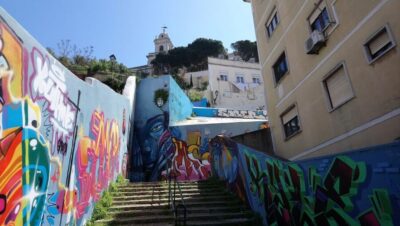
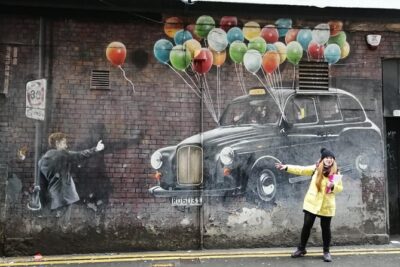
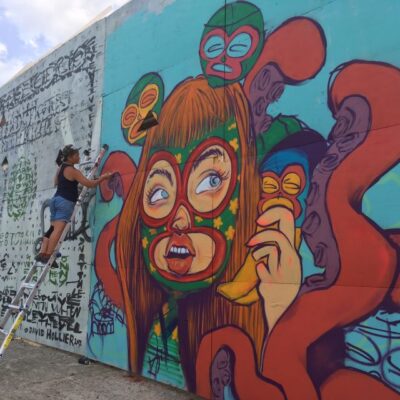

Dresden: Neustadt District Street Art Guided Walking Tour
Read our review →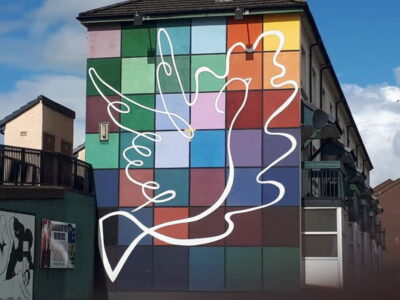
Derry: Bloody Sunday and Bogside Murals Walking Tour
Read our review →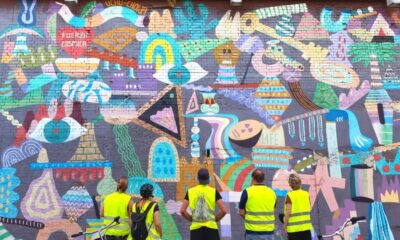
Cologne: Ehrenfeld District Street Art Walking Tour
Read our review →Browse the lists this tour appears in