
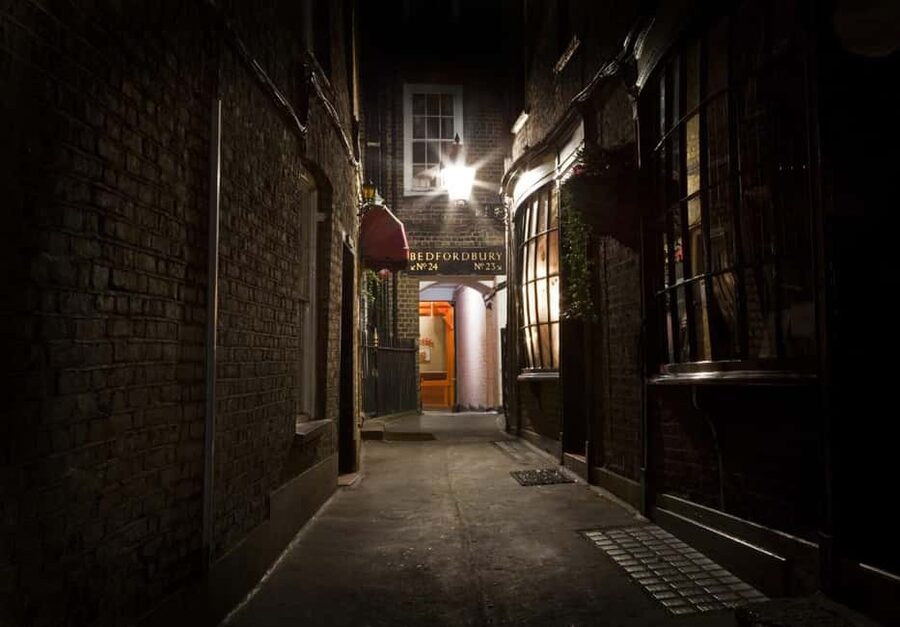
REVIEW · LONDON
London: Jack the Ripper Walking Tour
The most gripping part of this London walk is its use of real streets rather than a museum display. From Tower Hill to Hanbury Street, you follow the route through Whitechapel where the 1888 murders occurred, stopping at the locations tied to the case and hearing how myth grew around an unidentified killer.
I like two things in particular: the strong storytelling from guides such as Jim, Alice, Marc, Matthew, and Robin, and the fact that the tour gives you more than crime trivia. It also explains Victorian poverty, policing, local life, and how the investigation unfolded. The main drawback is practical rather than historical: the meeting point can be hard to find, and the route is more atmospheric after dark than on a bright afternoon.
Key points to know before you book
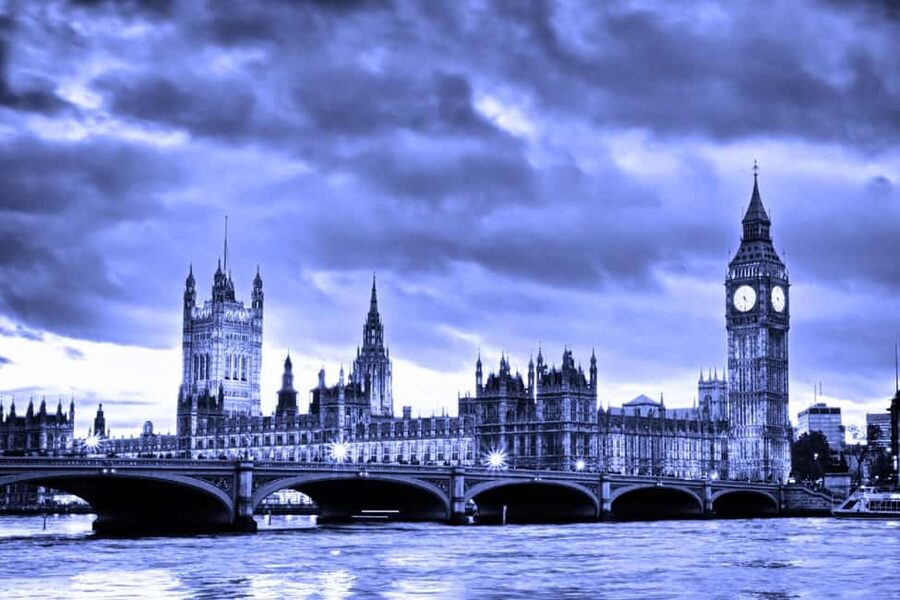
- The route begins at Tower Hill Underground Station and continues through Aldgate and Whitechapel.
- Mitre Square is a major stop, linked to two of the murders.
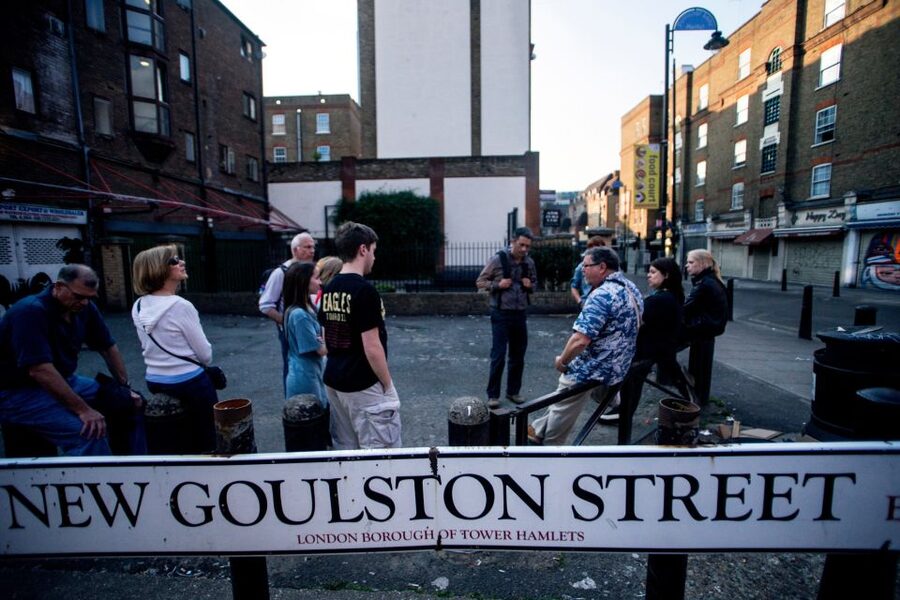
- Goulston Street brings the famous clue into the story, including the disputed writing associated with the case.
- Anne Chapman’s murder site on Hanbury Street gives the tour one of its most unsettling moments.
- Guides make the difference, with Jim, Alice, Marc, Matthew, Robin, and others praised for clear storytelling and historical detail.
- The 90-minute length works well, though the subject is grim and the walk is best for people comfortable with dark crime history.
Following the case from Tower Hill
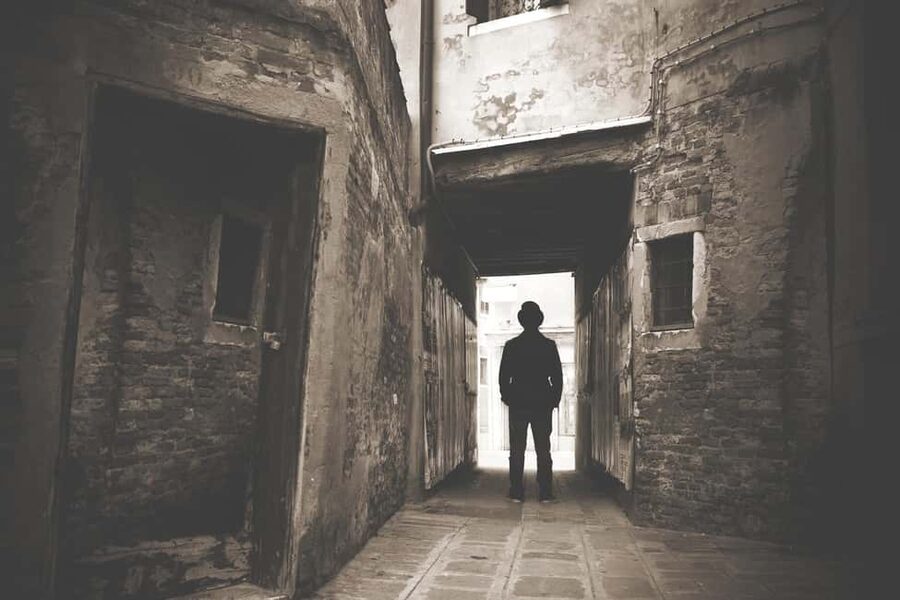
The meeting point is outside Tower Hill Underground Station, by the ice cream and refreshments stand near the station exit. The scheduled departures are 3:30pm and 6pm, though you should check the current time when booking.
Give yourself extra time to get there. The directions have caused confusion for some people, and the map marker may send you toward the food truck area or the Underground entrance rather than the exact meeting spot. Look for the stated stand beside the station exit, and if the map seems unclear, confirm the location before setting off. One person reported needing around 20 minutes to find the starting point, which is a good reason not to arrive at the last minute.
Starting near Tower Hill makes sense for more than transport. You are at the edge of the old City of London, close to the Tower of London and the historic boundary between the City and the East End. The tour does not include admission to the Tower or any other attraction, but the setting gives your guide a useful way to explain how sharply London could change from one district to another in the late 19th century.
The walk begins with the basic case: in the early hours of 31 August 1888, a man heading to work found what appeared to be a bundle near some gates in Whitechapel. It proved to be the body of Mary Ann Nichols, and the discovery set off one of London’s most famous investigations.
Your guide then frames the central problem. The killer was never identified with certainty, the name Jack the Ripper came from a disputed letter, and later stories added plenty of drama that cannot always be separated from the evidence. That distinction is one of the tour’s strengths. The best guides do not present every theory as fact.
More Ghost Walking Tours in London
- London: The Original Jack the Ripper Walking Tour
★ 4.7 · 7,833 reviews - London Jack The Ripper Guided Walking Tour
★ 5.0 · 3,131 reviews - London: Jack the Ripper Walking Tour – Ripper Vision Tours
★ 4.5 · 1,752 reviews
Aldgate High Street and the walk into Whitechapel
From the station, the group continues along Aldgate High Street. This part of the route helps you picture the old relationship between the City and Whitechapel, rather than treating the murders as isolated points on a modern map.
Today, traffic, shops, office buildings, and ordinary city noise can make the area feel far removed from 1888. That contrast is useful. You are not walking through a preserved crime scene, and very little of the Victorian setting survives in a simple, untouched form. Instead, the guide uses the streets as reference points and reconstructs the past through maps, names, testimony, and the known movements in the case.
The walk is not simply a procession from one murder site to the next. Guides have also explained how people lived in the East End, how overcrowding and poverty shaped the district, and how women working the streets faced extreme danger. That broader context gives the story weight and keeps it from becoming a shallow hunt for gruesome details.
Guide style varies, but the strongest versions combine facts with a clear narrative. Jim has been singled out for his command of the five victims’ stories and for his readings of the famous Ripper letters. Alice has been praised for adjusting her pace and giving extra help to people who needed more time. Marc and Matthew have both been noted for making the period feel immediate while adding useful information about London beyond the case itself.
Mitre Square, the most important crime scene
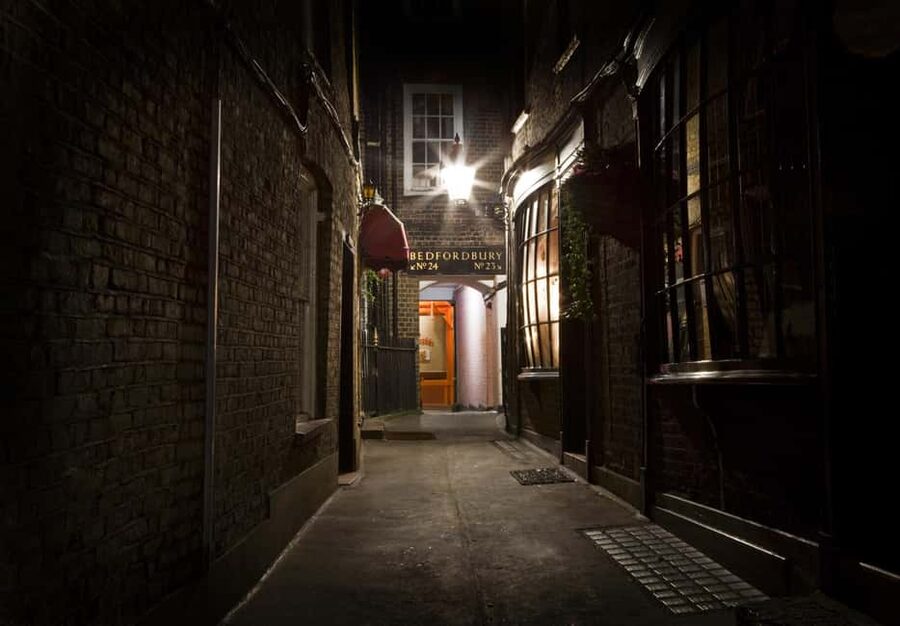
The route reaches Mitre Square, one of the key stops in the case. This is where Catherine Eddowes was murdered on 30 September 1888, only a short time after Elizabeth Stride was killed nearby. The tour explains why that night matters: the killer was linked to two victims within a short period, yet still escaped identification.
Mitre Square also shows why a walking tour can add something that a book or podcast cannot. You can see the scale of the space and its relationship to nearby streets. The guide can point out how quickly someone might have moved through the area, where entrances and exits were located, and why the police faced such a difficult task.
Do not expect a Victorian square preserved exactly as it was. The surroundings have changed, and the value comes from orientation and explanation rather than original fabric. I find that helpful because it keeps the focus on evidence instead of turning the location into a stage set.
The case is full of disputed claims, and this stop is a good place to hear them sorted out. Your guide may discuss suspects, the police response, the press, and the theories about the killer’s identity. The experience is strongest when it admits what remains unknown. At the end of 90 minutes, you are not promised a solution. You are given a clearer idea of why the case has resisted one for so long.
Goulston Street and the disputed clue
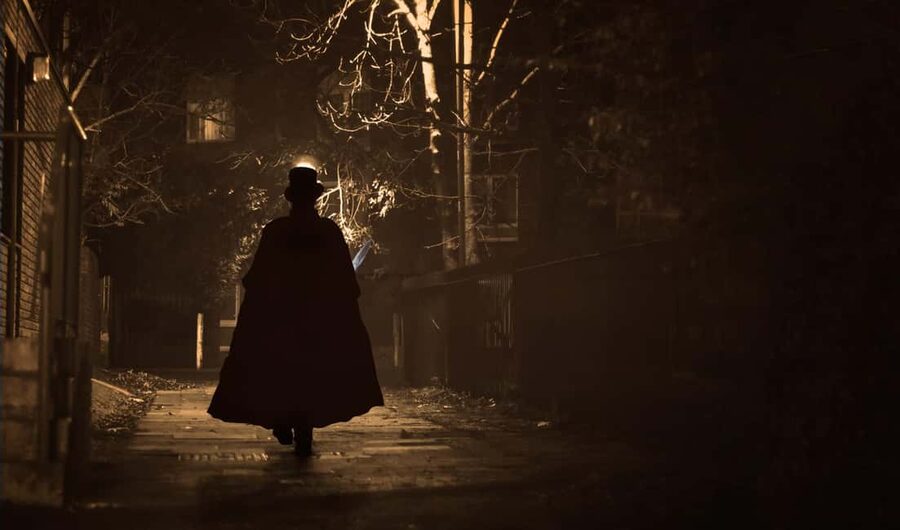
The next important stop is Goulston Street. It is tied to one of the most discussed clues in the entire investigation: writing found on a wall near a piece of bloodstained clothing believed to be connected to the murder of Catherine Eddowes.
The clue is famous because of what the police did next. The writing was erased before it could be properly preserved, partly because officials feared it could provoke hostility toward the Jewish community. The exact wording, meaning, and importance of the message have been debated ever since.
This is where a good guide can separate documentation from later invention. You will hear how the clue entered the story, why it was considered important, and why it cannot be treated as a neat answer. The stop also opens a wider discussion of antisemitism, newspaper sensationalism, and public fear in Victorian London.
I particularly like this section for readers who already know the basic Ripper story. It moves beyond the familiar question of who committed the murders and asks how evidence was handled, how rumors spread, and how the press shaped public understanding. You begin to see Jack the Ripper not only as a criminal mystery, but also as a story about journalism, policing, class, and public anxiety.
More Ghost Walking Tours in the UK
- London: Jack the Ripper Evening Walking Tour
★ 4.9 · 1,449 reviews - London: Ghost Walk and River Thames Boat Ride
★ 4.5 · 1,251 reviews - London Jack The Ripper Small-Group Walking Tour
★ 5.0 · 1,013 reviews - Ghastly Ghost Walking Tour in London
★ 5.0 · 878 reviews
Commercial Street and the changing East End
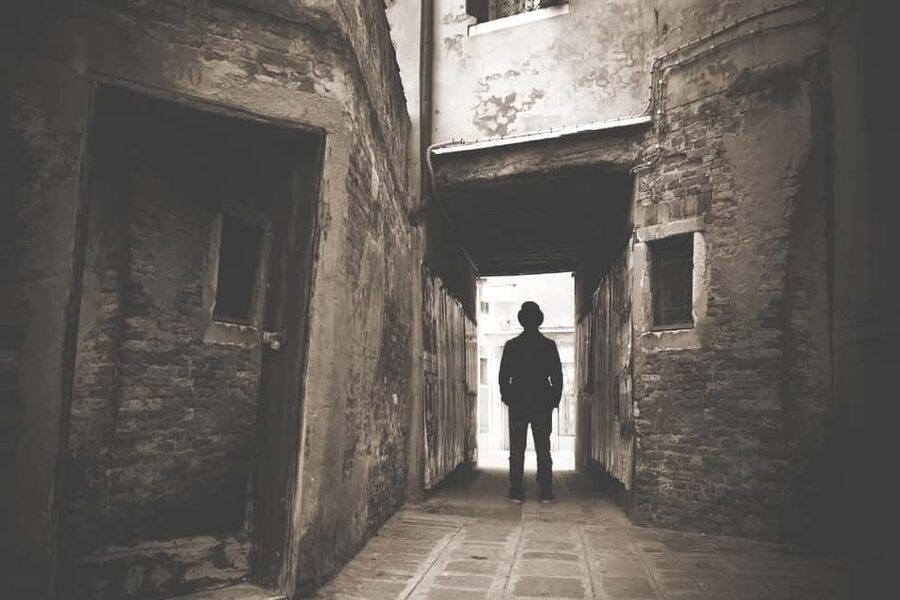
The walk continues along Commercial Street, a useful link between the separate murder sites. This portion may feel less dramatic than Mitre Square or Hanbury Street, but it helps you understand the route as a connected part of Whitechapel rather than a string of unrelated stops.
Commercial Street also gives the guide room to explain the neighborhood. The East End was home to working people, immigrants, small businesses, lodging houses, and people living with very little security. The women murdered in the case were often reduced to a label in later retellings, but a thoughtful guide gives more attention to their lives and circumstances.
That human focus matters. The subject can easily become entertainment built around the killer’s identity. The better approach gives the victims names and stories, explains the risks they faced, and shows how limited the official investigation could be when the victims were poor women with little public influence.
The route is on public streets, so you should expect normal city conditions: traffic, pedestrians, and occasional background noise. A large group may need to gather closely around the guide at stops. The walk is not advertised as a private tour, and the quality of your experience will partly depend on how well you can hear and keep up.
Hanbury Street and the story of Anne Chapman
Hanbury Street is one of the most unsettling stops. It is associated with the murder of Annie Chapman, whose body was found in a yard behind a house on 8 September 1888.
The guide uses the location to reconstruct the scene and explain the evidence. The details are grim, so this is not a light sightseeing walk. You can expect an account of the injuries, the discovery, the police response, and the way the murder shaped the growing belief that the same person was responsible for several attacks.
The modern street does not offer a preserved crime scene, and that is worth understanding before you book. You are not visiting an intact Victorian interior or entering a museum exhibit. You are standing in the present-day neighborhood while the guide uses the visible street plan and historical records to explain what happened.
The best storytelling here combines restraint with detail. Several guides, including Robin, Marc, Matthew, and Michael, have been praised for making the period understandable without losing sight of the human cost. Robin has also adapted his presentation for families with younger children, but the material remains disturbing, so parents should decide carefully.
What the guides add to the experience
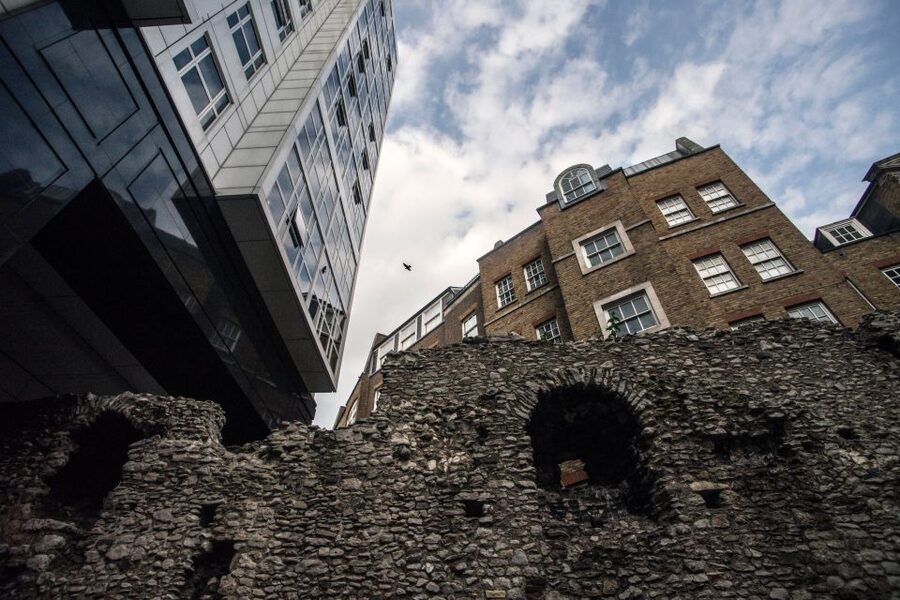
The guide is the main reason this tour can be worth the $20 price. The route itself is easy to follow on a map, but a map cannot explain the theories, the police mistakes, the press coverage, or the lives of the victims in a useful order.
Jim has become known for his dramatic delivery and readings of Ripper letters. Alice brings a careful, considerate style and has been willing to slow down when members of the group need it. Marc is noted for precision, humor, and storytelling, while Matthew has connected the case with wider London history. Robin brings strong local knowledge and has helped people find their way back after the walk.
Other guides named by participants include Michael, Johnny, Mathias, Elena, Brian, Bruce, Jo, and Greta. Greta even led one Halloween walk in costume, though you should not assume every departure includes a theatrical presentation. The common thread is an English-language tour led by a live guide, not an audio recording or self-guided route.
You may hear the same basic stops from different guides, but the tone can change. Some lean toward careful historical explanation, while others use humor, suspense, and dramatic readings. That variety is part of the appeal, though it also means your experience depends on the individual guide assigned that day.
Is $20 fair value for 90 minutes?
At $20 per person, I consider this a reasonable price for central London, especially if you want a focused history walk rather than a full-day attraction. You are paying for a professional guide and a planned route through several important locations, with no separate admission fees to add.
The value is highest if you have a genuine interest in the case or in Victorian London. The guide provides the structure, context, and interpretation that turn ordinary streets into meaningful stops. If you already know the main suspects and murder dates, you can still gain from the discussion of evidence, policing, and the social setting.
The value is lower if you expect preserved buildings, access to crime scenes, or a theatrical haunted-house event. This is a public-street walking tour. Modern London is always present, and the murder sites are explained from outside rather than entered as attractions.
The 90-minute length is another advantage. It is long enough to cover the main route but short enough to fit before dinner or another evening plan. You will be walking and standing, so comfortable shoes and weather protection make sense. Several people have found rainy conditions added atmosphere, but rain can also make it harder to hear and keep pace.
Who should take this Whitechapel walk?
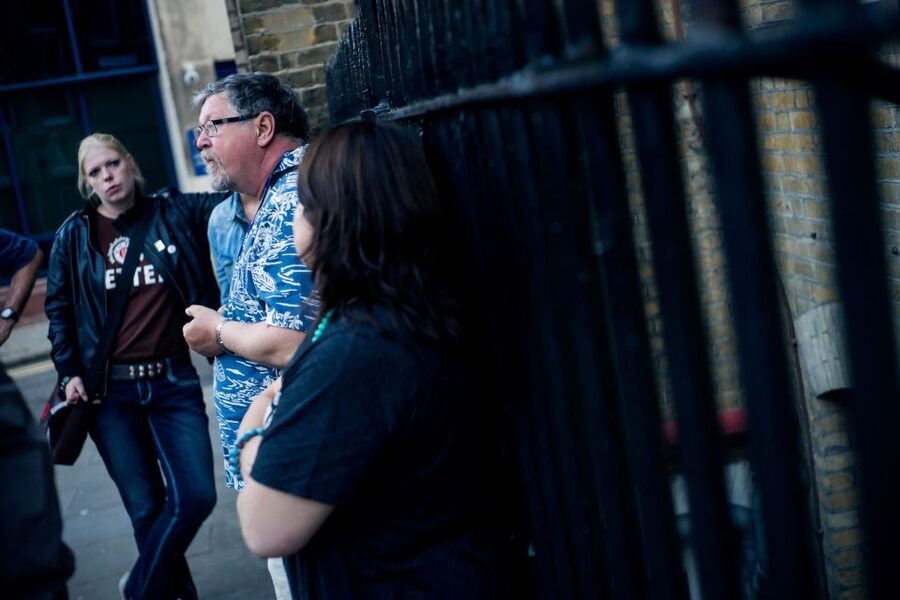
I would choose this tour if you like unsolved crimes, social history, old London, or guided walks that connect streets with documented events. It also works well as a different way to see the East End after visiting the city’s better-known landmarks.
It suits adults and older children who can handle descriptions of murder and violence. Children under 16 may join at a parent’s discretion, but the material is not gentle. Parents should consider the level of graphic detail and the atmosphere before booking.
I would skip it if you dislike gruesome subjects, want a fully preserved Victorian setting, or prefer a quiet walk with no dramatic storytelling. The tour is built around crime, uncertainty, and the darker side of city life.
The 6pm departure may feel more atmospheric than the 3:30pm option, especially in the darker months. Still, the tour is not guaranteed to take place entirely after dark, and the mood depends on the season and sunset time.
Practical details that make the walk easier
The tour is in English and includes a professional guide. Food, drinks, attraction admission, and transport beyond getting to the meeting point are not included.
Wear shoes suitable for 90 minutes on city streets. Keep your phone charged for directions, since the starting point can be confusing. Arrive early enough to locate the ice cream and refreshments stand beside the Tower Hill station exit rather than relying only on the map pin.
You can cancel up to 24 hours before departure for a full refund, and the reserve-now, pay-later option lets you hold a place without paying immediately. Check availability for the current departure times, as schedules can change.
Should you book the Jack the Ripper Walking Tour?
Book it if you want a short, well-priced London walk built around real locations and careful storytelling. The strongest guides turn Mitre Square, Goulston Street, Commercial Street, and Hanbury Street into a connected lesson in crime, poverty, policing, and Victorian media.
Go in expecting an atmospheric history walk, not a solved mystery or a museum visit. Allow extra time to find the meeting point, prepare for grim material, and choose the evening departure if you want a darker mood. For $20, it is a sensible choice for curious adults and older children who want to see Whitechapel from a less polished, more unsettling angle.
FAQ
How long is the Jack the Ripper walking tour?
The tour lasts 1.5 hours, or 90 minutes, from start to finish.
Where does the tour meet?
Meet outside Tower Hill Underground Station by the ice cream and refreshments stand beside the station exit.
What time does the tour depart?
The listed departure times are 3:30pm and 6pm. Check availability for the exact date you want.
What locations does the walk visit?
The route begins at Trader’s Gate, continues along Aldgate High Street to Mitre Square, then goes to Goulston Street, Commercial Street, and Hanbury Street.
Is the tour conducted in English?
Yes. The live tour guide speaks English.
Is admission to attractions included?
No. The price includes the guided walking tour and professional guide, but not food, drinks, or admission to attractions.
Can children join the tour?
Children under 16 may join at their parent’s discretion. The subject includes descriptions of murder and disturbing events.
Can I cancel the booking?
Yes. You can cancel up to 24 hours in advance for a full refund. A reserve-now, pay-later option is also available.
More Ghost and Haunted Walks in London
- London: Ghastly Ghosts 2-Hour Walking Tour
★ 4.9 · 794 reviews - London: Interactive Jack the Ripper Night Walking Tour
★ 4.7 · 229 reviews - London: Witches and History Bankside Walking Tour
★ 4.8 · 223 reviews - London: Jack the Ripper Night Walking Tour in Whitechapel
★ 4.8 · 166 reviews
Just added around London
- German London : The Ultimate Walking tour★ 4.8 · 400 reviews
- London: Medieval History Walking Tour from The Tower★ 4.9 · 318 reviews
- The Beatles London Walking Tour★ 4.2 · 147 reviews
- Secret Old London Walking Tour★ 4.8 · 154 reviews
- Secrets of London Walking Tour★ 4.7 · 562 reviews
- London: Notting Hill Walking Tour★ 4.5 · 254 reviews
- London: Old City Walking Tour★ 4.8 · 135 reviews
- London: Witches and History Bankside Walking Tour★ 4.8 · 223 reviews
Ghost and Haunted Walking Tours, compared.

New Orleans Premier Ghost, Voodoo and Vampire Walking Tour
Read our review →


Ghost Walking Tour Where Legends Come To Life
Read our review →
St. Louis Cemetery No. 1 Official Walking Tour
Read our review →

Savannah History and Haunts Candlelit Ghost Walking Tour
Read our review →
Browse the lists this tour appears in