
REVIEW · KYOTO
Kyoto Sake Brewery & Tasting Walking Tour
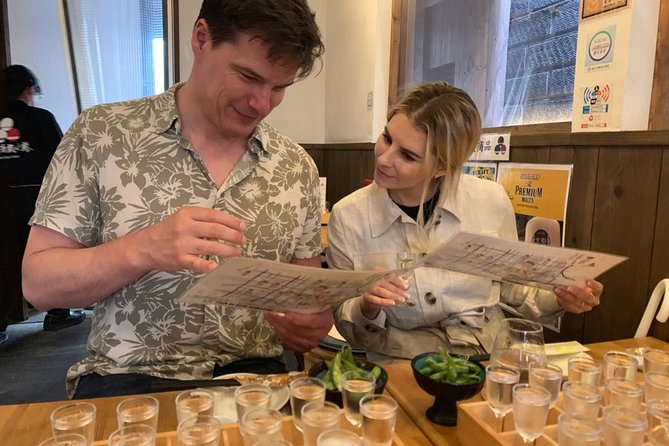
Fushimi is one of Japan’s best places to learn about sake, and this three-hour walk gives you a useful mix of brewery history, local streets, and serious tasting. The highlight is the jump from museum exhibits to a table lined with as many as 18 different sakes, where you can work out what you actually like.
I like the small maximum group of seven, which makes it easy to ask questions and keep up with your guide. I also like the clear progression: see how sake is made, learn why Fushimi became a brewing center, then taste the results. The main thing to consider is the amount of alcohol. Eighteen samples can feel like a lot, and the food ordered at the tasting stop costs extra.
Key points
- Up to 18 Kyoto sake samples: Compare dry, sweet, and other styles at a local sake restaurant.
- Gekkeikan Okura Sake Museum: Spend about 30 minutes with brewing tools, displays, and the story of one of Kyoto’s best-known producers.
- Fushimi brewery district: Walk between historic sights, including Teradaya, while learning why this part of Kyoto became famous for sake.
- Small-group format: The tour accepts no more than seven people, with guides such as Matt, Rika, Kumi, and Yukari praised for clear explanations and friendly help.
- Useful for beginners: You do not need prior sake experience. The tasting helps you identify styles you may want to order or buy later.
- Practical route: Meet at Chushojima Station and finish near Fushimi-Momoyama Station, with public transport close by.
Why Fushimi is the right place to learn about sake
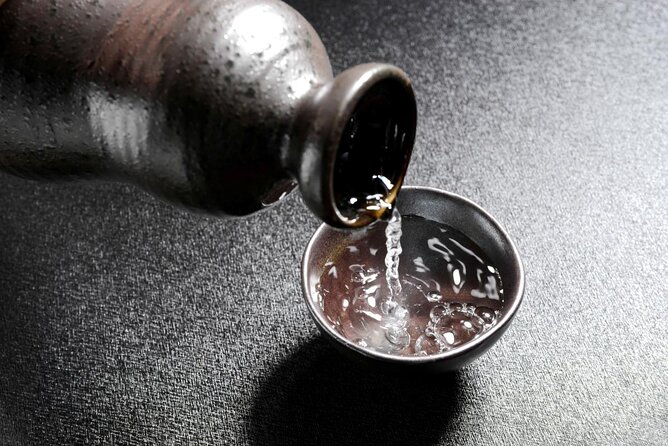
Fushimi is not simply a convenient Kyoto neighborhood with a brewery museum. It is one of Japan’s major sake districts, and the setting gives the tasting more meaning. You are walking through an area where sake production shaped local business and daily life, rather than sampling bottles in a detached tasting room.
The tour begins near Chushojima Station, in Fushimi Ward. From there, your guide leads you through part of the brewery district toward the Gekkeikan Okura Sake Museum and other local sights. The route ends near Fushimi-Momoyama Station, so you finish in a useful spot for continuing around southern Kyoto.
I like this arrangement because you get a little movement between tastings. You are not sitting down immediately and drinking through a long flight without context. The walking portion also gives your guide time to explain the area, point out traditional brewery features, and connect sake to local history.
The walk does require reasonable mobility. This is not a good choice if you have trouble walking, although the operator says you can ask about making the experience private. Summer is hot and humid in Kyoto, so bring water and a hat.
More Wine and Tapas Walks in Kyoto:
- Barcelona Tapas and Wine Experience Small-Group Walking Tour
★ 5.0 · 5,804 reviews - Barcelona: Tapas Walking Tour with Food, Wine, and History
★ 4.8 · 4,261 reviews - Madrid Tapas & Wine Tasting Walking Tour – Small Group Local Bars
★ 5.0 · 3,644 reviews
Inside the Gekkeikan Okura Sake Museum
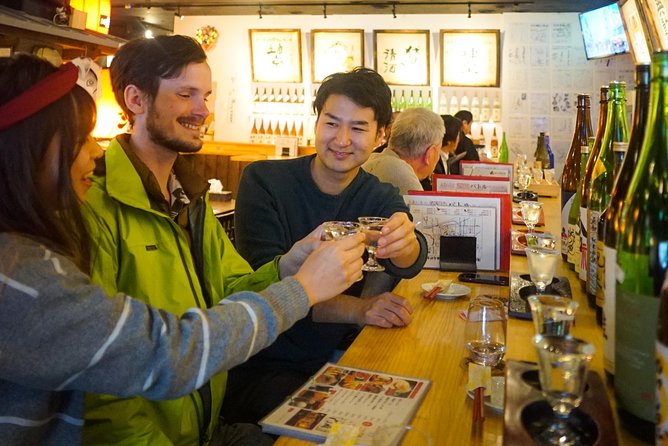
The Gekkeikan Okura Sake Museum is the tour’s teaching center. Admission is included, and the planned visit lasts about 30 minutes. You learn about the company, the tools used in sake production, and the basic stages that turn rice, water, yeast, and koji into sake.
The museum is especially helpful if you are new to the drink. Sake labels can look confusing at first, and a short explanation of polishing, fermentation, and sweetness gives you a better way to understand what you taste later.
Gekkeikan is also a useful case study because it is a major Kyoto producer with a long local connection. One practical surprise is that the brand may already be familiar to you from outside Japan. That can be a plus or a disappointment. You get to see how a traditional Kyoto brewer operates, but you are not visiting a tiny producer whose bottles are available only in Fushimi.
The museum itself is more educational than theatrical. You will see sake exhibits and brewing equipment rather than watch a full working production line. I would not book this tour for a large-scale brewery demonstration. Book it for a compact introduction that gives the later tasting some structure.
There is also a tasting opportunity connected with the museum, where staff can help explain broad differences such as dry and sweet. That extra guidance matters because it gives you a first reference point before the larger tasting at the restaurant.
A short look at Teradaya and Fushimi’s past
The route passes Teradaya, a well-known Fushimi sight linked to Sakamoto Ryoma and the Teradaya Disturbance near the end of the Edo period. You do not spend the entire tour on this event, but the stop adds a useful layer to the walk.
This is one reason I prefer the walking format to a museum-only visit. You see that Fushimi has more than one story. Its breweries matter, but so do the political events and historic buildings that made the district a stop on many Kyoto itineraries.
Your guide may also use the walk to answer broader questions about Kyoto, Japanese customs, and nearby places to visit. Guides including Matt, Kumi, Rika, Yuka, and Yukari have been praised for helping with practical suggestions after the formal tour ends. That sort of local help can be valuable early in a Kyoto stay.
What the Kappa Gallery adds
The Kappa Gallery offers a short cultural change of pace. It focuses on the kappa, a water creature from Japanese folklore that has long been popular in Japan. The stop is tied to the local brewery setting and is included in the itinerary with about 30 minutes of admission time.
At first, a kappa display may seem unrelated to sake. It helps make the walk feel like a neighborhood visit rather than a single-brand sales presentation. You get a glimpse of local humor and folklore alongside the more technical brewery material.
Still, expectations matter. This is not another full brewery tour, and the available information does not promise a working production visit at the gallery. If your main goal is to inspect several brewing facilities, this tour may feel lighter on that point than its name suggests.
More Bar and Pub Tours in Kyoto:
- Kyoto: Izakaya Bars Guided Walking Tour
★ 4.9 · 815 reviews - Bruges: Walking Tour, Canal Boat Trip w/Beer Tasting Option
★ 4.4 · 2,759 reviews - Tokyo: Shinjuku Local Bar and Izakaya Guided Walking Tour
★ 4.9 · 1,794 reviews - Southern Flavors Food, Pub Crawl, and History Walking Tour
★ 4.5 · 1,623 reviews
The main event: a long Kyoto sake tasting
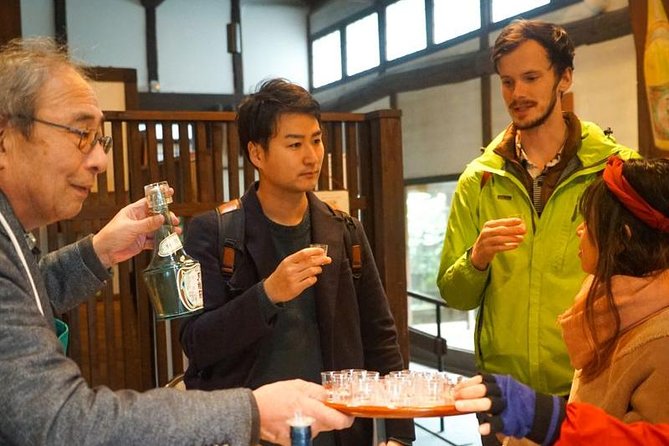
The final tasting is where the experience earns much of its price. The included set is described as 18 kinds of sake, although individual experiences have included 17, 18, 21, or 22 samples. The exact number can vary by the day and the tasting setup, so think of 18 as the stated standard rather than an absolute guarantee.
You sample at a local sake restaurant or bar, not just at a museum counter. That gives the tasting a more social feel and lets you order food separately from vendors or the restaurant. Food is not included, but buying something to eat is a smart move, especially if you plan to try the full set.
The tasting works best when you treat it as comparison rather than a race. Start by noticing the broad differences your guide explains. Is the sake sweet or dry? Light or fuller in feel? Easy to drink or more distinctive? You do not need to memorize every label. The point is to find a few styles you would order again.
The sheer number of samples is both the attraction and the warning. Eighteen small pours can be manageable for some people, but overwhelming for others. One useful approach is to pace yourself, drink water, eat along the way, and avoid treating every sample as a full glass. The tour includes sake tasting, not unlimited drinking.
Guides vary in how much detail they give about each bottle. Matt, Rika, Kumi, Ayu, Linda, Peco, Karin, and others have received praise for explaining sake clearly, answering questions, and sharing personal favorites. Yet the tasting is not designed as a formal sommelier class for every individual pour. If you want a technical breakdown of every bottle, you may find the presentation uneven.
That is not necessarily a flaw. A friendly guide who helps you compare styles and enjoy the setting may be more useful than a lecture that turns 18 samples into homework. Linda, who is also a sake sommelier, is an especially appealing guide match for anyone hoping for a more advanced perspective, though guide assignments are not guaranteed.
What the small group changes
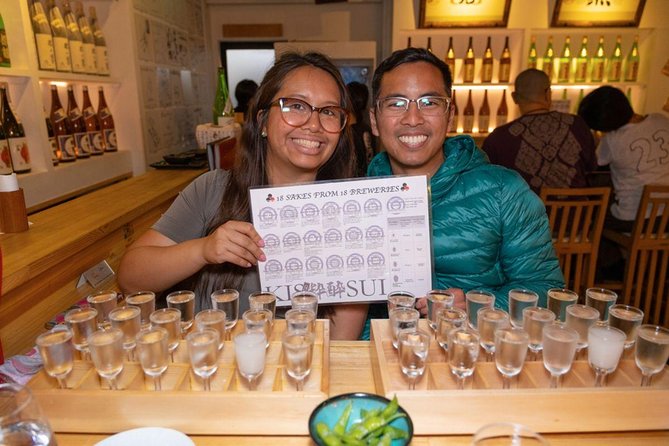
The tour’s maximum of seven people is a real advantage. A small group lets you hear explanations while walking, ask questions without interrupting a large crowd, and sit together more easily during the tasting.
Some departures may be smaller still, even private in practice. That can make the experience feel relaxed and personal. Guides have also helped with directions, taxi arrangements, liquor-store stops, and advice for getting around Kyoto after the tour.
Your guide can affect the feel of the afternoon. Matt has been praised for his historical explanations and enthusiasm for sake. Rika is noted for making the tasting fun while still giving detailed information. Kumi has helped connect sake with Japanese culture and Kyoto neighborhoods, while Yukari has been praised for making the museum and tasting easy to enjoy.
Those names are useful to know, but you cannot request a particular personality from the information provided. The certified guide comes from MagicalTrip, and the strong overall rating of 4.9 from 623 ratings suggests a reliable standard, though no tour is free from mishaps. One departure had a guide arrive late after the group waited, and a refund was issued. It is a reminder to keep your booking contact details handy on the day.
Is $98.82 a fair price?
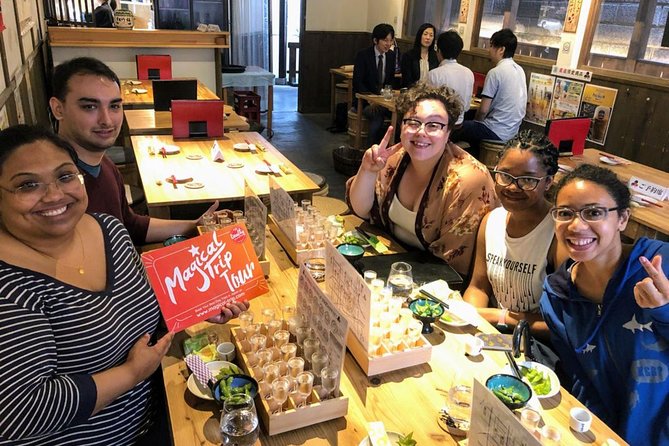
At $98.82 per person, this is not the cheapest way to taste sake in Kyoto. You could certainly buy a few bottles or order several pours at a bar for less.
The value comes from the package. Your price includes the Gekkeikan museum admission, the sake tasting, a certified guide, and photos taken during the tour. You also get a structured walk through Fushimi and help making sense of sake styles that might otherwise blur together.
For a first-time sake drinker, that guidance can justify the cost. You learn what to look for, taste a broad range, and finish with a clearer idea of what to buy. For an experienced sake fan who already knows producers and tasting terms, the museum may feel basic and the value will depend on how much you enjoy the local history and social setting.
Food and extra drinks are not included. Add that cost to your budget, and remember that anyone under 20 receives food or snacks instead of sake. That makes the tour workable for mixed-age groups, but the experience is clearly built around adult tasting.
Who will enjoy this tour most
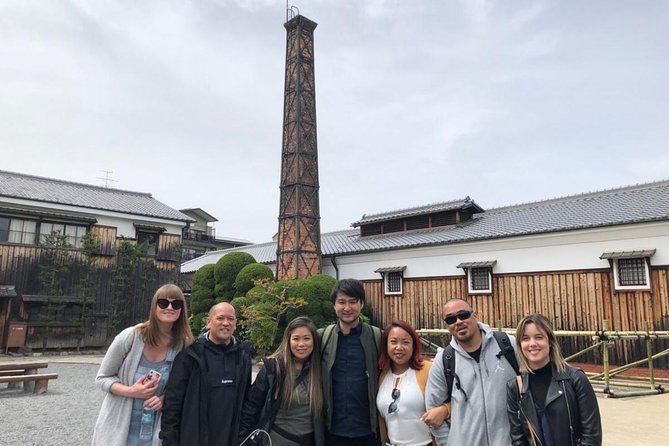
I would recommend it to you if you want a guided introduction to sake without spending a full day on a specialist course. It suits couples, small groups, and solo visitors who like meeting people while learning about food and drink.
It is also a strong choice if you are curious but unsure where to begin. The museum gives you the basic vocabulary, and the tasting lets you test your preferences in real time. You may find that you prefer a style you would never have chosen from a label alone.
The tour is less ideal if you want several working brewery tours, exclusive bottles, or a very technical explanation of every sample. One stop involves a major brewer with international distribution, and some of the sake may be available outside Japan. The experience still has a Kyoto setting, but it is not built entirely around small producers or rare local-only bottles.
It may also be too much if you do not drink alcohol, have dietary restrictions, or dislike group tastings. The operator cannot guarantee allergy-free food or meet every dietary request because food comes from kitchens outside its control. Tell the operator about mobility concerns before booking, rather than assuming the walking route will be easy.
Practical details before you book
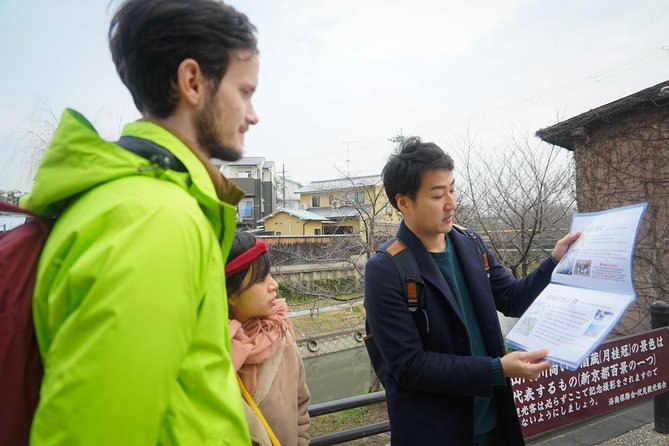
The tour lasts about three hours and uses a mobile ticket. Meet at Chushojima Station at Yoshijima Yaguracho in Fushimi, then finish at Fushimi-Momoyama Station on Ryogaemachi. Both ends are near public transport.
Wear comfortable shoes. The route includes walking between the museum, local sights, and tasting stop, and the operator specifically warns that the tour is not recommended for people with mobility issues.
Keep water with you in summer. Kyoto heat and humidity can make alcohol feel stronger, so pacing matters even more during the warmer months.
Free cancellation is available up to 24 hours before the local start time for a full refund. Changes made within 24 hours are not accepted, and poor weather may lead to a new date or a full refund.
Should you book the Kyoto sake tour?
Book it if you want a friendly, well-organized introduction to Fushimi and enough sake to discover your own preferences. The combination of the Gekkeikan museum, local history, Kappa Gallery, and a long restaurant tasting gives you more than a simple bar crawl.
I would especially choose it near the start of a Kyoto visit. Your guide can help you understand sake labels, suggest places to visit, and point you toward bottles or neighborhoods worth exploring later.
Skip it if you want a tour built around small, traditional breweries only, or if 18 samples sounds excessive. For most curious drinkers, though, the small group and broad tasting make the $98.82 price reasonable, provided you budget extra for food and pace yourself.
FAQ
How long does the Kyoto sake brewery tour last?
The experience lasts approximately three hours.
Where does the tour begin?
It begins at Chushojima Station in Fushimi Ward, Kyoto, near Yoshijima Yaguracho.
Where does the tour end?
The tour ends at Fushimi-Momoyama Station, near 4 Chome Ryogaemachi in Fushimi Ward.
How much sake is included?
The stated tasting includes 18 kinds of sake at a sake restaurant. Some departures have included different numbers, such as 17, 21, or 22 samples.
Is the museum admission included?
Yes. Admission to the Gekkeikan Okura Sake Museum and the Kappa Gallery is included.
Can someone under 20 join?
Yes. Anyone under 20 receives food or snacks instead of the sake tasting set.
Can I cancel for a full refund?
Yes, if you cancel at least 24 hours before the experience start time. Cancellations made less than 24 hours before the start are not refunded.
More Brewery Visits in Kyoto
- Cologne: 3 Old Town Breweries Guided Walking Tour
★ 4.8 · 120 reviews - Cologne: Old Town Walking Tour with 1 Brewery Visit & 1 Beer
★ 4.7 · 87 reviews
Just added around Kyoto
- Kyoto: Meet the Geisha Maiko with Gion Walking Tour★ 4.8 · 371 reviews
- Cool Kyoto: 5-Hour Walking Tour with the Last Samurai★ 4.8 · 73 reviews
- Gion Walking Tour by Night★ 4.5 · 429 reviews
- Kyoto Gion Night Walk & Geisha District Guided Tour★ 5.0 · 786 reviews
- Kyoto: Izakaya Bars Guided Walking Tour★ 4.9 · 815 reviews
- Kyoto Gion: 2-Hour Geisha Culture & History Walking Tour★ 5.0 · 1,186 reviews
- Kyoto Arashiyama Walking Tour: Bamboo, Monkeys, Gardens & Secrets★ 5.0 · 1,216 reviews
- Nishiki Market Brunch Walking Tour (7 Tastings + Brunch)★ 5.0 · 1,355 reviews
Wine and Tapas Walking Tours, compared.

Barcelona Tapas and Wine Experience Small-Group Walking Tour
Read our review →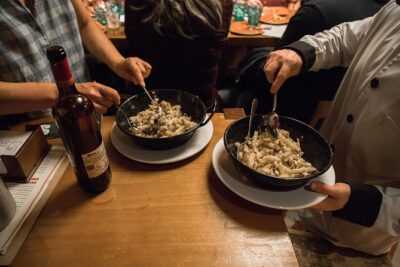
Madrid Tapas & Wine Tasting Walking Tour – Small Group Local Bars
Read our review →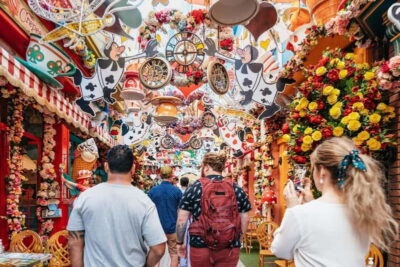
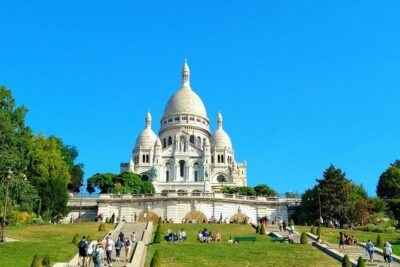
Montmartre Hill French Gourmet Food and Wine Tasting Walking Tour
Read our review →
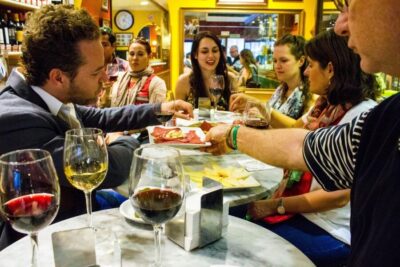

Madrid by Night Small Group Tour: Stories, Sights and Tapas Bites
Read our review →
Barcelona Tapas Walking Tour: Food, Wine & History
Read our review →Browse the lists this tour appears in