
REVIEW · ISTANBUL
Istanbul: European and Asian Side Guided Foodie Walking Tour
Istanbul makes the most sense when you eat your way through it. This 5.5-hour food walk links the Spice Bazaar on the European side with Kadıköy and Moda on the Asian side, using the city’s ferry as part of the route. You will stop at 8 to 9 eateries, so this is not a quick snack crawl. It is a full morning and afternoon meal spread out across two continents.
I like the small group of no more than 10 and the way the ferry ride gives the tour a real sense of place. I also like the range: breakfast, kebab, dolma, tantuni, kokoreç, baklava, Turkish coffee, and dondurma. The main caution is simple: this is a long eating and walking day, and it is not suitable for wheelchair users, people with mobility impairments, or vegans.
Key points at a glance
- Two sides of Istanbul: Begin near the Spice Bazaar, then cross the Bosphorus to Kadıköy and Moda.
- A full Turkish food education: Taste breakfast dishes, street food, kebab, sweets, coffee, tea, and regional specialties.
- Family-run and local stops: The route includes small restaurants and neighborhood food spots rather than only famous tourist addresses.
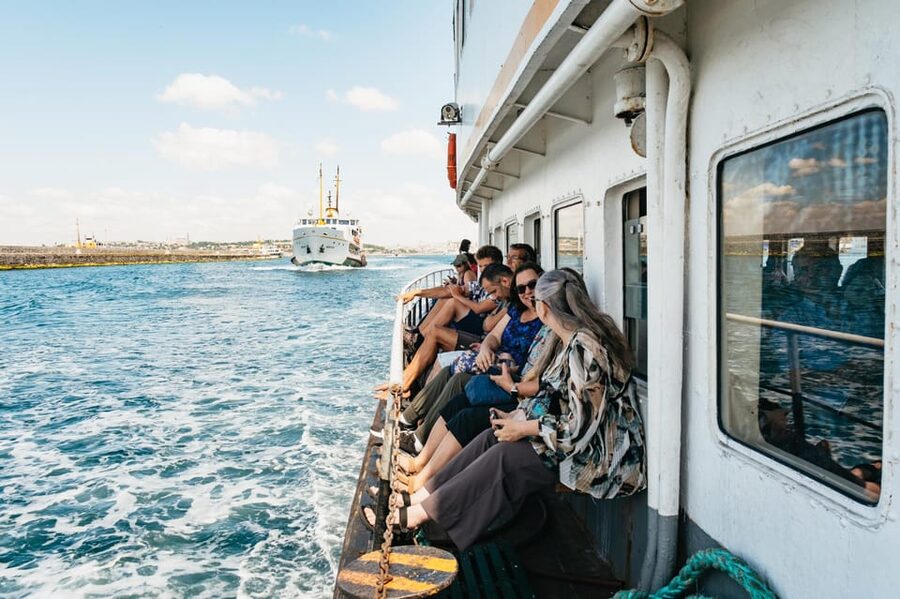
- A ferry ride included: The 30-minute crossing is transport, sightseeing, and a welcome pause between meals.
- Best with an empty stomach: The food is plentiful. Eat lightly before meeting the guide.
- Strong guide element: Guides such as Selen, Sinan, Bahri, Tunc, Feyza, Ali, and Kaan have been praised for mixing food with stories about daily life and Turkish culture.
Why this tour works as a first day in Istanbul
I would put this tour near the beginning of an Istanbul visit. It gives you a practical introduction to the city’s food customs, neighborhoods, ferry system, and two very different urban moods. Several guides, including Sinan, Tunc, Feyza, and Ali, are noted for adding useful context about where dishes came from and how food reflects Istanbul’s mixed cultural past.
The tour also helps you get your bearings without turning into a formal sightseeing lecture. You walk through market streets, eat at places you might not find on your own, and cross to the Asian side before you have had time to think of Istanbul as only the Blue Mosque and Hagia Sophia.
That first-day advantage is real. You will learn dishes to look for later, neighborhoods worth returning to, and local habits that make restaurant visits less confusing. One person even returned to the breakfast stop later in the trip, which says something about how memorable that first meal can be.
The pace is not rushed, but the day is long. It includes several eating stops, market walking, a ferry crossing, and movement through more than one neighborhood. If you tire easily or prefer a relaxed café morning, this may feel like too much. If you enjoy food as a way to understand a place, the packed schedule is the point.
More Food Walking Tours in the world:
- Reykjavik Food Walk – Local Foodie Adventure in Iceland
★ 5.0 · 18,952 reviews - New Orleans Food Walking Tour of the French Quarter with Small-Group Option
★ 5.0 · 6,118 reviews - Naples: Street Food Walking Tour with Local Guide
★ 4.9 · 4,976 reviews
Starting at the Spice Bazaar
Meet at Viyana Kahvesi Sirkeci, near the Legacy Ottoman Hotel. Istanbul has several Viyana Kahvesi branches, so check the exact Sirkeci location carefully. If you arrive by taxi, tell the driver to take you to the Legacy Ottoman Hotel. The café is on the left side of the hotel.
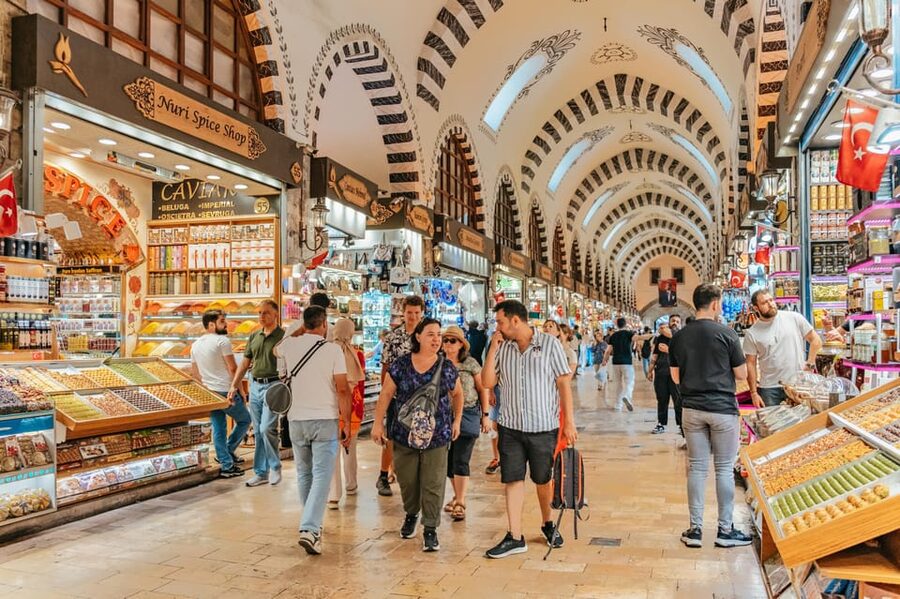
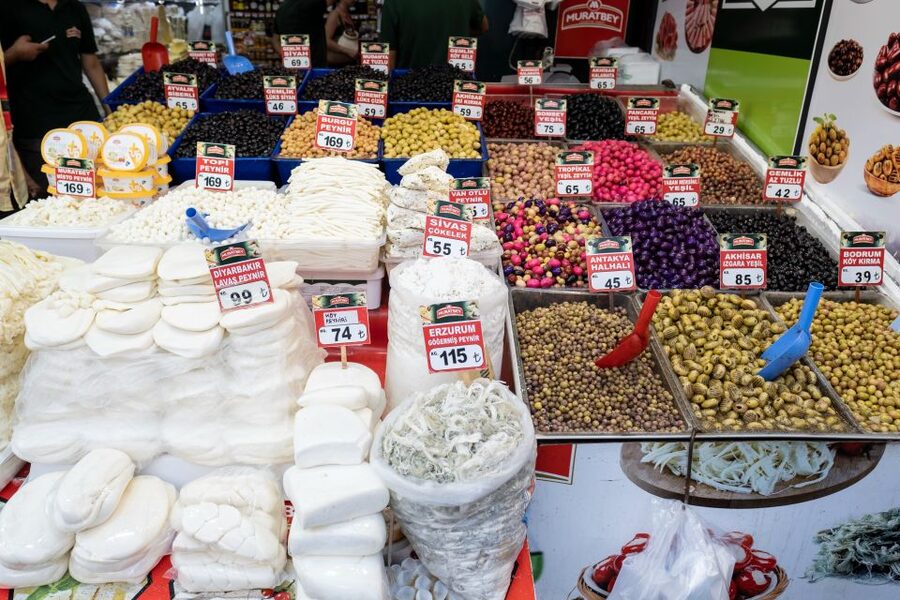
The tour begins around the Egyptian Spice Bazaar, one of the best settings in the city for a food tour. You get a short guided walk through the market before eating. The market visit lasts about 15 minutes, so treat it as an introduction rather than shopping time.
This matters because the schedule leaves little room to browse. If you spot spices, sweets, or other goods you want to buy, remember the stall and return later. One useful approach is to take a quick photo of the shopfront, then come back after the tour when you are not trying to keep up with the group.
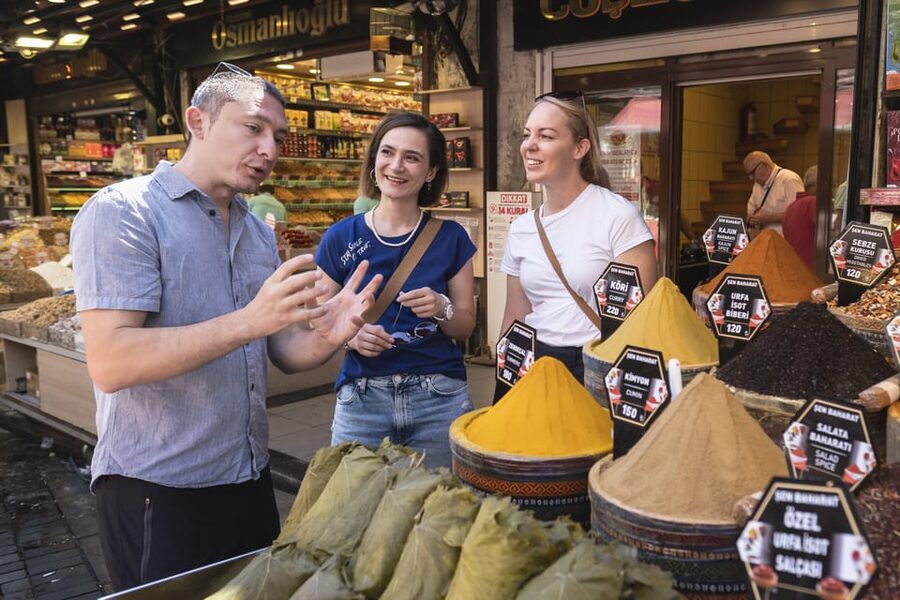
The bazaar is also a good place for the guide to explain ingredients and Turkish food habits. You might hear about the role of spices, preserved foods, sweets, and market shopping in everyday life. The value here is not just seeing the stalls. It is learning what you are looking at before the tasting begins.
Breakfast before the serious eating begins
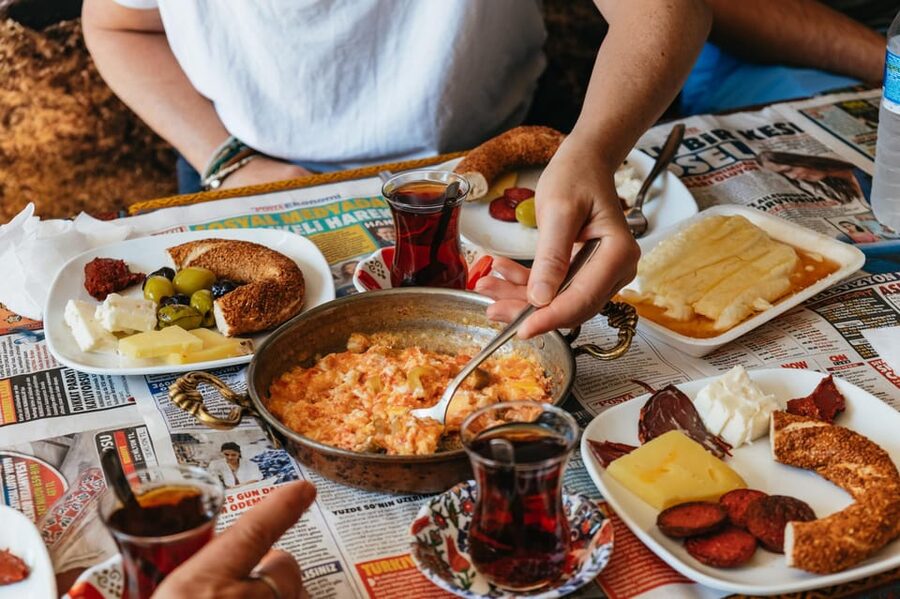
The first substantial stop is a Turkish breakfast lasting about 30 minutes. It uses locally sourced produce and sets the tone for the rest of the day. Expect a spread of breakfast items rather than one main plate, although the exact dishes can vary.
This is one of the smartest parts of the itinerary. Turkish breakfast shows you that the country’s morning meal is not simply coffee and a pastry. It gives you a first look at the importance of bread, fresh produce, small savory bites, and shared eating.
Come hungry, but do not overdo it before the tour. The breakfast is only the first food stop, followed by more tasting near the Spice Bazaar. A full hotel breakfast beforehand is a mistake. You need room for the kebab, street food, desserts, and later specialties.
The early food stops are also a good test for adventurous eaters. You will have a guide explaining what you are eating, which makes unfamiliar dishes easier to try. At the same time, this is not a menu built around familiar Western substitutes. The experience works best if you arrive ready to taste small portions and ask questions.
From dolma to kebab and local specialties
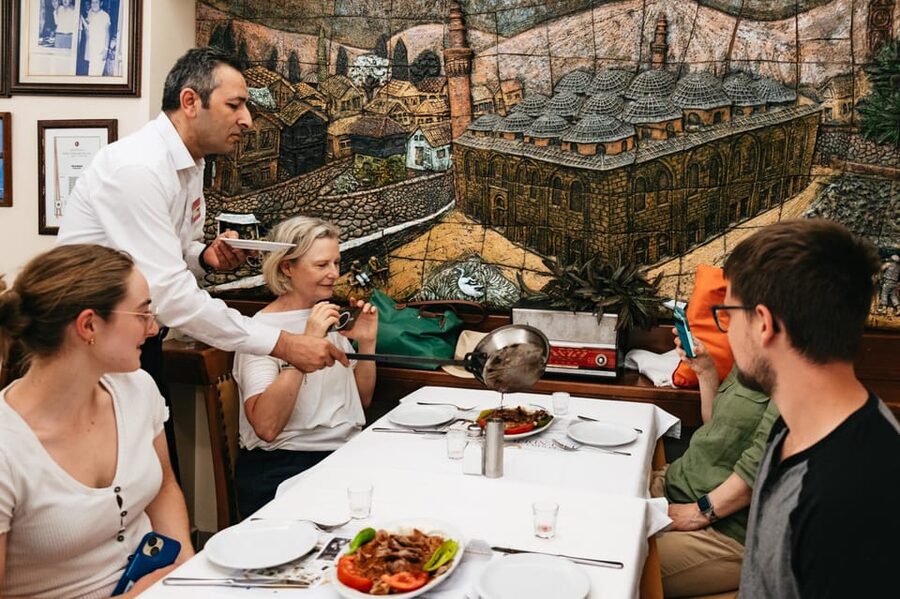
After breakfast, the group continues with another food tasting in the Spice Bazaar area. The day then moves through dishes associated with Istanbul and wider Turkish cuisine, including dolma, tantuni, kokoreç, and kebab.
The kebab stop is especially appealing because it takes place at a local family-owned restaurant. One guide, Kaan, brought a group to a restaurant described as the place where a particular kebab was invented. That detail may not apply identically to every departure, but it shows the kind of food story that can make the meal more than a plate of meat.
Tantuni gives you another taste of Turkish street food, while dolma offers a different texture and style of seasoning. Kokoreç is more of a challenge for cautious eaters. It is a local favorite, but you should not feel obliged to finish every sample if it is outside your comfort zone.
The tour is built around variety, not one giant lunch. That is a good design. You can compare textures and flavors throughout the day instead of sitting down once and missing the larger picture of Turkish cooking.
It also helps to eat responsibly at each stop. One participant offered the most practical advice of the whole experience: take small portions early, or you may be too full before reaching the final desserts. That is not a minor point. There is a lot of food here.
More Guided Tours in the world:
- Magical London: Harry Potter Guided Walking Tour
★ 4.7 · 22,044 reviews - History and Hauntings of Salem Guided Walking Tour
★ 5.0 · 14,564 reviews - Amsterdam Anne Frank: Small-Group Walking Tour & Local Guide
★ 4.8 · 12,789 reviews - Edinburgh: Harry Potter Magical Guided Walking Tour
★ 4.8 · 11,944 reviews
The Bosphorus ferry changes the rhythm
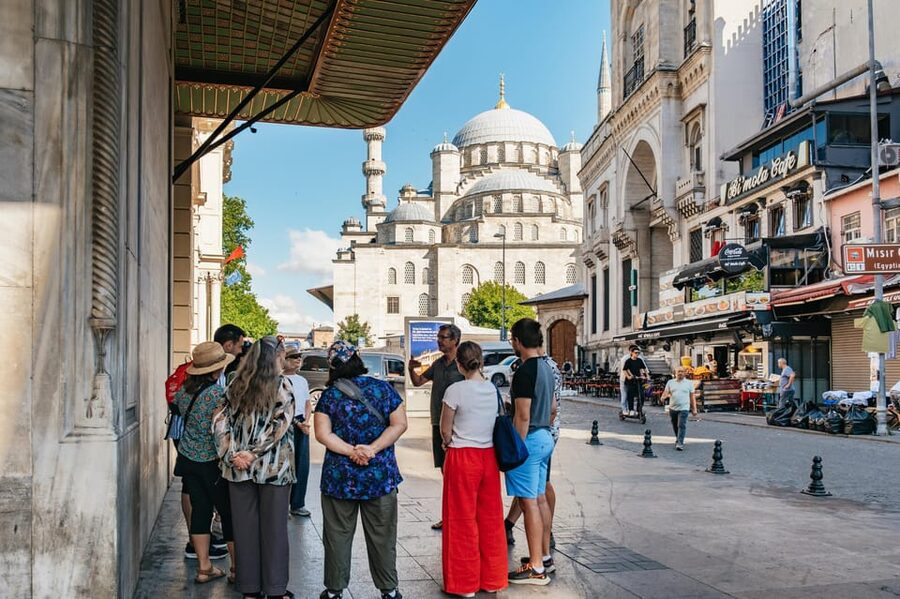
The ferry crossing takes about 30 minutes and is included in the tour price. It connects the European and Asian parts of Istanbul while giving you a short break from eating and walking.
I like this part because it is not a sealed tour bus transfer. You move through the same city transport system locals use, with the water separating the two halves of the route. The crossing also gives you a chance to sit, digest, and look back at the European shoreline before the next round begins.
Do not expect a long sightseeing cruise or a special narrated boat trip. The ferry is primarily transportation, but it is a memorable way to change neighborhoods. It also makes the tour feel broader than a standard Old City food walk.
The group finishes on the Asian side, which affects your plans for the rest of the day. You can stay in Kadıköy or Moda and continue exploring, or return toward the European side after the tour. The guide can see you back to the ferry if you want to go back, but hotel drop-off is not included.
Kadıköy market brings a different side of Istanbul
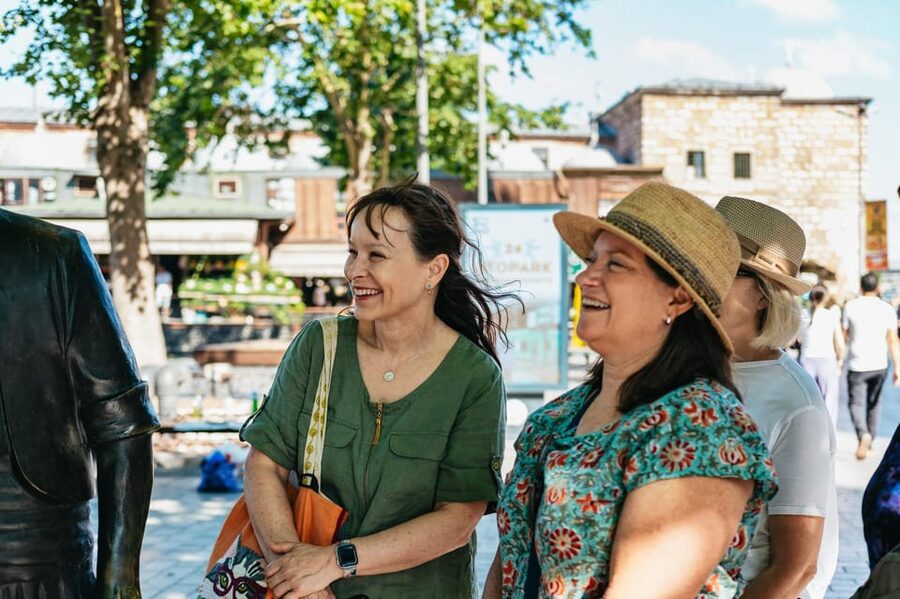
The Kadıköy market walk lasts about 20 minutes. This area feels more modern and local in tone than the historic market district, with food shops, restaurants, and neighborhood businesses packed into walkable streets.
The market stop is not only about buying ingredients. It gives you a look at how people shop and eat away from the major monuments. Your guide can point out products and explain customs that would be easy to miss if you wandered alone.
After the short market walk, you make another snack and tasting stop. This is where the route starts to feel less like a formal introduction and more like a friend showing you favorite addresses. Guides such as Bahri, Feyza, and Tunc have been especially praised for combining food explanations with stories about local life and the city’s past.
You should expect a fair amount of standing and walking around market streets. Comfortable shoes are essential. An umbrella is also worth carrying because the tour operates rain or shine.
Lunch in Kadıköy Çarşı
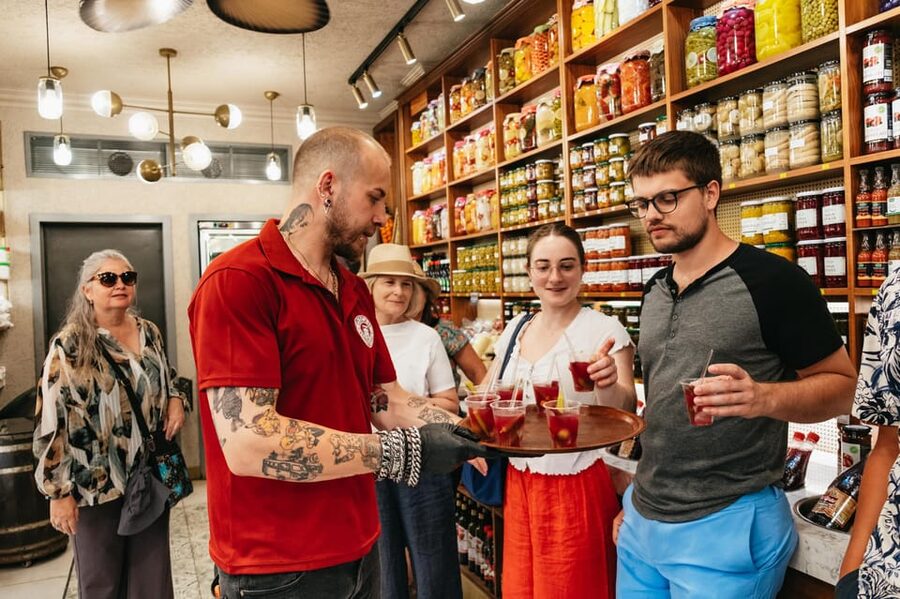
The main lunch stop lasts about 45 minutes in Kadıköy Çarşı. By this point, the earlier tastings have given you enough context to understand the meal better. Instead of ordering blindly from a menu, you can recognize some of the ingredients and styles you have already encountered.
The exact lunch plate may vary, but the tour is designed around traditional Turkish food rather than a standard tourist set menu. The emphasis is on local favorites and places chosen for their food, not on a polished dining room or a long restaurant stay.
This is also where the tour’s value becomes easier to judge. At $135 per person, the price is not cheap for a walking tour. But it covers the guide, round-trip ferry transport, 8 to 9 food stops, all tastings, and four local drinks. If you ate and drank your way through the same number of stops independently, the cost could add up quickly, especially if you paid for dishes you did not enjoy.
You are also paying for selection and explanation. The guide removes much of the guesswork, orders or organizes the tastings, and keeps the group moving between places. For a first visit, that can be worth more than simply receiving a list of restaurants.
The value is weaker if you eat very little, avoid meat and dairy, or prefer choosing every dish yourself. Vegans should not book this tour. Vegetarians may find some suitable options at several stops, but the activity is not designed as a vegan or fully vegetarian route.
Moda finishes the day with tea and sweets
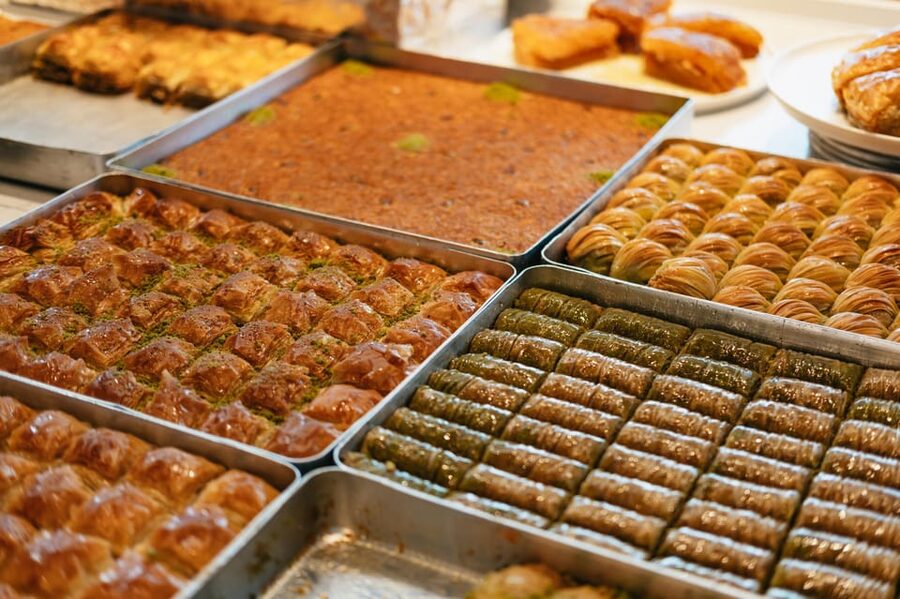
The itinerary then heads toward Moda, a fashionable district on the Asian side. The stop lasts about 30 minutes and includes tea, street food, and regional food. This gives the final part of the day a lighter neighborhood feel after the denser market and restaurant stops.
Moda is a good place to end because it changes the tone again. You are no longer simply moving between market stalls and lunch tables. You are seeing an area where people spend time, meet friends, and enjoy casual food.
The final stop returns to Kadıköy Çarşı for dessert and another tasting. Turkish coffee with locally made baklava is one of the highlights. The coffee is small and strong, while the baklava supplies the sweet finish. This is a useful pairing because the guide can explain how coffee is served and why Turkish sweets are such a central part of hospitality.
The day closes with Turkish dondurma in Moda, a cool final course after all the savory food. The ice cream is a fitting finish, especially if you have been pacing yourself properly. If you filled up at the first few stops, dessert may feel like a challenge rather than a reward.
The guides make or break the experience
The food is the main attraction, but the guide shapes the day. The guides who have led this experience include Selen, Sinan, Bahri, Tunc, Feyza, Ali, Kaan, Murat, Ayse, Akin, Oyku, and others.
The strongest guide style here is conversational rather than academic. Sinan has been praised for telling stories about food culture and everyday life. Feyza is noted for explaining both dishes and the city’s past in a warm, organized way. Tunc is known for humor and cultural stories, while Ali adds practical advice about local shops, customs, and saving money.
You should not assume you can choose a specific guide when booking. The useful point is that the experience depends on having a guide who can connect each dish to its setting. The small group helps. With up to 10 people, you can ask questions without standing in a crowd.
The English-language guiding is central to the tour. If you want only food with no commentary, this may feel talk-heavy. If you want to understand why the food matters, the explanations add real value.
Walking, weather, and practical limits
The tour lasts 5.5 hours, but some people find it runs longer than expected because of walking and transitions. Wear comfortable shoes and bring an umbrella. Departures take place in rain or sunshine.
The route is not suitable for people with mobility impairments or wheelchair users. It includes markets, sidewalks, restaurant stops, and ferry travel, so anyone who needs a highly accessible route should choose a different experience.
There is no hotel pickup or drop-off. Plan your route to Sirkeci at the start, and decide in advance if you want to remain in Kadıköy after the final tasting. Finishing on the Asian side is a benefit if you want more time there, but it is one more transport decision if your hotel is on the European side.
The cancellation policy is forgiving: you can cancel up to 24 hours ahead for a full refund. You can also reserve now and pay later, which helps if your Istanbul schedule is still shifting.
Who should book this food walk
I would recommend it to first-time visitors, adventurous eaters, couples, solo visitors, and small groups who want a quick introduction to Istanbul’s food culture. It is particularly useful if the city feels intimidating at first. The guide, the set route, and the small group give you a comfortable way to get started.
Families can enjoy it too. One guide made the long day work well for children aged 5 and 7, though you should be realistic about the duration and food volume. Children who dislike unfamiliar dishes may not get as much from it.
I would skip it if you need full wheelchair access, follow a vegan diet, dislike eating meat, or want a short, flexible stroll. I would also think twice if you already have several restaurant reservations that day. This tour is filling enough to replace much of a day’s eating.
Should you book the Istanbul European and Asian Side Food Tour?
Book it if you want a food-led orientation to Istanbul rather than a standard monument tour. The combination of breakfast, market snacks, kebab, local specialties, ferry travel, baklava, coffee, and dondurma gives you a broad first taste of the city.
The $135 price makes sense when you value the guide, the number of tastings, the four drinks, and the ferry crossing. It is less attractive if you will not eat much or prefer to find restaurants independently.
Arrive hungry, wear good shoes, and save room for the final ice cream. If possible, schedule it early in your stay, then return to Kadıköy, the Spice Bazaar, and the dishes you liked best on your own.
FAQ
Where does the tour start?
It starts at Viyana Kahvesi Sirkeci, near the Legacy Ottoman Hotel. There are several Viyana Kahvesi branches in Istanbul, so use the Sirkeci location.
Where does the tour finish?
The scheduled finish is in Kadıköy on the Asian side of Istanbul.
How long does the tour last?
The tour lasts about 5.5 hours.
How many people are in the group?
The group is limited to 10 participants.
What food and drinks are included?
The tour includes all tastings at 8 to 9 eateries and four local drinks. Foods listed for the route include Turkish breakfast, kebab, dolma, tantuni, kokoreç, baklava, Turkish coffee, tea, and dondurma.
Is the ferry ride included?
Yes. Round-trip ferry transportation between the European and Asian sides is included.
Is the tour suitable for vegans or wheelchair users?
No. The tour is not suitable for vegans, people with mobility impairments, or wheelchair users.
What should I bring?
Bring comfortable shoes and an umbrella. Tours operate rain or shine.
Just added around the world
- Fira: Guided Foodie Walking Tour with Tastings★ 4.9 · 474 reviews
- Fez: Guided Walking Tour of the Historic Medina★ 5.0 · 359 reviews
- Fez: Walking Tour in the Ancient City of Fez★ 4.8 · 73 reviews
- Faro: Old Town Guided Walking Food Tour★ 4.9 · 94 reviews
- Feel like a local – Walking Tour in Mykonos Town 2hours★ 4.4 · 77 reviews
- Fes: A Guided Walking Tour Through the Historic Medina★ 4.4 · 97 reviews
- Fez: Half-Day City Private Walking Tour with a Guide★ 4.6 · 114 reviews
- Fanal / Assobiadores – Levada Walk★ 4.6 · 93 reviews
Food Walking Tours, compared.
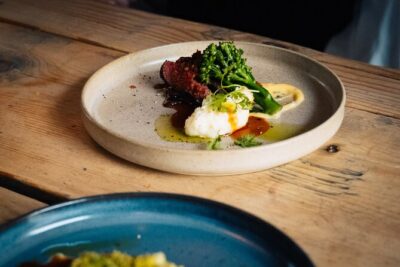
Reykjavik Food Walk – Local Foodie Adventure in Iceland
Read our review →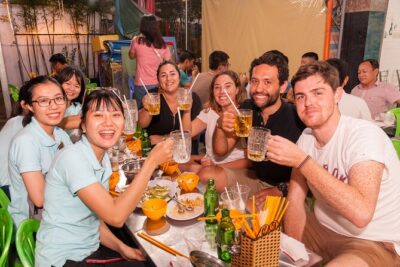
Ho Chi Minh City Street Food Tour & Sightseeing By Motorbike
Read our review →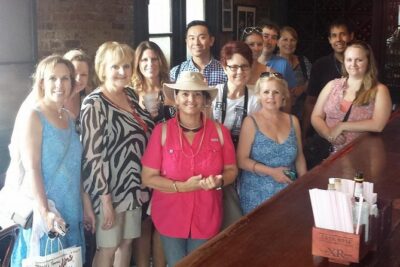
New Orleans Food Walking Tour of the French Quarter with Small-Group Option
Read our review →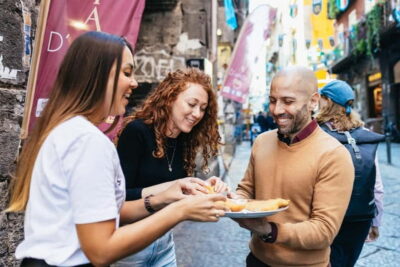
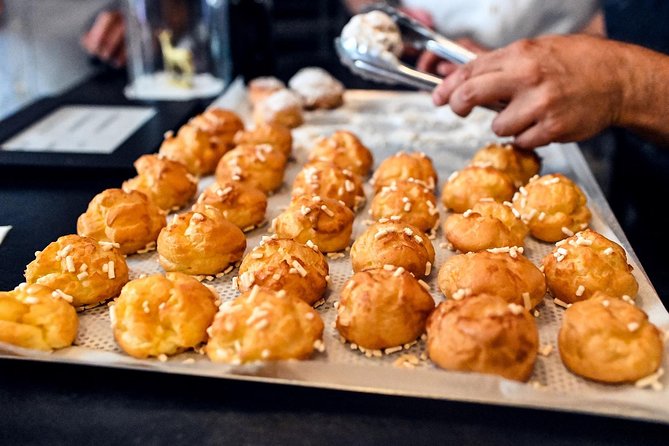
Authentic Parisian Gourmet Food Tour with 10 Local Dishes & Wines
Read our review →
Savannah First Squares Culinary & Cultural Walking Food Tour
Read our review →Browse the lists this tour appears in