
REVIEW · USA
Gettysburg: 1863 Historic Downtown Walking Tour
Gettysburg’s best stories do not all belong to generals and soldiers. This two-hour downtown walk follows the civilian side of the battle, showing how families, children, shopkeepers, and reluctant witnesses lived through the fighting in the middle of town. I like that the tour uses real places and personal accounts rather than treating Gettysburg as only a military map.
I also like the human scale. Guides such as Ken and Jeff are known for answering questions, adjusting the conversation to the group, and sometimes presenting the past in character. The walk is priced at $25, a fair deal for two hours of live interpretation and local context.
The main consideration is that this is an outdoor walking tour, and it does not include inside visits to the old buildings. Some of those structures are privately owned, so you will study them from the street rather than walk through every historic room.
Key points to know before you book
- Civilian stories take center stage: Learn how Gettysburg residents faced soldiers, wounded men, noise, fear, and disruption in their own streets.
- The route stays downtown: You walk through the center portion of Gettysburg, the town’s working heart in 1863.
- Guides shape the experience: Ken, Jeff, Rich, Bruce, and other local guides bring different styles, from traditional storytelling to first-person character presentation.
- Expect a leisurely pace: The tour lasts two hours and includes frequent stops for stories and questions.
- The price is $25 per person: That is strong value if you want context before or alongside a battlefield visit.
- Plan for the weather: Wear comfortable shoes and clothing suited to the day, and arrive 15 minutes early at Lincoln Square.
Why downtown Gettysburg tells a different story
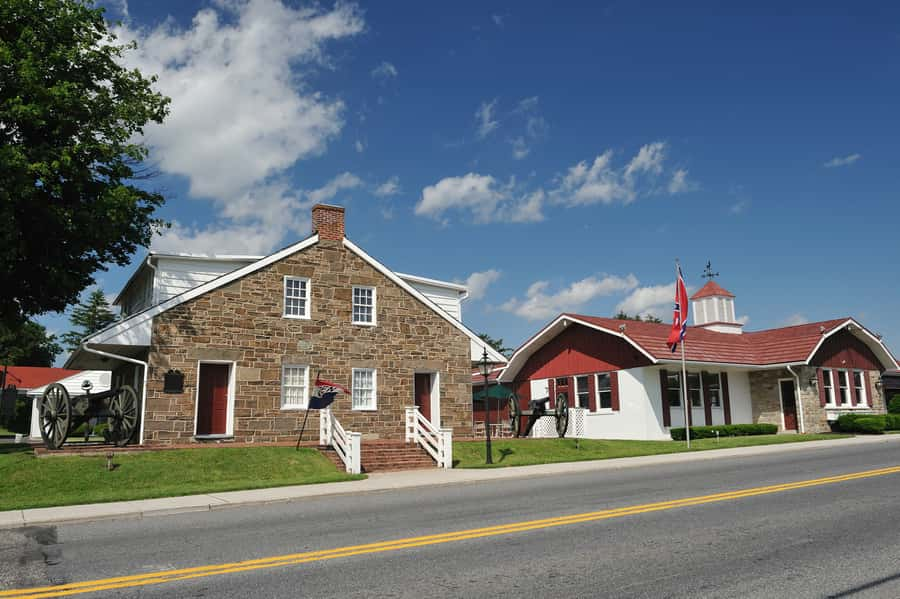
Most first-time visitors come to Gettysburg thinking about troop movements, artillery, famous addresses, and battlefield monuments. Those subjects matter, but they can make the town itself fade into the background.
This tour corrects that imbalance. You walk through the central streets where ordinary people remained while the battle reached their community. Residents did not choose to live on a battlefield. They had homes, businesses, families, and daily routines, then suddenly faced armies moving through town and the aftermath of combat.
I find that focus especially useful because it gives scale to the larger event. A battlefield map can show where units advanced. A downtown walk helps you think about what it meant to hear fighting nearby, see wounded men in the streets, shelter people, or manage daily life while military decisions unfolded around you.
The tour also looks at Gettysburg before, during, and after the battle. That wider frame matters. You are not simply hearing a two-hour account of three days in July 1863. You are learning how the town functioned, how its people experienced the crisis, and how the event continued to shape their lives.
More City Highlights Walking Tours in the USA
- Historic Charleston Guided Sightseeing Walking Tour
★ 5.0 · 6,216 reviews - Downtown Nashville Guided Sightseeing Walking Tour
★ 5.0 · 1,304 reviews - Must-See Spots Vegas Strip Walking Tour
★ 5.0 · 384 reviews
Meeting at Lincoln Square
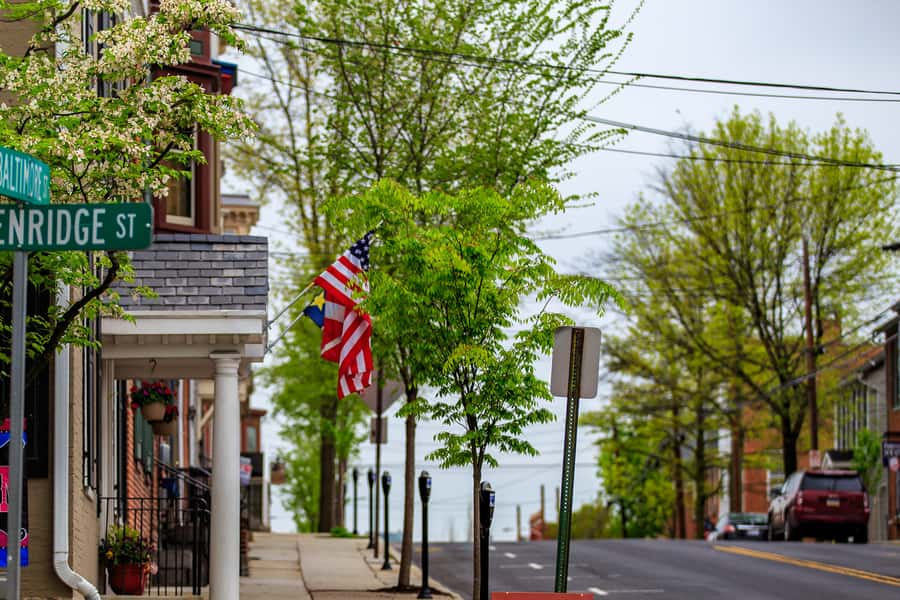
Your guide meets you at 11 Lincoln Square, by the statue of President Lincoln and the benches. This is an easy central location, but Gettysburg’s downtown can be busy with visitors, shops, and other tours, so I would not cut your arrival close.
Plan to arrive 15 minutes before departure. That gives you time to find the statue, locate the guide, and settle in without starting the walk flustered. The meeting point also gives the tour a fitting opening: you begin near one of the figures most closely connected with Gettysburg’s national memory, then shift attention toward the local people whose stories are less familiar.
The walk covers the center portion of downtown rather than the full battlefield. That makes it manageable for most people who can comfortably walk for two hours. You will want supportive shoes, since the tour involves being on your feet and moving between several outdoor stops.
The first part of the route: reading the town as it was in 1863
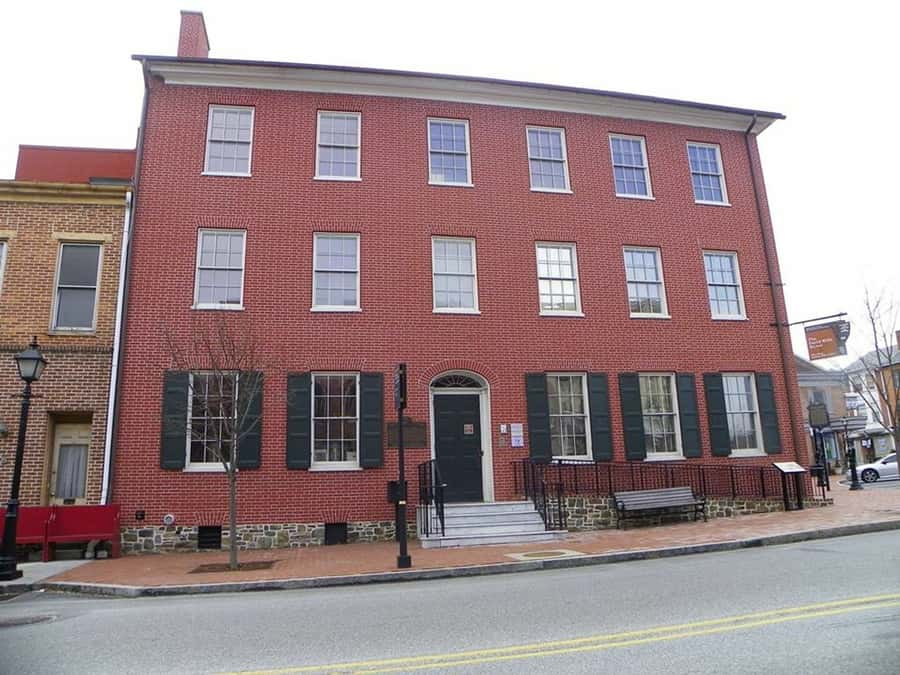
Early in the walk, the guide helps you look at downtown buildings with a different question in mind: what did this place mean to local residents in 1863?
The point is not simply to identify old façades. You are encouraged to connect existing structures and street locations with the people who lived and worked there. The town becomes a set of homes, businesses, meeting places, and family spaces rather than a backdrop for military history.
That approach gives the architecture a practical purpose. A building is not interesting only because it is old. It matters because people were inside it, near it, or dependent on it when the battle arrived. I like this kind of interpretation because it teaches you how to observe Gettysburg after the tour. You start noticing the relationship between the streets, buildings, and stories.
Do not expect a stop-by-stop building tour with access to every interior. The focus is on what happened in and around the town, with the guide using the streets and surviving structures as reference points. Some historic buildings are privately owned, so the experience is mainly exterior viewing and storytelling.
The battle from the residents’ point of view
The central portion of the tour explains how events unfolded in July 1863, but the emphasis stays on the people who were caught in the middle.
You hear about residents as reluctant witnesses. They were not standing on a distant ridge watching a military contest. The war came into their community. Streets that normally served local business and family life became part of an urban conflict, with confusion and casualties close to homes and public spaces.
This is where the tour adds something many standard battlefield explanations leave out. Military history often organizes events by commanders, regiments, and positions. Civilian history asks different questions: What did people see? How did they respond? What happened to families? How did the town deal with the sudden presence of soldiers and wounded men?
The guide’s storytelling is central here. Ken is often praised for detailed answers and an easy conversational style. Jeff is known for presenting historical material in character, including a portrayal connected with Civil War veteran James Maclay. Rich has also been singled out for a strong command of the subject. The exact guide and style can vary, but the format allows room for questions rather than forcing you through a rigid speech.
That flexibility is useful for mixed groups. If you already know the basic battle story, you can ask about the town’s residents and social impact. If Gettysburg is new to you, the guide can supply the background needed to follow the events.
More City Highlights Walks in the USA:
- Downtown Asheville Tip-Based Sightseeing Walking Tour
★ 5.0 · 360 reviews - New Orleans: Five-in-One City Walking Tour
★ 3.8 · 272 reviews - UPTOWN FUNK: 1 Hour Guided City Walking Tour in Charlotte
★ 5.0 · 196 reviews - Dallas: JFK Assassination Highlights Walking Tour
★ 4.8 · 163 reviews
Personal accounts make the history stick
The strongest feature of this experience is its use of civilian accounts. Instead of treating residents as a faceless crowd, the tour brings attention to individual lives and memories.
That personal focus changes the emotional weight of the visit. You are not asked to imagine an abstract population affected by war. You are asked to consider the choices and fears of people who lived in the same area where you are standing.
The guides also connect the local experience to the broader Civil War. This helps prevent the tour from becoming a collection of disconnected anecdotes. The town’s story sits within the larger conflict, but the emphasis remains on how national events became immediate and personal.
I especially value the attention to groups often left out of battlefield narratives, including adults and children living in town. The tour considers the effect on families and the daily disruption caused by the fighting. That makes it a good choice if you have already seen military sites and want a fuller picture of what the battle meant beyond troop movements.
Expect a lot of information. Several people describe the tour as packed with history, and that is useful praise, but it also tells you what kind of outing this is. You will be listening closely for much of the two hours. It is not a casual stroll with a few quick facts.
The guide’s style can shape your experience
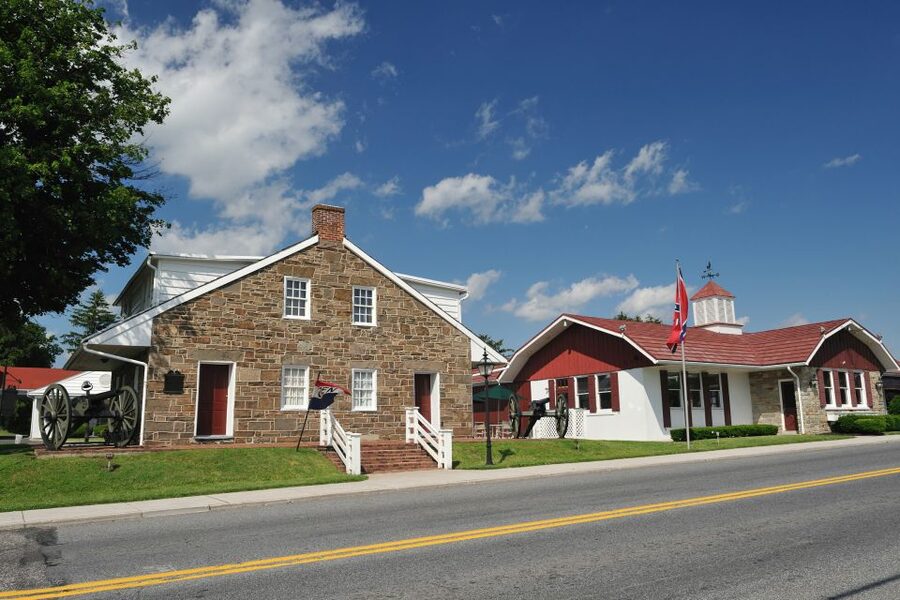
Guide quality matters on any history walk, and it matters even more here because the tour depends on spoken storytelling rather than museum displays.
Ken’s style is described as passionate, detailed, and open to questions. He is a good fit if you like a guide who can follow your interests and explain connections. Jeff takes a more theatrical approach at times, presenting historical figures or using character work to bring the period closer. Rich is also praised for his command of the material, while Bruce has been noted for a friendly approach and a focus on the townspeople.
You cannot necessarily request a particular guide, so book this experience for its subject and format rather than expecting one specific person. Still, the range of guide styles is worth knowing. Some groups prefer a traditional historian. Others enjoy a performance that makes the past feel immediate.
The best guides appear to share several useful habits: they welcome questions, relate the subject to where you are standing, and keep the discussion connected to the town’s people. That combination helps the walk feel like an exchange rather than a memorized lecture.
Small groups can make a noticeable difference. One group of four found it easy to interact with the guide, and a smaller group generally gives you more space to ask questions. Group size is not specified as a fixed feature, so do not book on the assumption that every departure will be private or tiny.
How this tour fits with the battlefield
I would place this walk before a battlefield visit if you are building a full Gettysburg itinerary. It gives you a town-based framework first, so the later military sites have a human setting behind them.
You begin by understanding that Gettysburg was a living community, not simply the location chosen for a battle. Then, when you encounter battlefield maps, monuments, or military explanations, you can keep asking what the fighting meant for the town just a short distance away.
The reverse order can also work. If you have already spent time on the battlefield, this walk can fill in the part of the story that military tours often pass over. It adds residents, families, buildings, and street-level consequences to what you have already learned.
The two-hour length helps it fit neatly into a day of sightseeing. You get enough time for a developed story without committing to a full-day program. At the same time, do not expect the tour to cover every major Gettysburg subject. Its strength is focus, not total coverage.
Price, access, and comfort
At $25 per person, the tour offers good value for anyone who wants a guided introduction to downtown Gettysburg. You are paying for two hours with a live local guide, not for entry to a museum or a collection of interior sites.
That distinction helps set expectations. The value comes from interpretation, questions, and the connection between place and story. If you prefer to explore at your own pace with a guidebook, you may not need it. If you want the town’s history explained as you walk, the cost is modest.
The tour is listed as wheelchair accessible, but you should still consider your own comfort with a two-hour outdoor route. Comfortable shoes are essential, and weather-appropriate clothing is required. Summer heat can affect the walk, and one guide contacted a participant in advance about shifting the time because of hot weather. That suggests it is worth checking conditions before you go.
The tour is conducted in English. You can reserve now and pay later, which helps if your Gettysburg plans may change. Cancellation is free up to 24 hours before departure for a full refund.
Who will enjoy this walk most
I recommend it to first-time visitors who want more than a battlefield overview. It is also a strong pick for history readers, Civil War enthusiasts, teachers, and families who want children to understand that war affects civilians as well as armies.
It suits people who enjoy stories tied to real locations. You will get the most from it if you pause, look around, and let the guide connect the present-day street to its 1863 setting.
It may be less suitable if you want a fast tour of many attractions, a purely military discussion, or guaranteed access inside historic buildings. The pace is leisurely, the subject is focused, and the experience depends on listening.
Should you book the Gettysburg downtown walking tour?
Book this tour if you want to understand Gettysburg as a community caught in war, not only as the site of a famous battle. The civilian focus, personal accounts, and two-hour format make it a useful first step or a thoughtful follow-up to the battlefield.
I would choose it for the chance to hear how residents lived through the crisis and to see the downtown streets as part of the story. Bring questions, wear good shoes, and arrive early at Lincoln Square. If your main goal is military strategy or interior access, choose another experience or pair this walk with one that covers those subjects.
FAQ
Where does the Gettysburg 1863 Historic Downtown Walking Tour meet?
Meet at 11 Lincoln Square in Gettysburg, Pennsylvania, by the statue of President Lincoln and the benches.
How early should I arrive?
Arrive 15 minutes before the tour’s scheduled departure.
How long does the walking tour last?
The tour lasts two hours.
How much does the tour cost?
The price is $25 per person.
What language is the tour conducted in?
The tour is conducted in English.
Is the tour wheelchair accessible?
Yes, the activity is listed as wheelchair accessible.
What should I bring?
Bring comfortable shoes and clothing suitable for the weather.
What does the tour include?
The experience includes a two-hour walking tour and a live local guide.
Can I cancel for a refund?
Yes. You can cancel up to 24 hours in advance for a full refund.
Can I reserve now and pay later?
Yes. The reserve now and pay later option lets you book without paying at the time of reservation.
Just added around the USA
- Walking Tour in Beaufort★ 5.0 · 310 reviews
- Healdsburg Wine and Food Pairing Guided Walking Tour★ 5.0 · 400 reviews
- Healdsburg Small-Group Food and Wine Walking Tour★ 5.0 · 433 reviews
- Grand Canyon South & East Rim: Driving & Walking Audio Tour★ 4.0 · 112 reviews
- Gettysburg One-Hour Walking Tour: The Civilian Experience★ 5.0 · 121 reviews
- Top Rated Wine and Shine Walking Tour★ 5.0 · 438 reviews
- The Galveston Cemetery Tour – Walk With The Dead!★ 5.0 · 366 reviews
- The Shadows of Revelry Walking Ghost Tour★ 5.0 · 104 reviews
City Highlights Walking Tours, compared.
Berlin City walk Government District and Places of Democracy
Read our review →
Historic Charleston Guided Sightseeing Walking Tour
Read our review →


Oxford: University and City Walking Tour with Alumni Guide
Read our review →
City Highlights Temple and Market Walking Tour
Read our review →
A History of Terror – Belfast City Centre Walking Tour
Read our review →Browse the lists this tour appears in