
REVIEW · SOUTH AFRICA
Durban: Local Markets and Culture Guided Walking Tour
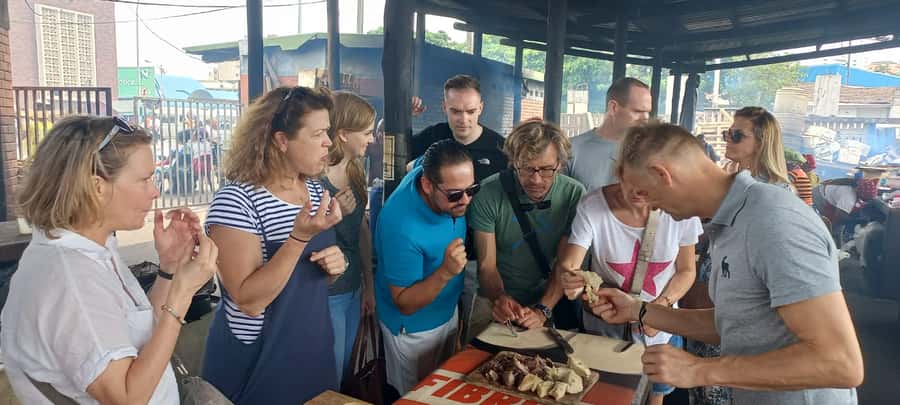
Durban’s most revealing sights are not behind polished museum doors. They are in the Warwick markets, where traders sell food, spices, clothing, remedies, and everyday goods. This tour takes you there with Johnny, a local guide who has led the experience for more than 14 years and knows many of the people working in the markets.
I like the ride in local minibus taxis, because it turns a normal city transfer into part of the day. I also like the finish: Bunny Chow on the North Beach promenade, with lunch included. The main caution is that this is a real walking and market experience, not a tidy sightseeing loop. Expect crowds, strong smells, uneven energy, and about 8,000 steps.
Key points at a glance
- Warwick’s many markets: See the Early Morning Market, Bridge Market, Indian markets, African market, Muti market, and Victoria Street Market in one guided outing.
- Johnny’s local connections: His long experience and standing in the area help you enter markets with context and reassurance.
- Combi taxi rides: Use Durban’s local minibus transport rather than a private vehicle for a more everyday view of the city.
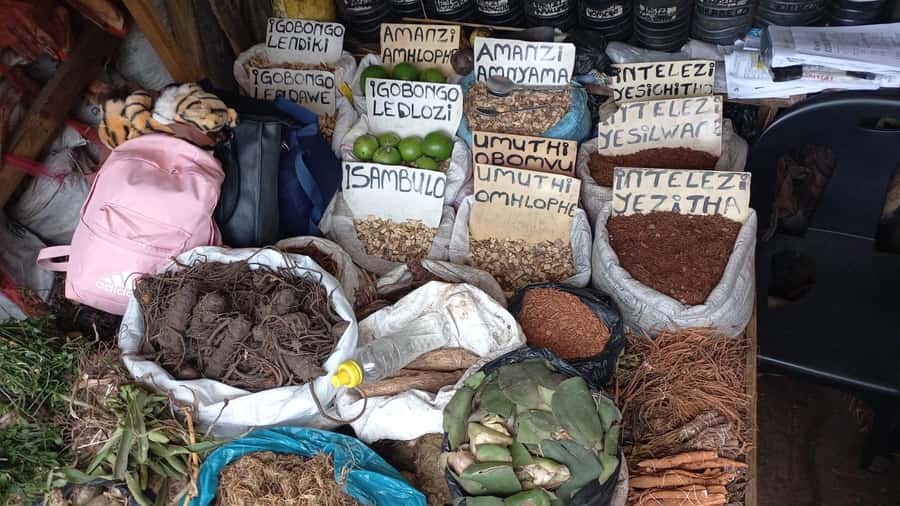
- Traditional medicine stalls: Learn about herbs, oils, powders, and animal products sold by traditional healers, with respectful explanation from your guide.
- Bunny Chow by North Beach: Finish with Durban’s famous bread-loaf meal filled with meat, a practical and tasty end to a long morning.
- Good value at $68: The fee covers the guide, walking tour, both public transport legs, and lunch, but not drinks or shopping.
Why this Durban market tour feels different
Many city tours show you Durban from the outside. This one takes you into the places where people shop, work, commute, and make a living. That matters because Durban’s story is not only about beaches and colonial-era buildings. It is also about African, Indian, and other local traditions meeting in the city’s markets.
The tour begins at Tekweni Backpackers, at 169 Ninth Avenue just off Florida Road in Morningside. You meet inside the premises, where the guide will be waiting. If you drive, safe parking is available, which is a useful detail in a city tour that otherwise depends on public transport.
Johnny is the guide named most often in the experience details, and he is clearly central to the day. His approach combines Durban’s history with politics, food, customs, and personal stories. He also answers questions directly, so this suits you if you prefer a conversation to a memorized speech.
The experience has a high 4.9 rating from 89 reviews, but the more useful point is what that praise focuses on. The strongest theme is not simply that Johnny knows facts. It is that he has long-standing relationships in the markets, helps you feel comfortable, and explains what you are seeing without treating the people and stalls as a staged show.
More Guided Tours in the world:
- Magical London: Harry Potter Guided Walking Tour
★ 4.7 · 22,044 reviews - History and Hauntings of Salem Guided Walking Tour
★ 5.0 · 14,564 reviews - Amsterdam Anne Frank: Small-Group Walking Tour & Local Guide
★ 4.8 · 12,789 reviews
Starting above Durban at the first viewpoint
The first stop is a viewpoint for a photo break. The exact viewpoint is not named, but the stop gives you a look over Durban before you head into the market districts.
I like this placement in the route. It gives you a quick sense of the city’s shape before the day becomes close-up and street-level. Afterward, the markets feel less like a collection of random stalls and more like one part of a large working city.
Do not expect a long sightseeing stop here. It is listed as a viewpoint and photo stop, so bring your camera, take in the view, and be ready to move on.
Riding Durban’s local combi taxis
The first public transport leg takes about 15 minutes. Later, you use local transport again to reach the beachfront. These are local minibus taxis, often called combis, and using them is one of the tour’s defining features.
For you, the value is practical as well as cultural. Durban’s local transport system can be hard to understand if you do not know where to wait, how the routes work, or how to pay. Having Johnny handle the process lets you focus on the experience rather than worry about getting lost.
This is also the least polished part of the day. A combi is not a private shuttle. You may need to wait, share space, and adjust to a faster, more ordinary mode of transport. One visitor found the waiting difficult on a rainy day and would have preferred an Uber or taxi. That is fair criticism. If you want air-conditioned, door-to-door transfers, this tour is not built around your preference.
If, instead, you want to see how many Durban residents move around town, the taxi rides add real value. They are brief, but they make the day feel connected to daily life rather than separated from it.
Walking through Warwick’s Early Morning and Bridge markets

The main market section takes place around Warwick Junction, known here as the Markets of Warwick. The route includes the Early Morning Market and Bridge Market, along with Indian, African, and Victoria Street markets.
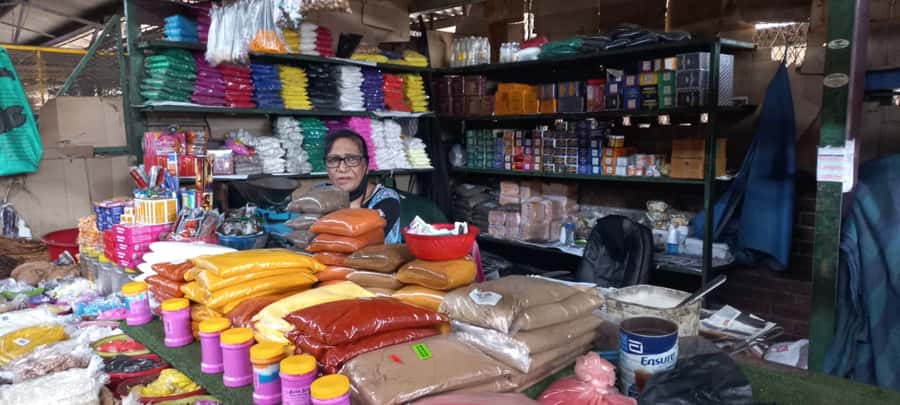
The morning timing matters. Markets are places of work, not just attractions, and an earlier visit lets you see trade as part of the city’s daily rhythm. You may find produce, spices, prepared food, household items, clothing, and souvenirs as you move between areas.
Johnny’s role is especially helpful here. Without a guide, you might see rows of stalls but miss the reason each area matters. He can explain what is sold, how the markets have changed, and which purchases are worth considering. Several people found that his advice helped them find spices and local gifts at much lower prices than in tourist-focused shops.
Keep some cash in your pocket. Personal expenses are not included, and the tour specifically advises bringing cash. You should also bring a bag if you plan to shop. One practical tip from the day is to save spice and trinket buying for these markets rather than purchasing similar items earlier in your trip.
Shopping is optional, but the market section is not a passive photo stop. You will be walking slowly through working stalls, asking questions, looking closely, and making space for other people. Ask before photographing people or goods, and let your guide set the pace.
A few more walking tours around the world worth a look
- Reykjavik Food Walk – Local Foodie Adventure in Iceland
★ 5.0 · 18,952 reviews - New Orleans Premier Ghost, Voodoo and Vampire Walking Tour
★ 4.5 · 12,856 reviews - Edinburgh: Harry Potter Magical Guided Walking Tour
★ 4.8 · 11,944 reviews - Edinburgh Castle: Guided Walking Tour with Entry Ticket
★ 4.7 · 11,699 reviews
Victoria Street Market and Durban’s Indian influence
Victoria Street Market is one of the best-known stops on the route. It gives you a more familiar market setting, with food, spices, crafts, and goods aimed partly at shoppers looking for local reminders of Durban.
The Indian markets are important because Durban’s identity includes a strong Indian South African influence, especially in its food and trading traditions. The tour connects those markets with the African areas around Warwick, showing you different parts of the city without pretending they are all the same.
This is a good place to compare prices and products. Some stalls may feel more accessible to first-time visitors, while other sections of the route offer a less packaged view of local commerce. I would keep your buying decisions flexible. Look first, ask about prices, and remember that the guide can point out sensible purchases.
The drawback is sensory overload. Market tours can involve noise, crowds, unfamiliar foods, and strong smells. That is part of the point, but it can wear you down. Comfortable shoes, water, light clothing, sunscreen, sunglasses, and a sun hat will make the morning easier.
The Muti market and traditional healing
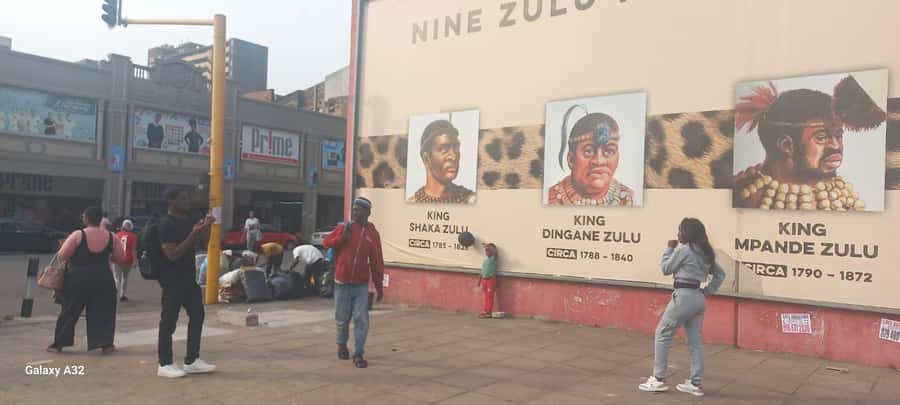
The African medicine, or Muti, market is the most unusual and sensitive part of the tour. Stalls may sell powders, oils, herbs, and items made from animals, with traditional medicinal uses explained by healers and sellers.
You do not need to share these beliefs to learn from the visit. The useful context comes from understanding that traditional healing remains part of many people’s lives, and that the market reflects a different system of health, practice, and commerce from the one most international visitors know.
This stop can also be confronting. Some products may be unfamiliar or uncomfortable to see. Go with an open mind, but do not treat the market as a novelty show. Listen to the explanation, ask respectful questions, and follow Johnny’s guidance about photography and interaction.
The tour does not present Durban as a simple postcard city. The Muti market, along with the surrounding stalls, shows economic pressure, cultural continuity, and the ways people build livelihoods. That makes the stop valuable, but it also calls for care and respect.
Walking through Durban with a local guide

After the main market visit, the route continues through the city on foot and by public transport. The listed walking distance is about 8,000 steps at a slow pace, and the full activity is scheduled for 330 minutes, or five and a half hours.
The practical reality is a little flexible. The tour is also described as lasting four to five hours, and one longer outing ran close to eight hours because of weather, extra stops, and the group’s interests. I would plan for at least five hours and avoid booking a tight appointment afterward.
That flexibility can work in your favor. If you want more explanation, extra shopping time, or additional local context, Johnny may spend longer with the group. If you prefer a brisk route, tell him early. The experience is guided, but it is not described as a rigid minute-by-minute schedule.
You should also expect a lot of standing and slow walking. This tour is not suitable for wheelchair users, and it is not a good choice if you have difficulty walking for several hours. The stated age restriction excludes people over 95, but the more useful test is your comfort with an active urban day.
Bunny Chow at North Beach

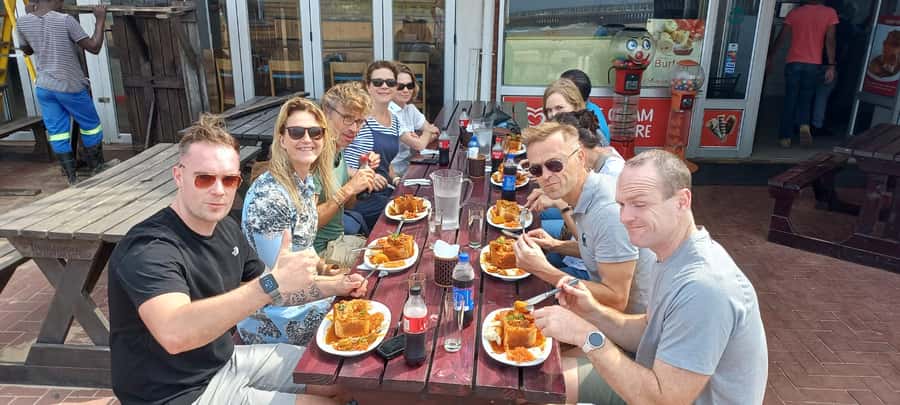
The tour ends at North Beach, on the beachfront promenade, with lunch included. The meal is Bunny Chow, a Durban specialty made by hollowing out a loaf of bread and filling it with meat.
Bunny Chow is a fitting end because it links the city’s Indian South African food traditions with a filling, informal meal. After a morning of walking, markets, and transport, you get something substantial rather than a small tasting portion.
The lunch lasts about one hour. Beverages are not included, so bring enough money for a drink. The food itself is included, which helps the $68 price feel more reasonable.
The beach setting also gives you a chance to slow down. You finish beside North Beach rather than returning to the starting point, so plan your next movement from there. The guide may walk you back to your hotel in some circumstances, but that was not part of the formal inclusions, so do not rely on it as a guaranteed transfer.
Is $68 fair for the experience?

At $68 per person, this is not the cheapest way to look around Durban. You could visit a market on your own for less, and a short taxi ride would cost less than a guided transport sequence.
The value comes from what is difficult to arrange alone. Your fee covers an English-speaking guide, the walking tour, local minibus transport from the meeting point, transport from the markets to the beach, and Bunny Chow lunch. You are also paying for local introductions, market interpretation, and help with a transport system that can be confusing to newcomers.
The price makes the most sense if you want access and context rather than a simple transfer. It is less compelling if you only want a quick market visit, dislike shared transport, or plan to spend the day at the beach.
Shopping is extra, as are drinks. Bring cash for both. The markets can offer good prices, but do not assume every item is a bargain. Compare, ask questions, and buy only what you genuinely want to carry.
What to bring and how to prepare
Wear comfortable shoes. The slow pace does not remove the distance, and the tour includes long periods on your feet.
Bring water, sunscreen, sunglasses, a sun hat, and comfortable clothes. Durban can feel hot while you are walking through open areas, and shade may not always be available.
Cash is important for personal purchases and drinks. A small shopping bag is useful if you plan to buy spices, souvenirs, or market goods.
I would also bring curiosity and patience. This is not a tour where you simply point a camera at a landmark and move on. You will get more from it if you ask questions and allow time for the guide to explain what you are seeing.
Free cancellation is available up to 24 hours before the tour for a full refund, and you can reserve now and pay later. Those terms are useful if your Durban plans are still moving around.
Who should book this tour?
I would recommend it to first-time Durban visitors who want the city beyond the beachfront. It is also a strong choice for anyone interested in food, local trade, transport, South African history, Indian and African cultural traditions, or everyday city life.
Solo visitors may appreciate having a guide who knows the area and can explain how to move through it. The experience has also suited people who wanted a more personal introduction rather than a large, formal group outing.
I would hesitate if you have limited mobility, dislike crowds, need a private vehicle, or want a quiet half-day. The market sections are active and sometimes chaotic, and the local taxi rides require a willingness to accept some uncertainty.
Should you book the Durban markets and culture tour?
Book it if you want to see Durban from street level and are willing to trade comfort for access. Johnny’s local ties, the Muti market, the combi rides, the range of Warwick markets, and the Bunny Chow lunch create a day that is much more revealing than a quick city drive.
Skip it if your ideal Durban outing is a private car, a short walk, and a polished restaurant meal. For everyone else, $68 is a fair price for a long, guided introduction to the city’s markets and cultures, especially since transport and lunch are included.
FAQ
Where does the tour start?
It starts at Tekweni Backpackers, 169 Ninth Avenue, just off Florida Road in Morningside. The guide will be waiting inside the premises.
Where does the tour finish?
The tour ends at North Beach on the beachfront promenade after lunch.
How long does the tour last?
The scheduled duration is 330 minutes. The activity is also described as lasting four to five hours, and the day may run longer depending on weather, questions, shopping, and the group’s pace.
What markets does the tour visit?
The route includes the Early Morning Market, Bridge Market, Indian markets, African Muti market, African market, and Victoria Street Market.
Is transportation included?
Yes. Local minibus combi transport from the meeting point and transport from the markets to the beachfront are included.
Is lunch included?
Yes. Lunch is Bunny Chow, a traditional local meal made with bread and meat. Beverages are not included.
Is the tour conducted in English?
Yes. The live guide and tour language are English.
How much walking is involved?
The walk is about 8,000 steps at a slow pace. Comfortable shoes are strongly recommended.
What should I bring?
Bring comfortable shoes, sunglasses, a sun hat, sunscreen, water, comfortable clothing, and cash for personal expenses and drinks.
Can wheelchair users join?
No. The activity is not suitable for wheelchair users.
Can I cancel for a refund?
Yes. You can cancel up to 24 hours in advance for a full refund. You can also reserve now and pay later.
Just added around the world
- Fira: Guided Foodie Walking Tour with Tastings★ 4.9 · 474 reviews
- Fez: Guided Walking Tour of the Historic Medina★ 5.0 · 359 reviews
- Fez: Walking Tour in the Ancient City of Fez★ 4.8 · 73 reviews
- Faro: Old Town Guided Walking Food Tour★ 4.9 · 94 reviews
- Feel like a local – Walking Tour in Mykonos Town 2hours★ 4.4 · 77 reviews
- Fes: A Guided Walking Tour Through the Historic Medina★ 4.4 · 97 reviews
- Fez: Half-Day City Private Walking Tour with a Guide★ 4.6 · 114 reviews
- Fanal / Assobiadores – Levada Walk★ 4.6 · 93 reviews
Walking Tours, compared.

Magical London: Harry Potter Guided Walking Tour
Read our review →
Reykjavik Food Walk – Local Foodie Adventure in Iceland
Read our review →
History and Hauntings of Salem Guided Walking Tour
Read our review →
New Orleans Premier Ghost, Voodoo and Vampire Walking Tour
Read our review →
Amsterdam Anne Frank: Small-Group Walking Tour & Local Guide
Read our review →

Edinburgh Castle: Guided Walking Tour with Entry Ticket
Read our review →
Anne Frank’s Story – Guided Walking Tour through Amsterdam
Read our review →Browse the lists this tour appears in