
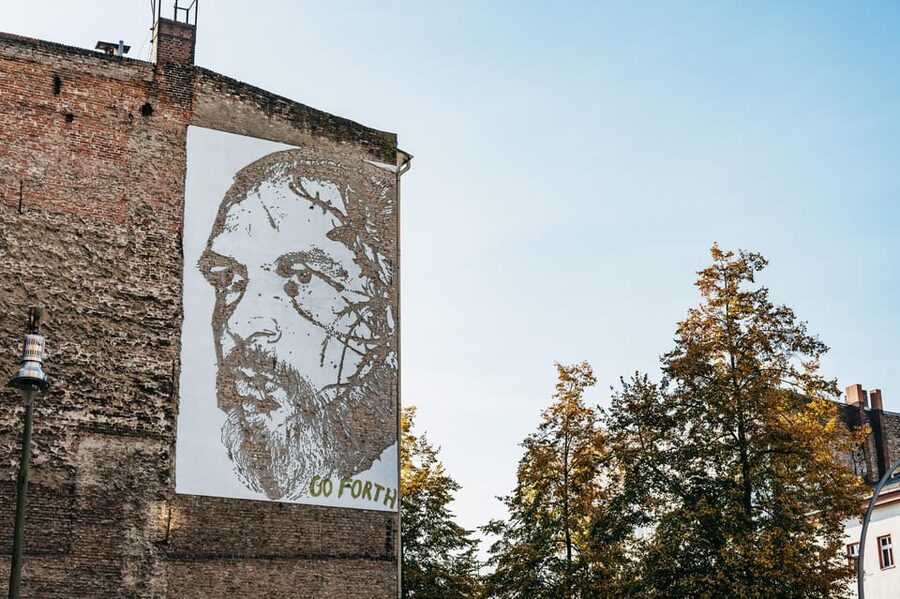
REVIEW · BERLIN
Berlin: Gay Berlin Out in Schöneberg Walking Tour
Berlin’s Schöneberg is more than a nightlife district. It was a major center of queer life in the 1920s, suffered under the Nazis, and slowly found its public voice again after the 1960s. This walking tour puts those changes on the actual streets, from Nollendorfplatz to Motzstraße and beyond.
I like the way Tobias connects famous names with ordinary buildings, and I like the use of archive images and text while you walk. The main consideration is simple: this is a history walk, not a pub crawl. You will see former club sites and present-day neighborhoods, but food and drinks are not included.
Key points at a glance
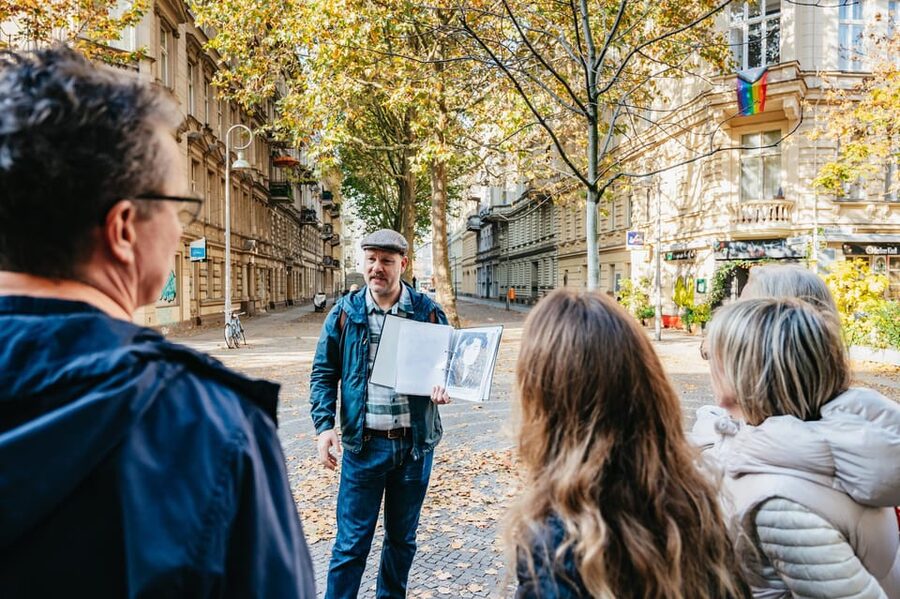
- Nollendorfplatz sets the scene: Begin in one of Berlin’s best-known LGBTQ+ districts and trace its changing role over a century.
- The Nationalhof site links place and politics: Learn how local meeting places supported the gay rights movement of the 1920s.
- Motzstraße recalls El Dorado: See where the famous cabaret club once drew Berlin’s queer and artistic crowd.
- Christopher Isherwood’s former home adds a literary thread: Connect the neighborhood to the writer whose Berlin work later shaped gay liberation.
- Lesbian and gender-diverse stories are included: The route reaches Schwerin Straße and brings more than a single gay male narrative.
- Tobias brings a personal touch: His humor, archive material, and willingness to answer questions make the two and a half hours pass quickly.
Why Schöneberg matters to Berlin’s queer story
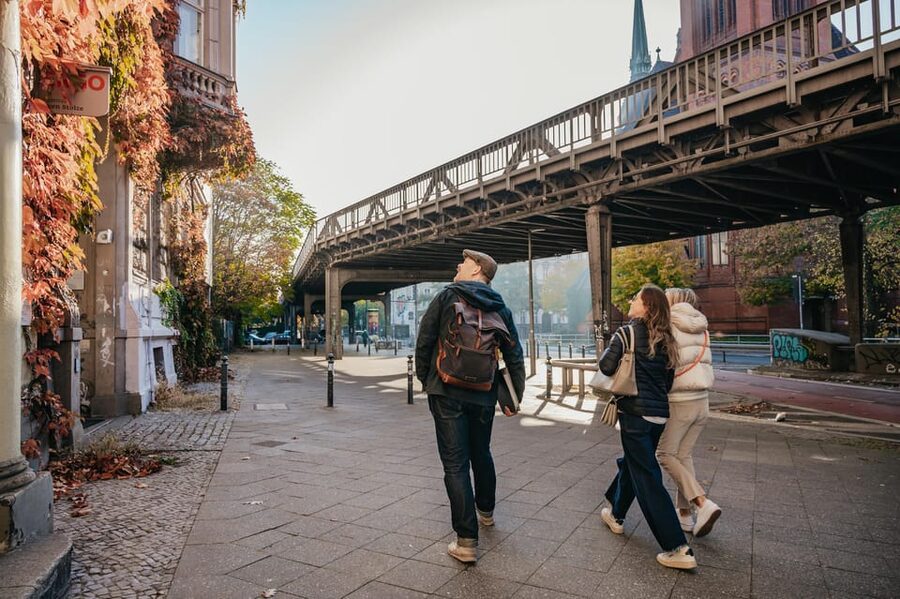
If you know Berlin mainly through the Brandenburg Gate, Museum Island, and the Berlin Wall, Schöneberg offers a different way into the city. Around Nollendorfplatz, streets and buildings carry the memory of clubs, campaigners, writers, artists, and residents who helped form a public queer community.
The key period is the time between the end of World War I and the Nazi takeover in the early 1930s. Berlin became known for a more open public life, and Schöneberg was at its center. Clubs and meeting places gave gay men and lesbians room to socialize, build friendships, perform, organize, and live with a degree of freedom that was rare for the time.
That freedom was never complete or secure. The tour does not treat the 1920s as a carefree party story. It also explains the political work behind the social scene and the sharp break brought by the Nazi period. That balance is important. You get both the excitement of the era and an understanding of how quickly public space can be taken away.
For me, that is the value of walking the neighborhood. A lecture can explain the names and dates, but a street walk helps you picture the clubs and meeting places as part of a real urban district. Modern businesses and apartment buildings may now fill the scene, yet the route shows you where the earlier community gathered.
More LGBTQ-Friendly Tours in Berlin:
- San Francisco LGBTQ Walking Tour with Local Guide
★ 5.0 · 600 reviews - San Francisco: Castro LGBTQ Walking Tour
★ 5.0 · 90 reviews
Starting around Nollendorfplatz
The tour explores the area around Nollendorfplatz, the natural anchor for this part of Schöneberg. Your exact meeting point can vary with the option you book, so check the details before setting out.
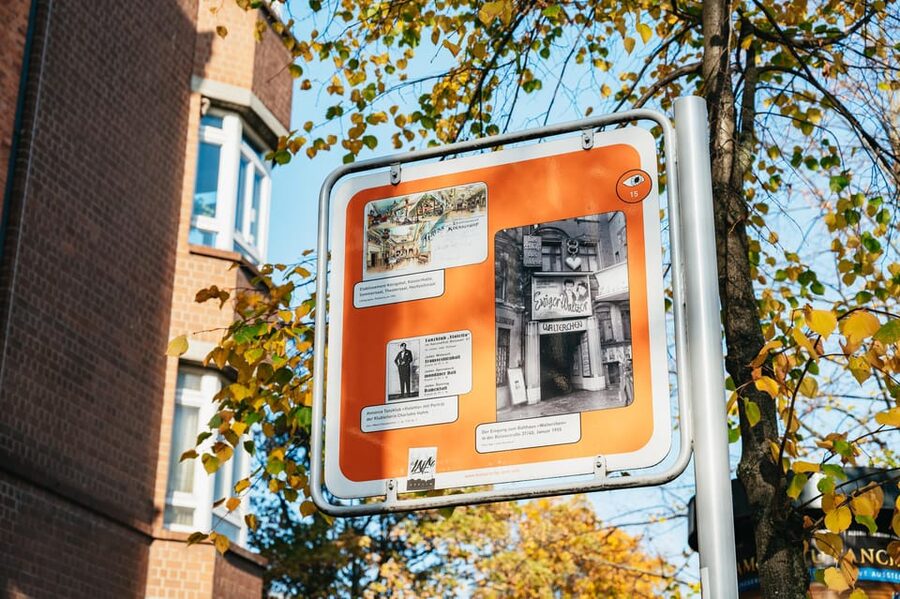
From the start, expect a guided walk rather than a string of formal monument stops. Tobias uses the streets as his main exhibit and adds archive photos and written material to show how places looked and functioned in earlier decades. That visual aid helps when a club or meeting hall has disappeared and only the address or setting remains.
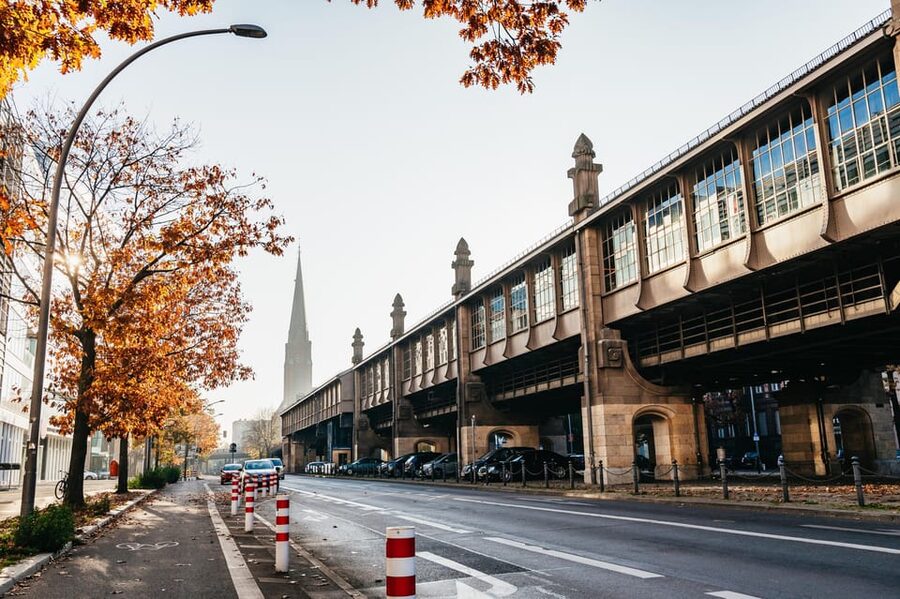
The route also gives you time to notice the neighborhood itself. You will see architecture, street art, cafés, shops, and the signs of present-day LGBTQ+ life alongside the older stories. The area is not a preserved historical district, and that is part of the point. Berlin’s queer history is woven into a living neighborhood, not locked behind glass.
Tobias has been praised for making the material easy to follow without flattening it. His style mixes facts, humor, and personal anecdotes. He also answers questions as you go, which is useful if you want to ask about a person, a building, or the changes that shaped Schöneberg after reunification.
The Nationalhof and the 1920s movement
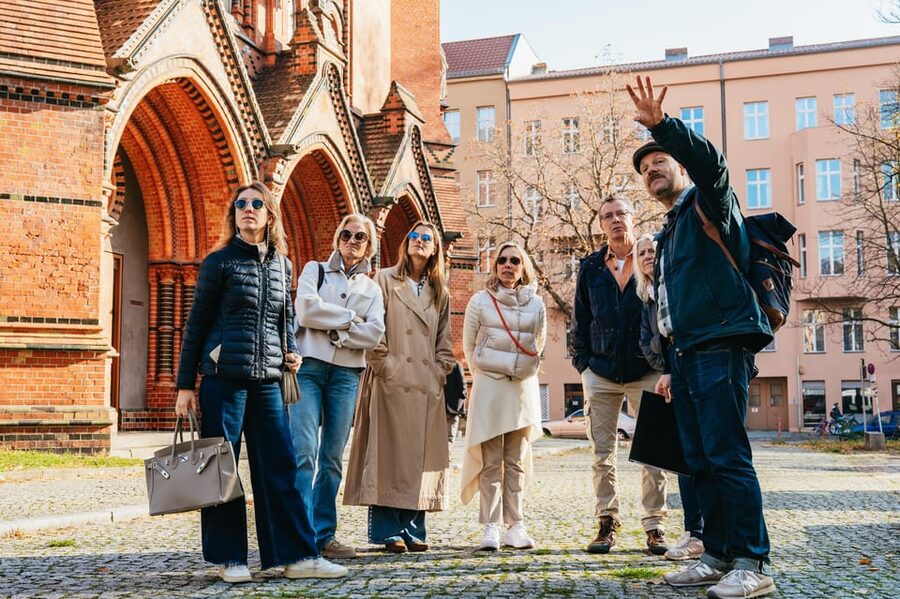
One of the most important stops is the site of the Nationalhof. It was a major gathering place for the gay community and is presented as a center of the gay rights movement in the 1920s.
This stop helps correct a common misunderstanding about queer life in old Berlin. The story is not only about entertainment, nightlife, or famous performers. It is also about people building institutions and arguing for legal and social change. The Nationalhof gives the tour a political center.
You will hear about the network of local places that supported this effort, including the Hollandais club and the Kleist Casino. These names may mean little before the walk, but they become useful reference points as Tobias explains how the district operated. Clubs offered companionship and entertainment, yet they could also serve as meeting places within a wider community.
Do not expect every stop to look exactly as it did in the interwar years. Some locations are remembered through their former use rather than through a surviving façade. Tobias’s archive material matters here because it helps you compare the present street with the earlier scene.
This is also where the tour gains weight. The 1920s were an important chapter in gay rights, but the period ended with the accession of the Nazi Party. The route places the openness of the neighborhood beside the danger that followed. That contrast makes the story more than a nostalgic look at old Berlin.
Motzstraße and the former El Dorado cabaret
Motzstraße brings the entertainment side of Schöneberg into focus. The tour visits the former site of El Dorado, one of the district’s best-known cabaret clubs.
El Dorado has become a shorthand for Berlin’s permissive and theatrical 1920s. At the site, Tobias explains what made the club memorable and how it fit into the larger world of queer nightlife. You are standing in a normal city street, so the archive images and storytelling do much of the work. That is not a weakness, but you should come prepared for historical locations rather than restored interiors.
The stop also gives you a chance to think about the mix of people who made the district famous. Berlin’s queer scene attracted performers, artists, writers, visitors, and local residents. The cabaret story shows the public, colorful side of the community, while the Nationalhof stop points toward organization and activism.
I like this change of mood within the walk. The tour does not stay in one register. It moves from political history to nightlife, then to literature and neighborhood life. That variety keeps two and a half hours from feeling like a list of dates.
A few more walking tours around Berlin worth a look
- Discover Berlin Half-Day Walking Tour
★ 5.0 · 9,624 reviews - Berlin City walk Government District and Places of Democracy
★ 4.7 · 8,467 reviews - Berlin: Third Reich & Cold War Guided Walking Tour
★ 4.9 · 8,378 reviews - Berlin: Discover Berlin Walking Tour
★ 4.9 · 5,998 reviews
Christopher Isherwood’s Nollendorfstraße
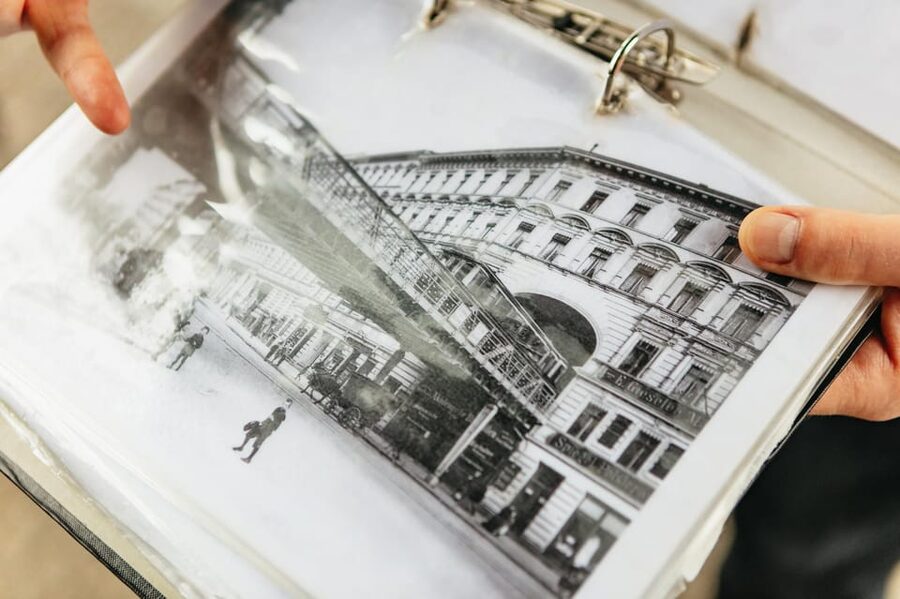
The former home of novelist Christopher Isherwood on Nollendorfstraße adds a literary thread to the route. Isherwood’s Berlin writing helped shape how later generations understood queer life in the city, and his work became important to the Gay Liberation movement.
At the house, the focus is not simply on a famous writer’s address. The stop shows how personal observation, fiction, and city life can preserve a record of a community. Isherwood’s connection gives you another way to consider Schöneberg, through the eyes of someone who wrote about its people and social world.
This part should appeal even if you are not an Isherwood specialist. You do not need to have read his books to understand why his Berlin work matters. If you have read them, the stop adds a useful sense of place. If you have not, Tobias provides enough context to make the literary connection clear.
The walk also places Isherwood beside other figures who helped shape Berlin’s queer story. Tobias has a knack for bringing people from the past into the discussion as individuals rather than as names on a timeline. That personal approach is one reason the tour feels more like a conversation than a classroom lesson.
Schwerin Straße and a wider queer history
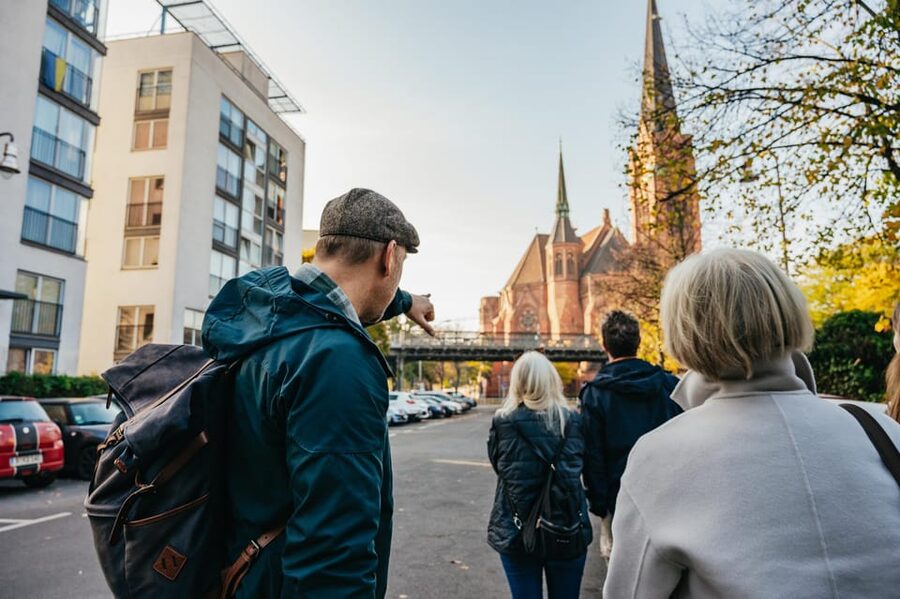
A strong feature of the route is its attention to the lesbian quarter on Schwerin Straße. Many city tours that cover queer history focus heavily on gay men, famous clubs, and male writers. This walk makes room for lesbian history and for other gender and sexual identities.
That wider scope matters. Berlin’s LGBTQ+ past was never one single story, and the route acknowledges trans, intersex, and gender-nonconforming lives as part of the larger picture. The discussion does not treat these subjects as an afterthought.
You will also walk along Eisenacher Straße, which still reflects the varied life of the district. Today’s streets provide a link between past and present. You can see how a neighborhood can change while keeping a public identity connected to LGBTQ+ community life.
I would pay attention to the smaller details here. The tour is not only about major names and former clubs. It is also about cafés, shops, buildings, street art, and the way people use the area now. That makes the experience useful if you want ideas for exploring Schöneberg after the walk.
Tobias as your guide
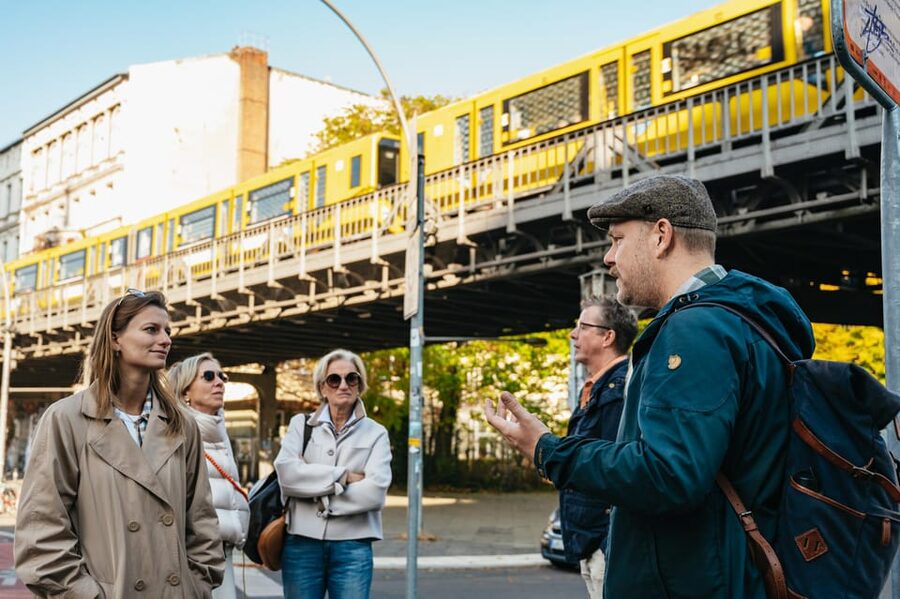
The guide can make or break a history walk, and Tobias is central to this one. He leads in German or English and is known for clear English, an easy manner, and strong command of the subject.
His approach has several useful parts. He tells stories rather than reciting a script, brings archive images and text, and welcomes questions along the way. He also adds personal stories, including details about himself and his husband, which gives the tour a human voice without replacing the historical material.
Humor is part of his style, but the serious subjects are handled with care. That balance is useful in a tour covering persecution, discrimination, and political loss. You get moments of wit without the difficult parts being brushed aside.
The practical feedback about Tobias is especially consistent: he is friendly, patient, prepared, and passionate. He has adapted the pace for cold weather, offered comfort stops, and worked around a delayed arrival. Those details suggest a guide who pays attention to the people in front of him, not only to the route.
Still, individual tours can vary by group size and weather. If you want a quiet, private study of one building, a group walking tour may feel social and conversational instead. The route is designed for questions and discussion, so it works best when you are willing to take part.
Is $23 good value?
At $23 per person, this is a strong-value tour for a two and a half hour guided walk. You are paying for a focused subject, a prepared guide, archive material, and access to stories you would have trouble piecing together from a general city map.
The price looks even better if queer history is one of your main interests in Berlin. A standard city tour may mention Schöneberg, but it is unlikely to spend this much time on the clubs, activists, writers, and lesbian history of the district.
The value is less obvious if you want a sightseeing tour packed with major visual attractions. Many stops are former sites, and the area is experienced through explanation rather than entry into preserved interiors. You are paying for context and interpretation.
Food and drinks are not included. That keeps the cost clear, and it leaves you free to choose a café or other local stop afterward. The tour ends in an area with queer cafés, shops, and community spaces, so you can continue exploring on your own.
Timing, comfort, and access
The walk lasts 2.5 hours, long enough to build a proper story but short enough to fit into a day of sightseeing. You will be on your feet, with opportunities to pause, stand, look at archive material, and ask questions.
Berlin weather can change the feel of the experience. Warm clothing and comfortable shoes are sensible, especially in winter. Tobias has adjusted routes and pacing in cold, rain, and snow, but the tour remains outdoors.
The activity is listed as wheelchair accessible. The meeting point may vary depending on the option booked, and special dates, times, and meeting points can be arranged for groups by telephone. If you need a particular arrangement, name it when making contact.
Free cancellation is available up to 24 hours before the tour for a full refund, and you can reserve now and pay later. Those policies are useful if your Berlin plans are still shifting.
Who should book this walk?
I would recommend it to anyone interested in LGBTQ+ history, Berlin social history, literary Berlin, or the way neighborhoods change over time. It is also a good first activity for a visit focused on queer Berlin because it gives you names, locations, and background for further exploring.
You do not need to identify as LGBTQ+ to get value from the tour. The material belongs to Berlin’s wider history, and the route explains how the community shaped the city and responded to political pressure.
The walk suits curious adults and older teenagers who can manage a 2.5-hour outdoor route. It may not suit you if you want a nightlife experience, a museum visit, or a quick list of photo stops. This is a talk-led walk, and the stories are the main attraction.
Should you book the Gay Berlin Out in Schöneberg tour?
Book it if you want Berlin presented through the people and places that shaped its queer public life. The Nationalhof, El Dorado, Isherwood’s home, Schwerin Straße, and Eisenacher Straße create a varied route, while Tobias gives the history warmth and structure.
Skip it only if you are looking for a purely visual tour or do not enjoy walking and listening outdoors. At $23, the balance of time, subject matter, archive material, and personal guidance is very good. For a focused introduction to Schöneberg, this is an easy recommendation.
FAQ
Where does the Gay Berlin Out in Schöneberg tour take place?
The walk explores the area around Nollendorfplatz in Berlin’s Schöneberg district. It also includes Motzstraße, Nollendorfstraße, Schwerin Straße, and Eisenacher Straße.
How long does the tour last?
The tour lasts 2.5 hours.
What language is the tour offered in?
The live guide speaks German and English.
Who guides the tour?
The guide named for this experience is Tobias.
What sites are included?
The route includes the site of the Nationalhof, the former Hollandais club, the Kleist Casino, the former El Dorado cabaret site on Motzstraße, and Christopher Isherwood’s former home on Nollendorfstraße.
Is the tour wheelchair accessible?
Yes, the activity is listed as wheelchair accessible.
What does the price include?
The $23 price includes the walking tour and guide. Food and drinks are not included.
Just added around Berlin
- East Berlin and the Wall: Walking Tour★ 4.9 · 407 reviews
- Cold War, Berlin Wall, Spies and the East Side Gallery★ 4.8 · 254 reviews
- Berlin: walking tour about Charité★ 4.4 · 537 reviews
- Berlin: Walking Tour of the Top 10 Sightseeing Attractions★ 4.7 · 150 reviews
- Berlin: Sightseeing Walking Tour of the Top 20 Attractions★ 4.5 · 196 reviews
- Berlin: The Time of National Socialism Walking Tour★ 5.0 · 220 reviews
- Berlin: Kreuzberg Guided Walking Evening Tour★ 4.7 · 555 reviews
- Berlin : Must-see attractions Walking Tour★ 4.8 · 83 reviews
Walking Tours, compared.

Magical London: Harry Potter Guided Walking Tour
Read our review →
Reykjavik Food Walk – Local Foodie Adventure in Iceland
Read our review →
History and Hauntings of Salem Guided Walking Tour
Read our review →
New Orleans Premier Ghost, Voodoo and Vampire Walking Tour
Read our review →
Amsterdam Anne Frank: Small-Group Walking Tour & Local Guide
Read our review →

Edinburgh Castle: Guided Walking Tour with Entry Ticket
Read our review →
Anne Frank’s Story – Guided Walking Tour through Amsterdam
Read our review →Browse the lists this tour appears in