
REVIEW · SAN FRANCISCO
San Francisco LGBTQ Walking Tour with Local Guide
The most powerful part of this Castro walking tour is the way ordinary streets become part of LGBTQ history. You’ll see Harvey Milk’s former camera shop and political headquarters, memorials to lives lost during the AIDS epidemic, and sidewalk plaques honoring queer figures from the past. The route links places, people, and political change without turning the neighborhood into a museum piece.
I like the guide-led storytelling, especially with Kathy, a longtime Castro resident and community activist. I also like the tour’s focus on real sites rather than a quick photo stop at the rainbow flags. The main consideration is that this is a serious history tour as well as a neighborhood walk, so political conflict, discrimination, and the AIDS crisis are part of the discussion.
Key points to know before you book
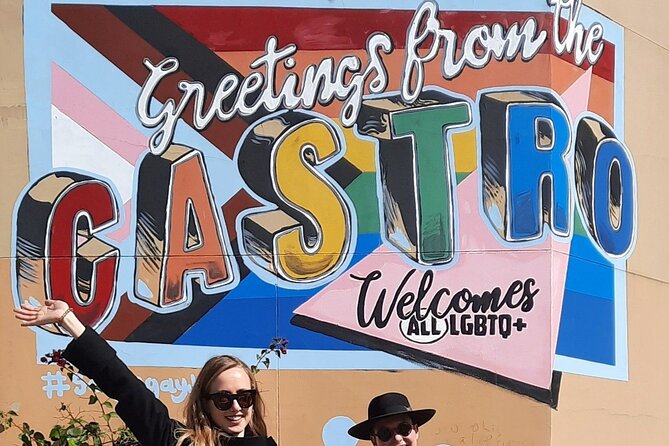
- Harvey Milk’s Castro comes to life: See his former home, camera shop, and campaign headquarters.
- More than 20 historic sites: The route covers LGBTQ culture, civil rights, the AIDS epidemic, memorials, and local art.
- Kathy brings personal context: Her decades in the neighborhood give the walk a local and personal point of view.
- Important memorials are included: Visit Pink Triangle Memorial Park, the Rainbow Honor Walk, and the original AIDS Quilt Names Project site.
- A compact two-hour route: The tour begins and ends at 400 Castro Street at 10:00 am.
- A strong value at $40: You receive a focused local history lesson, a guide, and access to a story-filled neighborhood without hotel transfers or extra admission costs.
Why the Castro makes such a meaningful walking tour
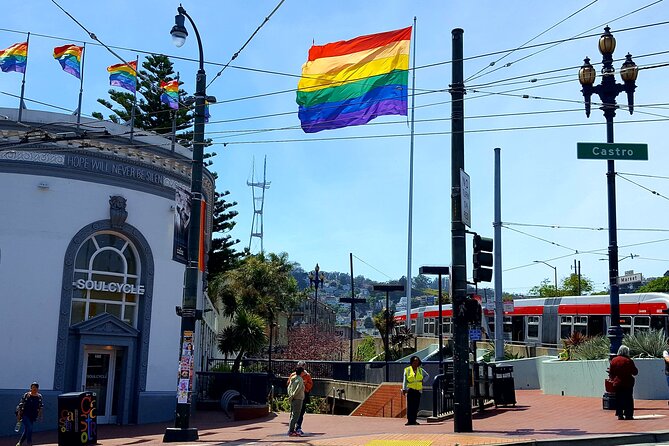
San Francisco’s Castro is not simply a district decorated with rainbow flags. It is a place where LGBTQ people built community, fought for legal rights, mourned enormous losses, and pushed the wider country toward change.
That makes walking especially useful here. You can connect a storefront to a political campaign, a memorial to a public-health crisis, and a sidewalk plaque to a person whose work shaped queer life. The experience asks you to pay attention to the ground beneath your feet.
The two-hour route covers more than 20 sites connected to LGBTQ culture and civil rights. It reaches back to the Gold Rush, moves through World War II and the rise of gay rights activism, and continues into present-day questions about employment, housing, and public accommodations.
I like that the tour does not treat the past as finished business. The discussion includes gains in civil rights, but also the fact that LGBTQ people still do not have equal protection in every area of American life. That gives the walk a clear purpose instead of reducing it to a cheerful neighborhood introduction.
More LGBTQ-Friendly Tours in the USA:
- San Francisco: Castro LGBTQ Walking Tour
★ 5.0 · 90 reviews - Berlin: Gay Berlin Out in Schöneberg Walking Tour
★ 4.8 · 281 reviews
Starting at 400 Castro Street
Meet at 400 Castro Street at 10:00 am. The tour begins and ends at the same place, which makes planning easier if you want to continue exploring the area afterward.
The walk is conducted in English and lasts about two hours. It operates in rain or shine, so check the forecast and dress for San Francisco’s famously changeable conditions. Comfortable shoes are sensible, even though the route is described as a pleasant stroll rather than a strenuous hike.
The public walkways are wheelchair accessible, and service animals are allowed. The tour is also near public transportation, so you do not need hotel pickup or a private car. Hotel transportation is not included, which is normal for a central neighborhood walking tour and helps keep the $40 price reasonable.
The advertised maximum is two travelers, creating the possibility of a very small group or even a private-feeling walk. That format can be a real advantage if you want to ask questions or discuss family and personal connections to LGBTQ history. At the same time, minimum numbers apply, so the operator can cancel if too few people book. If that happens, you are offered another option or a full refund.
Castro Theatre and the neighborhood’s beginnings
One early stop is the Castro Theatre, an imposing building with Spanish Colonial Baroque architecture. Even if you are mainly interested in social history, this gives the walk a useful sense of place. The Castro is a real neighborhood with its own architecture and daily life, not just a collection of political landmarks.
You’ll also learn how the district got its name. That simple detail helps you read the neighborhood in context before the tour turns more directly to LGBTQ history and activism.
The theatre itself is viewed from the walking route, and the experience is not presented as a theater performance or indoor tour. If you want to see a show inside, that would be a separate plan. Here, the building works as a visual marker and a reminder that the Castro’s identity includes culture, architecture, entertainment, and politics.
Harvey Milk Plaza and the making of a movement
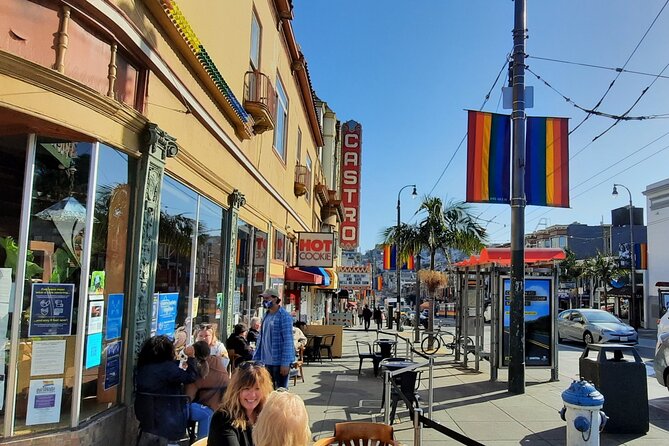
Harvey Milk Plaza is one of the tour’s central stops. Here, you learn how Milk arrived in San Francisco, became the first openly gay man elected to public office in the United States, and developed into a civil rights leader.
The value of this stop is the connection between local action and national change. Harvey Milk’s story is often reduced to a few famous images, but standing in the neighborhood where he lived and organized gives the story a physical setting.
The tour also explains the creation of the rainbow flag. That detail may sound familiar, yet it matters more when it is tied to the streets and community where the symbol became part of public life.
Expect this section to include politics. The guide does not treat LGBTQ rights as a subject without conflict. You’ll hear about the struggle for civil rights and the conditions that made organizing necessary. If you prefer tours that avoid political subjects, this is worth considering before you book. If you want a clearer understanding of how social change happens, it is one of the strongest parts of the route.
More Guided Tours in the USA:
- History and Hauntings of Salem Guided Walking Tour
★ 5.0 · 14,564 reviews - Historic Charleston Guided Sightseeing Walking Tour
★ 5.0 · 6,216 reviews - Cambridge: Harvard University Student-Guided Walking Tour
★ 4.6 · 3,931 reviews - Harvard University Campus Guided Walking Tour
★ 4.5 · 3,632 reviews
Harvey Milk’s home, camera shop, and campaign base
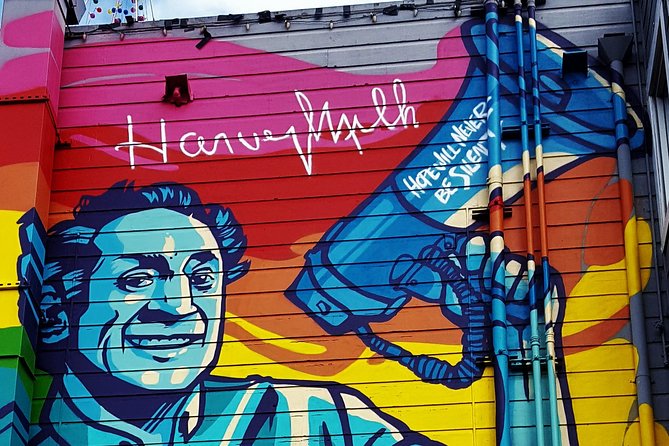
The tour visits several places associated with Harvey Milk, including his home, camera shop, and campaign headquarters. These locations matter because they show how his public work grew out of an ordinary neighborhood business and personal life.
The former camera shop and campaign headquarters is now home to the Human Rights Campaign Action Center and Store. You’ll learn about the building’s connection to Milk and about current gaps in equal rights for LGBTQ people in employment, housing, and public accommodations.
This is a useful stop for understanding that activism did not happen in some distant government building. It happened in businesses, homes, meeting places, and local streets. You get a better sense of how one person used a small business as a base for political organizing.
The listed visit here lasts about 10 minutes. That is enough for a focused explanation, but not a full indoor museum visit. The tour’s strength is the wider story around the building, not an extended examination of displays inside.
Pink Triangle Memorial Park

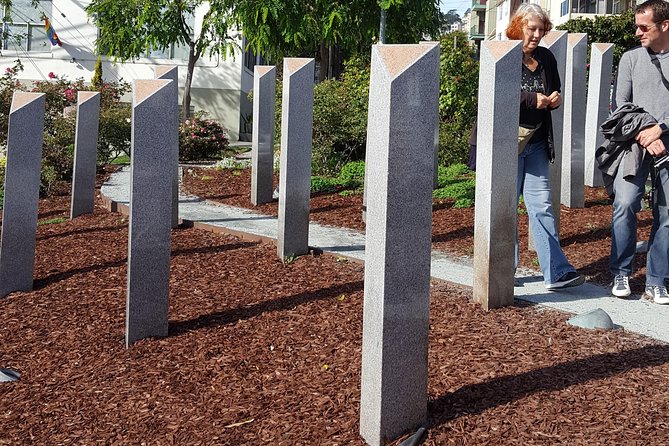
Pink Triangle Memorial Park is one of the more moving stops. Its memorial design recalls the pink triangle used by the Nazis to identify gay men in concentration camps. In San Francisco, the symbol was reclaimed as a reminder of persecution and a call to resist hatred.
The park gives the tour a quieter pause. After the political energy of Harvey Milk’s story, this stop asks you to think about the cost of prejudice and the way symbols can change meaning over time.
I would not rush through this part. The subject is painful, and the memorial is meant for reflection as much as explanation. The tour can be uplifting, but it is not light entertainment from start to finish.
The Rainbow Honor Walk and LGBTQ names in the pavement
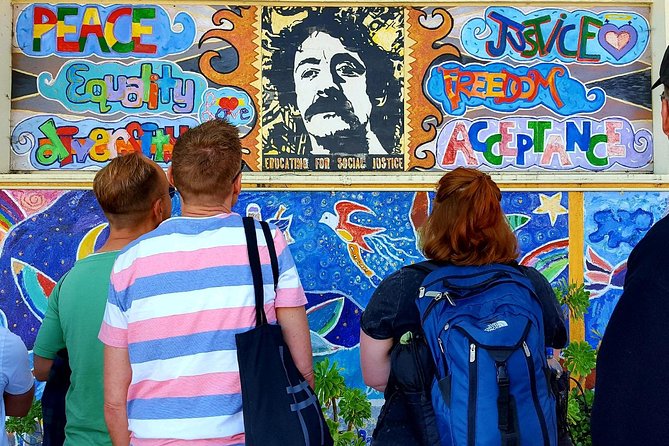
The Rainbow Honor Walk adds another layer to the Castro. Plaques set into the sidewalks honor LGBTQ figures whose work helped shape queer culture and civil rights.
This is one reason you should keep looking down as you walk. The neighborhood’s history is not confined to plaques on walls or formal memorials. Names appear along the route, turning a normal pavement into a record of writers, artists, activists, and other figures.
The project also gives returning visitors a way to notice change. A person who visited years ago may find new plaques and a different visual record of LGBTQ history. You can take in these markers at walking speed, rather than racing between large attractions.
The AIDS Quilt Names Project and the AIDS crisis
The original site of the AIDS Quilt Names Project is included in the route. This stop connects the Castro to one of the most painful periods in recent LGBTQ history.
The AIDS Memorial Quilt became a way for families, friends, and communities to remember people who died during the epidemic. Learning about the original site helps you understand how grief became public remembrance and how remembrance became political action.
The subject can be emotional, especially for people with personal connections to the AIDS crisis. Still, leaving it out would give you a false picture of the neighborhood. The tour places loss beside activism, community care, and the continuing fight for equal rights.
A guide who knows the Castro personally
The guide can make or break a neighborhood history walk. Here, Kathy is the name to know. She has lived in the area for decades, works as a local historian and community activist, and brings personal experience to the stories.
Her style, based on the details of the experience, is warm, funny, direct, and engaged. She also makes an effort to include people who arrive alone, families with children, and visitors with different levels of background knowledge. One four-year-old was accommodated, and a teenager remained engaged through the tour, so families should not assume this is aimed only at adults.
Kathy’s personal connection is useful because she can explain not only what happened, but why a particular place still matters to the community. That said, the tone is not a neutral textbook lecture. Current political questions and personal perspective are part of the experience.
For me, that is a strength, as long as you want a guide with a point of view. If you are seeking a strictly academic presentation with no personal or political commentary, this may feel more activist than expected.
How much walking and how much history
The tour lasts about two hours and covers a compact section of the Castro. It is described as not too much walking, with accessible public pathways and stops where the guide explains the setting.
You will not spend the entire time moving. Much of the value comes from pausing at landmarks and hearing the connections between them. The route includes more than 20 sites, but not every stop receives the same amount of time. Harvey Milk Plaza and the Human Rights Campaign site receive clearly defined portions, while other locations are woven into the walk.
Because the route is outdoors, weather can affect your comfort. The tour runs rain or shine, so bring suitable layers and plan for a wet morning if needed. The operator may cancel in poor weather, in which case you are offered another date or a full refund.
Is $40 a fair price?
At $40 per person, this is not the cheapest way to walk through the Castro, since you can visit the streets and many public memorials without paying. The fee pays for something different: a focused route, a local guide, historical connections, and context that would be difficult to assemble on your own in two hours.
I think the price works best for a first visit to San Francisco or for anyone who wants more than photographs of rainbow flags. You receive a full two-hour experience, and the listed stops do not require separate admission fees.
The value is also tied to the guide. A generic audio walk would give you dates and names, but it could not respond to your questions or adjust the pace. With a very small advertised group, you may get a more personal conversation.
The tradeoff is that no hotel pickup, food, or indoor attraction admission is included. Budget for your own transport to Castro Street and any additional sightseeing afterward.
Who should book this Castro walk?
I would choose this tour if you want LGBTQ history presented through real places. It suits solo visitors, couples, families with older children, and anyone interested in San Francisco civil rights history.
It is also a good choice if you want a meaningful first activity in the Castro. After two hours, you will have a stronger map of the neighborhood and a better idea of which memorials and landmarks deserve another look.
You may want a different experience if your priority is nightlife, shopping, food, or a short photo-focused visit. This walk asks you to listen, think, and sometimes pause with difficult subjects. It is welcoming, but it is not shallow.
The experience has a 4.9 rating from 600 reviews, with 100 percent recommending it. The repeated strengths are clear: Kathy’s personal connection, her humor, her care with different ages and backgrounds, and the way she turns history into something immediate.
Practical details before you go
Book ahead if your dates are fixed. The experience is often reserved about 29 days in advance, which suggests that popular periods can fill early.
Your booking confirmation arrives at the time of booking. The experience is non-refundable if you cancel or request a change, except when the operator cancels because of poor weather or insufficient bookings. In those cases, you receive another option or a full refund.
The start and end point is 400 Castro Street, San Francisco, California 94114. The start time is 10:00 am, and the tour is offered in English only.
Should you book it?
Book this tour if you want the Castro explained by someone connected to its community, not simply photographed from the sidewalk. Kathy’s long local experience, the Harvey Milk sites, and the memorials to LGBTQ lives and activism give the route real weight.
Skip it if you want a casual neighborhood stroll with little discussion of politics, discrimination, or the AIDS crisis. For everyone else, $40 is a fair price for two hours of focused local history, especially on a first visit. Bring comfortable shoes, arrive ready to listen, and leave room afterward to explore the Castro at your own pace.
FAQ
Where does the San Francisco LGBTQ walking tour begin?
The tour begins at 400 Castro Street, San Francisco, California 94114.
What time does the tour start?
The tour starts at 10:00 am.
How long does the walking tour last?
The tour lasts approximately two hours.
Where does the tour end?
The tour ends at 400 Castro Street, the same location where it begins.
What language is the tour offered in?
The tour is offered in English.
Who leads the tour?
The tour is led by a local guide. Kathy is identified as a longtime Castro resident, historian, and community activist.
Which Harvey Milk sites are included?
The route includes Harvey Milk’s former home, camera shop, and campaign headquarters. The Human Rights Campaign Action Center and Store now occupies the former camera shop and campaign headquarters.
Are memorials included in the walk?
Yes. The tour includes Pink Triangle Memorial Park, the Rainbow Honor Walk, and the original site of the AIDS Quilt Names Project.
Is the route wheelchair accessible?
Public walkways on the tour are wheelchair accessible. Service animals are allowed.
What happens if the tour is canceled?
If poor weather or insufficient numbers cause a cancellation, you are offered another date or experience, or a full refund. If you cancel for another reason, the experience is non-refundable.
Just added around the USA
- Fan Tribute: Taylor Swift in New York Walking Tour★ 4.9 · 147 reviews
- Explore Must-See Spots: Las Vegas Strip Walking Tour★ 4.8 · 77 reviews
- East Nashville Walking Food Tour with 5+ Tastings★ 4.7 · 178 reviews
- Las Vegas: Fremont Street Walking Tour★ 4.9 · 153 reviews
- NYC: Guided Bus and Walking Tour with Staten Island Ferry★ 4.6 · 209 reviews
- DC: Smithsonian Highlights Walking Tour with Air and Space★ 4.8 · 97 reviews
- DC: Lincoln Assassination Tour with Ford’s Theatre Entry★ 4.6 · 72 reviews
- Deep Dive into Denver: Small-Group Walking Tour★ 4.8 · 119 reviews
Walking Tours, compared.

Magical London: Harry Potter Guided Walking Tour
Read our review →
Reykjavik Food Walk – Local Foodie Adventure in Iceland
Read our review →
History and Hauntings of Salem Guided Walking Tour
Read our review →
New Orleans Premier Ghost, Voodoo and Vampire Walking Tour
Read our review →
Amsterdam Anne Frank: Small-Group Walking Tour & Local Guide
Read our review →

Edinburgh Castle: Guided Walking Tour with Entry Ticket
Read our review →
Anne Frank’s Story – Guided Walking Tour through Amsterdam
Read our review →Browse the lists this tour appears in