
REVIEW · BARCELONA
Barcelona: Gothic Quarter Walking Tour with 10+ Attractions
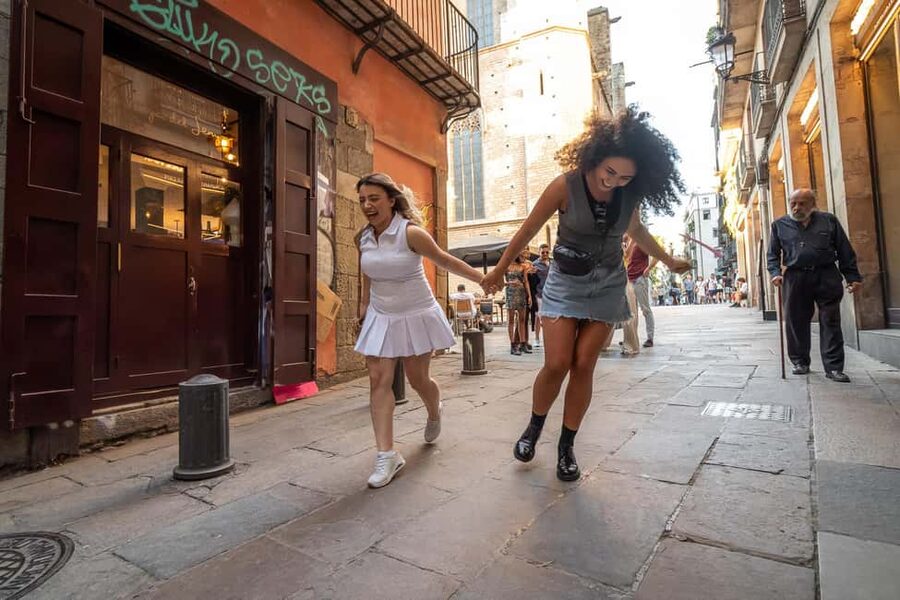
Barcelona’s Gothic Quarter is best understood on foot, one narrow lane and old stone courtyard at a time. This two-hour walk links Roman remains, medieval churches, Civil War-era scars, artists’ hangouts, and quiet squares that are easy to miss when you explore alone. I especially like the clear historical thread, from ancient Barcino to present-day Barcelona, and the way guides such as Mariah, Juan, Sara, Petra, and Darren use humor and local stories to keep the past moving.
I also like the route’s practical shape. It begins near Roman aqueduct remains and finishes by Santa Maria del Mar, giving you a useful first look at both the Gothic Quarter and the nearby Born area. The main consideration is pace: two hours covers a lot, and the old streets can be crowded, so you should expect plenty of walking and short stops rather than long visits inside each sight.
Key points to know before you book
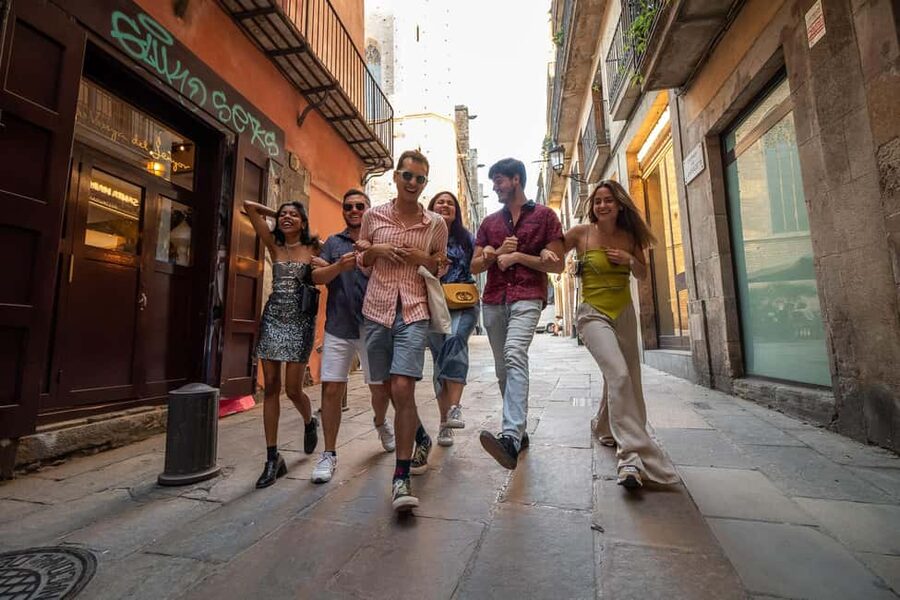
- Two thousand years in two hours: The route moves from Roman Barcino through medieval Barcelona and into the modern city.
- Several famous sights and quieter corners: You’ll pass Barcelona Cathedral, Bishop’s Bridge, Sant Felip Neri Square, Plaça Sant Jaume, and lesser-known streets.
- Story-led guiding: Guides are praised for clear explanations, local legends, jokes, and useful dining suggestions.
- A central finish: The walk ends at Basílica de Santa Maria del Mar, well placed for continuing into El Born.
- English only: The tour is led in English, with a private option available for your group.
- Good value for first-time visitors: At $25, it gives you a useful orientation without charging admission to attractions you may not have time to enter.
Why this Gothic Quarter walk works so well
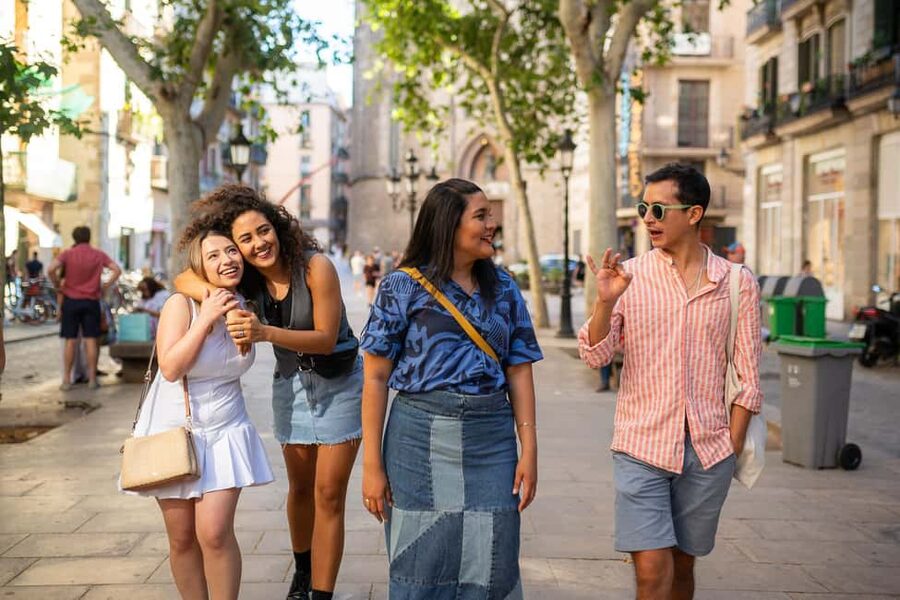
The Gothic Quarter can feel confusing at first. Streets twist, buildings mix Roman fragments with medieval walls, and important places often sit behind plain doorways or around small squares. A guide gives those details a place in the larger story.
This tour is not just a march past churches. It connects the city’s long timeline. You begin with the Roman foundation, move through the medieval center of power, and finish near one of Barcelona’s best-known Gothic churches. That structure helps you understand why the quarter looks the way it does instead of treating each stop as an isolated photo opportunity.
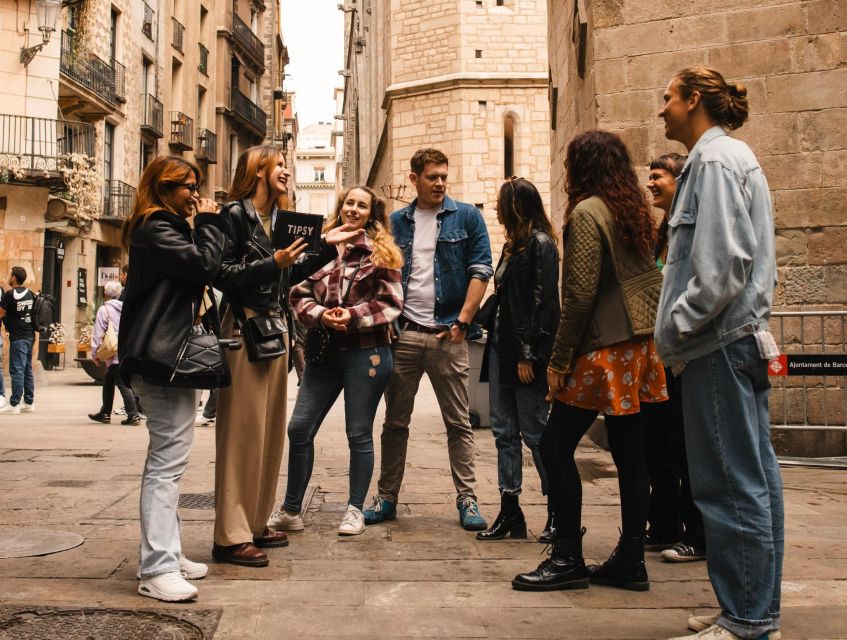
The guides also bring a human touch. Darren is praised for humor and clear explanations, while Petra has a reputation for speaking clearly and making historical details easy to follow. Juan adds personal recommendations and extra context, and Mariah is described as friendly, entertaining, and generous with facts. Sara, Sonia, Thami, Craig, Vanessa, and Lidia are also named for lively delivery, careful explanations, and good group management.
That range matters because a walking tour depends heavily on the person holding the microphone, or simply gathering the group in the street. The provider appears to use guides with different styles, but the common thread is storytelling rather than a dry list of dates.
A few more walking tours around Barcelona worth a look
- Barcelona Tapas and Wine Experience Small-Group Walking Tour
★ 5.0 · 5,804 reviews - Barcelona: Tapas Walking Tour with Food, Wine, and History
★ 4.8 · 4,261 reviews - Barcelona: Food Walking Tour with Tapas and Wine
★ 4.9 · 2,180 reviews
Starting near Roman Barcelona
The meeting point is Plaça del Vuit de Març, inside the park near Balmesiana Biblioteca Balmes. Look for the Roman aqueduct remains and the yellow Carpe Diem Tours flag beside a white van. Arrive 10 minutes early, since the quarter has several plazas with similar names and one October booking specifically reported confusion over meeting points.
The opening area introduces the city’s Roman past. The starting sculpture, Escultura Barcino, points you toward the old settlement of Barcino, the Roman city beneath modern Barcelona. This is a smart place to begin because it gives you a frame for everything that follows: Barcelona was not built all at once, and the Gothic Quarter’s old-looking streets sit over an even older city plan.
You won’t get a full archaeological visit here, but you will gain the basic orientation needed to notice Roman stones, surviving walls, and traces tucked into later buildings. If you arrive early, take a moment to identify the aqueduct remains and find the guide before the walk begins.
Els Quatre Gats and Barcelona’s creative side

Els Quatre Gats is one of the route’s livelier stops. The venue is tied to Barcelona’s modern artistic identity and helps show that the Old City is not only about bishops, kings, and stone walls.
The stop lasts about 10 minutes, so expect an explanation from outside or a short look rather than a long meal or extended interior visit. That is useful for understanding the place, but you should not treat this walk as a food tour. Food and drinks are not included, and the route is built around history and atmosphere.
I like this part because it breaks up the medieval focus. You see how Barcelona’s old center became a meeting place for artists and new ideas, adding another layer to the walk. Guides often use small anecdotes here, so this is a good moment to ask for recommendations if you want to return later.
The Kiss of Freedom and the meaning of public art
The Kiss of Freedom offers a different kind of stop. Instead of looking only at old stonework, you encounter a modern public artwork with a message connected to freedom and civic memory.
The exact story matters more than the time spent taking a picture. Your guide can explain why the work belongs in this route and how modern Barcelona remembers its recent past. The 10-minute format keeps the walk moving, though it also means the explanation will be focused rather than a full art-history lesson.
This is one reason I would book the tour early in your visit. You are not simply collecting landmarks. You are picking up references that may help you notice the city’s political and cultural layers during the rest of your stay.
Same streets, a different route:
- Barcelona Tapas Walking Tour: Food, Wine & History
★ 4.5 · 1,928 reviews - Barcelona Helicopter, Sailboat & Old Town Private Walking Tour
★ 5.0 · 1,395 reviews - Barcelona: Old Town and Gothic Quarter Walking Tour
★ 4.8 · 1,393 reviews - Barcelona: City Walking Tour with a Local Guide
★ 4.9 · 1,384 reviews
Barcelona Cathedral, the quarter’s grand centerpiece
Barcelona Cathedral is the biggest visual stop on the route. Its Gothic architecture gives you the clearest sense of the quarter’s medieval power, and the surrounding streets make the building feel even larger than it first appears.
The guide explains the cathedral’s place in Barcelona’s religious and civic life during a 10-minute visit. That is enough to cover the main story and point out details, but not enough for a slow interior tour or a climb. If entering the cathedral is a priority, plan a separate visit outside the walking tour.
I find this stop valuable because a good explanation changes the way you see Gothic buildings. Instead of only admiring towers and stone, you begin to understand how the cathedral anchored the surrounding neighborhood. The guide’s comments also help you compare it with the smaller churches later in the walk.
Bring comfortable shoes. The route uses old streets rather than smooth modern sidewalks, and you will be standing while listening.
La Casa de l’Ardiaca and the city’s layered buildings
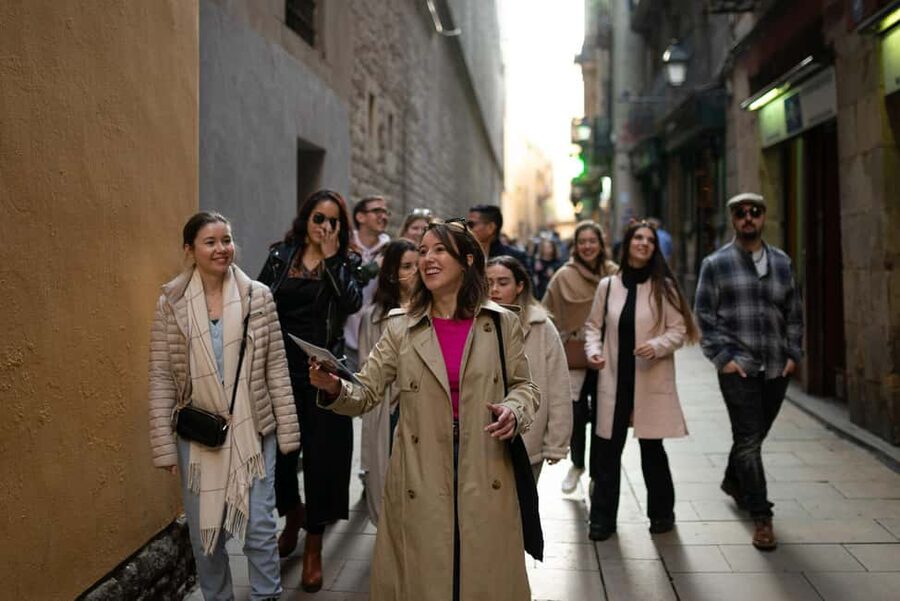
La Casa de l’Ardiaca shows how Barcelona’s buildings often combine different periods. It sits close to the cathedral and carries the feel of an old institutional residence, but the surrounding area has been altered many times.
This is the kind of place you could pass without knowing why it matters. A guide gives you the reason to stop and look up, notice a doorway, or understand how one structure fits into the quarter’s changing story.
The short stop also keeps the itinerary balanced. After the large cathedral, you get a more intimate architectural detail. The route’s best moments often come from this contrast: grand monuments followed by corners that only make sense once someone explains them.
Bishop’s Bridge and a favorite photo stop

Bishop’s Bridge is one of the most recognizable features in the quarter. Its stone span crosses a narrow street and creates a dramatic view, especially when you look at the carved details against the surrounding buildings.
It is also a useful reminder that not everything that looks medieval is as old as it appears. A guide can explain the bridge’s place in the city’s architectural story and help you separate genuine medieval fabric from later additions and restorations.
Expect a short stop, a good photo opportunity, and a likely crowd. The quarter’s narrow streets can become congested, and one guide was specifically praised for handling crowded areas well. Stay close to your guide here, since a large group can spread out quickly around the bridge.
Sant Felip Neri Square, beauty with a darker past
Plaça de Sant Felip Neri is one of the most affecting points on the route. It is small, quiet, and visually gentle, yet its walls carry marks connected to the violence of Barcelona’s past.
Several guides have been praised for including the city’s darker stories, and this square is where that approach feels most useful. The point is not shock for its own sake. It is to show that Barcelona’s old center has witnessed conflict, loss, and political change as well as art and religious ceremony.
Give this stop your full attention. The square can look like a peaceful pause in the route, but the guide’s explanation adds weight to the walls around you. It is also a good example of why a walking tour can reveal more than a sightseeing bus. You are close enough to see texture and damage that would vanish at street level from a vehicle.
Plaça de l’Àngel and the shift toward El Born
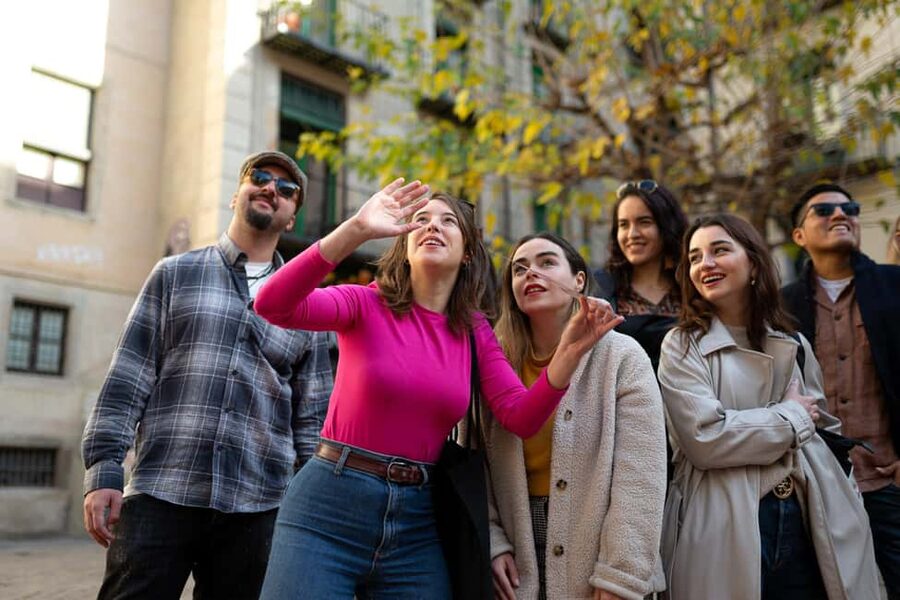
Plaça de l’Àngel brings you toward the southern side of the historic center and helps bridge the Gothic Quarter with nearby El Born. The square is more open than many of the lanes you have just walked, so it provides a useful change of pace.
Here, the guide can pull together how Barcelona developed around its old center and explain the relationship between the Gothic Quarter and neighboring districts. The stop is brief, but its location helps you understand where to go next after the tour.
This is also a practical point for getting your bearings. If your guide offers restaurant or neighborhood tips, listen closely. Multiple guides, including Shy and Juan, are praised for giving useful dining recommendations. Those suggestions can be more helpful than a generic list because they come at the moment you are standing near the areas you may want to explore later.
Finishing at Santa Maria del Mar
The walk ends at Basílica de Santa Maria del Mar, one of Barcelona’s most admired Gothic churches. Its location near El Born gives the tour a satisfying finish and leaves you in an area with plenty more to see.
The church also provides a contrast with Barcelona Cathedral. You have seen the grand religious center of the Gothic Quarter, then followed the streets toward another major medieval church with its own identity. The tour does not include food, drinks, or admission add-ons, so decide in advance if you want to continue with an independent visit after the guide says goodbye.
Ending here is a strength. You are not returned to the starting point, so the walk works well as a link between sightseeing areas. From Santa Maria del Mar, you can continue exploring on foot, stop for a meal, or use the guide’s recommendations.
What $25 buys you
At $25 per person, this is a reasonable price for a two-hour introduction to central Barcelona. You are paying for a live English-speaking guide, a planned route, historical interpretation, and help finding places that are easy to miss. You are not paying for entry tickets, food, or drinks.
That distinction matters. If you want lengthy interior visits at the cathedral or Santa Maria del Mar, this is not the complete experience by itself. It is better viewed as an orientation walk that shows you where to return and gives the sights a clear story.
The value is strongest if you are new to Barcelona, have limited time, or prefer learning through anecdotes rather than reading signs. It is also useful near the start of a trip, since guides often offer neighborhood and dining suggestions. Still, one booking near the end of a trip found the walk worthwhile, so late scheduling does not make it pointless.
A private option is available if you want a more personal experience for your group. The standard format may suit most people, but private guiding is worth considering if you want to ask many questions or move at a slower pace.
Who will enjoy this tour most
I would choose this walk for first-time visitors, history fans, families with older children, and anyone who wants a quick, structured introduction to the Old City. The tone is designed to be fun as well as informative, and several guides are praised for keeping the material easy to follow.
It also works for people who normally get bored by formal history. Darren’s humor, Thami’s jokes, Mariah’s friendly delivery, and the storytelling style praised across several guides suggest that the experience does not rely on dates alone.
You should think twice if you dislike walking on uneven old streets, standing in crowded squares, or listening to short explanations at outdoor sites. The two-hour length is manageable, but the route covers a lot. Wear comfortable shoes and comfortable clothes, and bring a camera if you want to record the architectural details.
Booking details that matter
The tour costs $25 per person and lasts two hours. It is conducted in English with a live guide, and a private group option is available.
You can cancel up to 24 hours before the start for a full refund, and you can reserve now and pay later. Check the available start times when booking, since the exact departure time is not fixed in the information provided.
Most important, do not rush the meeting point. Go to Plaça del Vuit de Març, inside the park near Balmesiana Biblioteca Balmes and the Roman aqueduct remains. Look for the yellow Carpe Diem Tours flag and white van, and arrive 10 minutes early.
Should you book it?
Book this tour if you want Barcelona’s Gothic Quarter to make sense quickly. At $25, it is a fair buy for a lively introduction to Roman foundations, medieval landmarks, modern memory, and local stories.
I would be especially inclined to book it on your first or second day, then return to the Cathedral, Sant Felip Neri Square, or Santa Maria del Mar with more time. Choose the private version if your group wants a slower, more tailored walk. Skip it only if you prefer exploring silently at your own pace or need long interior visits at each church.
FAQ
How long does the Barcelona Gothic Quarter walking tour last?
The tour lasts two hours.
What language is the tour conducted in?
The live tour is conducted in English.
How much does the tour cost?
The price is $25 per person.
Where is the meeting point?
Meet at Plaça del Vuit de Març, inside the park near Balmesiana Biblioteca Balmes and the Roman aqueduct remains. Look for the yellow Carpe Diem Tours flag beside the white van.
Where does the tour finish?
The walk finishes at Basílica de Santa Maria del Mar.
Which sights are included on the route?
The route includes Els Quatre Gats, The Kiss of Freedom, Barcelona Cathedral, La Casa de l’Ardiaca, Bishop’s Bridge, Plaça de Sant Felip Neri, and Plaça de l’Àngel, along with the starting area and the finish at Santa Maria del Mar.
Are food and drinks included?
No. Food and drinks are not included.
Can I book a private group?
Yes. A private group option is available.
What should I bring?
Bring comfortable shoes, comfortable clothes, and a camera.
Just added around Barcelona
- Barcelona Walk Like a Local: El Born & Gothic 15+ Sights★ 4.9 · 88 reviews
- Barcelona: Ramblas, Old Town & Gaudí Houses Walking Tour★ 4.9 · 239 reviews
- Barcelona: Gothic Quarter Walking Tour w/ Montjuïc Cable Car★ 4.4 · 90 reviews
- Barcelona: Old Town Private Walking Tour of Past and Present★ 5.0 · 160 reviews
- Barcelona: Private Walking Tour with a Local★ 4.5 · 202 reviews
- Barcelona: Jewish Quarter 2-Hour Walking Tour★ 4.8 · 333 reviews
- Barcelona: Picasso Walking Tour with Picasso Museum Tickets★ 3.5 · 93 reviews
- Barcelona: Hidden Gems Walking Tour Including 10+ Sights★ 4.9 · 121 reviews
Walking Tours, compared.

Magical London: Harry Potter Guided Walking Tour
Read our review →
Reykjavik Food Walk – Local Foodie Adventure in Iceland
Read our review →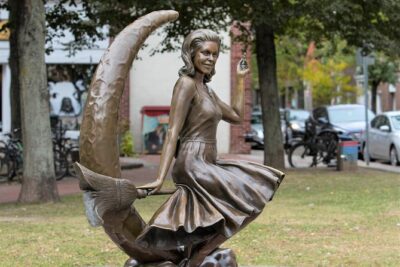
History and Hauntings of Salem Guided Walking Tour
Read our review →
New Orleans Premier Ghost, Voodoo and Vampire Walking Tour
Read our review →
Amsterdam Anne Frank: Small-Group Walking Tour & Local Guide
Read our review →

Edinburgh Castle: Guided Walking Tour with Entry Ticket
Read our review →
Anne Frank’s Story – Guided Walking Tour through Amsterdam
Read our review →Browse the lists this tour appears in