
REVIEW · WALKING TOURS
Arequipa: Walk through the Historic Center of the City
Arequipa’s best introduction may be a walk that moves between grand stone buildings and the smaller places you could easily miss alone. This two-hour tour visits the Cathedral, colonial cloisters, and old tambos before finishing at a viewpoint above the city.
I like the small groups of up to six, which give guides such as Joss, Joseph, and Jose room to answer questions. I also like the practical local advice, from restaurants and bars to later sightseeing ideas. The one caution is that the tour includes stretches of walking with less commentary, and one guest felt the price was high for the amount of information provided on some streets.
Key points at a glance
- The Cathedral begins the story: Start with one of Arequipa’s main symbols and learn how the city’s religious and civic life shaped its center.
- Colonial cloisters and tambos add variety: The route moves beyond the obvious monuments into old lodging places and quieter architectural corners.
- Local guides make the difference: Joss, Joseph, and Jose are praised for clear English, regional knowledge, warmth, and useful recommendations.
- The final viewpoint is a real finish: Look across Arequipa toward Misti, Chachani, and Pichu Pichu, with some departures ending at a rooftop bar.
- Small groups keep it personal: With no more than six people, the walk can sometimes become private when others cancel.
- Book early in your stay: The restaurant, bar, museum, and day-trip suggestions can help shape the rest of your time in Arequipa.
Why this walk works as your first Arequipa outing
Arequipa can look straightforward at first: a central plaza, pale volcanic-stone buildings, and a ring of volcanoes beyond the rooftops. But the city makes more sense when someone explains how its churches, courtyards, old lodgings, traditions, and geography fit together.
That is the purpose of this walk. It is not only a checklist of famous buildings. Your guide talks about architecture, cultural influences, local traditions, legends, and the surrounding region as you move through the center.
I would book it near the start of your stay. Several guides have helped participants choose restaurants, bars, museums, and other places to visit after the walk. Joss has also shared his contact details with some groups so he could answer questions and offer suggestions later.
The experience is offered in English or Spanish, and the group is capped at six people. That is a useful middle ground. You get more interaction than on a large city tour, but you do not need to pay private-tour prices in advance. If the other bookings cancel, the walk may become private, as happened for some couples and small groups.
The advertised length is two hours, while the walking portion is described as about an hour and a half. That leaves time for the final viewpoint and for questions. Wear shoes suited to cobblestones and plan for a steady walk rather than a quick photo stop at each building.
More History Walking Tours in the world:
- Berlin: Third Reich & Cold War Guided Walking Tour
★ 4.9 · 8,378 reviews - Munich: Third Reich & WWII Walking Tour
★ 4.6 · 6,181 reviews - Berlin’s Best: 2 Hour Walking Tour Third Reich and the Cold War
★ 5.0 · 5,486 reviews
Meeting at Campo Redondo in San Lazaro
The meeting point is Campo Redondo San Lazaro, in the San Lazaro area. The listed coordinates are -16.3934138, -71.5336117.
This is useful to know before you set out because the tour does not begin with a hotel pickup. You need to reach the meeting point yourself. Check the exact starting time when booking, since departures are available in both the morning and afternoon.
The starting location also sets the tone for a walk through Arequipa’s older quarters. From here, you move on foot through cobblestone streets toward the main historic buildings. Your guide can explain what you are seeing as the city changes from quiet lanes to more formal colonial spaces.
Morning and afternoon departures suit different plans. A morning walk leaves the rest of the day open for museums, markets, or a longer meal. An afternoon departure may lead into the best part of the viewpoint stop, especially if the final terrace offers sunset and a pisco sour. The exact light and ending conditions can vary, so do not treat the sunset as guaranteed.
The Cathedral gives you the city’s grand opening
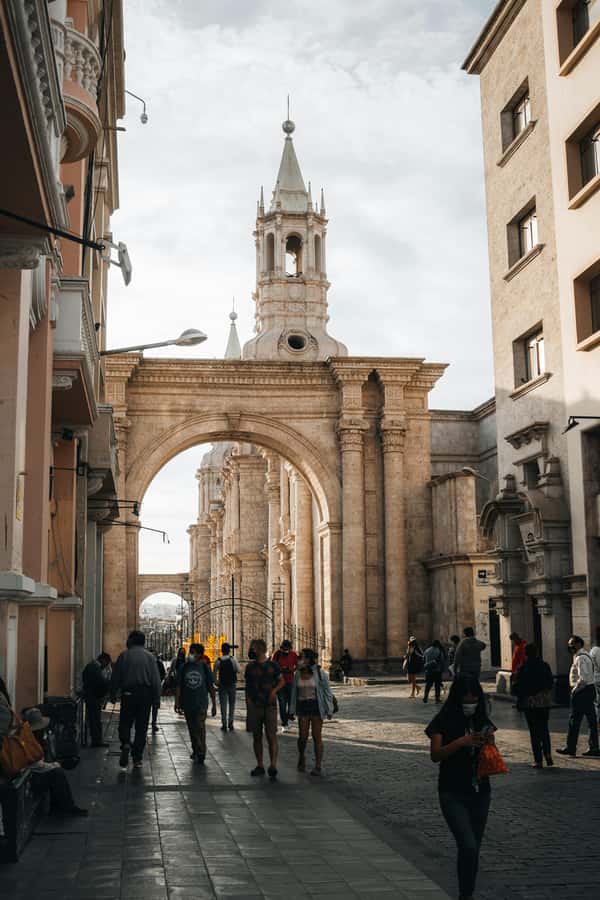
The tour begins with Arequipa’s Cathedral, one of the city’s best-known landmarks. It is a useful first stop because it gives you a clear sense of the scale and importance of the historic center before the route turns toward smaller sites.
Your guide explains the building and its place in Arequipa’s story rather than leaving you to admire the facade without context. The focus is on history, architecture, and the influences that shaped the city.
It is worth keeping your expectations clear here. The activity includes a visit to the Cathedral, but the information provided does not promise a full interior tour or a specialist guided visit inside every part of the building. One participant later took a separate Cathedral tour on Joss’s recommendation, which suggests that this walking experience and a dedicated Cathedral visit may be two different activities.
That can be a benefit. You receive a broad introduction first, then you can decide if the Cathedral deserves more of your time. You are not forced into a long museum-style stop when the purpose of the walk is to understand the center as a whole.
Cloisters reveal the quieter side of colonial Arequipa
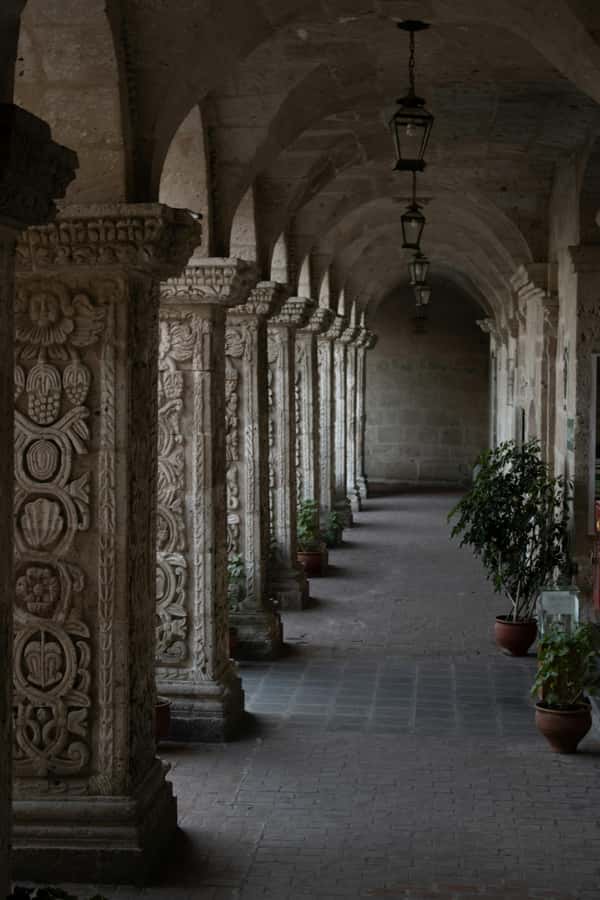
After the Cathedral, the route continues to colonial cloisters. These enclosed courtyards and passages provide a change of pace from the city’s large public buildings.
Look for the details your guide points out in the stonework, layout, and religious architecture. The value here is not only taking photographs. A good explanation helps you understand why these spaces were built, how they were used, and how they connect to the wider history of the city.
The tour promises five historical sites in all, but the exact names of every stop are not specified. That gives the guide some room to shape the walk around opening conditions, group interest, and the flow of the streets.
For you, that means the experience may feel less fixed than a formal museum circuit. It also means you should ask questions when something catches your eye. The guides are praised for responding to detailed questions about architecture, geography, cultural influences, and Arequipa itself.
A few more walking tours around the world worth a look
- Magical London: Harry Potter Guided Walking Tour
★ 4.7 · 22,044 reviews - Reykjavik Food Walk – Local Foodie Adventure in Iceland
★ 5.0 · 18,952 reviews - History and Hauntings of Salem Guided Walking Tour
★ 5.0 · 14,564 reviews - New Orleans Premier Ghost, Voodoo and Vampire Walking Tour
★ 4.5 · 12,856 reviews
Tambos connect old travel with daily city life
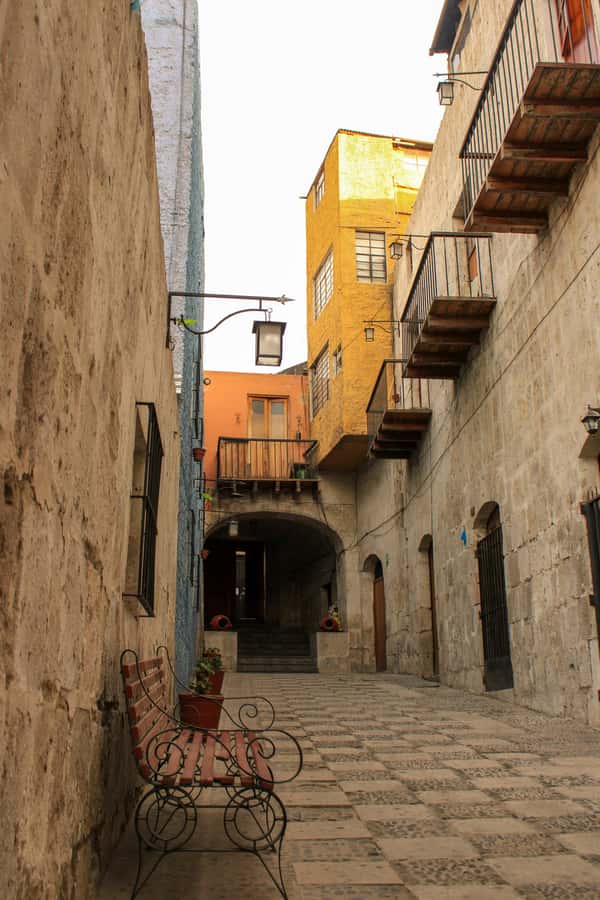
One of the more distinctive parts of the route is the visit to tambos. These were old lodging places and have played an important role in Arequipa for centuries.
A tambo gives the walk a more human scale. Instead of seeing only churches and monumental buildings, you get a sense of the places connected with movement, work, and ordinary life. Your guide explains their role and why they matter in the city’s development.
This is the kind of stop that rewards a local guide. A casual walk past an old entrance may not tell you what made the place important. The guide’s stories and local knowledge turn an easy-to-miss corner into part of the city’s larger story.
The activity also includes traditions, legends, and curious facts passed down through generations. These stories add character, but they should be treated as part of the cultural presentation rather than a formal academic lecture. If you prefer a tightly dated history of every building, some portions may feel broad.
Cobblestone streets and local recommendations
The walk between sites is part of the experience, not simply time spent getting from one building to another. You pass along picturesque cobblestone streets while the guide points out details, customs, and places worth returning to.
This is where the tour can be especially useful for a first day in town. Joss has pointed participants toward cafes, restaurants, bars, museums, and other sights. Another guide prepared a list of places to eat and drink. Such advice can save you from choosing dinner based only on the nearest menu.
Some of the strongest praise is directed at the guides’ manner. Joss is described as punctual, friendly, patient, and able to speak clear English. Joseph is described as a local, born and raised in Arequipa, with strong knowledge of good places around the city. Jose has also been praised for keeping a small private departure welcoming and well organized.
That personal attention is a major part of the value. You can ask where to eat, what to do around the city, or which activity fits your schedule. The tour includes recommendations in Arequipa and general tips for Peru, so bring a short list of questions.
There is a small tradeoff. One participant felt that some streets and buildings received too little explanation, with too much walking time between more informative stops. If you want constant commentary, tell the guide at the start. The small group makes that request easier to accommodate.
The final lookout brings the volcanoes into view
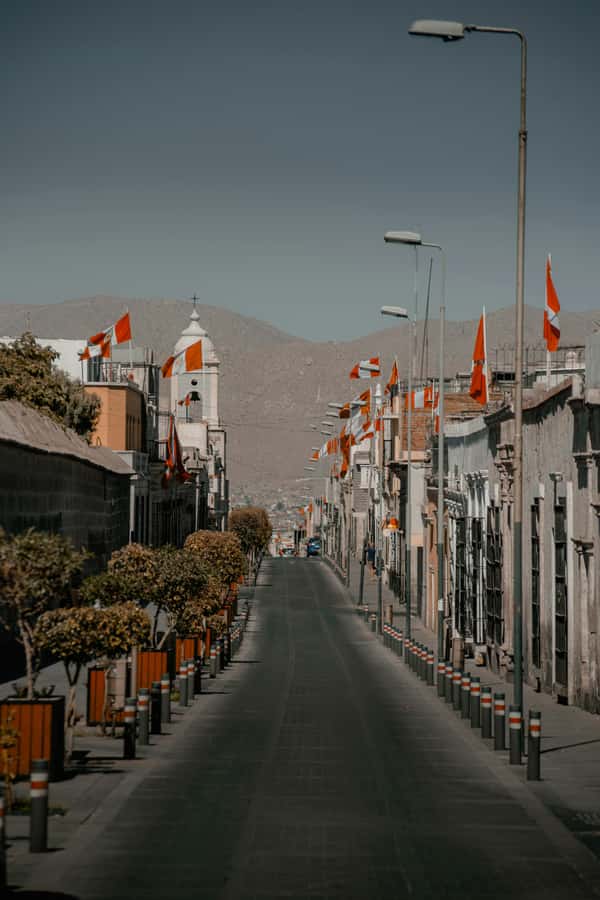
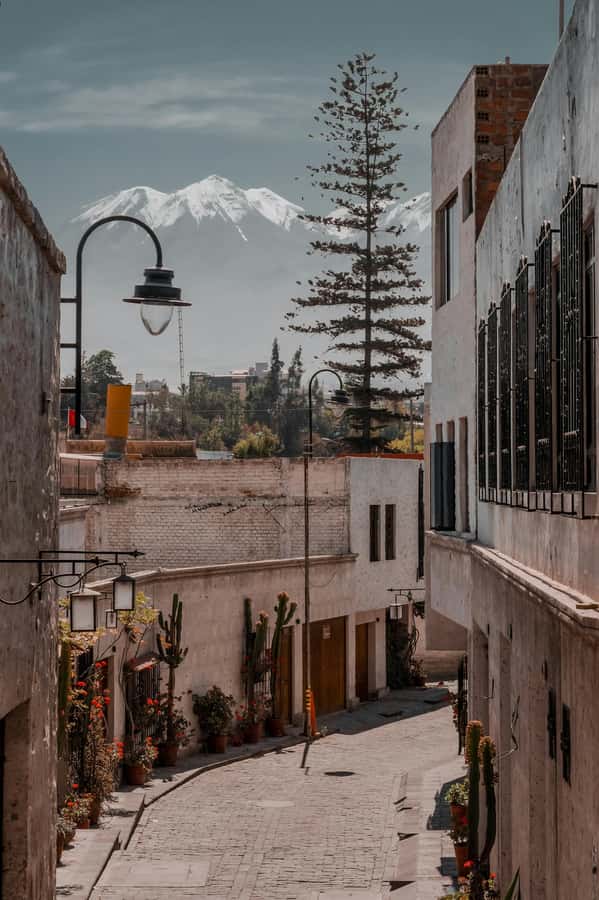
The route ends at a viewpoint with a broad look across Arequipa and toward the volcanoes surrounding the city. The named peaks are Misti, Chachani, and Pichu Pichu.
This ending works because it shifts your attention from individual buildings to the setting of the entire city. After hearing about architecture and local life, you can see the wider geography that helps define Arequipa.
The final stop is not just a quick photo opportunity. It is meant to give you time to take in the view, and some departures have ended at a rooftop terrace where participants enjoyed pisco sours. The exact terrace and drink arrangement are not described as fixed inclusions, so consider the viewpoint itself the dependable part of the program.
Afternoon departures may be appealing if you want a late-day atmosphere. Still, the tour information does not guarantee a particular sunset or weather. The volcano views depend on conditions, and the best reason to choose this tour is the full walk, not only the final photograph.
How the price compares with the experience
At $15 per person, this is inexpensive for a guided two-hour city walk, particularly with a maximum of six participants. You are paying for a local guide, access to five historical sites, cultural explanations, recommendations, and the chance to ask questions in a small group.
The value is strongest if you use the tour as a city orientation. A guide can help you understand where to eat, which places deserve more time, and how the historic center fits together. That advice can be worth as much as the formal sightseeing.
The price is less compelling if you want a full lecture at every stop or a long guided visit inside each building. The route includes walking time, and one participant felt that the commentary along certain streets was too light for the cost.
I would call it good value for a first look at Arequipa, especially if you are traveling independently and want local suggestions. Couples may get exceptional value if the group becomes private. Larger families should note the six-person limit and check how children fit into the booking.
Cancellation is free up to 24 hours before the activity for a full refund, and you can reserve now while paying later. Those terms make it easier to place the walk early in your itinerary without locking yourself into a plan too far ahead.
Who should book this Arequipa walk
I would choose this experience if you want:
- A compact introduction to Arequipa’s historic center
- A small group rather than a large city circuit
- English or Spanish guiding
- Stories about customs, legends, and cultural influences
- A guide who can suggest restaurants and later activities
- A mix of famous buildings and less obvious corners
- A final viewpoint with volcano views
- A gentle way to get oriented before exploring alone
It suits first-time visitors particularly well. You will leave with a mental map of the center and a list of places to consider for the rest of your stay.
It may be less suitable if you want a specialist architectural tour, a long Cathedral visit, or nonstop explanation while walking. The route is social and practical as well as historical. That mix is its strength, but it will not satisfy every museum-focused traveler.
Should you book it?
Book this walk if you want a friendly, local introduction to Arequipa for $15, with a very small group and useful advice beyond the standard sights. Try to schedule it early in your stay, then use the guide’s restaurant, museum, and sightseeing suggestions to plan the days that follow.
Choose the afternoon if a rooftop finish and possible sunset appeal to you. Choose the morning if you want more time afterward. Go in expecting a broad city overview, some walking between stops, and commentary that may be stronger at the main sites than on every street.
For most independent visitors, the combination of the Cathedral, cloisters, tambos, local stories, and volcano viewpoint makes this a sensible first step into Arequipa.
FAQ
How long does the Arequipa walking tour last?
The activity lasts two hours. The walking portion is described as approximately one and a half hours, with time also allowed for the final viewpoint and questions.
How much does the tour cost?
The price is $15 per person.
Where does the tour meet?
The meeting point is Campo Redondo San Lazaro. The listed coordinates are -16.3934138, -71.5336117.
Is hotel pickup included?
No hotel pickup is listed. You meet the guide at Campo Redondo San Lazaro.
Which languages are available?
The live tour guide is available in English and Spanish.
How many people can join the group?
The group is limited to six participants.
Which places are visited?
The walk includes the Cathedral, colonial cloisters, ancient tambos, other historical sites, cobblestone streets, and a final viewpoint. Five historical sites are included overall, though every site is not named in advance.
Can I take the tour in the morning or afternoon?
Yes. The tour is available in both the morning and afternoon. Check the available starting times when booking.
Does the tour include volcano views?
Yes. The final viewpoint offers views toward Misti, Chachani, and Pichu Pichu, subject to viewing conditions.
Can I cancel for a refund?
Yes. You can cancel up to 24 hours in advance for a full refund. You can also reserve now and pay later.
Just added around the world
- Fira: Guided Foodie Walking Tour with Tastings★ 4.9 · 474 reviews
- Fez: Guided Walking Tour of the Historic Medina★ 5.0 · 359 reviews
- Fez: Walking Tour in the Ancient City of Fez★ 4.8 · 73 reviews
- Faro: Old Town Guided Walking Food Tour★ 4.9 · 94 reviews
- Feel like a local – Walking Tour in Mykonos Town 2hours★ 4.4 · 77 reviews
- Fes: A Guided Walking Tour Through the Historic Medina★ 4.4 · 97 reviews
- Fez: Half-Day City Private Walking Tour with a Guide★ 4.6 · 114 reviews
- Fanal / Assobiadores – Levada Walk★ 4.6 · 93 reviews
History Walking Tours, compared.


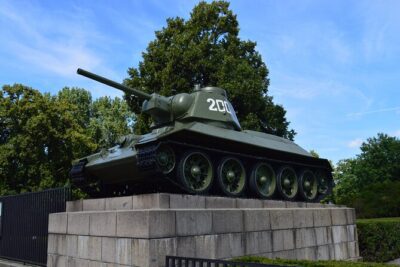
Berlin’s Best: 2 Hour Walking Tour Third Reich and the Cold War
Read our review →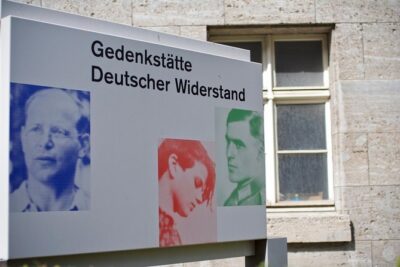
Third Reich Berlin: Hitler and WWII Walking Tour
Read our review →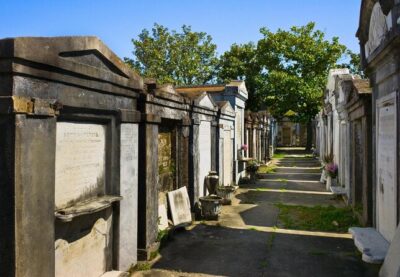
New Orleans Garden District History Walking Tour
Read our review →
Cartagena: Historic Center and Getsemaní Shared Walking Tour
Read our review →
Imperial Palace and Shogun Historical Walking Tour
Read our review →Browse the lists this tour appears in