
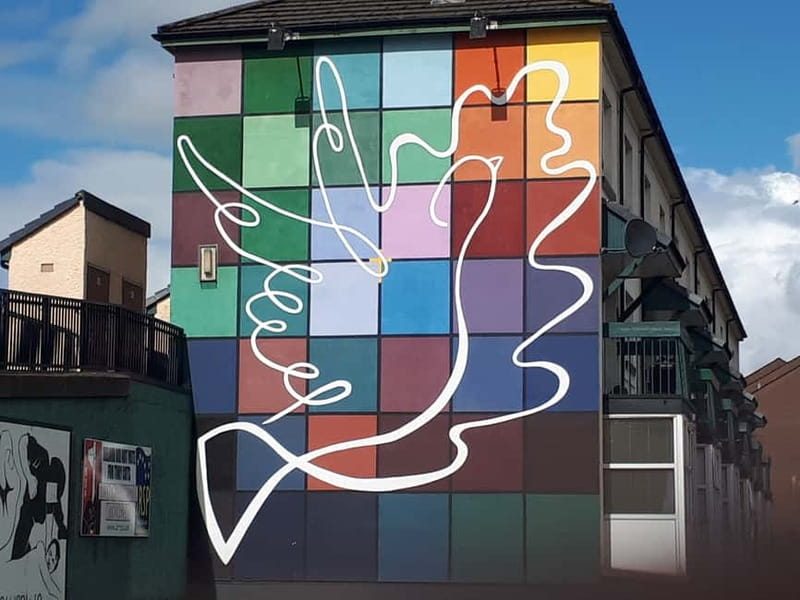
REVIEW · UK
Derry: Bloody Sunday and Bogside Murals Walking Tour
Derry’s Bogside is not a place you understand by looking at a map. Its walls, murals, monuments, and streets tell a painful modern story, and this 1.5-hour walking tour brings those pieces together. You’ll learn how discrimination, the Civil Rights movement, the Battle of the Bogside, and Bloody Sunday shaped the city.
I like two things here. First, the route uses the Bogside murals as visual history lessons rather than treating them as quick photo stops. Second, guides such as Gleann, Angela, Michael, and Ian explain events with local and sometimes family connections, while still making room for questions and lighter conversation.
The main consideration is the subject matter. Bloody Sunday and the wider Troubles are difficult topics, and the tour takes place outdoors in all weather. It is also not suited to people with mobility impairments.
Key points to know before booking
- The murals are part of the story: You see famous Bogside images while learning what they represent.
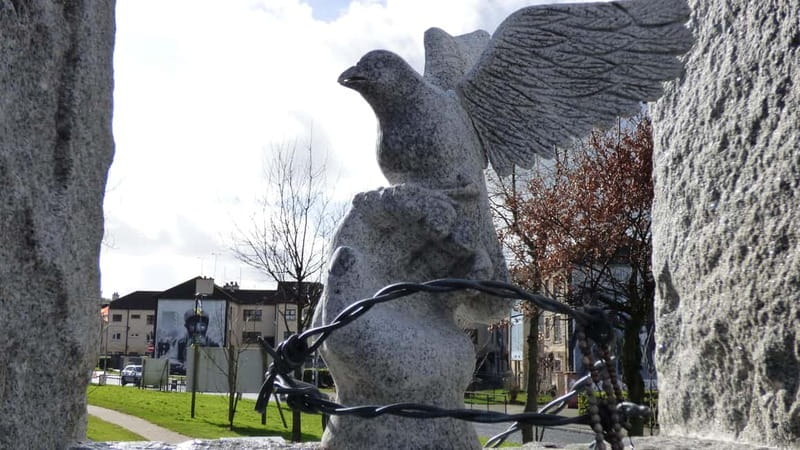
- Bloody Sunday is treated with care: The walk visits the massacre site and ends at its memorial.
- You start by the city walls: Meet outside the Tower Museum at Magazine Gate, just inside the walls.
- Local guides add human detail: Gleann, Angela, Ian, Michael, Tony, Laura, Wendy, and others have led recent tours.
- The pace is easy but the content is serious: The walk lasts 90 minutes and leaves time for questions.
- Weather matters: Bring suitable clothing, since the entire experience is outdoors.
Why the Bogside is the right place to begin
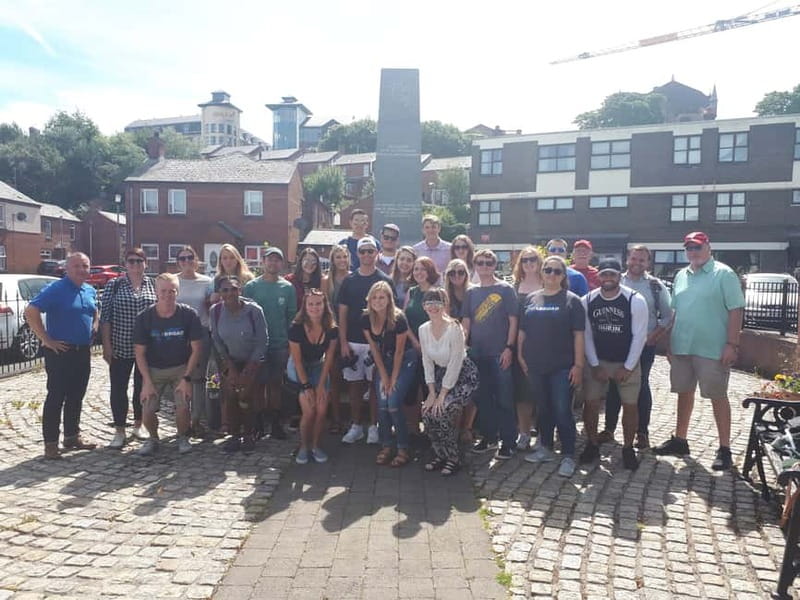
If you want to understand Derry’s recent past, the Bogside is the natural classroom. This was the heart of the Civil Rights movement in the city, and the streets remain closely tied to the events that shaped Northern Ireland in the second half of the 20th century.
The tour begins outside the Tower Museum at Magazine Gate, just inside Derry’s city walls. That meeting point gives you an immediate sense of the city’s layered identity. You are near the old defensive walls, yet the walk soon turns toward a neighborhood known around the world for protest, conflict, and public art.
I like this opening because it places the story in a real setting before the guide starts explaining dates and political terms. You are not sitting in a classroom trying to picture the Bogside. You are walking through it.
The route covers the partition of Ireland, the creation of the six-county state, and the discrimination faced by Irish Catholics. These subjects can sound abstract when presented as a list. On foot, with the Bogside around you, they become easier to connect to the city’s housing, politics, identity, and community life.
More Street Art Walks in the UK:
- London: Street Art and Graffiti Guided Walking Tour
★ 4.9 · 1,354 reviews - Glasgow Street Art Daily Walking Tour: 2pm
★ 5.0 · 648 reviews - Berlin: City Street Art Guided Walking Tour
★ 4.8 · 1,051 reviews
The Civil Rights movement and the Battle of the Bogside
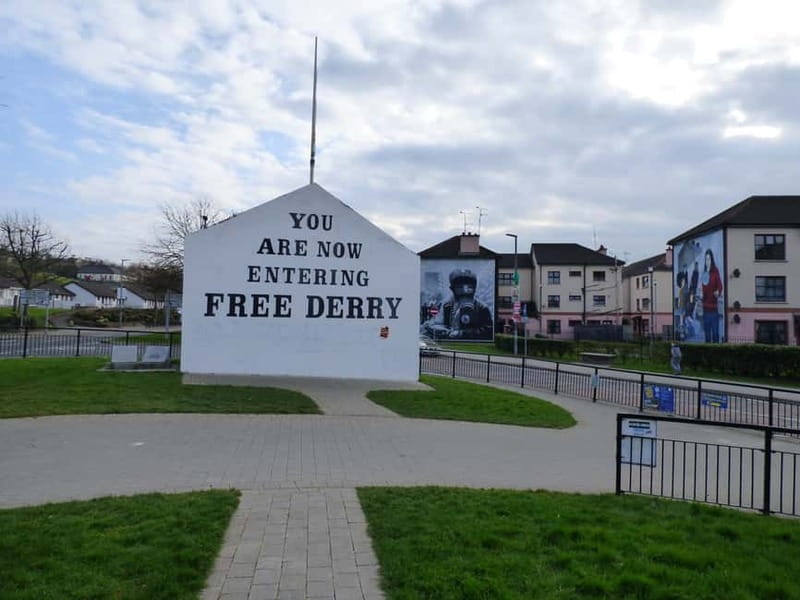
A major strength of the tour is that it does not begin with Bloody Sunday alone. The guide sets out the pressures that came first, including widespread discrimination and the rise of the Civil Rights movement.
That context matters. Without it, Bloody Sunday can seem like an isolated tragedy. The tour instead explains how frustration and protest grew, how tensions sharpened, and how the Battle of the Bogside in 1969 became a major turning point.
Your guide handles this part as a local storyteller rather than a lecturer reading a timeline. Gleann is often praised for combining solid research with personal experience, while Angela has been described as offering a clear and engaging account of the north of Ireland, the Bogside, and the nearby Creggan area. Other guides, including Michael, Tony, Wendy, and Ian, bring their own local perspectives.
The guide may adjust the amount of background to suit the group. That is useful if you already know something about the Troubles and want to ask more focused questions. It also helps if you are starting from scratch and need the basic political setting explained plainly.
This is a serious section of the walk, but it is not presented in a cold or stiff way. Several guides are praised for humor and warmth, which can make difficult material easier to follow. The humor does not erase the sadness. It gives the walk a human rhythm.
The Bogside murals as public history
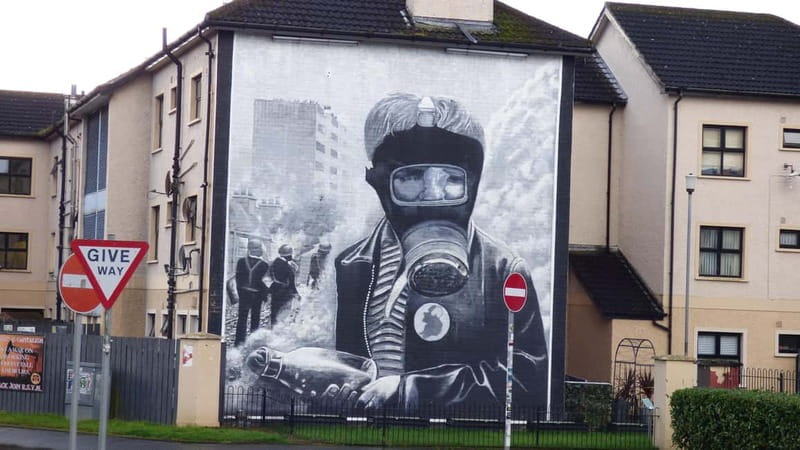
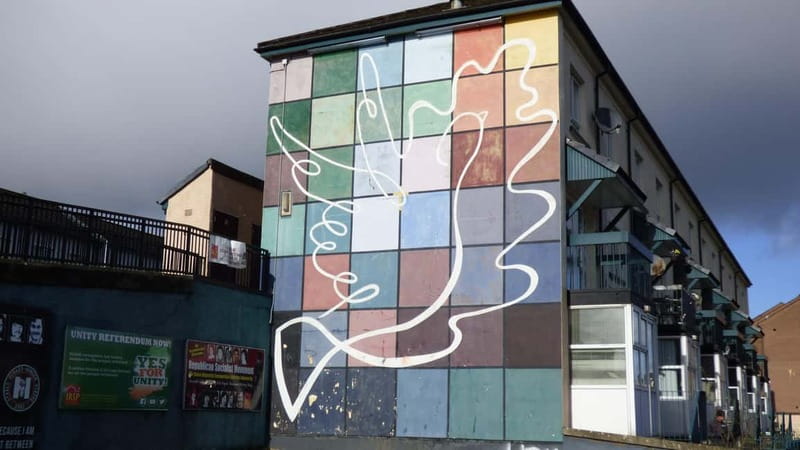
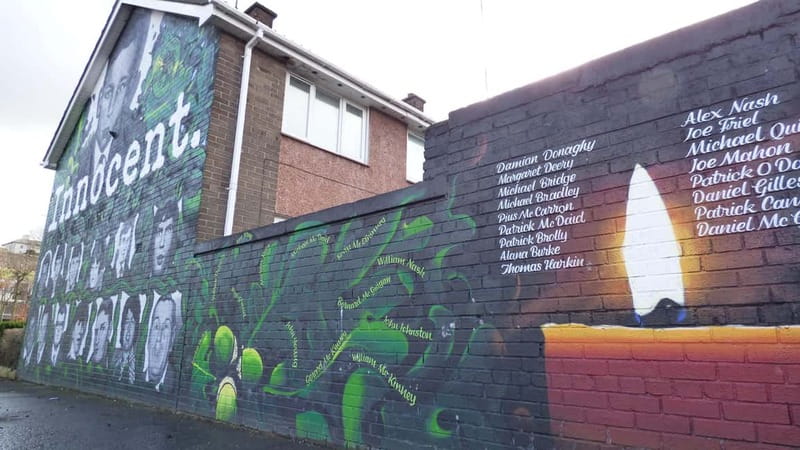
The murals are the visual heart of the tour. You will see the famous Bogside paintings and learn how they present the area’s political memory and community experience.
I like the way this changes the usual mural visit. Instead of taking pictures of large painted walls and moving on, you learn to read the images. The art becomes a way to discuss civil rights, conflict, loss, identity, and the way Derry remembers its past.
The murals also help break up the more formal historical explanation. Dates and political developments can blur together, especially during a short tour. A striking image gives you something concrete to hold onto, and the guide can connect that image to the wider story.
The exact guide makes a difference. Gleann is repeatedly described as warm, funny, and able to explain the murals in detail. Angela is praised for a relaxed and engaging style. Michael, a local from the Bogside, has been singled out for his personal involvement with the subject. That range means the tone may vary slightly from one departure to another, but the central focus remains the same.
You may also receive extra local pointers along the way. One group was shown locations connected with Derry Girls, which adds a lighter pop-culture connection to the heavier history. That is not the main reason to book, but it can help you see how the city’s past and present sit side by side.
Understanding Bloody Sunday on the ground
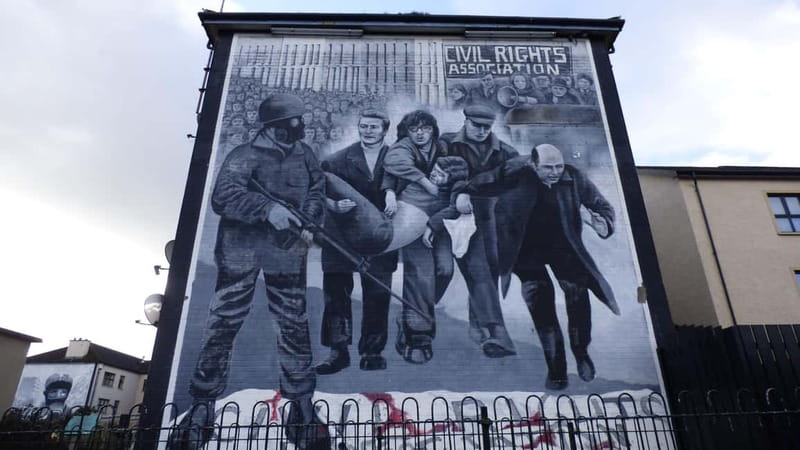
The tour’s central subject is Bloody Sunday, the events of January 1972, and the people who were killed. The guide takes you to the site of the massacre and explains what happened there.
This is where the walk becomes especially powerful. You are not simply hearing a general account of the Troubles. You are standing in the part of Derry where the event occurred, with the guide explaining its human cost and wider meaning.
The tour also covers the inquiries that followed. That is important because the story did not end on the day itself. The later investigations and public understanding of the event form a major part of how Bloody Sunday is remembered.
Expect a respectful presentation rather than a sensational one. Guides are praised for being thoughtful, clear, and willing to answer questions. Several have personal or family connections to the conflict, and that can give the explanation added weight. At the same time, the experience is a guided history walk, not a private testimony session, so the amount of personal detail depends on the guide and the group.
The subject may be uncomfortable, especially if you are not familiar with the events. I would avoid scheduling this immediately before something that requires a carefree mood. Give yourself a little time afterward to think about what you have seen and heard.
A few more walking tours around the UK worth a look
- Magical London: Harry Potter Guided Walking Tour
★ 4.7 · 22,044 reviews - Edinburgh: Harry Potter Magical Guided Walking Tour
★ 4.8 · 11,944 reviews - Edinburgh Castle: Guided Walking Tour with Entry Ticket
★ 4.7 · 11,699 reviews - Underground Vaults Walking Tour in Edinburgh Old Town
★ 4.5 · 8,506 reviews
Ending at the Bloody Sunday monument
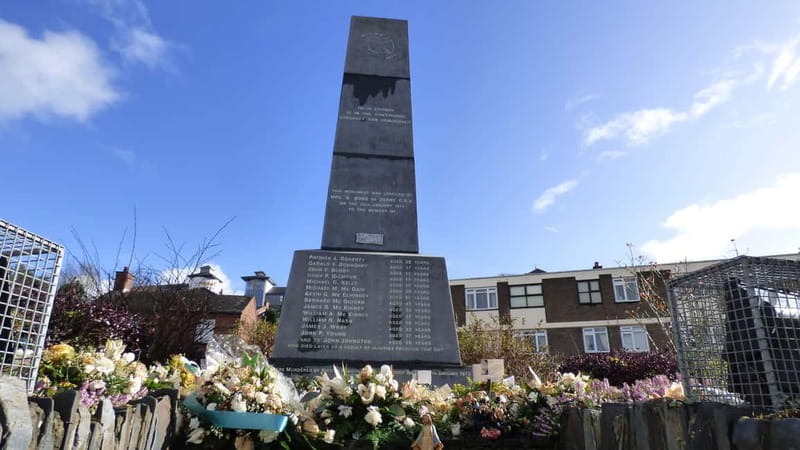
The walk concludes at the Bloody Sunday monument, a lasting tribute to the Civil Rights Association. Ending there gives the tour a clear emotional and physical finish.
This final stop is more than a convenient endpoint. After seeing the murals and hearing the story of discrimination, protest, violence, and official inquiries, the monument gives you a place to focus on the people affected.
A guide may spend time answering final questions here, so do not treat the monument as a quick photo stop. The closing discussion can help you sort out the difference between the major events, the political arguments around them, and the human stories at their center.
One limitation is that a 90-minute walk can only cover so much. You will get a strong account of the Bogside, Bloody Sunday, and the Civil Rights period, but you should not expect every part of Northern Ireland’s conflict to receive equal attention. If you want a full account of the Troubles through the Good Friday Agreement, you may need additional museums or tours.
One person also wanted more discussion of how the Troubles still affect life today, noting that those effects can feel more visible in Belfast. That is a fair expectation to manage. This experience is focused on Derry’s Bogside, its murals, and Bloody Sunday. It offers some perspective on the present, but its main job is to explain the past.
How the guides shape the experience
The strongest part of this walk is the guide. The company uses several English-speaking guides, and recent departures have been led by Gleann, Glen, Glyn, Angela, Ian, Michael, Tony, Laura, and Wendy.
Names and spellings may vary, but the pattern is clear: the guides are valued for being well prepared, personable, and comfortable discussing difficult subjects. Gleann is often noted for his personal connection to the conflict, his humor, and his ability to answer questions. Angela is praised for detailed explanations and an easy manner. Michael’s connection to the Bogside gives his version a particularly local feel.
Do not expect a recorded audio tour or a fixed speech delivered without interruption. The experience works best when you ask questions. Guides have been praised for adapting the walk to a group’s existing knowledge and background.
The tone can also change with the weather and the group. In rain and strong wind, an engaging guide matters even more. A recent group found that Angela’s enthusiasm kept the walk interesting despite poor conditions, while another described the pace as easy and comfortable.
Price, timing, and practical value
At $35 per person, the tour is reasonably priced for a live, specialist walking experience lasting 90 minutes. You are paying for a guide who can connect the murals, locations, political history, and local memory in a way that a self-guided stroll may not.
The value is highest if you arrive with little understanding of Derry’s modern history. In that case, the tour gives you a framework for the rest of your visit. You will recognize the significance of the murals and monument instead of seeing them as isolated sights.
It is also useful for people who have read about Bloody Sunday but want a stronger sense of place. Standing in the Bogside and hearing the story in sequence can clarify details that are easy to lose in books or online summaries.
If you already know the history well, the value depends on the guide’s local insight and your willingness to ask questions. The personal connections and on-the-ground setting may still make the price worthwhile, but the basic timeline will not be new.
The walk is 1.5 hours, which is long enough to cover the main story without taking half a day from your schedule. Wear comfortable shoes and bring rain protection. The tour runs outdoors and the guidance specifically warns you to prepare for all weather.
The meeting point is outside the Tower Museum at Magazine Gate, just inside the city walls. Check the starting time when you book, since availability changes. Free cancellation is offered up to 24 hours in advance, and you can reserve now and pay later, useful if your Northern Ireland plans are still shifting.
Who should book this Derry walking tour?
I would recommend it to first-time visitors who want to understand Derry beyond its walls, cathedral, and river views. It is also a good choice if you are interested in civil rights, public art, modern Irish history, or the personal effect of political conflict.
The tour suits adults and older teenagers who can engage with serious material. The guides use humor and conversation, but this is not a light sightseeing walk. Bloody Sunday is central, and the story includes discrimination, violence, and loss.
You should think twice if you dislike emotionally heavy subjects or want a tour focused mainly on architecture and scenery. You should also check the mobility warning before booking, since the experience is a walking tour and is not suitable for people with mobility impairments.
If possible, I would place it early in your Derry visit. The walk can give meaning to other places you see afterward, including the city walls and local museums. One person found that visiting the Free Derry Museum before the walk made a natural transition, so combining the two may work well if your schedule allows.
Should you book the Bogside and Bloody Sunday walk?
Book it if you want a clear, local explanation of Derry’s modern past, not just a photo stop at the murals. The combination of the Bogside, Bloody Sunday site, Civil Rights history, and monument gives the 90 minutes a strong focus.
The best reason to go is the guide. Gleann, Angela, Michael, and the other named guides are known for warmth, humor, personal insight, and careful explanations. The main tradeoff is that the subject is sobering and the tour cannot cover every chapter of the Troubles.
For $35, I consider it a worthwhile introduction to Derry, especially for first-time visitors. Bring waterproof clothing, comfortable shoes, and an open mind. You will leave with more than photographs of murals. You will understand why those walls matter.
FAQ
Where does the tour meet?
Meet outside the Tower Museum at Magazine Gate, just inside Derry’s city walls.
How long does the walking tour last?
The tour lasts 1.5 hours.
What does the tour cover?
It covers Derry’s modern history, the partition of Ireland, the creation of the six-county state, discrimination faced by Irish Catholics, the Civil Rights movement, the Battle of the Bogside, Bloody Sunday, and the inquiries that followed.
Will I see the Bogside murals?
Yes. The tour includes the famous Bogside murals and explains how they relate to the city’s past.
Does the tour visit the Bloody Sunday site?
Yes. You will visit the site of the Bloody Sunday massacre, and the walk ends at the Bloody Sunday monument.
Who leads the tour?
The experience has been led by English-speaking guides including Gleann, Glen, Glyn, Angela, Ian, Michael, Tony, Laura, and Wendy. The guide may vary by departure.
Is the tour offered in English?
Yes. The live tour guide language is English.
Is the tour suitable for people with mobility impairments?
No. The tour is listed as unsuitable for people with mobility impairments.
What happens if the weather is bad?
The tour runs outdoors, so you should be prepared for all weather. Bring suitable clothing and footwear.
Can I cancel the booking?
You can cancel up to 24 hours in advance for a full refund. You can also reserve now and pay later.
Just added around the UK
- Falmouth: Vibrant Historical Walking Tour (award-winning)★ 4.9 · 75 reviews
- The Must-Sees of Edinburgh: Small Group Walking Tour in French★ 4.9 · 88 reviews
- Edinburgh: Old Town History Walking Tour★ 4.9 · 528 reviews
- Edinburgh: Old Town Stories – Guided Walking Tour★ 4.9 · 86 reviews
- Ghosts, Ghouls & Gallows :The Original Bristol Ghost Walk★ 4.6 · 76 reviews
- Edinburgh: Private Walking Tour with a Local★ 4.4 · 78 reviews
- Edinburgh: Private Walking Tour in French with Clémentine★ 5.0 · 73 reviews
- Edinburgh: Multi-Sensory Old Town Historical Walking Tour★ 4.6 · 290 reviews
Street Art Walking Tours, compared.


Naples Spanish Quarters Walking Tour Street Art, Folklore & Sweet
Read our review →
Dresden: Neustadt District Street Art Guided Walking Tour
Read our review →
Cologne: Ehrenfeld District Street Art Walking Tour
Read our review →Browse the lists this tour appears in