

REVIEW · GLASGOW
Merchant City Music Walking Tour of Glasgow
Glasgow’s music story is best understood on foot, one pub, hall, theatre, and concert venue at a time. This two-hour walk links places such as The Clutha Bar, Britannia Panopticon, Barrowland Ballroom, and The 13th Note, giving you a useful map of the city’s live music culture.
I like the tour’s local focus. Guides such as Fiona, an arts journalist, and Phil, known during one tour as P6, bring more than a list of famous names. I also like the small-group format, capped at 26 people, which suits a subject built around stories and conversation.
The main drawback is that the walking route includes several short outdoor stops, so Glasgow weather matters. Access to Britannia Panopticon is also not available under the stated arrangements, meaning you hear its stories from outside rather than seeing the interior.
Key points before you book
- A music route through central Glasgow: The walk connects The Clutha, City Halls, Barrowland Ballroom, St Andrews in the Square, and The 13th Note.
- Local guides with strong music knowledge: Fiona is an arts journalist, while Phil brings an energetic, personal style to the route.
- Britannia Panopticon is discussed but not entered: Its famous stories remain part of the tour, though interior access is currently unavailable under the supplied information.
- A manageable two-hour outing: The route is made up of short stops, with one comfort break noted in the tour feedback.
- A group size of up to 26 people: That is small enough to keep the walk fairly personal without making it a private tour.
- A useful food saving at the finish: Your booking includes a voucher for 20 percent off food at Mono Cafe Bar.
Why Glasgow’s music story works best as a walking tour
Glasgow’s music identity is not confined to one museum or a single famous venue. It sits in old halls, converted churches, pubs, streets, and concert rooms. This route makes that point clearly by moving through different parts of the city rather than treating music as a display behind glass.
You begin at 11:00 a.m. outside The Clutha and Victoria Bar at 159 Bridgegate. Arrive about 10 minutes early. The meeting point is near public transport, and the end point is on King Street, so you finish in a useful central area rather than being returned to the starting point.
The walk lasts about two hours. The listed stop times add up to less than that, which leaves room for walking, explanations, questions, and a comfort break. You should expect an easy city walk rather than a strenuous hike, but contact the operator ahead of time if you have mobility concerns.
The group limit of 26 is worth noting. It is not a private walk, but it is far more workable than a large coach group. You can hear a guide such as Fiona or Phil, and the subject gives you plenty to ask about if a particular band or venue catches your interest.
A few more walking tours around Glasgow worth a look
- Glasgow City Centre Walking Tour with Local Guide
★ 5.0 · 1,326 reviews - Glasgow: City Center Guided Walking Tour
★ 4.7 · 1,076 reviews - Glasgow: Ghouls, Ghosts & Gruesome Tales Guided Walking Tour
★ 4.9 · 887 reviews
The Clutha Bar: starting beside Glasgow’s live music heart
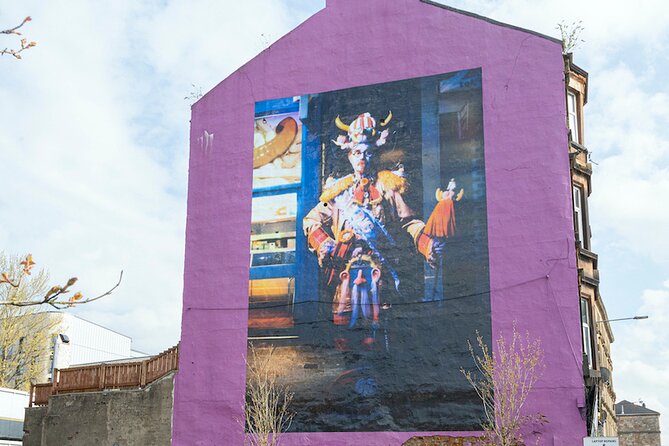
The Clutha is a natural place to begin. This much-loved Clydeside live music pub is known for its murals, which show the range of Glasgow’s music life across the years.
You spend about 10 minutes here, with no admission charge. That short stop is enough to set the tone: this is a tour about places that helped music live in the city, not just about performers whose names appear in a guidebook.
Look closely at the exterior artwork as your guide explains the people and scenes represented. The murals also make this a useful first photo stop. You will not spend long inside or receive a full pub visit, so think of The Clutha as an introduction rather than a drinking stop.
Food and drinks are not included, so plan to buy anything you want separately. The tour is about the city’s music story, not a pub crawl.
Britannia Panopticon: Glasgow’s wonderfully odd old music hall
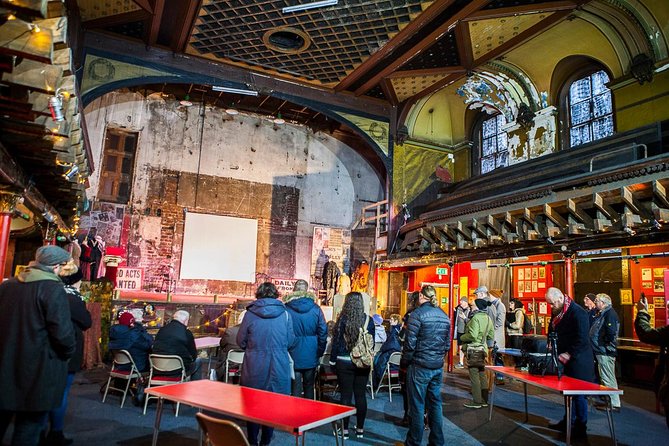
Britannia Panopticon is one of the most unusual stops on the route. It is described as Britain’s oldest surviving music hall and remains a working venue. Its stage history includes Scottish entertainer Harry Lauder, along with appearances connected to Cary Grant and Stan Laurel.
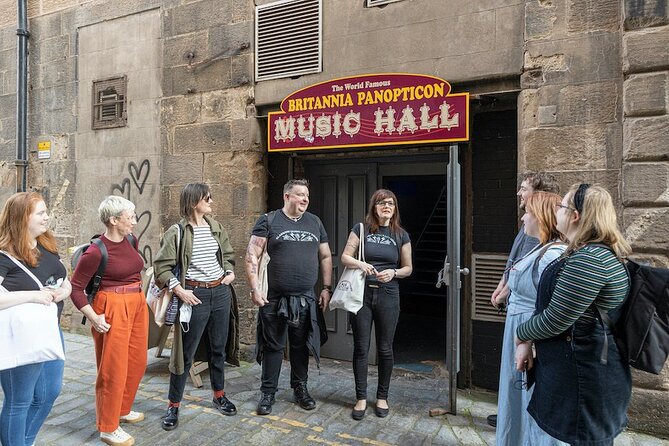
The tour allows about 20 minutes for this section, making it one of the longer stops. Under the stated conditions, you cannot enter Britannia Panopticon, so the guide tells its stories from outside. That limitation matters if you are hoping to see the interior, but the building’s past still gives the walk a memorable change of pace.
This is also where a good guide can turn an old facade into a lively piece of Glasgow history. The Panopticon is not simply another concert room. Its links to music hall entertainment and stage comedy help explain how public performance in the city changed over time.
One useful tip: ask about access when booking if seeing the inside is important to you. The supplied information specifically says that access is unavailable due to Covid arrangements.
City Halls and Old Fruitmarket: where concert space meets city history
The next stop takes you to City Halls and the Old Fruitmarket, both linked with memorable gigs. You spend about 10 minutes here.
The most striking story concerns a Stranglers concert that led to punk rock being banned in Glasgow. That single detail gives you a sense of how music can affect public life. It also keeps the tour from becoming a simple parade of famous musicians. You hear about the rules, tensions, and reactions that shaped the city’s concert culture.
City Halls and the Old Fruitmarket also broaden the range of venues on the route. Glasgow’s music scene was not built only in small clubs. Formal halls and larger event spaces played their part too.
Same streets, a different route:
- Glasgow Street Art Daily Walking Tour: 2pm
★ 5.0 · 648 reviews - Gander Walking Tours in Glasgow
★ 5.0 · 506 reviews - Gothic Glasgow Walking Tour
★ 5.0 · 448 reviews - Glasgow: Street Art Guided Walking Tour
★ 4.8 · 385 reviews
Tron Theatre: a short stop with a dark story
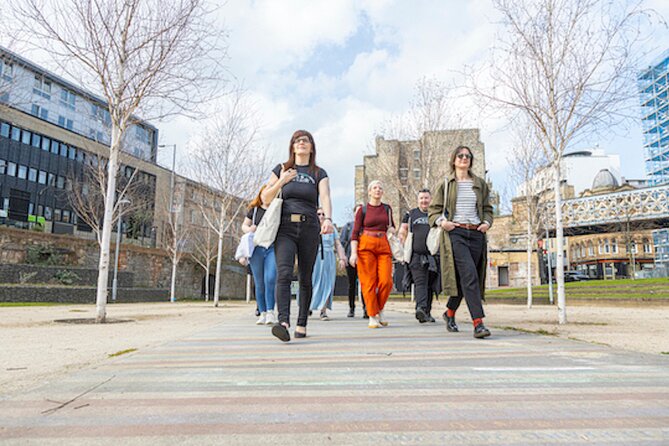
The Tron Theatre receives only about five minutes, but it adds another layer to the walk. It is now a leading theatre and concert venue, yet its earlier story includes a devastating connection with the notorious Hellfire Club.
This is a quick outside explanation rather than a full theatre visit. Do not expect a performance or an extended interior tour. Its value is in showing how a building can carry several identities over time, moving from a troubled past into the city’s modern arts life.
Short stops like this keep the route moving. They also mean you should listen closely, since the guide may cover the main point in only a few minutes before the group continues.
Barrowland Ballroom: the emotional center of the route
Barrowland Ballroom gets two separate stops, and that feels right. For many Glasgow concertgoers, it is one of the city’s most loved music venues. Its history is as colorful as the bands that have played there.
You spend around 10 minutes at the ballroom itself. The guide explains why the building matters and brings in stories about the performers connected with it. The subject can range from major international names to the local culture that made the venue important in the first place.
The second stop is Barrowland Park, where artwork along the Barrowland Pathway highlights acts that have appeared at the ballroom. This section lasts about 15 minutes and gives you more time to connect names with place.
The list of performers mentioned for this part includes The Smiths, Simple Minds, David Bowie, and Bob Dylan. The point is not simply to tick off famous acts. It is to understand why musicians of very different styles became part of the same Glasgow venue story.
The pathway artwork also creates some of the best photo opportunities on the route. One previous tour participant called the walk easy and noted the number of good places for photos. Bring a coat that lets you stop outdoors without rushing. Glasgow weather can change your experience of any open-air stop.
St Andrews in the Square: a church with a second musical life
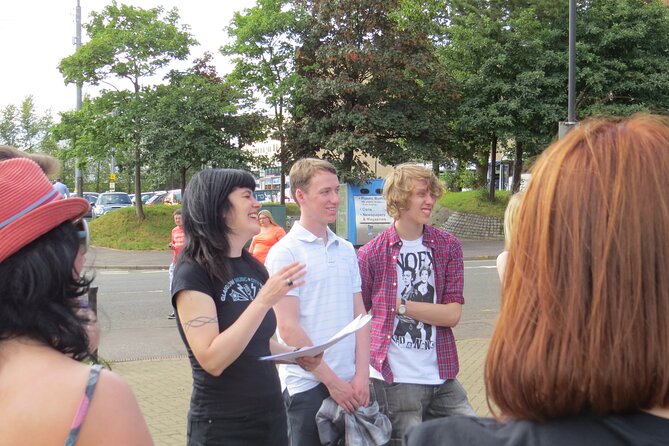
St Andrews in the Square is one of the route’s most appealing changes of setting. This beautiful 18th-century church has been turned into a live music venue, and its connections reach into Scotland’s wider cultural life.
You spend about five minutes here. Again, it is a compact stop, so it is best viewed as part of a larger story about how Glasgow reuses old buildings for music and performance.
I like this section because it avoids the idea that music belongs only in purpose-built clubs. A former church, an old music hall, a pub, and a formal concert hall can all contribute to the same city sound.
The 13th Note and King Street: ending with Glasgow’s own sound
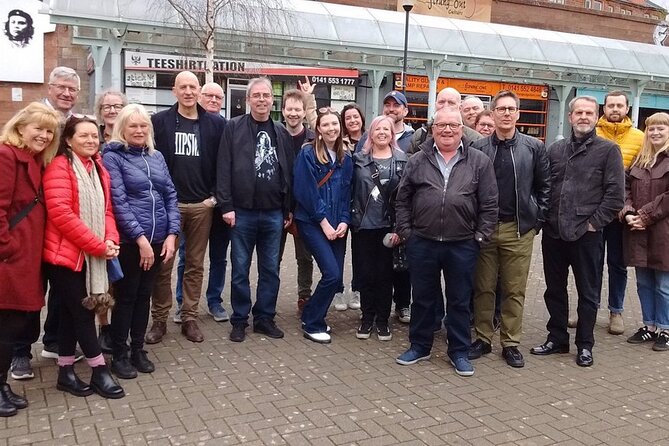
The tour finishes around King Street, near The 13th Note. This area connects Glasgow’s past and present music scenes, with links to Postcard Records, The 13th Note, and Mono Bar.
The guide uses the final section to explain theories about why Glasgow developed such a distinctive music culture. That makes the ending more useful than simply pointing out one last venue. You are given a way to think about the city as a whole: its performers, record labels, rooms, audiences, and local habits all helped shape its sound.
The exact stop at The 13th Note lasts about 10 minutes. You should not expect a full concert or a long bar visit, but you finish in an area where you can continue exploring on your own.
Your booking includes a voucher for 20 percent off food at Mono Cafe Bar. Food and drinks are otherwise not included, so this discount is a practical extra rather than a complete meal package.
What the guides add to the experience
The strongest part of this tour is likely to be the guide. Fiona is described as an arts journalist with a strong love for Glasgow and its musicians. Phil brings a similarly enthusiastic approach, with one group finding his information useful not only for music but also for the city itself.
That combination matters. A guide who only lists dates and band names can make a music walk feel like a moving encyclopedia. The supplied guide details suggest something more personal and informed, with stories about venues, musicians, and the reasons Glasgow developed its own style.
You should still expect the experience to vary slightly by guide. Fiona and Phil may tell the same core stories in different ways. That is a plus for repeat visits, though anyone looking for a fixed script or a specialist tour devoted to one genre may prefer a different format.
The tour is offered in English. The walk is designed for most people, service animals are allowed, and the operator asks you to discuss mobility issues in advance. It runs in all weather, so dress for rain and wind rather than trusting the morning forecast alone.
Is $27.08 good value for two hours?
At $27.08 per person, the tour is reasonably priced for a small-group city walk led by guides with music and arts experience. There are no admission costs built into the route, but that is because most stops are viewed from public areas or explained from outside.
The value comes from the stories and the route design. You are not paying for a concert ticket or a museum entry. You are paying for context that links several venues, explains why they matter, and saves you the work of finding them yourself.
The price makes the most sense if you already enjoy live music, Scottish performers, punk, indie music, or Glasgow’s cultural past. It also suits anyone who has seen the main city sights and wants a more focused subject.
If you want interior access at every stop, the value is weaker. Britannia Panopticon is not currently accessible under the stated conditions, and several other stops are brief outdoor explanations. Think of this as a guided city walk with music at its center, not a series of venue tours.
The tour is booked, on average, 25 days ahead. That suggests you should reserve early if your Glasgow dates are fixed, especially if you want a particular morning.
Who should book this Glasgow music walk?
I would choose this tour if you want a fresh way to see Glasgow and can enjoy stories as much as photographs. It is a good match for music fans, fans of old theatres and concert halls, and first-time visitors who want to get beyond the standard sightseeing circuit.
It also works for people who like local guides and small groups. The route gives you names, buildings, and neighborhood context that can help you choose where to spend an evening later.
I would be more cautious if you dislike walking in poor weather, need frequent indoor access, or want a tour built around live performances. You also need to be comfortable hearing about venues without necessarily entering them.
Free cancellation is available up to 24 hours before the 11:00 a.m. start for a full refund. Changes or cancellations made less than 24 hours ahead are not accepted for a refund.
Should you book it?
Book this tour if you want Glasgow explained through its music venues rather than only through grand civic sights. The Clutha, Britannia Panopticon, Barrowland Ballroom, and The 13th Note give the route a strong sense of place, while guides such as Fiona and Phil add the detail that makes the walk worthwhile.
Skip it if you need a fully indoor activity or guaranteed access to Britannia Panopticon. For everyone else, the $27.08 price buys a focused two-hour introduction to Glasgow’s music culture, plus a 20 percent food discount at Mono Cafe Bar to help you keep exploring after the walk.
FAQ
How long is the Merchant City Music Walking Tour of Glasgow?
The tour lasts approximately two hours.
What time does the tour start?
The tour starts at 11:00 a.m. You should arrive at the departure point 10 minutes early.
Where does the tour begin?
It begins at The Clutha and Victoria Bar, 159 Bridgegate, Glasgow G1 5HZ, UK.
Where does the tour finish?
The tour ends on King Street in Glasgow.
What language is the tour offered in?
The tour is offered in English.
Is Britannia Panopticon open during the tour?
The supplied tour information says that access to Britannia Panopticon is currently unavailable due to Covid arrangements. The guide can still tell you its stories from outside.
How many people can join the tour?
The maximum group size is 26 people.
Is food included?
Food and drinks are not included. You do receive a voucher for 20 percent off food at Mono Cafe Bar.
Can I cancel for a full refund?
Yes. You can cancel at least 24 hours before the local start time for a full refund. Cancellations or changes made less than 24 hours before the start are not refunded.
Just added around Glasgow
- Stirling Castle, Loch Lomond Walk & Whisky Distillery Tour from Glasgow★ 5.0 · 79 reviews
- Walking Tour of Glasgow★ 5.0 · 96 reviews
- Gothic Glasgow Walking Tour★ 5.0 · 448 reviews
- Glasgow: Pubs & History Walking Tour with Beer Tasting★ 5.0 · 81 reviews
- Glencoe, Scenic Walk & Highlands Guided Tour starting Glasgow★ 5.0 · 121 reviews
- Gander Walking Tours in Glasgow★ 5.0 · 506 reviews
- Glasgow: The streets with a Glaswegian guide: Walking Tour★ 4.5 · 210 reviews
- Glasgow: Pubs & History Guided Walking Tour with Beer★ 4.9 · 74 reviews
Walking Tours, compared.

Magical London: Harry Potter Guided Walking Tour
Read our review →
Reykjavik Food Walk – Local Foodie Adventure in Iceland
Read our review →
History and Hauntings of Salem Guided Walking Tour
Read our review →
New Orleans Premier Ghost, Voodoo and Vampire Walking Tour
Read our review →
Amsterdam Anne Frank: Small-Group Walking Tour & Local Guide
Read our review →

Edinburgh Castle: Guided Walking Tour with Entry Ticket
Read our review →
Anne Frank’s Story – Guided Walking Tour through Amsterdam
Read our review →Browse the lists this tour appears in