
REVIEW · USA
San Francisco: Castro LGBTQ Walking Tour
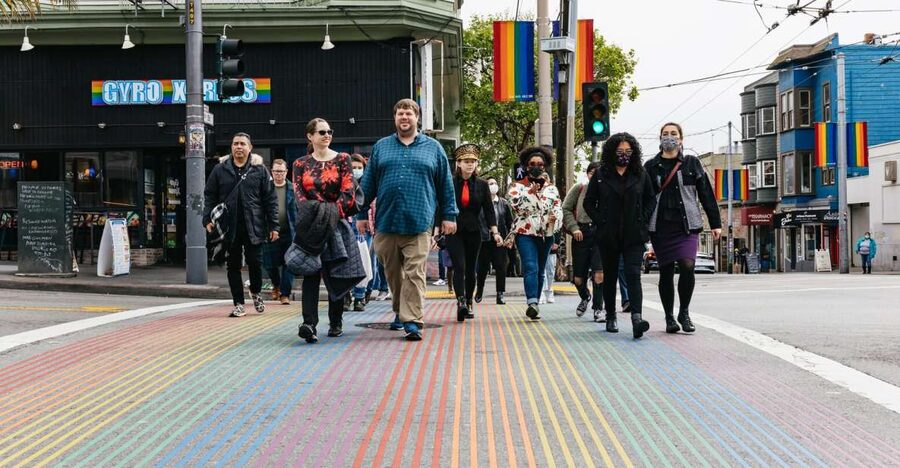
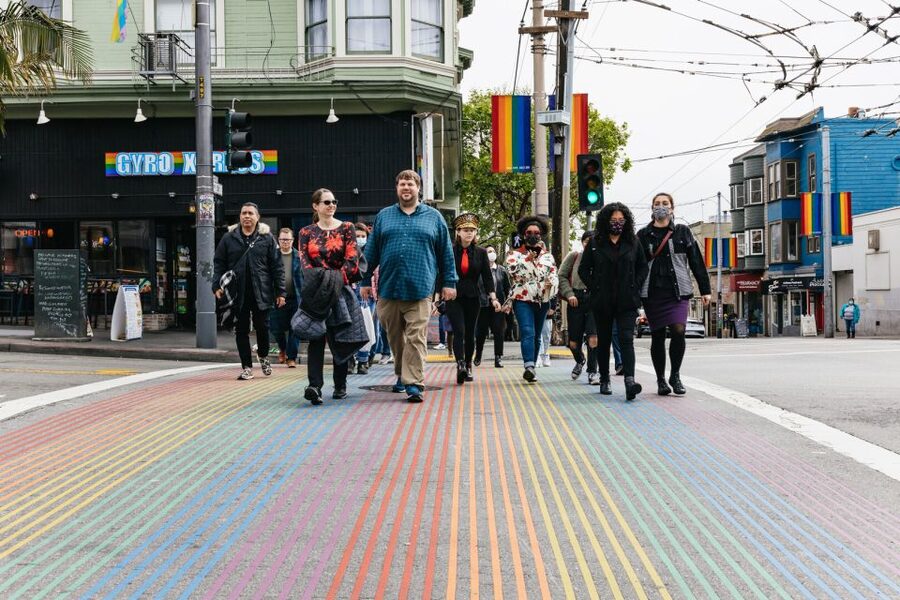
The Castro is more than a famous rainbow flag and a lively row of shops. It is where local politics, personal courage, and LGBTQ rights changed the course of modern history. This two-hour walking tour uses the neighborhood itself as a classroom, with stops linked to Harvey Milk, the AIDS crisis, wartime persecution, and the people who pushed equality forward.
I especially like the local guide’s personal connection and the easy, ADA-compliant route. Kathy, an LGBTQ activist who has lived in the Castro for decades, brings both historical facts and a sense of community to the walk. I also like the mix of well-known and quieter memorial sites, from Harvey Milk Plaza to the Rainbow Honor Walk and Pink Triangle Park.
The main consideration is that this is an English-language history tour, not a general sightseeing walk with lots of free time for shopping or nightlife. Some subjects are painful, particularly persecution during World War II and the AIDS crisis, so come ready for a thoughtful experience as well as an entertaining one.
Key points to know before you go
- Harvey Milk’s Castro: See where Milk lived, worked, and organized for LGBTQ equality.
- A personal guide: Kathy is a longtime Castro resident and LGBTQ activist with decades of local experience.
- Meaningful memorials: Visit Pink Triangle Park, the AIDS Memorial Quilt and Names Project, and the Rainbow Honor Walk.
- Easy route: The two-hour walk is ADA-compliant and avoids large hills.
- Strong value at $40: You get a focused history lesson, local context, and access to sites that mean more when explained on foot.
- Rain-or-shine planning: Wear comfortable shoes and leave luggage or large bags behind.
Why the Castro is best understood on foot
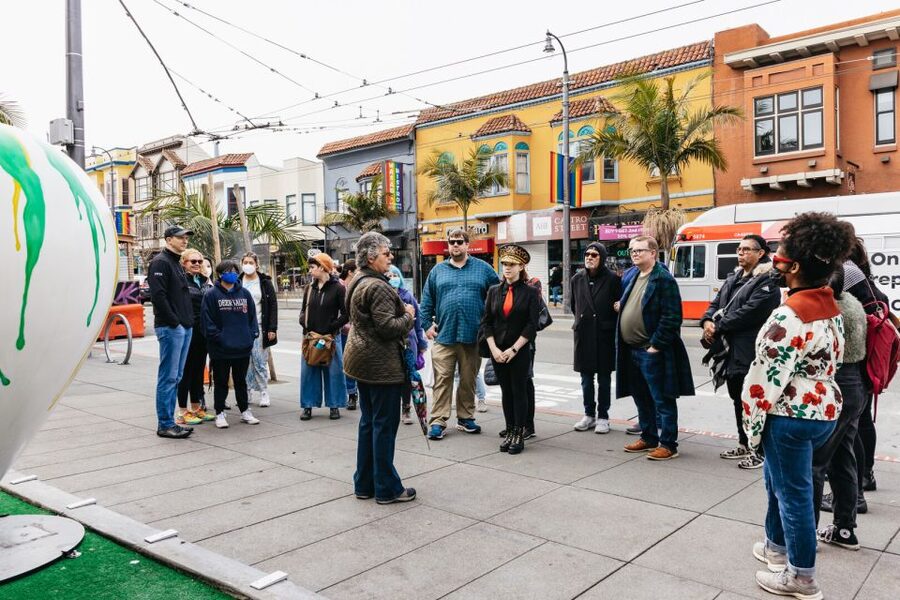
San Francisco’s Castro district is often presented as a colorful neighborhood for restaurants, bars, shops, and the landmark Castro Theatre. Those are part of its appeal, but they tell only a small piece of the story.
This tour places the streets in a much larger frame. Over more than 170 years, San Francisco became home to people with varied sexual and gender identities, and the Castro became one of the world’s most important LGBTQ communities. You are not simply passing buildings. You are learning how ordinary homes, businesses, meeting places, and public squares became part of a global civil rights story.
The walking format matters. A guide can point out the exact places connected with Harvey Milk and explain how the neighborhood changed over time. You get a sense of distance and proximity that a bus tour cannot provide. The stops are close enough to keep the walk manageable, but the subject matter gives the two hours plenty of weight.
The route is also designed for access. It involves no large hills, which is useful in a city known for steep streets. The tour is ADA-compliant and wheelchair accessible, though comfortable shoes still make sense. It runs rain or shine, so check the forecast and bring suitable clothing.
More LGBTQ-Friendly Tours in the USA:
- San Francisco LGBTQ Walking Tour with Local Guide
★ 5.0 · 600 reviews - Berlin: Gay Berlin Out in Schöneberg Walking Tour
★ 4.8 · 281 reviews
Meeting at the Big Rainbow Flagpole
The meeting point is 400 Castro Street, in front of Soul Cycle at the corner of Castro and Market Streets. It is next to the Big Rainbow Flagpole Landmark, a clear visual marker in one of the district’s best-known public spaces.
Pay attention to the address rather than relying on a location photograph. The map location is correct, but the accompanying image has been identified as incorrect and shows the Castro Theatre. That distinction could save you a hurried walk to the wrong corner.
The location gives you a useful introduction before the tour even begins. The rainbow flag is not just a photo stop. In the Castro, public symbols carry political and social meaning, and the guide helps connect those symbols to the people and movements behind them.
You should arrive without luggage or large bags. A small day bag is more practical for a walking tour, but large bags are not allowed. Since hotel pickup and drop-off are not included, plan your own way to the Castro and allow enough time to find the meeting point.
Harvey Milk Plaza and the story of local activism
Harvey Milk is the central figure in this tour, and rightly so. Milk was a San Francisco supervisor, LGBTQ civil rights leader, and one of the most important public figures in the movement’s history. He was later assassinated, but his influence continues to shape the Castro and LGBTQ political life far beyond San Francisco.
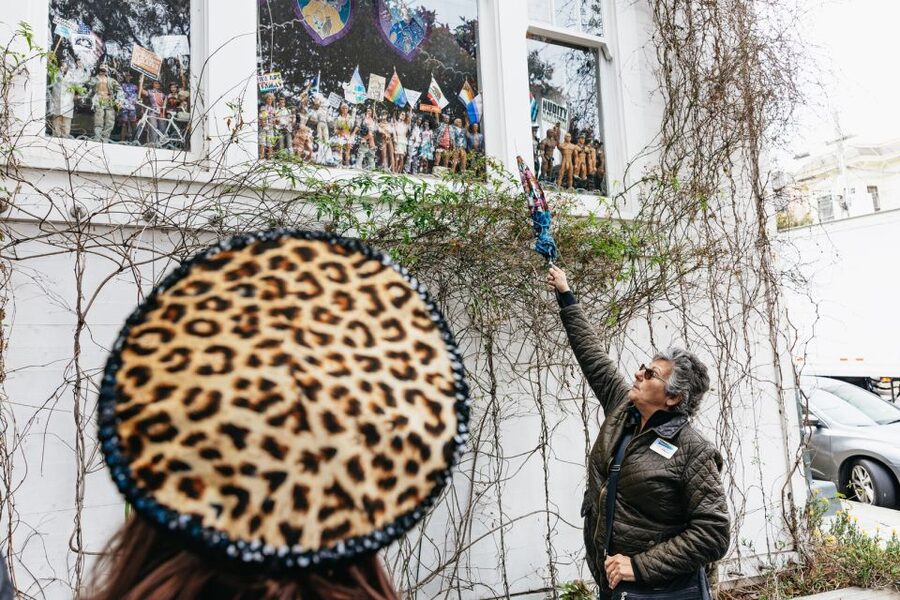
The guide explains where Milk lived, worked, and advocated for equality. That detail turns a familiar name into a local story. You begin to understand the neighborhood not as a backdrop to his career, but as the place where his organizing took shape.
Harvey Milk Plaza is an important stop because it links public memory with daily life. It is a place where political history remains visible in the neighborhood rather than locked away in a museum. I find that useful for first-time visitors because it gives you a clear starting point for understanding the Castro’s role in civil rights.
Kathy’s role matters here. She is described as a longtime resident and LGBTQ activist, and her approach combines local knowledge with a personal commitment to human rights. The strongest part of this kind of tour is often not a list of dates. It is hearing why particular corners, buildings, and public spaces still matter to people who live there.
Pink Triangle Park and a difficult chapter
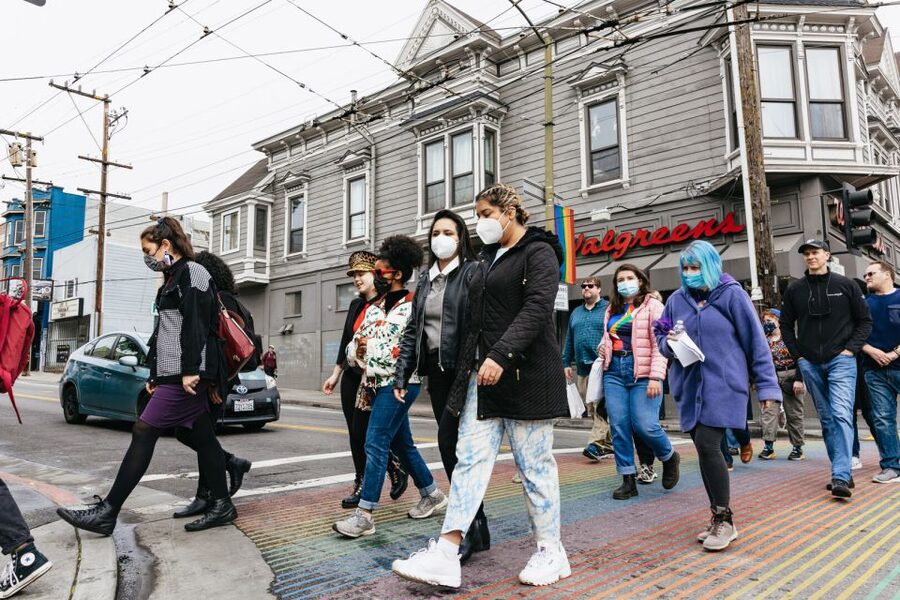
Pink Triangle Park and Memorial shifts the mood of the walk. The memorial remembers thousands of gay men persecuted during World War II, using the pink triangle as a symbol of both suffering and remembrance.
This is one of the tour’s most serious stops. You should not expect every moment to be light or humorous. The subject is painful, but it is also important because it places LGBTQ history within the wider story of state persecution, discrimination, and human rights.
The pause at the memorial gives you time to reflect rather than simply collect another photograph. That balance is one of the tour’s strengths. The guide does not treat the Castro as an entertainment district only. You are asked to consider the dangers faced by earlier generations and the cost of creating the freedoms that many people now take for granted.
If you are bringing children or younger family members, the tour can still work well, but you should be comfortable with age-appropriate discussion of persecution and discrimination. Families have taken the walk together, including parents with adult children, and the guide’s style is described as welcoming and thoughtful.
A few more walking tours around the USA worth a look
- History and Hauntings of Salem Guided Walking Tour
★ 5.0 · 14,564 reviews - New Orleans Premier Ghost, Voodoo and Vampire Walking Tour
★ 4.5 · 12,856 reviews - Little Havana Food and Walking Tour in Miami
★ 5.0 · 8,882 reviews - Chicago: Gangsters and Ghosts Walking Tour
★ 5.0 · 7,155 reviews
AIDS Memorial Quilt and the Names Project
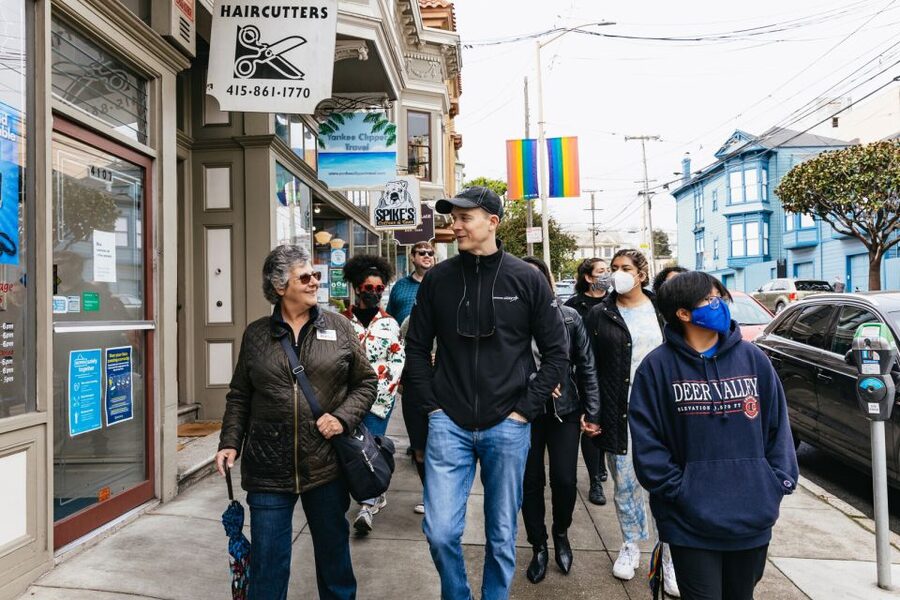
The AIDS Memorial Quilt and Names Project bring another major period of LGBTQ history into view. The AIDS crisis affected the Castro deeply, and these memorials help put individual lives at the center of the story.
This part of the tour is valuable because it moves beyond political milestones. The history is not only about laws, elections, or famous leaders. It is also about people who died, people who cared for them, and a community forced to respond during a devastating public health crisis.
You may find this section emotionally heavy. That is not a flaw, but it is worth knowing before you book. The tour is educational and often warm, yet it does not smooth away the grief or the conflicts that shaped the community.
The benefit of seeing these sites with a guide is context. A plaque or memorial can tell you what something commemorates. A local guide can explain how it fits into the Castro’s larger story and why the memory remains important today.
The Rainbow Honor Walk and the wider world
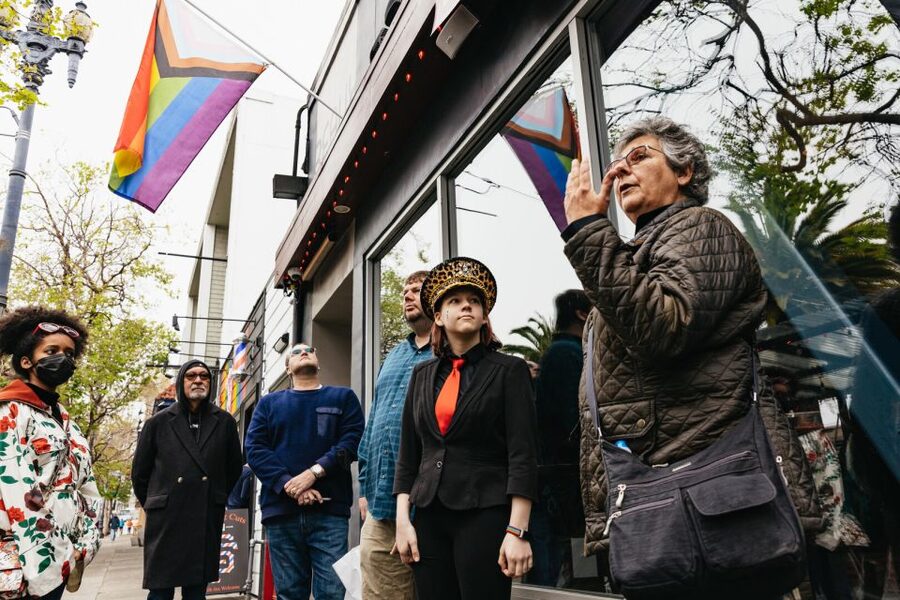
The Rainbow Honor Walk uses bronze sidewalk plaques to honor famous LGBTQ people who made an impact on world history. The plaques extend the tour beyond San Francisco and show that LGBTQ history is not limited to one neighborhood or one country.
Look down as you walk. This is one of the simple pleasures of the route. Instead of rushing from one major attraction to another, you notice names embedded in the pavement and learn why each person matters.
The Honor Walk also helps explain the Castro’s wider role. The district became a place where people could find community, organize publicly, and influence politics and culture. The plaques connect that local setting to a much broader record of achievement and struggle.
This stop is especially useful if you already know something about Harvey Milk but want a wider view. The tour considers the past, present, and future of LGBTQ culture, so you get more than a single-person biography.
What Kathy adds to the walk
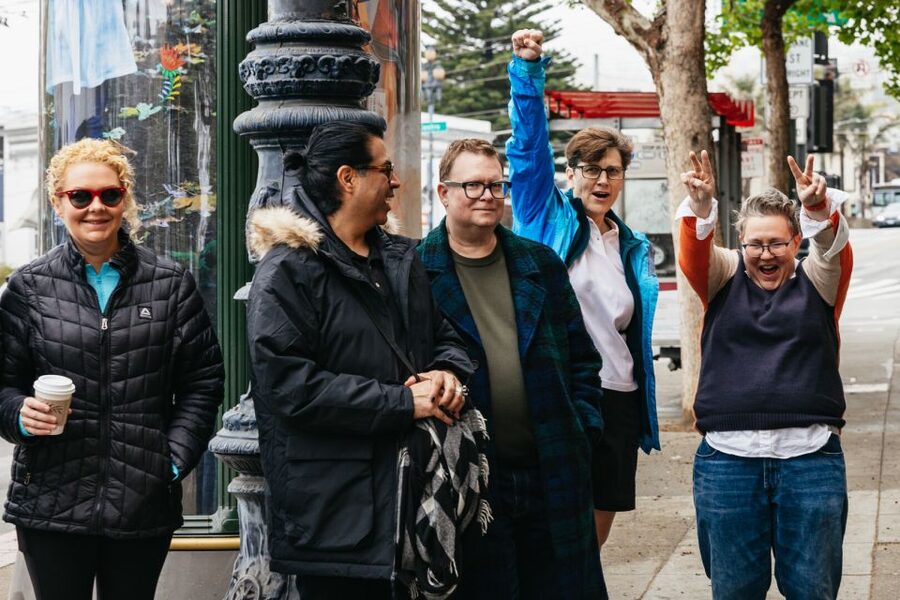
The guide can make or break a history tour, and Kathy is the clear centerpiece here. She has lived in the Castro for decades and has led this walk for years. She is also an LGBTQ activist, which gives her a direct connection to the subjects she discusses.
Her style is described as a blend of clear information, empathy, humor, and audience participation. She encourages people to share their own stories while keeping the focus on history and community. That approach suits a mixed group, including single visitors, couples, families, and people from different countries.
You should expect an interactive walk rather than a lecture delivered at full speed. Kathy’s experience allows her to adjust the tone when the subject becomes difficult and make room for questions or reflection. The result is useful for first-time visitors and for people who already know some LGBTQ history but want a stronger sense of place.
The personal approach also explains why this tour can appeal to allies. You do not need to identify as LGBTQ to learn from the walk. It offers a practical way to understand the community’s struggles, achievements, and ongoing work for equality.
How much time and effort the tour takes
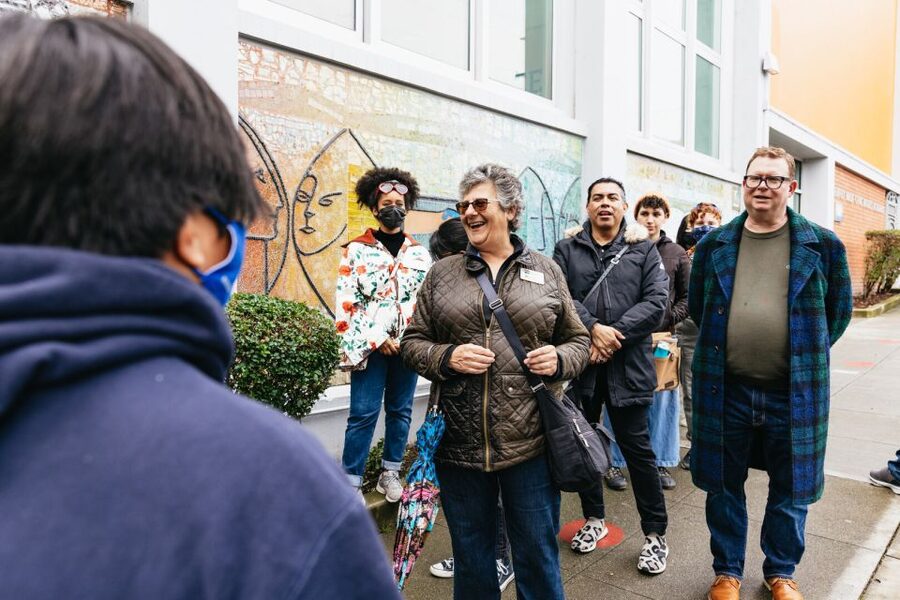
The tour lasts two hours. That is long enough to cover the main historic sites without taking up an entire day, and short enough to fit before dinner, another San Francisco attraction, or time exploring Castro businesses on your own.
The route is described as easy and ADA-compliant, with no large hills. That is a meaningful advantage in San Francisco, where even a short walk can become strenuous on steep streets. The tour is wheelchair accessible, though you should still consider weather and pavement conditions when planning your footwear.
There are stops along the way, including time for reflection and a restroom break midway, according to the tour details provided by past participants. You will not be walking nonstop for two hours, but comfortable shoes remain essential.
Rain does not cancel the experience. The tour runs rain or shine, so bring a waterproof layer or umbrella when needed. The guide can provide the historical content, but you need to prepare for the conditions.
Is $40 a fair price?
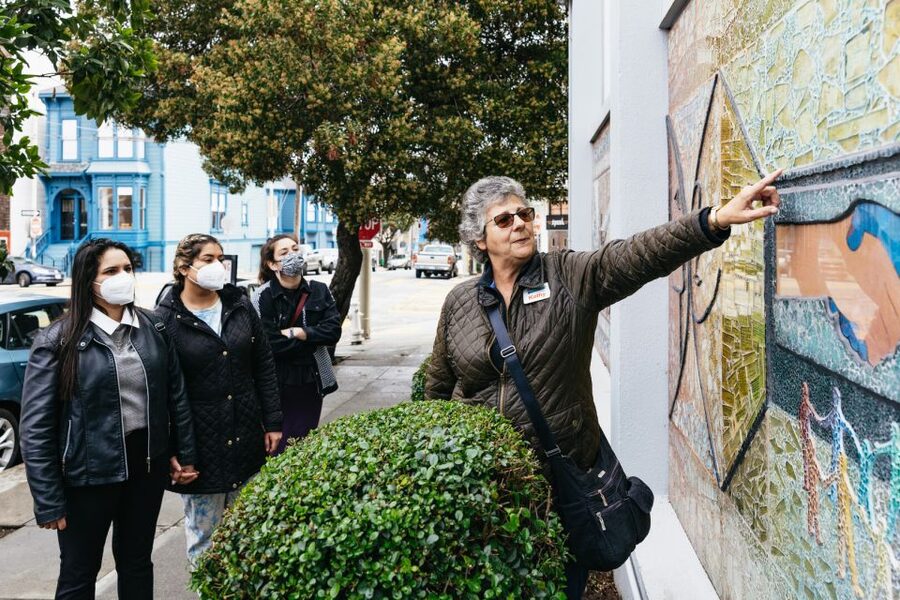
At $40 per person, this tour is priced above a casual neighborhood stroll but below the cost of many longer San Francisco guided experiences. I think the value is strongest if you want history, interpretation, and a local perspective rather than a quick introduction to the Castro.
You are paying for two hours with a guide who has lived in the neighborhood for decades and has a direct connection to LGBTQ activism. You also visit several memorials and historic sites that are more meaningful when explained in relation to one another.
The value is less obvious if your goal is simply to see the Castro’s colorful streets, take photos, or browse shops. You can explore the neighborhood independently for free. The tour earns its price by explaining what you are seeing and why it matters.
For many visitors, it works best early in a Castro visit. Afterward, you can return to the places that caught your attention, explore at your own pace, and notice more details than you would have on a first unstructured walk.
Who should book this Castro walking tour?
I would recommend it to anyone interested in LGBTQ history, civil rights, San Francisco politics, or the social forces that shape neighborhoods. It is also a strong choice for visitors who want an experience with a local voice rather than a standard sightseeing script.
The tour suits solo visitors, couples, families with older children or young adults, and people traveling from outside the United States. Its English-language format means you should be comfortable following a spoken history discussion in English.
It is particularly useful for allies who want to understand the community in a respectful way. The experience does not reduce the Castro to nightlife or symbols. It explains the work, grief, courage, and organizing behind those symbols.
You may want to choose another activity if you prefer a fast-paced tour with little discussion of difficult subjects. The route is easy physically, but the material can be emotional. The experience asks for attention and reflection as well as curiosity.
Should you book it?
Book this tour if you want the Castro explained by someone with a long personal connection to the neighborhood. Kathy’s local experience, the focus on Harvey Milk, and the stops at Pink Triangle Park, the AIDS Memorial Quilt and Names Project, and the Rainbow Honor Walk give the two-hour walk real substance.
The strongest reason to go is the combination of place and personal testimony. You are not merely hearing a timeline. You are walking through the streets where the story happened.
At $40, it is a fair buy for a focused, accessible introduction to LGBTQ history in San Francisco. Bring comfortable shoes, leave large bags behind, and allow yourself to take the serious sections at their own pace. If that sounds like the kind of history you came to San Francisco to understand, this is an easy tour to recommend.
FAQ
Where does the Castro LGBTQ Walking Tour meet?
The tour meets at 400 Castro Street, in front of Soul Cycle at the corner of Castro and Market Streets. The meeting point is next to the Big Rainbow Flagpole Landmark.
Is the map location at 400 Castro Street correct?
Yes. The map location is correct, but the location photograph is incorrect and shows the Castro Theatre. Use the street address and the Big Rainbow Flagpole as your guide.
How long does the tour last?
The walking tour lasts two hours. Starting times vary, so check availability when booking.
Is the tour offered in English?
Yes. The live tour guide speaks English, and English is the only listed tour language.
Is the route wheelchair accessible?
Yes. The tour is wheelchair accessible and ADA-compliant. The route is easy and has no large hills.
Does the tour run in bad weather?
Yes. Tours run rain or shine. Bring suitable clothing and comfortable shoes for the conditions.
What should I bring?
Bring comfortable shoes. You should also prepare for the weather, since the tour takes place outdoors.
Can I bring luggage or a large bag?
No. Luggage and large bags are not allowed on the tour.
Is hotel pickup included?
No. Hotel pickup and drop-off are not included. You need to make your own way to the meeting point.
Can I cancel the booking?
Yes. You can cancel up to 24 hours in advance for a full refund. You can also reserve now and pay later, keeping your plans flexible.
Just added around the USA
- Fan Tribute: Taylor Swift in New York Walking Tour★ 4.9 · 147 reviews
- Explore Must-See Spots: Las Vegas Strip Walking Tour★ 4.8 · 77 reviews
- East Nashville Walking Food Tour with 5+ Tastings★ 4.7 · 178 reviews
- Las Vegas: Fremont Street Walking Tour★ 4.9 · 153 reviews
- NYC: Guided Bus and Walking Tour with Staten Island Ferry★ 4.6 · 209 reviews
- DC: Smithsonian Highlights Walking Tour with Air and Space★ 4.8 · 97 reviews
- DC: Lincoln Assassination Tour with Ford’s Theatre Entry★ 4.6 · 72 reviews
- Deep Dive into Denver: Small-Group Walking Tour★ 4.8 · 119 reviews
Walking Tours, compared.

Magical London: Harry Potter Guided Walking Tour
Read our review →
Reykjavik Food Walk – Local Foodie Adventure in Iceland
Read our review →
History and Hauntings of Salem Guided Walking Tour
Read our review →
New Orleans Premier Ghost, Voodoo and Vampire Walking Tour
Read our review →
Amsterdam Anne Frank: Small-Group Walking Tour & Local Guide
Read our review →

Edinburgh Castle: Guided Walking Tour with Entry Ticket
Read our review →
Anne Frank’s Story – Guided Walking Tour through Amsterdam
Read our review →Browse the lists this tour appears in