
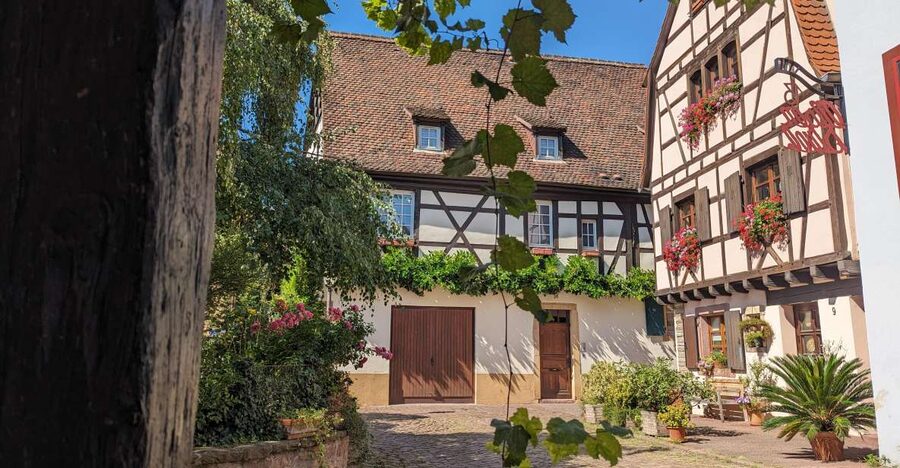
REVIEW · FRANCE
Colmar: Unusual Walking Tour with a local guide
Colmar’s best stories are not all in Petite Venise. This two-hour walk with local guide Nicolas takes you from medieval lanes to the city’s southern German Imperial district, with stops at statues by Auguste Bartholdi, the Colmar-born sculptor of the Statue of Liberty. I like the way it treats Colmar as a real town, not just a pretty backdrop.
I especially like the small group of six or fewer, which makes questions easy, and the tour’s relaxed pace. Nicolas is also a useful local contact for restaurant, drink, and sightseeing tips after the walk. The main drawback is that this is a walking tour on city streets, so it is not suitable for people with mobility impairments.
Key points to know before booking
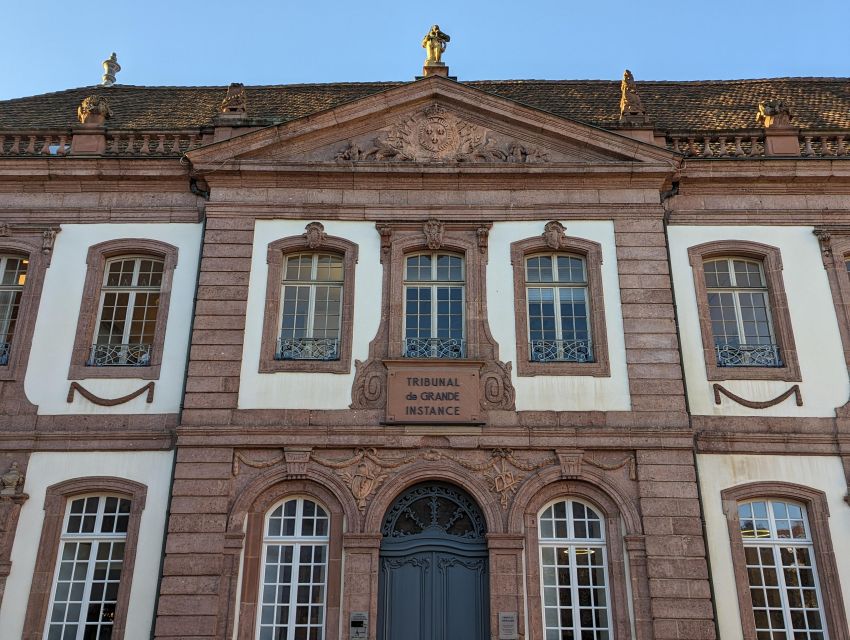
- See more than Petite Venise: The route includes medieval Colmar, quieter corners near the canals, and the southern district.
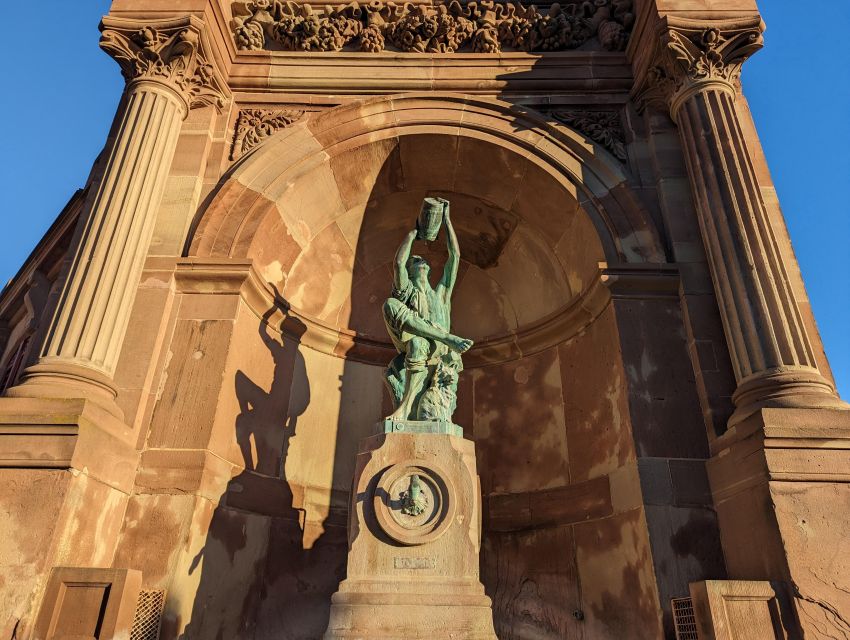
- Meet Nicolas at the Bruat Fountain: The meeting point is in the middle of Parc du Champ de Mars.
- Learn the French and German story: The walk explains how Alsace and Colmar changed hands and identities over time.
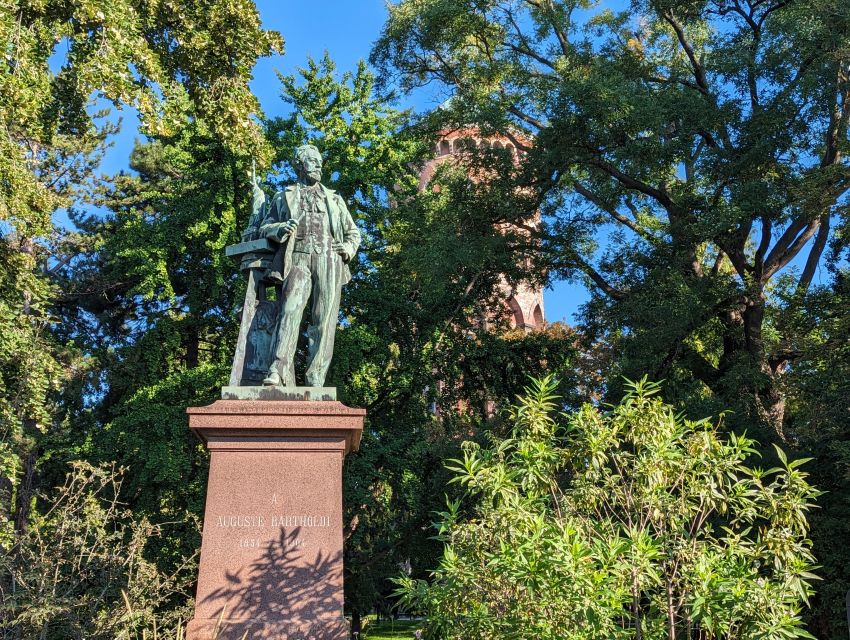
- Look for Bartholdi’s work: Several statues connect the city to its famous son, Auguste Bartholdi.
- Expect a calm, interactive pace: The group is capped at six, and the guide welcomes questions.
- Pay $41 for two hours: That is a fair price for a personal introduction, especially early in your stay.
Why this Colmar walk is more useful than a postcard stroll
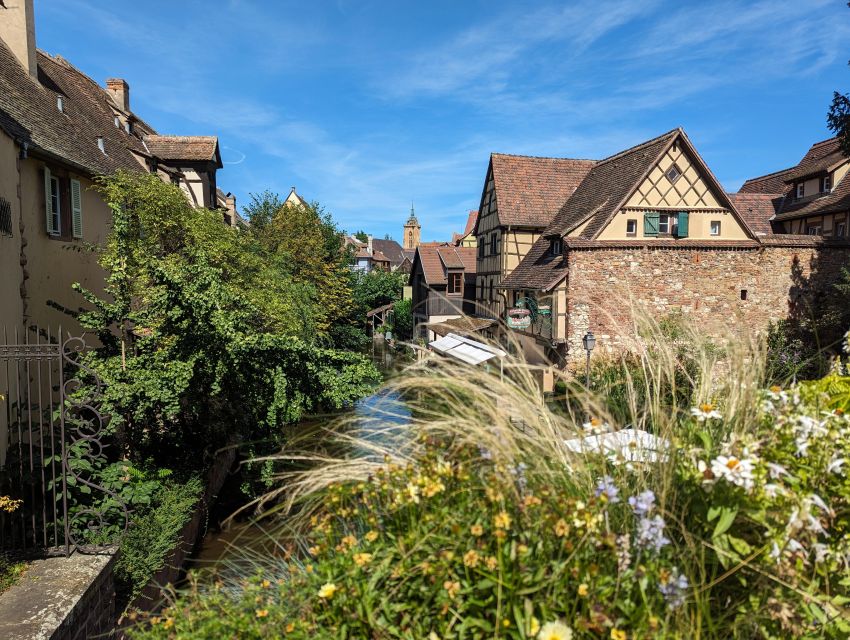
Colmar is easy to admire and surprisingly easy to misunderstand. You can spend an hour photographing half-timbered houses, flower boxes, and canal views without learning why the city looks and feels the way it does.
This tour gives those sights a frame. Nicolas explains the lives of ordinary people in medieval Colmar, the history of Alsace between France and Germany, and the marks left by later German Imperial building projects. You still get the pretty streets, but you also learn how to read them.
I like that the route does not stop at the familiar postcard scene. Petite Venise gets plenty of attention in Colmar, yet this walk also moves toward the southern district, where the architecture changes and the city’s later history becomes easier to see.
That broader route is the main reason I would take the tour near the start of a stay. Once you know the basic layout and local story, you can return to the places that interest you most. Nicolas also offers suggestions for food, drinks, souvenirs, and things to do after the walk.
More Guided Tours in France:
- Paris Top Sights Half Day Walking Tour with a Fun Guide
★ 5.0 · 2,893 reviews - Paris: Montmartre Highlights Walking Tour with a Local Guide
★ 4.9 · 2,318 reviews - Paris: Montmartre Cheese, Wine & Pastry Guided Walking Tour
★ 4.8 · 2,255 reviews
Starting at the Bruat Fountain in Champ de Mars
The walk begins at the Bruat Fountain, located in the middle of Parc du Champ de Mars. This is a practical starting point because it places you just outside the densest old-town lanes before leading you into the medieval center.
Take care to arrive at the fountain rather than simply the park entrance. The meeting point is specific, and the guide waits at the fountain in the middle of the park. A quick message before the tour can help keep the meeting simple, especially if you are unfamiliar with Colmar.
The park also gives you a little breathing room before the narrow streets begin. That matters in a town where the central lanes can feel crowded, particularly during busy daytime periods and the Christmas season.
Because the group is limited to six people, the start should feel more personal than a large city walk. You can ask about the route, local customs, or places to eat without trying to attract a guide’s attention across a crowd.
Medieval Colmar through local stories
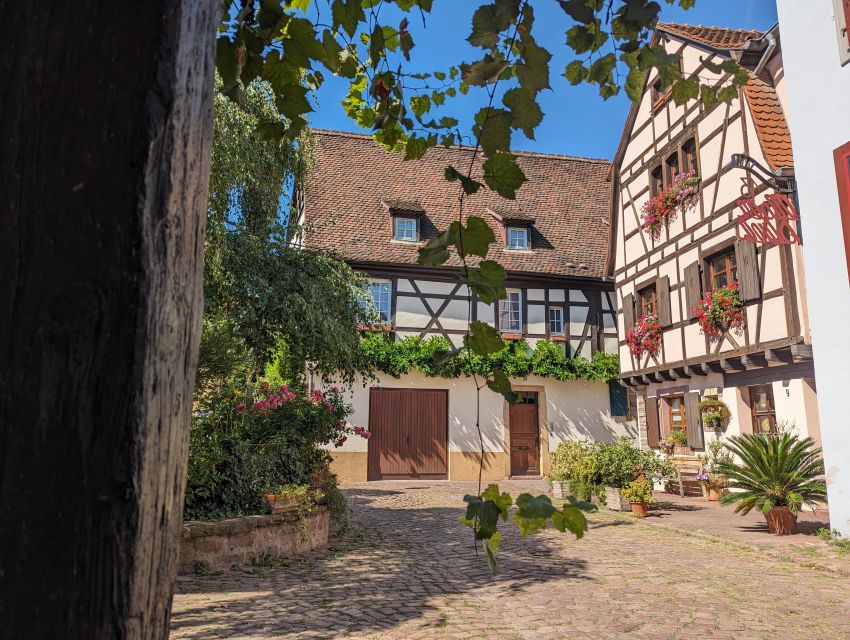
The first major theme is medieval Colmar. Nicolas explains how people lived in the town and uses the streets, buildings, signs, and small architectural details as evidence.
That approach is more useful than a string of dates. You begin to connect the shape of a street or the look of a building with the people who used it. The tour is designed to make the past feel understandable rather than remote.
Nicolas’s strongest skill, based on the way the tour is presented, is turning local history into a conversation. He speaks French and English, and English-speaking visitors have found him easy to understand. He also handles questions well, which is important in Alsace, where a short explanation about one building can lead into language, borders, politics, food, or local identity.
The humor helps too. History can become heavy when a guide spends two hours on wars and changing rulers. Nicolas keeps the tone relaxed and adds personal details about Colmar and Alsace, so the walk does not feel like a lecture.
You should still expect real historical content. The tour covers the region’s shifts between French and German authority, along with major conflicts and changes that shaped local identity. It is a good fit if you want the city explained rather than simply pointed out.
Petite Venise without staying on the busiest path
Petite Venise is Colmar’s famous canal district, and you will see it. The useful difference is that the walk aims to avoid the most crowded streets and show the area in a less hurried way.
The name can set up the wrong expectation. Petite Venise is not a single attraction with a formal entrance. It is a picturesque part of the city, best understood through its lanes, waterways, façades, and connections to everyday life.
A guide is valuable here because the visual details can blur together. Nicolas points out features you might pass without noticing and explains what makes a building or street worth your attention. That can change the way you explore the district afterward.
There is one practical limitation. Petite Venise is popular for good reason, so no guide can remove every crowd. The route may help you avoid the most packed stretches, but you should not expect an empty canal district, particularly at peak times.
An earlier start can help. One guest specifically appreciated the early-ish timing for avoiding crowds. Check the available start times when booking, since the two-hour duration does not mean every departure begins at the same hour.
A few more walking tours around France worth a look
- Montmartre Hidden Gems and Scenic Highlights Walking Tour
★ 5.0 · 2,684 reviews - Montmartre Hill French Gourmet Food and Wine Tasting Walking Tour
★ 5.0 · 2,588 reviews - Paris Île de la Cité and Notre-Dame Walking Tour With Crypt
★ 5.0 · 2,272 reviews - Paris in a Day: Louvre or Orsay, Eiffel Tower, City Walk & Cruise
★ 5.0 · 1,956 reviews
Bartholdi’s statues and Colmar’s famous son
Auguste Bartholdi gives the tour another strong thread. Born in Colmar, Bartholdi created the Statue of Liberty, and the city contains several reminders of his work and reputation.
The tour uses his statues to connect public art with local history. Instead of treating each sculpture as an isolated photo stop, you learn about Bartholdi himself and about the heroes Colmar has chosen to honor.
This is one of the more unusual parts of the walk. Many first-time visits focus on the canals and decorated houses. Looking for Bartholdi’s work adds a different layer and gives you a reason to explore beyond the standard photographs.
Do not expect a full museum visit devoted to the sculptor. This is a walking tour, so the Bartholdi material forms part of the route rather than the entire subject. If you already plan to visit museums or sites linked to him, the tour can provide useful context before you go.
I also like the balance here. The walk does not present Colmar only as a medieval town. Bartholdi connects the city to a much wider story, while the statues give you concrete things to see along the way.
The German Imperial district in southern Colmar
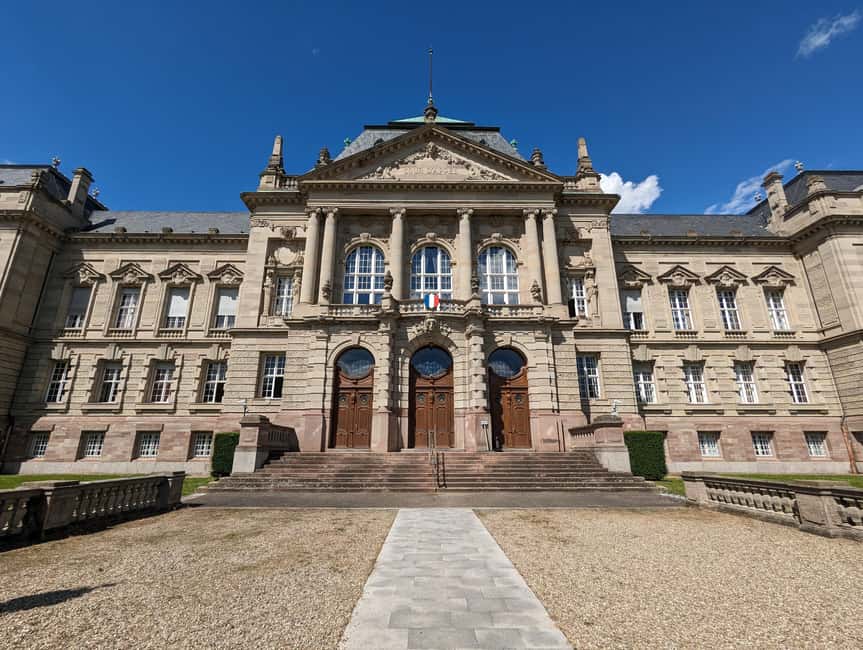
The southern district provides the clearest contrast with the old center. Here, Nicolas introduces the grander architecture of Colmar’s German Imperial era.
The stated stops include the Cour d’Appel, the large Chateau d’Eau, and the Central Train Station. These are not the same kind of sights as the half-timbered lanes. Their scale and design show a later period, when public buildings and civic projects expressed a different vision of the city.
This part of the route is especially useful for anyone who wants to understand Alsace beyond its decorative façades. Colmar’s identity was shaped by its position between France and Germany, and the southern district makes that tension visible in stone, streets, and public architecture.
The tradeoff is simple: the route becomes less picture-book as it moves away from the old center. If you want two uninterrupted hours of canal views, this will not be the right walk. If you want a fuller sense of Colmar’s development, the change of scenery is a major benefit.
The Central Train Station is also a sensible place to discuss the city’s links with the wider region. The tour does not turn into a transport excursion, but this stop helps place Colmar within Alsace rather than treating it as an isolated old town.
Nicolas’s guiding style and the small-group advantage
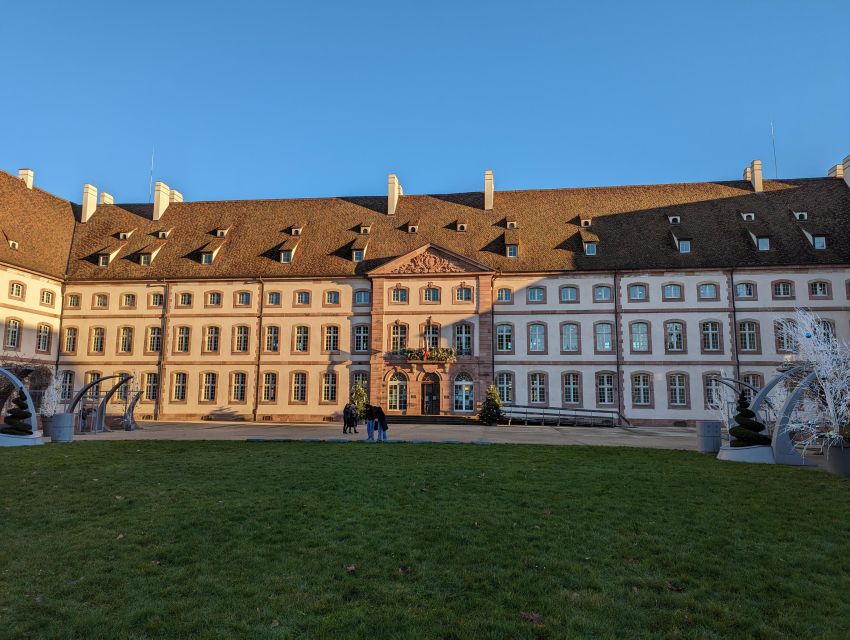
The guide can make or break a history walk. Nicolas is repeatedly described as friendly, calm, humorous, and deeply familiar with Colmar. He grew up in the city and has training in tourism, which helps explain the mix of local feeling and clear structure.
What matters most to you is not a guide’s résumé. It is how the information reaches you. Nicolas presents the past in an understandable way, answers questions, and adjusts the conversation to the group. He can discuss local personalities, football, Alsatian pride, customs, and the effects of major conflicts without losing the main thread.
The group limit of six is a real advantage. You can hear without strain, stop for questions, and spend a little longer on a detail if it interests the group. A small group also makes it easier for the guide to keep the walk in one language when everyone shares it.
The experience can be bilingual in French and English. If you are booking in a mixed-language group, the guide can move between the two, though that may slightly change the rhythm of the explanations.
The overall pace is relaxed rather than rushed. Two hours is long enough to cover several districts but short enough to fit before lunch or another activity. Wear comfortable shoes, since the experience is entirely on foot.
What the $41 price gets you
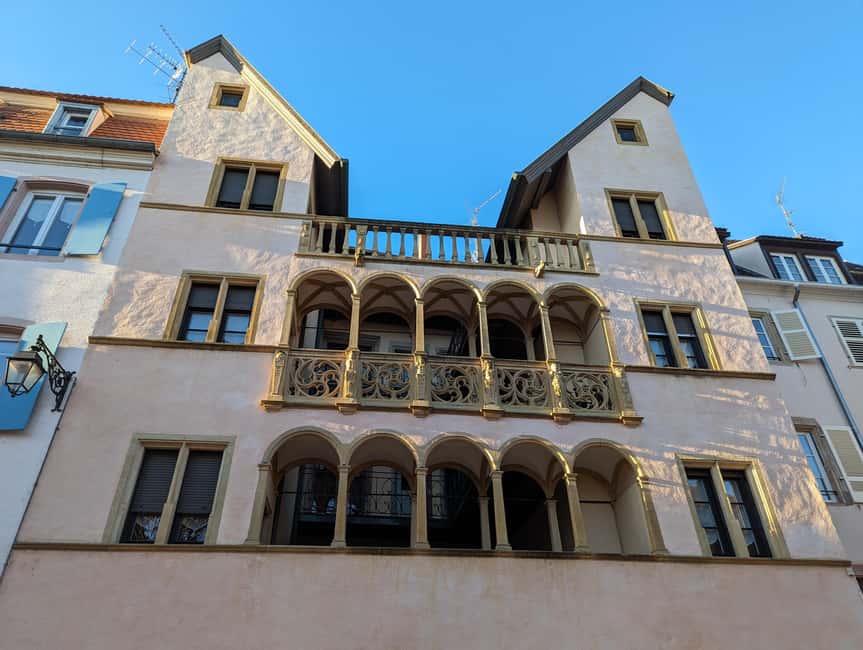
At $41 per person, this is not the cheapest way to see Colmar. You can walk through the old town on your own for free. The question is what you gain from paying.
You are paying for local interpretation, a planned route, and a chance to ask questions in a tiny group. You also get a guide who can direct you away from the most obvious tourist choices and suggest places to eat and drink afterward.
I consider the price fair if you use the tour as an introduction rather than a stand-alone attraction. Take it early, note the places and topics that interest you, then spend the rest of your visit returning to them at your own pace.
The value is lower if you have already taken a detailed Colmar history tour or only want independent photography time. It is also less suitable if walking for two hours is uncomfortable.
The reserve-now, pay-later option gives you some planning flexibility, and cancellation is free up to 24 hours before the tour for a full refund. Those terms are useful when your Alsace plans are still changing.
Who should book this walk
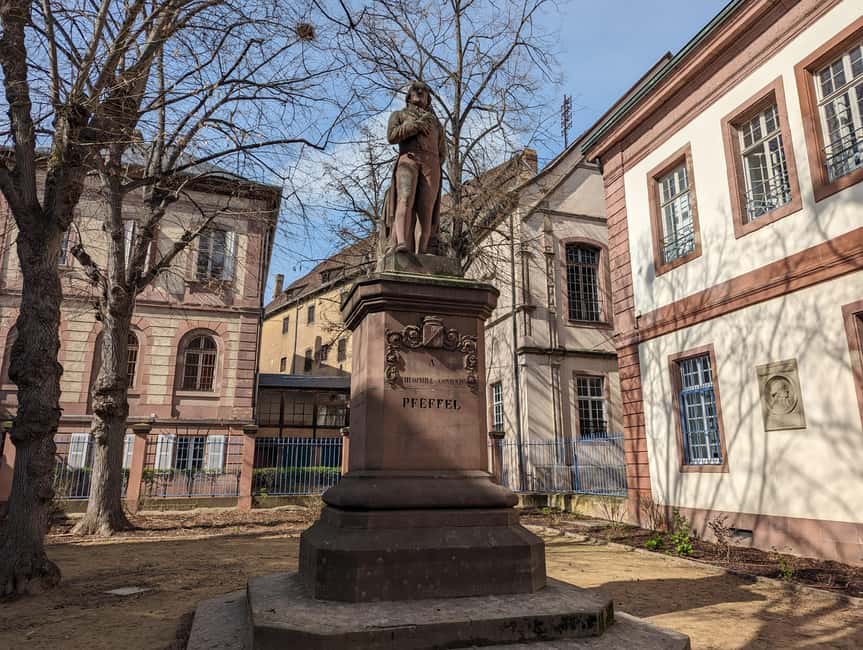
I would recommend it to first-time visitors who want to understand Colmar quickly. It is also a good choice for people interested in architecture, regional politics, local identity, and the connection between French and German history.
Families can make good use of it if children or teenagers enjoy stories and questions. One 15-year-old was included in a rainy-day walk, and the guide kept the experience enjoyable. That does not guarantee every child will love two hours of history, but the humor and shorter format help.
It suits solo visitors and couples who want a personal introduction without joining a large group. The six-person limit also works well for families or friends who want to share a guide.
You should think twice if you have mobility limits, since the activity is not suitable for people with mobility impairments. Rain is not necessarily a reason to cancel, but you will need weather-appropriate clothing because this is an outdoor walk.
Practical details that affect your day
The tour lasts two hours and includes the walking tour plus the local guide. French and English are available.
Meet at the Bruat Fountain in Parc du Champ de Mars. Allow a little extra time to find the fountain inside the park, rather than arriving at the general area at the last minute.
Plan this tour for the beginning of your Colmar stay if possible. Nicolas’s food and drink suggestions can help you avoid relying only on the restaurants closest to the busiest sights. His advice about what to do after the walk can also help shape the rest of your day.
If you take the walk later in your visit, it can still add value. You may recognize places you have already passed and finally understand details that were easy to miss on your own.
Should you book the Colmar unusual walking tour?
Book it if you want Colmar explained by someone local, not simply displayed in front of you. The best parts are the mix of medieval lanes, Petite Venise, Bartholdi’s statues, and the German Imperial district, along with Nicolas’s calm delivery and useful local advice.
Skip it if you prefer to wander alone, dislike historical explanation, or cannot manage two hours on foot. For most first visits, though, the $41 cost is reasonable, the small group keeps the experience personal, and the route gives you a better sense of Colmar than a postcard walk alone.
FAQ
Where does the Colmar walking tour meet?
The meeting point is the Bruat Fountain in the middle of Parc du Champ de Mars.
How long does the walking tour last?
The tour lasts two hours.
What languages are available?
The live guide speaks French and English.
How many people can join the group?
The group is limited to six participants.
Is the tour suitable for people with mobility impairments?
No. The activity is not suitable for people with mobility impairments.
Can I cancel the tour for a refund?
Yes. You can cancel up to 24 hours in advance for a full refund.
Just added around France
- Exclusive! Bordeaux: Nighttime Highlights Walking Tour★ 4.9 · 85 reviews
- Discovery Walking Tour of La Rochelle★ 4.9 · 72 reviews
- Colmar: Highlights Walking Tour and Wine Tasting★ 4.9 · 209 reviews
- Bordeaux: Private Walking Tour with a Local★ 4.3 · 117 reviews
- Bordeaux: Mystery and Myths Walking Tour★ 4.8 · 187 reviews
- Paris: Early Access Notre Dame Cathedral Walking Tour★ 4.2 · 80 reviews
- Boat walk in Sete on the singular island 1 hour★ 4.8 · 212 reviews
- Avignon: Historic District Guided Food & Wine Walking Tour★ 4.8 · 84 reviews
Walking Tours, compared.

Magical London: Harry Potter Guided Walking Tour
Read our review →
Reykjavik Food Walk – Local Foodie Adventure in Iceland
Read our review →
History and Hauntings of Salem Guided Walking Tour
Read our review →
New Orleans Premier Ghost, Voodoo and Vampire Walking Tour
Read our review →
Amsterdam Anne Frank: Small-Group Walking Tour & Local Guide
Read our review →

Edinburgh Castle: Guided Walking Tour with Entry Ticket
Read our review →
Anne Frank’s Story – Guided Walking Tour through Amsterdam
Read our review →Browse the lists this tour appears in