
REVIEW · LISBON
Lisbon: Best of City Private Walking Tour
Lisbon’s story makes the most sense on foot, and this private tour gives you a clear route through the city’s biggest chapters. You’ll connect the earthquake-rebuilt streets of Baixa with the narrow lanes of Alfama, while your guide explains the Restoration of Portugal, the Carnation Revolution, Fado, and daily life today. I especially like the private format, which lets guides adjust their pace and focus, and the small food stops, including a pastel de nata, a tapa, and wine.
The main consideration is the pace. Three hours covers a lot of ground, with hills, slopes, and uneven lanes in Alfama. You should wear comfortable shoes and tell your guide if you need a gentler walk. The route also ends at Praça do Comércio in its description, while the meeting details say the activity ends back at the starting point, so confirm the final stop before booking.
Key points to know before you book

- A private introduction to Lisbon: Your own guide can answer questions, change the pace, and suggest places for the rest of your stay.
- Five central districts and squares: The route links Rossio, Restauradores, Baixa, Chiado, Carmo, and Alfama in one three-hour walk.
- History with useful context: You’ll hear how the 18th-century earthquake changed Lisbon and why Carmo Square mattered during the 1974 revolution.
- Three included tastes: The price includes a pastel de nata, one tapa, and a wine tasting at a local bar.
- Guides with different strengths: João, Filipa, Pedro, Carolina, Inês, Beatriz, Tiago, and others have been praised for warmth, humor, clear explanations, and practical advice.
- A good first-day choice: The route helps you get your bearings and gather ideas for restaurants, shops, sights, and later day trips.
Why this walking tour works as a first look at Lisbon
Lisbon can feel confusing at first. Its neighborhoods climb over hills, streets change names quickly, and the city’s history is spread across grand squares, ruined churches, tiled façades, and tiny lanes. This tour gives you a useful framework before you explore on your own.
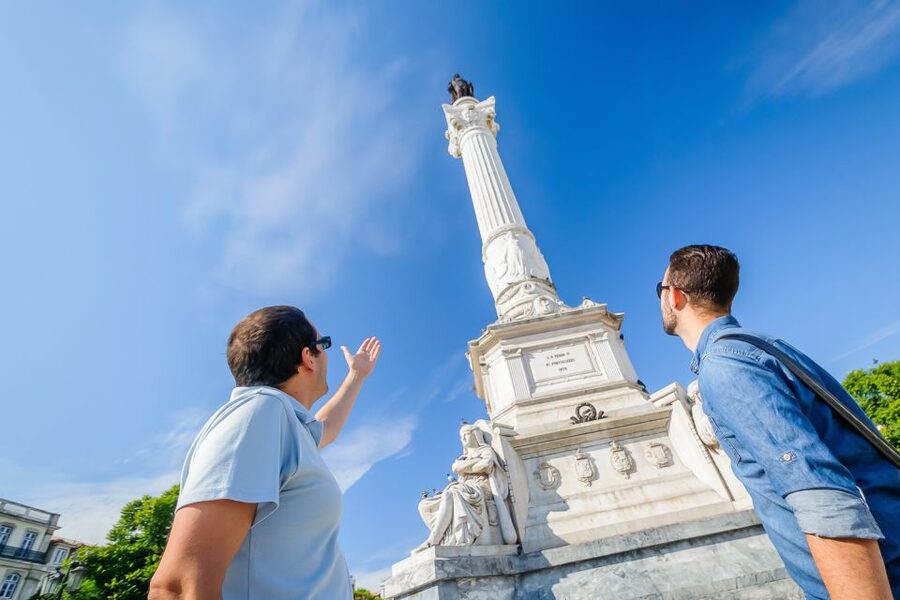
You begin at Praça Dom Pedro IV, better known as Rossio Square, in front of the column of King Pedro IV. From there, the walk moves through the central districts before reaching Alfama and the larger Praça do Comércio. It is not just a checklist of sights. The route shows how Lisbon changed from a medieval port city into an earthquake-rebuilt capital and then into the modern city you see today.
I like that the tour combines major landmarks with smaller local details. You get the broad story at Rossio and Baixa, then move into the more personal side of Lisbon through cafés, Fado restaurants, pastries, wine, and narrow residential lanes.
The private setup matters here. Guides such as Chon, Filipa, Inês, Beatriz, Raquel, Pedro Osorio, Tiago, Catarina, Carolina, and Nina have been praised for adjusting the amount of history, keeping families engaged, and offering suggestions for the rest of a visit. Some guides are more story-driven, while others focus on food, architecture, politics, or practical matters such as metro tickets.
More Private Walking Tours in Portugal
- Best of Lisbon Private Walking Tour
★ 5.0 · 370 reviews - Porto: Private Guided Walking Tour
★ 5.0 · 387 reviews - 3-hour private guided walking tour of the BEST of Porto
★ 5.0 · 290 reviews
Rossio and Restauradores: Lisbon’s central stage
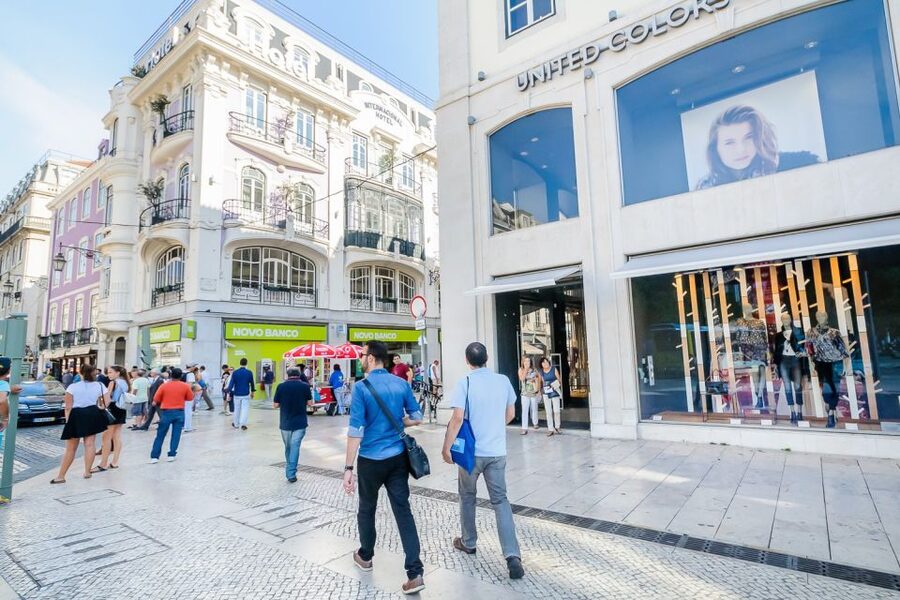
Rossio is a sensible starting point because it sits at the heart of old and new Lisbon. The square gives you an immediate sense of central Lisbon’s scale, movement, and layered past. Your guide can use it to explain how the city fits together before leading you into the surrounding streets.
You then see Restauradores Square and its tall obelisk. The monument marks Portugal’s restoration of independence from Spain in 1640. That detail gives the square more meaning than a quick photo stop. It links the city to a major moment in Portuguese national history.
This opening section is also useful for orientation. You are close to Baixa, Chiado, and several major pedestrian streets, so the route helps you understand where you are in relation to the rest of central Lisbon. Guides have also used this part of the walk to give advice about restaurants, shops, metro tickets, and places worth returning to later.
The square areas are easier walking than Alfama, but they can still involve standing on hard paving for explanations. If you have limited energy, mention it early. A private guide can usually make the walk more manageable, but the tour still covers several districts in only three hours.
Baixa and the earthquake that reshaped the city
Baixa is one of the most important parts of the tour because it shows Lisbon as an act of urban planning. After the devastating 18th-century earthquake, much of downtown was rebuilt according to new rules. The streets were laid out in a more orderly pattern, with new approaches to construction and earthquake resistance.
Your guide explains how this rebuilding changed the city. Instead of seeing Baixa as a collection of attractive streets, you begin to notice its planning, scale, and purpose. The district reflects an unusually bold response to disaster for its time.
This is one of the places where a private guide adds real value. You can stop to ask why the streets look so regular, how the rebuilding affected Lisbon, or how the new downtown related to the older neighborhoods on the hills. A group tour might give you the headline, but a private walk gives you room to follow the questions that interest you.
Baixa is also a good contrast with Alfama. Here, the streets are broad and organized. Later, you’ll enter a district where the lanes twist, climb, and seem to ignore modern city planning altogether.
Carmo Square and the Carnation Revolution
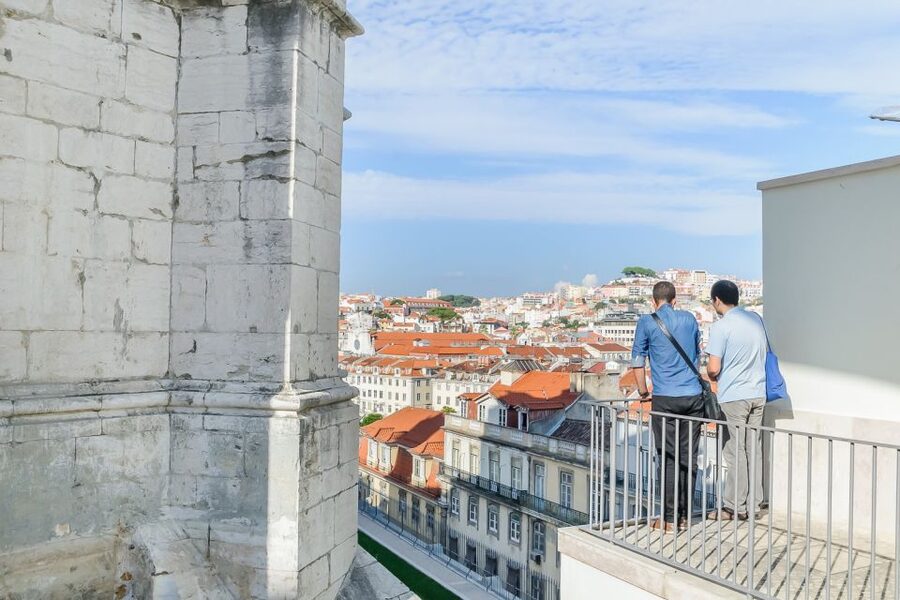
Carmo Square brings you into a different chapter of Portuguese history. The square is home to the beautiful ruins of Carmo Church, which remain a striking reminder of the earthquake. The open roof and Gothic stonework create one of Lisbon’s most memorable city scenes.
The square also played a key role in the Carnation Revolution of 1974, when Portugal’s long dictatorship fell after 48 years. Your guide connects the church ruins and the political events, helping you see Carmo as more than a picturesque stop.
I appreciate this part of the route because it gives modern Portuguese history its proper place. Lisbon is not only about kings, explorers, earthquakes, and old neighborhoods. The country’s recent political change is still central to how Portugal understands itself.
The tour does not include guided entry into monuments, and entrance tickets are not included. You should treat Carmo Church as an exterior and historical stop unless you arrange any visit inside on your own. That keeps the walk moving, but it also means you should not expect a museum visit during the three hours.
More Private Walking Tours in Lisbon:
- Private Walking Grand Tour of Copenhagen
★ 5.0 · 3,953 reviews - Vienna: Private Walking Tour with a Local
★ 4.6 · 1,446 reviews - Barcelona Helicopter, Sailboat & Old Town Private Walking Tour
★ 5.0 · 1,395 reviews - Private Walking Tour of Hanoi City
★ 5.0 · 1,251 reviews
Chiado: cafés, theaters, and a taste of Lisbon
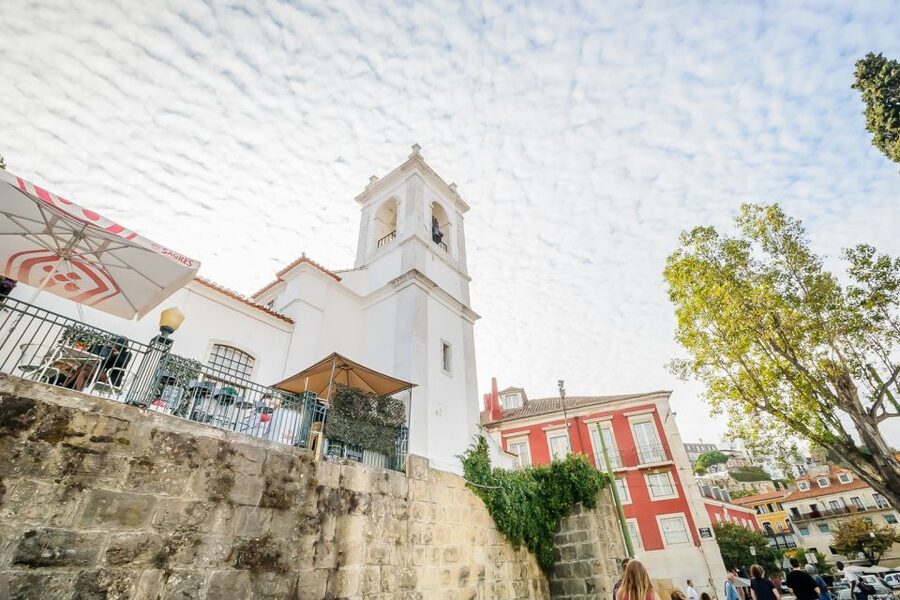
From Carmo, the route continues through Chiado, one of the city’s most elegant central districts. You’ll see old cafés, boutiques, theaters, and bookstores. This section shows the polished, literary side of Lisbon and offers a welcome change from the large public squares.
Chiado is also where the food element becomes part of the tour. A pastel de nata is included, giving you a chance to try Portugal’s famous custard tart during the walk. The pastry is small, but it makes the history feel more connected to everyday life.
The food stop is not meant to replace a meal. You also receive one tapa and a wine tasting later, but you should still eat normally before or after the tour if you need a full lunch. One useful point from the experience is its flexibility for shore excursions: lunch time can be excluded and the tour shortened if arranged with the operator after booking.
The Chiado section may appeal to shoppers and café lovers, but it is also useful for anyone who wants practical ideas. Guides have suggested restaurants, gelato shops, dinner spots, and places to visit during the rest of a stay. If you have a particular interest, tell your guide at the beginning.
Alfama’s lanes and Lisbon’s Fado tradition
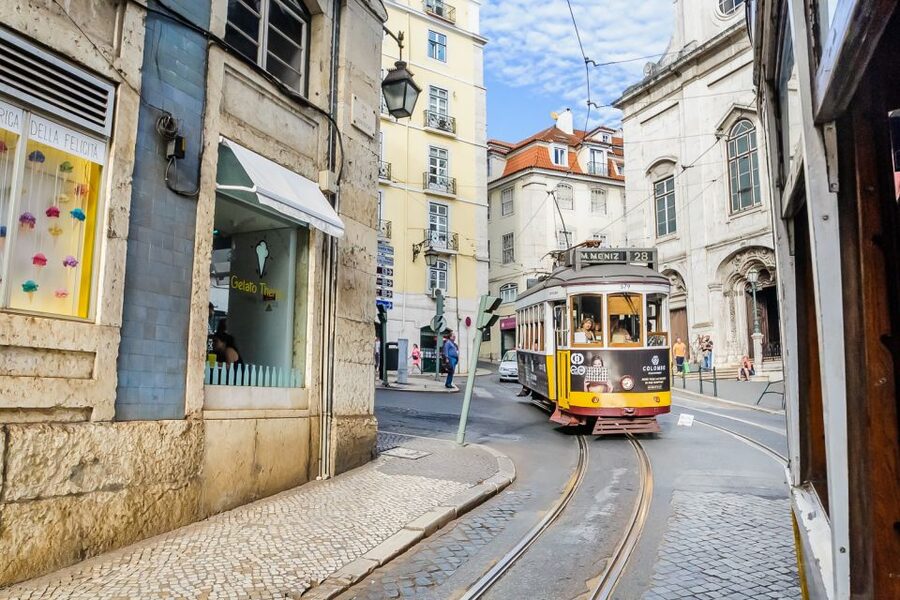
Alfama is the most atmospheric part of the route. Its small squares and narrow alleyways form a sharp contrast with Baixa’s straight streets. The area developed long before the earthquake, and its maze-like shape helps explain why Lisbon can feel like several different cities joined together.
Your guide takes you through the old Moorish quarter, where the lanes turn unexpectedly and the city seems to slow down. This is the point where the walking becomes less predictable. You may encounter slopes, uneven paving, and tighter passages, so comfortable shoes are essential.
Alfama is also the place to learn about Fado, Lisbon’s own musical tradition. The route passes hidden Fado restaurants, giving you a sense of how the music belongs to the neighborhood rather than existing only as a staged performance. You will not be taking a full Fado show during this tour, but the introduction can help you decide if you want to book one later.
Some guides use Alfama for storytelling, while others focus on viewpoints, local customs, or the practical layout of the district. One family described ending near its accommodation in Alfama, which shows how a private guide may help you understand your immediate surroundings. Do not assume that will happen on every departure, but it is worth mentioning your hotel location if you want local orientation.
The food and wine stops add useful local flavor
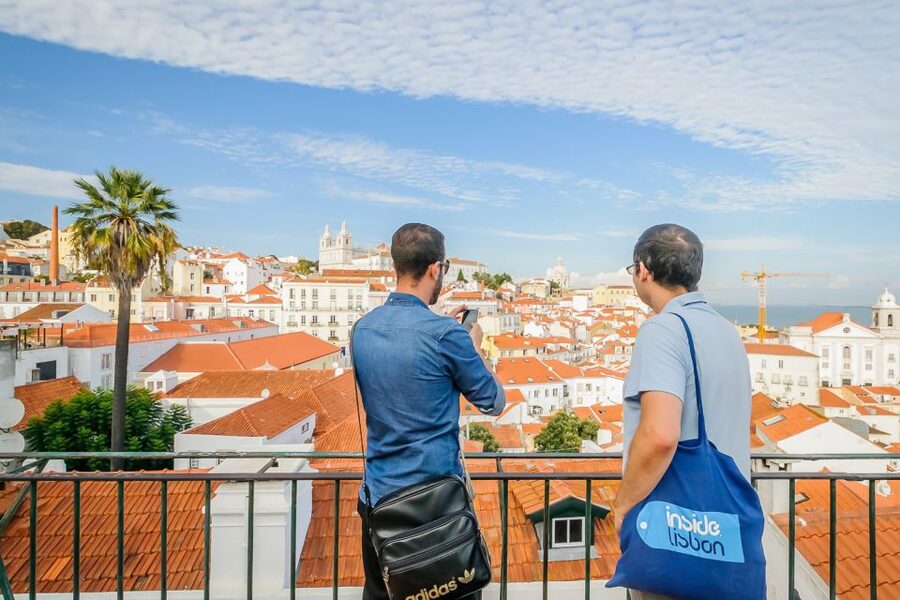
The included tastes are modest, but they improve the walk. You receive a pastel de nata, one tapa, and a wine tasting at a local bar. These stops break up the history and give you a chance to sit or pause during a busy route.
The tapa may include simple local items such as sausage, ham, cheese, and bread, based on the described experience. The wine tasting offers a small introduction to Portuguese drinking culture, rather than a formal winery visit. You should book this tour for the city walk first, with the food and drink treated as welcome extras.
That distinction matters when you compare prices. At $102 per person, this is not a cheap sightseeing walk. You are paying for a private guide, three hours of attention, language choice, route planning, and the ability to ask for advice tailored to your group. The pastry, tapa, and wine add value, but they do not justify the cost on their own.
For a couple or small family that wants a personal introduction, the price can make sense. For a solo visitor on a tight budget, or for someone who mainly wants food tastings, a group tour or dedicated food tour may be better value.
What the guides do especially well
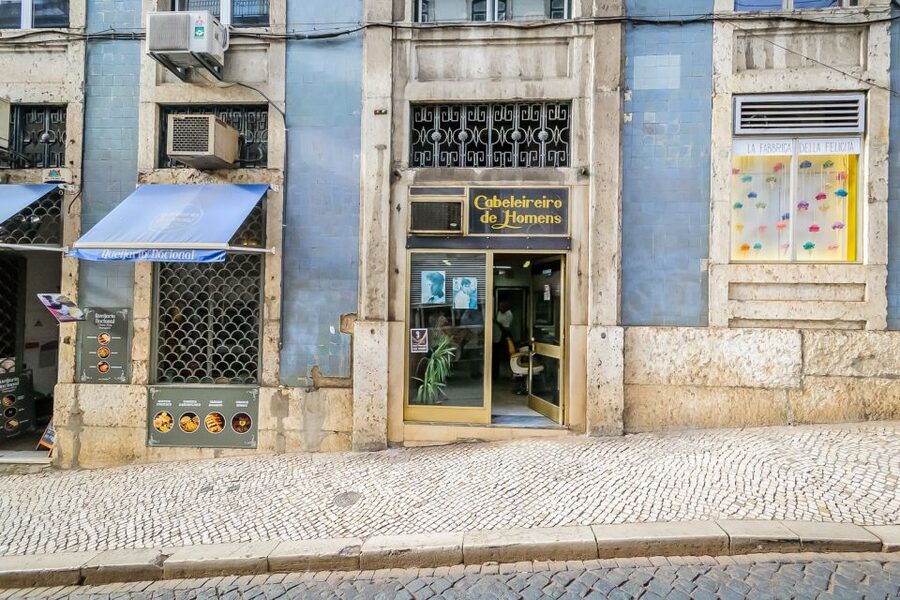
The strongest part of this experience is the guide. The published guide team includes English, Spanish, and Portuguese speakers, with individual guides bringing different styles to the walk.
João and Pedro have been praised for enthusiasm, historical stories, and practical recommendations. Filipa and Inês are described as warm, friendly, and able to keep a private group engaged. Beatriz and Carolina are good choices for travelers who want clear explanations at a comfortable pace. Raquel has been especially effective with tired teenagers, while Rossana has used humor and simple historical details to keep children interested.
Pedro Osorio has been singled out for broad knowledge of Lisbon’s history, politics, and culture, as well as for helping visitors use the metro after the planned walk. Miguel has added local details such as Ginjinha, a Lisbon cherry liqueur, and advice on buying metro tickets.
Of course, you cannot choose every guide by name when booking. Still, these examples show what the tour is designed to offer: not just dates and monuments, but a flexible conversation about Lisbon. Tell your guide what matters to you, whether that is architecture, food, politics, shopping, family activities, or nightlife.
Timing, hills, and the practical details
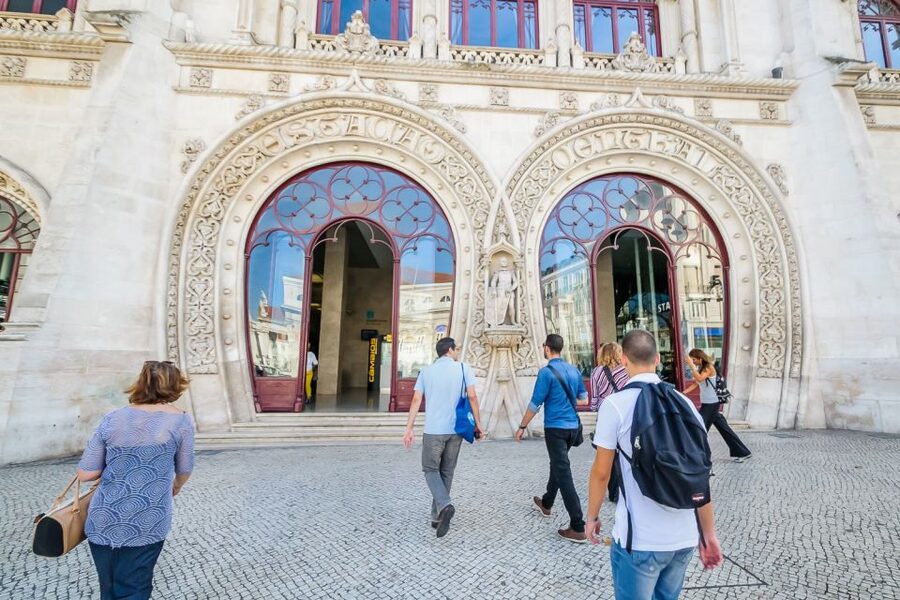
The tour lasts three hours, with starting times available according to the date you choose. It begins at Rossio Square, in front of the Column of King Pedro IV. Hotel pickup is available for hotels in Lisbon’s city center.
The route is walkable, but it is not flat from beginning to end. You should expect city paving, slopes, and narrow lanes, especially around Alfama. Comfortable shoes are the one item specifically advised, and I would take that seriously.
Pets are not allowed. The tour is private, and the listed languages are English, Spanish, and Portuguese. If you are arriving from a cruise port, contact the operator after booking about flexible timing. The schedule can be adjusted, lunch can be left out, and the walk can be shortened to fit your time in Lisbon, but this flexibility should be confirmed in advance.
There is also a small route detail to clarify. The description finishes at Praça do Comércio, while the meeting information says the activity ends back at the meeting point. Ask the operator which ending applies to your departure, especially if you have a dinner reservation, hotel transfer, or ship departure to catch.
Free cancellation is available up to 24 hours before the tour for a full refund, and you can reserve now and pay later. Those policies are useful if your Lisbon plans are still moving around.
Who should book this Lisbon tour?
I would recommend it to first-time visitors who want a fast but personal introduction to the city. It is also a strong choice for families, couples, and small groups who prefer conversation over a fixed script.
You will get the most from it if you take the tour early in your stay. Use the final part of the walk to ask where to eat, which areas to revisit, how to reach a sight by metro, or how to plan the rest of your time in Portugal.
Older visitors and anyone with mobility concerns should consider the hills and paving before booking. The walk can be paced to suit a group, and one experience was described as manageable for older participants, but the route still requires three hours on foot.
This is not the right pick if you want long interior visits to monuments, a full Fado performance, or a serious wine and food program. It is a city orientation walk with light tasting stops.
Should you book it?
Book this tour if you want to understand Lisbon quickly and prefer a guide who can adapt to your questions. The mix of Rossio, Baixa, Chiado, Carmo, and Alfama gives you a strong first map of the city, while the pastry, tapa, and wine make the route feel less formal.
At $102 per person, the private format is the key value. I would choose it for a first day, a family group, or anyone who wants practical local advice along with the history. I would skip it if you are watching every euro, dislike hills, or would rather spend three hours inside museums and monuments.
FAQ
How long does the Lisbon private walking tour last?
The tour lasts three hours. Starting times depend on availability when you book.
Where does the tour start?
It starts at Praça Dom Pedro IV, also called Rossio Square, in front of the Column of King Pedro IV.
Where does the tour end?
The route description ends at Praça do Comércio, but the meeting details say the activity ends back at the meeting point. Confirm the final stop with the operator before your tour.
Which languages are available?
The live guides speak English, Spanish, or Portuguese.
Is this a private tour?
Yes. The tour is for a private group rather than a shared group departure.
What food and drink are included?
The price includes one pastel de nata, one tapa, and a wine tasting at a local bar.
Are monument entrance tickets included?
No. The tour does not include guided visits inside monuments or entrance tickets.
Can the tour time change for a shore excursion?
Yes, the timing can be flexible for a port visit. Lunch can be excluded and the tour can be shortened, but you should contact the operator after booking to confirm the arrangement.
What should I bring?
Wear comfortable shoes. Pets are not allowed.
Just added around Lisbon
- Fado: Musical Walking Tour with Food & Live Show★ 5.0 · 121 reviews
- Eat & Walk Through Lisbon: A Local Food & Wine Experience★ 4.9 · 458 reviews
- Best of Lisbon Private Walking Tour★ 5.0 · 370 reviews
- Lisbon: Private Dark History Walking Tour with Drinks★ 4.8 · 387 reviews
- Lisbon: Award-Winning Guided Walking Food Tour with Local Drinks★ 5.0 · 374 reviews
- Lisbon: Belém Walking Tour with Jerónimos Monastery Ticket★ 4.9 · 637 reviews
- Lisbon: Kickstart Street Art Walking Tour★ 4.9 · 717 reviews
- Lisbon: Walking Tour in the Center (Max 12 Participants)★ 5.0 · 741 reviews
Private Walking Tours, compared.
Barcelona Helicopter, Sailboat & Old Town Private Walking Tour
Read our review →
Lyon: Private Walking Tour of “Traboules” in the Old Town
Read our review →
Browse the lists this tour appears in