
REVIEW · WALKING TOURS
Aruba Downtown Historic and Cultural Walking Tour
Oranjestad’s best stories are tucked between shops, government buildings, old churches, and painted facades. This two-and-a-half-hour walking tour gives you a local guide, two food tastings, and entry to Fort Zoutman and the National Archaeological Museum when they are open.
I like the way the tour connects big subjects, from Aruba’s first inhabitants to its modern political system, with small details such as family houses, breakfast foods, iguanas, and the old street tram. I also like the personal style of guides such as Wendell, Evy, Milton, Marisa, and Yvonne, who bring family stories and island life into the walk.
The main drawback is the heat and pace. You cover roughly 30 stops in a short time, so museum visits can feel rushed. One tour also ran about an hour longer than planned, while another began 15 to 20 minutes late. Wear good walking shoes, eat breakfast first, and keep your schedule flexible.
Key points to know before you book
- Fort Zoutman and the clock tower give you a compact introduction to Oranjestad’s military past and a city view when the site is open.
- Two local tastings add real flavor, including pan bati and another Aruban snack such as pastechi.
- About 30 stops cover monuments, churches, shops, residences, government buildings, museums, and food spots.
- Local guides make the difference, with Wendell, Evy, Milton, Marisa, Yvonne, and Hazel Milton praised for storytelling and personal insight.
- The route is gentle but exposed, and the morning start helps you avoid the strongest heat.
- The $45 price is reasonable if you value a guide, museum entry, tastings, and a useful orientation to central Oranjestad.
Starting at Cosecha in the heart of Oranjestad
The tour begins at Cosecha Aruban Craft Design & Heritage, at Zoutmanstraat 1. This is a useful meeting point because the walk starts near the old center, rather than at a beach resort or an outlying attraction.
Selected accommodations offer pickup, but you should confirm that your hotel is included. Cruise passengers need to pay close attention to the booking rules. Carnival, Holland America, Princess, and P&O passengers must book through their ship website or onboard. Other cruise passengers need to provide ship and port timing details at booking.
The advertised start is 9:00 a.m. That is the right hour for this route. Aruba’s sun can make a short stroll feel much longer by late morning, and several people found the heat to be the only real hindrance. Bring water, use sun protection, and wear walking shoes rather than sandals with thin soles.
The group can reach 20 people. That is small enough for questions, though the experience will feel more personal when numbers are low. The guide operates in multiple languages, and service animals are allowed.
More Cultural Walking Tours in the world:
- Savannah First Squares Culinary & Cultural Walking Food Tour
★ 5.0 · 3,229 reviews - Tokyo Tsukiji Fish Market Food and Culture Walking Tour
★ 5.0 · 3,184 reviews - New Orleans French Quarter, Voodoo and Culture Walking Tour
★ 4.5 · 2,961 reviews
Fort Zoutman and the view from the clock tower
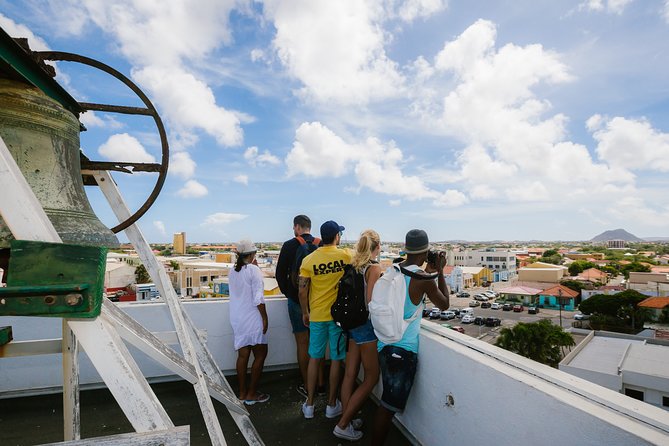
Fort Zoutman is the clearest opening chapter. Aruba’s old fort dates from the 1700s, and the Historical Museum occupies the site when it is open. You learn about the fort and its role in the early town, then may climb the clock tower built in the 1800s.
The tower is a worthwhile detail because it changes your view of Oranjestad. From street level, the capital can feel like a collection of shops and colorful buildings. From above, you get a better sense of the compact downtown area and the way the old center fits together.
The listed stop is only about 10 minutes, so do not expect a long museum session. If you like reading every display, the schedule may feel tight. The guide’s explanation is likely to be more useful than trying to absorb every label at speed.
Entry is included when the museum is open. That phrase matters. The interior visits depend on opening conditions, so the tour still works as a city walk if the museum doors are closed, but you should not book it solely for guaranteed indoor museum time.
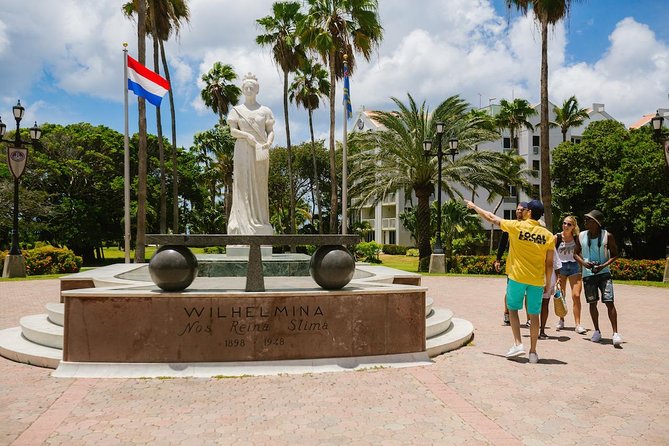
Wilhelmina Park, statues, and iguanas
From the fort, the route reaches Wilhelmina Park. Here the guide points out two notable statues and explains their place in Aruba’s public life. The park also has a large number of iguanas, which gives this historical stop a lighter, more playful side.
The stop is listed at about 10 minutes. It is not a long garden visit, and you should not expect a guided nature walk. Instead, it works as a pause between buildings, with room for a few pictures and a quick look at local public art.
This is also where a good guide can help. A guide such as Evy or Marisa tends to make short stops feel more meaningful by adding context rather than simply naming what you see. The experience depends less on the objects alone than on how clearly the guide explains their connection to Aruba.
The Archaeological Museum and Aruba’s first inhabitants
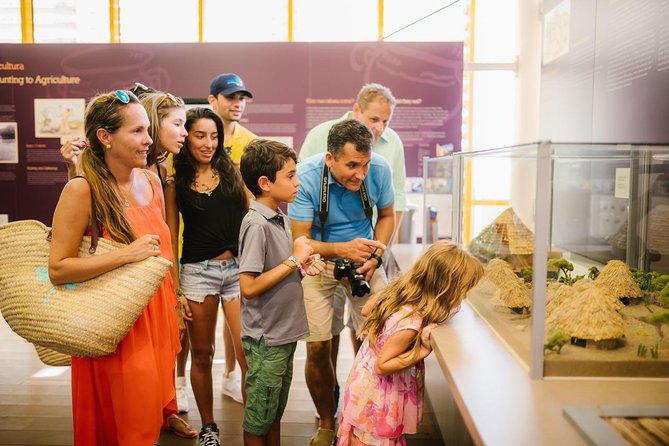
The National Archaeological Museum is one of the most valuable stops for anyone who wants more than modern downtown scenery. When open, you see pottery, skulls, and tools associated with Aruba’s first inhabitants.
The building itself provides a good photo setting, but the displays are the main reason to come inside. This part of the walk gives you a starting point for understanding Aruba before the colonial period and before the modern tourist economy shaped Oranjestad.
Again, allow for a quick visit. The scheduled stop is about 10 minutes, and one of the practical complaints about the tour was that there was not enough time to read everything in the museum or church. If you prefer a slow museum visit, return later on your own if your schedule allows.
The included entry improves the value of the $45 price, especially if both museum stops are open. If they are closed, the guide still covers the subjects from outside, but the tour becomes more dependent on storytelling and street sights.
A few more walking tours around the world worth a look
- Magical London: Harry Potter Guided Walking Tour
★ 4.7 · 22,044 reviews - Reykjavik Food Walk – Local Foodie Adventure in Iceland
★ 5.0 · 18,952 reviews - History and Hauntings of Salem Guided Walking Tour
★ 5.0 · 14,564 reviews - New Orleans Premier Ghost, Voodoo and Vampire Walking Tour
★ 4.5 · 12,856 reviews
Tasting pan bati at Coco Plum Restaurant
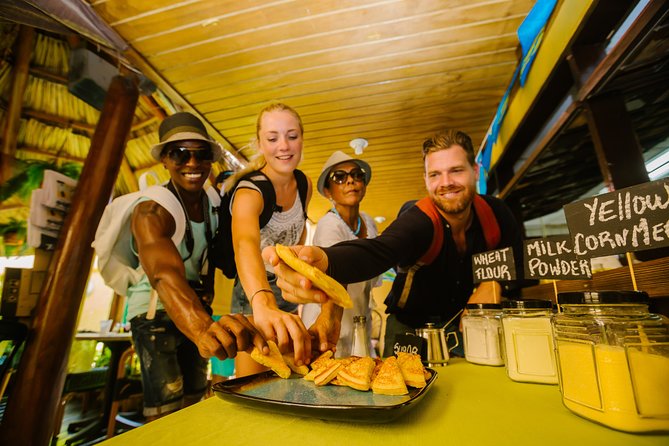
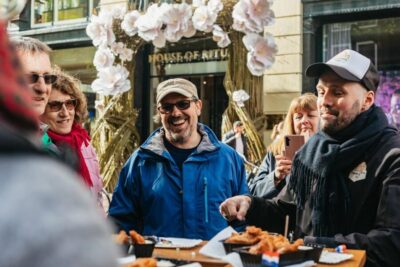
At Coco Plum Restaurant, you try pan bati, a local food that remains common in Aruba. This is a small tasting, not a full meal, but it gives the walk a useful connection to daily life.
I like food stops on a city tour when they explain what people actually eat, rather than offering a generic snack chosen only for tourists. Pan bati is presented as a local staple, so the guide can explain its place in Aruban meals and celebrations while you taste it.
Eat breakfast before you arrive. The tour specifically advises this because of the heat and the possibility of feeling unwell. The tastings are meant to add to your morning, not replace breakfast.
There is a second food tasting later in the route. Descriptions of that stop refer to local breakfast and party foods, and past participants specifically enjoyed pastechi. Exact food availability can change, but you should expect two small local tastings rather than a sit-down meal.
Oranjestad’s mansions, Main Street, and old shops
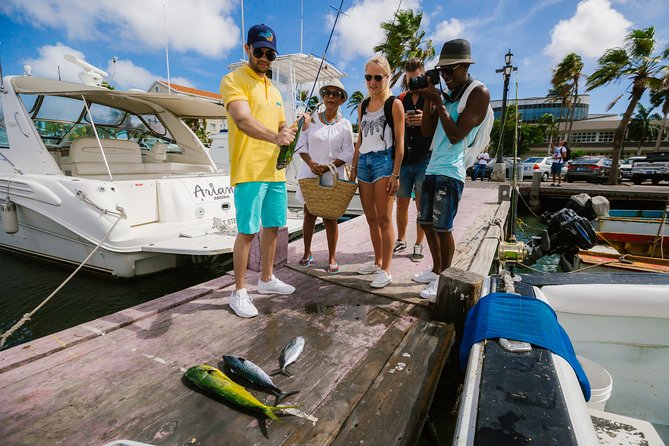
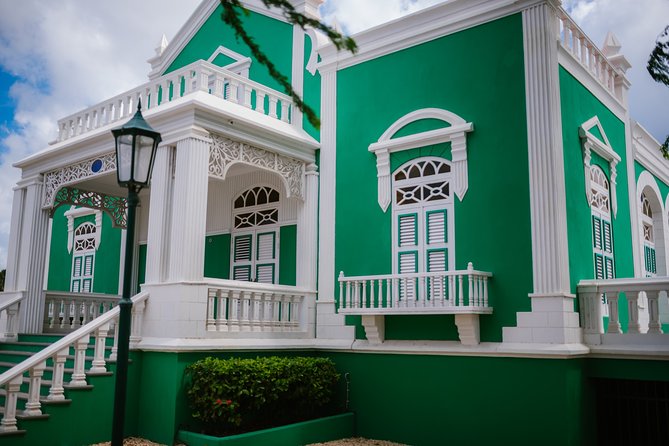
The walk then moves through central Oranjestad, where the guide explains the romantic story behind one of the city’s family mansions built in the early 1900s. This is the kind of detail that can be easy to miss when you explore alone. A building may look decorative, but the story gives it a human reason for being there.
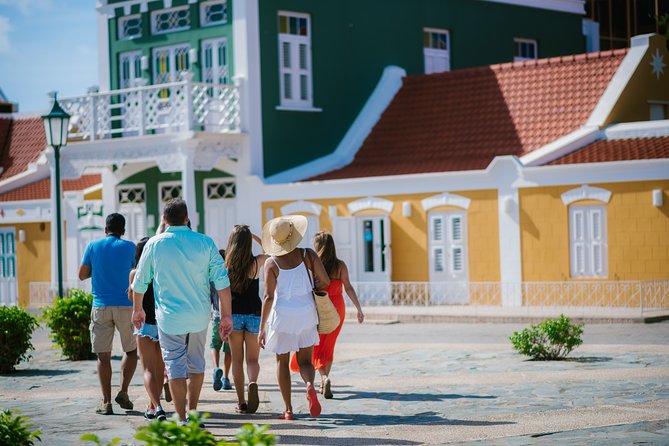
You also walk along Aruba’s Main Street and see shops that have been there since 1928. The street is part shopping area, part historic route, and part practical orientation. You can note places to return to later for browsing, drinks, or food.
The old streetcar or tram also passes through this area. That makes Main Street a useful place to understand how downtown sightseeing works. Some visitors want history, others want shopping, and this stretch combines both.
There is a possible limitation here. The route remains within central Oranjestad, and one less enthusiastic assessment felt that it did not cover enough ground. That is fair. This is a downtown orientation, not a broad tour of the entire island. If you want beaches, rural scenery, or major natural sights, book a separate island trip.
Local art and Aruba’s government
The walk begins in front of one of Aruba’s first government buildings, now used for local arts and crafts by accredited local artists. That change of use gives you a quick lesson in how old civic buildings can remain part of daily life.
The Aruba Parliament stop lasts about five minutes. You see where local politicians debate laws and current affairs, while the guide explains Aruba’s political system. For many people, this is one of the most useful parts of the route because it moves beyond old buildings and explains how the island functions today.
Guides sometimes bring strong personal views into political discussions. One experience found the political comments a little too forceful. If you prefer a strictly neutral tour, keep that in mind. If you enjoy asking questions about Aruba’s relationship with the Netherlands and local government, this stop may be especially engaging.
Hazel Milton, for example, has been praised for linking family stories with discussions of Aruba’s colonial and present-day relationship with the Netherlands. That kind of conversation can make the political section feel less like a textbook and more like a local exchange.
The Protestant Church and changing religious life
The Protestant Church is one of Oranjestad’s oldest churches, dating from the 1800s. The guide explains how Protestantism arrived on the island and notes that it is not Aruba’s largest religion.
The stop is brief, listed at around two minutes. That is enough for an exterior explanation, but not enough for a careful look at the interior or a long discussion of religious art. If the church is open and you want to read or look around, you may wish the itinerary allowed more time.
Still, the stop adds useful balance. Aruba’s identity is not one simple story. The tour moves through Indigenous, Dutch, Protestant, Catholic, political, family, and food traditions without pretending that one group explains the whole island.
Havenstraat food and everyday Aruban life
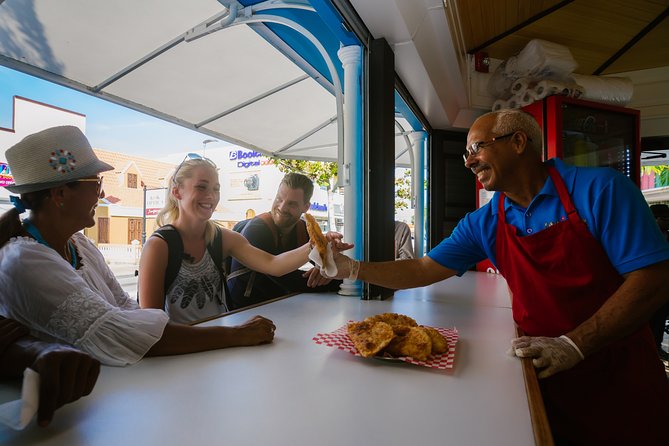
At Havenstraat, the guide talks about what Arubans eat for breakfast and at parties, followed by another tasting. This is where the tour feels most connected to ordinary routines rather than monuments.
The food is one of the most praised parts of the experience. Pastechi is specifically mentioned as a tasty sample, while the full route also includes pan bati. Portions are small, but they give you a reason to remember the names and seek them out later.
I would pay attention here and ask where you can find these foods again. The tour is meant to give you ideas for the rest of your stay, and the guide’s restaurant advice is one of the practical benefits of taking it early in your visit.
Wilhelminastraat and residential Oranjestad
Wilhelminastraat shifts the mood from public sights to local homes. You walk through a residential street while the guide points out distinctive houses and explains where people live.
This part may seem modest compared with a fort or museum, but it helps you see Oranjestad as a lived-in town rather than a backdrop for shopping. You get a sense of the residential architecture and the contrast between tourist-facing streets and quieter local blocks.
The route is described as a gentle walk, but you still spend most of two and a half hours on your feet. There are many short stops, so the pace is not a hard march, yet the heat makes comfortable shoes and water important.
What the guides add to the walk
The guide is the main variable in this experience. Names that come up in the tour’s feedback include Wendell, Milton, Evy, Marisa, Yvonne, and Hazel Milton. Their strongest shared qualities are energy, humor, local pride, and the ability to tell stories about people as well as places.
Wendell has been praised for weaving personal stories into Aruba’s past and present. Evy is known for a friendly, funny approach and strong enthusiasm for the island’s buildings and history. Marisa has been described as considerate and especially good at explaining Aruba in detail. Yvonne has been noted for supplying cold water along with information and snacks.
That does not mean every outing will feel identical. One guide arrived 15 to 20 minutes late, and another experience ran an hour over the expected time. A guide also reportedly brought up tipping very early, which some people found uncomfortable. These are not reasons to reject the whole tour, but they are fair reminders that the human element can vary.
Is $45 a fair price?
At $45 per person, the tour is fairly priced if you want a guided introduction to Oranjestad. You receive about two and a half hours of commentary, two tastings, and included admission to the two museum sites when they are open.
The value is strongest for first-time visitors, cruise passengers with a free morning, and anyone who wants to understand the capital before exploring independently. Restaurant tips and location advice can also save you time later.
The value is weaker if you only want major sights, lots of free time, or a broad view of Aruba. The route stays in central Oranjestad, and some stops are very short. You are paying for interpretation and local context, not for long museum visits or transport around the island.
Free cancellation is available if you cancel at least 24 hours before the 9:00 a.m. start. Changes or cancellations inside that window are not accepted for a refund.
Who should book this Oranjestad walk?
I would choose this tour if you are new to Aruba, enjoy local food, like hearing personal stories, and want a useful introduction to the capital. It also suits cruise passengers who can manage the timing and people who prefer a gentle walking route to a large sightseeing vehicle.
It is a good fit for history-minded families, couples, and solo visitors who want someone to explain the buildings and political system. Most people can participate, but you need to be comfortable walking outdoors in warm weather.
I would skip it if you dislike guided commentary, want a quiet museum visit, or have only a narrow window before returning to a ship. I would also avoid treating it as an island-wide tour. It is a focused downtown walk with food, history, and local conversation.
Should you book it?
Book the Aruba Downtown Historic and Cultural Walking Tour if you want to get your bearings in Oranjestad and learn how the city connects its Indigenous past, Dutch links, local government, food, religion, and family life. The combination of Fort Zoutman, the Archaeological Museum, pan bati, pastechi, Main Street, and residential streets gives you more range than a simple shopping stroll.
Go early, eat first, bring water, and allow extra time in case the guide runs long. Expect short museum visits, plenty of standing, and a route that stays close to downtown. For $45, it is a solid introduction to Aruba, especially when your guide is one of the strong storytellers who make the island feel personal.
FAQ
How long does the walking tour last?
The scheduled duration is approximately two hours and 30 minutes. One experience ran about an hour longer, so avoid booking a tight connection immediately afterward.
What time does the tour start?
The tour starts at 9:00 a.m. local time.
Where does the tour begin?
It begins at Cosecha Aruban Craft Design & Heritage, Zoutmanstraat 1, Oranjestad, Aruba.
Where does the tour finish?
The activity ends back at the meeting point.
Is hotel pickup available?
Pickup is available from selected accommodations. You should confirm whether your accommodation is included when booking.
Are museum entrance fees included?
Entrance fees are included at Fort Zoutman and the National Archaeological Museum when those sites are open.
What food do you taste?
The tour includes two local tastings. One is pan bati at Coco Plum Restaurant. The other is a local breakfast or party snack, with pastechi specifically associated with the tasting.
How large is the group?
The maximum group size is 20 people.
Does the tour operate in bad weather?
Yes. The tour operates in all weather conditions, so you should dress comfortably and wear suitable walking shoes.
Can cruise ship passengers book this tour?
Carnival, Holland America, Princess, and P&O passengers must book through their ship website or onboard. Passengers on other cruise lines must provide the ship name, docking time, disembarkation time, and re-boarding time when booking.
Just added around the world
- Fira: Guided Foodie Walking Tour with Tastings★ 4.9 · 474 reviews
- Fez: Guided Walking Tour of the Historic Medina★ 5.0 · 359 reviews
- Fez: Walking Tour in the Ancient City of Fez★ 4.8 · 73 reviews
- Faro: Old Town Guided Walking Food Tour★ 4.9 · 94 reviews
- Feel like a local – Walking Tour in Mykonos Town 2hours★ 4.4 · 77 reviews
- Fes: A Guided Walking Tour Through the Historic Medina★ 4.4 · 97 reviews
- Fez: Half-Day City Private Walking Tour with a Guide★ 4.6 · 114 reviews
- Fanal / Assobiadores – Levada Walk★ 4.6 · 93 reviews
Cultural Walking Tours, compared.
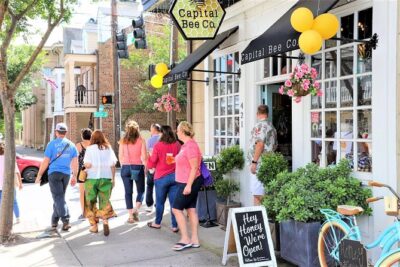
Savannah First Squares Culinary & Cultural Walking Food Tour
Read our review →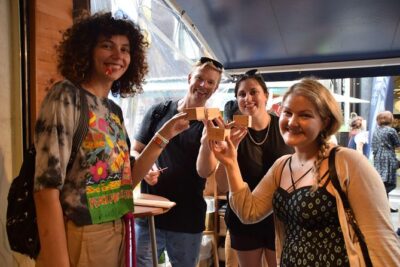
Tokyo Tsukiji Fish Market Food and Culture Walking Tour
Read our review →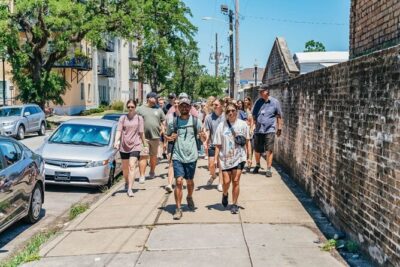
New Orleans French Quarter, Voodoo and Culture Walking Tour
Read our review →
Southernmost Food & Cultural Walking Tour by Key West Food Tours
Read our review →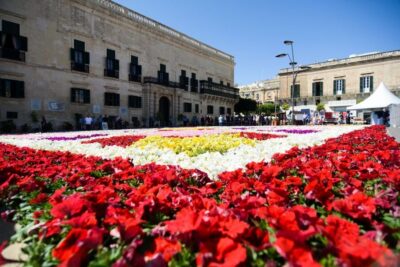
Valletta: Street Food and Culture Walking Tour
Read our review →
Lisbon Roots – Small group Food & Culture Walking Tour w/tastings
Read our review →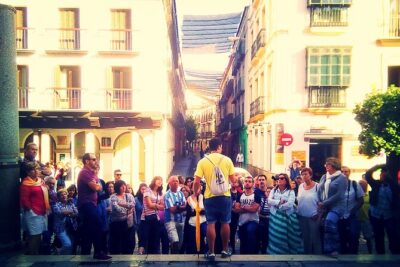
Browse the lists this tour appears in