
REVIEW · BERLIN
Berlin: History of the Third Reich Guided Walking Tour
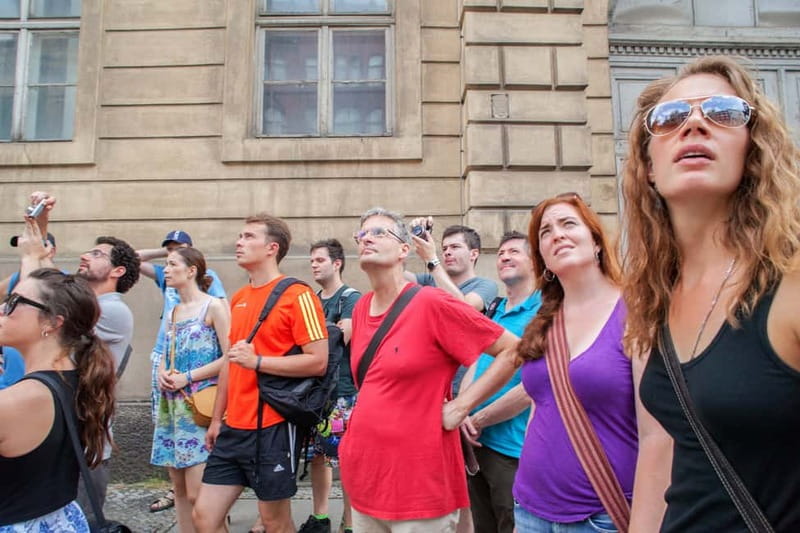
The most striking part of this Berlin Third Reich tour is the way ordinary streets become evidence. You move from the massive Luftwaffe headquarters to the former SS and Gestapo district, then finish above Hitler’s bunker, where the Nazi regime collapsed. I like the clear chronological path and the chance to see buildings and sites you could easily pass without noticing. The main drawback is that two hours is a tight fit for such a heavy subject, and you need an AB transport ticket in addition to the tour price.
I also like the pause partway through and the way good guides make difficult facts easier to follow without making the subject feel light. Guides including Dani, India, Theo, Elizabeth, and Daniel have been especially praised for strong storytelling and clear explanations. You should still allow for different group sizes and guiding styles, since the exact route and pace can change.
Key points to know before you book
- The route follows Nazi power from government control to total collapse, rather than presenting disconnected memorials.
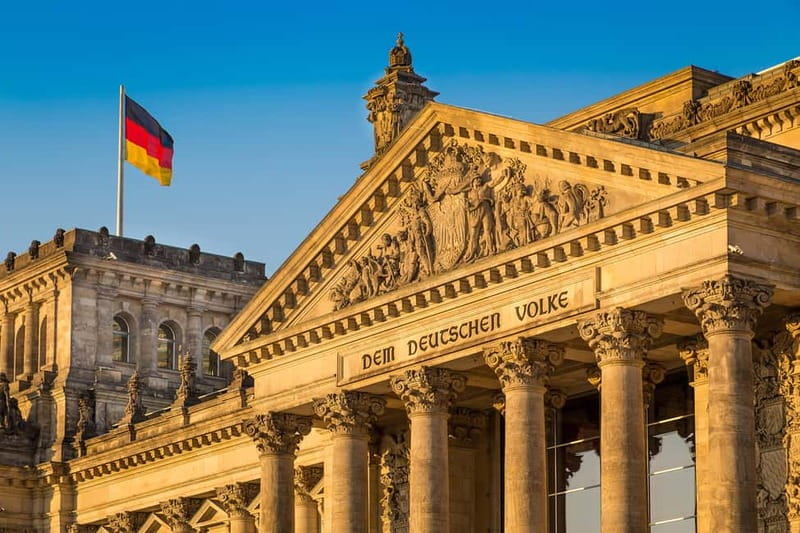
- The Luftwaffe headquarters remains one of Berlin’s clearest examples of Third Reich architecture, with much of its imposing exterior intact.
- The former SS and Gestapo district includes basement remains and an exhibition, giving the tour a stronger documentary element.
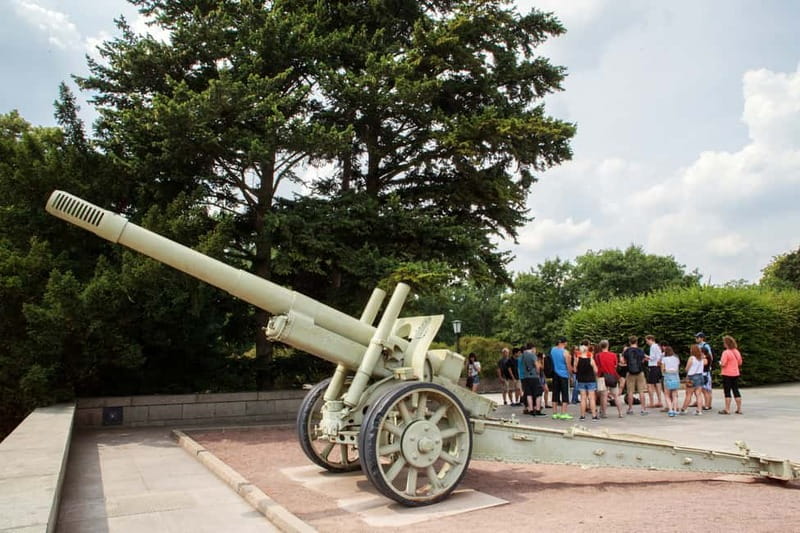
- You visit a Soviet memorial honoring 80,000 soldiers killed in the Battle of Berlin, with artillery pieces and tanks on display.
- The bunker site is marked above ground, so expect a place of historical importance rather than an underground interior visit.
- The $30 price includes a live English-speaking guide and walking tour, but not your AB transport ticket, food, drinks, or entrance fees.
What this two-hour Berlin walk is really about
This is not a tour of preserved Nazi interiors. Berlin was heavily damaged during the war, and many key sites disappeared or were altered after 1945. Instead, the experience helps you connect surviving buildings, empty spaces, memorials, and modern streets to the machinery of dictatorship.
I find that approach useful because Nazi history can feel like a list of names, dates, and atrocities when studied only in books. Walking through the former government quarter gives those events a physical setting. You learn how the Nazi Party took control, how propaganda helped maintain that control, how terror was organized, and how the war ended in Berlin.
The tone is serious, as it should be. The strongest guides use stories and clear explanations rather than simply reciting dates. Dani has been praised for answering a steady stream of questions, while India and Theo have been singled out for making a difficult topic accessible and engaging. That personal style matters here, since the material is emotionally demanding.
The advertised duration is two hours, although some past departures have taken longer. The information provided describes it as a half-day experience in places, so check the exact departure details when booking. Either way, plan for a substantial amount of time on your feet.
More Guided Tours in Berlin:
- Berlin: Third Reich & Cold War Guided Walking Tour
★ 4.9 · 8,378 reviews - Berlin: Hidden Backyards Guided Walking Tour
★ 4.8 · 5,360 reviews - Berlin: City Street Art Guided Walking Tour
★ 4.8 · 1,051 reviews
Starting near Brandenburg Gate
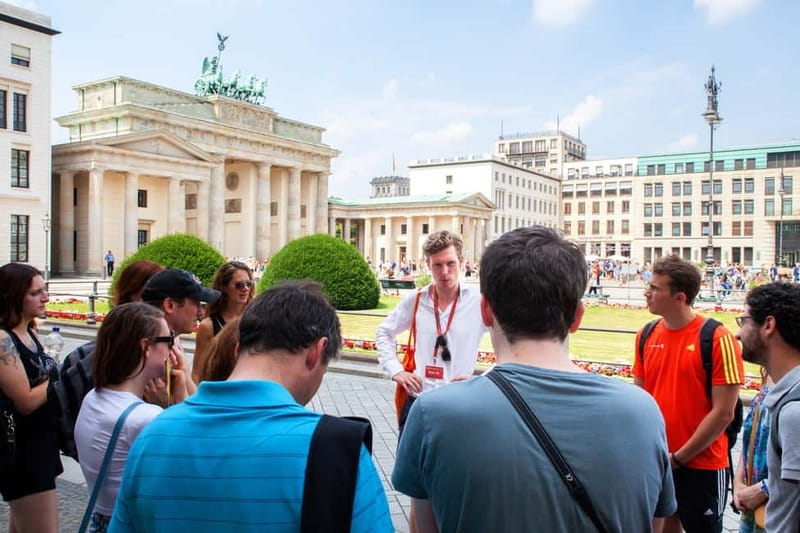
You meet in front of Starbucks near the historic Brandenburg Gate. Look for the local operator’s team in red shirts and carrying red umbrellas. This is a practical meeting point, but it can be busy, so arrive with enough time to find the group.
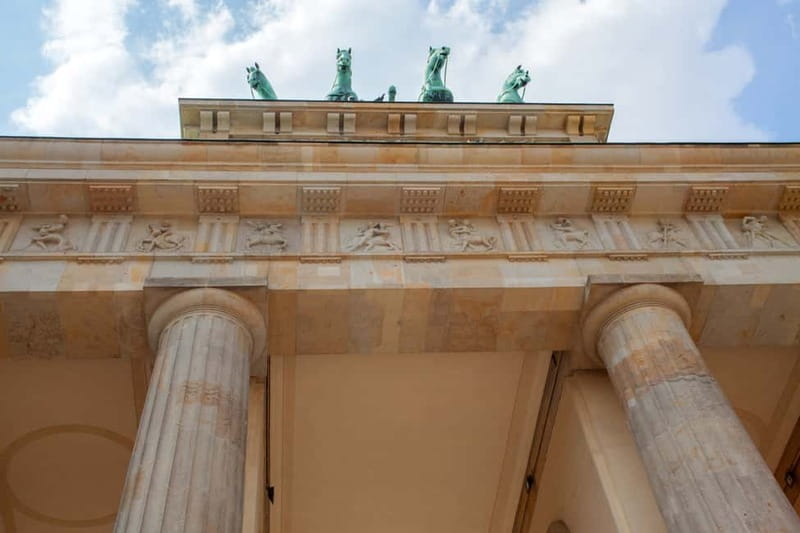
Beginning near Brandenburg Gate gives the guide a useful opening scene. The gate is one of Berlin’s most familiar landmarks, yet its location places you close to several key areas tied to the capital’s political past. From here, the tour shifts away from postcard Berlin and toward the buildings that supported Nazi rule.
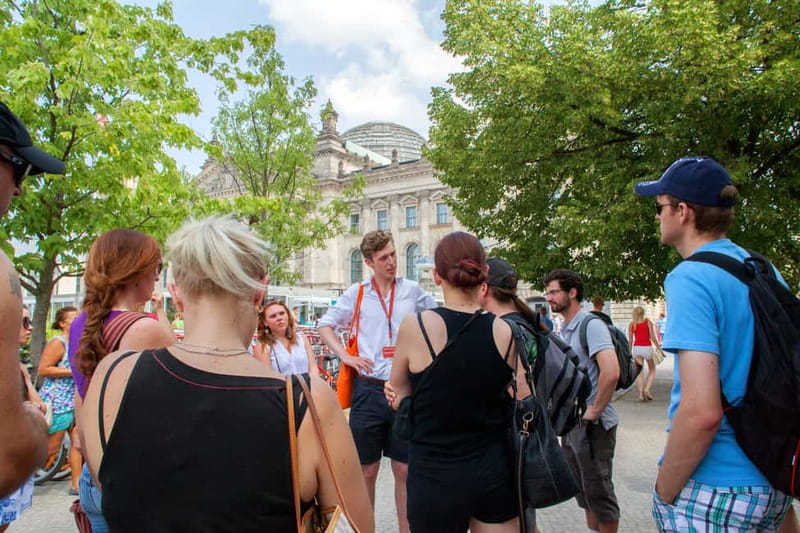
The guide usually sets up the larger story first: the Nazi rise to power, the capture of state institutions, and the methods used to keep control. This context is important. Without it, the later stops can become a grim checklist. With it, the route shows how political power, propaganda, police terror, and military command worked together.
The tour is conducted in English. The exact guide will vary, but the strongest names associated with this experience include Dani, India, Theo, Elizabeth, Daniel, Martin, and Chris. Past groups have also been split when numbers grew too large, though group size is not fixed. A smaller group can make it easier to hear, ask questions, and stay close to the guide.
Seeing the Luftwaffe headquarters
The first major stop is the Luftwaffe Air Force headquarters, built under Hermann Göring. Its large scale and surviving Third Reich design make it one of the clearest visual reminders of how the Nazi state wanted to present itself: orderly, powerful, permanent, and intimidating.
The building survived Allied bombing, which gives the stop unusual weight. You are not simply looking at a memorial plaque or a reconstructed outline. You are looking at a substantial building connected to the military structure of the regime.
Your guide explains how the Luftwaffe fit into Nazi Germany’s wider system. The value here is not just architectural. The headquarters helps you understand the connection between grand government buildings and the practical organization of war.
You should not expect a full interior tour. The emphasis is on the exterior, the building’s role, and the political story around it. Even so, it is an effective early stop because it makes the regime feel concrete. The Nazi government did not operate only through speeches and rallies. It occupied offices, issued orders, and built institutions designed to project authority.
The Propaganda Ministry and the mechanics of control
The route continues to the former Propaganda Ministry of Joseph Goebbels. Before the war, the building served as Berlin’s Press Office. Under the Nazis, it became a center for shaping newspapers, radio, public messaging, and the official version of events.
This is one of the most useful parts of the tour for anyone who wants to understand how the dictatorship maintained power after taking control of the government. The guide explains that propaganda was not merely a collection of dramatic speeches. It was a system for controlling information, setting the public mood, glorifying the leadership, and defining who belonged.
The building itself is another reminder that Nazi power often took over existing institutions. That detail helps you see the process as political capture, not simply a sudden change brought by one election or one leader. The route connects government offices to the wider effort to limit opposition and shape public thinking.
This stop can feel less visually dramatic than the Luftwaffe headquarters. There may be no grand public display explaining everything in front of you. That is why the guide’s storytelling is so important. Dani, India, and Elizabeth have been praised for turning complex developments into a clear sequence of events, which is exactly what this location needs.
A few more walking tours around Berlin worth a look
- Discover Berlin Half-Day Walking Tour
★ 5.0 · 9,624 reviews - Berlin City walk Government District and Places of Democracy
★ 4.7 · 8,467 reviews - Berlin: Discover Berlin Walking Tour
★ 4.9 · 5,998 reviews - Berlin’s Best: 2 Hour Walking Tour Third Reich and the Cold War
★ 5.0 · 5,486 reviews
The SS and Gestapo district
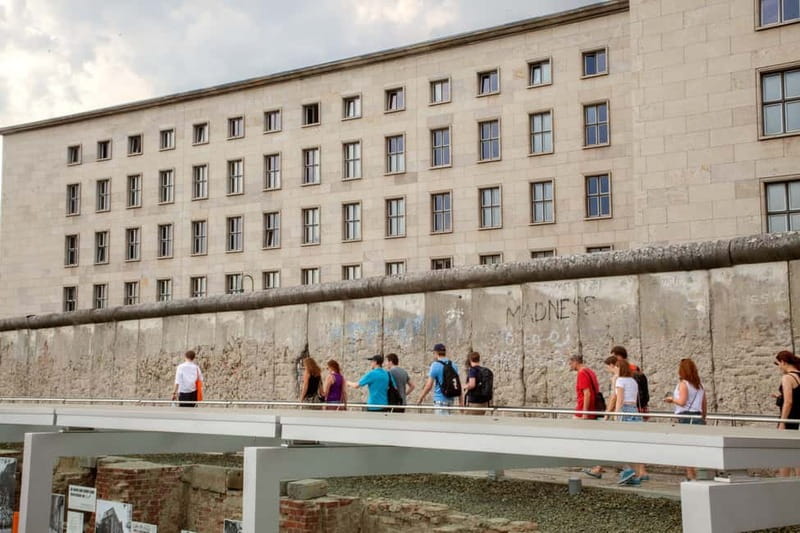
The former Prinz-Albrecht-Straße area was once among the most feared addresses in Germany. It housed the SS and Gestapo, the agencies linked to political repression, surveillance, interrogation, and terror.
Today, you see what remains of the basement areas and an exhibition documenting the Nazi rise to power. This section gives the tour its strongest connection to the people targeted by the regime. The focus shifts from buildings of command to the consequences of those commands.
The exhibition is especially valuable because the site can otherwise look deceptively ordinary. Berlin has many modern streets where only fragments of the old city remain. Without context, it would be easy to miss the importance of the ground beneath your feet.
Your guide places the SS and Gestapo within the larger structure of Nazi rule. You learn how the state used fear and coercion alongside propaganda and legal changes. The tour does not treat the Holocaust as an isolated event detached from earlier political decisions. Instead, it shows how the regime’s rise and its system of persecution developed over time.
This is likely the most emotionally difficult section. I would not choose this tour as casual entertainment, and I would prepare younger children for serious material. Children up to 13 can join free, but the topic is intense, so parents should decide based on maturity rather than price.
The Berlin Wall fragment and the missing city
One of the only remaining stretches of the Berlin Wall is near the former SS and Gestapo district. This creates an unusual historical overlap. The wall belongs to the later division of Berlin, while the Nazi buildings and ruins recall the dictatorship that came before it.
I like this part of the route because it shows how several layers of twentieth-century history occupy the same city. Berlin was shaped first by Nazi rule and war, then by occupation and division. A short piece of wall near the former terror headquarters makes that timeline visible.
The tour also teaches you to read absence. Some of the most important Nazi locations are no longer intact, and the bunker site later in the walk is a good example. Berlin’s modern buildings and open spaces can hide the old political geography. A guide helps you understand what once occupied those spaces and why little remains.
Expect to walk between stops and use public transport during the route. You need to buy an AB transport ticket separately. That small extra cost is easy to overlook, so have it ready before the tour begins.
The Soviet memorial and the Battle of Berlin
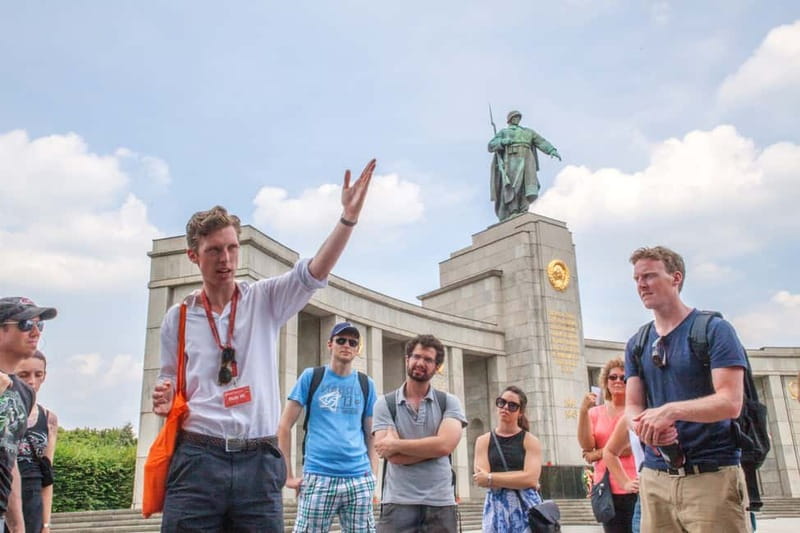
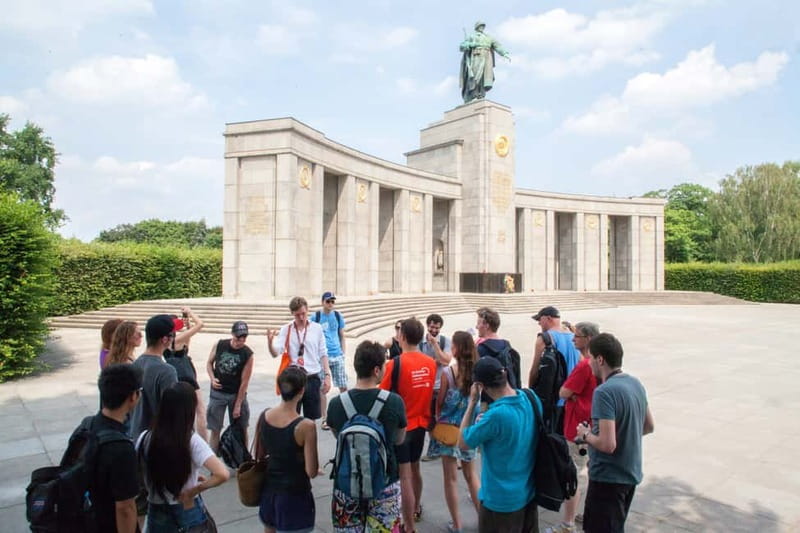
The tour includes one of Berlin’s Soviet memorials, dedicated to the approximately 80,000 Soviet soldiers who died liberating the city. Two artillery pieces and two tanks remain on display, standing as silent reminders of the final battle.
This stop broadens the story beyond Nazi leaders and German institutions. The fall of Berlin was also a military operation that cost enormous numbers of lives. The memorial recognizes the Soviet forces who fought their way into the capital, even as the wider history of the postwar period would later become complicated.
Your guide explains the Battle of Berlin and the final collapse of Nazi Germany. The military details help you understand why Hitler’s bunker became the setting for the regime’s last days. The city was not simply changing governments in an orderly handover. It was being fought over street by street.
The memorial is also a place where the tone may shift. After several stops focused on Nazi command, you confront the cost of the war and the people who died bringing it to an end. It is a useful pause before the final stop.
Standing above Hitler’s bunker
The tour ends at the site of Hitler’s former bunker. You stand above the location where he ended his life as Soviet forces closed in. There is no underground bunker interior to explore, and that is worth understanding before you book.
The lack of a dramatic structure is part of the point. The site does not function like a preserved palace or military museum. Instead, the guide explains what happened there and how the bunker became linked to the final collapse of Nazi Germany.
This stop works best when treated as a lesson in memory and responsibility. The location is important because of what happened there, but the tour does not turn it into a shrine. The focus remains on the end of the regime and the path toward peace in Europe.
I appreciate that the route finishes here rather than beginning with Hitler. Starting with the political system, propaganda, police terror, and war gives the bunker a proper context. It becomes the last scene in a story about the rise and destruction of a dictatorship, not the main attraction.
The guides make the difference
The subject matter is fixed, but the experience depends heavily on the person leading it. Past guides have included Dani, India, Theo, Elizabeth, Daniel, Martin, Chris, Max, Amy, Jasper, Hannah, and Maria. Several have been praised for clear storytelling, strong command of the subject, patience with questions, and the ability to keep a large group together.
I would pay attention to the guide’s method rather than expect a single script. Some guides focus on political chronology. Others add anecdotes, explain common misconceptions, or connect the history to modern concerns. Daniel, for example, has been praised for explaining how the Nazis came to power and for clearing up confusing points. Theo has been described as energetic and easy to listen to, while Elizabeth has received praise for detailed explanations.
A good guide also handles the mood well. The subject is grim, but a clear voice and a touch of appropriate humor can help you stay focused for two hours. That is not the same as making light of the crimes. It is simply good teaching.
Group size can vary. Small groups of around 12 have been especially comfortable, while large departures have sometimes been divided between guides. If you want to ask many questions, a smaller group will be better. If the group is large, stay close and make sure you can hear at each stop.
Is $30 good value?
At $30 per person, this is a reasonable price for a guided two-hour introduction to Nazi Berlin. You are paying for a live English-speaking guide and a route that links several important sites. You are not paying for museum admission, food, drinks, or public transportation.
The value comes from the connections. You can visit some of these places independently, but the former Propaganda Ministry and bunker site will mean much more when someone explains what you are seeing. The tour also saves you from piecing together locations on your own.
There are limits. Two hours is not enough for a full study of the Third Reich, the Holocaust, or the Battle of Berlin. If you want detailed museum time, add separate visits to Berlin’s memorials and exhibitions. Think of this walk as a strong framework for further exploring the city, not a complete education on its own.
Free cancellation up to 24 hours before the tour and the reserve-now, pay-later option make the booking flexible. The tour is also listed as wheelchair accessible, though you should confirm the practical details of the route and transport when arranging your place.
Who should book this tour?
I would choose this for a first visit to Berlin if you want to understand how the Nazi period shaped the city. It suits history-minded adults, older teenagers, and anyone who prefers learning through places rather than displays alone.
Wear comfortable shoes. You will walk, spend time outdoors, and take public transportation. Bring a coat or rain layer in poor weather, since much of the experience happens outside and one past group found the cold rain challenging even with an upbeat guide.
I would skip it if you want a light sightseeing walk or if you dislike serious political history. The route covers persecution, war, mass death, and dictatorship. It is worth doing, but it asks for attention and respect.
FAQ
How long does the Berlin Third Reich walking tour last?
The stated duration is two hours. Some descriptions refer to it as a half-day tour, so check the available starting time and exact duration when booking.
What language is the tour conducted in?
The live guided tour is conducted in English.
Where does the tour meet?
Meet in front of Starbucks Café near Berlin’s historic Brandenburg Gate. Look for the local operator’s staff wearing red shirts and carrying red umbrellas.
Is public transportation included?
No. You need to purchase an AB transport ticket separately for the tour.
Are children allowed to join?
Yes. Children up to 13 years old can join free of charge. The local partner may ask for valid identification for children.
What should I bring?
Wear comfortable shoes. You should also be prepared for a break during the tour and for time outdoors.
Should you book it?
Book this tour if you want a clear, place-based introduction to Berlin under Nazi rule. The best guides turn a difficult subject into a chronological story that explains not only what happened, but how the regime gained and used power.
The tour is especially good value for a first day or two in Berlin, when you want a strong historical map of the city. Just remember that the bunker is an above-ground site, the transport ticket costs extra, and the experience can be physically and emotionally demanding. If those limits suit you, this is a thoughtful way to confront Berlin’s darkest chapter without losing sight of the people and events that brought it to an end.
Just added around Berlin
- East Berlin and the Wall: Walking Tour★ 4.9 · 407 reviews
- Cold War, Berlin Wall, Spies and the East Side Gallery★ 4.8 · 254 reviews
- Berlin: walking tour about Charité★ 4.4 · 537 reviews
- Berlin: Walking Tour of the Top 10 Sightseeing Attractions★ 4.7 · 150 reviews
- Berlin: Sightseeing Walking Tour of the Top 20 Attractions★ 4.5 · 196 reviews
- Berlin: The Time of National Socialism Walking Tour★ 5.0 · 220 reviews
- Berlin: Kreuzberg Guided Walking Evening Tour★ 4.7 · 555 reviews
- Berlin : Must-see attractions Walking Tour★ 4.8 · 83 reviews
Walking Tours, compared.

Magical London: Harry Potter Guided Walking Tour
Read our review →
Reykjavik Food Walk – Local Foodie Adventure in Iceland
Read our review →
History and Hauntings of Salem Guided Walking Tour
Read our review →
New Orleans Premier Ghost, Voodoo and Vampire Walking Tour
Read our review →
Amsterdam Anne Frank: Small-Group Walking Tour & Local Guide
Read our review →
Edinburgh Castle: Guided Walking Tour with Entry Ticket
Read our review →
Anne Frank’s Story – Guided Walking Tour through Amsterdam
Read our review →Browse the lists this tour appears in