
REVIEW · INDIA
Spiritual Walk Tour Trivandrum (Guided Walking Experience)
Trivandrum’s spiritual center is not a single grand sight. It is a chain of shrines, palace walls, sacred ponds, narrow lanes, bells, rituals, and daily devotion. This two-hour walk through East Fort helps you connect those pieces, with guides such as Siddharth, Gokul, and Arunkumar offering explanations in English or Hindi.
I like the access to smaller temples and tucked-away lanes that are easy to miss, and I like the thoughtful pace. Guides commonly allow time for questions, photographs, and quiet observation. The main caution is dress: you must avoid shorts, short skirts, and sleeveless shirts, and several temple visits involve removing your shoes.
Key points
- Seven or more sacred sites may feature in the walk, depending on the route and temple access that day.
- East Fort provides the ideal starting point, placing you near Trivandrum’s main religious and royal sights.
- Siddharth, Gokul, Arunkumar, Hari, and other guides are praised for patient explanations and careful temple etiquette.
- The 5pm departure is especially appealing, bringing evening light, temple activity, ceremonies, and illuminated streets.
- At $14 per person, the tour offers strong value if you want cultural context rather than a quick look from outside.
- This is a spiritual and cultural walk, not simply a palace or architecture tour.
Why this Trivandrum walk feels different
Many city walks point out a temple facade, give you a date, and move on. This one tries to explain how Trivandrum works as a sacred city. You hear about Hindu deities, puja, temple customs, local history, and the link between royal power and religious life.
The experience also has a reflective side. The guide presents connections between spirituality, religion, and science, then leaves you to decide how far you want to take those ideas. You do not need to be religious to enjoy the walk, but you should arrive with respect and an open mind.
The word spiritual can mean many things here. It does not promise a formal meditation session or a private religious ceremony. Instead, the spiritual quality comes from entering active places of worship, watching local customs, and seeing how devotion remains part of ordinary city life.
The format is described as infotainment, which is useful if you usually lose interest during long history talks. The guides explain things in a conversational way, answer questions, and point out details as you walk. Several visitors found that the guides were happy to explain a point again, slow down for photographs, or discuss a question beyond the main subject.
More Guided Tours in India:
- Group Guided Walking Tour in Fort and Colaba
★ 5.0 · 1,073 reviews - Private Guided Walking Tour in Fort & Colaba
★ 5.0 · 895 reviews - Private Guided Walking Tour in Bandra Queen of Suburbs
★ 5.0 · 383 reviews
Starting in East Fort among temples and royal streets
The meeting point is East Fort, the historic gateway into the central temple district. You begin close to Pazhavangadi Ganapathi Temple, a well-known shrine dedicated to Ganesh, and the route then moves through the surrounding religious quarter.
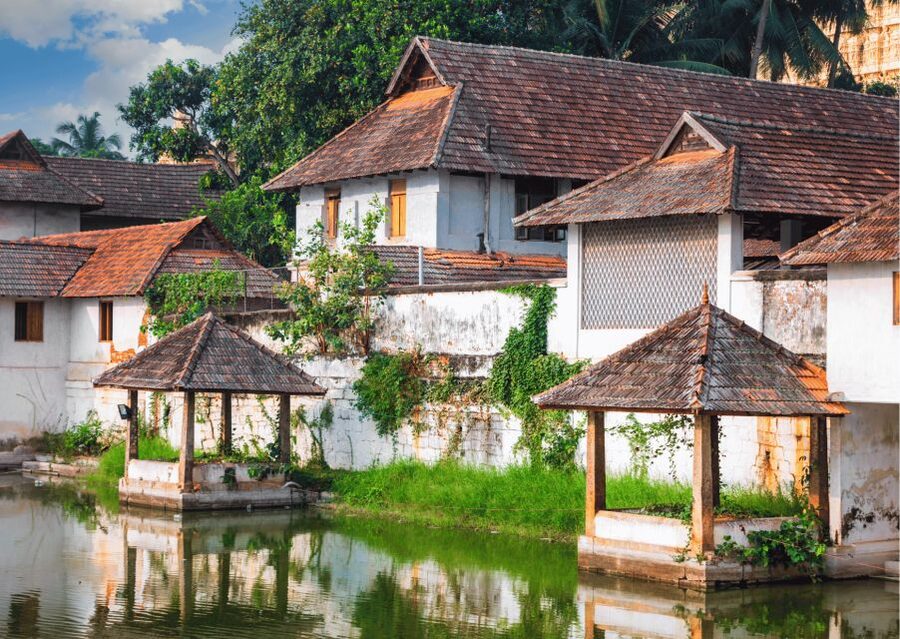
You may also see Padmatheertha Pond, a sacred water feature associated with the temple area. Sundara Vilasom Palace and West Fort are part of the wider setting described for the experience, while the named walking route includes Ananthankadu Sree Nagaraja Temple Trust, Kuthira Maliga Palace Museum, Methan Mani, and the Sree Padmanabhaswamy Temple area.
This opening section gives you useful orientation. The streets can feel confusing when you first arrive, especially if you are trying to work out which entrance belongs to which shrine. A local guide helps you understand the layout and the difference between a major public sight and a smaller place of worship.
The walk is not presented as a private palace tour with long indoor visits at every stop. Some places are visited properly, some are passed by, and some receive a shorter explanation. That variety keeps the two hours moving, but it also means the exact balance can change.
Ananthankadu Sree Nagaraja Temple Trust and quieter worship
Ananthankadu Sree Nagaraja Temple Trust is one of the less obvious stops. The name points to serpent worship, an important part of Hindu religious practice in Kerala. You are given roughly 30 minutes here, including a guided visit.
This is the kind of stop that gives the walk its value. On your own, you might pass a modest entrance without knowing its importance. With a guide, you can ask about the deity, customs, and the place of serpent shrines in local belief.
The atmosphere may be more intimate than at a major landmark. That can be a plus if you want to observe worship without the noise and crowds of a headline sight. It can also feel less visually dramatic if you expect grand architecture at every stop.
Be ready to follow local rules closely. Photography may not be allowed in some areas, and the guide will tell you when to put your camera away. One of the most useful parts of this tour is having someone explain those boundaries before you make an awkward mistake.
Kuthira Maliga Palace Museum and the royal connection

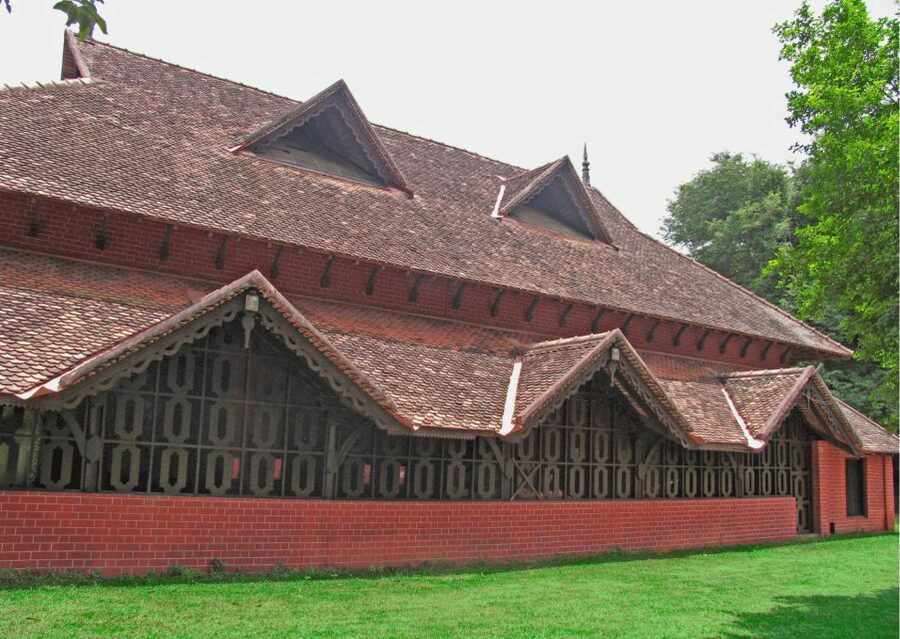
Kuthira Maliga Palace Museum, also known as Maharaja Swathi Thirunal Palace, was a former royal residence. Its name is linked with the carved wooden horses found around the palace, and the building adds a royal dimension to a walk otherwise centered on worship.
The visit is listed as a guided tour and walk, with some areas passed by. Allow around 30 minutes in the stated program. The palace helps explain how the former Travancore royal household was connected to the temple and the city around it.
I like this pairing of palace and shrine. It keeps the tour from becoming a string of religious sites without context. You begin to see that royal ceremony, music, administration, and temple life were not separate subjects in old Trivandrum.
The palace section may be brief, so plan your expectations accordingly. If your main goal is an extensive museum visit, you may want additional time here on another day. On this walk, the palace works best as part of a larger story.
A few more walking tours around India worth a look
- Fontainhas Heritage Walk by Make It Happen
★ 5.0 · 2,834 reviews - The Great Indian Food Tour: Old Delhi Food and Heritage Walk
★ 5.0 · 1,698 reviews - Spiritual City Walking Tour-THE Pushkar Route
★ 5.0 · 907 reviews - Old Goa Heritage Walk by Make It Happen
★ 5.0 · 797 reviews
Methan Mani, a small landmark with a useful pause
Methan Mani is a historic clock feature near the temple district. It is a compact stop, but it gives the guide a chance to explain the surrounding streets and landmarks before you continue.
This is also where the tour’s local focus becomes clear. You are not only being taken from one major monument to the next. The guide uses small details, street corners, and familiar city markers to help you read the area.
A stop like this may not justify a separate visit for most people. As part of a guided route, though, it breaks up the walk and gives you a recognizable point in the city. It is a reminder that Trivandrum’s character is found in small features as much as in its famous buildings.
Sree Padmanabhaswamy Temple and careful temple etiquette
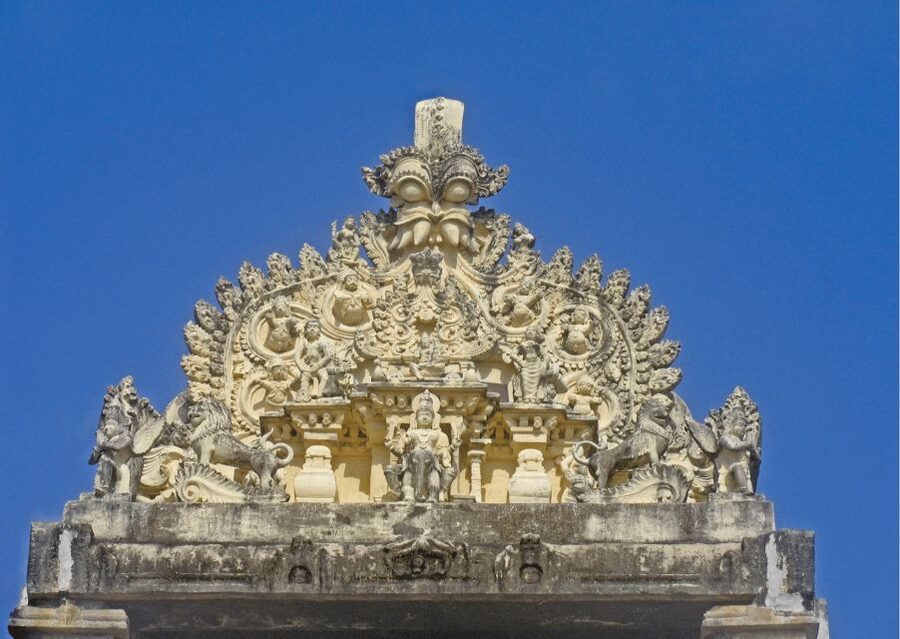
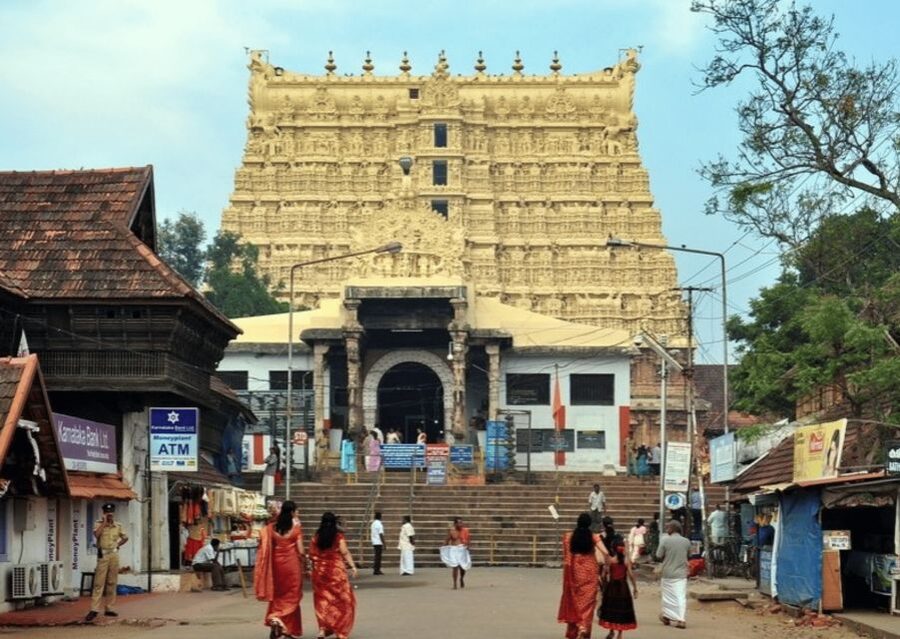
The Sree Padmanabhaswamy Temple is the best-known sight on the route and is widely considered one of the world’s richest temples. Its scale, religious importance, and connection with Travancore royalty make it the tour’s central landmark.
You should not treat it as a standard museum attraction. Temple access depends on religious rules, and visitors need suitable clothing. The supplied guidance specifically rules out short skirts, shorts, and sleeveless shirts. Comfortable, modest clothing is the safest choice, and you should expect to remove your shoes at temple sites.
The guide’s role matters here. Several people found it difficult to understand how to enter and move through the temple area alone. A guide such as Siddharth or Gokul can explain when to photograph, where not to take photographs, and how to behave during worship.
The route may include the temple itself or focus on the surrounding sacred area, depending on access and timing. The experience description names a guided visit, while some accounts describe visits to several smaller temples as well. For that reason, ask at booking or before setting out exactly which areas are open that day.
This stop is not just about architecture. You may see priests, hear bells, observe offerings, or encounter an active puja. These moments cannot be scheduled like a museum exhibit. The 5pm departure is particularly appealing because it can place you near evening worship and sunset, though the precise activity will vary.
Why the evening departure is worth considering
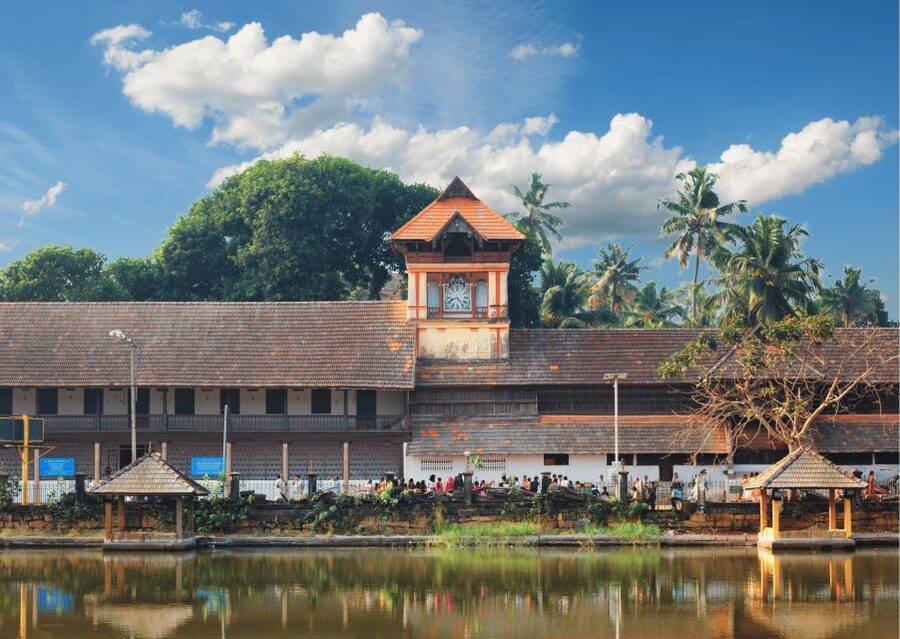
The tour lasts two hours, and an evening start around 5pm has received especially strong praise. The timing can bring cooler walking conditions, temple activity, sunset, and colored lights around the fort area.
Evening visits also show the district in a different mood. A shrine that looks quiet in daylight may be active during puja. Streets near the temples can feel more ceremonial, and the changing light gives palace walls and temple entrances a different appearance.
There is a practical tradeoff. Evening light is less useful for detailed architectural photographs, and crowds or ceremonies can affect the pace. You should see the timing as a chance to observe living worship, not as the best slot for a perfectly controlled sightseeing schedule.
What the guides add to the experience
The guide is the main reason to book this walk instead of following a map. The available guides include English and Hindi speakers, with names such as Siddharth, Gokul, Arunkumar, Hari, and Prijith appearing in the tour experiences.
The strongest pattern is patient, clear explanation. Guides have been praised for answering questions, adapting to a solo visitor or family group, and checking that everyone is comfortable. One guide stayed until the group had safely found an auto-rickshaw or taxi, which is a considerate touch after an evening walk.
You can expect help with temple etiquette, the meaning of different deities, the background of Kerala’s religious customs, and practical city advice. Guides also share food recommendations and tips for saving money while exploring Trivandrum.
The quality of a walking tour always depends partly on the individual guide and the day’s access. The repeated strength here is not a scripted performance. It is the human help: knowing where to go, when to be quiet, what not to photograph, and how to ask respectful questions.
Pace, clothing, and what to bring
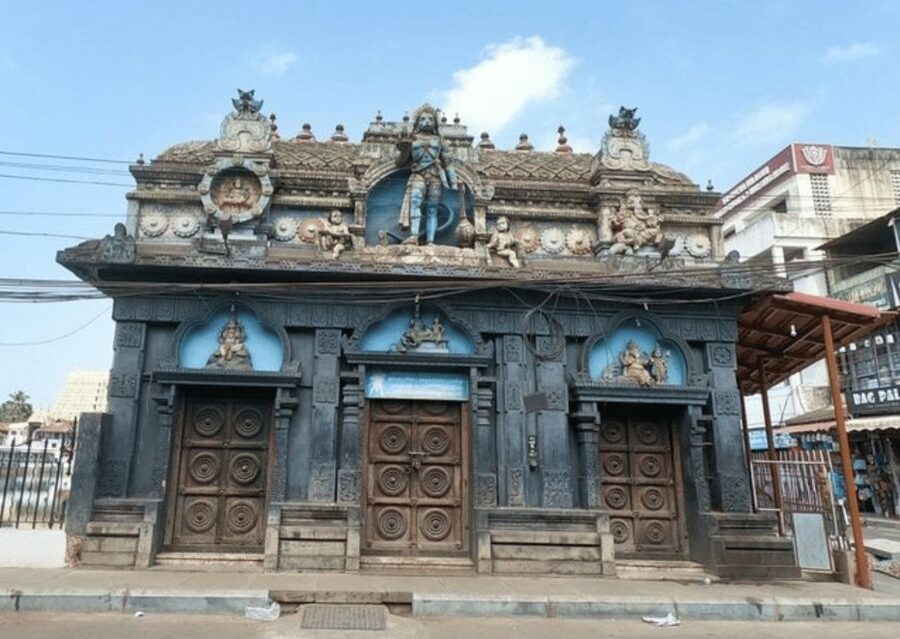
Two hours can cover a surprising amount of ground in the East Fort area, but you should not expect a leisurely palace stroll with long rests. The route includes walking between multiple religious sites, and some accounts describe seven or eight temples during the experience.
Wear comfortable clothes and shoes that are easy to remove. You may walk barefoot inside temple spaces, so avoid clothing that makes modest movement difficult. Do not bring short skirts, shorts, or sleeveless shirts.
Carry water. A bottle is not included, and the tour does not include food or drinks other than anything specifically mentioned by the guide. Some people have tried street food during the walk, but that should not be treated as a guaranteed inclusion.
Bring curiosity, not just a camera. Photography may be restricted in places, and the most meaningful parts of the walk can be a priest’s action, a quiet shrine, or an explanation of a custom that does not photograph well.
Is $14 good value?
At $14 per person, this is strong value for a two-hour guided introduction to Trivandrum’s temple district. You are paying for a local guide, access to lesser-known lanes and shrines, explanations in English or Hindi, and practical advice for the rest of your stay.
The value is highest if you would otherwise visit the Sree Padmanabhaswamy area without understanding what you are seeing. It is also useful for solo visitors who feel unsure about entering unfamiliar temples or following local rules.
The price is less compelling if you want a long palace museum visit, a food tour, or transportation between distant parts of the city. Hotel pickup, drop-off, water, and food are not included. This is a walking experience, so its worth depends on your interest in culture and worship rather than on the number of formal attractions checked off.
Free cancellation up to 24 hours before the tour and the option to reserve now and pay later make it easier to fit into a changing itinerary. Starting times vary, so check availability before planning your day.
Who should book this walk?
I would recommend it to first-time visitors who want context around Trivandrum’s best-known temple. It suits solo visitors especially well, since a guide can make the entrances, customs, and route less intimidating.
It is also a good choice for couples and families who want more than a quick photograph outside a temple. The style is conversational, and the guides make room for questions. You do not need prior knowledge of Hinduism.
I would hesitate to recommend it to someone who wants a purely secular architecture tour, a fast-paced photography walk, or guaranteed access to every named site. Temple schedules and rules can shape the route, and the spiritual focus is central to the experience.
Should you book the Spiritual Walk Tour?
Book it if you want to understand how Trivandrum’s temples, former royal family, streets, and daily customs fit together. The best reasons are the small shrines you may miss alone, the patient guidance through temple etiquette, and the chance to see worship as part of living city life.
Choose an evening departure if available, especially if you like sunset, temple lights, and active puja. Wear modest clothing, bring water, and expect to remove your shoes. At $14, this is an affordable way to get your bearings and gain a more thoughtful view of Trivandrum.
FAQ
Where does the Spiritual Walk Tour start?
The tour starts at East Fort in Thiruvananthapuram, Kerala.
Where does the tour finish?
It finishes at West Fort, Pazhavangadi, in Thiruvananthapuram.
How long does the tour last?
The stated duration is two hours.
What languages does the guide speak?
The live guide can speak English or Hindi.
What places are included?
The route includes East Fort, Ananthankadu Sree Nagaraja Temple Trust, Kuthira Maliga Palace Museum, Methan Mani, and the Sree Padmanabhaswamy Temple area. The wider experience also refers to Pazhavangadi Ganapathi Temple, Padmatheertha Pond, Sundara Vilasom Palace, and West Fort.
Is the Sree Padmanabhaswamy Temple included?
The temple is listed as a guided stop. Access can depend on temple rules and timing, so confirm the exact access arrangements when booking.
What should I wear?
Wear comfortable, modest clothing. Short skirts, shorts, and sleeveless shirts are not allowed.
Do I need to remove my shoes?
You should be prepared to remove your shoes at temple sites.
Is food or water included?
No. Hotel pickup and drop-off, water, and food or drinks are not included unless specifically mentioned.
Can I cancel the booking?
You can cancel up to 24 hours in advance for a full refund. The reserve-now, pay-later option is also available.
Just added around India
- Wine Tasting Experience At 150 Years Old Indo-Portuguese House★ 5.0 · 269 reviews
- Fontainhas Heritage Walk At Latin Quarters of Goa★ 5.0 · 531 reviews
- The Goan Hinterland Experience in South Goa★ 5.0 · 112 reviews
- Food And Drink Walking Tour In Panjim★ 5.0 · 286 reviews
- Private Aguada Jail Heritage Walk Tour★ 5.0 · 102 reviews
- Georgetown heritage walking tour in Chennai about the founding of Chennai★ 5.0 · 144 reviews
- Gods of Mylapore walking tour- tourism ministry approved company★ 5.0 · 267 reviews
- Mahabalipuram walking tour by tourism ministry approved company★ 5.0 · 102 reviews
Walking Tours, compared.

Magical London: Harry Potter Guided Walking Tour
Read our review →
Reykjavik Food Walk – Local Foodie Adventure in Iceland
Read our review →
History and Hauntings of Salem Guided Walking Tour
Read our review →
New Orleans Premier Ghost, Voodoo and Vampire Walking Tour
Read our review →
Amsterdam Anne Frank: Small-Group Walking Tour & Local Guide
Read our review →

Edinburgh Castle: Guided Walking Tour with Entry Ticket
Read our review →
Anne Frank’s Story – Guided Walking Tour through Amsterdam
Read our review →Browse the lists this tour appears in