
REVIEW · BARCELONA
Barcelona: Picasso Walking Tour with Picasso Museum Tickets
Picasso’s Barcelona story begins before the famous Cubist paintings. This two-hour visit takes you through the Picasso Museum’s early works, Blue and Rose Period galleries, Cubist pieces, ceramics, and sculptures, with time to consider how a young artist kept changing his methods.
I like the small groups of up to eight and the chance to enter without waiting in the ticket line. I also like the freedom of the self-guided museum visit. The main catch is important: even with the guided option, the outside guide gives a briefing for about 30 minutes, then leaves you with the ticket for roughly 90 minutes inside.
Key points to know
- Picasso’s development is the main story: See how his style shifts from youthful studies to the Blue Period, Rose Period, and Cubism.
- The museum visit is mostly self-guided: The guide does not accompany you inside, so consider using an audio guide for context.
- The guided option begins outdoors: You receive a neighborhood briefing and ticket assistance before entering the museum.
- Tickets-only means exactly that: You get admission, but no guide or explanation.
- The $37 price depends on what you value: It can make sense for skip-the-line entry and help at the door, but less so if you only want a museum ticket.
- Pack light and wear good shoes: Food, drinks, pets, luggage, and large bags are not allowed.
Picasso’s Barcelona story begins with his early work
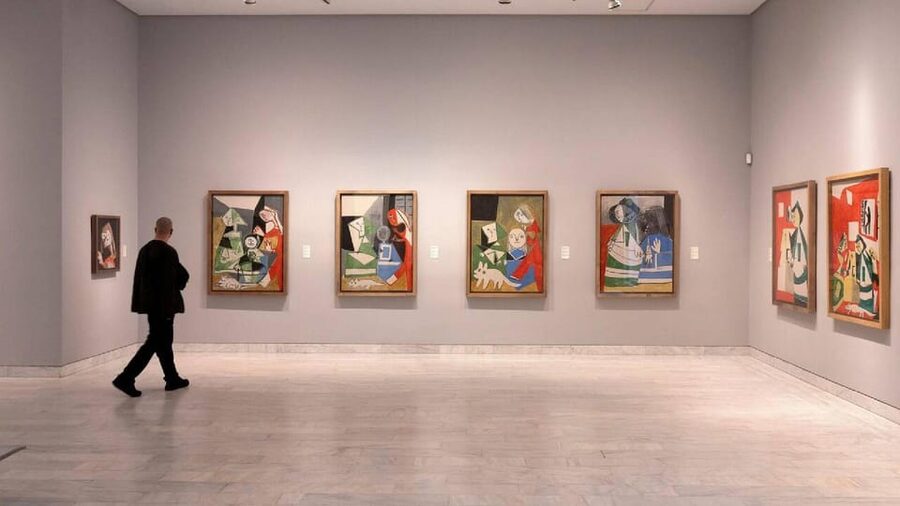
The Museu Picasso is a good place to meet Picasso before the familiar fractured faces and bold Cubist forms. Start with paintings, sketches, and drawings from his youth. These works let you see the artist learning, copying, testing, and changing before he became one of the best-known names in modern art.
That sequence matters. Picasso did not wake up one morning and invent Cubism out of nowhere. As you move through the museum, look for changes in line, color, subject, and mood. The early rooms give you a visual record of an artist finding his way.
The museum also includes paintings, drawings, sculptures, and ceramics. That range is useful because Picasso treated art as an ongoing experiment. You are not looking at one repeated formula. You are seeing a person who kept trying new materials and new ways to show the world.
If you are new to Picasso, take your time in these first galleries. The early work may feel more familiar and easier to read than the later pieces. It gives you a firm starting point before the style becomes more radical.
More Museum Visits in Barcelona:
- Barcelona: Picasso Museum Entry, Digital Guide & Born Walk
★ 3.6 · 148 reviews - Acropolis monuments & Parthenon Walking Tour with Optional Acropolis Museum
★ 5.0 · 2,678 reviews - Frida Kahlo VIP [Museum Tickets Included] Walk, Markets & Churros
★ 5.0 · 982 reviews
The Blue Period asks you to slow down
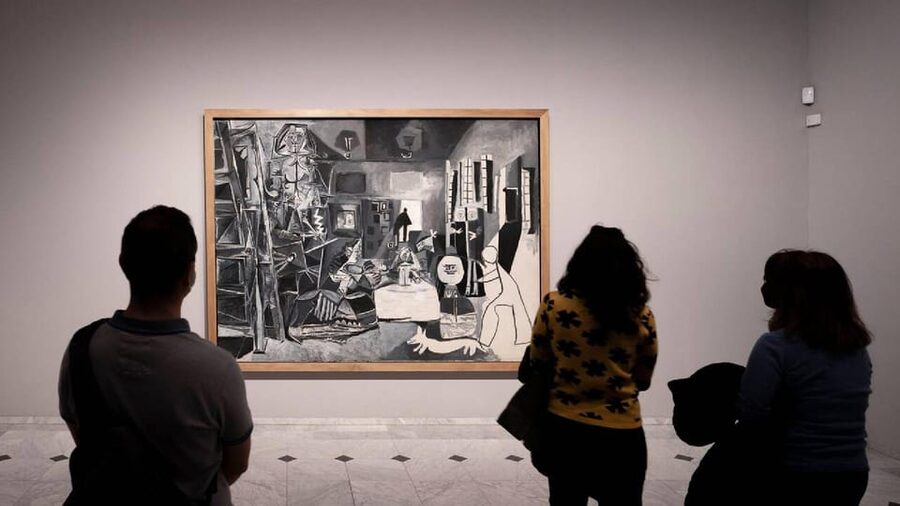
The Blue Period collection brings a sharp change in mood. Picasso’s use of blue tones creates a cool, sorrowful feeling, and the subjects include poverty, injury, and loneliness.
Here, color is not just decoration. It shapes the emotional weight of the work. Spend a few extra minutes looking at how much Picasso can suggest with a limited range of blues. Notice the thin figures, quiet faces, and heavy atmosphere.
This section can be difficult for younger children or anyone hoping for a light museum visit. It is also one of the clearest places to see how style and subject work together. The paintings are not simply blue because Picasso liked the color. The color helps tell you how to feel.
An audio guide may be especially useful in this part of the museum. The visit is self-guided, and the guide outside does not explain individual works once you enter. If you want dates, background, and help connecting the paintings to Picasso’s life, an audio guide can make the rooms easier to understand.
The Rose Period brings lighter colors and new characters
The Rose Period shifts the tone. The colors become warmer and brighter, and the subjects move toward love, happiness, circus performers, and harlequins.
The change is easy to notice after the Blue Period. Picasso’s subjects may still feel thoughtful, but the paintings have a different emotional temperature. The circus figures also show how Picasso could take familiar characters and use them to explore posture, costume, expression, and movement.
I like this part of the museum because it makes Picasso’s development visible without needing a long lecture. You can compare one gallery with the next and see how color affects the entire mood of a painting.
Look closely at the performers and harlequins. Their costumes offer strong shapes and patterns, while their poses can seem both theatrical and lonely. This is a good section for anyone who wants to understand Picasso’s artistic changes in a direct, visual way.
Cubism changes how you read a picture
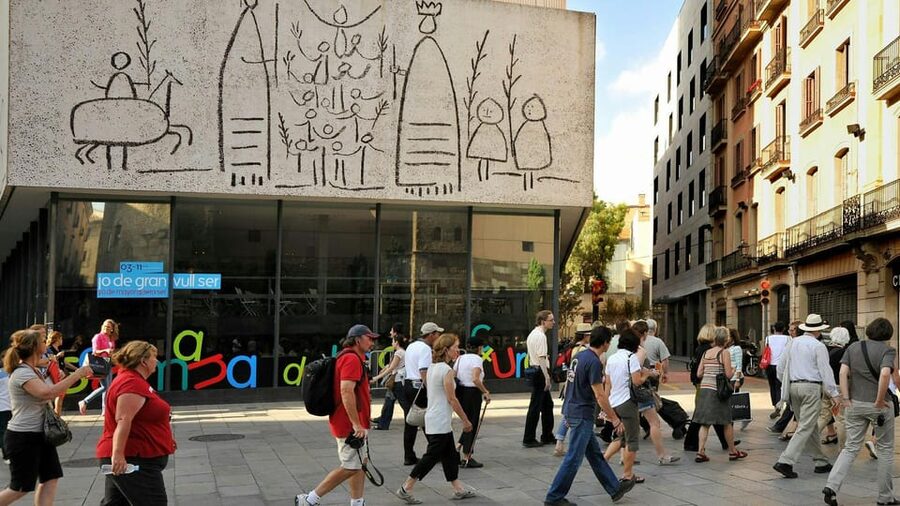
The Cubism exhibition is likely to be the museum’s biggest challenge for first-time visitors. Picasso’s Cubist works use geometric forms, broken-up shapes, and more than one viewpoint at a time.
Instead of showing a person or object from one fixed angle, Cubism can suggest several angles in one image. A face may appear divided. A body may be rearranged. Familiar objects become collections of planes and shapes.
You do not need to solve every painting. Start by asking simple questions. What can you identify? Which parts look as if they are seen from the front, side, or above? How has Picasso taken a recognizable subject apart and put it back together?
This is also where the value of an audio guide becomes clear. The museum visit does not include a guide inside, even when you pay for the guided option. Written labels and an audio guide can provide the extra structure you need.
Give yourself enough time here. Cubist works often reward a slower look, but the two-hour schedule includes the outdoor briefing if you select that option. If you want to examine every major gallery at length, you may need to keep moving.
More Entry Tickets in Barcelona:
- Edinburgh Castle: Guided Walking Tour with Entry Ticket
★ 4.7 · 11,699 reviews - Beijing: Forbidden City Tour(Group/Private)-Tickets Included
★ 4.8 · 7,974 reviews - Edinburgh Castle: Guided Walking Tour with Entry Ticket
★ 5.0 · 5,540 reviews - Milan: Guided Walking Tour & Last Supper Visit with Ticket
★ 4.7 · 5,409 reviews
Sculpture and ceramics show Picasso in three dimensions
The sculpture and ceramics sections prevent the visit from becoming a parade of paintings. They show Picasso thinking through shape, volume, texture, and materials.
Sculpture asks you to walk around the work and see how it changes from different angles. That connects naturally with Cubism, where the idea of multiple viewpoints is so important. Ceramics add another side of Picasso’s practice, with objects that feel more tactile and direct than a drawing or painting.
These rooms are particularly useful if you already know Picasso mainly through his paintings. You get a broader view of his working habits and his interest in turning everyday materials into art.
Do not rush past these pieces simply because the famous paintings receive more attention. The sculptures and pots help explain Picasso as an artist who wanted to test ideas in different forms.
The studio offers a glimpse of his working process
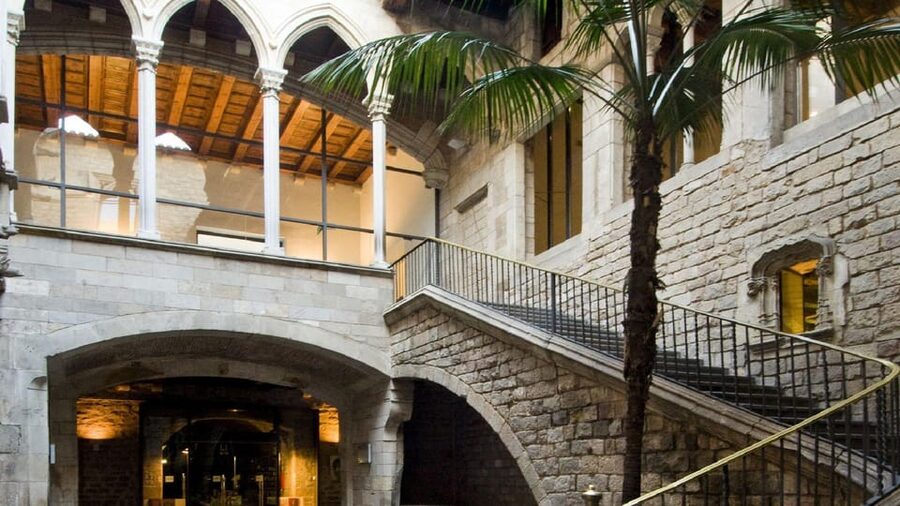
The Picasso workshop provides a look at the creative space connected with his work. It is less about one famous finished image and more about the process behind the art.
This stop can help you think about how ideas move from a studio into a finished painting, drawing, sculpture, or ceramic object. For art lovers, that connection between the working space and the gallery is valuable. You are given a chance to consider not just what Picasso made, but how he may have developed his ideas.
The information provided does not specify how long you will spend in the workshop, so treat it as one part of the museum route rather than a separate tour. Your available museum time is about 90 minutes after the outside briefing if you select the guided option.
The outdoor guide is useful, but know the limits
The guided option can help you get your bearings in the area and understand why this part of Barcelona matters to Picasso. The guide speaks English or Spanish, and the group is limited to eight people.
But the arrangement is not a guided museum tour. The outside guide meets you at the Picasso Museum, gives a briefing lasting about 30 minutes, helps with the tickets, and then does not enter the museum with you.
That distinction should shape your booking decision. If you want help finding the meeting point, entering smoothly, and getting a short introduction to the neighborhood, the guided option may be useful. If you want a guide standing beside you to explain each painting, this experience will not provide that.
The tickets-only option is simpler. You receive entry and explore independently, with no guidance. It may suit you if you already know the museum or prefer to read labels and move at your own pace.
Is $37 a fair price?
At $37 per person, the value depends on the option you choose and the importance you place on convenience. The fee includes museum entry. The guided option also includes the outside guide and ticket assistance, but not a guided museum visit.
For someone who dislikes ticket lines or wants a short introduction before entering, the price can be reasonable. A small group of eight is also more manageable than a large walking group. You are not being herded through every room, and after entry you control your pace.
For a confident museum visitor, tickets-only may feel expensive if the admission could be purchased for less elsewhere. The experience is not built around extra access inside the galleries. Its main practical benefit is arranging entry and, with the guided option, giving you a short orientation.
I would compare the price with the value of your time. If missing the museum or spending part of your morning sorting out tickets would cause trouble, the convenience may justify the cost. If you are happy to arrange admission yourself and want expert commentary in every gallery, this is probably not the best match.
Timing, meeting point, and what to carry
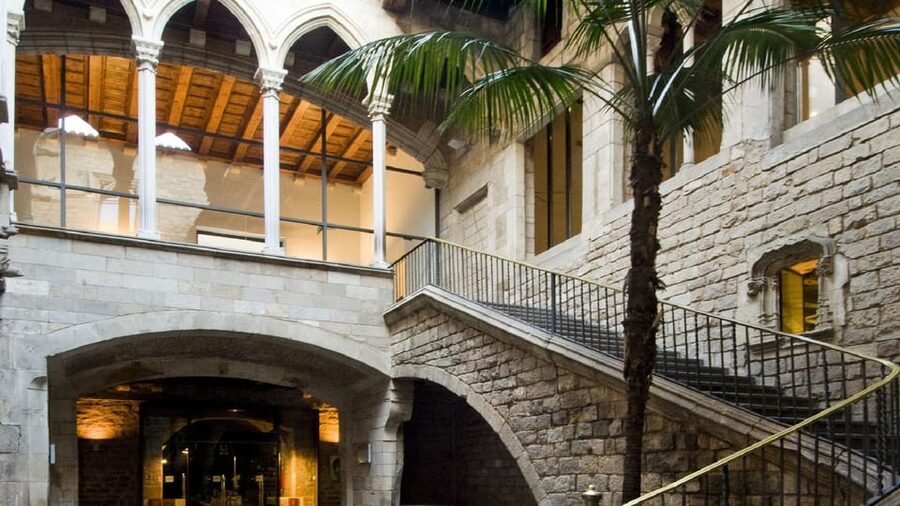
You meet at the Picasso Museum in Barcelona. No hotel pickup or drop-off is included, so you must make your own way to the meeting point.
Wear comfortable shoes and comfortable clothes. The experience includes walking around the neighborhood before the museum for those selecting the guided option, followed by gallery time on foot. The tour lasts about two hours, though the exact starting time depends on availability.
The museum does not allow pets, food, drinks, luggage, or large bags. Pack lightly. A small day bag is the safer choice, but the provided information does not state the exact size limit, so avoid arriving with bulky belongings.
The experience is not suitable for wheelchair users or people with mobility impairments. If walking or standing for the full visit could be difficult, you should choose another museum arrangement.
A serious booking warning to keep in mind
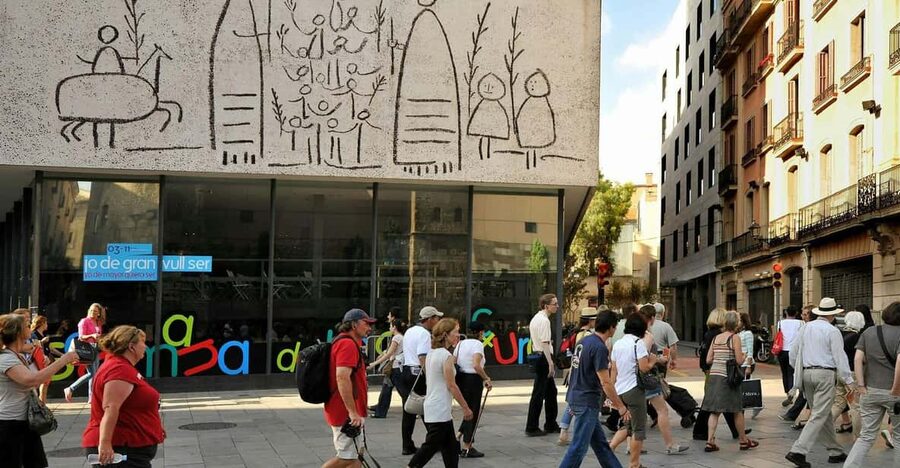
There have been recent booking problems connected with this experience. One booking was canceled the day before because the museum was closed on the selected date. Another person reported receiving no tour or guide and paying more than expected for museum tickets.
Those reports do not tell you that every booking will go wrong, but they do give you a practical job before paying. Check the selected date, opening status, option name, and meeting instructions carefully. If you choose tickets-only, do not expect a guide. If you choose the guided option, confirm that the description still says the guide provides only the outside briefing.
The experience includes free cancellation up to 24 hours before the start time, and you can reserve now and pay later. Those terms offer some flexibility, but they do not replace checking the date and what your selected option actually includes.
Who will enjoy this Picasso visit most?
This experience suits an art lover who wants a clear route through Picasso’s changing styles and prefers to explore independently. It also works for a history-minded visitor who values a short neighborhood introduction before entering the museum.
It is less suitable if you expect a full walking tour with a guide inside the galleries. It is also a weak choice for anyone who needs wheelchair access or wants to bring a large bag.
Families can make good use of the self-guided format because you can move on when attention fades. Still, the Blue Period’s sad subjects and Cubism’s difficult forms may require explanation. An audio guide can help, particularly if you are not familiar with Picasso.
Should you book the Picasso Museum experience?
Book it if you want skip-the-line entry, a small-group introduction outside the museum, and the freedom to study Picasso on your own. The strongest part is the collection’s clear progression from early work through the Blue Period, Rose Period, Cubism, sculpture, and ceramics.
Skip it if you want a guide beside you inside the galleries or if you are only seeking the cheapest museum admission. Before confirming, check the date, choose between tickets-only and the outside briefing, and remember that your 90 minutes inside will be self-guided. For the right visitor, $37 buys useful convenience. For everyone else, it may be a costly way to purchase a ticket.
FAQ
Where does the Picasso walking tour meet?
You meet at the Picasso Museum in Barcelona. Hotel pickup and drop-off are not included.
How long does the experience last?
The stated duration is two hours. If you select the guided option, about 30 minutes is used for the outside briefing, followed by roughly 90 minutes inside the museum on your own.
Is the museum visit guided?
No. The museum visit is self-guided. The outside guide does not accompany you inside, even when you select the guided option.
What does the guided option include?
The guide provides a briefing outside the museum, offers information about the area, and helps you enter with your tickets. The guide then leaves before your museum visit begins.
What happens if I choose tickets-only?
You receive entry tickets without guidance. You must complete the museum visit independently.
What languages are available?
The live guide option is available in English and Spanish. An audio guide may be needed for detailed explanations of the artworks inside.
Can I bring food, drinks, pets, or large luggage?
No. Pets, food, drinks, luggage, and large bags are not allowed.
Is the experience accessible for wheelchair users?
No. The experience is not suitable for wheelchair users or people with mobility impairments.
Just added around Barcelona
- Barcelona Walk Like a Local: El Born & Gothic 15+ Sights★ 4.9 · 88 reviews
- Barcelona: Gothic Quarter Walking Tour w/ Montjuïc Cable Car★ 4.4 · 90 reviews
- Barcelona: Ramblas, Old Town & Gaudí Houses Walking Tour★ 4.9 · 239 reviews
- Barcelona: Old Town Private Walking Tour of Past and Present★ 5.0 · 160 reviews
- Barcelona: Private Walking Tour with a Local★ 4.5 · 202 reviews
- Barcelona: Jewish Quarter 2-Hour Walking Tour★ 4.8 · 333 reviews
- Barcelona: Gothic Quarter Walking Tour with 10+ Attractions★ 5.0 · 369 reviews
- Barcelona: Hidden Gems Walking Tour Including 10+ Sights★ 4.9 · 121 reviews
Museums, compared.

Acropolis monuments & Parthenon Walking Tour with Optional Acropolis Museum
Read our review →![Frida Kahlo VIP [Museum Tickets Included] Walk, Markets & Churros](https://2.thewalkingtraveler.com/wp-content/uploads/frida-kahlo-vip-museum-tickets-included-walk-markets-churros-400x267.jpg)
Frida Kahlo VIP [Museum Tickets Included] Walk, Markets & Churros
Read our review →
French Quarter Walking Tour With Comp 1850 House Museum Admission
Read our review →
Sydney Cricket Ground (SCG) and Museum Walking Tour
Read our review →
Bogotá City Tour with Monserrate, Gold and Botero Museums
Read our review →
Dresden: Guided Walking Tour and Chocolate Museum Ticket
Read our review →
Cold War, Berlin Wall, Spies and the East Side Gallery
Read our review →Browse the lists this tour appears in