
REVIEW · CROATIA
Pula: Historic Walking Tour with Local Guide & City Views
Pula’s Roman Amphitheatre is only the opening chapter here. You’ll begin beneath the wooden roof at the Arena entrance, then follow old streets toward Roman gates, the farmer’s market, and Forum Square. The most interesting detail is that the amphitheatre had uses far beyond gladiator contests.
I like the local focus. Marina can shape the walk around food, daily life, culture, or nature instead of giving every group the same fixed speech. I also like the small-scale feel: a private group is available, and one family group of seven, including a friendly young child, found the pace easy and enjoyable.
The main limitation is language. The tour is offered in German, so it is a good choice only if you can follow German comfortably. Entrance fees are not included, and the exact walk may last from 90 minutes to two hours.
Key points to know before booking
- The Arena is the starting point: Meet at the entrance to Pula’s Roman Amphitheatre, under the wooden roof.
- The route links several periods: You’ll see Roman gates, the farmer’s market, Forum Square, the Temple of Augustus, and the Venetian city hall.
- Marina brings 18 years of Istrian guiding experience: She specializes in German-language tours and can adapt the conversation to your interests.
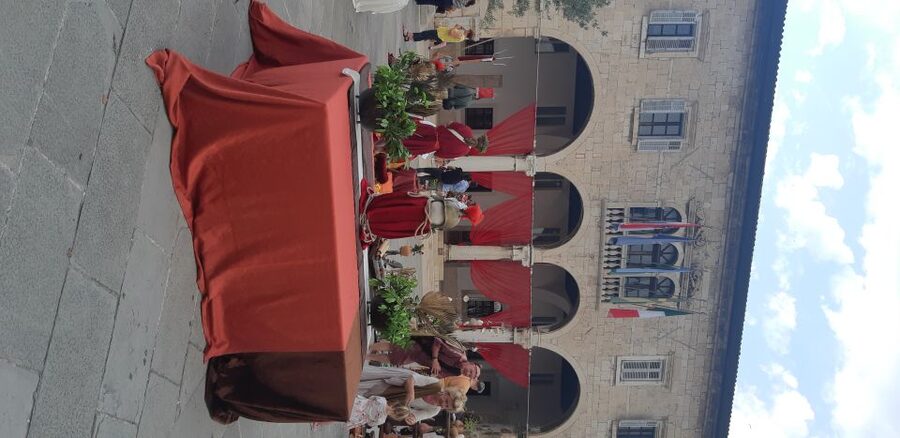
- The market adds a local touch: You’ll see where Istrian produce is bought and sold, with food and cooking forming part of the discussion.
- The tour is more flexible than a standard city walk: You can ask about local life, culture, nature, or cuisine.
- The practical terms are friendly: The tour costs $29 per person, lasts 90 minutes to two hours, is wheelchair accessible, and allows cancellation up to 24 hours before the start for a full refund.
Starting beneath Pula’s Roman Amphitheatre
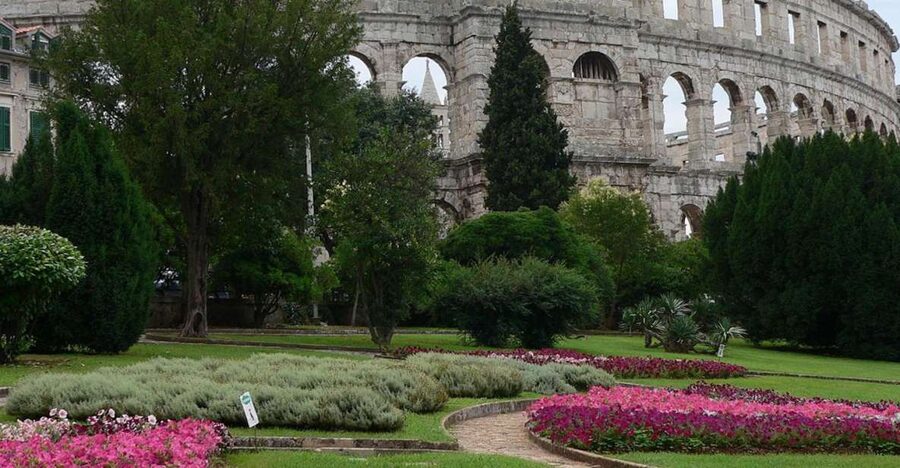
The meeting point is simple once you know what to look for: the entrance to the Arena, under the wooden roof. This matters because the amphitheatre is Pula’s clearest landmark, but a large site can still have several approaches and entrances. Arrive with the meeting wording in hand so you do not waste the first minutes searching.
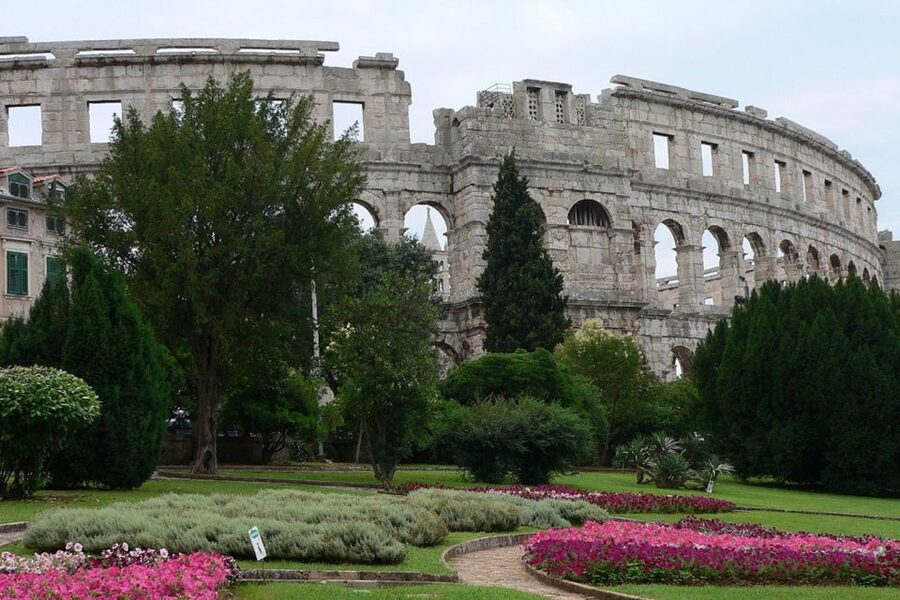
Marina begins with the building itself. You’ll learn why it was built and how it was used, including functions that went beyond gladiator games. That wider explanation gives the Arena more weight than a quick photo stop. You are not just looking at an enormous oval of Roman stone. You are using it as a way into Pula’s changing public life.
The tour description allows for the choice of visiting inside the Arena, but entrance fees are not included. That gives you a useful decision to make before the walk begins. If you want a closer look at the amphitheatre, ask about the current entrance arrangements and cost. If you prefer to keep the tour moving, you can admire the exterior and spend more time in the streets and squares.
I like this flexible start because it respects different interests. Some people want archaeological detail and a proper look around the monument. Others have already seen enough ancient stone and would rather hear about food, local customs, or the city’s modern character.
More History Walking Tours in Croatia
- Dubrovnik Old Town History Walking Tour
★ 5.0 · 1,684 reviews - Dubrovnik: Ancient City Walls & Wars Walking Tour
★ 5.0 · 1,270 reviews - Zagreb: City and WWII Tunnels Walking Tour
★ 4.9 · 1,230 reviews
Three Roman gates and the stories in their stone
From the Arena, the route leads into older parts of Pula. The city still has three Roman gates: the Twin Gates, Hercules Gate, and Sergii Gate. Each offers a compact lesson in how Roman cities marked entrances, controlled movement, and displayed civic identity.
The value here is in the details. These gates are not just decorative arches placed along a sightseeing route. Their preserved features give Marina a chance to explain the people and events connected with them. Look closely as you walk. Small carvings and architectural details can turn a short pause into a useful bit of context.
The Twin Gates are especially helpful for understanding the connection between Pula’s Roman remains and later city life. Hercules Gate brings another layer of story through its name and surviving form. Sergii Gate, with its polished appearance and grander feel, shows how a city could use architecture to honor a family or public figure.
You do not need to memorize every date to enjoy this section. The better question is how much of ancient Pula remains part of the working city. The gates are woven into ordinary streets rather than isolated at the end of a museum visit. That makes the walk feel like an introduction to a living town, not a march between disconnected ruins.
The route is also a good reason to wear comfortable shoes. The supplied details do not specify the exact street surface or any steep sections, so I would avoid assuming the walk is effortless for every mobility level. It is wheelchair accessible, but anyone who needs precise information about slopes, paving, or turning space should ask before booking.
The farmer’s market and Istria on a plate
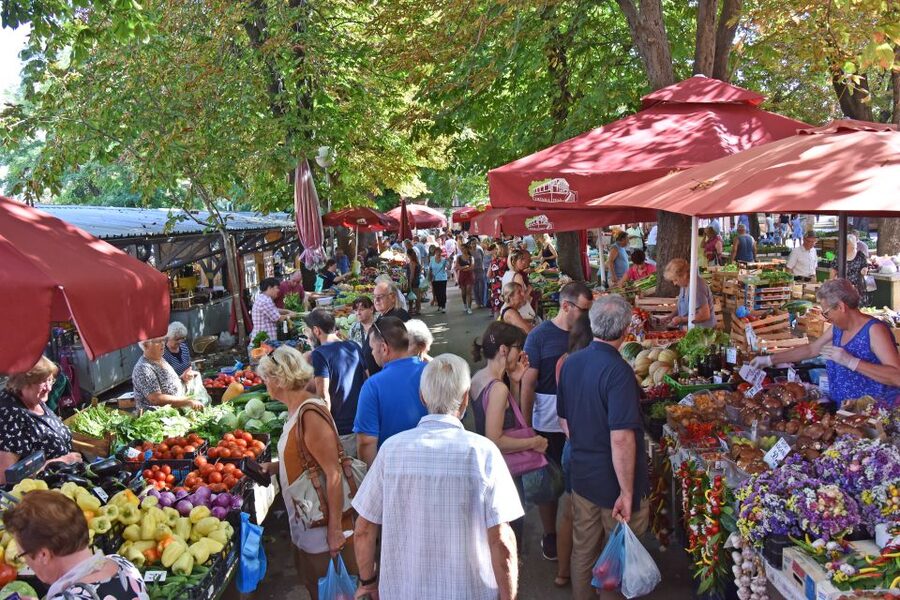
The Pula farmer’s market is one of the most personal parts of the walk. This is where local people buy and sell products native to Istrian soil. It gives you a practical look at the region through ingredients rather than monuments.
Marina is a passionate cook, and food is one of her stated interests. That makes the market more than a quick pass through produce stalls. You can ask about local ingredients, cooking, and the way food connects to everyday life in Istria. The conversation can be tailored, so tell her early if cuisine is one of your main reasons for booking.
I like this stop because markets show how a place feeds itself and what it takes pride in producing. A monument tells you what a city once built. A market can tell you what people still buy, prepare, and share.
Keep your expectations practical. This is a guided city walk, not a food tour with stated tastings or included samples. No food purchases or tastings are listed, so budget separately if you want to buy something. The market is useful for orientation and conversation, but you should not book this experience expecting a meal.
The market also connects naturally with the next stop. Trade has shaped Pula for centuries, and the route moves from the place where people shop today to the square that served as the public heart of Roman Pula.
Forum Square, the Temple of Augustus, and the city goat
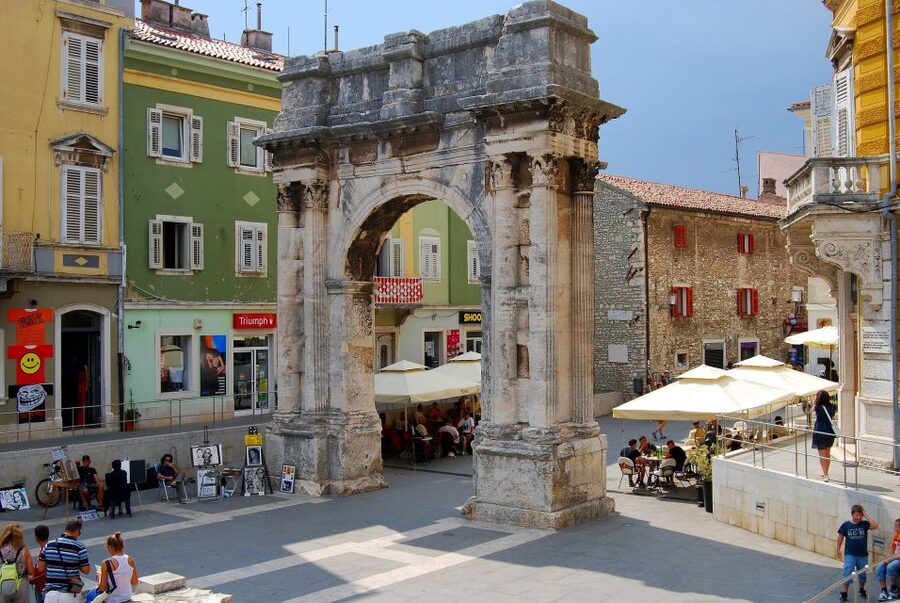
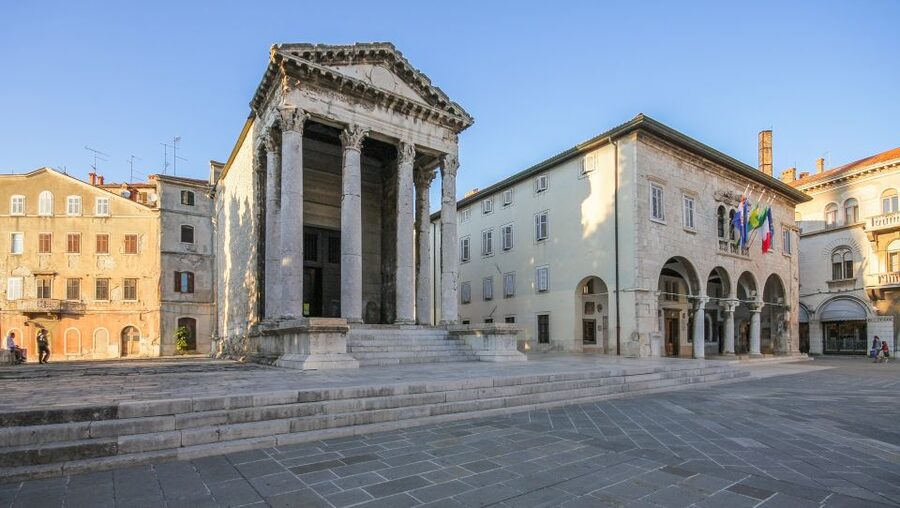
Forum Square brings several threads together. In Roman times, it was a central public area and a place linked with trade. Today, you’ll see remains of the Temple of Augustus alongside Pula’s Venetian city hall.
That pairing is one of the strongest parts of the route. In a few steps, you can read different chapters of the city without needing a separate museum visit. The Roman temple points back to imperial Pula. The Venetian city hall shows the mark of a later power and a different political era.
Marina also explains why there is a goat on the regional flag. It is a small detail, but these are often the facts that stay with you after a tour. A flag symbol gives you a way to remember Istria as a region, while the temple and city hall help you place Pula within its wider past.
This is where the guide’s flexibility matters most. You can ask about architecture, local government, food, regional identity, or the way old buildings remain part of daily life. The tour is not limited to a list of dates. It can become a conversation about why Pula looks and feels the way it does.
The Forum is also a good final anchor because it leaves you near several major city sights. The information provided does not promise extra stops or a return to the Arena, so ask Marina where the walk will finish if you are coordinating dinner, transport, or another timed activity.
Same streets, a different route:
- Dubrovnik: Old Town Walking Tour
★ 4.8 · 5,174 reviews - Dubrovnik: The Original Game of Thrones Tour & Lokrum Option
★ 4.8 · 5,064 reviews - Split: Old Town and Diocletian Palace Walking Tour
★ 4.9 · 4,727 reviews - Dubrovnik Discovery Old Town Walking Tour
★ 5.0 · 4,458 reviews
Marina’s guiding style and the question of Veronika
The experience identifies Marina as the guide. She has worked as a licensed guide in Istria for more than 18 years and specializes in German-speaking groups. That is useful if you want more than basic translation. Her professional focus is the region, not only Pula’s headline monuments.
The available feedback also includes praise for a guide named Veronika. Since both names appear in the supplied information, I would confirm the assigned guide when booking. The important practical point is that you should expect a German-language guide, but the individual guide may depend on the date and availability.
The strongest qualities attached to the guiding are clear explanations, time for questions, and an entertaining pace. One family group of seven, with a small child, found the walk easy to enjoy. Another participant appreciated being able to decide whether to enter the Arena. Those details suggest a guide who listens rather than rushing through a fixed script.
I especially value the repeated emphasis on explanations and questions. Pula can be confusing if you only collect isolated facts. Roman remains, Venetian buildings, regional symbols, and modern market life make more sense when someone connects them for you.
Still, the exact feel will depend on the group and the conversation. A private group gives you more control, but a standard booking may be less tailored. If you have a particular interest, say Roman engineering, local food, regional identity, or family-friendly pacing, raise it at the start.
What $29 buys you in Pula
At $29 per person, this is a reasonably priced way to organize your first look at central Pula. You are paying for a 90-minute walking tour with a local guide, not for admission to the Arena or other sights.
The value depends on how much context you want. If you are happy to read signs and walk between monuments on your own, you may prefer to save the fee. If you want the gates, market, Forum, temple, and city hall tied together by one local voice, $29 is easier to justify.
The flexible length matters. The stated duration is 90 minutes to two hours, while the included description calls it a 1.5-hour tour. In practice, you should allow closer to two hours in your schedule, especially if you ask questions or spend time discussing the market and food.
The price is also easier to assess if you think of the walk as an orientation. A good first visit can help you decide which places deserve a longer return visit. The tour does not include transport, meals, or entrance tickets, but its low cost leaves you free to choose those extras rather than paying for things you may not want.
The reserve-now-and-pay-later option adds flexibility. You can hold a place without paying immediately, and cancellation is free up to 24 hours before the start for a full refund. That is helpful when weather or a changing Pula schedule is a concern, though you should still check the exact booking terms at checkout.
Who will get the most from this walk
This tour suits you best if you want a personal introduction to Pula rather than a long archaeological lecture. It works particularly well for:
- German-speaking visitors who want a licensed local guide.
- First-time visitors who want the main historic sights connected in one route.
- Food-minded visitors who want the farmer’s market and Istrian cooking included in the conversation.
- Families or small groups that prefer questions and flexible discussion.
- Visitors who want to understand how Roman and Venetian remains fit into the modern city.
- Wheelchair users who need an accessible tour option, while still confirming the exact street conditions in advance.
It may not suit you if you need a fully fixed schedule, an English-language tour, included entrance tickets, or a dedicated tasting experience. It is also not the right pick if your priority is a long interior visit to the Arena. The amphitheatre can be part of the experience, but admission is separate and the walk continues through the city.
Practical details that affect your day
The tour is offered in German. That is the main booking check, and it should come before the price or meeting point. If more than one person in your party has limited German, ask whether another language or arrangement is possible, since only German is specified here.
The tour is wheelchair accessible. Because the exact route and street conditions are not described, ask about paving, slopes, and access to any optional interior areas if those details matter to you.
A private group is available. This is worth considering if you are traveling with family, want to focus heavily on food or local life, or need a slower pace. A private format can also make it easier to decide whether to spend more time around the Arena or move quickly to the market.
Allow at least 90 minutes, and preferably up to two hours. Do not schedule another activity too tightly after the walk. The meeting point is at the Arena entrance under the wooden roof, and entrance fees are separate.
The tour provider is Acta Est Fabula. The experience has a 4.8 rating from 214 submitted ratings, which fits the practical strengths described here: clear explanations, an engaging pace, time for questions, and useful local tips.
Should you book the Pula historic walking tour?
Book it if you want Pula explained by a German-speaking local guide, with the Arena, three Roman gates, the market, Forum Square, the Temple of Augustus, and Venetian city hall joined into one manageable walk. The farmer’s market and the story of the goat on the regional flag add the sort of local details that a self-guided route can easily miss.
I would be especially inclined to book if you are visiting Pula for the first time, traveling as a family or small group, or interested in food as much as architecture. Confirm the assigned guide, since both Marina and Veronika appear in the supplied information, and decide in advance whether you want to pay separately to enter the Arena.
Skip it if you need English, want an included meal or tasting, or plan to spend most of your time inside the amphitheatre. For German-speaking visitors seeking a flexible introduction to Pula, $29 is a fair price for a focused local walk with room for questions.
FAQ
Where does the Pula walking tour meet?
Meet at the entrance to Pula’s Roman Amphitheatre, under the wooden roof.
How long does the tour last?
The tour lasts 90 minutes to two hours. The included tour description specifies 1.5 hours.
What language is the tour offered in?
The live tour guide language is German.
Is the Roman Amphitheatre entrance included?
No. Entrance fees are not included. You can ask whether you want to visit the Arena as part of your time in Pula.
What sights are included on the walking route?
The route includes Pula’s Roman Amphitheatre, the Twin Gates, Hercules Gate, Sergii Gate, the farmer’s market, Forum Square, the Temple of Augustus, and the Venetian city hall.
Is the tour wheelchair accessible?
Yes, the activity is listed as wheelchair accessible. The exact street conditions and access to optional interior areas are not specified.
Can I book a private group?
Yes. A private group option is available.
Who is the named guide?
Marina is identified as a licensed Istrian guide with more than 18 years of experience who specializes in German-speaking groups. The supplied information also names Veronika in connection with one of the tour experiences, so confirm the assigned guide when booking.
How much does the tour cost?
The price is $29 per person. Entrance fees are separate.
Can I cancel the booking?
Yes. You can cancel up to 24 hours in advance for a full refund.
Do I have to pay when I reserve?
No. The reserve-now-and-pay-later option lets you hold your plans without paying immediately.
Just added around Croatia
- Dubrovnik Jewish Heritage Private Walking Tour★ 5.0 · 121 reviews
- Game of Thrones Cruise And Walking Tour Karaka Dubrovnik★ 5.0 · 401 reviews
- Dubrovnik’s Old Town Walking Tour★ 5.0 · 96 reviews
- Dubrovnik Old Town: Small-Group Walking Tour With A Local★ 5.0 · 123 reviews
- Early Bird Dubrovnik History Tour – 7:30 Start★ 5.0 · 198 reviews
- Dubrovnik Old Town Walking Tour★ 4.5 · 186 reviews
- Dubrovnik City Tour: Panorama Drive & Sightseeing Walk★ 4.5 · 404 reviews
- Dubrovnik Ghosts and Mystery Walking Tour★ 5.0 · 165 reviews
History Walking Tours, compared.

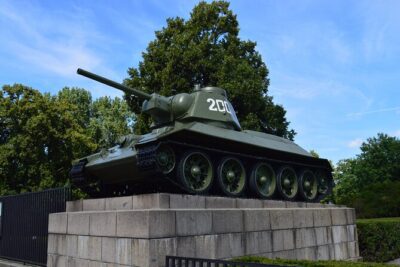
Berlin’s Best: 2 Hour Walking Tour Third Reich and the Cold War
Read our review →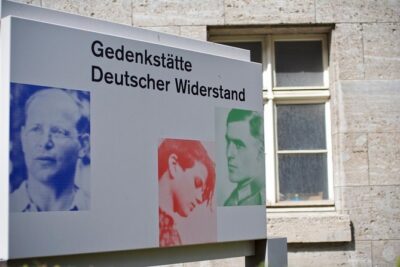
Third Reich Berlin: Hitler and WWII Walking Tour
Read our review →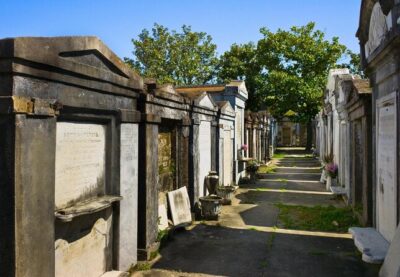
New Orleans Garden District History Walking Tour
Read our review →
Cartagena: Historic Center and Getsemaní Shared Walking Tour
Read our review →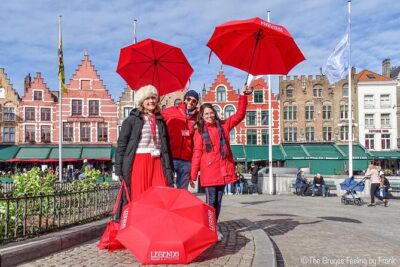
Imperial Palace and Shogun Historical Walking Tour
Read our review →Browse the lists this tour appears in