

REVIEW · BERLIN
Berlin: Prenzlauer Berg District Guided Walking Tour
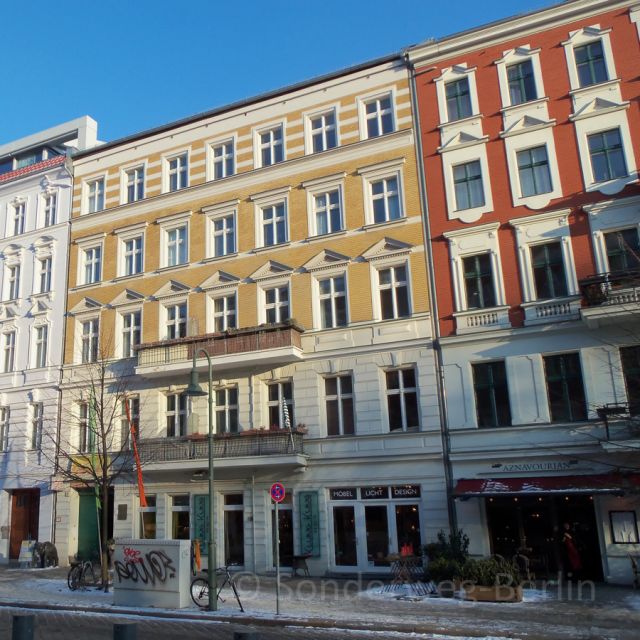
Prenzlauer Berg is best understood on foot, one block at a time. This 2.5-hour walk takes you from the Jewish Cemetery on Schönhauser Allee to Mauerpark, the Wasserturm, Kollwitzplatz, and several striking buildings that reveal how this former East Berlin district has changed. I love the focus on ordinary streets and local history, rather than a checklist of Berlin’s biggest sights.
I also like the chance to go on both sides of Schönhauser Allee, with time to ask questions about architecture, politics, urban planning, and daily life. Guides such as Tobias have been praised for making the walk lively and personal. The main drawback is simple: this is a walking tour with no food, drinks, or major interior attractions included, so bring comfortable shoes and realistic expectations.
Key points to know before you book
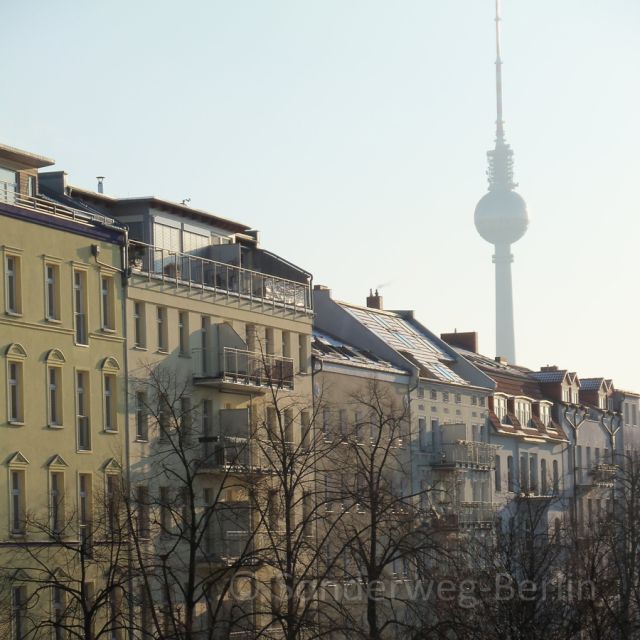
- The Jewish Cemetery and Wasserturm: Two important Prenzlauer Berg landmarks introduce the district’s Jewish history, industrial past, and changing identity.
- Mauerpark on foot: You see the park linked with Berlin’s former Wall zone, Sunday flea market, and live music, though the tour does not include flea market purchases or performances.
- A neighborhood tour, not a central Berlin sampler: The route stays focused on Prenzlauer Berg, making it a good choice after you have seen the Brandenburg Gate and Museum Island.
- History with present-day context: The guide explains both the district’s difficult past and its newer prosperity, diversity, and rising popularity.
- English or German guiding: Live tours are offered in both languages, with the guide available for questions throughout the walk.
- $23 for 2.5 hours: The price is fair if you want interpretation and local context, not just directions between landmarks.
Why Prenzlauer Berg rewards a walking tour
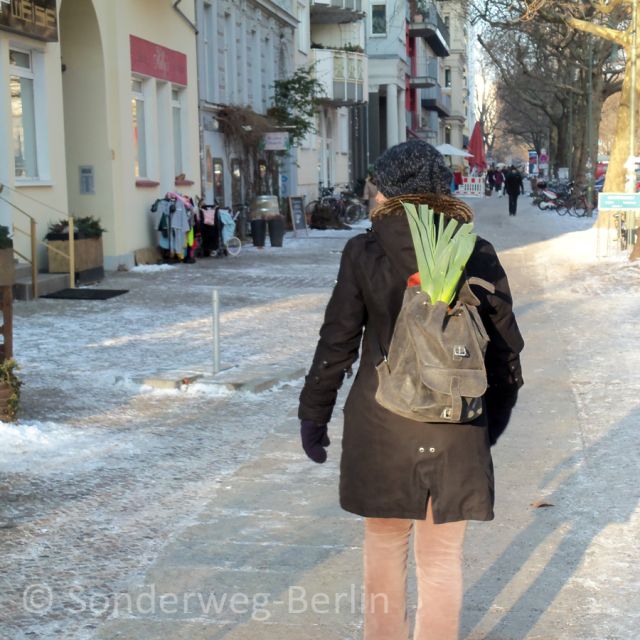
Berlin can be hard to read at street level. A grand boulevard may carry traces of several political eras, while an unassuming courtyard or old public building can tell you more than a famous monument. Prenzlauer Berg rewards that slower approach.
The district has an especially interesting mix of older Berlin architecture, East German history, Jewish heritage, post-Wall change, and newer cafés, homes, and businesses. You are not simply looking at pretty streets. You are learning why the area looks as it does, and why its character has shifted so quickly.
That is the real value of this tour. A map can show you Schönhauser Allee, Mauerpark, and Rykestraße. It cannot explain how those places connect, or why local identity matters here. A good guide gives you the missing links.
I would not book this as your only Berlin sightseeing activity. It does not cover the city’s major museums, royal buildings, or central memorials. I would choose it after seeing the main sights, when you are ready to understand one neighborhood in greater detail.
More Guided Tours in Berlin:
- Berlin: Third Reich & Cold War Guided Walking Tour
★ 4.9 · 8,378 reviews - Berlin: Hidden Backyards Guided Walking Tour
★ 4.8 · 5,360 reviews - Berlin: City Street Art Guided Walking Tour
★ 4.8 · 1,051 reviews
Starting around Schönhauser Allee
The walk begins in the heart of Prenzlauer Berg, though the exact meeting point depends on the option you book. From there, the route moves toward Schönhauser Allee, the district’s key north-south street.
Schönhauser Allee works as a useful reference line. The tour heads both east and west of it, helping you compare different parts of the neighborhood instead of seeing only one polished strip. That makes the route feel like an introduction to a real district rather than a short walk between isolated attractions.
Your guide places the streets in context as you go. The focus includes Prenzlauer Berg’s long and often difficult past, as well as its more recent growth and changing population. If you are interested in how Berlin has developed since the end of the Cold War, this is one of the most useful parts of the walk.
I especially like tours that leave room for questions, and this one is designed for that. Past participants have singled out guides who could discuss Berlin’s inhabitants, urban planning, politics, and current circumstances alongside the older history. That range matters because Prenzlauer Berg cannot be understood through dates and buildings alone.
The Jewish Cemetery on Schönhauser Allee
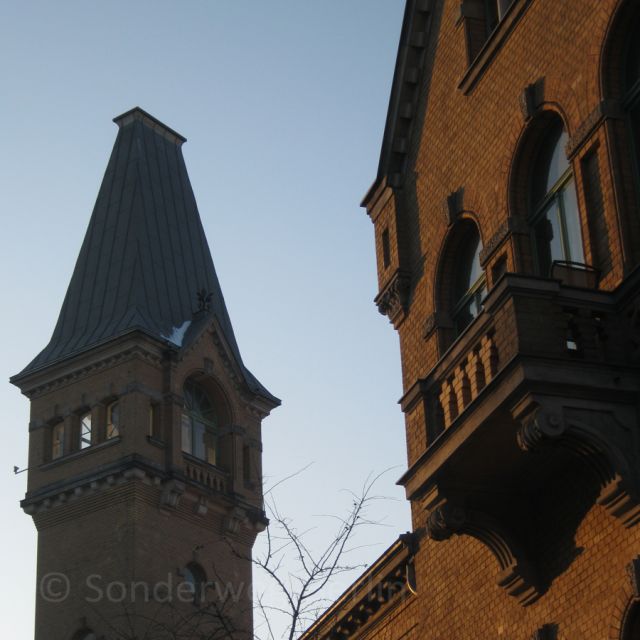
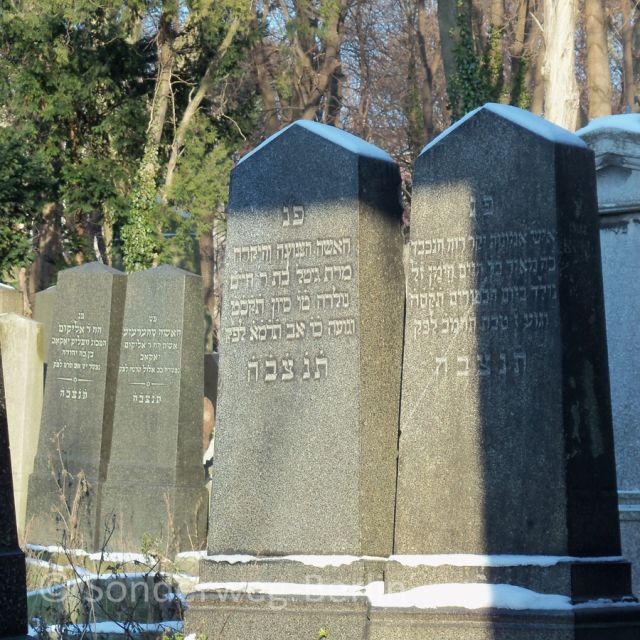
The Jewish Cemetery is one of the route’s most important stops. It adds a serious historical dimension to a neighborhood often presented mainly through cafés, apartments, nightlife, and creative culture.
You should expect the guide to explain the site and its place in Berlin’s Jewish story. The cemetery also slows the pace of the tour. After the street activity of Schönhauser Allee, it offers a place for reflection and a reminder that Prenzlauer Berg’s past includes loss and disruption as well as renewal.
The information provided does not promise a formal interior visit or a dedicated cemetery tour, so I would think of this as an interpreted stop along the walking route. You may spend time near the site while the guide explains its importance. That distinction is useful if you are hoping to explore every part of the cemetery at length.
For me, this stop helps prevent the tour from becoming a simple architecture walk. It gives the neighborhood moral and historical weight, and it shows why local stories matter even when the surrounding streets have become fashionable.
The Wasserturm and Prenzlauer Berg’s older character
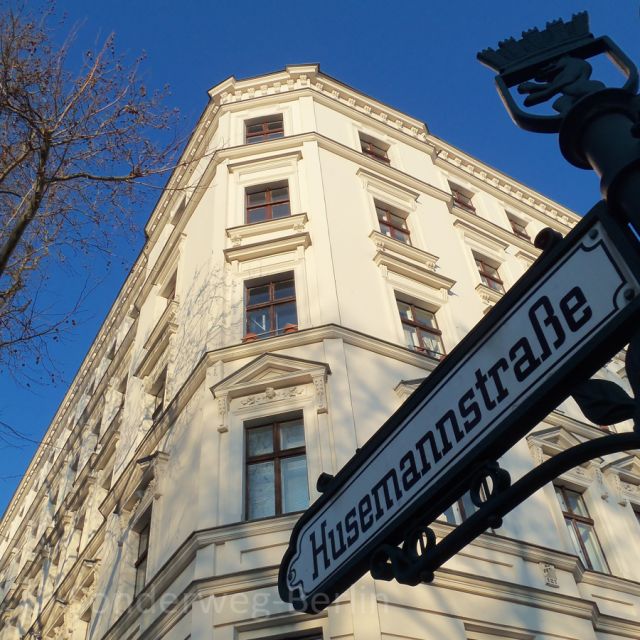
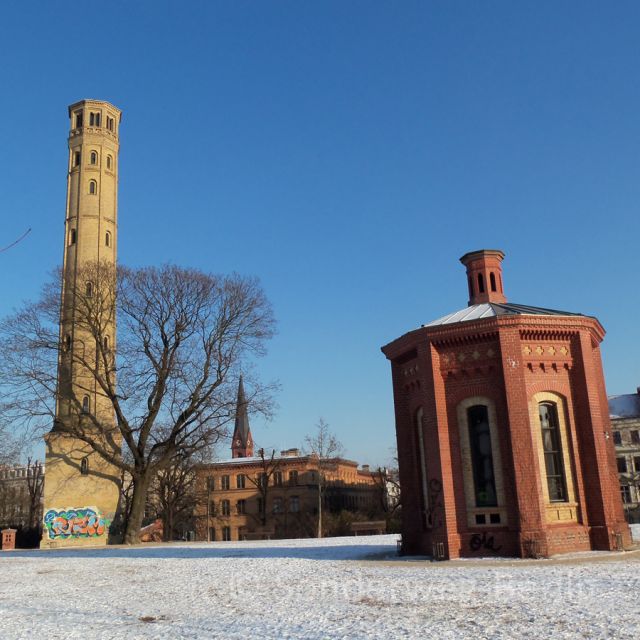
The Wasserturm, or Water Tower, is another clear landmark on the route. Its presence points to the district’s earlier infrastructure and industrial development.
A water tower may not sound like a headline sight, but that is precisely why it works well on a neighborhood walk. It helps you see how cities functioned before modern systems became invisible. The guide can connect the structure to the older form of Prenzlauer Berg and to the district’s physical growth.
This is also where the tour’s contrast between old and new becomes clear. Prenzlauer Berg now has a reputation for stylish streets and popular public spaces, yet its identity was not created overnight. The Wasserturm gives you a fixed point from which to consider those changes.
The route includes Kollwitzplatz as well, another useful stop for understanding the area’s present-day appeal. The square and its surroundings offer a different mood from the cemetery and water tower. Together, the locations show how a district can carry remnants of earlier periods while serving a newer, more prosperous population.
A few more walking tours around Berlin worth a look
- Discover Berlin Half-Day Walking Tour
★ 5.0 · 9,624 reviews - Berlin City walk Government District and Places of Democracy
★ 4.7 · 8,467 reviews - Berlin: Discover Berlin Walking Tour
★ 4.9 · 5,998 reviews - Berlin’s Best: 2 Hour Walking Tour Third Reich and the Cold War
★ 5.0 · 5,486 reviews
Mauerpark and the former Wall zone
Mauerpark is probably the route’s most recognizable public space. It is famous for its Sunday flea market and live music, and its name points to Berlin’s former Wall landscape.
The park is not just a place to browse stalls. It helps explain how a once-divided area has become a popular gathering place. Your guide brings the history of the site into the present, showing why Mauerpark matters both as a public space and as part of Berlin’s twentieth-century story.
Timing affects what you see. The tour includes Mauerpark, but the supplied details do not promise that the Sunday flea market or live music will be operating during your walk. If those are your main goals, check the day and starting time separately. If your interest is the park’s history and place in the neighborhood, the stop remains worthwhile outside the Sunday market period.
I like this part of the route because it combines memory with everyday Berlin life. You may be standing in a place linked to division and border history while also seeing people use it for music, shopping, and relaxation. That contrast is central to understanding modern Berlin.
The walk continues along Bernauer Straße toward the Messel House. Bernauer Straße is closely connected with Berlin’s Wall history, and the route uses it to broaden the story beyond Mauerpark. Again, the point is not to rush past a famous name. It is to see how historic events shaped actual streets and buildings.
Rykestraße Synagogue and Oderberger Straße pool
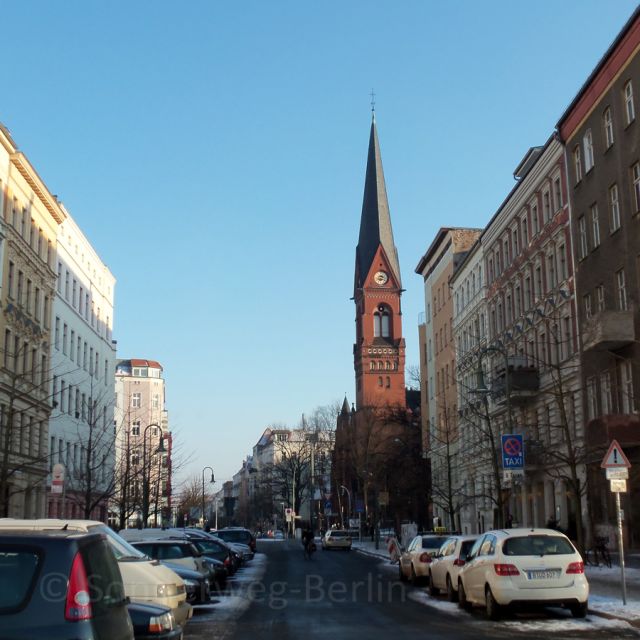
The grand synagogue on Rykestraße is one of the route’s strongest architectural and cultural highlights. Its inclusion adds another important Jewish site to the walk and gives you a chance to see a building that helps define the district.
The synagogue also complements the Jewish Cemetery. One is a place connected with worship and community life, while the other is connected with remembrance. Seeing both in one neighborhood helps you understand that Jewish Berlin is not limited to a single memorial or museum.
The tour also includes the public pool on Oderberger Straße. This may be less famous than the synagogue, but it is exactly the kind of stop that makes a local walking tour useful. Public buildings can reveal a great deal about a city’s social priorities, architectural taste, and daily routines.
You should expect the guide to explain the pool and its role in the area rather than treat it as a swimming visit. Food, drinks, and admissions are not included, and the tour is built around walking and commentary. The route’s strength lies in the connections between places, not in spending long periods inside each one.
What the guide adds to the streets
The guide is the main reason to choose this experience instead of walking Prenzlauer Berg alone. You can find the major locations on a map, but you are less likely to understand their relationship without someone interpreting them.
The strongest guiding style here appears to combine historical facts with current questions. You may hear about architecture, Berlin’s past, urban planning, politics, local residents, and the district’s new prosperity in the same walk. That mix keeps the tour from becoming a memorized list of dates.
Tobias is named in several especially positive accounts, with his background in museums and history noted as a strength. He has also been praised for answering a wide range of questions and for making the walk entertaining. That does not guarantee Tobias will lead every departure, so I would check the guide details when booking.
Group size may vary. One past walk had about 40 people, while other departures became very small, even close to private tours. A larger group can make it harder to ask questions or hear every comment, but the guide has been described as managing a big group well. A small group offers more conversation and a more flexible feel if you happen to get that format.
The live guide speaks German or English. If you want to ask detailed questions, pick the language in which you can comfortably discuss Berlin’s history and present-day changes.
How much value do you get for $23?
At $23 per person, this is reasonably priced for a 2.5-hour guided walk. You are paying for local interpretation, not transport, meals, entry tickets, or a bundle of major attractions.
The value is strongest if you would otherwise wander without context. A self-guided route costs less, but you would need to research the Jewish Cemetery, Wasserturm, Mauerpark, Bernauer Straße, Messel House, Rykestraße Synagogue, and Oderberger Straße pool yourself. The tour turns those separate points into one connected story.
I would consider the price less worthwhile if you mainly want free time at Mauerpark, a Sunday flea market, or a long look inside one specific building. This is a moving, explanatory walk. You will stop often, but you will not spend the full 2.5 hours at one attraction.
The reserve-now-and-pay-later option also gives you some planning flexibility, and cancellation is available up to 24 hours before the tour for a full refund. Those terms are useful in a city break where weather and plans can shift, though you should still confirm the exact conditions attached to your selected option.
Who should take this walk?
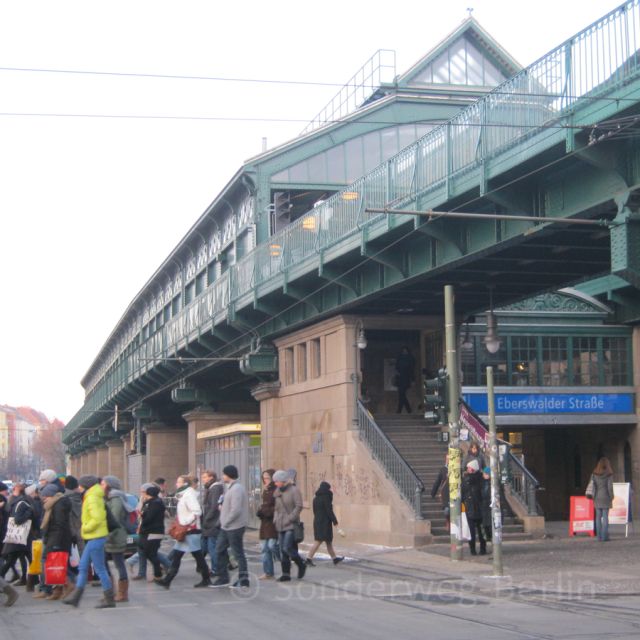
I would recommend it to anyone who has already seen central Berlin and wants a neighborhood with more texture. It suits people who enjoy architecture, local history, Jewish heritage, East Berlin, public spaces, and conversations about urban change.
It is also a good fit for repeat visitors. One particularly useful account came from someone who had visited Berlin many times and had family in the city. For that kind of visitor, a focused district walk can offer more than another pass by the Brandenburg Gate or another general city tour.
First-time visitors can enjoy it too, but I would place it after a broad introduction to Berlin. You will get more from Prenzlauer Berg once you have some sense of the city’s division, reunification, and major historical sites.
I would be cautious about booking it for very young children who dislike walking or for anyone expecting a food tour. No food or drinks are included, and the route is built around steady movement, stops, and discussion. Wear comfortable shoes and consider bringing water, since the tour lasts 2.5 hours.
Should you book the Prenzlauer Berg walk?
Book it if you want to understand how a Berlin neighborhood changes over time. The route brings together a Jewish cemetery, a water tower, a former Wall area, a synagogue, a public pool, and popular public spaces. That is a strong mix for the price.
I especially recommend it if you prefer local streets to headline monuments, or if you want a guide who can move from architecture to politics and daily life without losing the thread. Tobias has received particularly strong praise, but guide assignment can vary.
Skip it if you want a short sightseeing loop, a market-only visit, or guaranteed access to interiors. For everyone else, this is a thoughtful way to spend half a day in Prenzlauer Berg and see why the district is more complicated than its fashionable image suggests.
FAQ
How long does the Prenzlauer Berg walking tour last?
The tour lasts 2.5 hours.
What languages are available?
The live tour guide can conduct the walk in German or English.
What places are included on the route?
The route includes the Jewish Cemetery on Schönhauser Allee, the Wasserturm, Kollwitzplatz, Mauerpark, Bernauer Straße, Messel House, Rykestraße Synagogue, and the public pool on Oderberger Straße.
Does the tour include food and drinks?
No. Food and drinks are not included.
Is the Sunday flea market included?
Mauerpark is included in the walking route, but the available information does not promise that the Sunday flea market or live music will be taking place during every tour.
Can I cancel the booking?
You can cancel up to 24 hours in advance for a full refund. A reserve-now-and-pay-later option is also available, depending on the booking choice.
Just added around Berlin
- Berlin Walking Tour★ 4.5 · 378 reviews
- East Meets West: Berlin Food Culture & Street Art★ 5.0 · 157 reviews
- Small Group Walking Tour of East Berlin with a French Guide★ 5.0 · 176 reviews
- Berlin Street Art Walking Tour – Off The Grid★ 5.0 · 270 reviews
- Berlin Highlights Private Guided Walking Tour★ 4.5 · 89 reviews
- Gruseltour Berlin Haunted Ghost Walk 90-minute at Berlin Mitte city center★ 5.0 · 75 reviews
- Berlin Private Complete History All Day Walking Tour★ 5.0 · 474 reviews
- Private Berlin: Iconic Sights and Hidden Gems Walking Tour★ 5.0 · 292 reviews
Walking Tours, compared.

Magical London: Harry Potter Guided Walking Tour
Read our review →
Reykjavik Food Walk – Local Foodie Adventure in Iceland
Read our review →
History and Hauntings of Salem Guided Walking Tour
Read our review →
New Orleans Premier Ghost, Voodoo and Vampire Walking Tour
Read our review →
Amsterdam Anne Frank: Small-Group Walking Tour & Local Guide
Read our review →

Edinburgh Castle: Guided Walking Tour with Entry Ticket
Read our review →
Anne Frank’s Story – Guided Walking Tour through Amsterdam
Read our review →Browse the lists this tour appears in