
REVIEW · FRANCE
Avignon: Historic District Guided Food & Wine Walking Tour
Avignon’s best introduction may be eaten one bite at a time. This three-and-a-half-hour walk links the Palais des Papes, Les Halles, old streets, and Pont d’Avignon with tastings of Provençal food and drink. You might try pissaladière, tapenade, olive oil, local cheese, wine, a regional dish, and biscuits, with the exact menu changing by season.
I like the small group size, capped at 12, and the way the walk combines food with the city’s story instead of treating lunch as a separate event. I also like the personal guidance from hosts such as Zahra, Clara, and Nastassja, who offer practical restaurant and sightseeing advice along the route. The main caution is that this is a walking tour over several historic streets, so it is not a good fit for anyone with mobility limits.
Key points to know before booking
- A generous four-stop minimum: Each stop includes at least one serving of food, and some outings include five tasting stops.
- Les Halles is a highlight: The indoor market gives you a direct look at local produce and a chance to taste prepared Provençal dishes.
- The menu changes: Seasonal availability and partner shops shape the food, so do not book expecting one fixed list.
- The tour is both meal and orientation walk: You see major sights while learning about Avignon, its food customs, and its present-day places to eat.
- One alcoholic drink and water are included: Extra food and drinks cost more.
- Plan for a full afternoon or evening: The route lasts 210 minutes, and the food can add up to more than a light snack.
Why this food walk works in Avignon
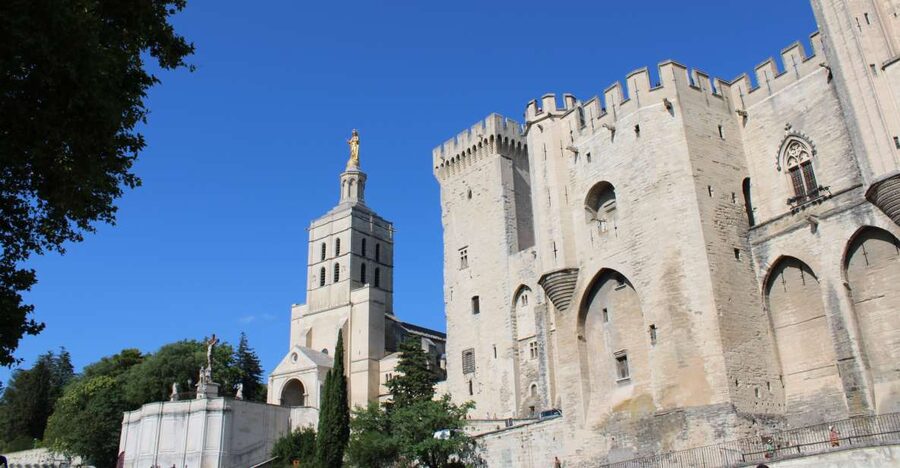
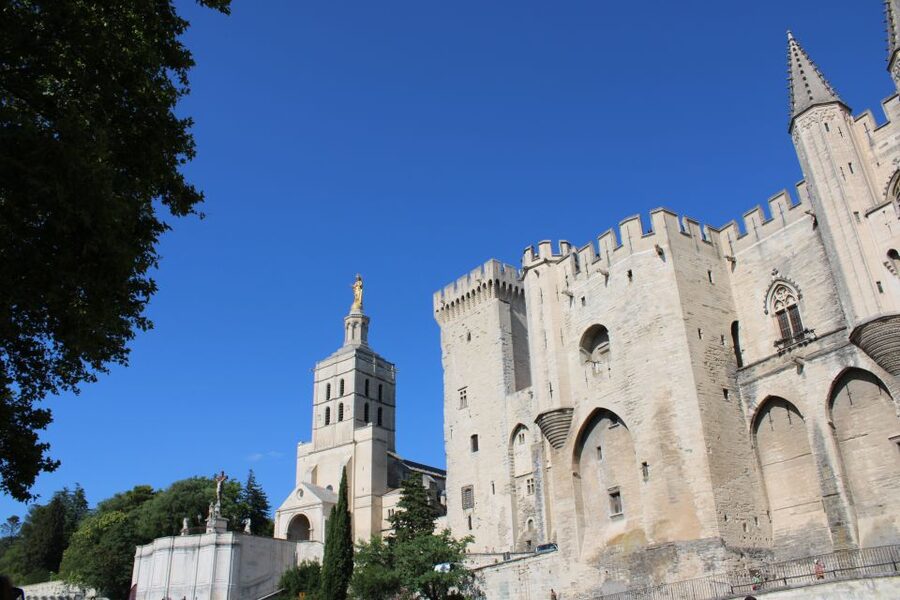
Avignon is easy to admire from the outside. The Palais des Papes dominates the skyline, the old walls frame the center, and Pont Saint-Bénézet draws every first-time visitor toward the Rhône. Yet the city makes more sense when you connect its streets with the food sold in them.
This tour does that well. Instead of sitting in one restaurant for three hours, you move through the medieval center and stop at several places. You may enter a traditional shop, taste something at the market, pause at a restaurant, and finish with a sweet. That variety gives you a better feel for how Provençal food appears in daily life.
The experience is priced at $89 per person. That is not cheap for a walking tour, but the value depends on how much food you receive and how useful the guide is. With at least four food stops, one alcoholic drink, water, and three and a half hours of city orientation, the price can make sense as a combined lunch or dinner and introduction to Avignon.
Do not think of it as a simple tasting flight. You are paying for the food, the guide, the local contacts, the walking route, and the context around each stop. If you would otherwise book a separate city tour and a meal, this can be a practical way to combine both.
More Wine and Tapas Walks in France:
- Montmartre Hill French Gourmet Food and Wine Tasting Walking Tour
★ 5.0 · 2,588 reviews - Barcelona Tapas and Wine Experience Small-Group Walking Tour
★ 5.0 · 5,804 reviews - Barcelona: Tapas Walking Tour with Food, Wine, and History
★ 4.8 · 4,261 reviews
Meeting beneath the Palais des Papes
The tour begins in front of the Palais des Papes, below the small entrance door on the right near the black stairs. This is a clear landmark, but the large square and many doors can still create confusion, so arrive with the exact meeting instructions in hand.
The opening location is useful because the Palais des Papes immediately places you in Avignon’s medieval core. Your guide can begin with the city’s major landmarks and then take you into the smaller streets where the food stops feel more local and less monumental.
Hosts have included Zahra, Zarah, Clara, Laur, Renai, Nastassja, and others. The strongest part of the guiding is personal rather than theatrical. Zahra, in particular, is praised for mixing city history with advice on where to eat, shop, and visit for the rest of your stay. Clara is also noted for warmth, clear explanations, and an easy way of making the group feel included.
The guide may speak both English and French during the tour. English is offered, but you should be comfortable with some bilingual conversation if the group includes French speakers.
Rue Carnot and the first taste of Provence
From the Palais des Papes, the route moves along Rue Carnot. This is where the tour begins to shift from major sights to the everyday texture of the old center.
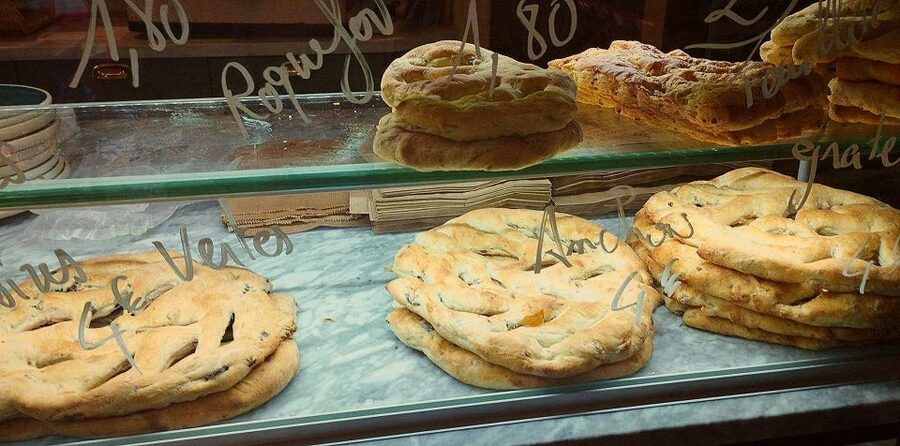
Possible food includes pissaladière, the onion tart associated with Provence, along with olive oil and tapenades. These are especially tied to lunch departures, so the time of day matters. If you are hoping for a particular item, ask before booking or contact the operator, since the food changes with season and supply.
This is a good place to understand the basic flavors of the region. Olive oil, herbs, ripe vegetables, olives, and slow-cooked or baked foods often do more work than heavy sauces. The tasting is not only about identifying ingredients. It helps you notice how Provence uses simple products when they are good.
The portions can be more substantial than you expect. I would not schedule a large lunch immediately before the tour, and elastic-waist clothing is not a foolish idea if several generous stops are planned. At the same time, portion size can vary, so do not assume every departure will equal a full restaurant meal.
Les Halles, Avignon’s most useful food stop
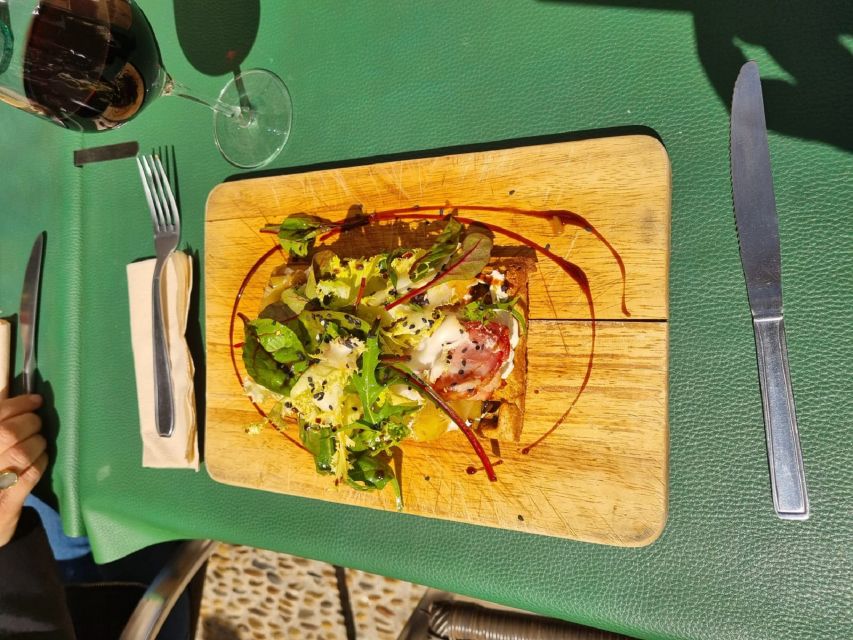
Les Halles d’Avignon is one of the most important stops on the route. An indoor market offers a direct look at the city’s food culture, with vendors and prepared products gathered under one roof.
This stop gives the walk a welcome sense of place. You are not only hearing that Provence values olive oil, cheese, fruit, and herbs. You are seeing the kinds of products sold locally and tasting food connected to that market setting.
Several guides arrange samples of local dishes here. The exact offering can change, but it may be the tour’s most satisfying stop because it combines food with a real local setting. It also helps explain why a market visit can be more useful than a string of generic restaurant tastings.
Give yourself time to look around, even if the schedule is moving. One criticism of the route is that the distance between stops can make the pace feel rushed, especially when the food stop and sightseeing are both trying to fit into the same afternoon. The guide will keep the group moving, but you may not have much spare time for independent shopping.
More Guided Tours in France:
- Paris Top Sights Half Day Walking Tour with a Fun Guide
★ 5.0 · 2,893 reviews - Paris: Montmartre Highlights Walking Tour with a Local Guide
★ 4.9 · 2,318 reviews - Paris: Montmartre Cheese, Wine & Pastry Guided Walking Tour
★ 4.8 · 2,255 reviews - Vieux Lille 2-Hour Guided Walking Tour
★ 4.5 · 1,220 reviews
Rue de la République and Provençal pantry staples
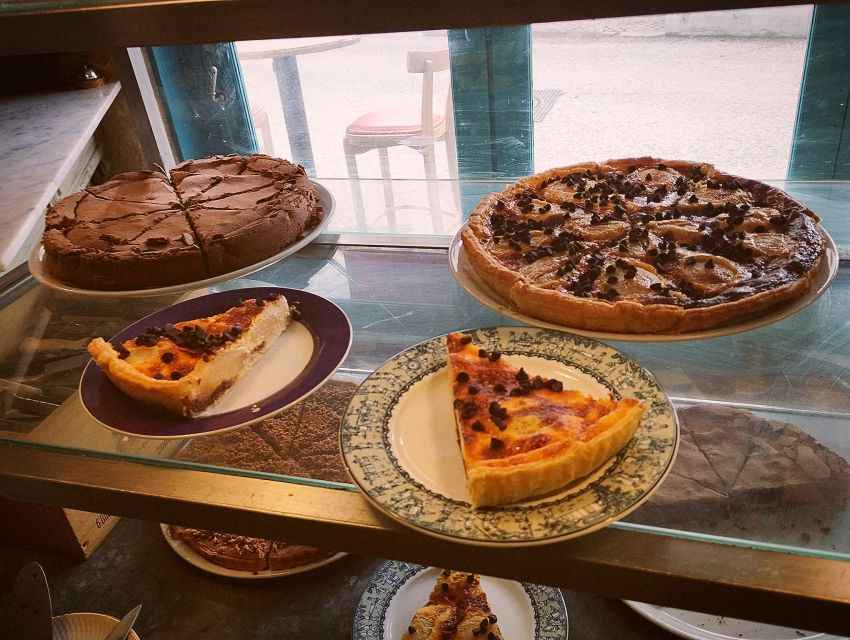
The route then reaches Rue de la République, where sightseeing and tasting continue. This part of the walk is useful for seeing how Avignon’s old center shifts between grand public streets and smaller commercial spaces.
You may stop for olive oil, tapenade, honey, cheese, or other regional products. These tastings are valuable if you are considering what to take home, since the guide can explain how the products fit into Provençal cooking and point out places to shop later.
Some foods are easier to understand when tasted side by side. Olive oil may seem like a minor ingredient until you compare its flavor and texture. Tapenade, meanwhile, gives you the salty olive character that appears in many Provençal meals. The tour turns these staples into something more memorable than a list from a guidebook.
If you have allergies or avoid certain foods, communicate that before the tour. One participant found it would have helped to know when egg appeared in a dish. The operator does not promise a customized menu in the supplied information, so dietary planning is your responsibility.
Place des Corps Saints and the sweeter side of the route
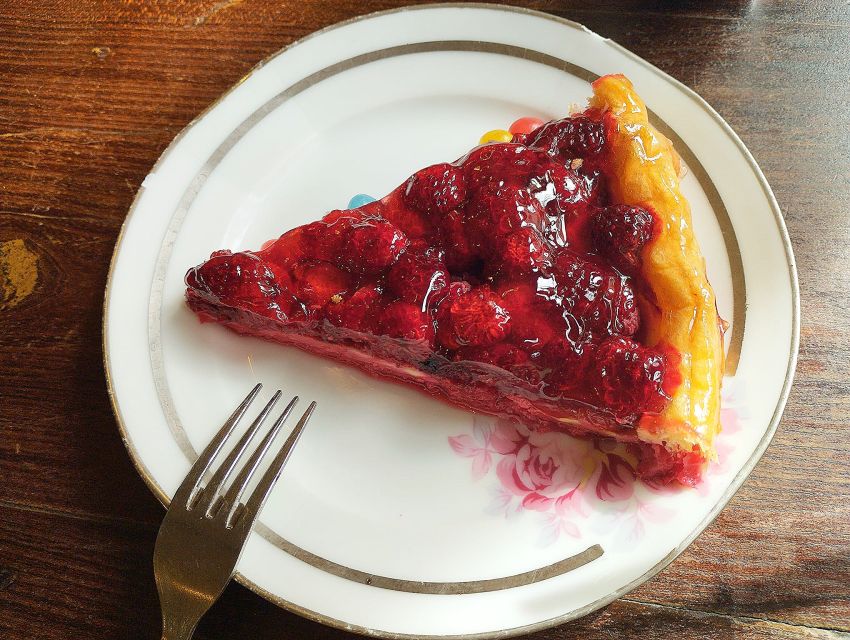
Place des Corps Saints adds another change of scene. By this point, you are likely to have had several savory tastes, and the tour may move toward a regional dish, homemade cake, or traditional Provençal biscuits.
This is where the food walk becomes more than a market crawl. A typical Provençal dish gives you a fuller sense of how local ingredients come together, while cake and biscuits show the less formal side of regional cooking. The sweets may be simple, but they are useful reminders that food culture is not limited to famous dishes.
The atmosphere can also shift here. A restaurant or small food business may feel more contemporary than the older market stops, which gives the tour a useful mix of traditional eateries, specialist shops, and newer places. That variety suits Avignon, a city where centuries-old streets support modern daily life.
The menu is seasonal. A winter visit may not offer the same fruit or light dishes as a summer one, and dinner departures may emphasize cheese and wine rather than lunch items such as pissaladière and tapenade.
Pont Saint-Bénézet and the final view
The final stretch leads toward Pont Saint-Bénézet, better known as Pont d’Avignon. You finish at the bridge, not back at the Palais des Papes, so plan your next stop from there.
Ending beside the bridge is a strong choice. You see one of Avignon’s defining sights after walking through the city rather than arriving only for a quick photograph. The route gives you a broad introduction to the area inside the walls, while the bridge provides a clear finish.
Sightseeing and food are mixed all along this section. You might be pausing for cheese and wine, hearing about a street’s past, then turning a corner toward the Rhône. That rhythm keeps the three-and-a-half-hour outing from feeling like a lecture.
Still, this is not a focused monument tour. You will see the Palais des Papes and Pont d’Avignon, but you are not promised extended interior visits or admission to either attraction. If you want detailed tours of those sites, book them separately.
What you actually eat and drink
The advertised possibilities are broad rather than fixed. Depending on the season, departure time, and partner availability, you may receive:
- Pissaladière, a Provençal onion tart
- Olive oil and tapenades
- Local cheese and wine
- A Provençal dish made with regional ingredients
- Homemade cake
- Traditional Provençal biscuits
At least one serving of food is included at each stop. The tour also includes water and one alcoholic drink. Additional food and drinks are not included, so any wine, coffee, or extra purchase beyond the planned tasting is yours to pay for.
The wine and cheese stop is especially appealing for people who want a clear taste of the region’s food pairing customs. The tour takes place in an area associated with Côte du Rhône wine, and a local wine gives the history and cooking some flavor of its own.
This is not a wine education course. You should expect a regional introduction, not technical tasting instruction. The same applies to the food. The guide can explain local customs and ingredients, but the depth may depend on the stop and the guide’s approach.
The guides make the biggest difference
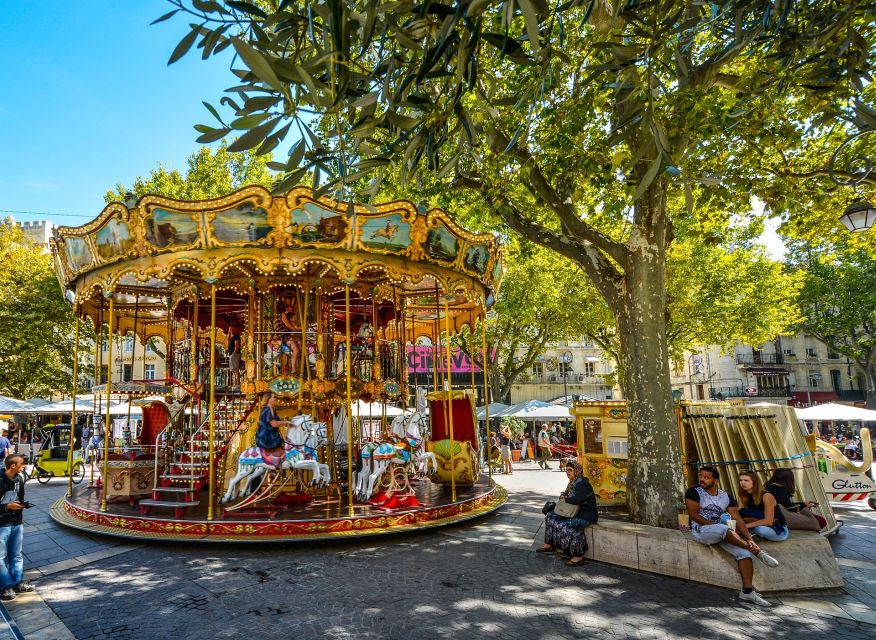
The route is fixed enough to provide structure, but the guide shapes the experience. Several hosts have been praised for their enthusiasm, kindness, and practical advice.
Zahra is often singled out for her energy, clear explanations, and love of Avignon. She also helps with restaurant and sightseeing suggestions beyond the tour, which can be useful if this is your first day in town. Clara brings a calm, friendly style and is particularly good at connecting local culture with the food. Nastassja has been praised for a relaxed pace, generous portions, and a good mix of history and tasting.
This personal element matters because the stops alone would not make a complete experience. A market, bakery, or cheese shop can be visited independently. The guide adds value by linking the places together and explaining what you are seeing.
The group size ranges from a minimum of two to a maximum of 12. A small group makes it easier to ask questions and hear the guide in narrow streets or busy food shops. If fewer than two people book, the tour may be rescheduled.
Pace, comfort, and practical limits
Wear comfortable clothes and shoes. The route covers several areas of the old town, and one criticism was that the distance between stops could feel rushed. The schedule is not ideal for anyone who wants a slow, unhurried wander with long breaks for photographs.
The experience is not suitable for people with mobility impairments. Historic Avignon includes uneven streets, and the tour keeps moving between food businesses and sights. Large bags and luggage are not allowed, and pets are not allowed either.
There is no hotel pickup or drop-off. You meet in front of the Palais des Papes and finish at Pont d’Avignon, so arrange your own way to and from the route.
You can cancel up to 24 hours before the start for a full refund, and reserve now while paying later. Those terms are useful if your Provence plans are still shifting, but they do not change the need to check the departure time and starting language.
Who should book this Avignon food tour?
I would choose this tour if you are visiting Avignon for the first time and want your city orientation to include lunch or dinner. It is also a good fit if you enjoy local markets, small shops, regional products, and conversation with a guide more than a formal museum-style tour.
Couples, friends, and curious solo visitors can all fit comfortably into the format. The small group helps solo visitors meet people, while the tasting stops give couples and friends plenty to discuss as they walk.
Food-focused travelers should book with an open mind rather than a fixed menu in mind. You may get cheese and wine, tapenade, onion tart, cake, biscuits, or other dishes, but no single combination is guaranteed.
I would skip it if you have limited walking ability, need a highly controlled dietary menu, or want a full interior tour of the Palais des Papes and Pont d’Avignon. It is also less suitable if you prefer to spend three hours seated in one restaurant.
Is the $89 price fair?
At $89, this is best judged as a combined food experience and city tour. Four or more tastings, a drink, water, and 210 minutes of guiding give the price a reasonable basis, especially when some departures include generous portions or five food stops.
The value is strongest when you use the guide’s advice for the rest of your stay. Suggestions about restaurants, shopping, and nearby sights can save you from making random choices in a city where tourist menus are easy to find.
The value is weaker if your main goal is a large, formal meal. Food quantities vary, the menu changes, and extra drinks are not included. Think of it as a moving introduction to Provençal eating, not a guaranteed tasting menu.
Should you book it?
Book this tour if you want Avignon explained through its food, with a market visit, old-town walking, regional samples, and a guide who can help shape the rest of your stay. The combination of Les Halles, historic streets, olive oil, tapenade, cheese, wine, and sweets makes it a useful first or second activity in the city.
Skip it if mobility is an issue, if you need a confirmed menu, or if you want deep time inside the major monuments. For most visitors who can walk comfortably and arrive hungry, the $89 price is fair, particularly when the group stays small and the guide is as engaged as Zahra, Clara, or Nastassja.
FAQ
How long does the Avignon food and wine walking tour last?
The tour lasts 210 minutes, or three and a half hours.
Where does the tour begin?
It begins in front of the Palais des Papes, below the small entrance door on the right near the black stairs.
Where does the tour finish?
The tour finishes at Pont d’Avignon, also known as Pont Saint-Bénézet.
How many food stops are included?
At least four food stops are included. Some departures may include more, depending on the route and local partners.
What food might be served?
Possible tastings include pissaladière, olive oil, tapenade, local cheese, wine, a Provençal dish, homemade cake, and traditional Provençal biscuits. The selection varies by season and availability.
Is a drink included?
Yes. Water and one alcoholic drink are included. Any additional food or drinks are not included.
Is the tour offered in English?
Yes. The tour is offered in English and French. The guide may speak both languages during the experience.
Can people with mobility impairments join?
No. The tour is not suitable for people with mobility impairments. Comfortable clothing is recommended, and pets and large bags are not allowed.
Just added around France
- Exclusive! Bordeaux: Nighttime Highlights Walking Tour★ 4.9 · 85 reviews
- Discovery Walking Tour of La Rochelle★ 4.9 · 72 reviews
- Colmar: Unusual Walking Tour with a local guide★ 4.9 · 194 reviews
- Colmar: Highlights Walking Tour and Wine Tasting★ 4.9 · 209 reviews
- Bordeaux: Private Walking Tour with a Local★ 4.3 · 117 reviews
- Bordeaux: Mystery and Myths Walking Tour★ 4.8 · 187 reviews
- Paris: Early Access Notre Dame Cathedral Walking Tour★ 4.2 · 80 reviews
- Boat walk in Sete on the singular island 1 hour★ 4.8 · 212 reviews
Wine and Tapas Walking Tours, compared.
Barcelona Tapas and Wine Experience Small-Group Walking Tour
Read our review →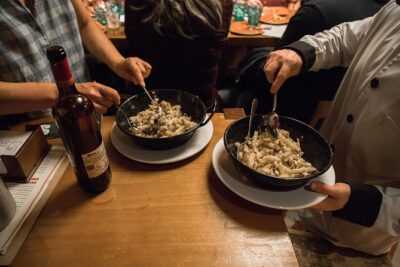
Madrid Tapas & Wine Tasting Walking Tour – Small Group Local Bars
Read our review →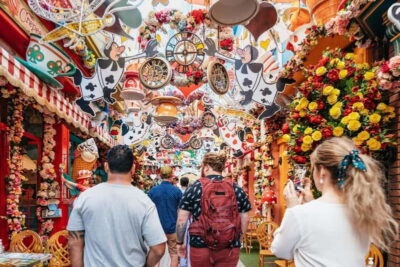
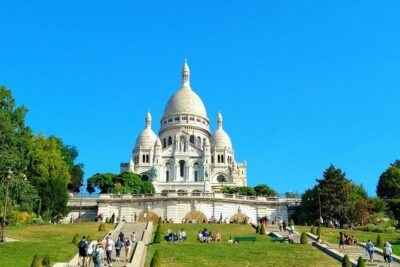
Montmartre Hill French Gourmet Food and Wine Tasting Walking Tour
Read our review →
Madrid by Night Small Group Tour: Stories, Sights and Tapas Bites
Read our review →
Barcelona Tapas Walking Tour: Food, Wine & History
Read our review →Browse the lists this tour appears in