
REVIEW · BERLIN
Berlin: 2.5-Hour Walking Tour through Kreuzberg 61
Kreuzberg 61 is the quieter, more residential side of a district better known for nightlife and street art. This 2.5-hour walk links Viktoriapark’s hilltop views with courtyards, monuments, old apartment blocks, and streets that many first-time visitors miss. I like the way it treats Kreuzberg as more than Turkish restaurants and artists. I also like the guide’s attention to architecture and everyday Berlin life, subjects that give the neighborhood real depth.
The main drawback is simple: you walk for most of the afternoon, with only a short break near Marheineke Markthalle. Some stops are pass-by points rather than formal visits, and the route may feel less exciting if you want Berlin’s famous landmarks. At $23, though, it offers strong value for anyone who wants a close look at one district rather than a quick city overview.
Key points to know before you book
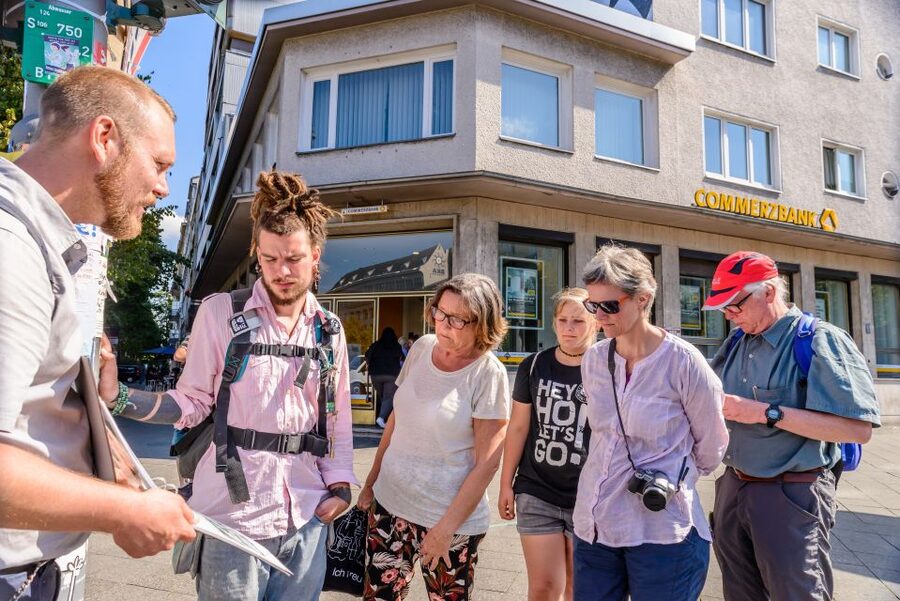
- See western Kreuzberg from Platz der Luftbrücke to Mehringdamm: The route focuses on Kreuzberg 61, a less familiar part of the district.
- Climb Viktoriapark for a city view: The park’s hill, waterfall, and Prussian monument provide the tour’s main scenic moments.
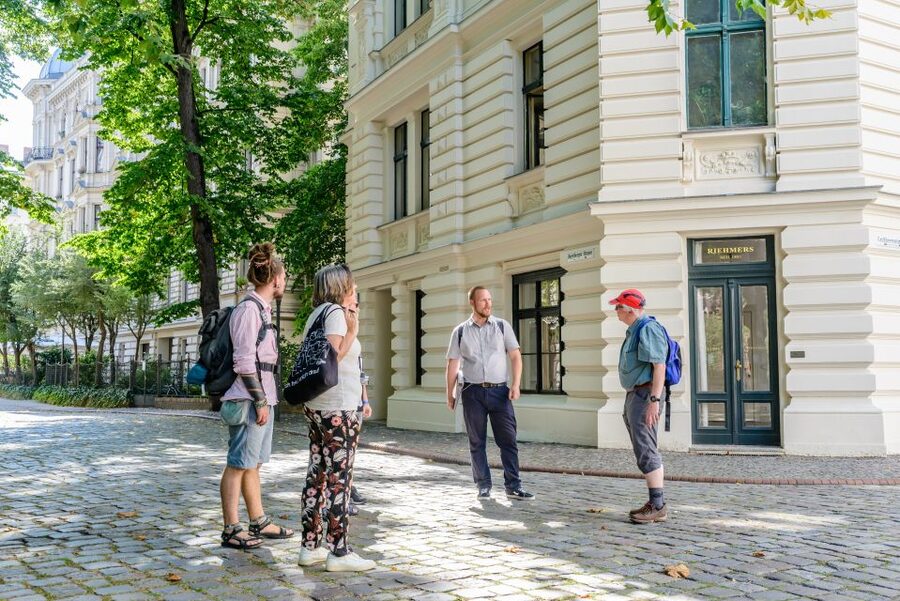
- Look inside old residential architecture: Riehmers Hofgarten, Chamissoplatz, and the Fachwerkhof reveal a more elegant side of Kreuzberg.
- Hear local stories from a specialist guide: Tobias Schwabe has led many of these walks, with English and German available.
- Finish among shops and food around Bergmannstrasse: The route ends near a useful area for continuing your own afternoon.
- Expect a walking lesson, not a sightseeing bus substitute: Much of the value comes from small details, explanations, and places you could easily pass without noticing.
Why Kreuzberg 61 makes a good walking tour
Many Berlin tours concentrate on the Brandenburg Gate, the Berlin Wall, Museum Island, or the former Nazi and Cold War sites. Those places matter, but they can leave you with a narrow picture of the city. Kreuzberg 61 offers a different kind of Berlin: apartment courtyards, planned streets, local commerce, green spaces, and layers of political and social change.
The route runs through western Kreuzberg, roughly between Platz der Luftbrücke and Mehringdamm. You are not simply ticking off famous sights. Instead, the guide helps you read the district. A doorway, courtyard, monument, or building line can reveal how Berlin grew, how its residents lived, and how the area changed over time.
That makes this especially useful if you have already seen the main sights or if you prefer neighborhoods to headline attractions. One of the strongest features is the attention to places that do not announce themselves. You may walk past a courtyard or a small memorial without giving it a second glance. Here, the guide explains why it matters.
Tobias Schwabe is the guide most often associated with this experience, and his style comes through in the feedback: friendly, patient, and able to connect architecture with politics, culture, and ordinary German life. The booking information allows English or German, so check the option that suits you when you reserve.
A few more walking tours around Berlin worth a look
- Discover Berlin Half-Day Walking Tour
★ 5.0 · 9,624 reviews - Berlin City walk Government District and Places of Democracy
★ 4.7 · 8,467 reviews - Berlin: Third Reich & Cold War Guided Walking Tour
★ 4.9 · 8,378 reviews
Starting at Platz der Luftbrücke
The tour begins at one of two possible starting points, with Mehringdamm 129 listed as a meeting location. The exact meeting point can vary by the option you choose, so read your confirmation carefully rather than assuming every departure begins in the same place.
Platz der Luftbrücke is a fitting starting point. It gives the guide room to explain the district’s setting before the walk turns into quieter streets. The stop lasts about 25 minutes, including guided sightseeing, walking, and passing by nearby points of interest.
The square is tied to Berlin’s modern history and its former military surroundings, but the tour’s purpose is broader than a single event. From here, you begin to see how large institutional buildings, residential blocks, parks, and commercial streets sit close together.
This first section also sets the tone. You get background before the route becomes a series of smaller discoveries. If you like tours that explain why a place looks the way it does, rather than simply naming buildings, this opening should work well.
Monuments, book printers, and small corners
The next points are easy to overlook. The memorial for the Association of German Book Printers receives about ten minutes of guided attention. It is a useful reminder that Kreuzberg’s story includes labor, publishing, and organized working life, not only major political events.
After that comes Sixtusgarten 10, a shorter stop of around ten minutes. It is mainly a photo and sightseeing point, but these brief pauses are part of the tour’s appeal. You are introduced to a specific address or architectural detail, then shown how it fits into the surrounding neighborhood.
Do not expect every location to operate like a museum. Several are viewed from outside or while walking. That is a limitation if you want interior access, but it also keeps the route moving and lets you cover a broad slice of Kreuzberg in the allotted time.
The guide’s role matters here. Without explanation, these stops may seem modest. With context, they become clues to the district’s planning, residents, and changing uses.
Viktoriapark and the hill named Kreuzberg
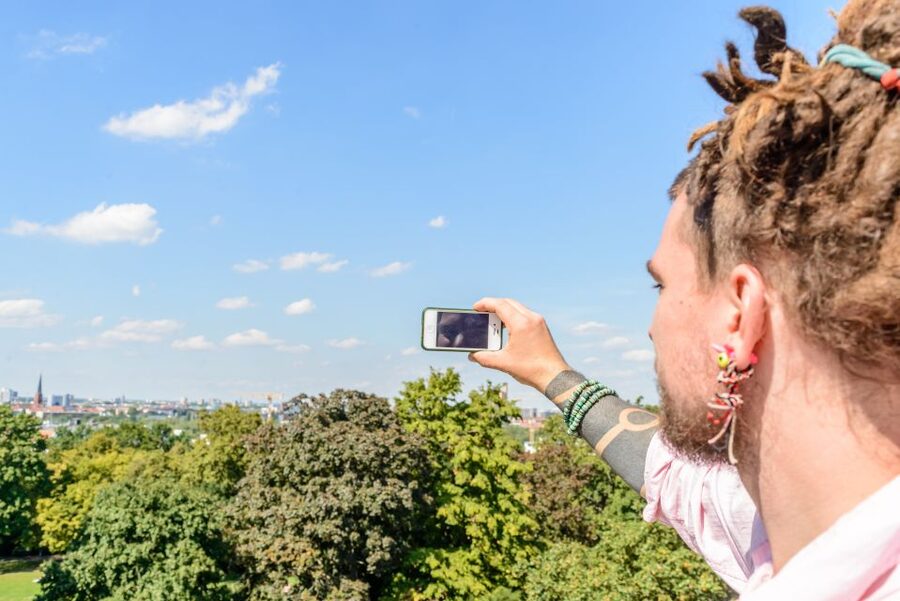
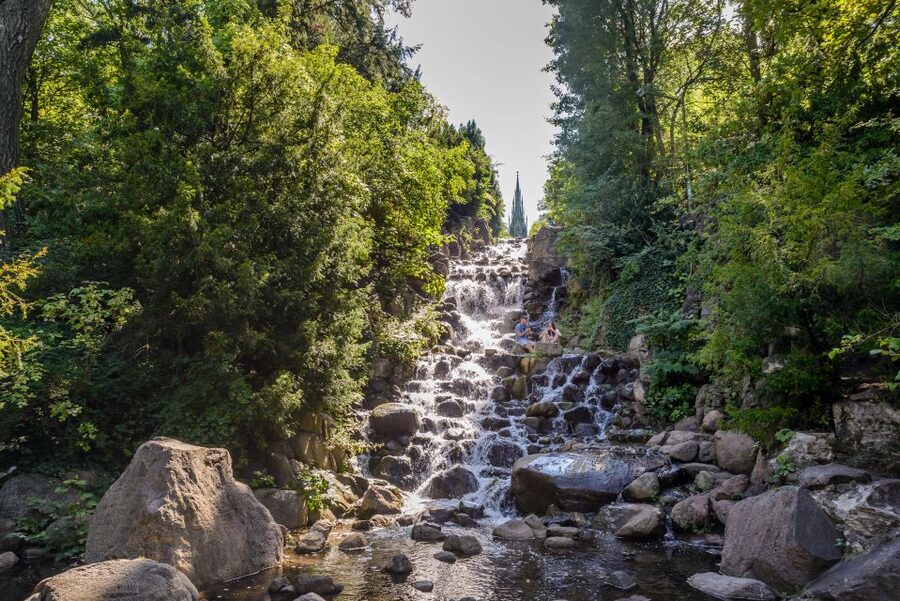
Viktoriapark is the centerpiece of the walk. Allow about 35 minutes here, including a photo stop, guided sightseeing, walking, and views along the way. The park offers a welcome change from city streets, and its waterfall gives the tour a surprisingly pastoral pause.
The hill is the source of the name Kreuzberg. From higher ground, you can look across Berlin and understand the district’s position within the city. The view is not just a pleasant photo opportunity. It helps you connect the surrounding blocks, streets, and old military buildings into one larger picture.
This is also the part of the tour most likely to reward good weather. On a clear day, the city view should be a highlight. In rain, cold, or strong wind, the open hill may be less comfortable. One past participant took the tour in very cold conditions and still found the stories engaging, but you should dress for a real walking outing, not a short city-center stroll.
The park provides the tour’s main breathing space. I like that it breaks up the architecture with greenery and a waterfall. If you are looking for a route made entirely of indoor attractions, this will not suit you. If you enjoy seeing how a city creates quiet spaces within dense neighborhoods, it is an important stop.
Same streets, a different route:
- Berlin: Discover Berlin Walking Tour
★ 4.9 · 5,998 reviews - Berlin’s Best: 2 Hour Walking Tour Third Reich and the Cold War
★ 5.0 · 5,486 reviews - Berlin: Hidden Backyards Guided Walking Tour
★ 4.8 · 5,360 reviews - Explore Berlin: See All The Iconic Sights & Some Hidden Gems
★ 5.0 · 4,429 reviews
The Prussian monument and Riehmers Hofgarten
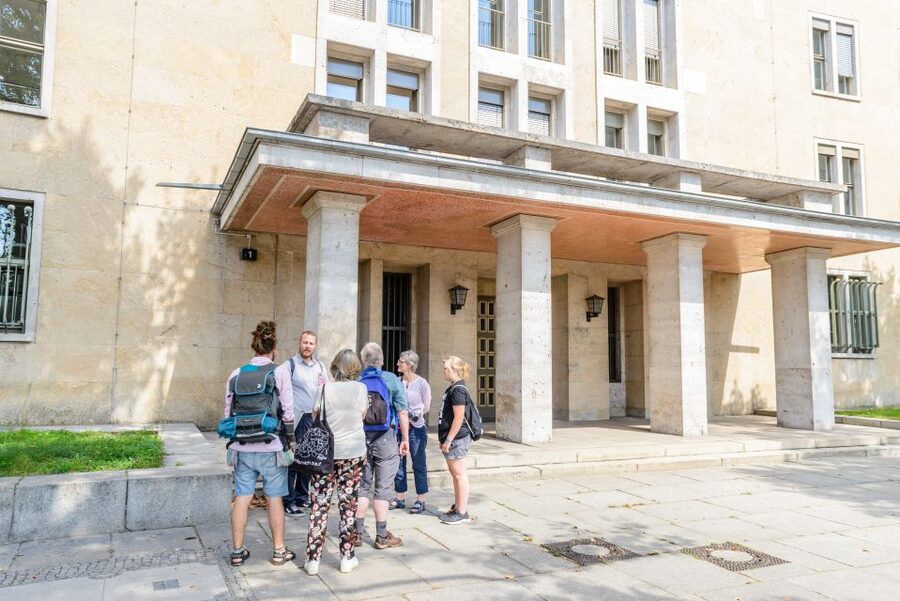
The Prussian Monument for the Liberation Wars follows the park. The stop lasts about ten minutes and includes views from the area. It adds a formal historical marker to a route that also pays attention to homes, shops, and local streets.
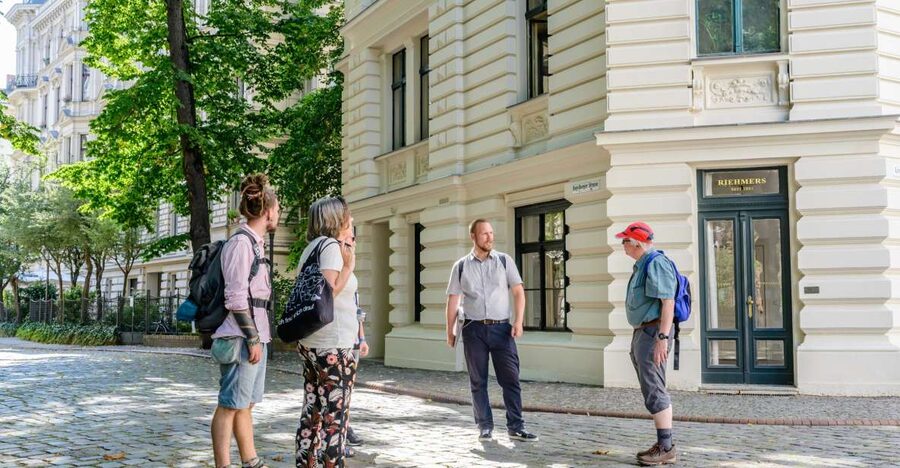
From there, the walk moves to Riehmers Hofgarten for another ten-minute stop. This is one of the best places to see the polished residential side of Kreuzberg 61. The name refers to a courtyard setting, and the stop gives the guide a chance to explain the character of the surrounding apartment architecture.
You should pay attention to the relationship between the street frontage and the space behind it. Berlin’s old residential blocks often reveal their design only after you look beyond the main facade. That is exactly the sort of detail this tour encourages you to notice.
Riehmers Hofgarten is also a good example of the route’s balance. You get a major park, a formal monument, and a residential setting within a short stretch. The experience is less about one spectacular sight and more about understanding how different pieces of the neighborhood fit together.
From the Sarotti courtyard to Bergmannstrasse
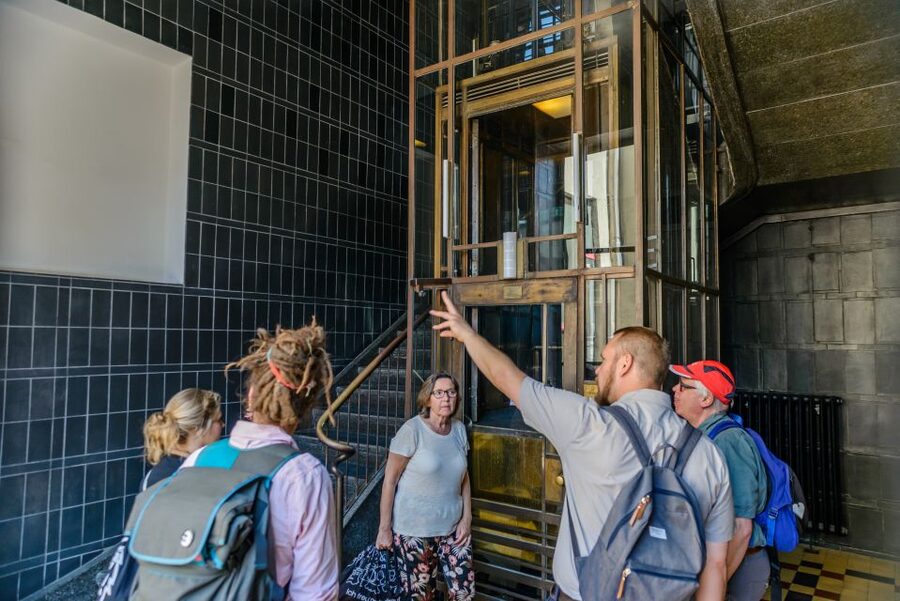
Schmelzwerk in the Sarottihöfe is another photo and sightseeing stop, with around ten minutes set aside. The old industrial and commercial associations here add another layer to the neighborhood. Kreuzberg is not only a place of homes and parks. It also carries the memory of production, trade, and changing business use.
The route then reaches Bergmannstrasse for about 20 minutes. This is one of the livelier parts of the walk, with shops, food, and the multicultural atmosphere associated with the district. You get time for guided sightseeing and walking, but the tour is not designed as a dedicated food crawl or shopping trip.
That distinction matters. If you want to stop for a long meal, browse every shop, or settle into a cafe, you will need to return later on your own. The tour gives you orientation and context, then leaves you in a useful place to continue exploring.
Bergmannstrasse is also where the route’s different themes come together. Architecture, commerce, migration, and current street life all meet here. You can better understand the district after seeing its quieter residential areas first.
Chamissoplatz and the Fachwerkhof
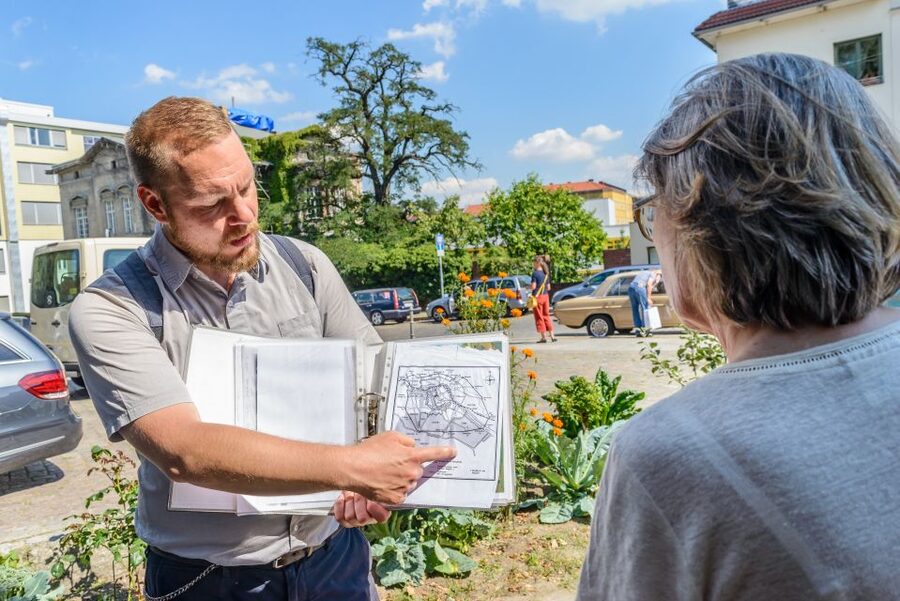
The Fachwerkhof in Berlin Kreuzberg receives a short five-minute stop. It is a photo and sightseeing point, with some shopping and passing by included. The short timing tells you what to expect: this is a visual detail and a quick explanation, not a long visit.
Chamissoplatz follows, also with around five minutes. The square is charming and particularly useful for anyone interested in well-preserved architecture. Its buildings give you another chance to compare the formal residential planning of Kreuzberg 61 with the district’s more casual commercial streets.
These brief stops can be easy to underestimate. They are not headline attractions, but they are precisely the places that help you see the neighborhood’s character. The tour teaches you to notice proportions, courtyards, building fronts, and the difference between a planned square and a busy street.
If you are passionate about architecture, this may be the strongest part of the experience. One participant who had lived in Berlin for years still found unfamiliar corners and specifically recommended the walk to architecture fans. That is a useful clue: you do not need to be new to Berlin to get something from this route.
Finishing at Marheineke Markthalle
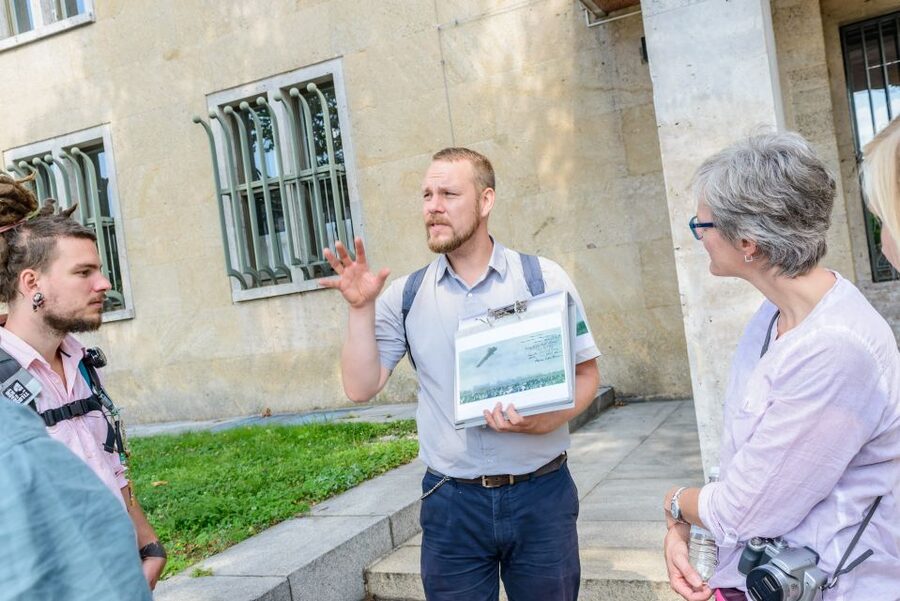
The final listed stop is Marheineke Markthalle, with about five minutes for a break, shopping, sightseeing, and passing by. It is a practical ending point because you can continue around Bergmannstrasse afterward or use the market area as a place to pause.
The break is short, so do not count on a full meal during the guided portion. One person who otherwise enjoyed the walk would have liked a brief refreshment stop, which is fair. The tour is packed with information and walking, and a drink break would make the pace easier for some people.
Still, ending near a market is convenient. You can decide whether to eat, shop, or keep walking through Kreuzberg at your own speed. I would plan ahead and bring water, especially in warm weather, since the route includes a hill and several hours on foot.
The guide makes the difference
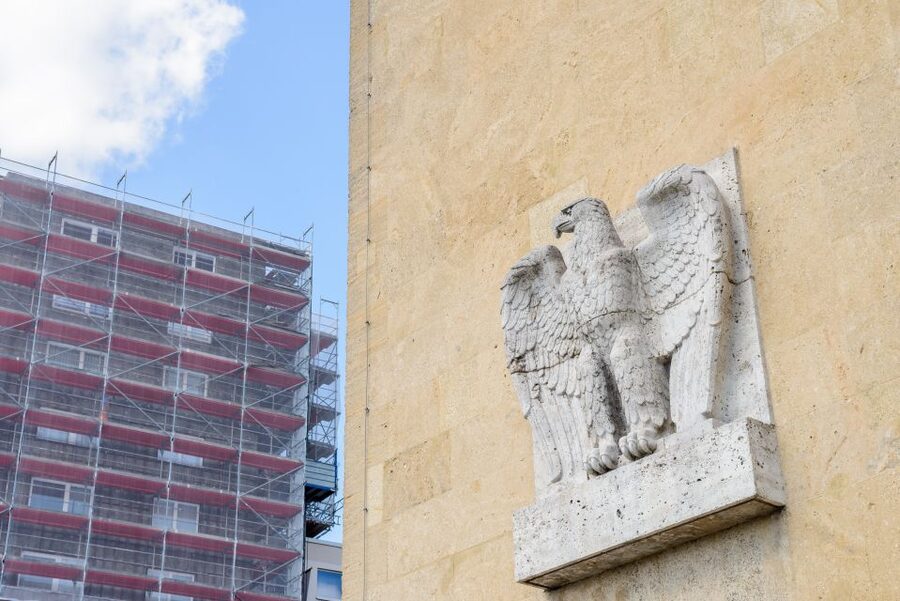
The tour’s strongest feature is the guide’s interpretation. Tobias Schwabe is named in many of the positive comments, and his approach appears to combine factual background with personal stories and open conversation. You should expect more than a memorized list of dates.
That style suits Kreuzberg because the district cannot be understood through monuments alone. You need connections between buildings, residents, political ideas, local business, architecture, and current life. A guide who can move between those subjects gives the neighborhood shape.
The feedback also suggests that guides have been willing to answer questions and exchange ideas rather than rush through a script. That is especially useful on a small neighborhood tour, where your questions can shape the discussion.
The guide may not be Tobias on every departure, so check the details when booking. English and German are offered. The activity is educational by design, with professional guiding included in the $23 price.
Is the $23 price good value?
At $23 per person, this is a good buy if you want a focused neighborhood tour. The walk lasts 2.5 hours, and the route covers parks, monuments, residential courtyards, old commercial areas, squares, and a market hall. You are paying for interpretation, not admission tickets.
That distinction keeps the cost modest, but it also means you should not expect entry to museums or private buildings. Much of the tour takes place outdoors, and several locations are viewed from the street.
For comparison, a general Berlin overview can give you more famous sights in less time, but usually with less attention to one district. This walk makes sense if you have already covered central Berlin or if local architecture interests you more than another pass by the Brandenburg Gate.
The high rating of 4.9 from 525 ratings supports the idea that the format works well for its audience. Still, the value depends on your interests. If you dislike long walks, want lots of free time, or prefer indoor attractions, spend your money elsewhere.
Who should book this Kreuzberg walk?
I would choose this tour for:
- First-time Berlin visitors who want a neighborhood beyond the standard route
- Repeat visitors who have already seen the major sights
- Residents who want to understand parts of Kreuzberg they have never explored
- People interested in architecture, city planning, labor history, and local life
- Couples, solo visitors, and groups who enjoy guided conversation
- Anyone who likes parks and street scenes mixed with historical explanation
Families may also enjoy it, but the 2.5-hour walking time could be a lot for young children. The supplied information does not specify accessibility, group size, restroom arrangements, or the exact amount of uphill walking, so ask before booking if those details matter to you.
The route is not aimed at nightlife, street art, or a long food tasting. You will pass through the cultural world around Bergmannstrasse, but the guide’s focus is the district as a whole.
Practical details for a smoother afternoon
Wear comfortable shoes. The walk includes Viktoriapark and several streets, and you will spend most of the 2.5 hours on foot. Bring water and dress for the weather, especially if you are visiting in winter or during a hot spell.
Check the meeting point because it may vary by booking option. Mehringdamm 129 is one listed starting location, while the route itself begins around Platz der Luftbrücke.
You can cancel up to 24 hours before the activity for a full refund, and the reserve-now, pay-later option keeps your plans flexible. A special meeting point, date, and time can be arranged on request for a group, which is useful if the standard departure does not fit your schedule.
Should you book it?
Book this walk if you want to see Kreuzberg as a lived-in district, not just as a name on a nightlife map. The mix of Viktoriapark, old courtyards, monuments, squares, Bergmannstrasse, and Marheineke Markthalle gives you a well-shaped afternoon with plenty of local detail.
Skip it if your Berlin plans are already packed with major museums and famous landmarks, or if you want a food-focused outing. For $23, though, the tour offers unusually strong value for architecture fans, repeat visitors, and curious first-timers. The best reason to book is simple: after 2.5 hours, you should be able to walk through western Kreuzberg and see much more than you did before.
FAQ
How long does the Kreuzberg 61 walking tour last?
The tour lasts 2.5 hours.
How much does the tour cost?
The listed price is $23 per person.
Where does the tour begin?
There are two possible starting location options. Mehringdamm 129 is one listed meeting point, but the meeting point may vary depending on the option booked.
Which parts of Kreuzberg does the route cover?
The walk focuses on western Kreuzberg 61, including the area between Platz der Luftbrücke and Mehringdamm.
What sights are included?
The route includes Platz der Luftbrücke, the Association of German Book Printers memorial, Sixtusgarten 10, Viktoriapark, the Prussian Monument for the Liberation Wars, Riehmers Hofgarten, Schmelzwerk in the Sarottihöfe, Bergmannstrasse, the Fachwerkhof, Chamissoplatz, and Marheineke Markthalle.
Is Viktoriapark part of the tour?
Yes. The tour spends about 35 minutes at Viktoriapark, including a photo stop, guided sightseeing, walking, and scenic views.
What languages are available?
Live guiding is available in English and German.
Is a professional guide included?
Yes. A professional tour guide is included in the activity.
Can I cancel the booking?
You can cancel up to 24 hours in advance for a full refund.
Can I reserve now and pay later?
Yes. The reserve-now, pay-later option lets you book without paying at the time of reservation.
Can a special date, time, or meeting point be arranged?
Yes. A special meeting point, date, and time can be arranged for you and your group on request. Provide those details when booking.
Just added around Berlin
- Berlin Walking Tour★ 4.5 · 378 reviews
- East Meets West: Berlin Food Culture & Street Art★ 5.0 · 157 reviews
- Berlin Street Art Walking Tour – Off The Grid★ 5.0 · 270 reviews
- Berlin Highlights Private Guided Walking Tour★ 4.5 · 89 reviews
- Small Group Walking Tour of East Berlin with a French Guide★ 5.0 · 176 reviews
- Gruseltour Berlin Haunted Ghost Walk 90-minute at Berlin Mitte city center★ 5.0 · 75 reviews
- Berlin Private Complete History All Day Walking Tour★ 5.0 · 474 reviews
- Private Berlin: Iconic Sights and Hidden Gems Walking Tour★ 5.0 · 292 reviews
Walking Tours, compared.

Magical London: Harry Potter Guided Walking Tour
Read our review →
Reykjavik Food Walk – Local Foodie Adventure in Iceland
Read our review →
History and Hauntings of Salem Guided Walking Tour
Read our review →
New Orleans Premier Ghost, Voodoo and Vampire Walking Tour
Read our review →
Amsterdam Anne Frank: Small-Group Walking Tour & Local Guide
Read our review →

Edinburgh Castle: Guided Walking Tour with Entry Ticket
Read our review →
Anne Frank’s Story – Guided Walking Tour through Amsterdam
Read our review →Browse the lists this tour appears in