
REVIEW · PORTO
Porto: Jewish Heritage Walking Tour
Porto’s Jewish story is easiest to understand on foot, where small lanes, old stairs, and faint architectural clues connect the city’s past. This walk traces former Jewish quarters from the 12th century onward, covering trade, coexistence with Christians, forced conversion, the Inquisition, and the later revival of Jewish life.
I like two things here: the guides often bring original research and images to the walk, and the route takes you to parts of Porto you might skip on your own. The views from Vitória and Virtudes are a fine bonus. The main drawback is simple: there are few surviving Jewish buildings, and the three-hour route is a serious uphill workout.
Key points
- Hidden clues rather than grand monuments: Look for inscriptions, symbols, and sites linked to former Jewish neighborhoods.
- A walk through several old districts: The route includes Rua de Sant’Ana, Comércio do Porto Street, Esnoga stairs, and Jewish Mountain.
- Strong guide-led storytelling: Ricardo, Pedro, Vanessa, Maria, and other guides have been praised for clear explanations and patient answers.
- Porto views along the way: Vitória viewpoint and Virtudes Garden add scenic pauses to a history-focused outing.
- Not a synagogue visit: Entry to Porto’s synagogue and Jewish Heritage Museum is not part of this tour.
- Bring walking shoes: Porto’s steep streets and stairs can make the route tiring, especially in rain or heat.
Porto’s Jewish story begins in the old streets
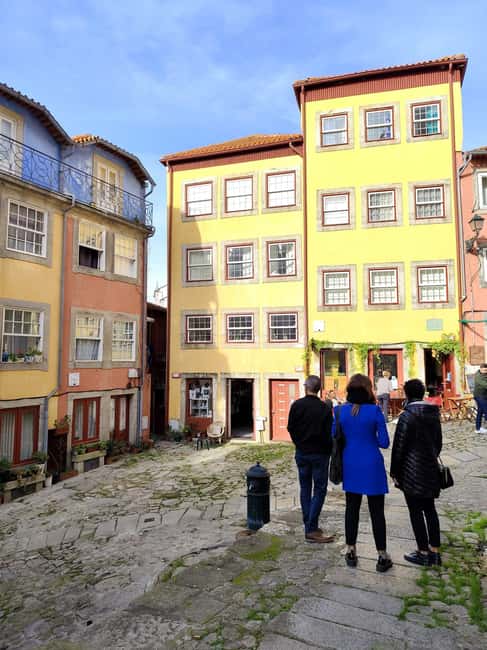
This tour is less about entering preserved buildings and more about learning to read the city. Porto’s Jewish presence dates to the 12th century, when Jewish residents lived and traded alongside local Christians. Your guide explains where the community lived, where wealthier Jewish families settled, and how commercial ties developed between Jewish and Christian residents.
That setting matters because Porto does not offer a single, intact Jewish quarter that tells the whole story at a glance. Instead, the past appears in pieces. A street name, a building detail, an old inscription, or the location of a former place of worship can help you picture a community that was later pushed out, converted, or scattered.
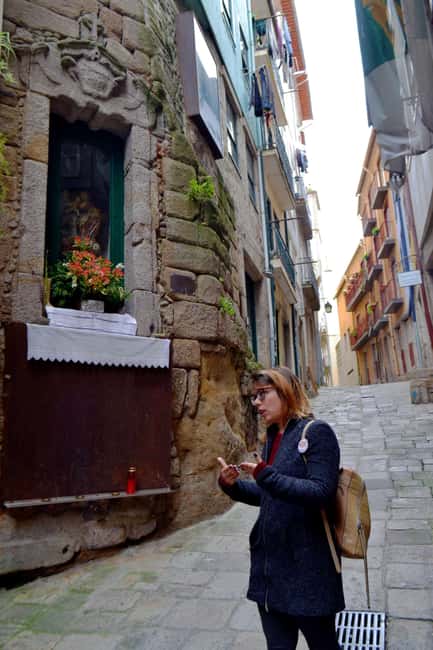
Guides such as Ricardo have pointed out symbols that are easy to miss without help. Some guides also use photographs on a phone to show places that are not open to the public. That extra visual material is useful, since you often need to imagine what the neighborhood looked like in an earlier period.
The subject is serious. You will hear about the Inquisition, forced conversion, and the long struggle for Jewish people to find acceptance in Porto and Portugal. The best guides handle this with care while still keeping the walk moving. Ricardo, Pedro, Vanessa, Maria, Jorge, and others have been praised for answering questions, adding humor at suitable moments, and explaining the wider history of Porto as well as the Jewish story.
More History Walking Tours in Portugal
- Porto: Historical Center Walking Tour
★ 4.8 · 898 reviews - 3-Hour Porto Jewish Heritage Walking Tour with Local Guide
★ 4.5 · 396 reviews - Lisbon: Private Dark History Walking Tour with Drinks
★ 4.8 · 387 reviews
Starting at Pelourinho do Porto
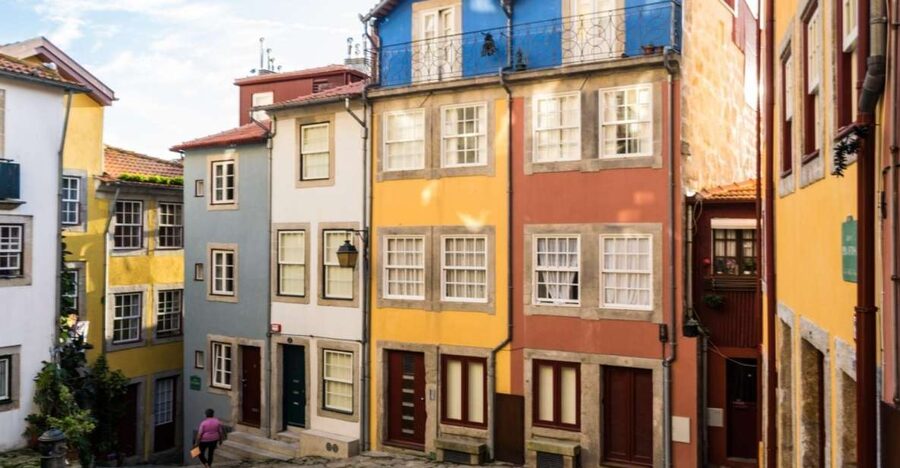
The listed starting point is Pelourinho do Porto, though the exact meeting place can depend on the option you book. Pay close attention to the meeting instructions. One person had trouble finding the guide, and another group appreciated that the guide helped them reach the start after they got lost.
This is a walking tour with no transportation. You meet your local guide in the center and set off through the old city. Since guide identification has not always been obvious, it is sensible to arrive a little early and keep your phone available for meeting instructions.
The group may be small, and private group booking is available. A small group improves this particular experience because the subject invites questions. You can stop to examine a detail or ask how one event affected another without holding up a large crowd.
Rua de Sant’Ana and the former Jewish quarters
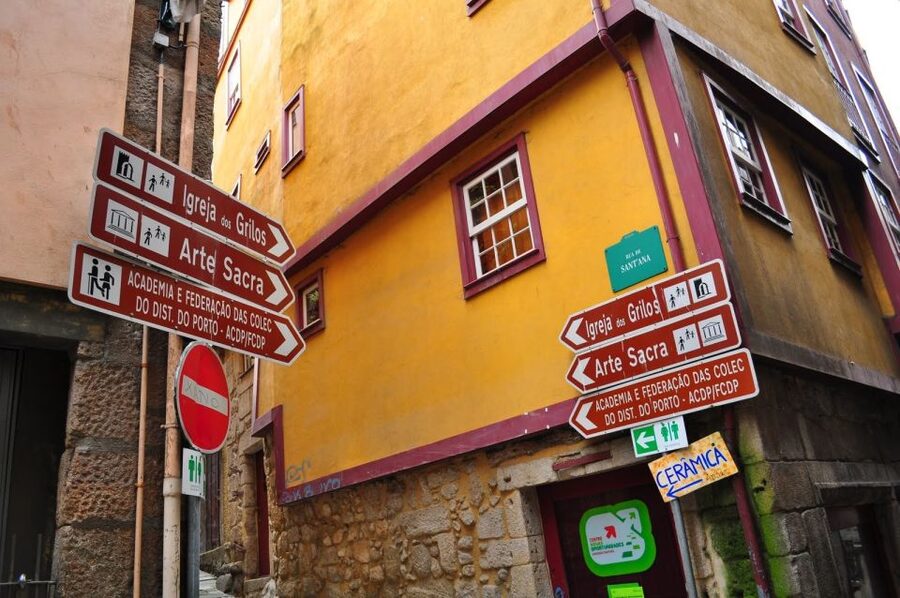
Rua de Sant’Ana is one of the first major stops. Here, your guide begins placing Porto’s Jewish neighborhoods on the city map. You will hear about the first, second, and third Jewish quarters, the families who lived in them, and the movement of Jewish residents through different parts of Porto.
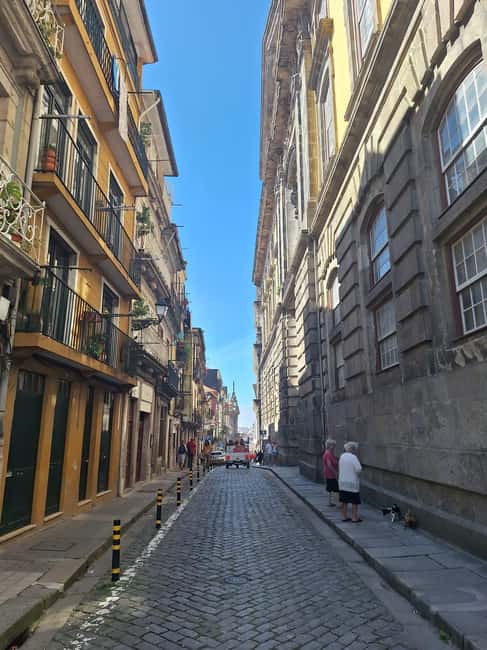
The route helps you understand how urban history works. A former Jewish neighborhood may now look like an ordinary street, with modern activity and little visible evidence of its earlier residents. That is not a flaw in the tour, but it is important to know before booking. You are not walking through a preserved medieval district with original synagogues at every turn.
Instead, your guide gives meaning to what remains. Several people particularly valued seeing small inscriptions and symbols that they would not have found alone. This is where a well-researched guide makes a real difference. Ricardo has been described as having worked in archives on the subject, while other guides have been praised for explaining the material clearly and patiently.
You may also hear about Captain Arthur Carlos de Barros Basto, known in Jewish tradition as Abraham Israel Ben-Rosh. He founded Porto’s modern Jewish community and made a major contribution to the construction of the Kadoorie Mekor Haim synagogue. His story links the older Jewish presence in Porto with the 20th-century community.
Comercio do Porto Street and S. Bento da Vitória Church
The walk continues along Comércio do Porto Street and past S. Bento da Vitória Church. These stops broaden the story beyond Jewish residents alone. Porto’s Christian institutions, commercial streets, and Jewish neighborhoods were closely connected, so the guide uses the surrounding city to explain how the groups lived and traded alongside one another.
The church stop also gives useful context for the religious pressures that shaped the city. Guides discuss the Inquisition and the consequences for Jewish residents who were forced to convert. You are not simply given a list of dates. The route shows how religious policy affected streets, families, symbols, and public life.
Expect the guide to pause in places that may not look important at first. Some stops are best understood through explanation rather than through a dramatic monument. If you prefer tours with a large number of interiors and museum objects, this may feel light on physical evidence. If you enjoy connecting fragments and listening to a well-told historical account, it can be rewarding.
More Jewish Heritage Walks in Porto:
- Amsterdam Anne Frank: Small-Group Walking Tour & Local Guide
★ 4.8 · 12,789 reviews - Anne Frank’s Story – Guided Walking Tour through Amsterdam
★ 5.0 · 11,619 reviews - Prague: Jewish Quarter Walking Tour with Admission Tickets
★ 4.7 · 3,729 reviews - Amsterdam: Anne Frank Guided Walking Tour in DE/EN/IT/ES
★ 4.9 · 3,107 reviews
Vitória viewpoint and the Esnoga stairs
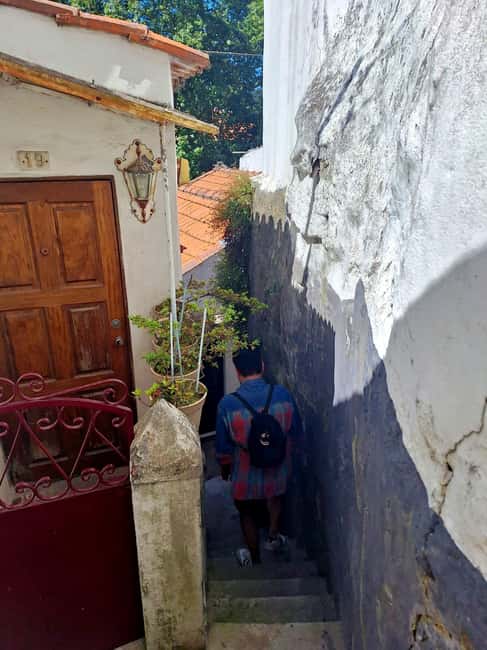
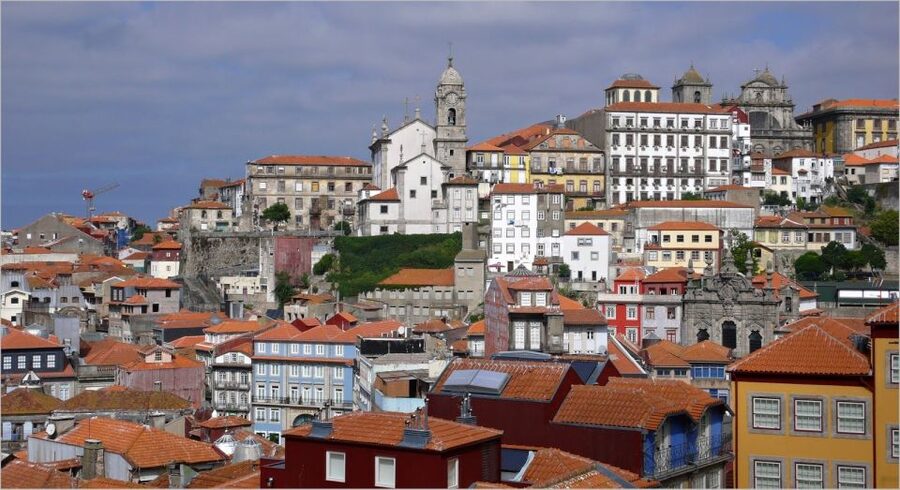
Miradouro da Vitória is one of the scenic pauses. From here, you can take photographs and look across Porto while your guide continues the story. The viewpoint breaks up the historical discussion and gives you a chance to catch your breath.
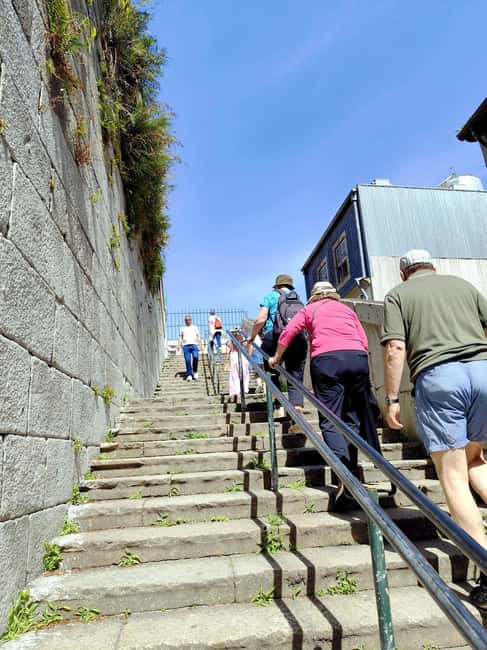
Then comes the Esnoga stairs, one of the more physical parts of the route. Porto is famously hilly, and this tour makes no attempt to avoid that fact. The stairs and narrow lanes are part of the experience, but they also make the walk tiring.
People with a low level of fitness, mobility impairments, or wheelchair users are advised not to book this activity. Even fit walkers may find the route demanding in warm weather or after several days of sightseeing. Wear shoes with a firm grip, and consider booking earlier in the day if you prefer cooler conditions.
Rain can make the route less comfortable, although a patient guide can pause in covered places. The walk has continued in wet weather, but you should bring suitable clothing rather than expect Porto’s stone streets to be forgiving.
Virtudes Garden and Jewish Mountain
The tour finishes at Parque das Virtudes. Like the Vitória stop, the garden offers a scenic setting as well as a place to pause. The route’s final section includes Jewish Mountain, a name tied to the tour’s effort to connect geography with Jewish memory in Porto.
Finishing at Virtudes is practical. You are not returned to the starting point, so plan your next move from the garden. The activity does not provide transportation, and the guide will not be taking you onward by vehicle.
The final stretch also shows why the tour can run longer than a typical quick city walk. You are covering several neighborhoods, stopping for explanations, climbing stairs, and pausing for views. Some groups have finished in about two hours, while the planned duration is three hours. That variation may depend on group size, questions, pace, and fitness.
What you will not see
The most important expectation to set is that the synagogue is not part of this walk. Porto’s synagogue and Jewish Heritage Museum are specifically excluded, and one past participant felt disappointed after expecting a synagogue visit.
This is not necessarily a weakness in the tour itself. Synagogue access can be restricted because of security and operating arrangements, and an outdoor route may be easier to schedule. Still, you should book this experience for the street-level history, not as a substitute for visiting the Kadoorie Mekor Haim synagogue or the museum.
The tour can show you where Jewish life existed and explain what happened to it, but it cannot recreate buildings that no longer survive. Several guides use photographs and archival material to fill that gap. That makes the commentary especially important.
Guide quality and the value of the storytelling
The strongest feature is the guide. Ricardo is repeatedly praised for his research, humor, clear English, and ability to answer questions. Pedro has been described as friendly and energetic, while Vanessa and Maria have been praised for their patience and enthusiasm. Other guides, including Jorge, Daniel, and Richard, have also led this experience.
That range matters because the tour depends heavily on presentation. A quiet or less expressive guide may make the same streets feel more abstract. One person found the historical information excellent but wished for more personality in the delivery. This is a useful reminder that a history walk is shaped by the individual leading it.
At its best, the guide does more than recite facts. You see an old sign, hear why it matters, then connect it to the Inquisition, trade, migration, or the later revival of Porto’s Jewish community. The guide may also answer questions about Portuguese history, Christian churches, World War II, and present-day Jewish life.
The overall rating is 4.7 from 266 reviews, and the repeated praise centers on guide expertise, patience, and the depth of the explanations. For you, that means the $35 price is mainly paying for interpretation. You are not paying for admission to a major monument or for transport.
Is $35 a fair price?
At $35 per person, the tour offers solid value if Jewish history is a real interest rather than a casual add-on. You receive three hours with a local guide, a route through several central areas, scenic viewpoints, and access to details that would be difficult to locate alone.
The value is lower if you expect a museum-style visit with many original objects. The synagogue and museum are not included, and much of the evidence is subtle or gone. You should also count the physical effort as part of the cost. A shorter walking tour may suit you better if steep streets are a concern.
The reserve-now, pay-later option and free cancellation up to 24 hours before the start make planning easier. Check the available start times when booking, since the duration is three hours but the exact schedule can vary.
Who should book this Porto walk?
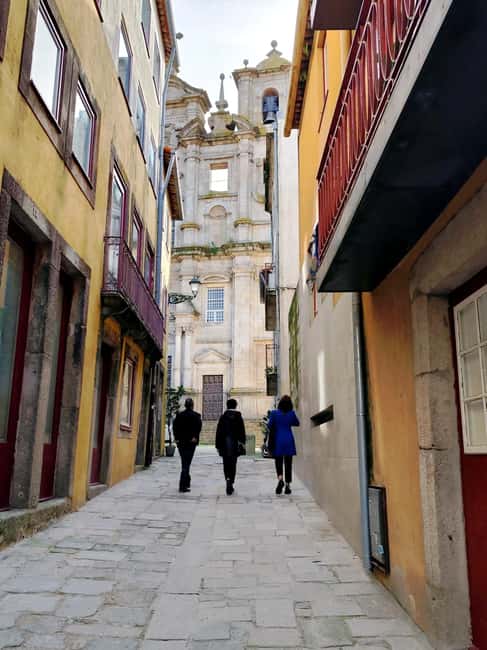
I would choose this tour if you want a focused look at a part of Porto that standard sightseeing routes often leave out. It suits visitors with an interest in Jewish history, Portuguese religious history, urban archaeology, or the effect of the Inquisition on daily life.
It also works well early in your Porto stay. The guide introduces streets, churches, viewpoints, and districts that can make the rest of your time in the city more meaningful. You may notice small details later that you would otherwise pass without a thought.
I would be cautious if you have limited mobility, dislike steep hills, or want mostly indoor sightseeing. The route includes stairs and uneven, sloping streets, and there is no vehicle support. Families and active older visitors may manage it well, but everyone should bring comfortable shoes and be realistic about a three-hour walk.
Should you book the Jewish Heritage Walking Tour?
Book it if you want the story behind Porto’s Jewish traces, not a parade of preserved buildings. The guides, particularly Ricardo, Pedro, Vanessa, and Maria, have earned strong praise for research, warmth, patience, and clear storytelling.
Skip it if your main goal is synagogue access or a museum visit. Those are not included. For everyone else, the $35 cost is reasonable for a thoughtful, hill-heavy walk that combines Jewish history with Porto’s streets, churches, viewpoints, and difficult past.
FAQ
How long does the Porto Jewish Heritage Walking Tour last?
The tour is scheduled for three hours. Some groups have completed it in about two hours, depending on walking pace, questions, and energy levels.
What language is the tour offered in?
The live guide speaks English or Portuguese.
Where does the tour begin?
The listed starting location is Pelourinho do Porto. The exact meeting point may vary depending on the booking option, so check your confirmation carefully.
Where does the tour finish?
The tour finishes at Parque das Virtudes.
Does the tour include Porto’s synagogue?
No. A visit to Porto’s synagogue is not included.
Does the tour include the Jewish Heritage Museum?
No. The Jewish Heritage Museum is not included in the walking tour.
How much walking is involved?
A moderate amount of walking is involved, including narrow streets, steep roads, and stairs. Porto’s hills make this a physically demanding city walk.
Is the tour suitable for wheelchair users?
No. The activity is not suitable for wheelchair users or people with mobility impairments.
What should I bring?
Bring comfortable walking shoes. The route includes steep streets and the Esnoga stairs.
More History Walking Tours in Porto
- Berlin: Third Reich & Cold War Guided Walking Tour
★ 4.9 · 8,378 reviews - Munich: Third Reich & WWII Walking Tour
★ 4.6 · 6,181 reviews - Berlin’s Best: 2 Hour Walking Tour Third Reich and the Cold War
★ 5.0 · 5,486 reviews - Third Reich Berlin: Hitler and WWII Walking Tour
★ 5.0 · 3,301 reviews
Just added around Porto
- Essential Porto Walking Tour★ 4.6 · 129 reviews
- Porto: Private Guided Walking Tour★ 5.0 · 387 reviews
- 3-hour private guided walking tour of the BEST of Porto★ 5.0 · 290 reviews
- 3-Hour Porto Jewish Heritage Walking Tour with Local Guide★ 4.5 · 396 reviews
- Porto Walking Tour – The Perfect Introduction to the City★ 5.0 · 733 reviews
- Porto: Guided Walking Tour and Lello Bookshop★ 4.8 · 895 reviews
- Porto: Historical Center Walking Tour★ 4.8 · 898 reviews
- Porto: Port and Douro Wine Walking Tour with 9 Tastings★ 4.7 · 926 reviews
Jewish Heritage Walking Tours, compared.
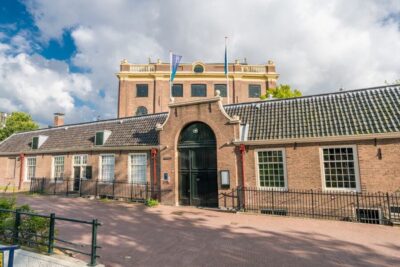
Amsterdam Anne Frank: Small-Group Walking Tour & Local Guide
Read our review →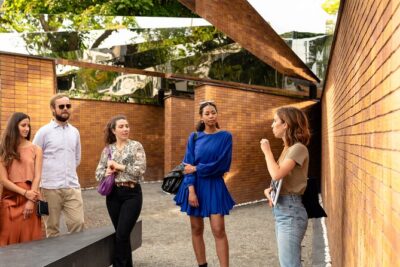
Anne Frank’s Story – Guided Walking Tour through Amsterdam
Read our review →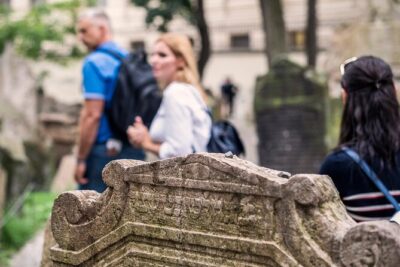
Jewish Quarter Walking Tour with Admission Tickets
Read our review →
Anne Frank Guided Walking Tour in DE/EN/IT/ES
Read our review →
Old Town and Jewish Quarter Guided Walking Tour
Read our review →
Anne Frank Walking Tour Amsterdam Including Jewish Cultural Quarter
Read our review →
Anne Frank’s Last Walk & See Anne Frank House in Virtual Reality
Read our review →Browse the lists this tour appears in