
REVIEW · DUBLIN
Historical 2-Hour Guided Walking Tour of Dublin
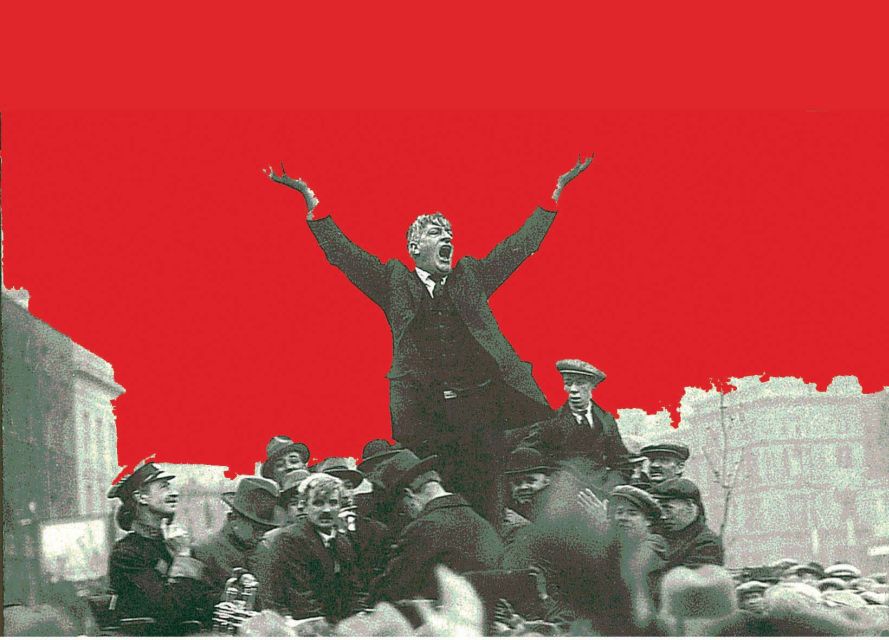
Dublin’s past is not tucked away in a museum here. It is written into castle walls, city streets, statues, and even old bullet holes. This two-hour walk connects those clues into a clear story, from early Irish history through the 1916 Rising, the War of Independence, and the Northern Ireland Peace Process.
I like the Trinity-trained guides, who bring solid facts without sounding stiff. I also like the way the tour uses central Dublin well, covering Dublin Castle, City Hall, Temple Bar, and the Medieval City without asking you to spend half a day on your feet. The main consideration is pace: you get a lot of dates, names, and political changes in two hours, and the tour suits you best if you can follow English comfortably.
Key points to know before booking
- Meet by Trinity College: Find the Henry Grattan Statue opposite Trinity’s front gate. Your guide wears an Authenticity Tours lanyard or badge.
- Expect a history-heavy walk: The route links Dublin’s streets to the Potato Famine, the American and French revolutions, the 1916 Rising, independence, and the Peace Process.
- Guides make the difference: Daragh, Colm, Jodie, Jody, Eoin, Nate, Grace, and Tommy have all been praised for clear explanations, humor, singing, and easy answers to questions.
- Major sights come from the outside: You see Dublin Castle, City Hall, Temple Bar, and the Medieval City, but entry to the State Apartments at Dublin Castle is not included.
- Plan for steady walking: The route lasts two hours and includes many stops, so comfortable shoes matter.
- Good value at $22: You receive a live English-speaking guide and an organized introduction to Dublin’s past for less than many paid city attractions.
Why this Dublin history walk works so well
Dublin can be hard to read at street level. You may pass a handsome Georgian building, an old lane, or a government site without knowing why it matters. This tour gives those places a timeline and a purpose.
The route focuses on the city center, so you spend your time seeing the places that shaped Dublin rather than riding between scattered sights. That makes the tour a useful first activity, especially if you want a framework for the rest of your time in Ireland.
I like the balance between national events and local details. The guide does not only explain Ireland as a whole. You also hear how Dublin functioned as a seat of power, a medieval settlement, a colonial capital, a revolutionary center, and a modern European city.
The strongest part is the delivery. Guides such as Daragh and Colm are described as able to handle names and dates with ease, then connect them to a joke, a personal aside, or even a song. Jodie and Jody are praised for keeping the information organized and easy to hear in a noisy city. That matters because this is not a quiet museum talk. You are standing outdoors, moving through busy streets, and trying to keep the story in your head.
More Two-Hour Tours in Dublin:
- 2-Hour Historical Walking Tour from Dublin
★ 5.0 · 875 reviews - Berlin’s Best: 2 Hour Walking Tour Third Reich and the Cold War
★ 5.0 · 5,486 reviews - Budapest City Landmarks Walking Tour in 2 Hours
★ 5.0 · 2,048 reviews
Starting at the Henry Grattan Statue
Your meeting point is the Henry Grattan Statue opposite the main gate of Trinity College Dublin. This is a practical place to begin because it is central and easy to pair with a visit to Trinity or the nearby city center.
Look for the guide wearing an Authenticity Tours badge or lanyard. Since the tour ends at the same place, you do not need to plan a complicated pickup or figure out transport back to your hotel.
The opening section sets the tone for the walk. You begin with Dublin and Ireland as connected subjects, then move through the forces that changed both. The guides are history graduates of Trinity College Dublin or University College Dublin, and their academic background shows in the amount of context they can provide.
Do not expect a light stroll with a few fun facts. You will hear about revolutions, famine, rebellion, government, partition, and peace. The humor keeps the material approachable, but the subject matter remains serious.
Dublin Castle and the old center of power
Dublin Castle is one of the key stops, and its importance becomes clearer when you hear how power operated in Ireland. The exterior gives the tour a strong physical reference point while the guide explains the political forces that shaped Dublin.
A useful feature of this stop is that the story does not stop at architecture. The guide places the castle within Ireland’s long relationship with British rule and the growth of Irish nationalism. That context helps you understand later stops connected to the 1916 Rising and the War of Independence.
The tour does not include entry to the State Apartments. That is worth noting if you want an indoor castle visit. You will see the castle as part of the walking route and hear its story, but this is not a ticketed tour of the interiors.
For me, that limitation is reasonable at $22. The experience is designed as a city walk, not a full Dublin Castle admission package. If the State Apartments are a priority, plan a separate visit and use this tour for the wider historical connection.
City Hall and Dublin’s changing identity
City Hall adds another layer to the story. Here, the focus moves toward civic government and the way Dublin’s public identity changed over time.
The value of the stop is not simply seeing a grand building. You are given a place to think about who controlled Dublin, how the city was administered, and how political authority shifted. The guide can connect the setting to wider events instead of presenting each building as an isolated photo stop.
This is also where the tour’s chronological structure helps. Ireland’s past can feel like a long list of separate conflicts. A good guide shows how one period affected the next, giving you a clearer sense of cause and consequence.
Several guides are praised for explaining that chain in an accessible way. Daragh, in particular, is described as tying names and dates to the larger setting. Jody Fitzpatrick is also praised for taking Irish history from early periods through Brexit in a lively, compressed account. That is a lot to cover, but the walk gives you a usable outline rather than pretending two hours can explain everything.
More Guided Tours in Dublin:
- Dublin Highlights and Hidden Gems Guided Walking Tour
★ 5.0 · 6,020 reviews - Dublin: Traditional Pubs Walking Tour with Local Guide
★ 4.9 · 112 reviews - Magical London: Harry Potter Guided Walking Tour
★ 4.7 · 22,044 reviews - History and Hauntings of Salem Guided Walking Tour
★ 5.0 · 14,564 reviews
Temple Bar beyond pubs and nightlife
Temple Bar is famous for nightlife, but this tour treats it as part of old Dublin rather than just an entertainment district. The stop helps you look past the bars and notice the area’s place in the city’s older street pattern and public life.
This is a helpful correction if you only know Temple Bar from guidebook photos. You see one of Dublin’s best-known areas, then hear how it fits into the Medieval City and the wider development of the capital.
Because Temple Bar can be noisy, guide delivery matters here. One useful detail from the feedback is that Jodie could be heard clearly even with city noise around the group. You should still expect an outdoor setting, not the silence of a lecture hall.
The guide may also use humor or a song to keep the story moving. Colm and another guide are specifically praised for singing short passages linked to the subjects being discussed. These touches are not the point of the tour, but they can make a difficult sequence of events easier to remember.
Walking through the Medieval City
The Medieval City section gives the tour its strongest sense of place. Instead of hearing about medieval Dublin in the abstract, you walk through the area where the city’s older form can still be traced.
This part is especially useful for first-time visitors. You start to understand that Dublin is not one uniform city center. Older lanes, civic buildings, castle grounds, and later commercial districts tell different parts of the story.
The route includes frequent stops for architecture, statues, and historical points of interest. One detail that may catch your eye is the mention of bullet holes, a small physical reminder that political violence was not confined to textbooks.
You should wear good walking shoes. The route is described as an easy walk, but two hours on hard city surfaces can still be tiring. There is no need for serious hiking gear, yet sandals or uncomfortable shoes may distract you from the guide.
The Potato Famine, revolution, and independence
The tour gives major attention to the forces that made modern Ireland. You hear about the influence of the American and French revolutions, the Potato Famine, the 1916 Rising, and the War of Independence.
This is where the experience becomes more than a sightseeing loop. The guide explains how ideas of liberty and national identity traveled across borders, how famine reshaped Irish society, and how rebellion and independence developed within that larger setting.
You should expect plenty of names and dates. One helpful approach is to listen for the broad sequence first. The guide is trying to show how events connect, not ask you to memorize every detail.
The amount of information may feel dense if you prefer a relaxed stroll with occasional commentary. One assessment described the tour as capable of feeling a little like a lecture because of the facts and dates. That is a fair warning. The difference is that the lecture moves through Dublin streets, includes questions, and uses wit, anecdotes, and sometimes music.
For anyone with an interest in Irish history, this density is also the main benefit. You leave with a stronger grasp of why Dublin matters in the national story and why so many city-center sites carry political meaning.
From the 1916 Rising to the Peace Process
The walk does not end with independence. It also covers modern history and the effects of the Northern Ireland Peace Process.
That broader time span is one of the tour’s best features. Many Dublin walks focus on Vikings, medieval streets, or the 1916 Rising and stop there. This one aims to explain how older divisions continued to affect Ireland and how the peace process changed the political picture.
The guide must move quickly through complex material, so you will not receive a full course on Northern Ireland. You will, however, gain a useful outline of how the past remained relevant to modern Ireland.
The discussion also brings the tour into the present. Dublin is not presented as a city frozen in rebellion-era history. You are encouraged to notice modern Dublin and think about how its identity developed after the events being described.
How the guides shape the experience
The company uses guides with backgrounds in history from Trinity College Dublin and University College Dublin. That does not guarantee the same style every time, but the available guide names give you a sense of the range.
Daragh is praised for his grasp of Irish and Dublin history, his clear chronology, and his ability to connect detail with context. Colm is described as personable, funny, and comfortable answering questions. Jodie and Jody receive strong praise for lively delivery, clear speech, and making a large subject easier to follow.
Eoin is described as both entertaining and well informed. Nate brings enthusiasm for Ireland’s past, while Grace and Tommy are praised for clear explanations and a strong personal interest in the material.
You cannot choose a guide from the information provided, so book this for the format and subject rather than a specific person. Still, the repeated pattern is encouraging: the guides are not simply reciting a script. They answer questions, add anecdotes, and adjust their delivery to the group.
Value, timing, and practical details
At $22 per person, this is good value if you want historical orientation rather than entry to a major attraction. You receive two hours with a live English-speaking guide and see several central sights. A private guide would cost far more, while a self-guided walk would not offer the same chance to ask about names, dates, or confusing political connections.
The tour is also a smart use of the first day in Dublin. Take it early in your visit and you will recognize the castle, civic buildings, Temple Bar, and medieval streets afterward. You may also find it easier to choose which museums or historic interiors deserve your money.
Cancellation is free up to 24 hours before the start, and you can reserve now and pay later. Those terms help if your Dublin schedule is still changing.
The activity is wheelchair accessible, according to the supplied details. The tour is conducted in English, and English comprehension matters because the guide covers a great deal of material aloud. If you prefer slow sightseeing or need frequent pauses, confirm the day’s arrangements before booking.
Who should book this two-hour walk
I would choose this tour if you want the story behind Dublin’s central sights. It suits first-time visitors, history students, families with older children who can follow a detailed talk, and anyone who wants a quick introduction before exploring Ireland beyond the capital.
It is also a good match for repeat visitors. One person who had already been to Dublin several times still found value in understanding the political context of familiar places.
You may want a different activity if your main goal is interior access to Dublin Castle, a food experience, or a very relaxed route with little talking. This is an information-heavy walk, and you need to stay engaged.
Should you book the Historical 2-Hour Guided Walking Tour of Dublin?
Book it if you want Dublin to make more sense. For $22, you get a focused route through the Medieval City, Temple Bar, City Hall, and Dublin Castle, plus a clear account of the events that shaped Ireland.
The best reason to go is the combination of serious historical content and lively delivery. The main caution is the amount of material packed into two hours. Wear comfortable shoes, arrive at the Henry Grattan Statue early enough to find the guide, and expect a fast-moving outdoor lesson rather than a casual wander.
FAQ
How long does the Dublin historical walking tour last?
The tour lasts two hours. Starting times vary, so check availability when booking.
Where does the tour begin?
Meet at the Henry Grattan Statue opposite the front gate of Trinity College Dublin.
Where does the tour end?
The activity ends back at the meeting point by the Henry Grattan Statue.
How do I identify the guide?
Your guide wears a lanyard or badge marked Authenticity Tours around the neck.
What language is the tour conducted in?
The live guided tour is conducted in English.
Is the tour wheelchair accessible?
Yes, the activity is listed as wheelchair accessible.
Does the tour include entry to Dublin Castle’s State Apartments?
No. Entry into the State Apartments is not included.
Which Dublin sights are covered?
The route includes Dublin Castle, Temple Bar, City Hall, and the Medieval City, along with other historical points in central Dublin.
Can I cancel for a full refund?
Yes. You can cancel up to 24 hours in advance for a full refund. You can also reserve now and pay later.
Just added around Dublin
- Dublin: Macabre History Walking Tour★ 4.9 · 95 reviews
- Dublin: Traditional Pub Walking Tour★ 4.6 · 295 reviews
- Dublin: Traditional Pubs Walking Tour with Local Guide★ 4.9 · 112 reviews
- Dublin’s Haunted History Walking Tour★ 4.3 · 345 reviews
- Dublin: Irish Music Walking Tour with Live Performance★ 4.8 · 137 reviews
- Dublin: Highlights and Hidden Corners Walking Tour★ 4.8 · 79 reviews
- Dublin: Delicious Walking Food Tour★ 4.9 · 137 reviews
- Dublin Highlights: 2.45-Hour Walking Tour in Italian★ 4.7 · 460 reviews
Walking Tours, compared.

Magical London: Harry Potter Guided Walking Tour
Read our review →
Reykjavik Food Walk – Local Foodie Adventure in Iceland
Read our review →
History and Hauntings of Salem Guided Walking Tour
Read our review →
New Orleans Premier Ghost, Voodoo and Vampire Walking Tour
Read our review →
Amsterdam Anne Frank: Small-Group Walking Tour & Local Guide
Read our review →

Edinburgh Castle: Guided Walking Tour with Entry Ticket
Read our review →
Anne Frank’s Story – Guided Walking Tour through Amsterdam
Read our review →Browse the lists this tour appears in