
REVIEW · WALKING TOURS
Stone Town’s Hidden History: Private Guided Walking Tour
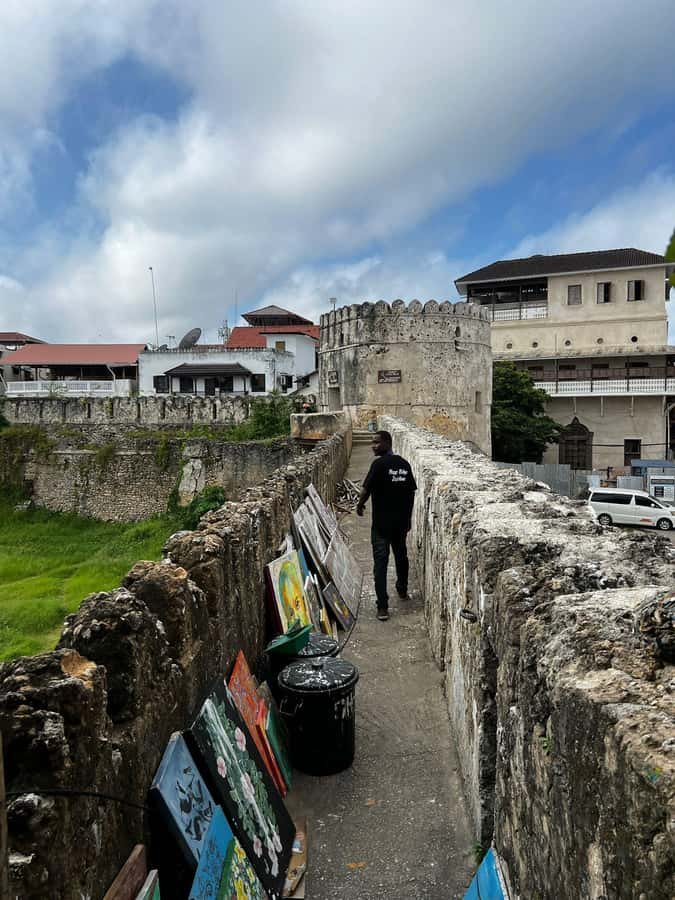
Stone Town packs more than 2,000 limestone buildings into an area about the size of 14 football fields. That tight maze is the point: with a local guide, you move from carved doors and coffee corners to the former slave market, old baths, markets, and forts while the stories connect the streets.
I like the private format, which lets you ask questions and shape the walk around history, architecture, food, or shopping. I also like the practical touches: two 500-milliliter bottles of water, a city map, and guides such as Abdalla, Cosmo, Amina, and Issa who have adjusted routes and pace for individual interests.
The main consideration is heat and uneven walking in narrow streets. Morning is the sensible choice for comfort, while the 4:30 pm start is better for sunset and the night market. Museum and bath entry fees may cost extra, and the House of Wonders is currently under renovation.
Key points to know before you book
- Stone Town in one compact walk: Cover major sights in roughly 2.5 hours, with options to shorten or extend the outing.
- A guide who can change the route: Ask for more architecture, local life, food, shopping, or difficult historical subjects.
- Former slave market and Anglican Cathedral: This stop gives the tour its most serious historical focus.
- Markets and everyday Zanzibar: Darajani Bazaar, Stella Market, coffee spots, and shopping streets show how the town functions today.
- Morning or sunset timing: Start early to reduce heat, or choose 4:30 pm for evening light and the night market.
- Good value at $30 per person: Pickup, drop-off, water, a map, and a private or small-group guide are included, while some admission fees are not.
A compact introduction to Stone Town’s many layers
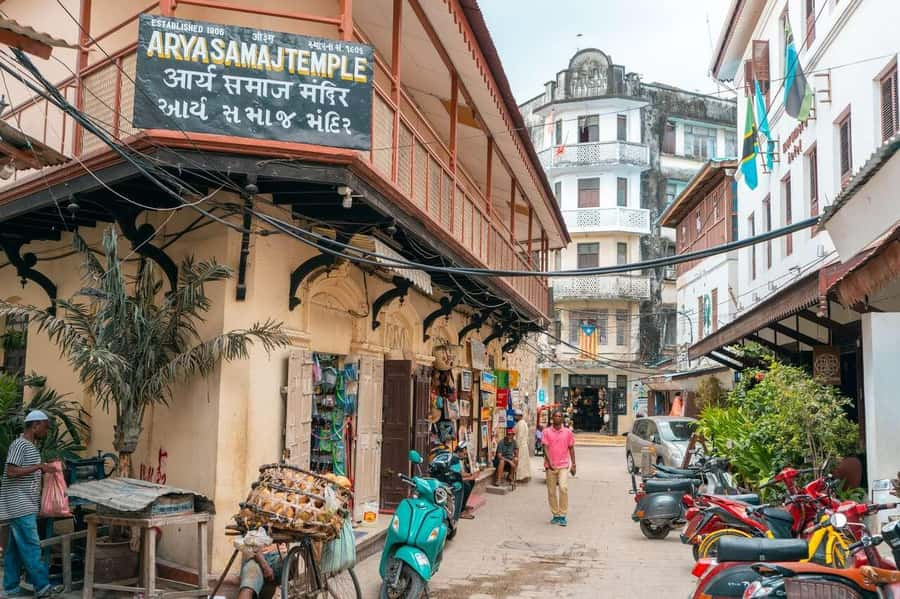
Stone Town is not a collection of isolated sights. Its appeal comes from the way African, Arab, Indian, Persian, and European influences meet in a small, walkable quarter. The result is a place where an ornate door can sit near a market stall, a former palace, a church, and a coffee gathering within a few minutes of one another.
The town has been a UNESCO World Heritage Site since 2000. That title matters here because the buildings and streets form one connected historic district, not just a handful of preserved monuments. You will see more than 2,000 limestone structures, and the guide helps explain why the town looks and feels so different from the beach resorts elsewhere on Zanzibar.
This walk is best used as a first look. It gives you a map in your head, points out places to return to, and adds context that can be hard to pick up while wandering alone. If you have only one day in Stone Town, the route covers a lot without requiring transport between stops.
More Private Walking Tours in the world:
- Private Walking Grand Tour of Copenhagen
★ 5.0 · 3,953 reviews - Vienna: Private Walking Tour with a Local
★ 4.6 · 1,446 reviews - Barcelona Helicopter, Sailboat & Old Town Private Walking Tour
★ 5.0 · 1,395 reviews
Meeting near the Old Fort and Forodhani Gardens
The standard meeting point is in front of the Old Fort, close to Forodhani Gardens. This is a handy place to begin because it puts you at the edge of the old quarter, near the seafront and several of the town’s major sights.
If you choose hotel pickup, wait in your lobby about 10 minutes before the scheduled time. Look for the guide or driver wearing a Happy Bikes shirt, hat, or cap. Pickup is optional, so you can also meet directly at the Old Fort if you are already in town.
The walk finishes at one of several listed drop-off points, including the Old Fort, Darajani Bazaar, Africa House Hotel, Park Hyatt Zanzibar, Tembo Palace Hotel, Lukmaan Restaurant, the Zanzibar tourist information center, and other central locations. Confirm your preferred ending point when arranging the tour, especially if you have a meal or another activity booked.
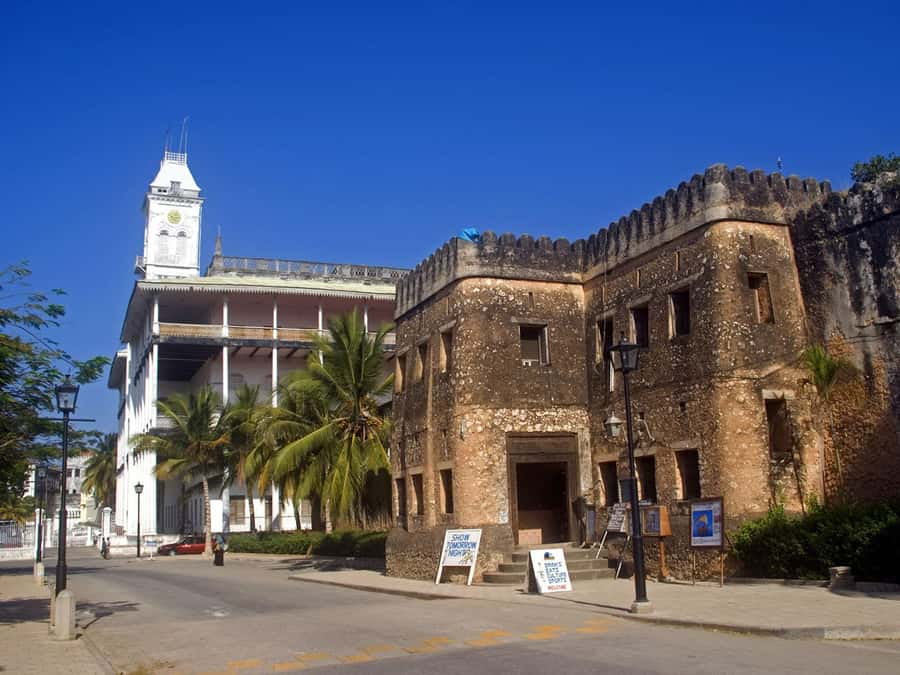
The Old Fort, seafront, and first views of the town
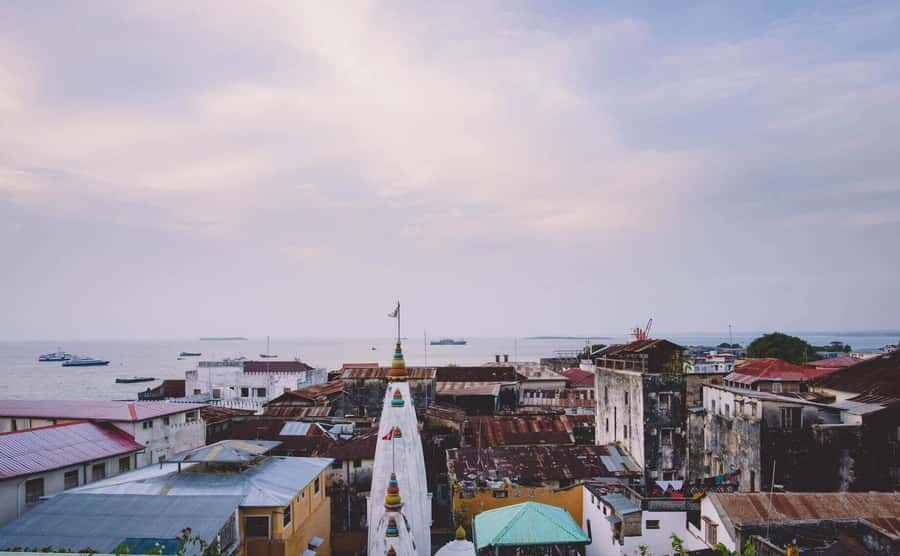
The Old Fort is one of the natural anchors of the walk. Starting here gives you an immediate sense of Stone Town’s position beside the sea and its layered past. The fort also makes an easy reference point if you plan to explore alone later.
From here, the route can lead through the narrow lanes toward the old center. You will see limestone walls, shopfronts, courtyards, and the famous Zanzibar doors. The doors are not just pretty photo subjects. Their size, carving, and decoration reflect the wealth and tastes of the people who commissioned them, and a guide can help you notice details that blur together when you walk quickly.
The lanes can be crowded, and the route is not a smooth promenade. Wear shoes with good grip and keep your bag small. Large luggage is not allowed, which makes sense in streets where people, bicycles, stalls, and doorways all share limited space.
The former slave market and Anglican Cathedral

This is likely the most important stop on the tour. The Anglican Cathedral occupies the site of the former slave market, linking Zanzibar’s commercial past to one of the most painful parts of its history.
The stop is not light sightseeing, and it should not be rushed. Your guide can explain the site’s role and place it within the wider story of Zanzibar and the Indian Ocean trade. The cathedral adds another layer, since the building now occupies ground once used for a very different purpose.
Admission arrangements need attention. The activity information lists entry to the Anglican church and museums as optional extras, while one booking account says the former slave-market visit was included. I would confirm exactly what is covered before setting out, especially if entering the cathedral or associated museum is central to your plans.
More Guided Tours in the world:
- Magical London: Harry Potter Guided Walking Tour
★ 4.7 · 22,044 reviews - History and Hauntings of Salem Guided Walking Tour
★ 5.0 · 14,564 reviews - Amsterdam Anne Frank: Small-Group Walking Tour & Local Guide
★ 4.8 · 12,789 reviews - Edinburgh: Harry Potter Magical Guided Walking Tour
★ 4.8 · 11,944 reviews
Darajani Bazaar, Stella Market, and the coffee streets

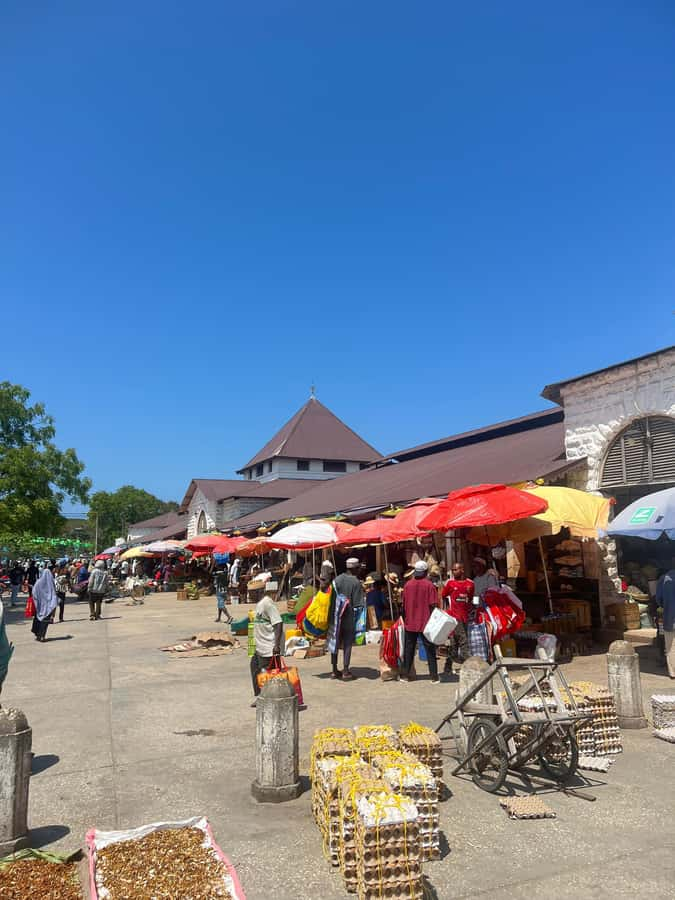
The market portion shows you present-day Stone Town rather than only its monuments. Darajani Bazaar and Stella Market serve local daily needs, with food, household goods, and other purchases moving through the lanes. The color and activity are part of the appeal, but this is a working market, not a staged display.
You may also pass through the coffee-filled bazaar and Jaws Corner, a well-known gathering place mentioned in the route. These stops help explain how people use the town’s public spaces. You are not simply looking at old buildings. You are seeing where people meet, shop, eat, and pause during the day.
Food and soft drinks are not included, so bring cash if you want to buy something along the way. Personal purchases are also your responsibility. That makes the tour flexible: you can focus on the walk, or pause for a local drink or snack if your guide and schedule allow.
A market visit can be busy and warm. Keep your valuables secure, avoid blocking entrances, and ask before photographing people. The guide can help you understand what you are seeing without turning ordinary daily life into a photo backdrop.
House of Wonders and the palace quarter
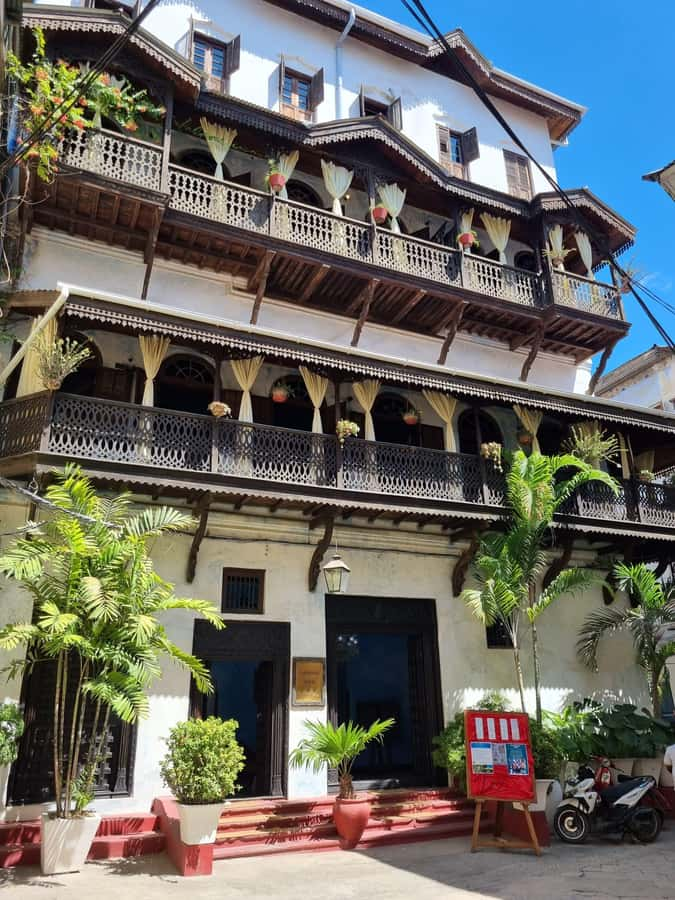
The House of Wonders is one of Stone Town’s best-known landmarks and an important architectural reference point. At present, it is under renovation and operating as a national museum project rather than a normal open attraction. You should therefore treat it mainly as an exterior sight unless your guide confirms access on the day.
The nearby palace museum offers another way to consider Zanzibar’s ruling past and the connections between the island, Arabia, India, and East Africa. Museum access is not included in the base price, so decide in advance how much time and money you want to spend indoors.
The practical benefit of a guided route is that you can still gain value from these buildings even if an interior is closed. The guide can point out their place in the town and help you compare them with the surrounding homes, shops, and religious buildings.
Hamamni Baths and the Catholic Cathedral
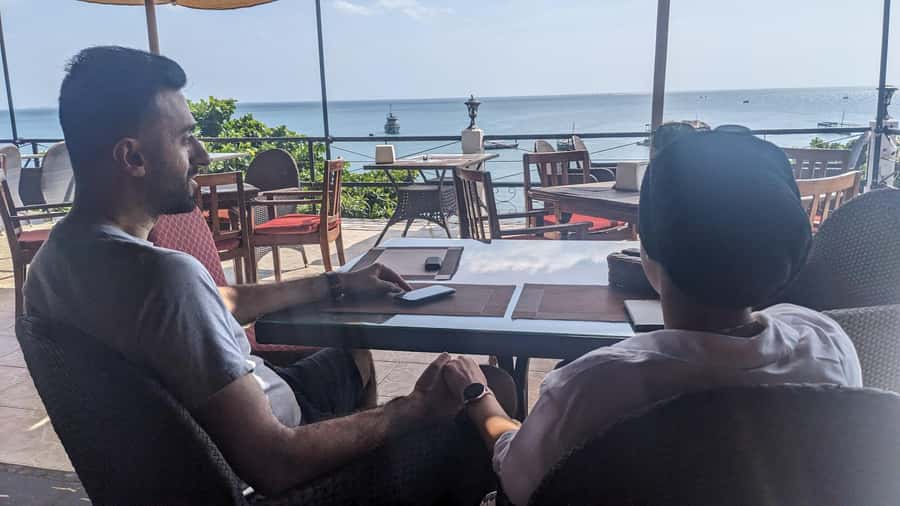
Hamamni Baths add a quieter architectural stop to the route. The baths reflect the town’s historic public life and its links to wider Indian Ocean traditions. Entry is listed as an optional extra, so check the current fee if you want to go inside.
The Catholic Cathedral gives the walk another religious and cultural layer. Stone Town’s character comes partly from the close presence of different traditions, and visiting both the Anglican and Catholic sites helps you see that the town cannot be explained through one culture alone.
You should dress respectfully for religious sites. The tour information specifically asks you to follow local customs, so shoulders and knees should be covered where appropriate. A light, loose outfit is useful in the heat and also works better for visiting places of worship.
Freddie Mercury’s house and the personal side of Stone Town
The stop connected with Freddie Mercury brings a more recent and personal story into the walk. His association with Zanzibar gives the town a link that many people recognize before they arrive, and the house or museum can be a natural choice for music fans.
Entry to Freddie Mercury’s museum is not included. If this is a priority, ask whether the route includes the museum entrance or only the exterior, then budget for the ticket. The tour is flexible enough to give this stop more attention if your interests lean toward modern culture rather than colonial or commercial history.
The same flexibility applies to shopping and arts and crafts. You can ask your guide to spend more time in the bazaar shops zone, where local people buy everyday items, or focus on doors, buildings, and photography instead.
Secret Garden and the route’s quieter moments
The Secret Garden offers a change from the main streets and market lanes. It is included among the places you may visit, but the exact route depends on timing and your chosen focus. Ask about it at the start if you prefer gardens and quieter spaces to shopping.
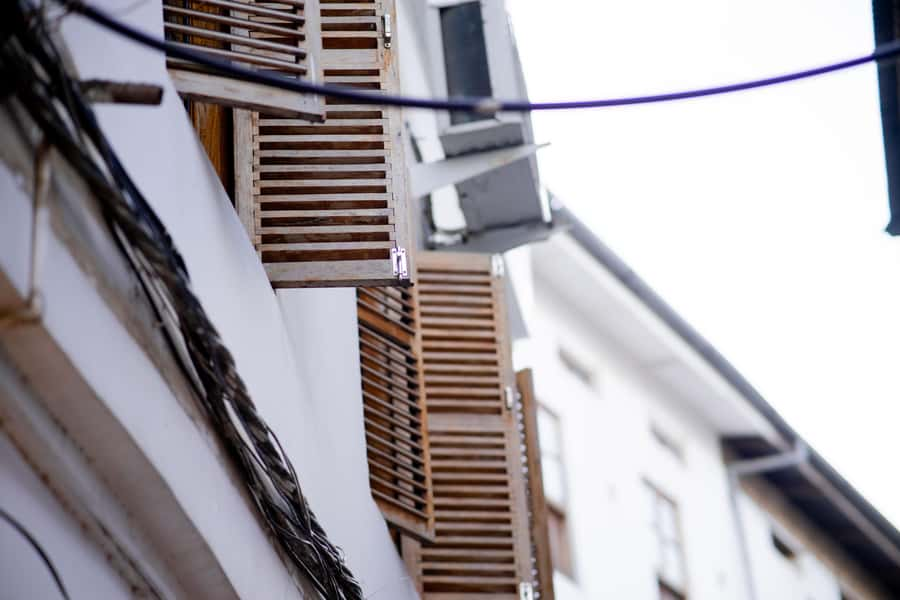
The tour can also include time for photographs and short pauses. This matters because Stone Town rewards looking up and slowing down. A quick walk may take you past carved balconies, old walls, and small details without giving you time to understand them.
The private setup makes these pauses easier than they would be in a large group. Past bookings describe guides adapting the length from three hours to two hours when another commitment came up, and adding extra explanations when the group had questions. That kind of adjustment is useful, but you should still tell the guide at the beginning if you have a firm finish time.
Choosing the right guide and language
The tour is offered in English, French, German, Italian, Spanish, and Swahili. Guide names associated with recent bookings include Abdalla, Abdullah, Amina, Cosmo, Issa, Hashir, Muhammad, and Munaa.
The strongest pattern is personal attention. Abdalla is particularly suited to visitors who want detailed explanations and lots of questions. Amina and Munaa have tailored walks around specific interests, while Cosmo has been praised for his easy manner and local cultural insight. Issa has also handled history, culture, and food in a compact route.
You cannot necessarily request a particular guide, so think of the names as examples of the provider’s guide team rather than a guarantee. The useful move is to state your priorities before the walk begins. Say if you care most about architecture, the slave trade, religious buildings, food, shopping, photography, or local life.
Timing, heat, and the sunset option
The advertised duration is two to four hours, with the central walk generally taking about 2.5 hours. That is long enough to cover the main sights but short enough to fit before lunch, a boat trip, or an evening meal.
Morning is best if you dislike heat. Several bookings specifically recommend starting early, and one guide made a point of finding shade during explanations. Comfortable shoes, sunglasses, water, and cash belong in your day bag.
For sunset views and the night market, choose the 4:30 pm start. This gives the route a different mood, with late light around the seafront and a chance to see the evening food scene. The tradeoff is that the town may feel warmer at the start, and you will have less daylight for some exterior details.
The tour runs rain or shine. Bring an umbrella if showers are forecast. Pregnant women are advised not to take this activity, and anyone who finds long walks difficult should discuss the route and duration before booking.
What the $30 price actually gives you
At $30 per person, the tour offers solid value if you want orientation and local explanation rather than a self-guided stroll. You receive a private local guide, pickup and drop-off, two 500-milliliter bottles of water, a city map, and taxes and surcharges.
The private or small-group format is the main value. A standard Stone Town walk can show you the same streets, but it cannot answer questions or change direction as easily. If you are a solo visitor, a couple, or a small family group, the price buys attention as much as sightseeing.
Budget separately for museum, church, and Hamamni Baths entry, along with food, soft drinks, and shopping. Since the House of Wonders is under renovation, do not assume every major building offers an interior visit.
Free cancellation is available up to 24 hours before the start, and you can reserve now and pay later. Those terms are helpful if your Zanzibar plans are still shifting, but the key decision is still timing: choose morning for comfort or 4:30 pm for evening atmosphere.
Who should book this Stone Town walk?
I would recommend it to first-time visitors who want a clear introduction before exploring alone. It also fits anyone who likes asking questions, has limited time, or wants help connecting buildings with Zanzibar’s African, Arab, Indian, Persian, and European influences.
It is especially useful for solo visitors who feel uncertain about finding the meeting point or walking the old quarter alone. Hotel pickup can simplify the start, and the guide can return you to a central location at the end.
You may want another type of outing if you dislike walking in heat, want a long museum visit, or prefer a fixed historical lecture with no market or shopping time. This is an active town walk, not a vehicle-based sightseeing tour. Its strengths are flexibility, local explanation, and variety.
Should you book it?
Book this tour if you want to understand Stone Town quickly and still have room to shape the day around your interests. The former slave market, Old Fort, markets, carved doors, religious buildings, and coffee stops give you a useful mix of serious history and ordinary town life.
Choose a morning departure for cooler conditions. Choose 4:30 pm if sunset and the night market matter more than avoiding the heat. Before paying, confirm which entrance fees are included and tell the guide your must-see stops.
At $30 per person, the combination of a private guide, transport support, water, and a flexible route makes this a sensible first activity in Stone Town. It will not replace a full museum visit, but it can show you where to return and help the old quarter make sense.
FAQ
Where does the tour meet?
The meeting point is in front of the Old Fort, near Forodhani Gardens.
Is hotel pickup available?
Yes. Pickup is optional. If you select it, wait in your hotel lobby 10 minutes before the scheduled pickup time and look for the guide or driver wearing a Happy Bikes shirt, hat, or cap.
How long does the tour last?
The activity lasts between two and four hours. The main Stone Town walking portion is listed as about 2.5 hours.
What languages are available?
Guides are available in English, French, German, Italian, Spanish, and Swahili.
Are museum and historic-site entrance fees included?
Entry fees for Freddie Mercury’s museum, the Anglican church, and Hamamni Baths are listed as optional and are not included in the base price. Confirm the current arrangements before the walk, as admission details can vary by stop.
What should I bring?
Bring comfortable shoes, sunglasses, a camera, and cash. Two 500-milliliter bottles of water and a city map are included.
Can I take the tour in the evening?
Yes. Book the 4:30 pm start if you want sunset views or the evening night-market atmosphere. The tour operates in rain or shine, so an umbrella may be useful during showers.
Just added around the world
- Vatnajökull Glacier Walk from Hali★ 5.0 · 479 reviews
- Old Hobart Pub Walking Tour★ 4.5 · 91 reviews
- Ice Cave and Glacier Walk into Blue Glacier Canyon★ 5.0 · 224 reviews
- Southwest Tasmania Wilderness Experience: Fly Cruise and Walk Including Lunch★ 5.0 · 233 reviews
- Hobart History, People & Places – 2 hour city walk★ 5.0 · 224 reviews
- Saigon’s Hidden Flavors – Private Street Food Walk with Local Students★ 5.0 · 301 reviews
- Vegan Walk Not Just Vegan Food★ 5.0 · 266 reviews
- Ho Chi Minh City: Highlights & Hidden Gems – Free Walking Tour★ 5.0 · 194 reviews
Private Walking Tours, compared.

Barcelona Helicopter, Sailboat & Old Town Private Walking Tour
Read our review →


Lyon: Private Walking Tour of “Traboules” in the Old Town
Read our review →
Browse the lists this tour appears in