
REVIEW · INDIA
Heritage Walk & Street Food Tasting in Jaipur
Jaipur’s best introduction may be found in its side streets, where a hot kachori, a cup of masala chai, a Hindu temple, and a metalworker’s workshop can sit within a few minutes’ walk of one another. This three-hour outing combines street food with old-city history, giving you a useful first look at how Jaipur eats, works, worships, and trades.
I like two things here. First, the guides, including Vivek, Raj, Kumar, Pushpendra, and Sam, are praised for making solo visitors feel at ease and for adjusting the pace and food choices. Second, the route goes beyond the main market lanes to small workshops, neighborhood gullies, and local food shops. The main consideration is physical: you will walk a lot, and the route is not suitable for wheelchair users.
Key points at a glance
- About $21 per person: A strong value if you want several tastings and a guided look at Jaipur’s old quarters.
- Three hours on foot: The route runs from Golcha Cinema through Chaura Rasta, Badi Chaupar, Tripolia Bazar, and Chhoti Chaupar.
- Small groups of up to 10: This makes it easier to ask questions and request food adjustments.
- Food with context: Expect samosa, kachori, sweets, masala chai, and other local foods, with explanations of preparation and customs.
- Craft and community stops: The walk includes the Thathera metal beaters’ quarter, bangle making with sealing wax, a Hindu temple, and a community well.
- Guides who know Jaipur personally: Vivek, Raj, Kumar, Pushpendra, and Sam have all led versions of this experience.
Why this walk is a smart first look at Jaipur
Jaipur can feel like a grand stage at first: broad planned streets, pink-painted buildings, palace facades, and famous monuments. But the city’s character is easier to grasp when you turn into the narrower lanes. Shops open onto the pavement, artisans work close to home, and food is prepared in small quantities for people who live and work nearby.
That is the real strength of this experience. You are not only being taken from one snack stop to another. The food gives you a reason to pause while the guide explains the surrounding buildings, old trades, religious customs, and daily routines.
I especially like that the experience does not depend on a long list of major sights. You will pass through Jaipur’s historic quadrants and entry gates, but the focus remains on the old city as a living place. The painted houses, market activity, temples, and workshops are not presented as scenery alone. They help explain why the city was built in such a precise geometric plan and how different communities shaped its streets.
At $21, the price is modest for a three-hour guided walk with food, water, and a small group. You are paying for more than snacks. You are also paying for help finding reputable local shops, interpreting unfamiliar dishes, and moving through lanes that can be difficult to understand on your own.
More Food Walking Tours in India
- The Great Indian Food Tour: Old Delhi Food and Heritage Walk
★ 5.0 · 1,698 reviews - Jaipur Bazaar & Food Walking Tour
★ 5.0 · 281 reviews - Private Guided Non-Veg Street Food Walking Tour in Muslim Quarter
★ 5.0 · 140 reviews
Starting at Golcha Cinema and Chaura Rasta
The meeting point is the entry gate of Golcha Cinema. This is a practical place to begin, but you should read the meeting instructions carefully and allow time to find the correct gate. One past booking mix-up was resolved with help from the guide, yet it is still better to arrive prepared.
From there, the walk moves into Chaura Rasta for about 45 minutes. This first section introduces the basic rhythm of Jaipur’s old city. Expect walking, a guided look at the area, tea, and early street-food tastings.
Masala chai is a good opening course because it gives you time to settle into the walk. It is also a chance to ask about spice levels, ingredients, and any dietary concerns before the larger tastings begin. The food can be plentiful, so I would avoid arriving after a large meal.
The guides explain what to choose and what to look for at local stalls. That matters in Jaipur, where a busy shop often tells you more than a polished storefront. Still, food tolerance differs from person to person. If you have a sensitive stomach, allergies, or a medical diet, tell the guide at the start rather than assuming every stop will suit you.
Badi Chaupar: food, views, and the old city plan
The next 45-minute section reaches Badi Chaupar. Here the experience combines local snacks, tea, food tasting, and views along the route.
Badi Chaupar is useful for understanding Jaipur’s planned form. The city’s streets and entry gates were laid out with unusual geometric precision, and the broad squares help make that pattern visible. Your guide can connect the shape of the streets with the city’s royal past and the role of trade in the old center.
This is also one of the places where the food and architecture work well together. You might be tasting a sweet or savory snack while looking at painted facades and watching shoppers move through the square. The guide’s explanations give meaning to details you could easily pass without noticing.
Several people who took this walk found the food more filling than expected. That is worth planning around. The experience may include many items across several stops, sometimes around 15 individual tastes at roughly six places, though the exact selection can vary. You should treat the samples as a substantial meal, not as a few token bites.
Tripolia Bazar and the artisan lanes
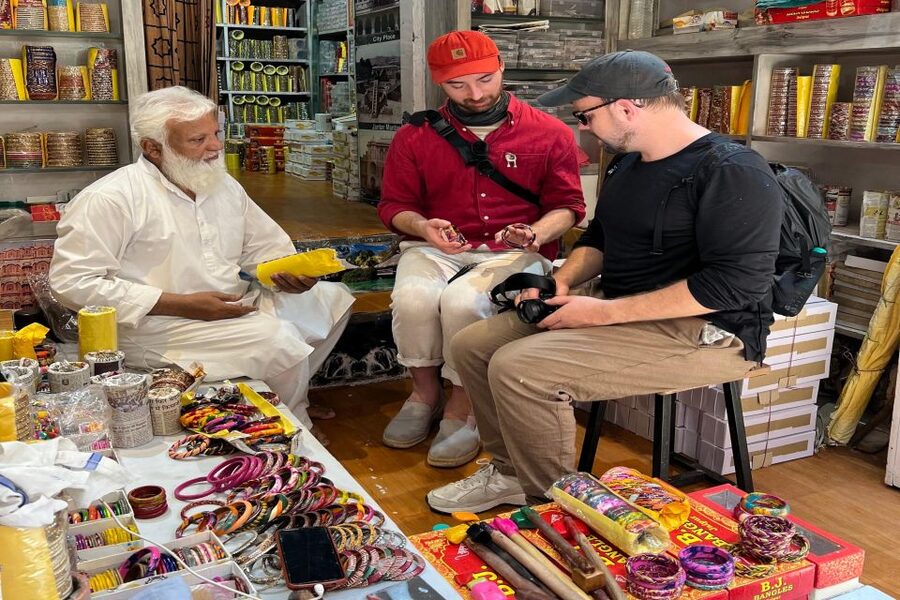
Tripolia Bazar brings the walk closer to Jaipur’s working neighborhoods. This 45-minute section focuses more on guided walking and passing through the area, with chances to notice shops, crafts, and street life.
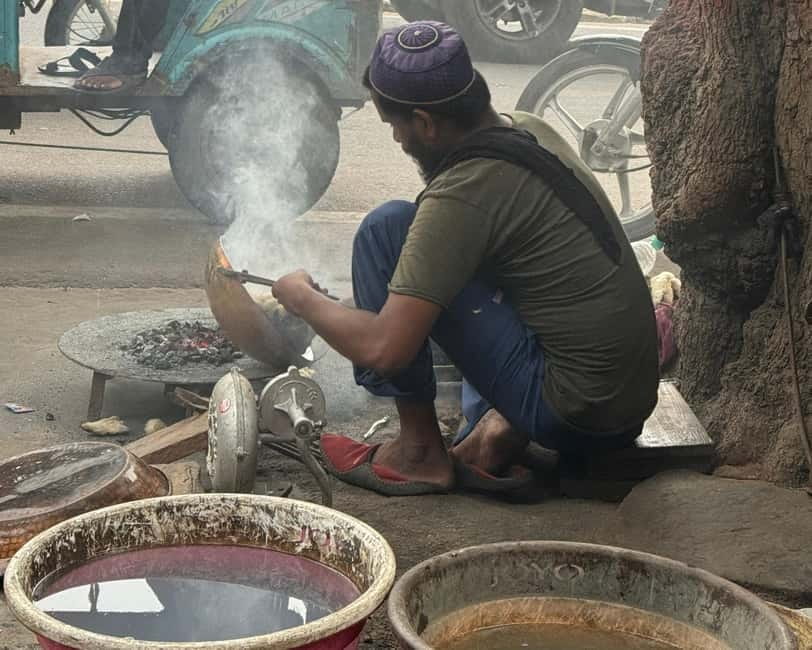
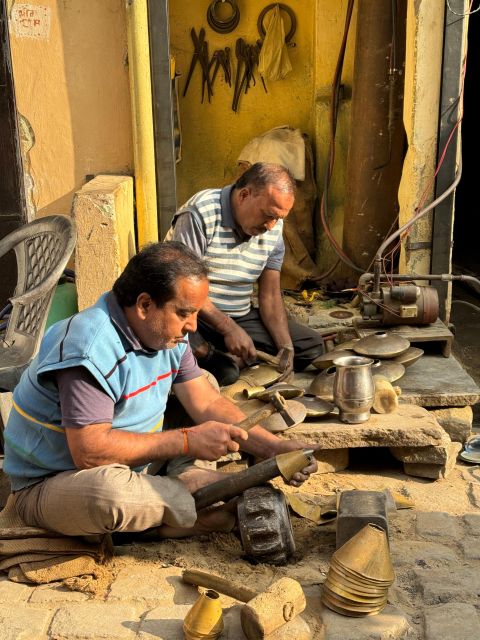
One of the more unusual features is a visit to the street associated with the Thatheras, a community of metal beaters. The stop offers a look at a traditional craft that is easy to miss if you remain on the main sightseeing circuit. You can also encounter local artisans and learn about the care and skill involved in their work.
The bangle-making demonstration using sealing wax is another specific detail that gives the walk character. It is not a major monument, but it shows how older techniques continue within the everyday economy of the city.
This is where a local guide earns the fee. The route through side streets can be confusing, especially when traffic, pedestrians, shopfronts, and small lanes all compete for space. Guides such as Vivek, Raj, and Kumar are repeatedly praised for explaining clearly, answering questions, and helping people feel comfortable in areas they would not have found alone.
Do not expect a quiet museum visit. Jaipur’s old lanes are active and sometimes crowded. You will need to watch your footing, stay aware of traffic, and keep your group in sight.
More Street Food Walks in India:
- Agra: Street Food Walking Tour, Spice Market, & Tuk-tuk Ride
★ 4.9 · 102 reviews - Ho Chi Minh City Street Food Tour & Sightseeing By Motorbike
★ 5.0 · 9,413 reviews - Naples: Street Food Walking Tour with Local Guide
★ 4.9 · 4,976 reviews - Private Street Food Evening Walking Tour in Ho Chi Minh City
★ 5.0 · 3,175 reviews
Chhoti Chaupar and the final tastings
The final 45 minutes lead to Chhoti Chaupar, with more local snacks and regional food along the way. This is where the walk usually feels most like a progressive meal, with savory foods, sweets, and other tastes gathered from small local outlets.
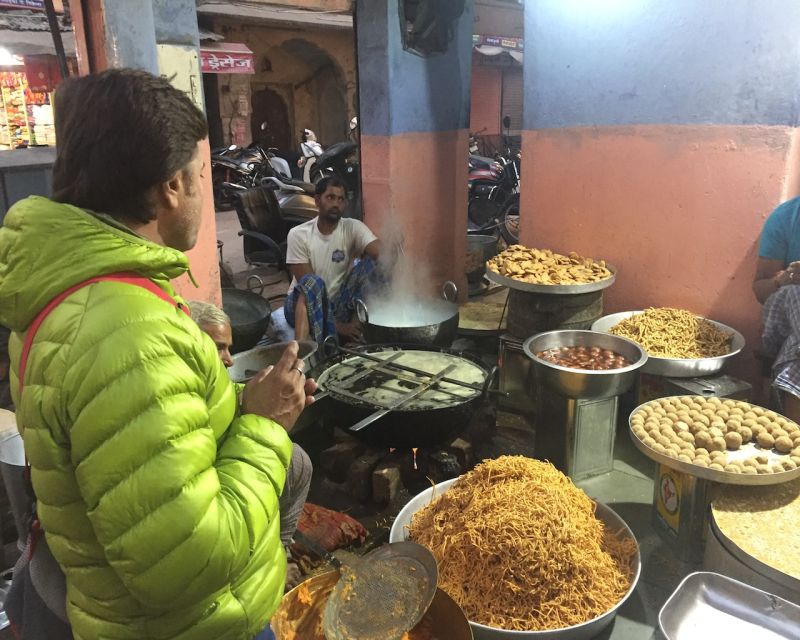
Samosa and kachori are central parts of the food experience. You will also try famous sweets and masala chai, with additional dishes selected by the guide. The food is not simply handed over without explanation. You can learn how recipes are used, what makes one preparation different from another, and how to judge quality at a street-food stop.
The order of the food may not suit every appetite. One person found the sweets came early enough to make the later savory dishes harder to finish. If you prefer to save dessert, ask the guide if the sequence can be adjusted. The walk is described as flexible, and several guides have adapted choices and timing to suit personal interests.
The route ends at Chhoti Chaupar, rather than returning you to your hotel. Plan your onward transport before you finish. Hotel pickup and drop-off are not included.
The cultural stops that make this more than a food tour
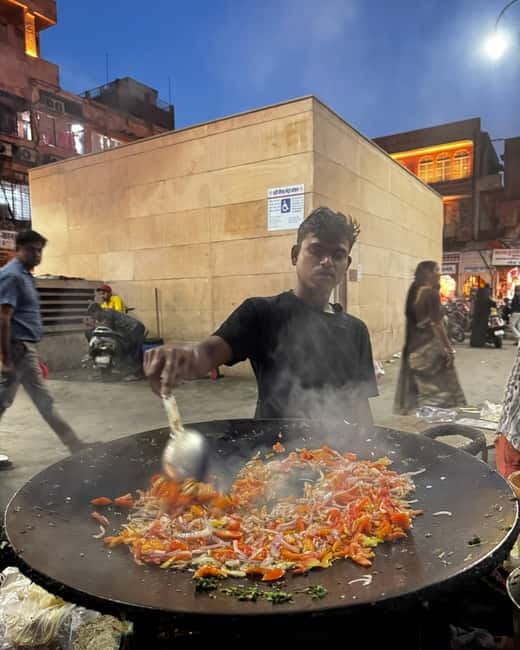
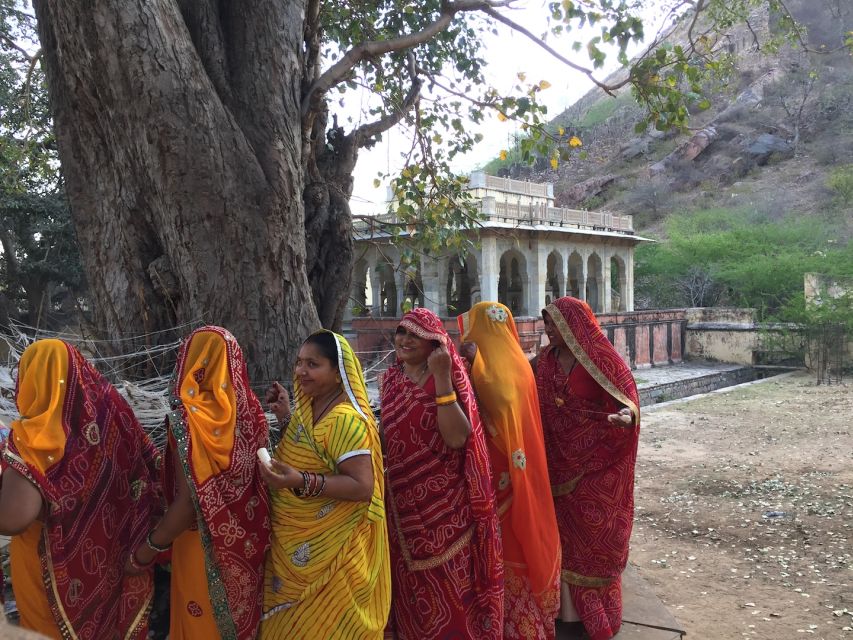
Food is the hook, but the strongest part of the experience is the connection between eating and place. Along the way, you may visit a Hindu temple, see a community well, and observe small-scale craft work. These stops offer a more grounded look at Jaipur than a quick drive past a palace.
At the temple, modest clothing and respectful behavior are important. Photography is allowed during the experience, but flash photography should be avoided inside temples. A hat and sunscreen are sensible in warm weather, while comfortable clothing makes the walking easier.
The guide also explains the significance of Jaipur’s entry gates and the design of its old quarters. These details help you read the city after the walk ends. You may notice how streets divide into sections, how homes face the market, and how old trades remain linked to particular lanes.
I also value the stated lack of a hidden sales agenda. The experience is intended to focus on food, culture, and local life rather than pushing shopping stops. You may meet artisans and see handicrafts, but the purpose is to understand the work, not to be steered into purchases.
What the guides add
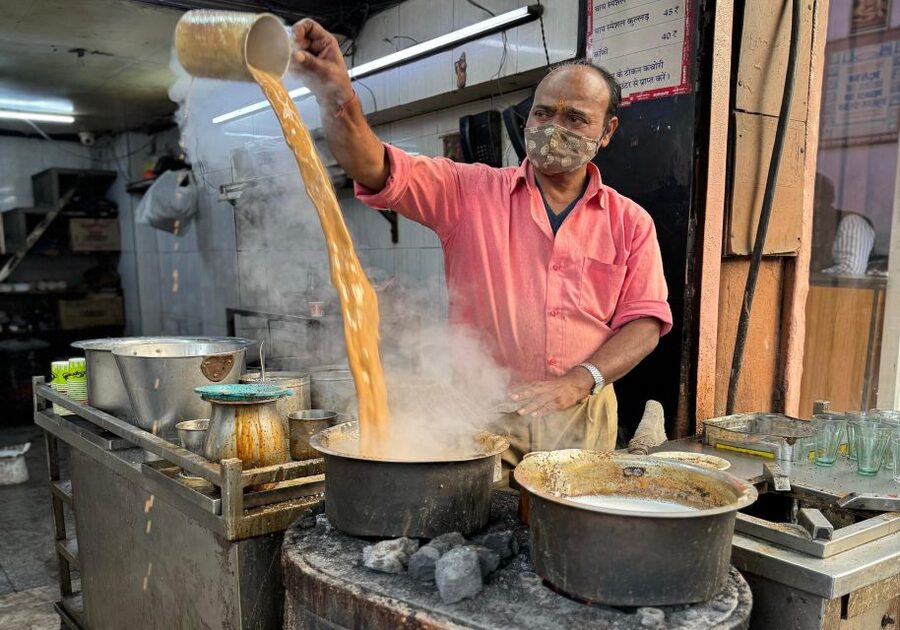
The guide can make or break a walking and food experience, and this one has a strong record in that area. Vivek is frequently described as warm, patient, transparent, and deeply familiar with Jaipur. He has also helped solo visitors feel safe and has adapted routes to personal interests.
Raj is praised for his storytelling and for explaining neighborhood life clearly. Kumar is known for a clear speaking style, detailed answers, and strong local history. Pushpendra and Sam have also led enjoyable versions of the route.
You should not assume a particular guide unless your booking confirms one. What you can reasonably expect is an English-speaking cultural walk explorer in a group limited to 10 people.
That small-group size matters. You can ask why a dish is prepared in a certain way, request less spicy options, pause for photographs, or spend a little longer at a craft stop. Several people also extended their time with their guide to visit places such as City Palace and Jantar Mantar, but those visits are separate from the three-hour food walk.
Food safety, spice, and comfort
The guides take visitors to established local shops and help explain what to order. Many people with little experience of Indian food found the tastings manageable, including some with low spice tolerance or cautious eating habits.
That does not mean you should ignore your own limits. Tell the guide about allergies, digestive conditions, spice sensitivity, or foods you avoid. The route has enough variety that adjustments may be possible, but the supplied details do not promise a particular dietary menu.
Bring water, even though one bottle is included. Wear shoes you can walk in for three hours, and carry personal medication. Jaipur’s weather can change, so sunscreen and a hat are useful additions.
The walk is not suitable for wheelchair users. Narrow lanes, uneven surfaces, and the amount of walking make this an important consideration before booking.
How the $21 price measures up
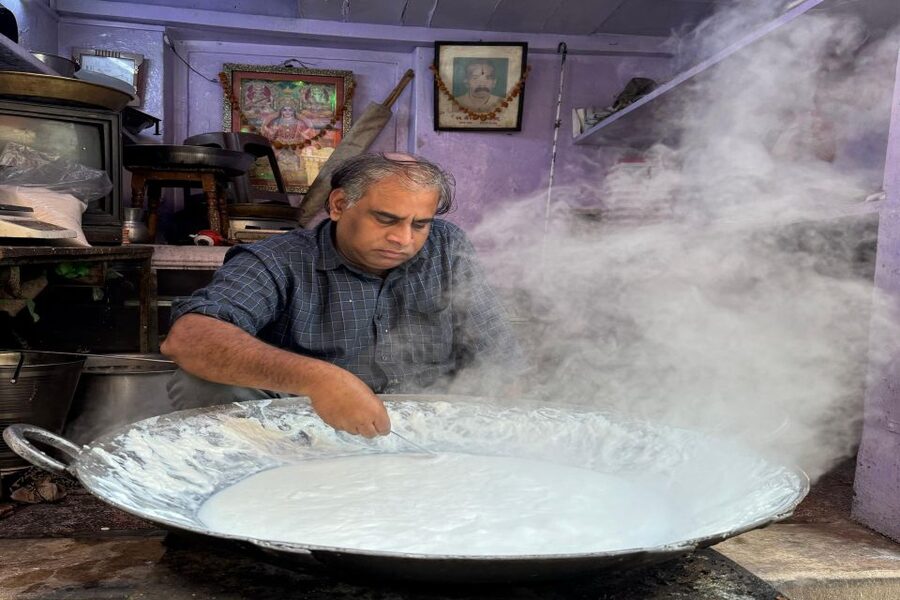
At $21, this is inexpensive for a three-hour experience that combines a guide, food at several local shops, water, and access to parts of the old city that can be hard to navigate alone.
The value is highest if you are new to Jaipur, enjoy trying food, and want someone to explain what you are seeing. It is less useful if you want a formal monument tour, private transportation, or a carefully controlled restaurant meal.
You should also think about appetite. The food can be generous, and the walk may replace a meal. That makes the price look even better, but it also means you should not schedule a large lunch immediately afterward.
Free cancellation is available up to 24 hours before the start time, and you can reserve while paying later. Starting times vary, so check availability when you choose your date.
Who should book this Jaipur walk
I would choose this for a first or second day in Jaipur. It helps you get your bearings, learn which foods interest you, and see how the old city works before you explore the major sights on your own.
It suits food-focused visitors, people interested in crafts and architecture, solo visitors who want local guidance, and couples or families comfortable walking through busy streets. It is also a good fit if you prefer conversation and small discoveries to a checklist of grand buildings.
You may want a different experience if you dislike street food, cannot walk for three hours, need wheelchair access, or want a private vehicle. The route is social and active, not polished or leisurely in the resort sense.
Should you book it?
Yes, if you want Jaipur presented through its food, working lanes, religious places, and everyday crafts rather than only through famous monuments. For about $21, the combination of several tastings and a small-group cultural walk is strong value.
Book it early in your Jaipur stay so the guide can help shape the rest of your sightseeing. Arrive hungry but not overloaded, wear good shoes, mention food limits at the start, and confirm the Golcha Cinema meeting gate. If those basics suit you, this is a practical and flavorful way to meet the old Pink City.
FAQ
How long is the Heritage Walk and Street Food Tasting in Jaipur?
The experience lasts three hours. It includes walking, food tastings, heritage sights, market areas, and cultural stops.
How much does the tour cost?
The price is $21 per person.
Where does the walk begin?
The meeting point is at the entry gate of Golcha Cinema in Jaipur.
Where does the walk finish?
The experience finishes at Chhoti Chaupar, also written as Chhoti Chopad in the meeting information.
What food is included?
Included tastings feature samosa, kachori, famous sweets, masala chai, and additional food from local shops.
Is hotel pickup included?
No. Hotel pickup and drop-off are not included.
What language is the tour conducted in?
The live guide speaks English.
How large is the group?
The group is limited to 10 participants.
Can wheelchair users join?
No. The experience is not suitable for wheelchair users.
What should I bring?
Bring a passport or ID card, comfortable walking shoes, comfortable clothes, and any personal medication. Sunscreen, a hat, and a water bottle are also recommended.
Can I cancel the booking?
You can cancel up to 24 hours in advance for a full refund. A reserve-now, pay-later option is also available.
Just added around India
- Evening Walking Tour with Fire Rituals-The Pushkar Route★ 4.9 · 108 reviews
- Chennai Walking Tour ( 2 hours guided tour)★ 3.8 · 85 reviews
- Bangalore: Palace, Temples, Fort & Markets Walking Tour★ 4.9 · 97 reviews
- Agra: Street Food Walking Tour, Spice Market, & Tuk-tuk Ride★ 4.9 · 102 reviews
- Private Guided Walking Tour in Bandra Queen of Suburbs★ 5.0 · 383 reviews
- Breakfast Walk in Old Delhi★ 5.0 · 449 reviews
- Private Heritage Walking Tour in Jaisalmer Fort and Old Bazaar★ 5.0 · 306 reviews
- Jodhpur Blue City Heritage Walking Guided Tour★ 5.0 · 240 reviews
Street Food Tours, compared.

Ho Chi Minh City Street Food Tour & Sightseeing By Motorbike
Read our review →

Private Street Food Evening Walking Tour in Ho Chi Minh City
Read our review →
Trastevere & Campo de Fiori Street Food Walking Tour
Read our review →![[HOT] Hanoi Old Quarter Walking Street Food – Small Group Tour](https://2.thewalkingtraveler.com/wp-content/uploads/hot-hanoi-old-quarter-walking-street-food-small-group-tour-400x267.jpg)
[HOT] Hanoi Old Quarter Walking Street Food – Small Group Tour
Read our review →
Palermo Original Street Food Walking Tour by Streaty
Read our review →
Trastevere Street Food Walking Tour with Local Expert
Read our review →
Super Niche Walking Street Food Tour in Ho Chi Minh City
Read our review →Browse the lists this tour appears in