
REVIEW · HAMBURG
Hamburg: Guided Port Walk for Families
Hamburg’s port is easier to understand when you follow its canals, warehouses, and ferry routes on foot. This two-hour family walk links the old merchants’ quarter with the modern harbor, using pictures and spice samples to explain how goods, ships, and people shaped the city. I especially like the short ferry crossing and the way questions about odd details, such as merchants’ houses built over water, become part of the tour.
I also like the clear route through Deichstraße, Speicherstadt, HafenCity, and Landungsbrücken. Guides such as Dörte and Klaus-Peter have shown a strong feel for children, keeping the subject friendly and understandable. The main drawback is that the tour is in German, and some families may find the explanations too long if children mainly want to keep moving.
Key points at a glance
- A port walk built for ages 6 to 12: The guide explains ships, spices, warehouses, and merchants in a way aimed at children and parents together.
- Five minutes on a ferry: The water crossing adds a real sense of Hamburg’s working harbor, but you need a public transport ticket.
- Speicherstadt is a major part of the route: Expect canals, historic warehouses, and stories about goods from around the world.
- Big views come at the Elbphilharmonie and Landungsbrücken: These are strong photo stops and help connect old Hamburg with its modern port.
- German is the regular tour language: English group tours can be arranged for individual dates.
- $14 is a modest price for a guided two-hour walk: The value is strongest if your children enjoy asking questions and learning as they walk.
Why this family port walk works
Many harbor tours show you ships from a distance. This one explains how the port grew from merchant houses and storage canals into a modern shipping center. That makes it useful for families who want more than a quick waterfront stroll.
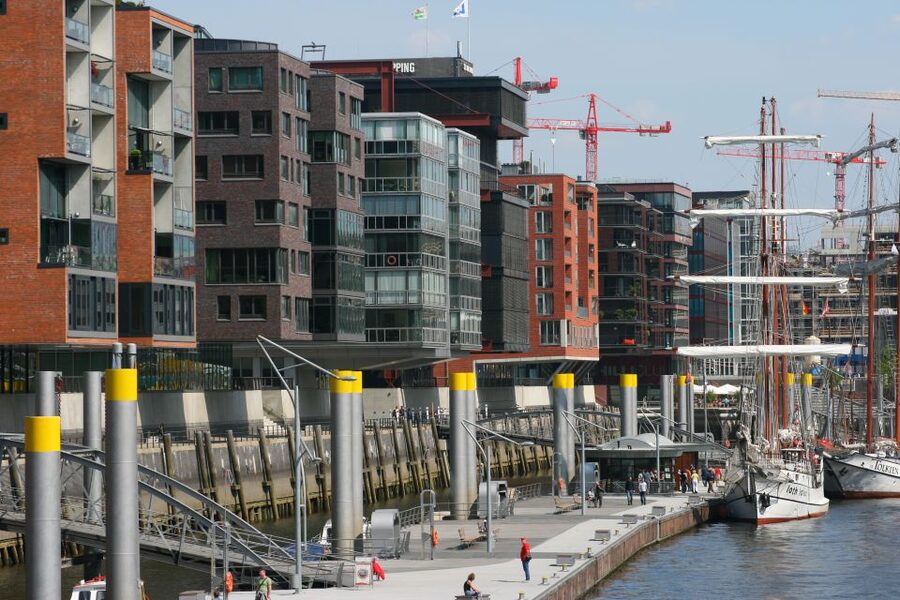
The subject is naturally visual. You see water beneath old buildings, narrow canals, warehouses, ferries, and the huge Elbphilharmonie. The guide adds pictures and samples of spices, giving children something concrete to look at, smell, and connect with the stories.
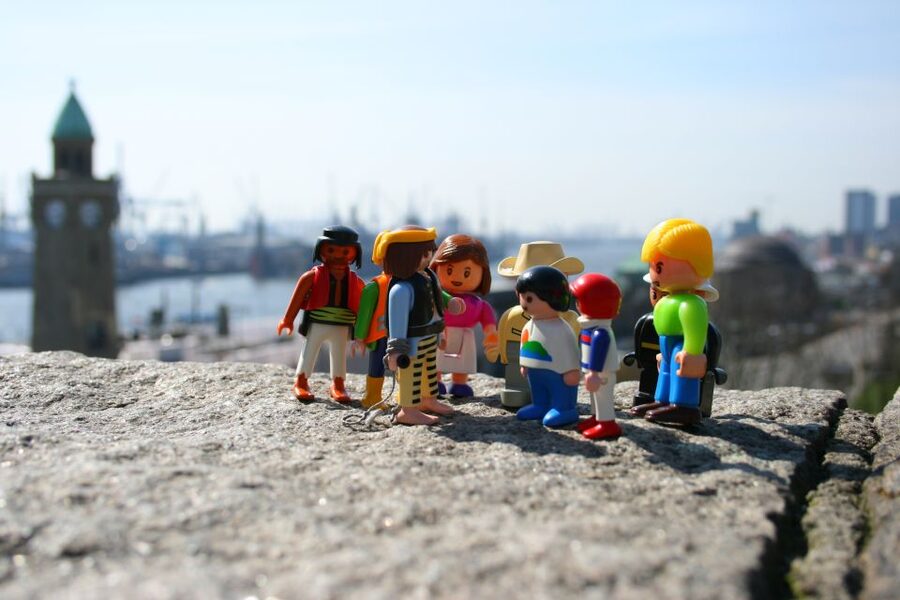
The tour is aimed at children from 6 to 12, but parents do not get pushed aside. You can ask about old ships, container vessels, dry docks, pirates, or the strange term English closet. The questions are part of the fun because they turn the walk into a small investigation.
This is not a fast sightseeing circuit. The guide stops to explain how the port worked and why its buildings were designed as they were. That is a plus for curious children, but a possible weakness for children who prefer constant movement.
More Guided Tours in Germany:
- Berlin: Third Reich & Cold War Guided Walking Tour
★ 4.9 · 8,378 reviews - Berlin: Hidden Backyards Guided Walking Tour
★ 4.8 · 5,360 reviews - Bamberg: Guided Walking Tour
★ 4.6 · 3,202 reviews
Starting on Deichstraße, where Hamburg’s old port begins
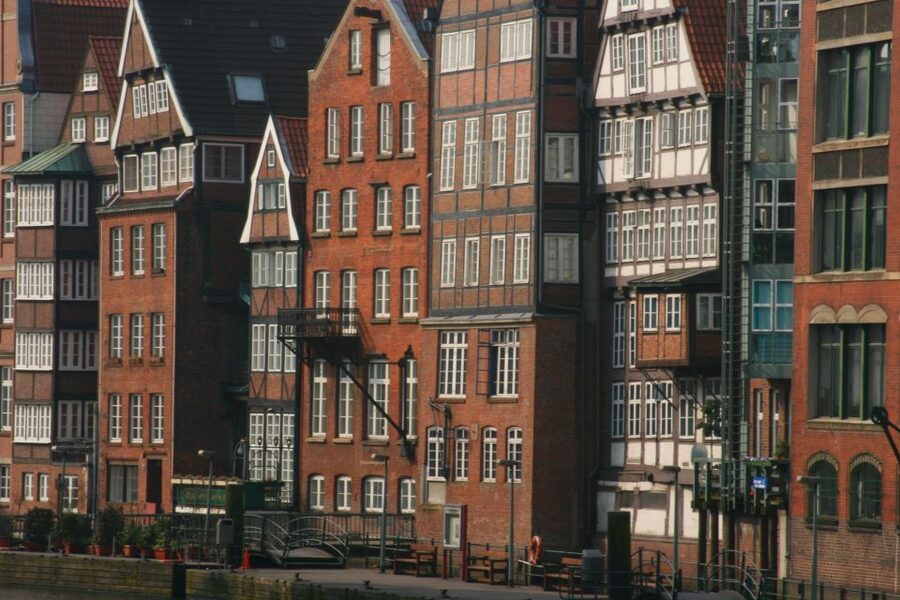
Meet at the corner of Deichstraße and Steintwiete, beginning at Deichstraße 30. This puts you in one of the most atmospheric parts of the old port area, close to the waterways that once supported trade.
Deichstraße is useful as an opening stop because it makes Hamburg’s merchant past easy to picture. The tour asks questions such as why merchant houses were built over the water. Instead of treating the buildings as pretty scenery, the guide connects them to loading, storage, and access to the canals.
You will want comfortable shoes here. The walk lasts two hours and includes several districts, so the experience is best approached as a guided city walk rather than a seated harbor ride.
The opening also gives the guide time to settle the group and set the tone for children. A good guide can use the first questions to pull young listeners in. Dörte was praised for being entertaining and focused on children, while Klaus-Peter was described as clear and child-friendly. Those examples point to the kind of guide you want: someone who adjusts the amount of detail instead of delivering a fixed adult lecture.
Speicherstadt explains the port through canals and spices
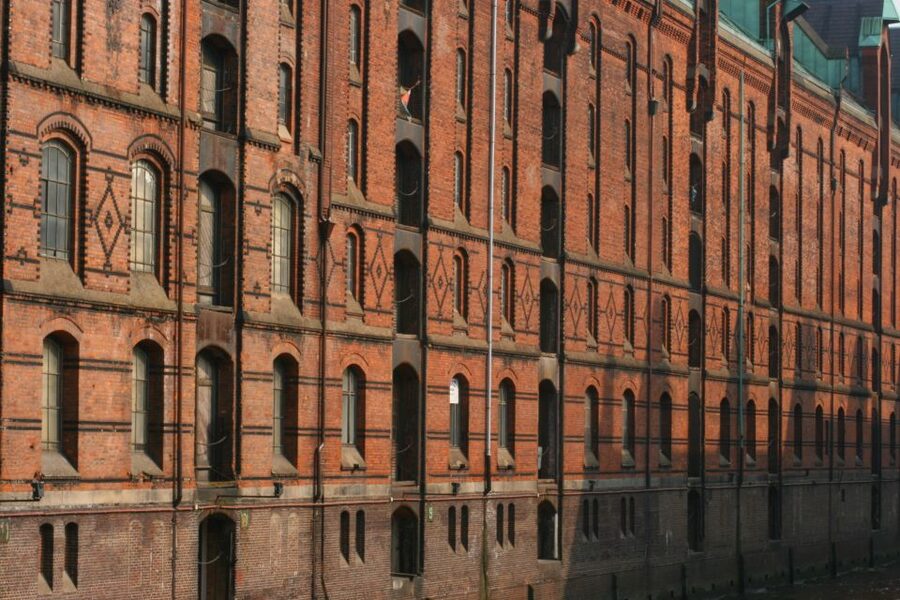
Speicherstadt is likely to be the heart of the tour. Its large warehouse buildings, canals, and bridges create a setting that feels different from the open riverfront. Here, the guide explains what was stored inside the warehouses and how goods from far away reached Hamburg.
The spice samples are a smart touch. Children may not care about a general talk about international trade, but they can connect faster with something they can smell and handle. Spices also help explain why Hamburg’s port mattered: the warehouses held goods that had traveled long distances before reaching shops and kitchens.
The guide uses pictures as well. That matters because the port has changed over time, and a present-day canal does not always show how ships, cargo, and merchants once used the area. Pictures help bridge the gap between what you see now and the earlier working port.
Speicherstadt can also be the source of confusion for families booking this experience. The title points to Hamburg’s port, but a large part of the walk centers on the historic warehouse district. If you expect a broad tour focused mainly on container terminals and giant ships, you may feel the emphasis is off. If you want the story of how the port developed, the Speicherstadt section is exactly the point.
HafenCity and the Elbphilharmonie show modern Hamburg
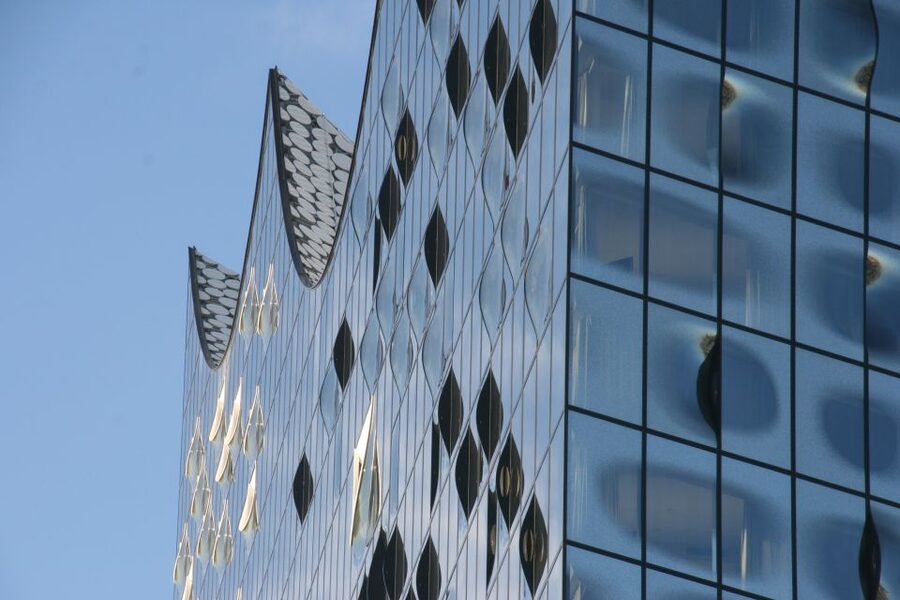
From the older warehouse quarter, the route continues into HafenCity and toward the Elbphilharmonie. This change in scenery gives the walk a useful contrast: old trade buildings and canals on one side, newer urban planning and a major concert hall on the other.
The Elbphilharmonie is one of Hamburg’s most recognizable buildings, and the tour gives you a chance to see it as part of the waterfront rather than as an isolated landmark. The guide can place it within the larger story of Hamburg’s changing riverfront, while you get time for impressive views and photographs.
This part may appeal most to parents, since the building is a major city sight. Children may respond better if the guide keeps the explanation short and points out clear visual features. The activity is strongest when the details serve what you can see in front of you.
You should not expect an interior concert visit from this tour. The route is a guided walk, and the Elbphilharmonie is one of the sights viewed along the way. That distinction helps you plan your day and avoid expecting a separate building tour.
A few more walking tours around Germany worth a look
- Discover Berlin Half-Day Walking Tour
★ 5.0 · 9,624 reviews - Berlin City walk Government District and Places of Democracy
★ 4.7 · 8,467 reviews - Munich: Third Reich & WWII Walking Tour
★ 4.6 · 6,181 reviews - Berlin: Discover Berlin Walking Tour
★ 4.9 · 5,998 reviews
The five-minute ferry ride adds a real harbor feel
A short ferry trip is included in the route between the waterfront sights and Landungsbrücken. The crossing lasts about five minutes, but it changes your view of Hamburg. From the water, the canals and buildings give way to wider harbor vistas.
For children, this is often the most memorable part because it breaks up the walking. You are not only hearing how the port works; you are briefly moving through it. The ferry also helps make the river feel like an active part of Hamburg’s daily transport system.
You need a public transport ticket for the tour. The walking guide is included, but transport tickets are not, so handle that before the crossing. Since the ferry segment is short, do not book this activity mainly for a long boat ride. Think of it as a useful piece of the route and a change of view.
Weather matters here. The outdoor walk and ferry can feel cold in poor conditions. One family found that bad weather made the group freeze quickly, even though the guide was kind and committed. Bring warm layers and weather protection, especially outside the warmer months.
Landungsbrücken finishes with wide harbor views
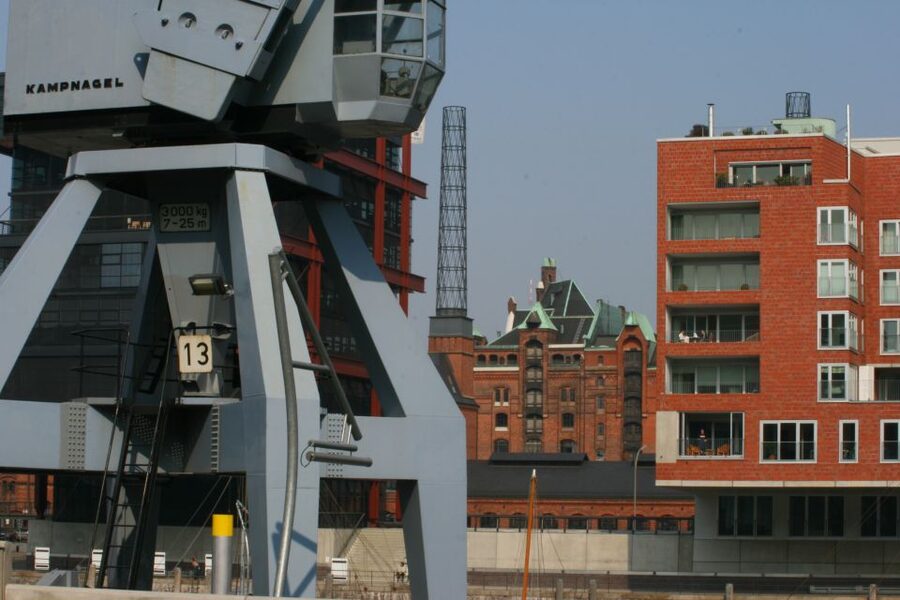
The walk ends at Landungsbrücken, a fitting finish because this waterfront gives you a broader look at Hamburg’s river traffic. You can connect the earlier talk about merchants and old ships with the modern port, container vessels, and the working river beyond.
Landungsbrücken is also a practical end point. You finish in a prominent part of Hamburg rather than returning to the starting corner. That lets you continue sightseeing on your own, although the activity itself ends there.
The final stop works best if you have kept the earlier pieces in mind. Deichstraße explains the old merchant quarter. Speicherstadt shows storage and canals. HafenCity and the Elbphilharmonie point to modern Hamburg. The ferry then places you on the water, and Landungsbrücken opens the view again.
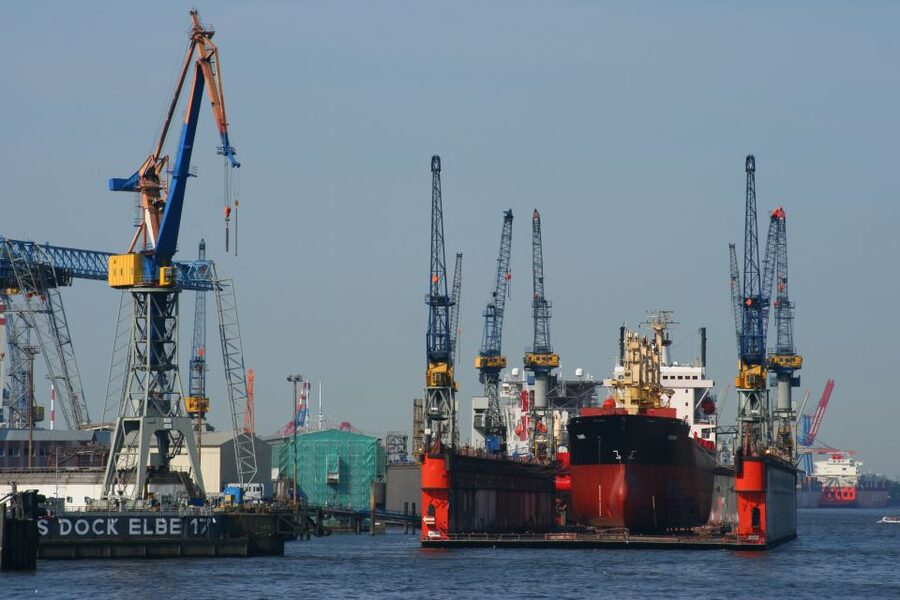
You should not expect a close look at industrial container operations or a dry-dock interior. The tour explains how huge ships get into dry docks, but it does not take you inside one. Its value comes from seeing the city’s port story through public streets, canals, buildings, and the ferry route.
The guide makes or breaks the experience
The regular language is German, and the live guide is a key part of the activity. Children who understand German should get the most from the jokes, questions, samples, and explanations. Parents should feel free to help younger children follow the story.
The guide names mentioned for particular departures include Dörte and Klaus-Peter. Dörte was especially good at keeping the route lively and adjusting the material for children. Klaus-Peter was praised for making the tour both informative and suitable for young listeners. Guides can vary by date, so treat those names as examples rather than a guarantee.
The strongest comments focus on three things: kindness toward children, clear explanations, and genuine energy. That is important because a port tour can become too technical. A child-friendly guide knows when to explain a term, when to show a picture, and when to let the group simply look at the river.
There is one fair warning. A family found the amount of explanation a bit heavy and would have preferred to see more. If your children have short attention spans, tell them before the tour that it is a story-led walk, not a quick list of photo stops.
Is $14 a good value for two hours?
At $14 per person, this is a low-cost way to add structure to a Hamburg sightseeing day. You get a qualified guide for two hours, a planned route through several important districts, the ferry segment, and hands-on details such as spice samples.
The value is strongest for a family that would otherwise walk through Speicherstadt without understanding what the warehouses and waterways were used for. You are paying for context, not luxury transport or access to a private attraction.
Remember to add the cost of the required public transport ticket. The ferry ride is short, so the price should not be judged as a boat excursion. It is a guided walking tour with a brief water crossing.
The activity also offers free cancellation up to 24 hours ahead and lets you reserve now and pay later. Those terms help if your Hamburg plans may shift, but the bigger decision is still language and attention span.
Who should book this Hamburg port tour?
I would choose this for families with children aged 6 to 12 who enjoy asking why. It suits a first visit to Hamburg because it connects several major waterfront sights in a single route, without requiring a full day.
It is also a good fit if your children like real objects and visual clues. The spice samples, pictures, canals, ferries, and ships give the guide more to work with than a plain street lecture.
I would be more cautious if your main goal is to see a large number of ships up close or visit active industrial port facilities. The route concentrates on public historic districts, Speicherstadt, HafenCity, and famous waterfront landmarks.
Language is the other deciding factor. The standard tour is in German. English group tours are available for individually arranged dates, so English-speaking families should ask about that option rather than assume a regular departure will be bilingual.
The practical call
Book it if you want your children to understand Hamburg’s port through stories, sights, smells, and a short ferry ride. The two-hour length, $14 price, and clear route make it an easy addition to a city day.
Skip it if your family wants a fast harbor cruise, a close look at container terminals, or very little explanation. Also think twice if the forecast is cold and wet, since much of the activity is outside.
For most German-speaking families with curious children, I see good value here. Just set the right expectation: this is a child-focused port history walk centered heavily on Speicherstadt, not a full-scale industrial harbor tour.
FAQ
How long does the Hamburg family port walk last?
The tour lasts two hours.
What age group is the tour designed for?
It is designed for children aged 6 to 12 and their parents.
Where does the tour begin?
The meeting point is on the corner of Deichstraße and Steintwiete, at Deichstraße 30.
Where does the tour finish?
The tour finishes at Landungsbrücken in Hamburg.
Is the tour conducted in English?
The regular tour language is German. Group tours in English can be arranged for individual dates.
Is a ferry ride part of the tour?
Yes. The route includes a short ferry trip lasting about five minutes.
Are public transport tickets included?
No. You need to buy the required public transport tickets separately.
Which Hamburg sights are included?
The route includes Deichstraße, Speicherstadt, HafenCity, the Elbphilharmonie, and Landungsbrücken.
Are children allowed to attend without an adult?
No. Children must be accompanied by an adult.
Can I cancel the tour for a full refund?
Yes. You can cancel up to 24 hours in advance for a full refund.
Just added around Germany
- East Berlin and the Wall: Walking Tour★ 4.9 · 407 reviews
- Dresden: Shared Small Group Walking Tour in English★ 4.8 · 172 reviews
- Dresden: Taste of Dresden Food Walk★ 4.6 · 397 reviews
- Dresden: Private Guided Walking Tour★ 4.5 · 81 reviews
- Dresden: Guided City Walk and Panometer Entrance Ticket★ 4.5 · 176 reviews
- Dresden Old Town – Guided Walking Tour in English★ 4.8 · 135 reviews
- Dresden: Neustadt District Street Art Guided Walking Tour★ 4.3 · 333 reviews
- Dresden: Guided Walking Tour and Chocolate Museum Ticket★ 4.5 · 479 reviews
Walking Tours, compared.

Magical London: Harry Potter Guided Walking Tour
Read our review →
Reykjavik Food Walk – Local Foodie Adventure in Iceland
Read our review →
History and Hauntings of Salem Guided Walking Tour
Read our review →
New Orleans Premier Ghost, Voodoo and Vampire Walking Tour
Read our review →
Amsterdam Anne Frank: Small-Group Walking Tour & Local Guide
Read our review →

Edinburgh Castle: Guided Walking Tour with Entry Ticket
Read our review →
Anne Frank’s Story – Guided Walking Tour through Amsterdam
Read our review →Browse the lists this tour appears in