
REVIEW · WALKING TOURS
Dubai: Old City Walking Tour with Abra Ride
Dubai’s modern skyline gets most of the attention, but this tour takes you to the older city that came before it. You’ll walk through Al Fahidi’s narrow lanes, see wind towers and traditional homes, sip coffee, and cross Dubai Creek by abra before reaching the spice and gold souks.
I like two things in particular: the route gives you useful context instead of just photo stops, and the small food and coffee tastings make the old neighborhoods feel more personal. Guides such as Abdullah, Shahzad, and Mazher are praised for explaining local customs and answering questions clearly.
The main drawback is pace. Three hours covers a lot of ground, but some stops are brief, and the tour is mostly outdoors. On hot days, the walking and open souks can be tiring, while a few historic sites may be closed for renovation.
Key points to know before booking
- Old Dubai in one compact route: Al Seef, Al Fahidi, Bastakiya, the textile market, Dubai Creek, the spice souk, and the gold souk all fit into three hours.
- A real abra crossing: The shared wooden boat ride takes about 10 minutes and links the Bur Dubai and Deira sides of the creek.
- Local tastes included: You receive bottled water, tea or coffee, and a small dish for tasting. Dates and Arabic coffee are part of the experience described by several participants.
- The guide makes the difference: Abdullah, Shahzad, Mazher, Muhammad, Ikram, and others have been singled out for clear explanations and friendly conversation.
- Good value at $19: The price covers the guide, abra, tastings, water, taxes, and access connected with the route.
- Expect plenty of walking: Wear comfortable shoes and dress for heat. Optional hotel pickup is available, but the standard meeting point is Sharaf DG Metro Station, exit 4.
Why this tour is a useful introduction to Dubai
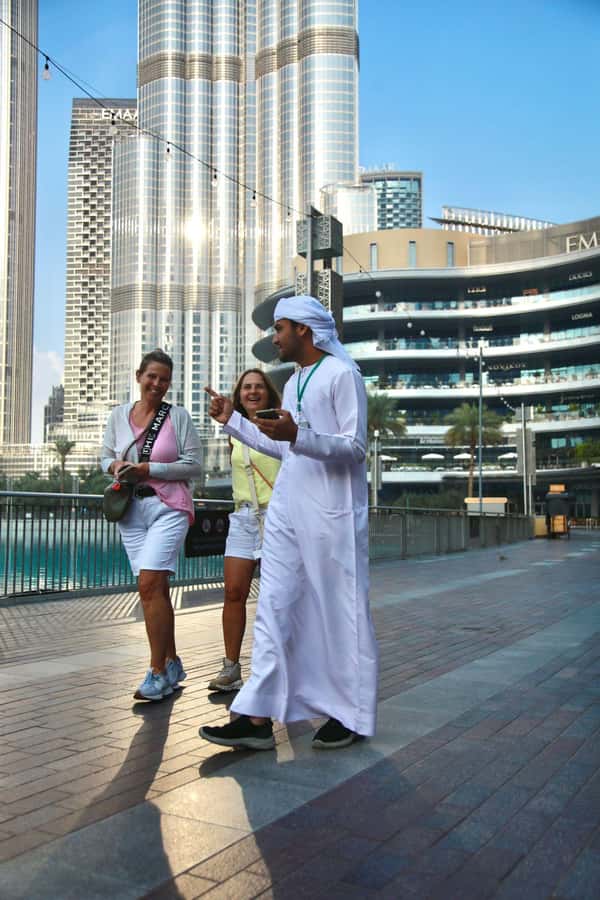
Dubai can be confusing on a first visit. The city’s glass towers, highways, shopping centers, and luxury hotels tell only the newest part of its story. This walk gives you a way to see the older trading town before oil wealth and large-scale development changed its size and appearance.
You move between Bur Dubai and Deira on foot and by water, rather than spending the whole outing inside a vehicle. That matters because the route lets you notice details at street level: shaded passages, decorated doors, wind towers, shop displays, coffee aromas, and the constant movement around the creek.
The guide also supplies the connection between places. You are not simply looking at old buildings. You learn how Dubai grew from a desert trading settlement into an international city, and how traditional customs continue beside modern development. The strongest guides explain local rules, culture, daily life, and architecture in plain language.
The tour is listed at $19 per person. That is a low price for three hours when you consider that it includes a licensed local guide, the shared abra, water, tea or coffee, one small tasting, and taxes. You still need to pay for anything you choose to buy in the souks, but the main sightseeing route is covered.
More Old Town Walking Tours in the world:
- Underground Vaults Walking Tour in Edinburgh Old Town
★ 4.5 · 8,506 reviews - Prague: 3-Hour Walking Tour of Old Town & Prague Castle
★ 4.7 · 5,696 reviews - Dubrovnik: Old Town Walking Tour
★ 4.8 · 5,174 reviews
Starting at Sharaf DG Metro Station
The regular meeting point is Sharaf DG Metro Station, exit 4, formerly known as Al Fahidi Metro Station. This is useful if you are staying near Dubai’s Metro system, since you can reach the start without arranging a taxi.
Some booking options include hotel pickup and drop-off. The pickup driver is scheduled to arrive roughly 40 minutes to one hour before the activity begins, so check the option you select rather than assuming every booking includes transport.
The tour lasts three hours, but the exact start time depends on availability. I would choose a cooler part of the day when possible. The route includes outdoor walking, open markets, and waiting or moving around the creek, so heat can affect how enjoyable the experience feels.
Al Seef: an easy introduction to the creek
The first major stop is Al Seef, where you have about 20 minutes for a guided visit, walking, and photographs. This area presents an old-Dubai style beside the creek, making it a gentle introduction before the tour moves into older lanes.
Al Seef is designed for visitors, so it is more polished than the residential and commercial areas farther along the route. That is not necessarily a problem. It gives you clear views of the creek and traditional-looking architecture, while the guide begins explaining how the waterway shaped trade and settlement.
I would treat this stop as a visual opening rather than the deepest historical part of the tour. The real character arrives as you continue toward Al Fahidi and Bastakiya.
Al Fahidi and Bastakiya: wind towers and narrow lanes
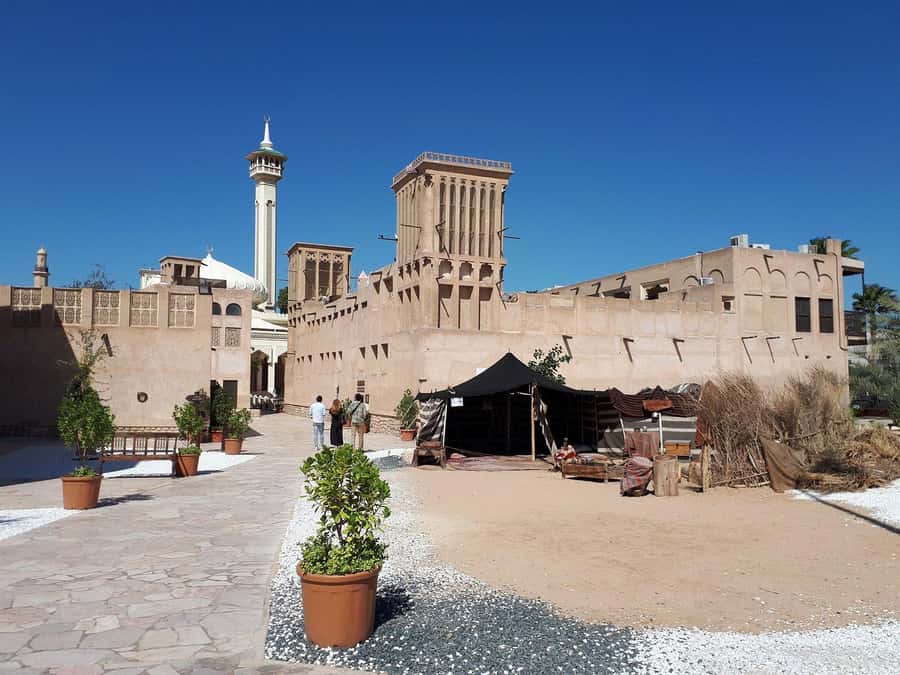
From Al Seef, the group walks to Al Bastakiya, also known as part of the Al Fahidi Historical Neighbourhood. The walking segments between stops are short, generally three to six minutes, but the overall outing involves repeated movement and standing.
Here, you see traditional houses, courtyards, narrow alleyways, and wind towers. The towers are not just decorative. They are one of the details that help explain how people adapted to a hot desert climate before modern air conditioning.
The guide’s role is especially valuable in this section. A well-prepared guide can show you how the streets were arranged, explain the purpose of the homes, and connect architecture with family life and the older trading economy. Abdullah is praised for explaining culture, local rules, and the city’s development, while Shahzad is noted for bringing architectural style and history into the walk.
You receive time for photographs, but this is not a long museum visit. If you want to study every doorway or courtyard, you may wish the pace were slower. The benefit is that the tour keeps moving and still reaches the creek and both major souks within three hours.
More City Highlights Walks in the world:
- Berlin City walk Government District and Places of Democracy
★ 4.7 · 8,467 reviews - Historic Charleston Guided Sightseeing Walking Tour
★ 5.0 · 6,216 reviews - Quebec City Walking Tour
★ 5.0 · 4,716 reviews - Florence: Highlights Walking Tour with Expert Guide
★ 4.6 · 4,662 reviews
Coffee, dates, and a small taste of local life
The Bayt Al Khanyar Museum and Coffee Shop is scheduled for about 15 minutes. This stop combines a short visit with coffee-related history and a drink or tasting.
Coffee is an important part of hospitality in the region, and this brief pause adds something you cannot get from looking at buildings alone. You may receive tea or coffee, and several participants specifically enjoyed Arabic coffee and dates. The tour also includes one small dish for tasting.
Do not expect a full meal. This is a sample, not lunch. If you are hungry, plan to eat before or after the walk. Still, the pause is useful because it gives you a chance to sit or slow down while learning about a familiar drink through a local lens.
This is also one of the more social parts of the outing. A guide such as Abdullah or Mazher may use the stop to answer questions about customs and everyday life. The experience is strongest when you ask questions rather than waiting for a memorized speech.
Al Fahidi Fort and the old textile market
The route then passes Al Fahidi Fort, with around 20 minutes for explanation and photographs. The itinerary describes this as a guided pass-by rather than a guaranteed extended museum visit, so keep your expectations clear.
The fort helps anchor the story of early Dubai, but conditions at historic sites can change. One participant noted that some areas were closed for renovation. If a building or museum is unavailable, the guide may explain it from outside or adjust the route.
The old textile market follows, with about 15 minutes for a guided walk and photographs. This is a good place to look at fabrics, colors, and shopfronts, but remember that market time can easily turn into sales time. You are not required to buy anything, and you should feel free to browse without rushing into a purchase.
The trip description also refers to the Dubai Museum. Because the detailed route lists Al Fahidi Fort as a pass-by and historic areas may be under renovation, I would not book this tour solely for an interior museum visit. Book it for the wider Old Dubai walk, with museum access treated as dependent on opening conditions.
Crossing Dubai Creek by shared abra
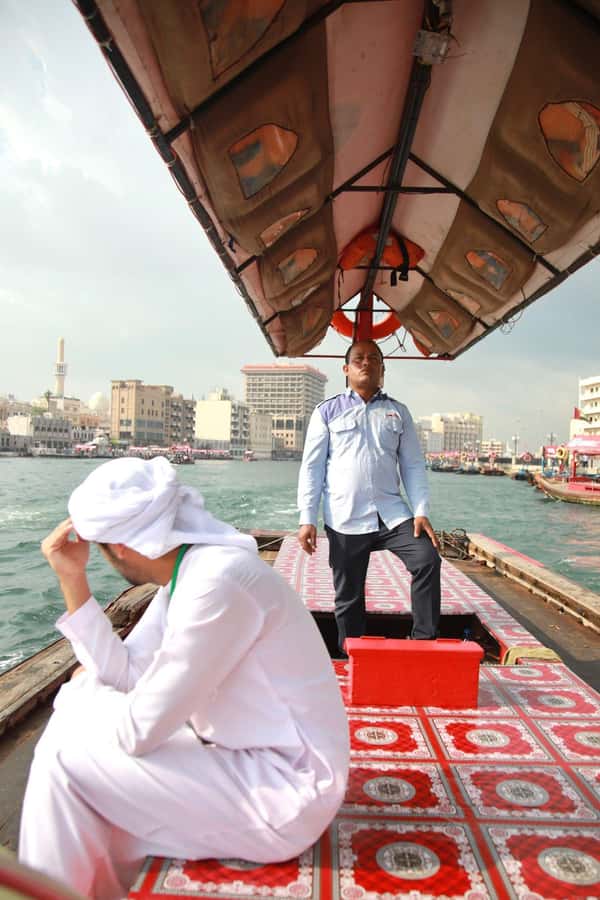
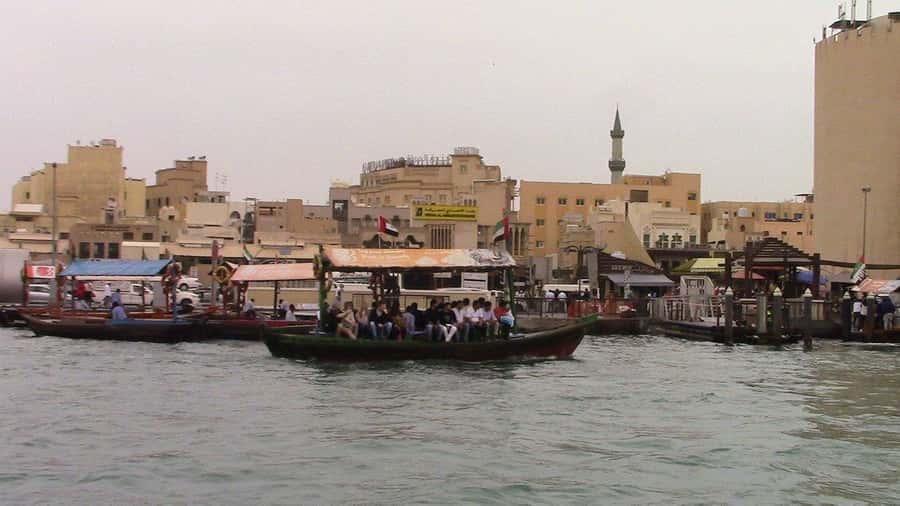
The water crossing is the tour’s most memorable change of scene. After walking on the Bur Dubai side, you take a shared abra for about 10 minutes toward Deira.
These small traditional boats give you a low, open view of the creek. You see the water, the old commercial waterfront, and the movement between the two sides. It is a simple ride, but it makes clear why the creek mattered to Dubai’s growth.
The abra is shared, not private. That keeps the cost down and fits the everyday character of the crossing. If you want a quiet, personal boat trip, this is not that. If you want a short ride that feels connected to local transport and the city’s trading past, it works well.
The crossing also provides a welcome break from walking. Keep your belongings secure and be ready to board and leave efficiently, since this is public-style transport rather than a long sightseeing cruise.
Spice Souk: smells, samples, and sales pitches
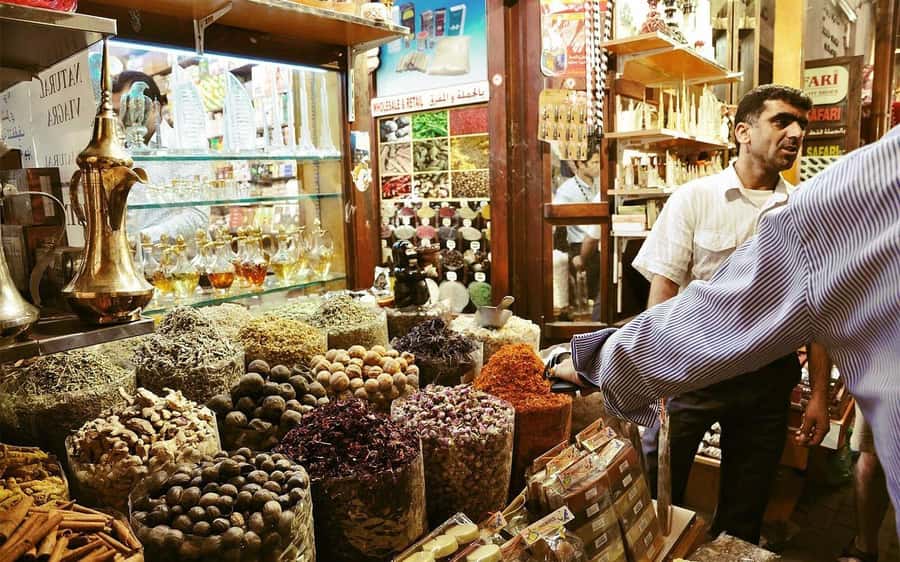
On the Deira side, the group spends about 30 minutes at the Dubai Spice Souk. You have time for a guided visit, photographs, shopping, and sightseeing.
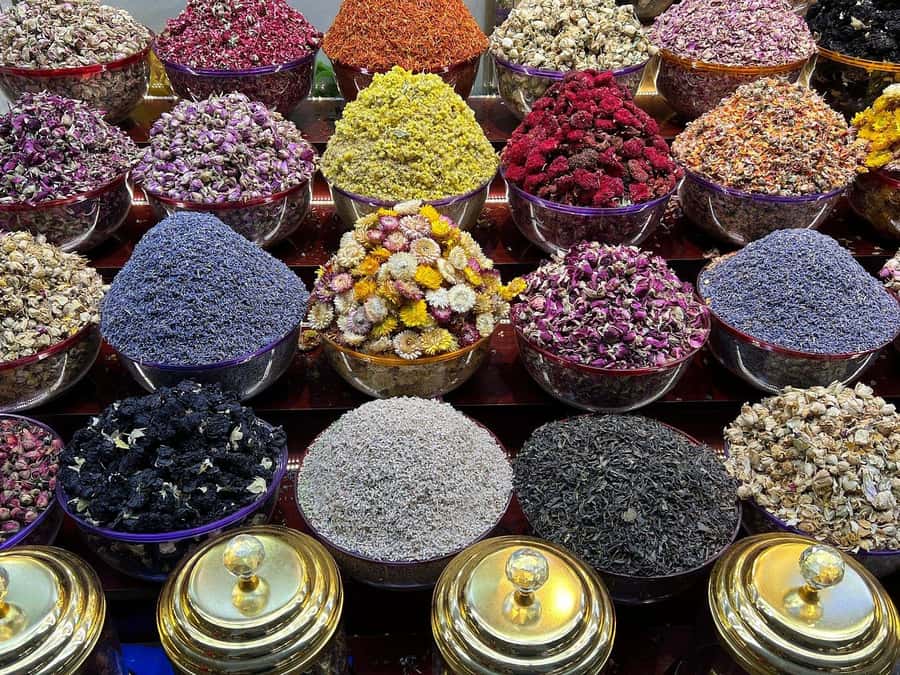
This is where your senses take over. Displays of spices and other products give the market a more colorful feel than the quiet lanes of Al Fahidi. The guide can explain what you are seeing and help you understand the difference between looking, tasting, and buying.
The experience may include a stop at a specialty shop where you can sample spices, chocolates, or other goods. That can be fun, but it is also the point where you should keep your budget and judgment in mind. A tasting is not an obligation to purchase.
I like having the guide here because a first-time visitor may not know which displays are typical market goods and which are aimed mainly at tourists. You can ask questions, compare prices, and leave with a small edible souvenir if you want one.
Gold Souk: impressive displays with limited browsing time
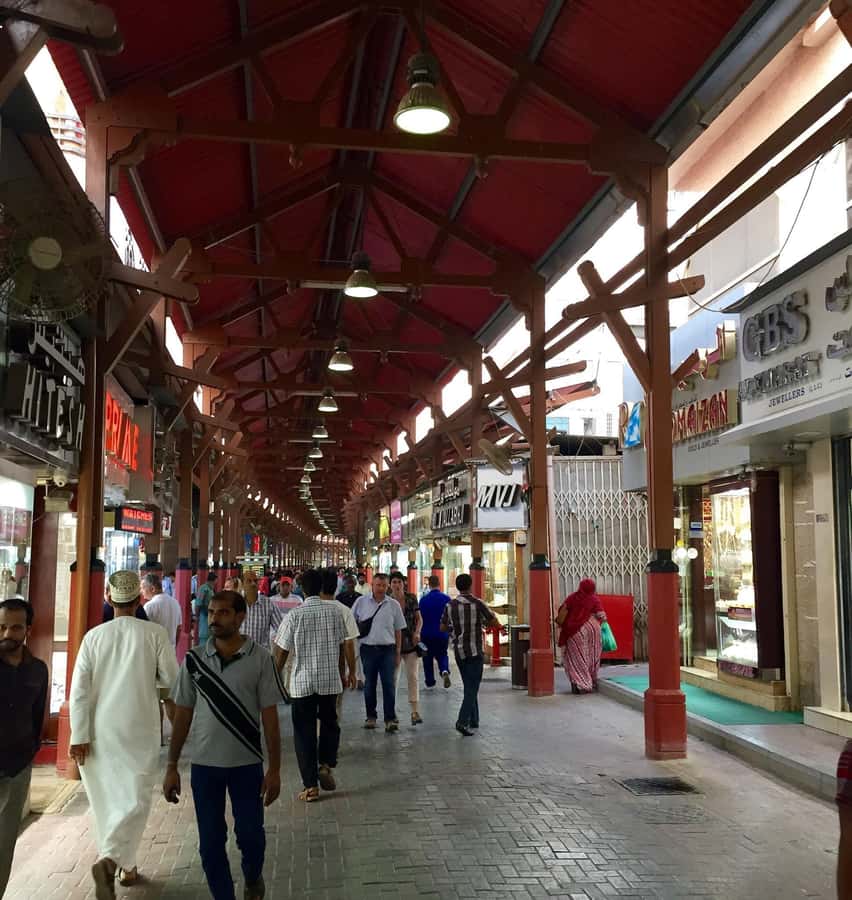
The final major stop is the Dubai Gold Souk, also allotted about 30 minutes. Even if you do not intend to buy jewelry, the shop windows make this a worthwhile visual stop.
The market is a sharp contrast to the quieter heritage lanes. Here, the focus is commerce and display. The guide can explain how to approach the souk and give you context, but the time is limited if you want to inspect many shops.
You should not feel pressured to buy. The tour gives you access to the area and free time for shopping, not a requirement to purchase gold. If you do want jewelry, use the stop to look, compare, and ask questions rather than making a quick decision.
After the gold souk, the walk continues for about 10 minutes toward the drop-off point at Al Ras Metro Station. That is convenient if you plan to continue exploring Deira or return by Metro.
The guides and what they add
The guide is the most important variable in this experience. The tour is offered in English, Hindi, and Urdu, and the person leading your group may vary. Names associated with the experience include Abdullah, Shahzad, Mazher, Muhammad, Ikram, Imran, Asad, and Adeel.
The most useful guides do more than list dates and building names. Abdullah is praised for being raised in Dubai and for explaining local culture, rules, and ways of thinking. Shahzad is noted for his friendly style and clear explanation of Dubai’s development. Mazher is appreciated for showing the older city from a local point of view.
That does not mean every guide will deliver the same depth. One assessment found the guide friendly and attentive but wished for more detail about Dubai’s history and character. I would arrive with a few questions ready, especially about family life, trade, architecture, and the contrast between Old Dubai and the newer city.
The tour can sometimes feel almost private if the group is small, but group size is not specified. Do not book expecting a guaranteed private outing. The standard format is a guided shared experience, though some departures may have very few participants.
Heat, clothing, and practical comfort
Wear comfortable walking shoes. The route is not a strenuous hike, but you are on your feet for most of the three hours and move through paved lanes, markets, and the creek area.
Bring water, although one bottle per person is included. Light clothing suited to the weather is sensible, while respectful dress is appropriate in historic neighborhoods and public markets. The tour does include some stops indoors or in air-conditioned places, but you should not count on constant cooling.
April and hotter months may feel demanding, especially during the open-market sections. A participant on a hot day appreciated the breaks in air conditioning, which is a reminder to pace yourself and use every pause. The route is likely more comfortable during Dubai’s cooler season.
Who should book this Old Dubai walk?
I would recommend it to a first-time visitor who wants a useful introduction before exploring independently. It is also a good choice if you have already seen Dubai’s modern districts and want a more traditional side of the city.
Families can enjoy the abra, tastings, and market displays, though young children need to manage several hours of walking. It suits curious visitors who like asking questions and seeing how places fit together, rather than those who want a long, slow museum tour.
It is less suitable if you dislike shopping areas, sales pitches, heat, or group walking. It is also not the best choice if your main goal is extensive time inside Dubai Museum or detailed gold shopping. The route gives you an overview, not an in-depth study of one site.
Is the $19 price fair?
Yes, for most people. At $19, you get a licensed guide, a structured route, the shared abra, water, tea or coffee, a small tasting, and access connected with Al Seef, Al Fahidi, the textile market, the spice souk, and the gold souk.
You also save time figuring out the order yourself. The creek crossing links two districts that can feel separate on a first visit, and the guide gives you context that signs alone may not provide.
The value drops if you want long shopping sessions or plenty of time at each heritage building. You are paying for a broad three-hour introduction, not a private historian or a full-day cultural tour.
Cancellation is flexible, with a full refund available when you cancel at least 24 hours ahead. You can also reserve and pay later, which helps if your Dubai schedule is still changing.
Should you book it?
Book this tour if you want to understand Dubai beyond its skyscrapers and prefer a guided introduction to Old Dubai. The combination of Al Fahidi lanes, coffee and date tasting, the abra crossing, and both major souks gives you a lot for three hours and $19.
Skip it if you want a private, slow-paced architectural tour or a dedicated shopping trip. Otherwise, choose a cool start time, wear good shoes, and ask questions. A guide such as Abdullah, Shahzad, or Mazher can turn a quick walk through old neighborhoods into a much clearer picture of how Dubai grew.
FAQ
Where does the tour meet?
The standard meeting point is Sharaf DG Metro Station, exit 4. The station was formerly called Al Fahidi Metro Station.
How long does the tour last?
The tour lasts three hours. Starting times depend on availability.
Is hotel pickup available?
Hotel pickup and drop-off are available if you select that option. Pickup is scheduled roughly 40 minutes to one hour before the activity begins.
What languages are offered?
The live tour guide may speak English, Hindi, or Urdu.
Is the abra ride included?
Yes. The tour includes a shared abra crossing of Dubai Creek, which takes about 10 minutes.
What should I bring?
Bring comfortable shoes for the walking route. Bottled water is included, along with tea or coffee and a small dish for tasting.
Just added around the world
- Fira: Guided Foodie Walking Tour with Tastings★ 4.9 · 474 reviews
- Fez: Guided Walking Tour of the Historic Medina★ 5.0 · 359 reviews
- Fez: Walking Tour in the Ancient City of Fez★ 4.8 · 73 reviews
- Faro: Old Town Guided Walking Food Tour★ 4.9 · 94 reviews
- Feel like a local – Walking Tour in Mykonos Town 2hours★ 4.4 · 77 reviews
- Fes: A Guided Walking Tour Through the Historic Medina★ 4.4 · 97 reviews
- Fez: Half-Day City Private Walking Tour with a Guide★ 4.6 · 114 reviews
- Fanal / Assobiadores – Levada Walk★ 4.6 · 93 reviews
Old Town Walking Tours, compared.
Underground Vaults Walking Tour in Edinburgh Old Town
Read our review →
3-Hour Walking Tour of Old Town & Prague Castle
Read our review →
Old Town and Jewish Quarter Guided Walking Tour
Read our review →
Marrakech: Ben Youssef, Secret Garden, & Souks Walking Tour
Read our review →Browse the lists this tour appears in