
REVIEW · SAN FRANCISCO
San Francisco Chinatown Walking Tour
San Francisco’s Chinatown reveals itself best at street level, where dried seafood hangs in shop windows, medicinal roots sit in jars, and a narrow alley opens onto temples and old clubs. This two-hour walk takes you beyond the familiar red gates and pagoda-style fronts, with local guide Linda Lee explaining how the neighborhood works today and how it survived major pressure to change.
I like the visit to Golden Gate Fortune Cookies Co., where you see the cookies being made and sample one, and I like the stop at the herbal pharmacy, where ginseng, pearl pills, gecko lizards, and other unusual goods become an opening into Chinese health traditions. The small group, capped at 15 people, also gives the guide room to adjust stories to the people in front of her.
The main drawback is the price: $59 per person is a serious charge for a two-hour walk with no meal or admission included. The pace can feel slow if you already know Chinatown well, though that slower rhythm helps families and anyone who wants time for questions.
Key points to know before you book
- Linda Lee brings local roots: She was born in Chinatown and has guided tours for more than four decades.
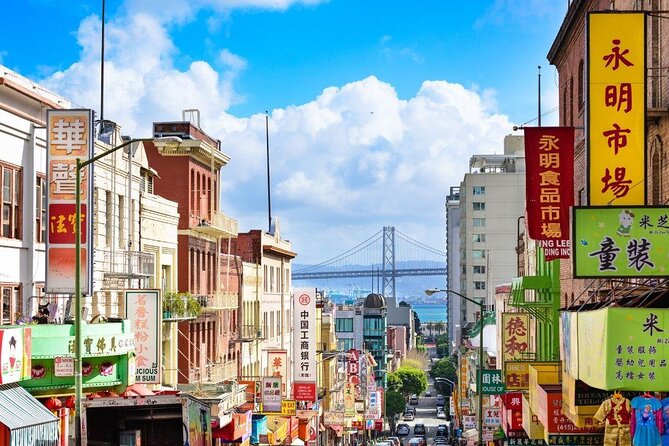
- The food markets are a major highlight: Stockton Street offers seafood, produce, dried goods, and ingredients you may not recognize.
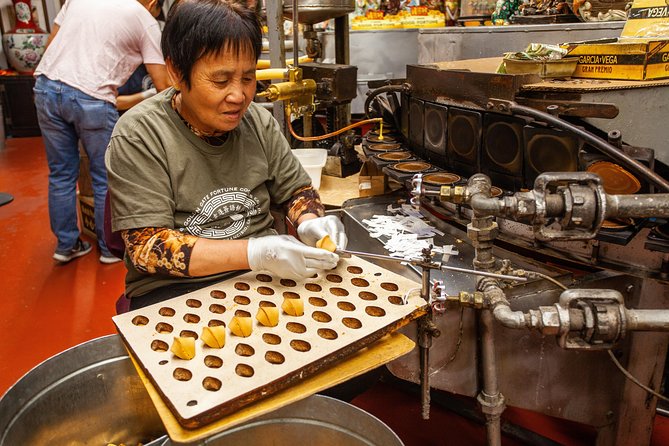
- Fortune cookies are part of the tour: You watch the production process at Golden Gate Fortune Cookies Co. and receive a sample.
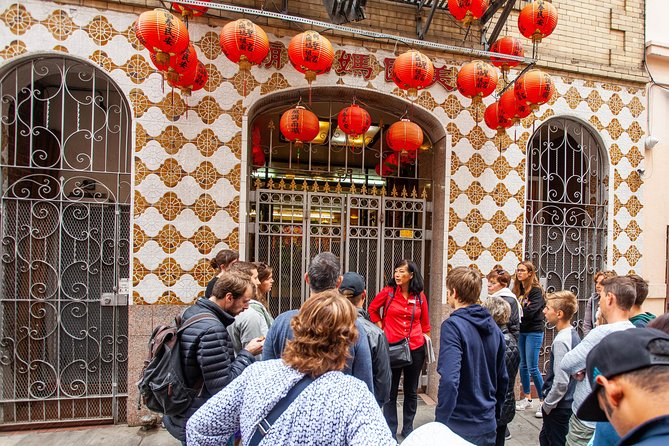
- Waverly Place adds atmosphere and context: The two-block lane has painted balconies, temples, and stories about private Chinese institutions.
- The group stays small: A maximum of 15 people makes it easier to hear the guide and ask questions.
- The walk is easy to fit into a morning: It begins at 10 a.m., lasts about two hours, and ends two blocks from the starting point.
Starting at Old St. Mary’s Cathedral
Meet at Old St. Mary’s Cathedral, at 660 California Street, at 10 a.m. This is a useful starting point because you are already at the edge of Chinatown, close to major public transportation and within an easy walk of the neighborhood’s central streets.
The opening introduction sets the tone. Linda explains Chinatown’s place in San Francisco, the experience of Chinese immigrants, and the ways Chinese culture has continued in the district. You are not simply being led from one photo stop to another. The aim is to help you notice the signs, decorations, buildings, and shops that you might otherwise pass without understanding.
Linda’s background matters here. She was born in Chinatown and has been leading tours for 41 years, according to the information shared about her work. That gives her a personal connection to the neighborhood, though you should still expect a mix of history, cultural explanation, humor, and present-day observations rather than a formal academic lecture.
A few more walking tours around the USA worth a look
- History and Hauntings of Salem Guided Walking Tour
★ 5.0 · 14,564 reviews - New Orleans Premier Ghost, Voodoo and Vampire Walking Tour
★ 4.5 · 12,856 reviews - Little Havana Food and Walking Tour in Miami
★ 5.0 · 8,882 reviews
Portsmouth Square, Chinatown’s outdoor living room
The first substantial stop is Portsmouth Square. The tour presents it as Chinatown’s outdoor living room, a place connected to several early San Francisco firsts: the first American flag, the first public school, and the first cable car line.
This is a good place to get your bearings. Chinatown can feel like a tight cluster of signs, storefronts, and alleys, so a public square helps you understand how the neighborhood connects with the wider city. Linda uses the site to explain how San Francisco developed and how Chinese residents fit into that story.
The stop lasts about 15 minutes. That is long enough for context without turning the square into a drawn-out history lesson. If you want only dramatic architecture and quick photographs, this section may feel talk-heavy. If you want to understand why Chinatown occupies such an important place in San Francisco’s story, it earns its time.
Stockton Street and the everyday food trade
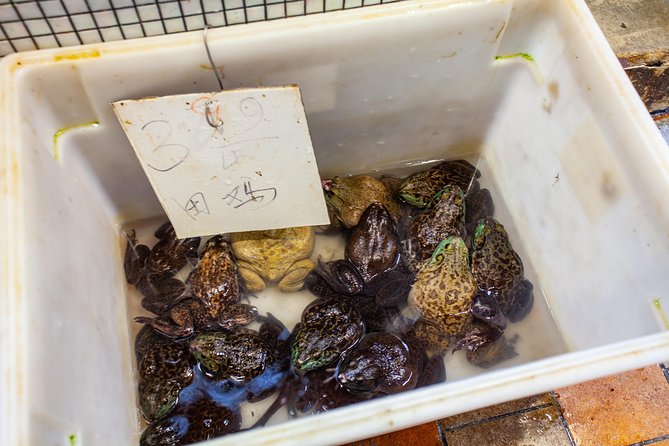
The walk continues toward Stockton Street, where food markets sell fresh produce, seafood, and specialty ingredients. This is one of the most useful parts of the tour because you see Chinatown as a working neighborhood rather than a decorative district built for sightseeing.
Look closely at the displays. You may find produce and food items that are unfamiliar, along with seafood and ingredients used in Chinese cooking. The tour gives you a chance to ask what you are seeing instead of guessing from a shop window.
The markets can be crowded and active, so stay close to the group and keep your attention on the guide. This is also a good place to make notes about what you might want to buy or eat later. The tour does not include lunch, food purchases, or tastings beyond the fortune cookie sample, but Linda can offer restaurant and shopping suggestions at the end.
The fortune cookie factory on Ross Alley
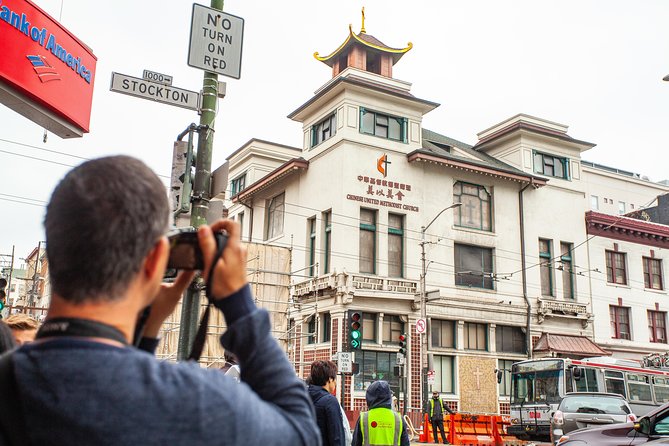
Golden Gate Fortune Cookies Co. is the tour’s most playful stop. You watch the cookies being shaped and receive a sample, turning a familiar American-Chinese treat into a short lesson in local food culture and small-scale production.
The visit is brief, about 10 minutes, so do not expect a long factory tour. Its value comes from seeing the process up close and connecting the cookie with Chinatown’s commercial identity. The cookies are often the easiest detail for children to remember, which makes this a sensible stop for families.
A small practical tip: the entrance has a weathered newspaper clipping connected with Linda. It is worth looking at while you are inside. The stop is compact, and the shop may be busy, so treat it as a quick observation rather than a place to linger for a long time.
Same streets, a different route:
- Chicago: Gangsters and Ghosts Walking Tour
★ 5.0 · 7,155 reviews - Boston: Freedom Trail History Small Group Walking Tour
★ 5.0 · 6,450 reviews - Historic Charleston Guided Sightseeing Walking Tour
★ 5.0 · 6,216 reviews - New Orleans Food Walking Tour of the French Quarter with Small-Group Option
★ 5.0 · 6,118 reviews
Dried goods, herbal remedies, and unusual ingredients
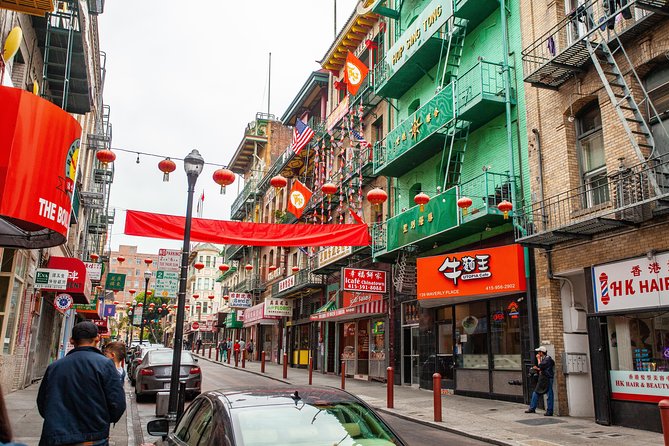
After the fortune cookie stop, the tour visits a dried goods store on Stockton Street. This is where Chinatown’s food traditions and health traditions meet.
You may see ginseng, bird’s nests, gecko lizards, fish bladders, sea cucumbers, abalone, and other goods. Linda explains how these items are understood and used, including the traditional health ideas connected with them. The purpose is not to tell you what to buy or to offer medical advice. Instead, it gives you a window into a system of belief and practice that can be difficult to understand from the sidewalk.
This stop may be the most memorable for adults who enjoy unfamiliar details. It may also be the least comfortable for people sensitive to dried animal products or medicinal displays. The tour handles the shop as a cultural stop, but you should expect some items to look strange or surprising.
Waverly Place and the stories behind the balconies
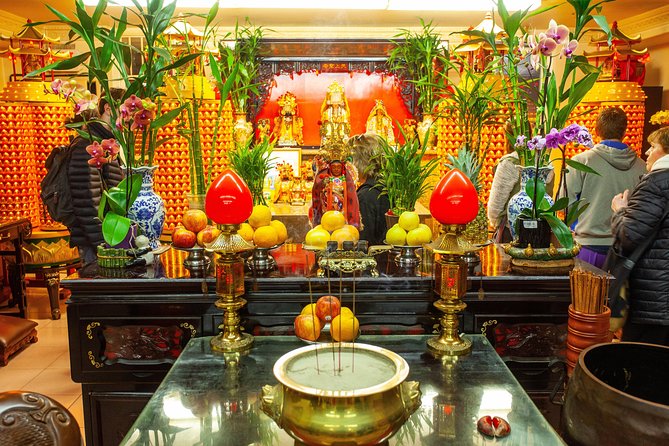
Waverly Place is a two-block lane lined with painted balconies, temples, and buildings connected with private clubs and secret institutions. The architecture is attractive, but the stories behind it are the reason to pay attention.
This is one of the places where a guide adds real value. On your own, you can admire the balconies and take pictures. Linda adds context about the organizations and customs that shaped life in Chinatown, helping you see the street as more than a pretty alley.
If time permits, the group may visit a secluded Buddhist temple. The wording matters: this is not guaranteed as a full stop on every tour. The temple visit depends on timing and circumstances, so enjoy it if it happens, but do not book the walk solely for guaranteed temple access.
Grant Avenue’s shops and Chinese design
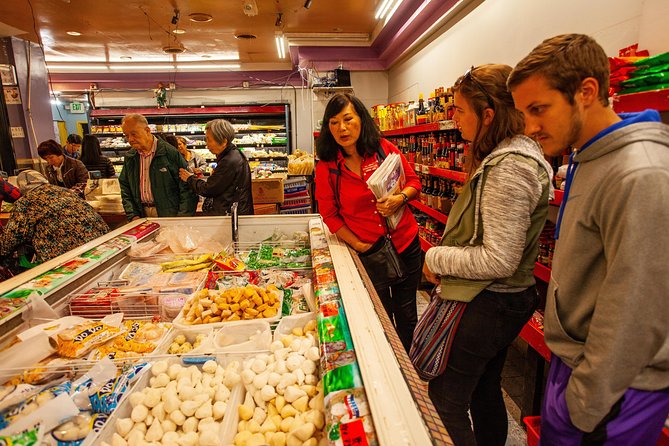
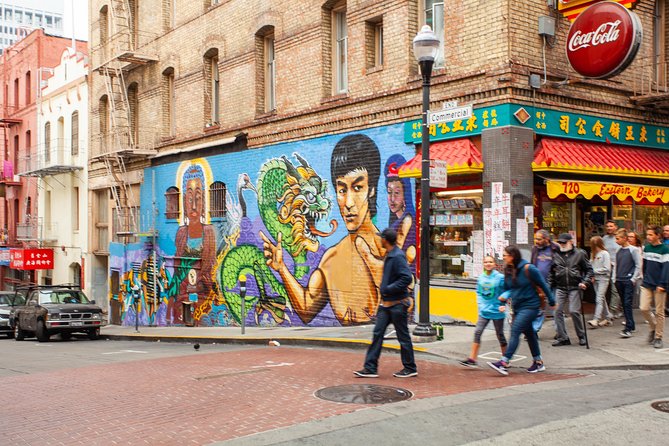
The final stops on Grant Avenue are more curious than grand. One takes you into a shop whose purpose is not immediately obvious. It may look like a stationery store or a party-supply shop, and Linda explains what it sells and why it matters.
That sort of stop suits this tour. You are encouraged to ask what ordinary objects mean and how they fit into Chinese customs. A shop that seems unremarkable from outside can become interesting once you understand the goods inside.
The walk also pauses at the East West Bank building, an example of pagoda-style architecture. Here, Linda explains what occupied the site before the bank and discusses the complexity of the Chinese language, both written and spoken.
This section is less about a single landmark and more about reading the neighborhood. It helps you notice how architecture, business, language, and memory overlap in a small area.
A guide who adapts to the group
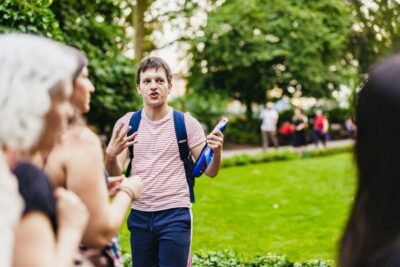
The strongest feature of this experience is Linda’s personal approach. Her style is warm, humorous, and interactive. She makes a point of learning names, asking about people’s interests, and adjusting her talk to families, couples, young adults, and visitors who have already seen Chinatown.
That flexibility can make a big difference. A family may get more explanation of customs and food, while adults interested in immigration or local institutions may receive more historical detail. The tour is not a fixed audio recording delivered at the same speed to every group.
Her humor is part of the appeal, but it also means the experience is shaped by the group and by Linda’s personality. If you prefer a highly formal, date-heavy lecture, this may not be your ideal walk. If you like stories, conversation, and a guide who responds to questions, it is a better match.
One caution: the pace has received mixed reactions. Some people find the two hours pass quickly and wish the tour lasted longer. Others feel the walk could be completed in about an hour and consider $59 too high for the amount of information. I would expect a deliberate pace, with time to look, listen, and ask questions rather than a rapid list of facts.
What the $59 price includes
The $59 fee covers the professional guide and the walking tour. It does not include hotel pickup, drop-off, lunch, shopping, or other personal expenses. Admission is listed as free at each scheduled stop, so the fee is mainly paying for Linda’s time, local knowledge, organization, and interpretation.
The value depends on how you use the experience. If you would stroll through Chinatown anyway and are comfortable figuring out the markets, shops, and history yourself, the price may feel steep. You can see the streets without a guide.
I think the charge makes more sense for a first visit, a family group, or anyone who wants context rather than just a route. The stops are not expensive attractions. The payoff is learning what you are looking at and getting access to details that are easy to miss, especially in the herbal shop, dried-goods store, private-club stories, and language discussion.
The maximum group size is 15. That is not a private tour, but it is small enough to keep the guide audible and allow questions. The minimum is two people. If you are traveling alone, the operator may offer another date so you can join a confirmed group.
Timing, weather, and what to wear
The tour starts at 10 a.m. and lasts about two hours. It ends at 800 Clay Street, near Grant Avenue and about two blocks from Old St. Mary’s Cathedral, so you finish close to where you began.
The route is covered in rain or shine. Wear shoes suitable for city walking and bring clothing that works for changing San Francisco weather. The information does not specify a difficult route, and most people can participate, but you will be on your feet for the duration.
The tour is offered in English and uses a mobile ticket. Service animals are allowed. Since the walk passes through active markets and narrow streets, stay aware of foot traffic and keep the group in sight.
You can cancel for a full refund if you do so at least 24 hours before the local start time. Changes or cancellations inside that window are not accepted for a refund. If the minimum number of people is not reached, the operator will offer another date or experience, or provide a full refund.
Who should book this Chinatown walk
I would choose this tour if you are visiting San Francisco for the first time and want Chinatown to feel like a neighborhood, not just a backdrop for photographs. It also fits families well because the fortune cookie factory, unusual shop displays, and lively markets give children concrete things to see.
It suits repeat visitors too, especially if you have already walked Grant Avenue and want more explanation. Linda’s local background and the less obvious stops can show you details you may have missed on earlier visits.
Food-minded visitors will enjoy Stockton Street and the dried-goods shop. People interested in architecture will appreciate Waverly Place and the East West Bank building. Anyone who prefers a fast-moving checklist of major sights may find the pace too measured.
Should you book it?
Book this Chinatown walk if you value local interpretation, conversation, and small details more than a quick tour of landmarks. The fortune cookie factory is fun, but the more lasting value comes from understanding the markets, medicinal goods, shops, language, and institutions around you.
At $59, it is not a bargain sightseeing loop. It is a paid introduction led by a guide with deep personal ties to the neighborhood. For a first visit, a family, or a curious repeat visitor, I think the price can be justified. If you already know Chinatown well or want a longer tour with more formal history, compare other options before booking.
FAQ
Where does the San Francisco Chinatown walking tour begin?
It begins at Old Saint Mary’s Cathedral, 660 California Street, San Francisco, California 94108.
What time does the tour start?
The tour starts at 10 a.m.
How long does the Chinatown tour last?
The walking tour lasts approximately two hours.
Where does the tour end?
It ends at 800 Clay Street near Grant Avenue, about two blocks from Old St. Mary’s Cathedral.
Is the fortune cookie factory included?
Yes. The tour visits Golden Gate Fortune Cookies Co., where you can watch the cookies being made and sample one.
Does the tour visit a Chinese herbal pharmacy?
Yes. You visit a herbal pharmacy or dried-goods store and learn about items such as ginseng, pearl pills, gecko lizards, bird’s nests, fish bladders, sea cucumbers, and abalone.
How large is the tour group?
The tour has a maximum of 15 participants and requires at least two people to confirm a booking.
What happens if I need to cancel?
You can receive a full refund if you cancel at least 24 hours before the experience starts. Cancellations or changes made less than 24 hours before the start time are not accepted for a refund.
Just added around the USA
- Fan Tribute: Taylor Swift in New York Walking Tour★ 4.9 · 147 reviews
- Explore Must-See Spots: Las Vegas Strip Walking Tour★ 4.8 · 77 reviews
- East Nashville Walking Food Tour with 5+ Tastings★ 4.7 · 178 reviews
- Las Vegas: Fremont Street Walking Tour★ 4.9 · 153 reviews
- NYC: Guided Bus and Walking Tour with Staten Island Ferry★ 4.6 · 209 reviews
- DC: Smithsonian Highlights Walking Tour with Air and Space★ 4.8 · 97 reviews
- DC: Lincoln Assassination Tour with Ford’s Theatre Entry★ 4.6 · 72 reviews
- Deep Dive into Denver: Small-Group Walking Tour★ 4.8 · 119 reviews
Walking Tours, compared.
Magical London: Harry Potter Guided Walking Tour
Read our review →
Reykjavik Food Walk – Local Foodie Adventure in Iceland
Read our review →
History and Hauntings of Salem Guided Walking Tour
Read our review →
New Orleans Premier Ghost, Voodoo and Vampire Walking Tour
Read our review →
Amsterdam Anne Frank: Small-Group Walking Tour & Local Guide
Read our review →
Edinburgh Castle: Guided Walking Tour with Entry Ticket
Read our review →
Anne Frank’s Story – Guided Walking Tour through Amsterdam
Read our review →Browse the lists this tour appears in