
REVIEW · OSLO
Oslo Nature Walks: Island hopping
Oslo’s best escape from the city center may be a short ferry ride away. This three-and-a-half-hour island walk takes you from the harbor to Hovedøya’s monastery ruins, then on to a cabin island where ordinary Oslo life feels far removed from downtown.
I like the easy mix of short ferry rides and real walking, plus the guides’ personal touch. Giovanni has been known to bring hot water and biscuits on cold days, while Patrick, Christian, Shaf, and others add local stories about history, plants, and cabin life. The main drawback is simple: this is mostly a walking tour, not a long sightseeing cruise, and the route can feel brief if you hoped to visit many islands.
Key points to know before you book
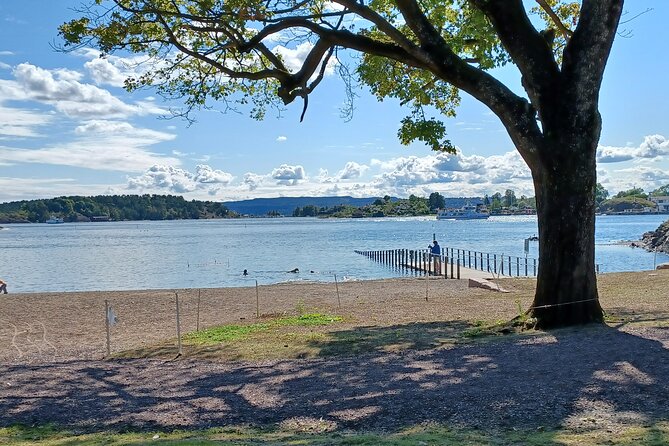
- Hovedøya brings the history: Explore a nature preserve and the remains of an ancient monastery.
- The second island shows local cabin life: Small homes, quiet paths, and fjord views give you a different side of Oslo.
- Ferries are part of the experience: Your public ferry ticket is included, with some crossings taking only about seven minutes.
- The group stays small: The maximum is 15 people, which makes it easier to hear the guide and ask questions.
- Bring food in warmer months: A picnic stop is included from April through September, but lunch is not provided.
- Prepare for outdoor walking: The route can include climbs and uneven island paths, especially in winter.
Why Oslo’s islands are worth your morning
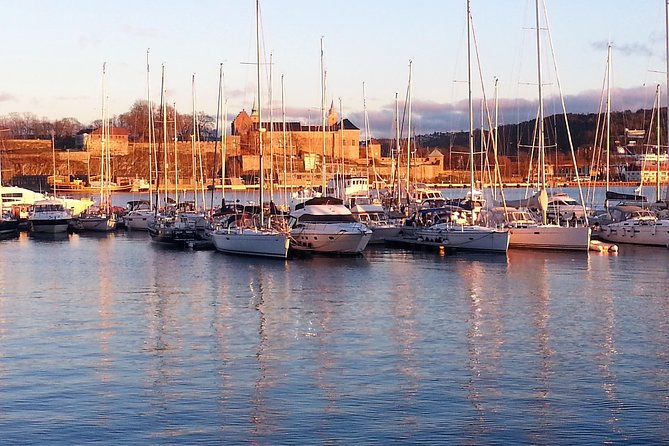
Oslo is one of those capitals where nature is not far from the center. From Rådhusbrygge 4, you can board a public ferry and watch the city recede almost at once. The trip is short, but the change in mood is striking. Office blocks and museums give way to trees, rocky shorelines, old ruins, and painted cabins.
I like this tour because it shows you a side of Oslo that is easy to miss if you stay on the mainland. You are not simply looking at the fjord from a waterfront promenade. You are walking on its islands, hearing about how people use them, and seeing how history and outdoor life sit close together.
The ferry rides are also useful for orientation. You get fresh views back toward Oslo and a sense of how the harbor fits into the wider fjord. Some crossings take only seven minutes, so do not book this expecting hours at sea. The boat is transportation between walks, with views as a pleasant bonus.
The pace is generally moderate. That suits you if you want time for photos, questions, and stories. It may feel slow if you prefer to cover a lot of ground or race from sight to sight. This is a small-group outing designed around conversation and a relaxed look at the islands.
A few more walking tours around the world worth a look
- Magical London: Harry Potter Guided Walking Tour
★ 4.7 · 22,044 reviews - Reykjavik Food Walk – Local Foodie Adventure in Iceland
★ 5.0 · 18,952 reviews - History and Hauntings of Salem Guided Walking Tour
★ 5.0 · 14,564 reviews
Meeting the guide at Rådhusbrygge 4
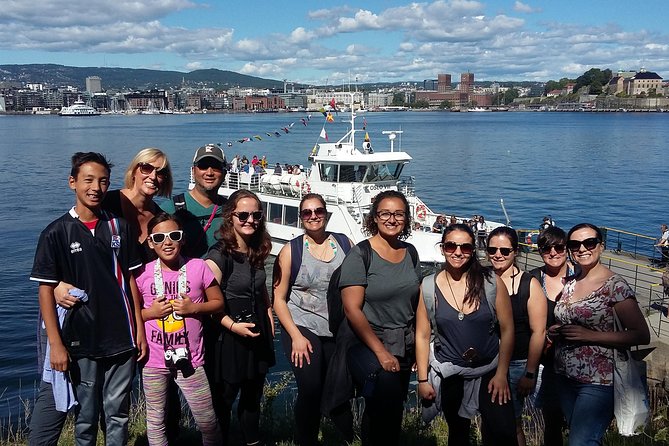
The tour starts at Rådhusbrygge 4, at Oslo’s central waterfront, and ends back there. The meeting point is near public transportation, which makes it practical if you are staying in central Oslo or connecting from another part of town.
The group can include up to 15 people. That is large enough to have a social feel, but small enough that the guide can keep the group together and respond to questions. Guides named in the tour feedback include Giovanni, Patrick, Christian, Shaf, Kat, Curtis, Isi, Jon, Alysia, Cath, Lilo, and Shaw. The exact guide depends on the departure date.
The strongest part of the guiding is the personal detail. You can expect more than a list of dates and names. The guides talk about local customs, Oslo residents’ relationship with nature, island life, plants, and the way the islands connect to the city. Giovanni, in particular, has been praised for his energy and for bringing hot water and biscuits during a very cold outing.
That small kindness matters in Oslo’s winter. A warm drink can turn a chilly ferry stop into a pleasant break. Still, do not count on refreshments being included every time. The dependable inclusions are the guide and public ferry ticket.
Hovedøya: monastery ruins and wooded paths
The first main stop is Hovedøya, a nature preserve with the remains of an ancient monastery. You get about an hour here, combining historical interest with a walk through open and wooded areas.
The monastery ruins give the tour a clear historical anchor. They are not presented as an isolated monument surrounded by city streets. Instead, they sit within an island setting where paths, trees, shoreline, and old stonework share the same space. That combination makes the stop feel more like an outing than a standard museum visit.
Your guide fills in the background and points out details that may be easy to pass without context. Some information on the islands is limited, with older signs mainly in Norwegian, so having an English-speaking guide can make the stop more useful. The value is not just in knowing what the ruins are, but in hearing how the island fits into Oslo’s story.
Hovedøya can also require more effort than the simple phrase island walk suggests. One account describes a fair amount of climbing on the first island. You should be comfortable walking without trouble on small island paths, and winter conditions may make the ground harder to manage.
The route is not presented as a difficult mountain hike. Most people can take part, but it is still outdoor walking rather than a flat city stroll. Wear shoes suited to paths and bring enough clothing for wind and changing temperatures.
The cabin island: a quieter side of Oslo

After Hovedøya, the tour continues by ferry to a second island. The exact route can vary with ferry schedules and conditions, but the experience centers on a cabin island, with Lindøya appearing in the route described by several participants.
This stop changes the subject from medieval history to modern Norwegian life. Instead of monastery remains, you see small homes, quiet paths, and the relaxed atmosphere of island cabins. The contrast gives the tour its shape: first, an older chapter of Oslo’s past, then a look at how people use the fjord today.
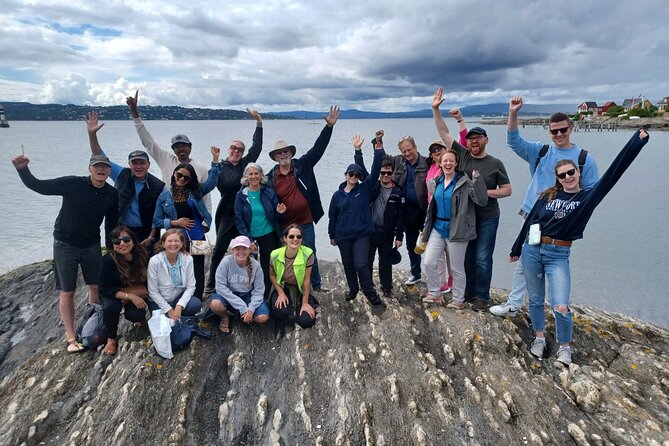
The cabin island is a good place to slow down. You can look across the water toward Oslo, photograph the houses and shoreline, and listen as the guide explains local traditions. One useful feature of the tour is that it does not treat the island as scenery only. The guide connects the homes and outdoor spaces to everyday Norwegian habits and the importance of getting outside.
A picnic stop is included from April through September. You need to bring your own lunch, since food is not included. This is an easy way to keep the outing flexible: pack a sandwich, fruit, or something from Oslo before meeting the group.
Do not expect a restaurant stop or a long meal break. The picnic is part of the walk, not a separate dining experience. In winter, the break may be shorter or handled differently because of the cold and daylight.
Same streets, a different route:
- New Orleans Premier Ghost, Voodoo and Vampire Walking Tour
★ 4.5 · 12,856 reviews - Amsterdam Anne Frank: Small-Group Walking Tour & Local Guide
★ 4.8 · 12,789 reviews - Edinburgh: Harry Potter Magical Guided Walking Tour
★ 4.8 · 11,944 reviews - Edinburgh Castle: Guided Walking Tour with Entry Ticket
★ 4.7 · 11,699 reviews
What you see from the ferry

The boat rides help tie the islands together. From the water, you get views of Oslo that you cannot see from the main waterfront. The city appears as a backdrop rather than the whole subject, framed by the fjord and the islands.
The ferry itself is a public service, not a private sightseeing vessel. That is worth understanding before you book. You are using ordinary local transportation with the guide and group, so the ride may be brief and functional. The upside is that you experience a real part of Oslo’s transport system instead of a packaged cruise.
A smooth crossing can be especially welcome after walking. It gives you a chance to sit, take photos, and warm up or cool down before the next stop. The crossings are short enough that the day remains focused on the islands.
If you want a tour spent mostly on a boat, choose something else. This excursion uses the ferry to reach the walking routes. One of the most useful planning details is that some island-to-island rides take only around seven minutes.
The value of the $71.26 price
At $71.26 per person, the tour is more expensive than buying a public ferry ticket and walking on your own. That comparison is fair, and one person felt the self-guided option offered better value.
The question is what you want from the visit. On your own, you can choose your ferry times and explore at your pace. You may also save money, especially if you already have a transit pass. But you will need to work out the route, watch the ferry schedule, and decide what is worth seeing once you arrive.
The guided price pays for more than the boat ticket. It also pays for route planning, an English-speaking guide, and a route designed around ferry schedules and points of interest. The islands have limited interpretive information, and some older signs are mainly in Norwegian. If you want context about the monastery, cabin life, local customs, and the island’s place in Oslo, the guide adds real value.
I would book it if this is your first visit to Oslo and you want a friendly introduction that combines nature, history, and local life. I would think twice if you are an independent walker who enjoys planning ferry routes and reading up before arriving.
The tour’s high rating, 4.9 from 570 ratings, reflects strong satisfaction with the guides and the overall outing. Still, the price makes most sense when you value storytelling and company, not simply transportation.
Winter changes the character of the outing
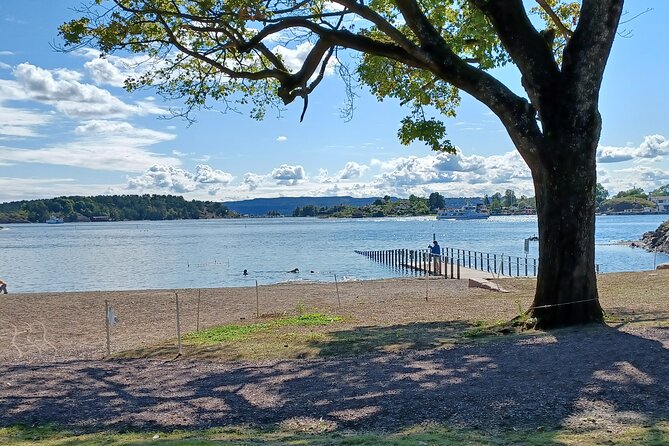
Winter can be a wonderful time to take this tour, but you need to dress for an outdoor day. The islands can feel quiet and stark, with cold air, open water, and fewer distractions. The views back toward Oslo can be especially clear and striking.
The tradeoff is comfort. A past winter outing took place in temperatures as low as minus 8 Celsius. The guide made the day easier with hot water and biscuits, but you should not rely on that as standard equipment. Wear warm layers, protect your hands and head, and use footwear that gives you a firm grip.
Cold weather may also affect the route. One winter outing visited two islands rather than a longer series of stops. The tour description itself focuses on two principal island areas, so you should not assume that bad weather or winter ferry schedules will allow a large amount of island hopping.
Spring through early autumn gives you a more comfortable picnic season and longer daylight. From April through September, you can bring lunch for the planned picnic stop. The islands may feel busier and more open during warmer months, but the tour still offers a break from central Oslo.
Who will enjoy this island walk

This is a good choice for you if you want:
- A small-group outing rather than a large bus tour
- A gentle introduction to Oslo’s fjord and islands
- Local stories about history, plants, customs, and cabin life
- A mix of public transportation and walking
- Photo stops with views back toward the city
- An outdoor activity that lasts about half a day
It may not suit you if you need a completely flat route, dislike walking outdoors, or want a long cruise. It is also not recommended for children under 10. The tour is not described as wheelchair accessible, and the island paths can include climbs, so ask the provider before booking if you have specific mobility needs.
Most people can participate, but that does not mean the route is effortless. Think of it as a moderate city-and-nature walk, not a strenuous hike and not a simple ferry ride.
Practical details that make the day easier
Bring your own lunch from April through September. You can picnic during the island portion, but no meal is included in the price.
Wear comfortable shoes and dress for the forecast. Even in warmer months, the ferry and exposed shorelines can feel cooler than central Oslo. In winter, take the weather warning seriously.
Allow the full three hours and 30 minutes. The tour ends at the same waterfront meeting point, so you do not need to arrange a separate return from the islands.
Free cancellation is available if you cancel at least 24 hours before the start time. Changes made within 24 hours are not accepted, and poor weather can lead to a new date or a full refund. Since the tour depends on outdoor conditions, check the forecast before setting aside the morning or afternoon.
Should you book Oslo Nature Walks: Island Hopping?
Book this tour if you want Oslo explained through its islands rather than viewed only from a museum or street. Hovedøya supplies the old stonework and monastery setting. The cabin island supplies a look at present-day outdoor life. The ferry rides link the two and give you fresh views of the city.
The guides are the strongest reason to choose it. Giovanni, Patrick, Christian, Shaf, and the other named guides have been praised for warmth, humor, clear storytelling, and personal insight. Their contribution can turn a simple walk into a more meaningful introduction to Oslo.
Skip it if your priority is saving money, traveling independently, or spending most of the day on a boat. At $71.26, the tour is a pay-for-the-guide experience. For many first-time visitors, that is a fair trade for an easy route, ferry tickets, and local context in a small group.
FAQ
How long does the Oslo island tour last?
The tour lasts approximately three hours and 30 minutes.
Where does the tour start?
It starts at Rådhusbrygge 4, 0160 Oslo, Norway.
Where does the tour end?
The activity ends back at the meeting point at Rådhusbrygge 4.
Is the public ferry ticket included?
Yes. The guided tour and public ferry ticket are included.
Which islands are visited?
The main route includes Hovedøya and a cabin island area. Lindøya is included on some described routes, and the exact route can depend on ferry schedules and conditions.
What is included at Hovedøya?
Hovedøya includes a nature preserve and the remains of an ancient monastery. Admission is free.
Is lunch included?
No. From April through September, a picnic stop is included, but you need to bring your own lunch.
Is the tour suitable for children?
The tour is not recommended for children under 10 years of age.
Can I cancel for a full refund?
Yes, if you cancel at least 24 hours before the experience start time. If poor weather causes the provider to cancel, you will be offered another date or a full refund.
Just added around the world
- Fira: Guided Foodie Walking Tour with Tastings★ 4.9 · 474 reviews
- Fez: Guided Walking Tour of the Historic Medina★ 5.0 · 359 reviews
- Fez: Walking Tour in the Ancient City of Fez★ 4.8 · 73 reviews
- Faro: Old Town Guided Walking Food Tour★ 4.9 · 94 reviews
- Feel like a local – Walking Tour in Mykonos Town 2hours★ 4.4 · 77 reviews
- Fes: A Guided Walking Tour Through the Historic Medina★ 4.4 · 97 reviews
- Fez: Half-Day City Private Walking Tour with a Guide★ 4.6 · 114 reviews
- Fanal / Assobiadores – Levada Walk★ 4.6 · 93 reviews
Walking Tours, compared.

Magical London: Harry Potter Guided Walking Tour
Read our review →
Reykjavik Food Walk – Local Foodie Adventure in Iceland
Read our review →
History and Hauntings of Salem Guided Walking Tour
Read our review →
New Orleans Premier Ghost, Voodoo and Vampire Walking Tour
Read our review →
Amsterdam Anne Frank: Small-Group Walking Tour & Local Guide
Read our review →

Edinburgh Castle: Guided Walking Tour with Entry Ticket
Read our review →
Anne Frank’s Story – Guided Walking Tour through Amsterdam
Read our review →Browse the lists this tour appears in